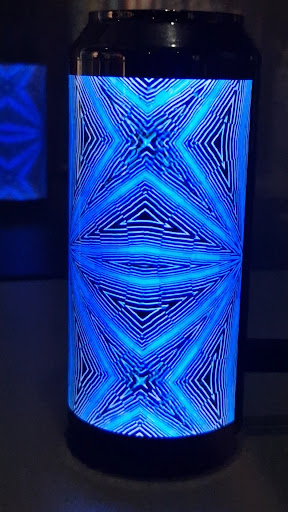
Terrible. It has the potential but no one could be bothered to make it acceptable. The journey starts with lockers which are organizational nightmare and some huge chests for stuff which can't be used. The exhibition is organized very weirdly. First floor is practically empty with some stuff to play around with (boring stuff) plus an exhibition of AI-generated pictures. I actually don't know who would really learn anything new from it in 2024. It's just Midjourney, guys, everyone knows how it works and most people have tried it or similar tools themselves. The main part takes only the 2nd floor, which is still big enough. A huge part of it is focused on the post only (with an overwhelming amount of stamps, signs and everything else related to the post only). Some parts of it are too minimalistic, and suddenly other parts are full of artifacts/documents and walls of text. Here comes the worst part - very specific things which definitely should be explained to a regular person, have captions ONLY in German. While I speak some German to deal with daily stuff, it was definitely not enough to swiftly understand this all. So, ironically, only Biodeutsche are welcome in the building of Deutsche Reichspostamt. Almost a time travel to 1930s. Captions in English are only available for the most general things and I'd say only 20-30% of all information is translated, which is to be expected when you come in some tiny village museum in Sachsen, but not in the middle of Berlin! Also, exhibits are often located out of reach and hardly can be seen (like laying on the upper shelves on a 5m height) or there are too many of them in some spaces with captions scattered around chaotically, so it all leaves you guessing. Almost no interactive things, and most of them aren't explained properly or don't work. The 3rd floor is allocated for a heavily politicized "climate change" exhibition. I was already tired of that chaos and only walked through it, not stopping for anything, but it was clear enough that it contains only lefty brainwashing and overplaying this topic again and again, trying to make people feel fear and guilty. It's already everywhere and it's disgusting. Also really out of place in this museum. Also, there is only one toilet in the basement, zero drinking water taps and almost zero places to sit and rest, which would be really handy in a pretty big museum and disabilities (including invisible) also exist, so not everyone can stand and watch and read a lot of things for 2 hours in a row. So, even though there's a nice building (in a horrible and unsafe touristy neighbourhood, but still) and quite a lot of nice things laying around, I can't rate it any higher with such attitude and outright awful...
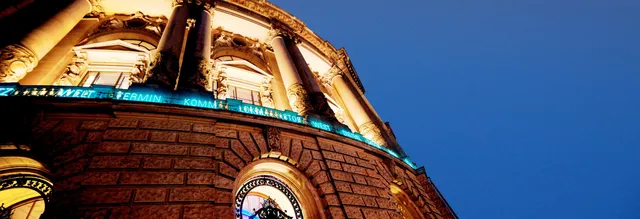
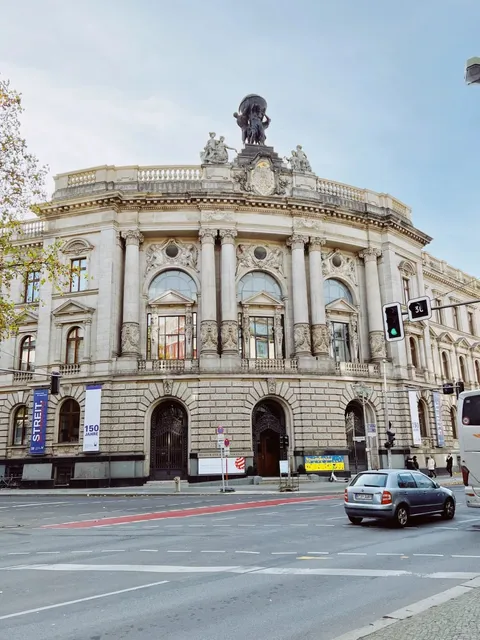
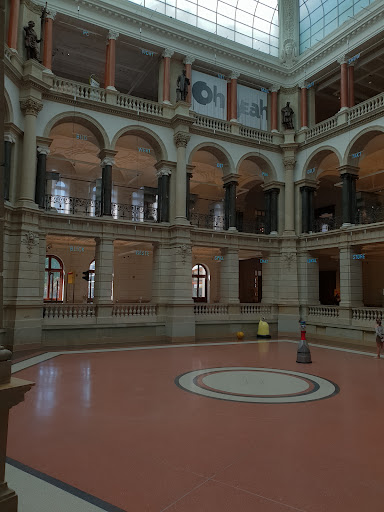
Read moreAs a radio ham with a technical background in telecommunications, I found the Museum for Communication in Berlin to be an absolute gem. This institution is a must-visit for anyone interested in the history and evolution of communication technologies. The museum is housed in a stunning neo-Baroque building, which itself is a testament to the rich history it contains. The elegant architecture, beautifully complemented by modern blue neon accents, sets the stage for an extraordinary journey through time. Upon entering, I was immediately struck by the impressive atrium, where friendly robots greet visitors, offering a glimpse into the future of communication. This juxtaposition of historical artifacts and cutting-edge technology perfectly encapsulates the museum's mission to bridge the past, present, and future of communication. The exhibits are meticulously curated, showcasing a wide range of communication tools and technologies. From ancient methods like smoke signals to the latest in digital communication, every display is thoughtfully designed and rich in detail. As a radio enthusiast, I was particularly fascinated by the exhibits on radio technology and its evolution. The museum's interactive approach makes complex concepts accessible to visitors of all ages. I spent hours exploring the communications gallery, experimenting with various interactive stations that demonstrate the basics of communication in an engaging manner. The pneumatic tube system for sending messages was a particular highlight, offering a hands-on experience of a technology that once revolutionized internal communication. One of the most impressive aspects of the museum is its comprehensive collection. The Treasure Chamber in the cellar houses extraordinary objects, including the world's first telephone and the famous Blue Mauritius stamp. For a radio ham like myself, seeing these rare and significant artifacts was truly exciting. The museum also does an excellent job of contextualizing the impact of communication technologies on society. It explores how media have changed our perception of time and space, and how the acceleration of information transfer has affected our lives. Overall, the Museum for Communication in Berlin offers a rich, educational experience that caters especially well to those with a technical background. Its well-thought-out exhibits, interactive displays, and beautiful setting make it a worthwhile visit for anyone interested in the past, present, and future of human communication. We visited on the last day of the free Sunday plan, now terminated by the German government....
Read moreMuseum communication in Berlin is highly advanced and well-developed, providing visitors with an engaging and immersive experience. The city's museums are known for their innovative and interactive exhibits, designed to make learning about history and culture enjoyable and accessible. From ancient art and architecture to contemporary art and culture, Berlin's museums offer various collections and experiences.
One of the critical aspects of museum communication in Berlin is accessibility. Many of the city's museums offer audio guides and tours in multiple languages, ensuring visitors worldwide can fully engage with the exhibits. This makes the museums inclusive and welcoming to people from all backgrounds, regardless of their language or cultural background. Additionally, many museums in Berlin have facilities for visitors with disabilities, such as wheelchair access and sign language interpreters, ensuring that everyone can enjoy the exhibits.
The Berlin Museums' communication strategy also emphasizes innovation and interactivity—exhibits are engaging and interactive, encouraging visitors to participate and learn actively. For example, some museums feature interactive exhibits where visitors can touch, feel, and smell objects. This allows visitors to get a more in-depth understanding of the exhibits and the history behind them.
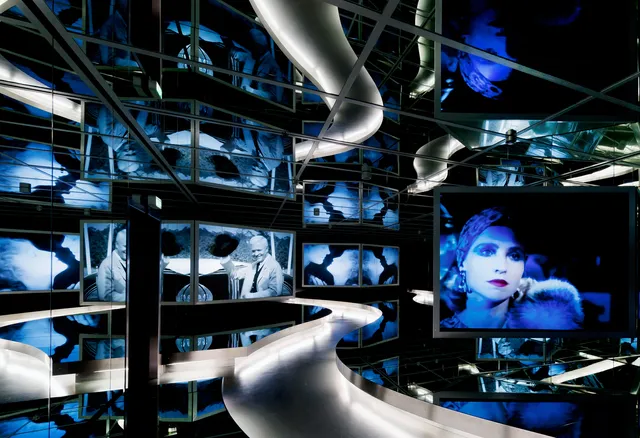
Moreover, multimedia presentations are widely used in Berlin's museums to enhance the visitor experience. These presentations can include videos, animations, and virtual reality displays, giving visitors a deeper understanding of the exhibits. They also offer a way to engage younger visitors, who may be more familiar with digital media than traditional exhibits.
Museum communication in Berlin is highly advanced and well-developed, catering to the needs of visitors worldwide. The city's museums strongly emphasize accessibility, interactivity, and innovation, providing visitors with an engaging and immersive experience. The Pergamon Museum on Museum Island is a perfect example of this approach. The museum's exhibits, such as the Pergamon Altar and the Ishtar Gate of Babylon, are accompanied by multimedia presentations that give visitors a deeper understanding of the history and significance of these objects. The museum also offers audio guides in multiple languages, ensuring visitors can fully engage with...
Read more