HTML SitemapExplore
logo
Find Things to DoFind The Best Restaurants

City Park — Attraction in Budapest

Name
City Park
Description
Nearby attractions
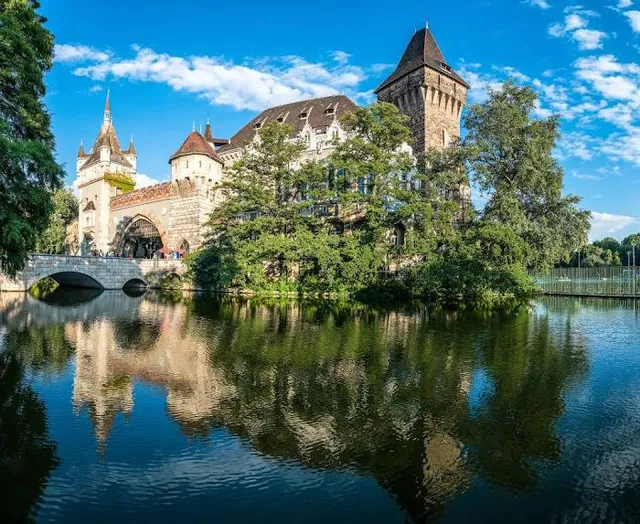
Vajdahunyad Castle
Budapest, Vajdahunyad stny., 1146 Hungary
House of Music Hungary
Budapest, Olof Palme stny. 3, 1146 Hungary
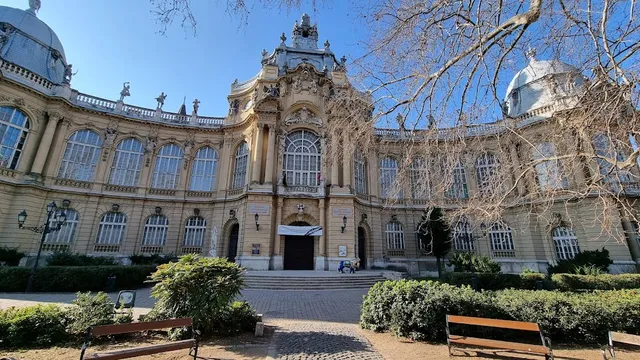
Museum of Hungarian Agriculture
Budapest, Vajdahunyad stny., 1146 Hungary
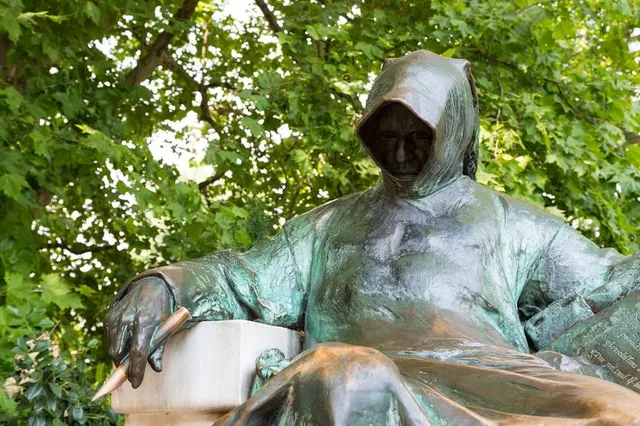
Statue of Anonymous
Budapest, 1146 Hungary
City Park Ice Rink and Boating
Budapest, Olof Palme stny. 5, 1146 Hungary
Chapel of Ják
Budapest, 1146 Hungary
Heroes' Square
Budapest, Hősök tere, 1146 Hungary
Gatehouse Tower
Budapest, Vajdahunyad stny., 1146 Hungary
Museum of Ethnography
Budapest, Dózsa György út 35, 1146 Hungary
Main Playground in Városliget
Budapest, Ajtósi Dürer sor 15, 1146 Hungary
Nearby restaurants
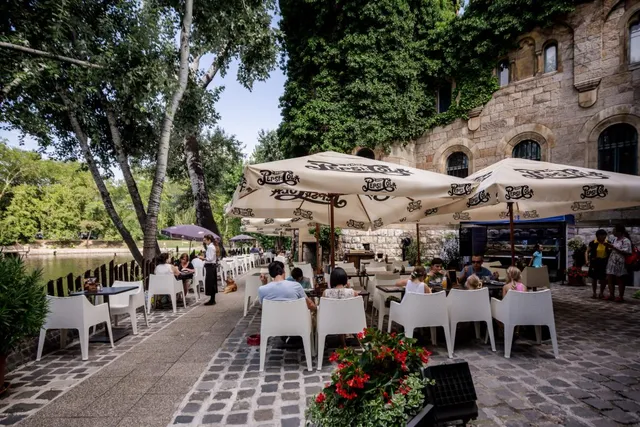
Anonymus Étterem
Koós, Budapest, Kós Károly stny. 1, 1146 Hungary
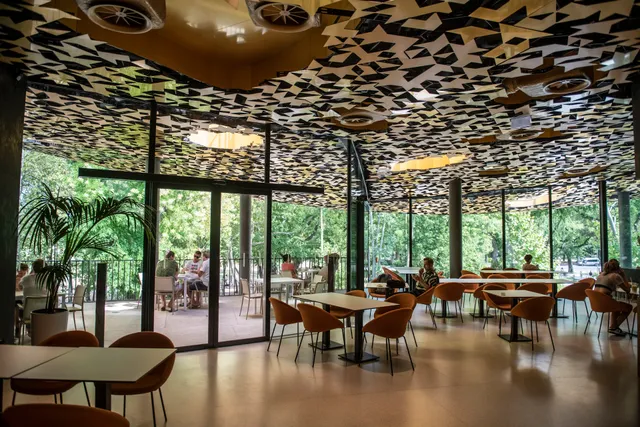
Városliget Café
Budapest, Olof Palme stny. 6, 1146 Hungary
Millennium Kávéház és Étterem
Budapest, Olof Palme stny. 1, 1146 Hungary
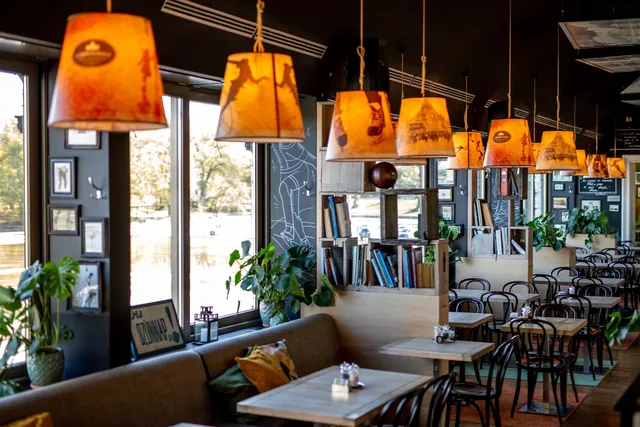
Trilla Bisztro
Budapest, Olof Palme stny. 3, 1146 Hungary
Paprika Vendéglő
Budapest, Dózsa György út 72, 1071 Hungary
Nyereg étterem
Budapest, Városligeti krt. 2., 1146 Hungary
Etno Bistro
Budapest, Dózsa György út 35, 1146 Hungary
Robinson Restaurant
Budapest, 1146 Hungary
Széchenyi Garden Restaurant
Budapest, Állatkerti krt. 11, 1146 Hungary
Ligeti Lángos
Budapest, Állatkerti krt. 3, 1146 Hungary
Related posts
Keywords
City Park tourism.City Park hotels.City Park bed and breakfast. flights to City Park.City Park attractions.City Park restaurants.City Park travel.City Park travel guide.City Park travel blog.City Park pictures.City Park photos.City Park travel tips.City Park maps.City Park things to do.
City Park things to do, attractions, restaurants, events info and trip planning
City Park
HungaryCentral HungaryBudapestCity Park

Basic Info

City Park

Budapest, Kós Károly stny., 1146 Hungary
4.7(26.5K)
Open until 12:00 AM
Save
spot

Ratings & Description

Info

Outdoor
Cultural
Family friendly
attractions: Vajdahunyad Castle, House of Music Hungary, Museum of Hungarian Agriculture, Statue of Anonymous, City Park Ice Rink and Boating, Chapel of Ják, Heroes' Square, Gatehouse Tower, Museum of Ethnography, Main Playground in Városliget, restaurants: Anonymus Étterem, Városliget Café, Millennium Kávéház és Étterem, Trilla Bisztro, Paprika Vendéglő, Nyereg étterem, Etno Bistro, Robinson Restaurant, Széchenyi Garden Restaurant, Ligeti Lángos
logoLearn more insights from Wanderboat AI.
Website
ligetbudapest.hu
Open hoursSee all hours
FriOpen 24 hoursOpen

Plan your stay

hotel
Pet-friendly Hotels in Budapest
Find a cozy hotel nearby and make it a full experience.
hotel
Affordable Hotels in Budapest
Find a cozy hotel nearby and make it a full experience.
hotel
The Coolest Hotels You Haven't Heard Of (Yet)
Find a cozy hotel nearby and make it a full experience.
hotel
Trending Stays Worth the Hype in Budapest
Find a cozy hotel nearby and make it a full experience.

Reviews

Nearby attractions of City Park

Vajdahunyad Castle

House of Music Hungary

Museum of Hungarian Agriculture

Statue of Anonymous

City Park Ice Rink and Boating

Chapel of Ják

Heroes' Square

Gatehouse Tower

Museum of Ethnography

Main Playground in Városliget

Vajdahunyad Castle

Vajdahunyad Castle

4.7

(9.6K)

Closed
Click for details
House of Music Hungary

House of Music Hungary

4.8

(3.8K)

Closed
Click for details
Museum of Hungarian Agriculture

Museum of Hungarian Agriculture

4.5

(624)

Open 24 hours
Click for details
Statue of Anonymous

Statue of Anonymous

4.8

(255)

Open 24 hours
Click for details

Things to do nearby

Tours in the longest cave of Budapest
Fri, Dec 5 • 10:00 AM
Budapest, 1025, Hungary
View details
Free tour of downtown Budapest, in Spanish
Fri, Dec 5 • 10:30 AM
Budapest, 1055, Hungary
View details
Amazing Private Photo Shoot in Budapest
Fri, Dec 5 • 7:30 AM
Budapest, 1014, Hungary
View details

Nearby restaurants of City Park

Anonymus Étterem

Városliget Café

Millennium Kávéház és Étterem

Trilla Bisztro

Paprika Vendéglő

Nyereg étterem

Etno Bistro

Robinson Restaurant

Széchenyi Garden Restaurant

Ligeti Lángos

Anonymus Étterem

Anonymus Étterem

3.8

(771)

Open until 12:00 AM
Click for details
Városliget Café

Városliget Café

4.7

(1.8K)

$$

Click for details
Millennium Kávéház és Étterem

Millennium Kávéház és Étterem

4.6

(463)

Click for details
Trilla Bisztro

Trilla Bisztro

3.5

(84)

Closed
Click for details
Get the Appoverlay
Get the AppOne tap to find yournext favorite spots!
Wanderboat LogoWanderboat

Your everyday Al companion for getaway ideas

CompanyAbout Us
InformationAI Trip PlannerSitemap
SocialXInstagramTiktokLinkedin
LegalTerms of ServicePrivacy Policy

Get the app

© 2025 Wanderboat. All rights reserved.
logo

Reviews of City Park

4.7
(26,512)
avatar
4.0
6y

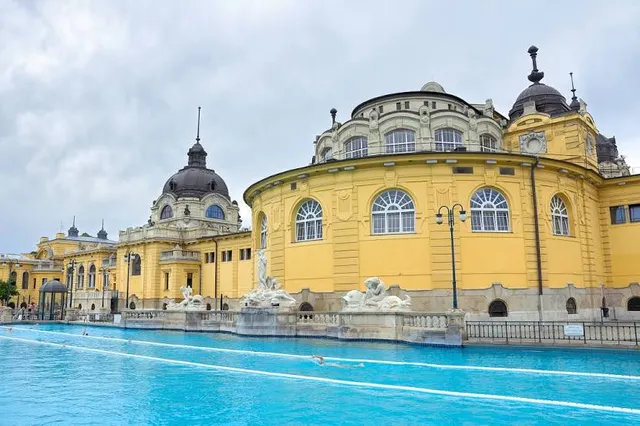
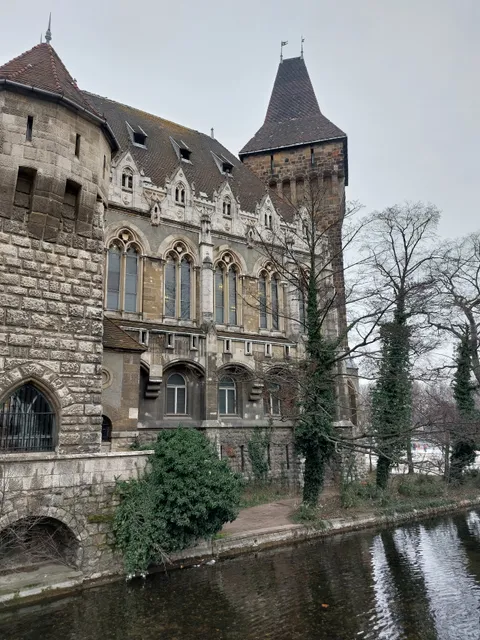
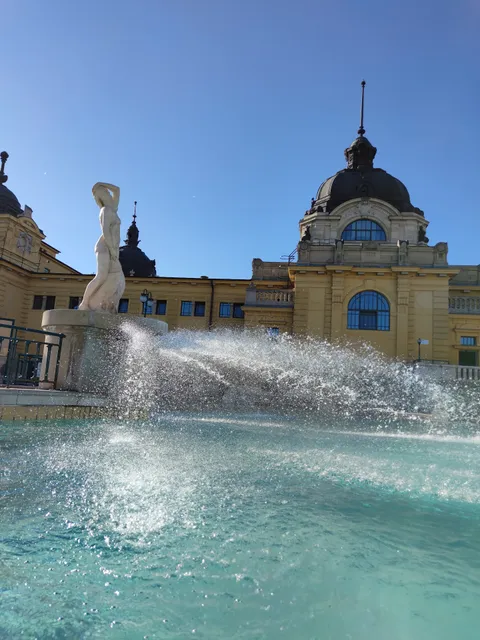
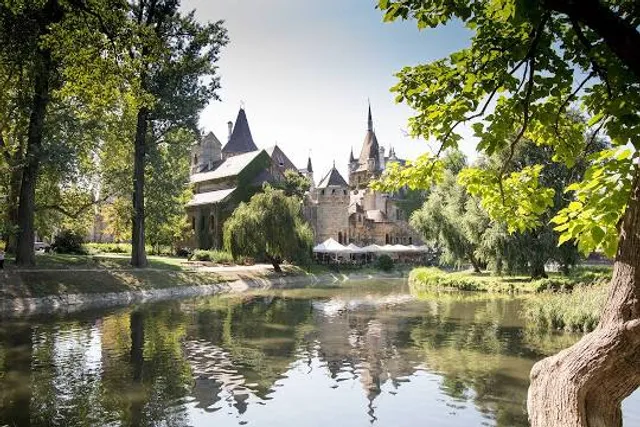
The biggest and most beautiful public park in downtown Budapest. Its main entrance is Heroes' Square (Hősök tere), one of Hungary's World Heritage sites. The first trees and planified walkways were established in 1751 and after the public park was created in the first decades of the 19th century the present-day name, Városliget was accepted and it became the first public park in the world. City Park was the main venue of the 1896 millennium celebrations of Hungary, by which time Andrássy Avenue, Millennium Underground and the Grand Boulevard were built. The Hungary’s premier gallery of art from early times until the end of the 18th century is on display in a stately neo-Classical Museum of Fine Arts at Heroes’ Square, housing masterpieces of Raphael, El Greco, Van Dyck, Dürer etc. The exhibition hall on Heroes’ Square was erected in 1896 for the millennium celebrations, and was designed by Albert Schikedanz. Today the hall operates on the pattern of the German Kunsthalle: it is an institution run by artists that does not maintain its own collection. The three-bayed, semi-circular apse houses a roofed exhibition hall that allows in light through the roof. Since the building was renovated in 1995 the Art Gallery has welcomed visitors and leading Hungarian and international contemporary artists alike, mediating and representing modern artistic tendencies whilst not maintaining its own permanent collection. The Széchenyi Bath, one of the largest spas in Europe, offers great relaxation for the whole family both on a hot summer day and in winter. Start your walk at Vajdahunyad Castle at the Heroes’ Square end of the park. The dream-like edifice constructed for the 1896 Millennial Exhibition is a mixture of several architectural styles (you won’t find two similar style turrets). Today the Castle Houses the Museum of Agriculture and hosts several events and exhibitions all the year round. The Grand Circus, the only permanent circus in Central Europe: circus performances, sport events, concerts, operetta and dance shows. Budapest Zoo, one of the oldest zoos in the world: wide variety of animals, remarkable buildings, lots of green. City Park is a favorite park in Budapest, where everyone will find something to do no matter young or old, single...

   Read more
avatar
5.0
1y

Scroll down for the English version.

Városliget története és érdekességei Középkor A Városliget területe már a középkorban is jelentős volt. Rogerius nagyváradi kanonok említi Carmen Miserabile című művében, amely a tatárjárás pusztításait írja le. IV. Béla király a Rákos-mezőn, valamint a mai Városliget területén állomásozott a tatárok ellen összehívott seregével. A terület jó ivóvizű, vadban gazdag fás legelő volt, amely egykor Újbécshez tartozott. A tatárjárás idején egy kisebb ütközet színhelye volt: 1241. március 17-én Sejbán tatár vezér könnyűlovasai megsemmisítő vereséget mértek Ugrin kalocsai érsek seregére.

század A 18. században a területet Ökrösdűlőnek nevezték, és legelőként, illetve homokpusztaként használták. A maláriaveszély csökkentésére a város fűzfákat ültetett a környéken. A területet később parkosították, és 1813-ban Heinrich Nebbien tervei alapján alakították ki a mai Városligetet.

század A Városliget a 19. században vált Budapest egyik legfontosabb közparkjává. Az 1896-os millenniumi ünnepségek fő helyszíne volt, ahol számos épület és emlékmű épült, mint például a Vajdahunyad vára és a Hősök tere. A parkban található Széchenyi fürdő is ebben az időszakban nyílt meg.

század A 20. század elején a Városliget tovább fejlődött, és számos kulturális és szórakoztató létesítmény épült itt, mint például a Fővárosi Állat- és Növénykert, a Vidámpark és a Műjégpálya. A park a második világháború alatt jelentős károkat szenvedett, de később helyreállították.

század A 21. században a Városliget újabb átalakuláson ment keresztül a Liget Budapest projekt keretében, amely Európa egyik legnagyobb városi kulturális fejlesztése. A projekt célja a park teljes megújítása, modern kulturális intézményekkel és zöldterületekkel való gazdagítása.

History and Interesting Facts about Városliget Middle Ages The area of Városliget was significant even in the Middle Ages. It is mentioned by Rogerius, a canon from Nagyvárad, in his work “Carmen Miserabile,” which describes the devastations of the Tatar invasion. King Béla IV stationed his army here against the Tatars. The area was a wooded pasture with good drinking water, rich in game, and belonged to Újbécs. During the Tatar invasion, a minor battle took place here on March 17, 1241, where the light cavalry of the Tatar leader Sejbán inflicted a crushing defeat on the army of Ugrin, the archbishop of Kalocsa.

18th Century In the 18th century, the area was known as Ökrösdűlő and was used as pastureland and sand wasteland. To reduce the malaria risk, the city planted willow trees in the area. Later, the area was landscaped, and in 1813, it was transformed into the present-day Városliget based on the plans of Heinrich Nebbien.

19th Century In the 19th century, Városliget became one of Budapest’s most important public parks. It was the main venue for the 1896 Millennium celebrations, where numerous buildings and monuments were constructed, such as Vajdahunyad Castle and Heroes’ Square. The Széchenyi Bath, located in the park, also opened during this period.

20th Century At the beginning of the 20th century, Városliget continued to develop, with numerous cultural and entertainment facilities being built, such as the Budapest Zoo and Botanical Garden, the Amusement Park, and the Ice Rink. The park suffered significant damage during World War II but was later restored.

21st Century In the 21st century, Városliget underwent another transformation as part of the Liget Budapest project, one of Europe’s largest urban cultural developments. The project aims to fully renew the park, enriching it with modern cultural institutions and green spaces.

Interesting Facts and Rumors Vajdahunyad Castle in Városliget was originally built of wood for the 1896 Millennium celebrations and later rebuilt in stone. The Széchenyi Bath in the park is one of the largest thermal baths in Europe and the site of many romantic stories. Scenes from the film “Budapest Noir” were shot in Városliget.

Fotó: 1896 Fortepan / Budapest Főváros Levéltára / Klösz...

   Read more
avatar
5.0
2y

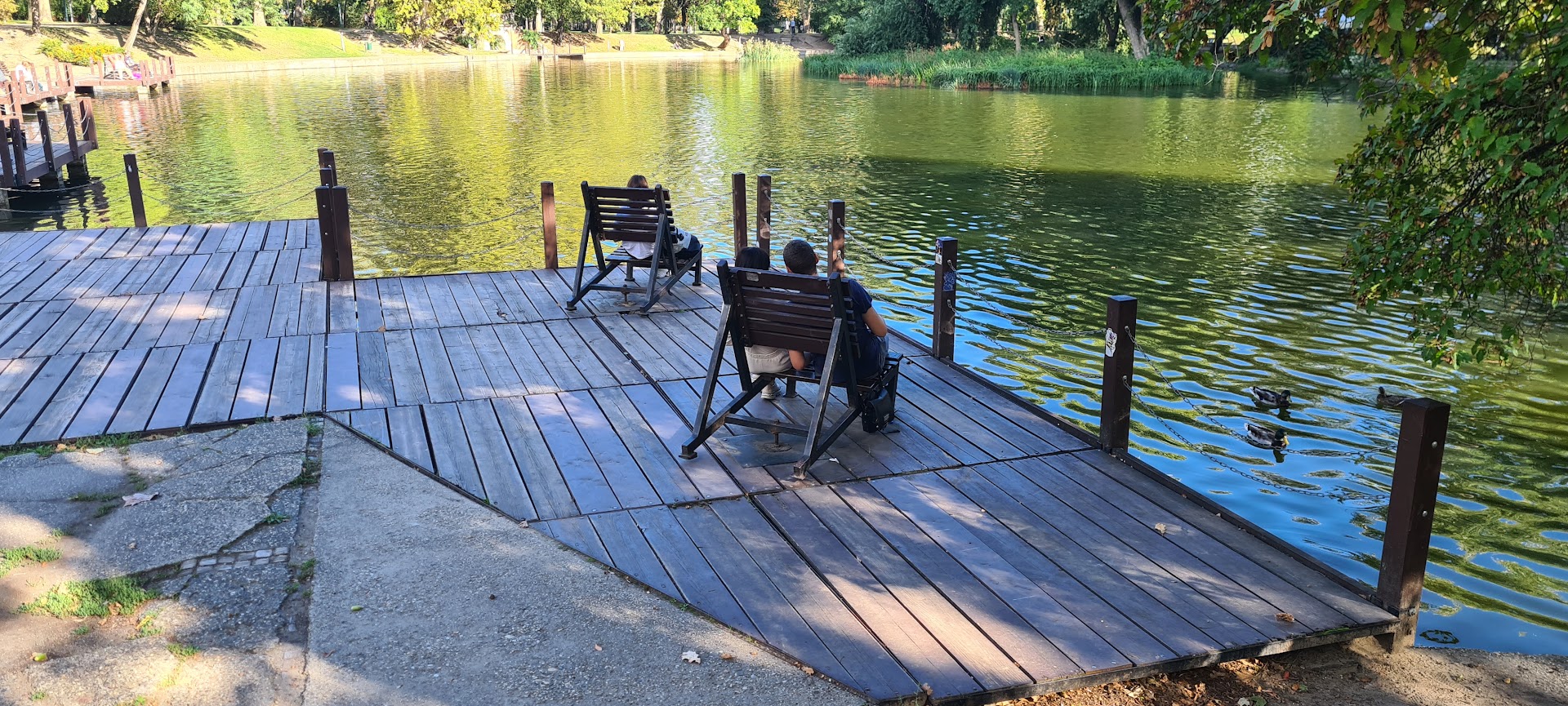
In my opinion, the best and greenest park in Budapest. The most stuffed. There are a lot of everything: rest areas; entertainment places (for example, a place with drums, pipes and other things that make sounds, where you can try yourself as a musician); you may also have the experience of rising 30-60 meters into the sky in a hot air balloon basket; in summer there is a small lake where you can rent a boat, and in winter you can go ice skating at the skating rink; there are places for sports; jogging paths are located throughout the park;…. There are also small cafes and trendy restaurants with great food. Széchenyi Thermal Bath is located within the park. Thermal baths are a distinctive feature of Budapest that are definitely worth trying. The park is surrounded by museums (Museum of Ethnography; Kunsthalle; Museum of Fine Arts; Museum of Hungarian Agriculture). So you can have a great time and spend the whole day in this area trying different...

   Read more
Page 1 of 7
Previous
Next

Posts

Vályi GyörgyVályi György
The biggest and most beautiful public park in downtown Budapest. Its main entrance is Heroes' Square (Hősök tere), one of Hungary's World Heritage sites. The first trees and planified walkways were established in 1751 and after the public park was created in the first decades of the 19th century the present-day name, Városliget was accepted and it became the first public park in the world. City Park was the main venue of the 1896 millennium celebrations of Hungary, by which time Andrássy Avenue, Millennium Underground and the Grand Boulevard were built. The Hungary’s premier gallery of art from early times until the end of the 18th century is on display in a stately neo-Classical Museum of Fine Arts at Heroes’ Square, housing masterpieces of Raphael, El Greco, Van Dyck, Dürer etc. The exhibition hall on Heroes’ Square was erected in 1896 for the millennium celebrations, and was designed by Albert Schikedanz. Today the hall operates on the pattern of the German Kunsthalle: it is an institution run by artists that does not maintain its own collection. The three-bayed, semi-circular apse houses a roofed exhibition hall that allows in light through the roof. Since the building was renovated in 1995 the Art Gallery has welcomed visitors and leading Hungarian and international contemporary artists alike, mediating and representing modern artistic tendencies whilst not maintaining its own permanent collection. The Széchenyi Bath, one of the largest spas in Europe, offers great relaxation for the whole family both on a hot summer day and in winter. Start your walk at Vajdahunyad Castle at the Heroes’ Square end of the park. The dream-like edifice constructed for the 1896 Millennial Exhibition is a mixture of several architectural styles (you won’t find two similar style turrets). Today the Castle Houses the Museum of Agriculture and hosts several events and exhibitions all the year round. The Grand Circus, the only permanent circus in Central Europe: circus performances, sport events, concerts, operetta and dance shows. Budapest Zoo, one of the oldest zoos in the world: wide variety of animals, remarkable buildings, lots of green. City Park is a favorite park in Budapest, where everyone will find something to do no matter young or old, single or have kids.
Kornel Almasi Photo & Video (TurcsY)Kornel Almasi Photo & Video (TurcsY)
Scroll down for the English version. Városliget története és érdekességei Középkor A Városliget területe már a középkorban is jelentős volt. Rogerius nagyváradi kanonok említi Carmen Miserabile című művében, amely a tatárjárás pusztításait írja le. IV. Béla király a Rákos-mezőn, valamint a mai Városliget területén állomásozott a tatárok ellen összehívott seregével. A terület jó ivóvizű, vadban gazdag fás legelő volt, amely egykor Újbécshez tartozott. A tatárjárás idején egy kisebb ütközet színhelye volt: 1241. március 17-én Sejbán tatár vezér könnyűlovasai megsemmisítő vereséget mértek Ugrin kalocsai érsek seregére. 18. század A 18. században a területet Ökrösdűlőnek nevezték, és legelőként, illetve homokpusztaként használták. A maláriaveszély csökkentésére a város fűzfákat ültetett a környéken. A területet később parkosították, és 1813-ban Heinrich Nebbien tervei alapján alakították ki a mai Városligetet. 19. század A Városliget a 19. században vált Budapest egyik legfontosabb közparkjává. Az 1896-os millenniumi ünnepségek fő helyszíne volt, ahol számos épület és emlékmű épült, mint például a Vajdahunyad vára és a Hősök tere. A parkban található Széchenyi fürdő is ebben az időszakban nyílt meg. 20. század A 20. század elején a Városliget tovább fejlődött, és számos kulturális és szórakoztató létesítmény épült itt, mint például a Fővárosi Állat- és Növénykert, a Vidámpark és a Műjégpálya. A park a második világháború alatt jelentős károkat szenvedett, de később helyreállították. 21. század A 21. században a Városliget újabb átalakuláson ment keresztül a Liget Budapest projekt keretében, amely Európa egyik legnagyobb városi kulturális fejlesztése. A projekt célja a park teljes megújítása, modern kulturális intézményekkel és zöldterületekkel való gazdagítása. History and Interesting Facts about Városliget Middle Ages The area of Városliget was significant even in the Middle Ages. It is mentioned by Rogerius, a canon from Nagyvárad, in his work “Carmen Miserabile,” which describes the devastations of the Tatar invasion. King Béla IV stationed his army here against the Tatars. The area was a wooded pasture with good drinking water, rich in game, and belonged to Újbécs. During the Tatar invasion, a minor battle took place here on March 17, 1241, where the light cavalry of the Tatar leader Sejbán inflicted a crushing defeat on the army of Ugrin, the archbishop of Kalocsa. 18th Century In the 18th century, the area was known as Ökrösdűlő and was used as pastureland and sand wasteland. To reduce the malaria risk, the city planted willow trees in the area. Later, the area was landscaped, and in 1813, it was transformed into the present-day Városliget based on the plans of Heinrich Nebbien. 19th Century In the 19th century, Városliget became one of Budapest’s most important public parks. It was the main venue for the 1896 Millennium celebrations, where numerous buildings and monuments were constructed, such as Vajdahunyad Castle and Heroes’ Square. The Széchenyi Bath, located in the park, also opened during this period. 20th Century At the beginning of the 20th century, Városliget continued to develop, with numerous cultural and entertainment facilities being built, such as the Budapest Zoo and Botanical Garden, the Amusement Park, and the Ice Rink. The park suffered significant damage during World War II but was later restored. 21st Century In the 21st century, Városliget underwent another transformation as part of the Liget Budapest project, one of Europe’s largest urban cultural developments. The project aims to fully renew the park, enriching it with modern cultural institutions and green spaces. Interesting Facts and Rumors Vajdahunyad Castle in Városliget was originally built of wood for the 1896 Millennium celebrations and later rebuilt in stone. The Széchenyi Bath in the park is one of the largest thermal baths in Europe and the site of many romantic stories. Scenes from the film “Budapest Noir” were shot in Városliget. Fotó: 1896 Fortepan / Budapest Főváros Levéltára / Klösz György fényképei
Dmytro SobokarDmytro Sobokar
In my opinion, the best and greenest park in Budapest. The most stuffed. There are a lot of everything: rest areas; entertainment places (for example, a place with drums, pipes and other things that make sounds, where you can try yourself as a musician); you may also have the experience of rising 30-60 meters into the sky in a hot air balloon basket; in summer there is a small lake where you can rent a boat, and in winter you can go ice skating at the skating rink; there are places for sports; jogging paths are located throughout the park;…. There are also small cafes and trendy restaurants with great food. Széchenyi Thermal Bath is located within the park. Thermal baths are a distinctive feature of Budapest that are definitely worth trying. The park is surrounded by museums (Museum of Ethnography; Kunsthalle; Museum of Fine Arts; Museum of Hungarian Agriculture). So you can have a great time and spend the whole day in this area trying different experiences.
See more posts
See more posts
hotel
Find your stay

Pet-friendly Hotels in Budapest

Find a cozy hotel nearby and make it a full experience.

The biggest and most beautiful public park in downtown Budapest. Its main entrance is Heroes' Square (Hősök tere), one of Hungary's World Heritage sites. The first trees and planified walkways were established in 1751 and after the public park was created in the first decades of the 19th century the present-day name, Városliget was accepted and it became the first public park in the world. City Park was the main venue of the 1896 millennium celebrations of Hungary, by which time Andrássy Avenue, Millennium Underground and the Grand Boulevard were built. The Hungary’s premier gallery of art from early times until the end of the 18th century is on display in a stately neo-Classical Museum of Fine Arts at Heroes’ Square, housing masterpieces of Raphael, El Greco, Van Dyck, Dürer etc. The exhibition hall on Heroes’ Square was erected in 1896 for the millennium celebrations, and was designed by Albert Schikedanz. Today the hall operates on the pattern of the German Kunsthalle: it is an institution run by artists that does not maintain its own collection. The three-bayed, semi-circular apse houses a roofed exhibition hall that allows in light through the roof. Since the building was renovated in 1995 the Art Gallery has welcomed visitors and leading Hungarian and international contemporary artists alike, mediating and representing modern artistic tendencies whilst not maintaining its own permanent collection. The Széchenyi Bath, one of the largest spas in Europe, offers great relaxation for the whole family both on a hot summer day and in winter. Start your walk at Vajdahunyad Castle at the Heroes’ Square end of the park. The dream-like edifice constructed for the 1896 Millennial Exhibition is a mixture of several architectural styles (you won’t find two similar style turrets). Today the Castle Houses the Museum of Agriculture and hosts several events and exhibitions all the year round. The Grand Circus, the only permanent circus in Central Europe: circus performances, sport events, concerts, operetta and dance shows. Budapest Zoo, one of the oldest zoos in the world: wide variety of animals, remarkable buildings, lots of green. City Park is a favorite park in Budapest, where everyone will find something to do no matter young or old, single or have kids.
Vályi György

Vályi György

hotel
Find your stay

Affordable Hotels in Budapest

Find a cozy hotel nearby and make it a full experience.

Get the Appoverlay
Get the AppOne tap to find yournext favorite spots!
Scroll down for the English version. Városliget története és érdekességei Középkor A Városliget területe már a középkorban is jelentős volt. Rogerius nagyváradi kanonok említi Carmen Miserabile című művében, amely a tatárjárás pusztításait írja le. IV. Béla király a Rákos-mezőn, valamint a mai Városliget területén állomásozott a tatárok ellen összehívott seregével. A terület jó ivóvizű, vadban gazdag fás legelő volt, amely egykor Újbécshez tartozott. A tatárjárás idején egy kisebb ütközet színhelye volt: 1241. március 17-én Sejbán tatár vezér könnyűlovasai megsemmisítő vereséget mértek Ugrin kalocsai érsek seregére. 18. század A 18. században a területet Ökrösdűlőnek nevezték, és legelőként, illetve homokpusztaként használták. A maláriaveszély csökkentésére a város fűzfákat ültetett a környéken. A területet később parkosították, és 1813-ban Heinrich Nebbien tervei alapján alakították ki a mai Városligetet. 19. század A Városliget a 19. században vált Budapest egyik legfontosabb közparkjává. Az 1896-os millenniumi ünnepségek fő helyszíne volt, ahol számos épület és emlékmű épült, mint például a Vajdahunyad vára és a Hősök tere. A parkban található Széchenyi fürdő is ebben az időszakban nyílt meg. 20. század A 20. század elején a Városliget tovább fejlődött, és számos kulturális és szórakoztató létesítmény épült itt, mint például a Fővárosi Állat- és Növénykert, a Vidámpark és a Műjégpálya. A park a második világháború alatt jelentős károkat szenvedett, de később helyreállították. 21. század A 21. században a Városliget újabb átalakuláson ment keresztül a Liget Budapest projekt keretében, amely Európa egyik legnagyobb városi kulturális fejlesztése. A projekt célja a park teljes megújítása, modern kulturális intézményekkel és zöldterületekkel való gazdagítása. History and Interesting Facts about Városliget Middle Ages The area of Városliget was significant even in the Middle Ages. It is mentioned by Rogerius, a canon from Nagyvárad, in his work “Carmen Miserabile,” which describes the devastations of the Tatar invasion. King Béla IV stationed his army here against the Tatars. The area was a wooded pasture with good drinking water, rich in game, and belonged to Újbécs. During the Tatar invasion, a minor battle took place here on March 17, 1241, where the light cavalry of the Tatar leader Sejbán inflicted a crushing defeat on the army of Ugrin, the archbishop of Kalocsa. 18th Century In the 18th century, the area was known as Ökrösdűlő and was used as pastureland and sand wasteland. To reduce the malaria risk, the city planted willow trees in the area. Later, the area was landscaped, and in 1813, it was transformed into the present-day Városliget based on the plans of Heinrich Nebbien. 19th Century In the 19th century, Városliget became one of Budapest’s most important public parks. It was the main venue for the 1896 Millennium celebrations, where numerous buildings and monuments were constructed, such as Vajdahunyad Castle and Heroes’ Square. The Széchenyi Bath, located in the park, also opened during this period. 20th Century At the beginning of the 20th century, Városliget continued to develop, with numerous cultural and entertainment facilities being built, such as the Budapest Zoo and Botanical Garden, the Amusement Park, and the Ice Rink. The park suffered significant damage during World War II but was later restored. 21st Century In the 21st century, Városliget underwent another transformation as part of the Liget Budapest project, one of Europe’s largest urban cultural developments. The project aims to fully renew the park, enriching it with modern cultural institutions and green spaces. Interesting Facts and Rumors Vajdahunyad Castle in Városliget was originally built of wood for the 1896 Millennium celebrations and later rebuilt in stone. The Széchenyi Bath in the park is one of the largest thermal baths in Europe and the site of many romantic stories. Scenes from the film “Budapest Noir” were shot in Városliget. Fotó: 1896 Fortepan / Budapest Főváros Levéltára / Klösz György fényképei
Kornel Almasi Photo & Video (TurcsY)

Kornel Almasi Photo & Video (TurcsY)

hotel
Find your stay

The Coolest Hotels You Haven't Heard Of (Yet)

Find a cozy hotel nearby and make it a full experience.

hotel
Find your stay

Trending Stays Worth the Hype in Budapest

Find a cozy hotel nearby and make it a full experience.

In my opinion, the best and greenest park in Budapest. The most stuffed. There are a lot of everything: rest areas; entertainment places (for example, a place with drums, pipes and other things that make sounds, where you can try yourself as a musician); you may also have the experience of rising 30-60 meters into the sky in a hot air balloon basket; in summer there is a small lake where you can rent a boat, and in winter you can go ice skating at the skating rink; there are places for sports; jogging paths are located throughout the park;…. There are also small cafes and trendy restaurants with great food. Széchenyi Thermal Bath is located within the park. Thermal baths are a distinctive feature of Budapest that are definitely worth trying. The park is surrounded by museums (Museum of Ethnography; Kunsthalle; Museum of Fine Arts; Museum of Hungarian Agriculture). So you can have a great time and spend the whole day in this area trying different experiences.
Dmytro Sobokar

Dmytro Sobokar

See more posts
See more posts