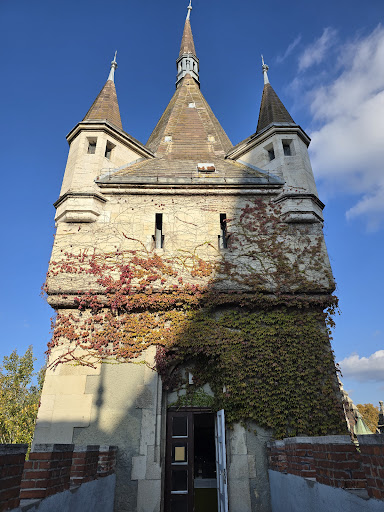
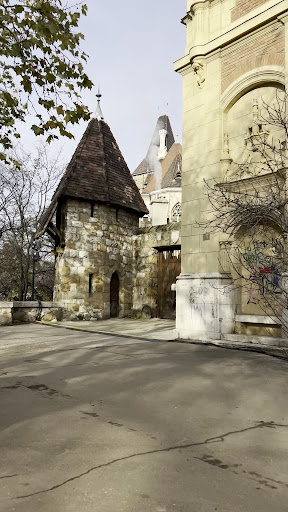
Gatehouse Tower things to do, attractions, restaurants, events info and trip planning

Basic Info
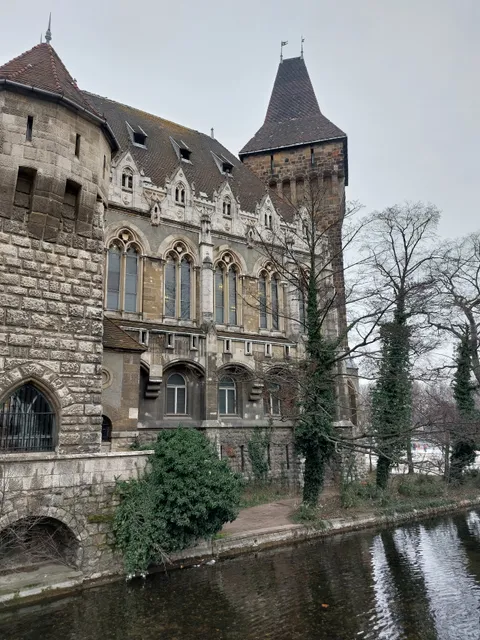
Gatehouse Tower
Budapest, Vajdahunyad stny., 1146 Hungary
4.7(436)
Closed
Save
spot
spot
Ratings & Description
Info
Cultural
Scenic
Family friendly
attractions: City Park, City Park Ice Rink and Boating, Chapel of Ják, Museum of Hungarian Agriculture, Vajdahunyad Castle, Statue of Anonymous, House of Music Hungary, Museum of Fine Arts, Millennium Monument, Budapest Zoo & Botanical Garden, restaurants: Anonymus Étterem, Városliget Café, Nyereg étterem, Robinson Restaurant, Ligeti Lángos, Buja Disznó(k) Liget - A RÁNTOTTHÚS és egyéb disznóságok!, Széchenyi Garden Restaurant, Trilla Bisztro, Café Kara, Hősök Bistro, local businesses: Széchenyi Thermal Bath, Varázs-Liget, Thermal Beer Spa, Széchenyi fürdő, Zielinski bridge, Széchenyi Spa Shop, Hősök tere, Szechenyi Palm House, HAB (Hungarian Art and Business), Garden of Blind People
 Learn more insights from Wanderboat AI.
Website
mmgm.hu
Open hoursSee all hours
Sat9 AM - 7 PMClosed
Plan your stay

Pet-friendly Hotels in Budapest
Find a cozy hotel nearby and make it a full experience.

Affordable Hotels in Budapest
Find a cozy hotel nearby and make it a full experience.

The Coolest Hotels You Haven't Heard Of (Yet)
Find a cozy hotel nearby and make it a full experience.

Trending Stays Worth the Hype in Budapest
Find a cozy hotel nearby and make it a full experience.
Reviews
Live events
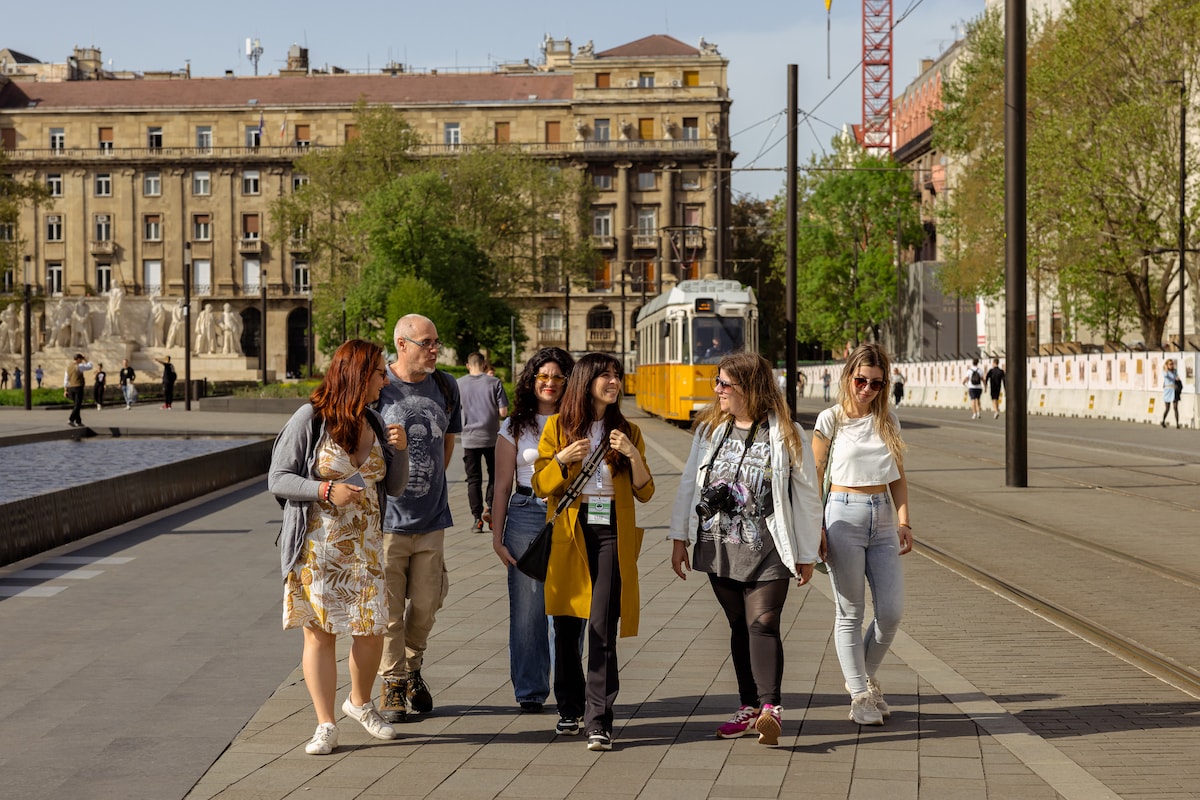
Free tour of downtown Budapest, in Spanish
Sun, Mar 1 • 10:30 AM
Budapest, 1055, Hungary
View details

Budapest Market Tour & Cooking Class with Locals
Sat, Feb 28 • 1:00 PM
Budapest, 1093, Hungary
View details

Amazing Private Photo Shoot in Budapest
Sat, Feb 28 • 7:00 AM
Budapest, 1014, Hungary
View details
Nearby attractions of Gatehouse Tower
City Park
City Park Ice Rink and Boating
Chapel of Ják
Museum of Hungarian Agriculture
Vajdahunyad Castle
Statue of Anonymous
House of Music Hungary
Museum of Fine Arts
Millennium Monument
Budapest Zoo & Botanical Garden
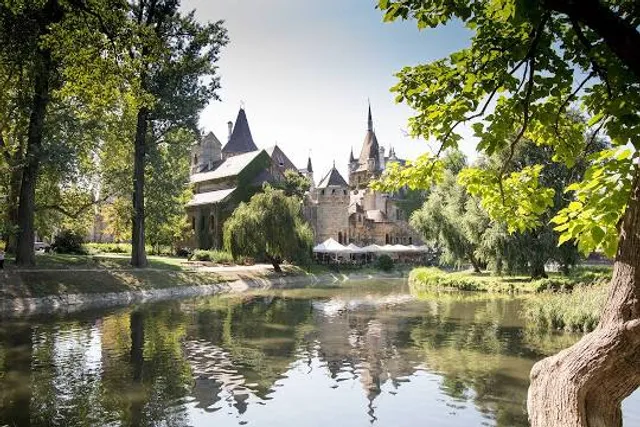
City Park
4.7
(27.3K)
Open until 12:00 AM
Click for details
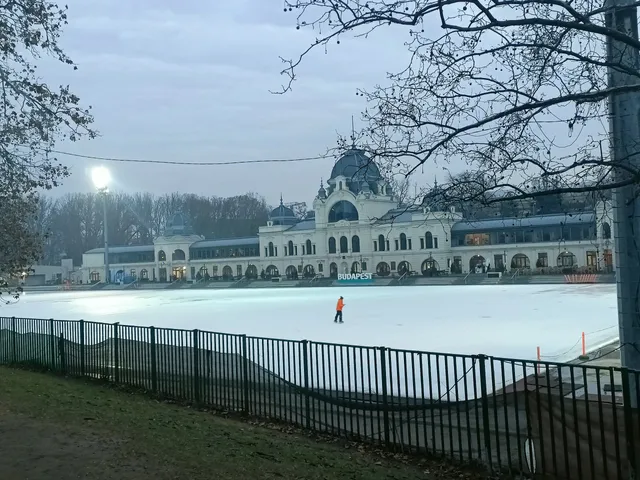
City Park Ice Rink and Boating
4.6
(3.3K)
Closed
Click for details
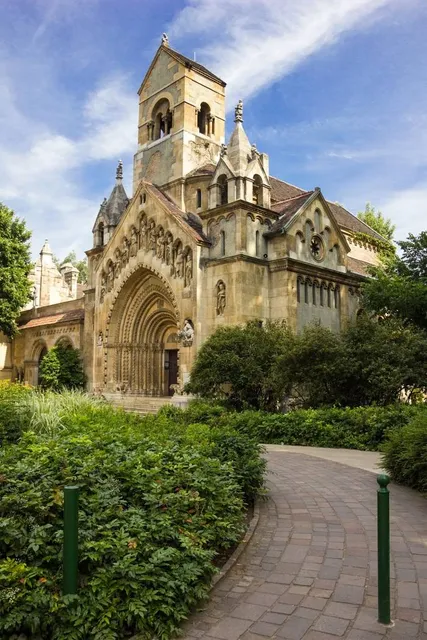
Chapel of Ják
4.6
(289)
Closed
Click for details
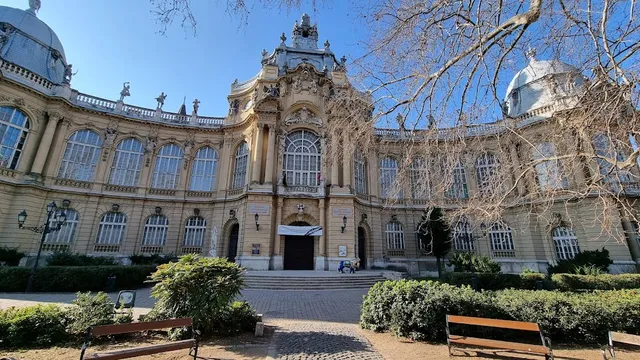
Museum of Hungarian Agriculture
4.5
(652)
Closed
Click for details
Nearby restaurants of Gatehouse Tower
Anonymus Étterem
Városliget Café
Nyereg étterem
Robinson Restaurant
Ligeti Lángos
Buja Disznó(k) Liget - A RÁNTOTTHÚS és egyéb disznóságok!
Széchenyi Garden Restaurant
Trilla Bisztro
Café Kara
Hősök Bistro
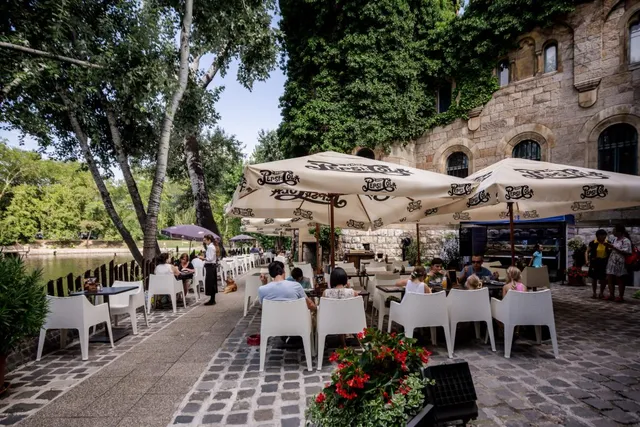
Anonymus Étterem
3.8
(765)
Closed
Click for details
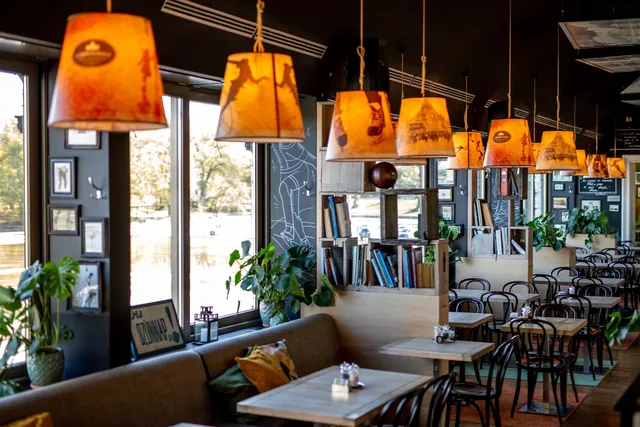
Városliget Café
4.7
(2.1K)
$$
Closed
Click for details
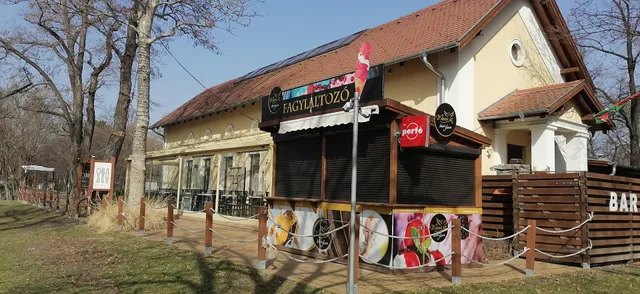
Nyereg étterem
4.1
(1.0K)
$$
Closed
Click for details
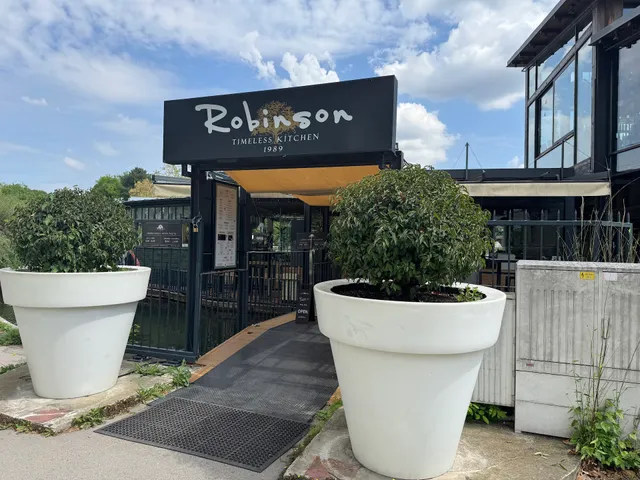
Robinson Restaurant
4.2
(1.6K)
$$$
Closed
Click for details
Nearby local services of Gatehouse Tower
Széchenyi Thermal Bath
Varázs-Liget
Thermal Beer Spa
Széchenyi fürdő
Zielinski bridge
Széchenyi Spa Shop
Hősök tere
Szechenyi Palm House
HAB (Hungarian Art and Business)
Garden of Blind People
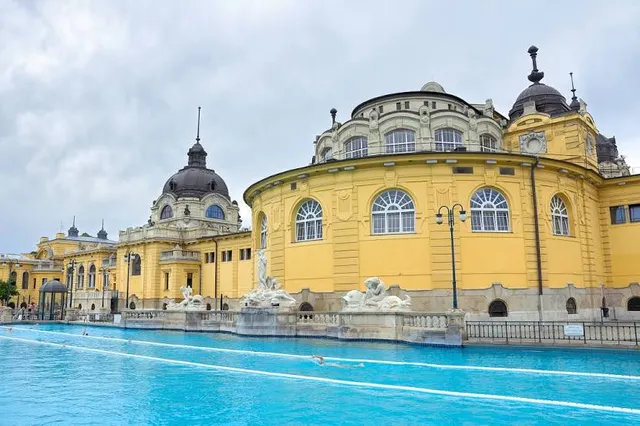
Széchenyi Thermal Bath
4.2
(22.7K)
Click for details
Varázs-Liget
4.3
(40)
Click for details

Thermal Beer Spa
4.6
(452)
Click for details
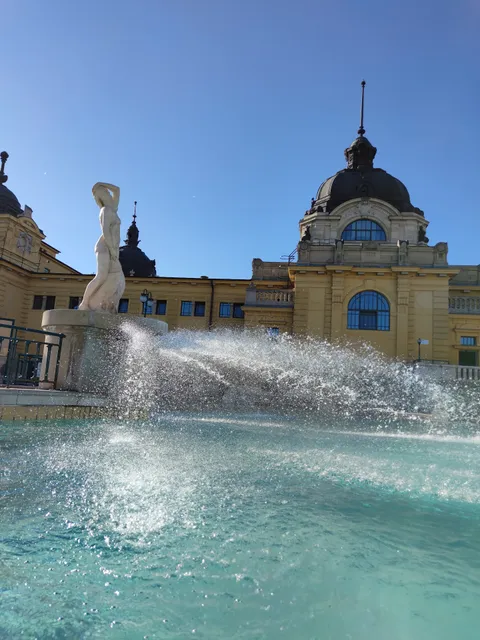
Széchenyi fürdő
3.9
(116)
Click for details