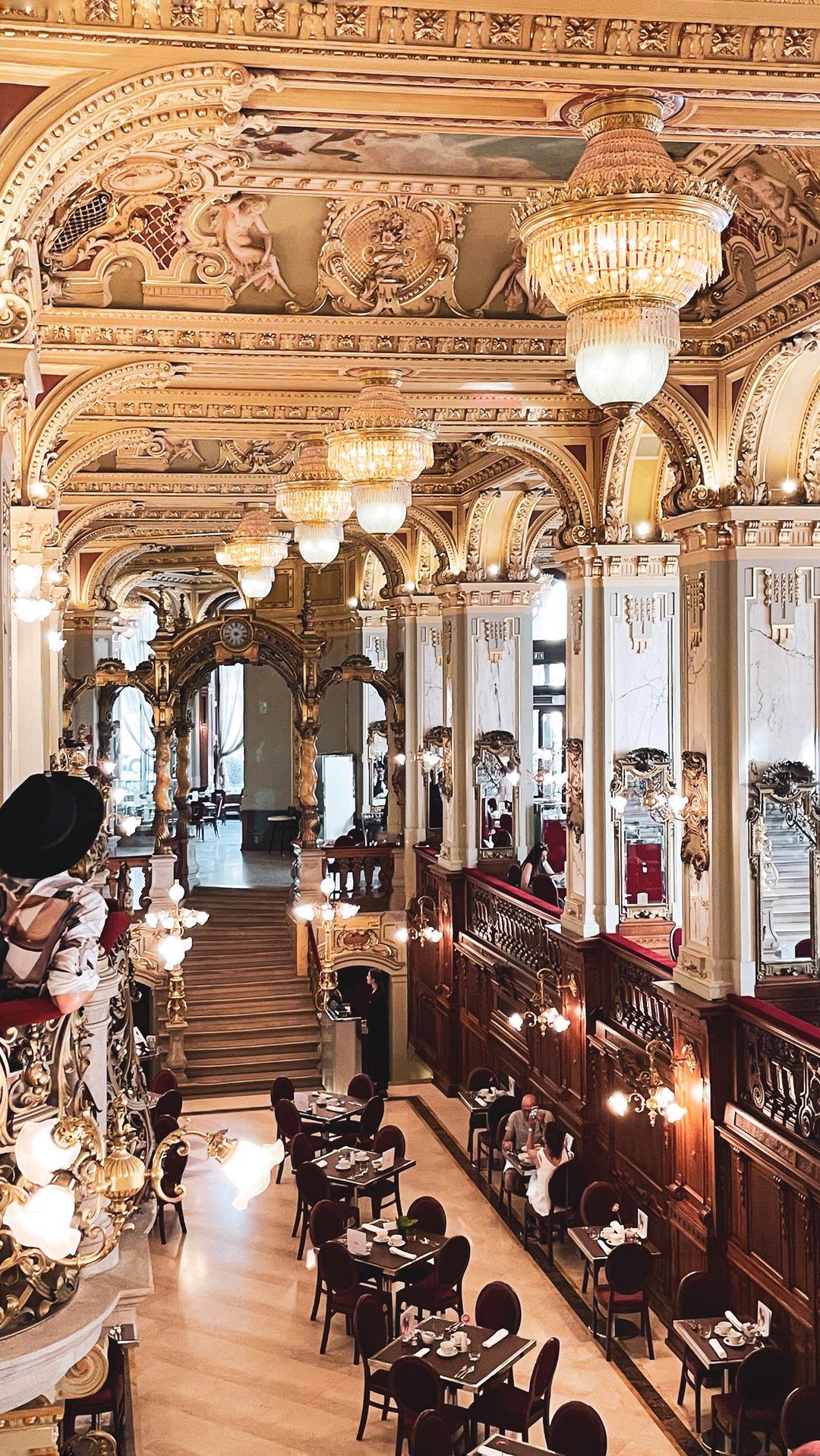
Dohány Street Synagogue things to do, attractions, restaurants, events info and trip planning
Basic Info
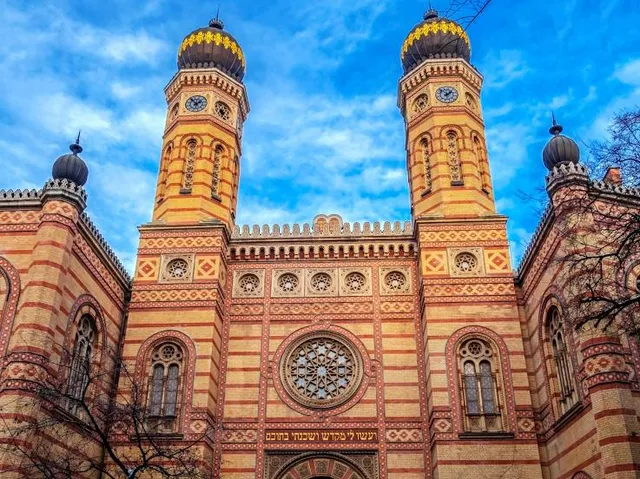
Dohány Street Synagogue
Budapest, Dohány u. 2, 1074 Hungary
4.3(10.5K)
Open until 2:00 PM


tickets
Save
spot
spot
Ratings & Description
Info
The Dohány Street Synagogue, also known as the Great Synagogue or Tabakgasse Synagogue, is a historical building on Dohány Street in Erzsébetváros, the 7th district of Budapest, Hungary. It is the largest synagogue in Europe, seating 3,000 people and is a centre of Neolog Judaism.
Cultural
Accessibility
attractions: Hungarian Jewish Museum and Archives, Raoul Wallenberg Holocaust Memorial Park, Rumbach Street Synagogue, Historic Cats Museum - FREE ENTRY, Amazing Metal Art Gallery, Hungarian Electrotechnical Museum, Károlyi Garden, Hungarian National Museum, MiniPolisz, Cinema Mystica Budapest, restaurants: Drum Cafe Budapest, Memories Brunch & Café, Kupak Bar & Bistro, FIRST Craft Beer & BBQ, Dobrumba, Gettó Gulyás, Tahina Bite Vegan Food, The Blue Rose Restaurant, Pasta Bella, Fat Mama, local businesses: Gozsdu Court, Budapest Danube Boat Tour, FIRST Local Craft Beer and Kitchen, Wesselényi utca 15, Kazinczy u. 7, Cats Museum Kft, PARC Városháza, Budapest Orthodox Synagogue, Go Active, Mika Tivadar Secret Museum
 Learn more insights from Wanderboat AI.
Phone
+36 1 413 5584
Website
jewishtourhungary.com
Open hoursSee all hours
Fri10 AM - 2 PMOpen
Plan your stay

Pet-friendly Hotels in Budapest
Find a cozy hotel nearby and make it a full experience.

Affordable Hotels in Budapest
Find a cozy hotel nearby and make it a full experience.

The Coolest Hotels You Haven't Heard Of (Yet)
Find a cozy hotel nearby and make it a full experience.

Trending Stays Worth the Hype in Budapest
Find a cozy hotel nearby and make it a full experience.
Reviews
Live events
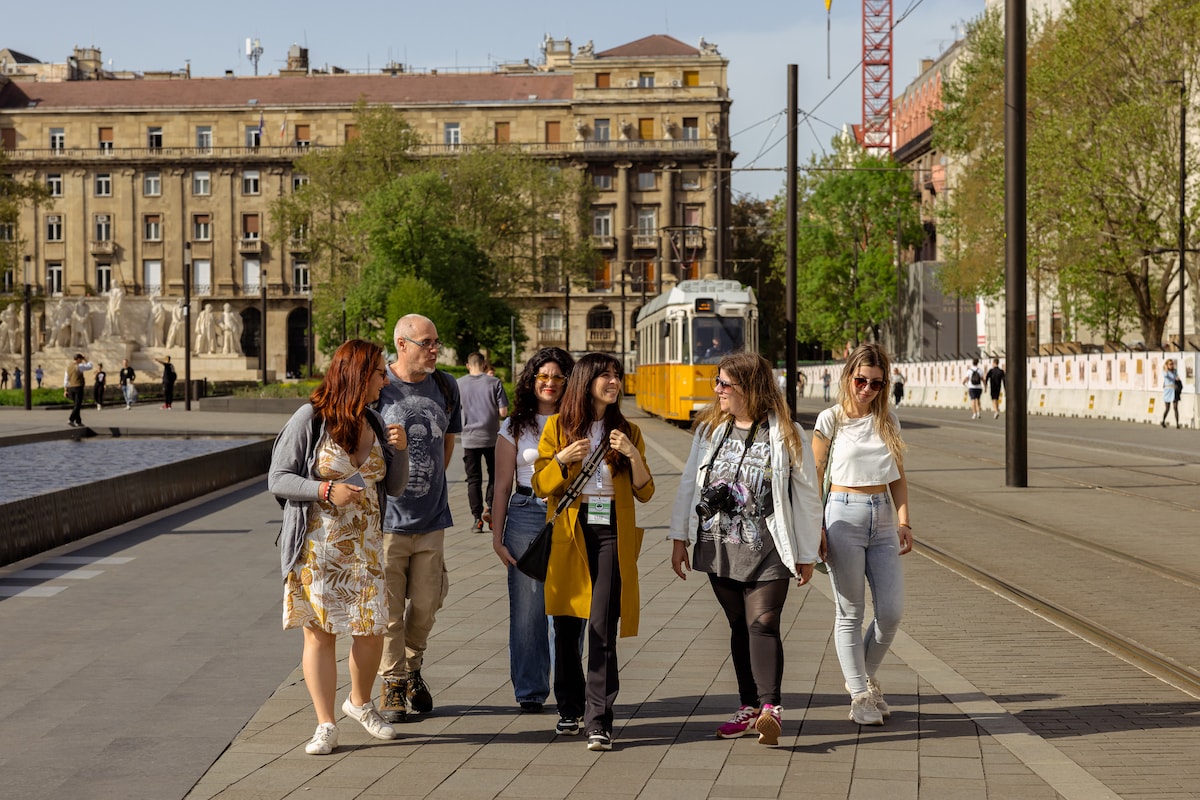
Free tour of downtown Budapest, in Spanish
Sun, Mar 1 • 10:30 AM
Budapest, 1055, Hungary
View details

Budapest Market Tour & Cooking Class with Locals
Fri, Feb 27 • 1:00 PM
Budapest, 1093, Hungary
View details

Amazing Private Photo Shoot in Budapest
Fri, Feb 27 • 9:30 AM
Budapest, 1014, Hungary
View details
Nearby attractions of Dohány Street Synagogue
Hungarian Jewish Museum and Archives
Raoul Wallenberg Holocaust Memorial Park
Rumbach Street Synagogue
Historic Cats Museum - FREE ENTRY
Amazing Metal Art Gallery
Hungarian Electrotechnical Museum
Károlyi Garden
Hungarian National Museum
MiniPolisz
Cinema Mystica Budapest
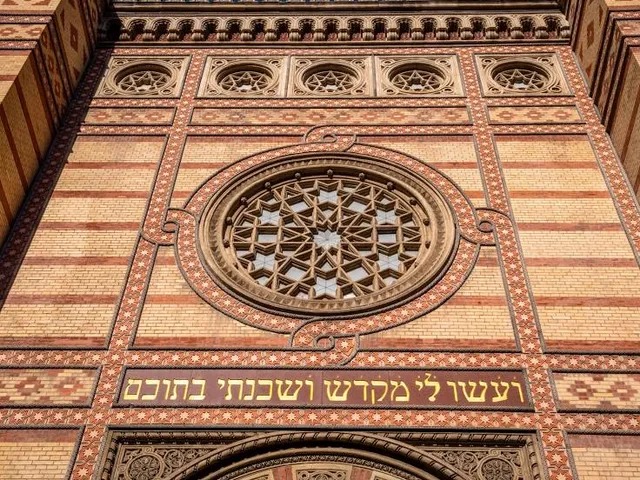
Hungarian Jewish Museum and Archives
4.3
(134)
Open until 2:00 PM
Click for details
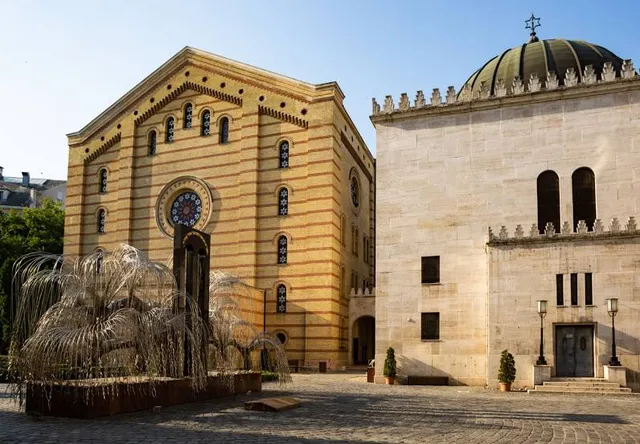
Raoul Wallenberg Holocaust Memorial Park
4.5
(88)
Open until 6:00 PM
Click for details
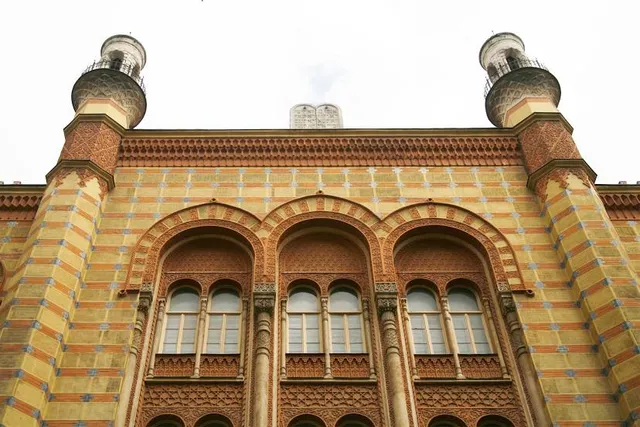
Rumbach Street Synagogue
4.5
(711)
Open until 4:00 PM
Click for details
Historic Cats Museum - FREE ENTRY
5.0
(574)
Closed
Click for details
Nearby restaurants of Dohány Street Synagogue
Drum Cafe Budapest
Memories Brunch & Café
Kupak Bar & Bistro
FIRST Craft Beer & BBQ
Dobrumba
Gettó Gulyás
Tahina Bite Vegan Food
The Blue Rose Restaurant
Pasta Bella
Fat Mama
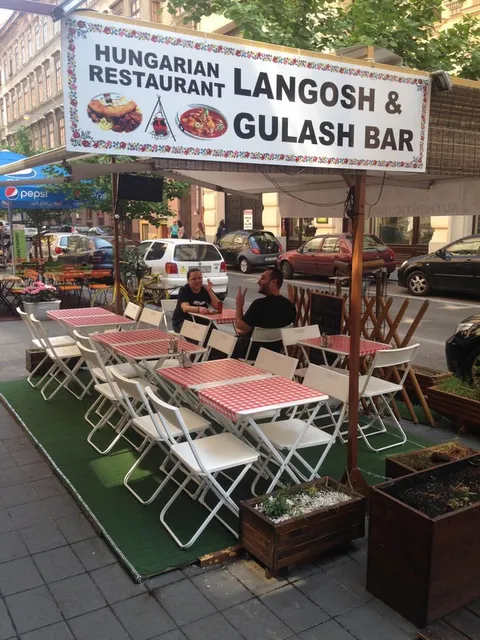
Drum Cafe Budapest
3.8
(5.9K)
$
Open until 12:00 AM
Click for details
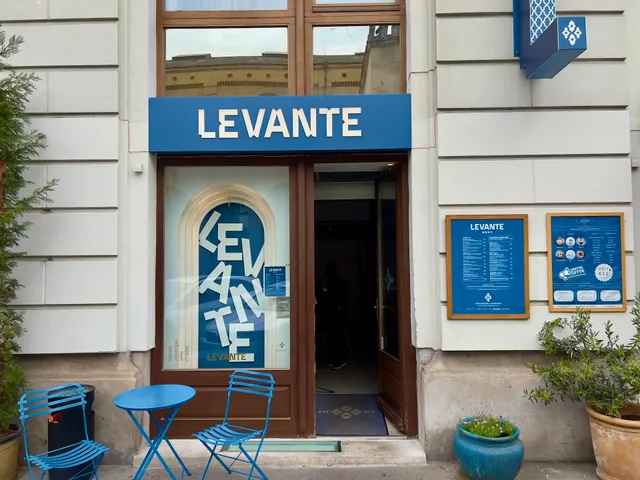
Memories Brunch & Café
4.7
(2K)
Open until 11:00 PM
Click for details
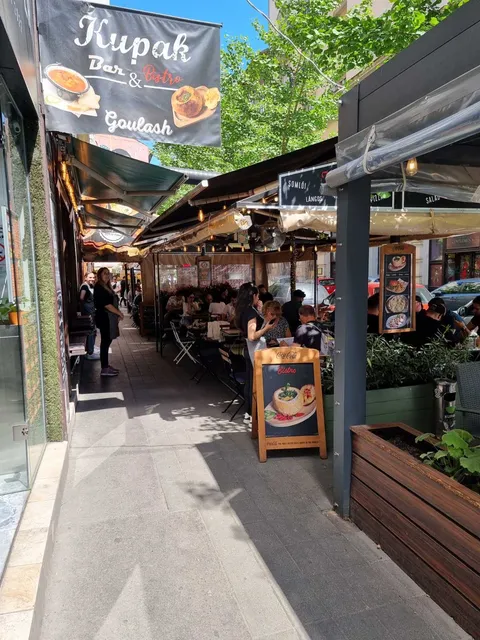
Kupak Bar & Bistro
4.6
(2.8K)
Closed
Click for details

FIRST Craft Beer & BBQ
4.7
(1.8K)
$$
Closed
Click for details
Nearby local services of Dohány Street Synagogue
Gozsdu Court
Budapest Danube Boat Tour
FIRST Local Craft Beer and Kitchen
Wesselényi utca 15
Kazinczy u. 7
Cats Museum Kft
PARC Városháza
Budapest Orthodox Synagogue
Go Active
Mika Tivadar Secret Museum
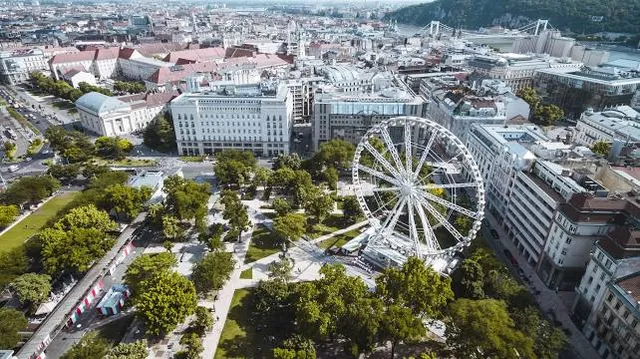
Gozsdu Court
4.4
(4.6K)
Click for details
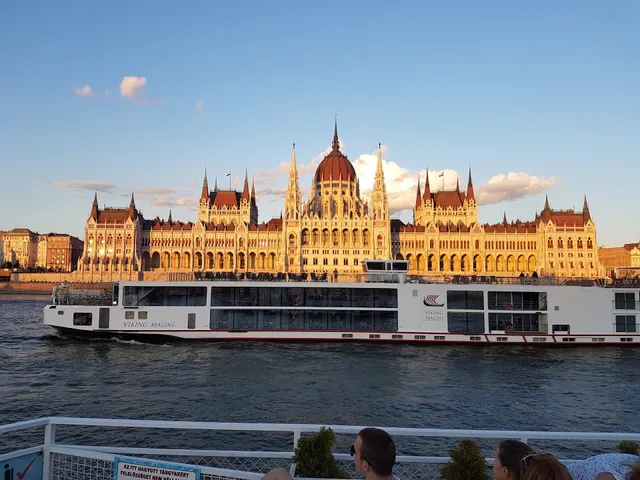
Budapest Danube Boat Tour
4.3
(299)
Click for details
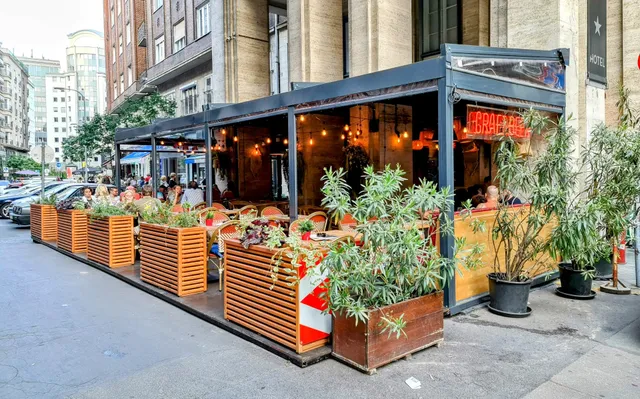
FIRST Local Craft Beer and Kitchen
4.5
(566)
Click for details
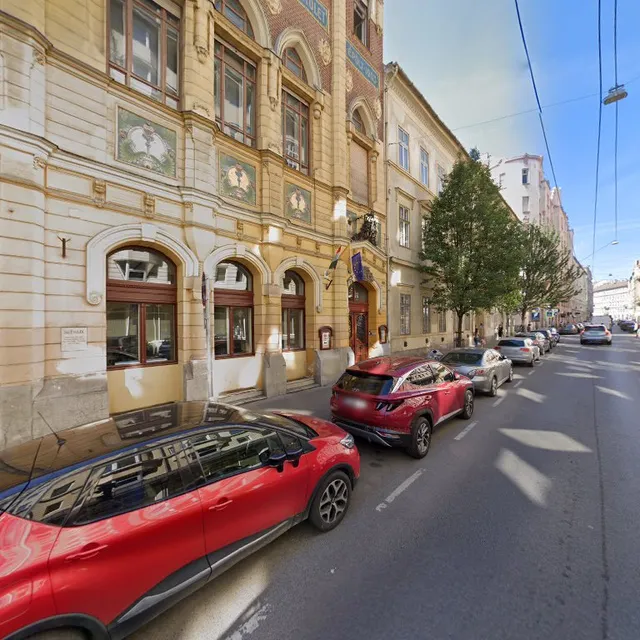
Wesselényi utca 15
3.6
(451)
Click for details