Irish Famine Exhibition things to do, attractions, restaurants, events info and trip planning
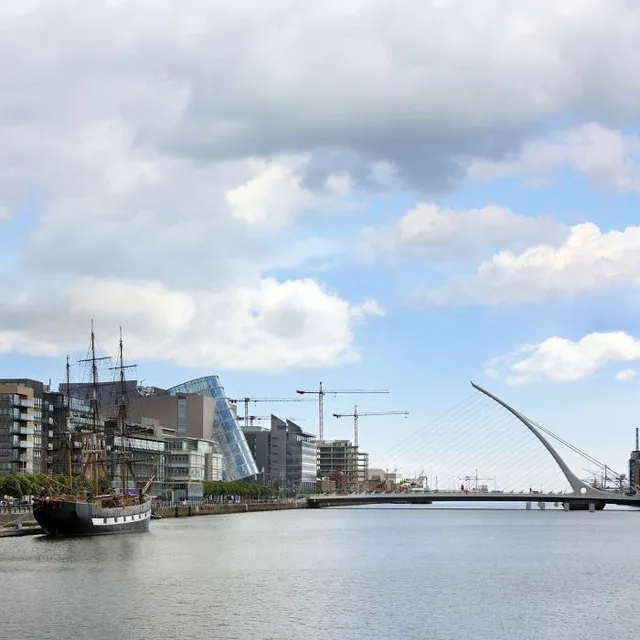
Basic Info
Irish Famine Exhibition
Unit 200B, Floor, 2 St Stephen's Green, Dublin, D02 XY76, Ireland
4.7(243)
Open 24 hours


tickets
Save
spot
spot
Ratings & Description
Info
Cultural
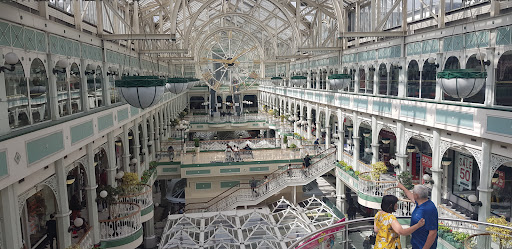
attractions: The Gaiety Theatre, St Stephen's Green, The Little Museum of Dublin, Fusiliers' Arch, Phil Lynott Statue, Vintage Tea Trips, National Museum of Ireland - Archaeology, The Green Gallery, Molly Malone Statue, Dublin Castle, restaurants: Sinnotts Bar, Captain's American Grill, NEARY’S, Café en Seine, Bruxelles, Sheehans Pub, Beanhive Coffee, Glovers Alley by Andy McFadden, Kehoes Pub, Bunsen, local businesses: Stephen's Green Shopping Centre, Cogs Toys & Games, Brown Thomas Dublin, Asia Market, George's Street Arcade, The Long Hall, Oakberry Açai Bowls & Smoothies, Powerscourt Townhouse Centre, Escape Dublin, The Round Room Conference & Events Venue Dublin - Mansion House
 Learn more insights from Wanderboat AI.
Website
theirishpotatofamine.com
Plan your stay

Pet-friendly Hotels in Dublin
Find a cozy hotel nearby and make it a full experience.

Affordable Hotels in Dublin
Find a cozy hotel nearby and make it a full experience.

The Coolest Hotels You Haven't Heard Of (Yet)
Find a cozy hotel nearby and make it a full experience.

Trending Stays Worth the Hype in Dublin
Find a cozy hotel nearby and make it a full experience.
Reviews
Live events

Forge a silver ring workshop
Mon, Feb 9 • 12:00 PM
Dublin, County Dublin, D02 V658, Ireland
View details
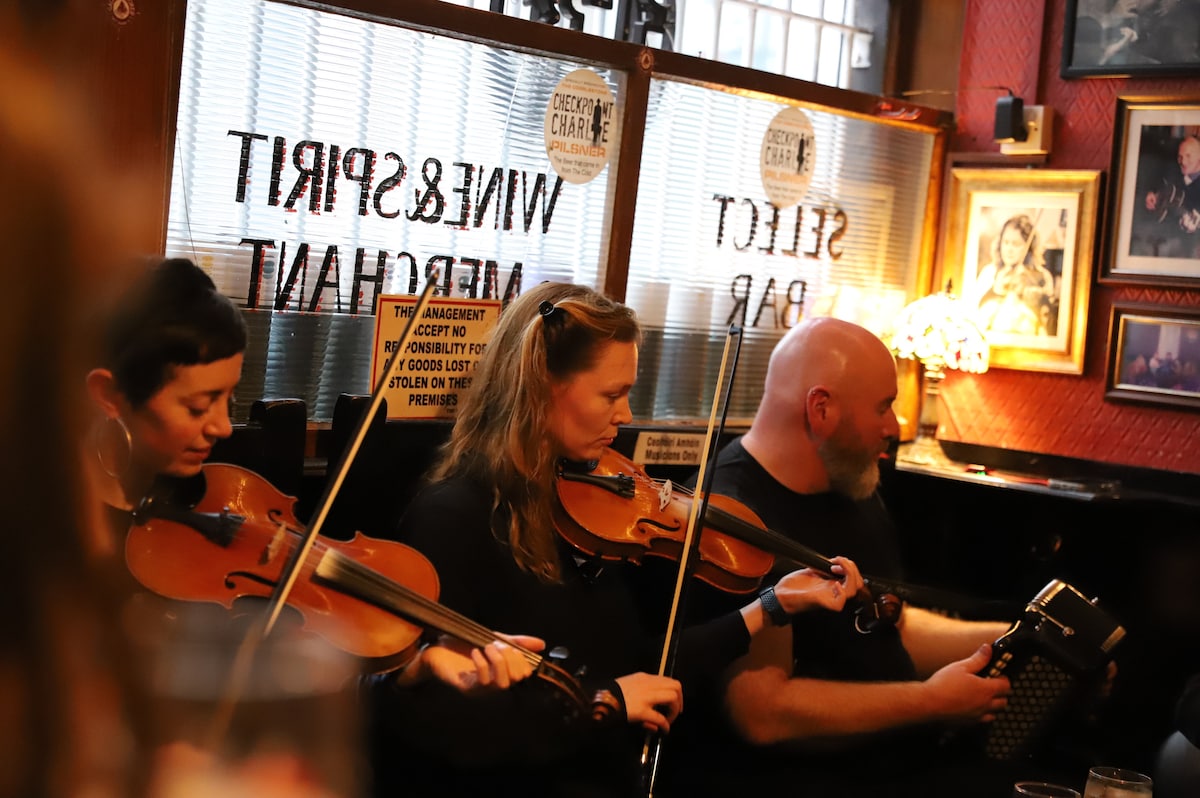
Real Dublin Traditional Music Pub Tour
Mon, Feb 9 • 7:30 PM
Dublin, County Dublin, d7, Ireland
View details

Mind of a Serial Killer: The Experience
Mon, Feb 9 • 10:00 AM
The Gate Lodge, RDS Grounds, Simmonscourt Rd, Ballsbridge, Dublin, D04 AK83
View details
Nearby attractions of Irish Famine Exhibition
The Gaiety Theatre
St Stephen's Green
The Little Museum of Dublin
Fusiliers' Arch
Phil Lynott Statue
Vintage Tea Trips
National Museum of Ireland - Archaeology
The Green Gallery
Molly Malone Statue
Dublin Castle
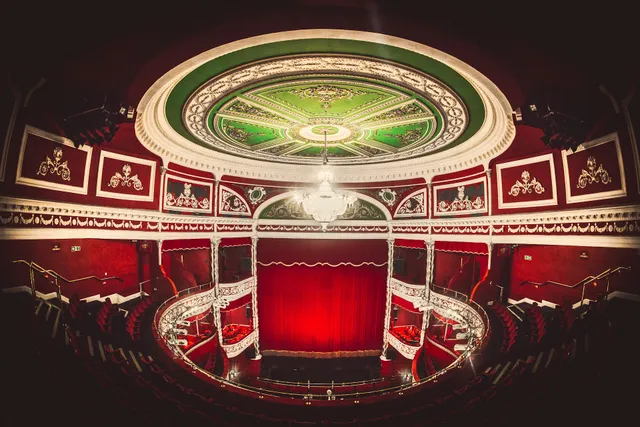
The Gaiety Theatre
4.6
(2.4K)
Open 24 hours
Click for details
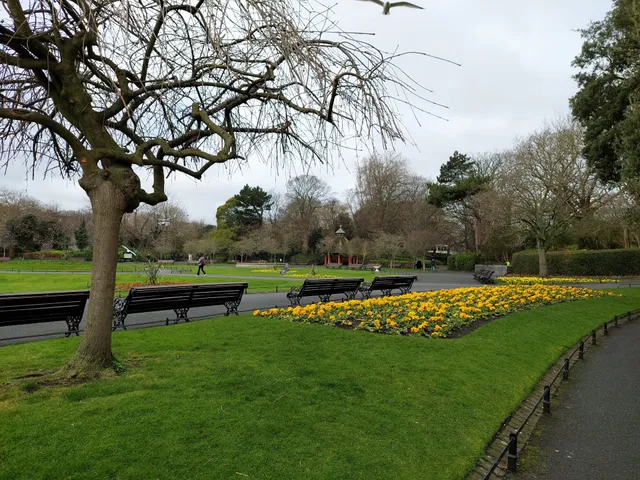
St Stephen's Green
4.7
(12.1K)
Closed
Click for details
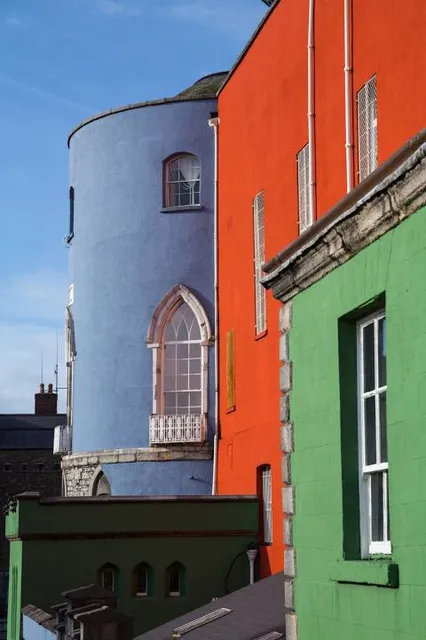
The Little Museum of Dublin
4.7
(2.5K)
Closed
Click for details
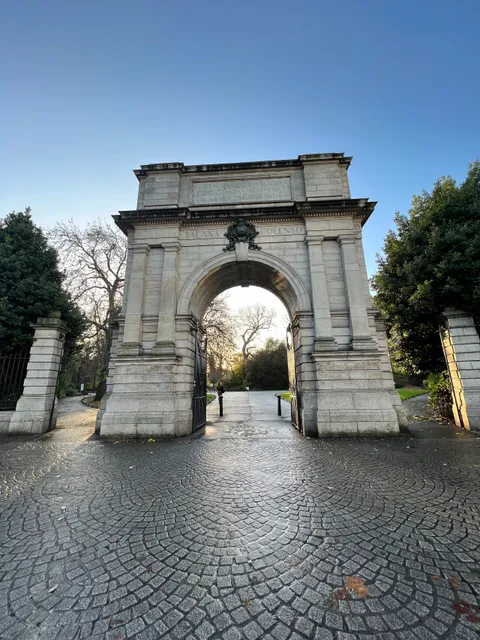
Fusiliers' Arch
4.5
(144)
Open until 12:00 AM
Click for details
Nearby restaurants of Irish Famine Exhibition
Sinnotts Bar
Captain's American Grill
NEARY’S
Café en Seine
Bruxelles
Sheehans Pub
Beanhive Coffee
Glovers Alley by Andy McFadden
Kehoes Pub
Bunsen
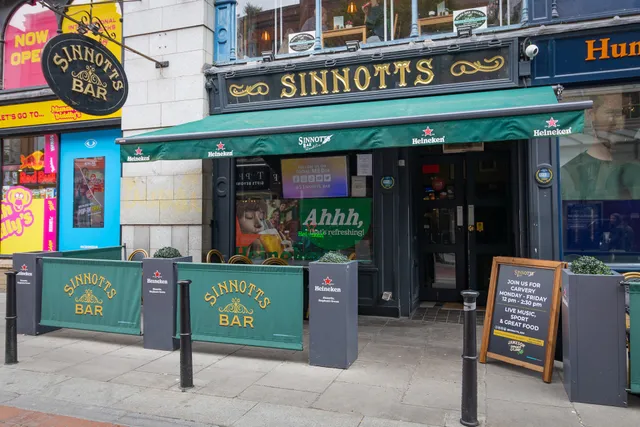
Sinnotts Bar
4.3
(1.3K)
Closed
Click for details
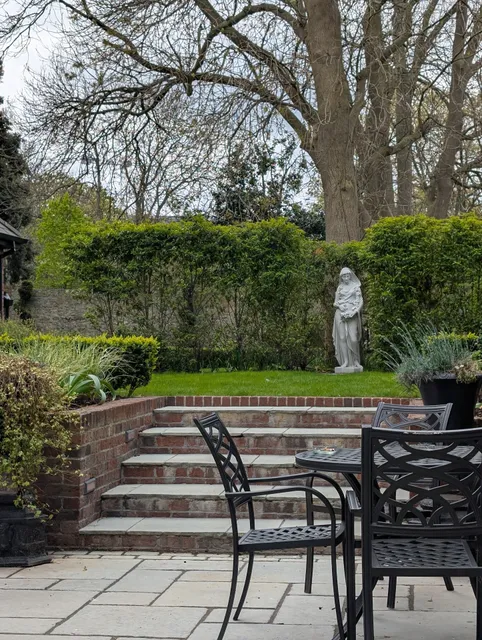
Captain's American Grill
4.0
(1.4K)
Closed
Click for details
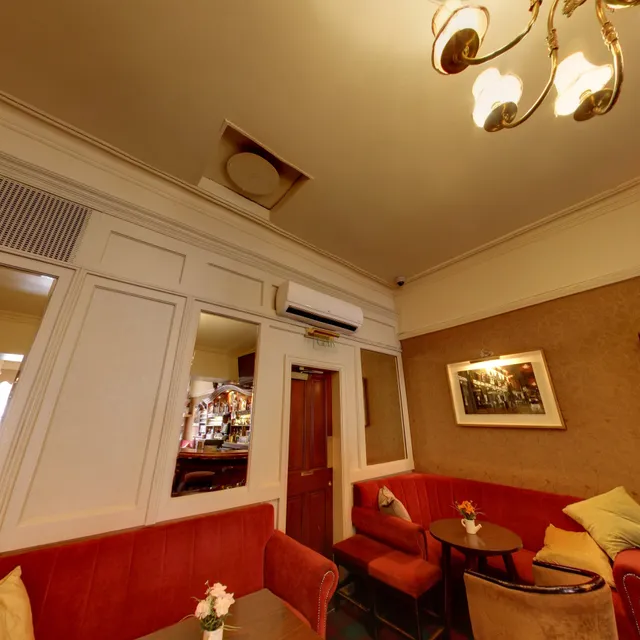
NEARY’S
4.5
(1.0K)
Closed
Click for details
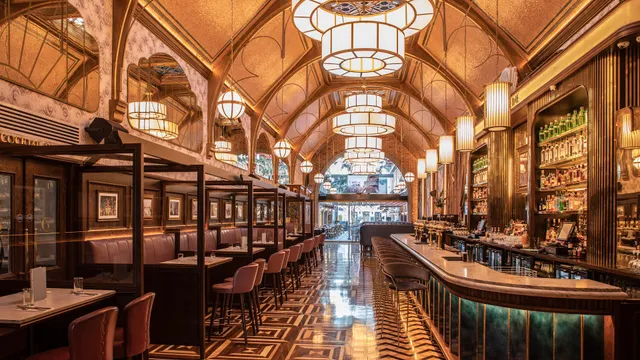
Café en Seine
4.4
(3.1K)
$$$
Closed
Click for details
Nearby local services of Irish Famine Exhibition
Stephen's Green Shopping Centre
Cogs Toys & Games
Brown Thomas Dublin
Asia Market
George's Street Arcade
The Long Hall
Oakberry Açai Bowls & Smoothies
Powerscourt Townhouse Centre
Escape Dublin
The Round Room Conference & Events Venue Dublin - Mansion House
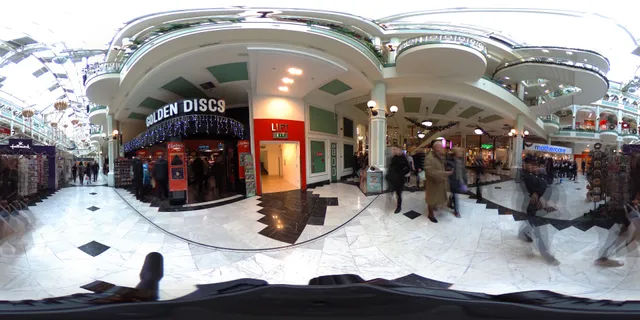
Stephen's Green Shopping Centre
4.2
(8.6K)
Click for details
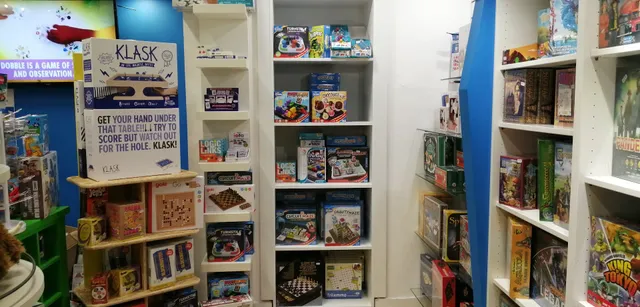
Cogs Toys & Games
4.9
(267)
Click for details
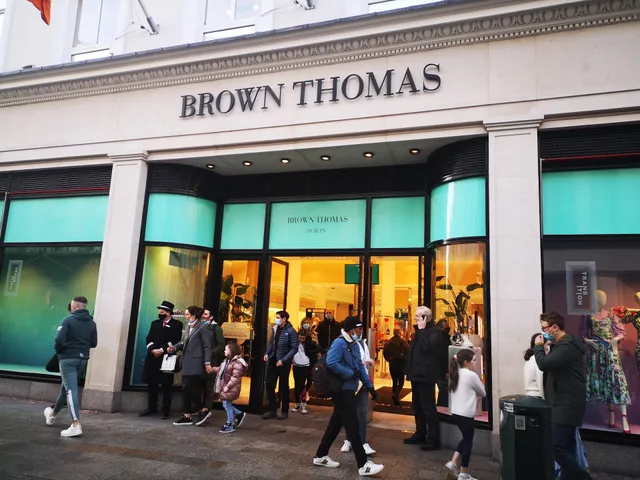
Brown Thomas Dublin
4.4
(2.5K)
Click for details
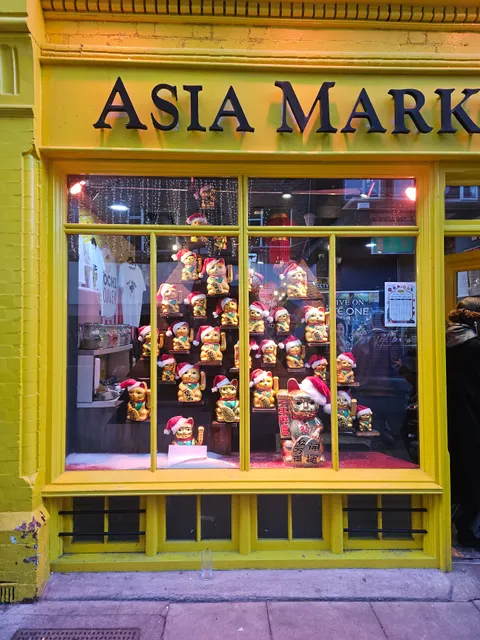
Asia Market
4.5
(1.4K)
Click for details