Palazzo della Ragione things to do, attractions, restaurants, events info and trip planning
Basic Info
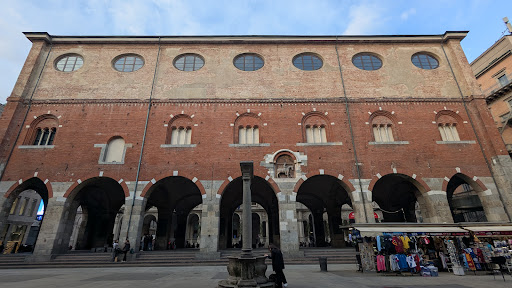
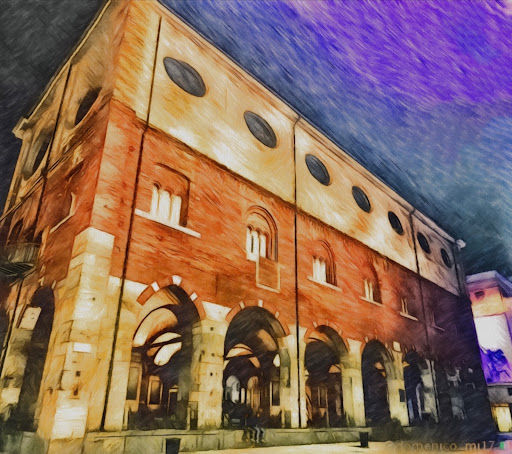
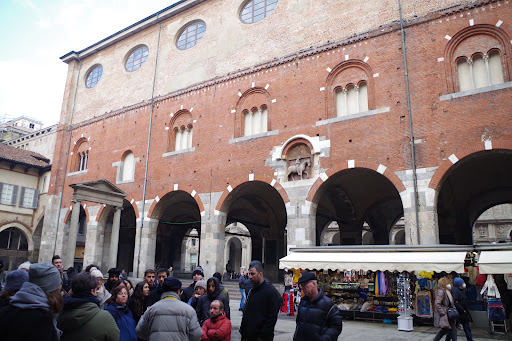
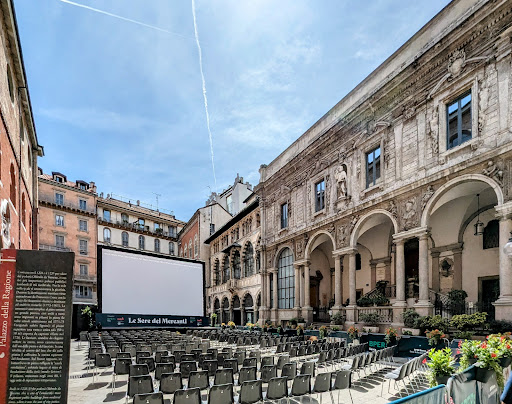
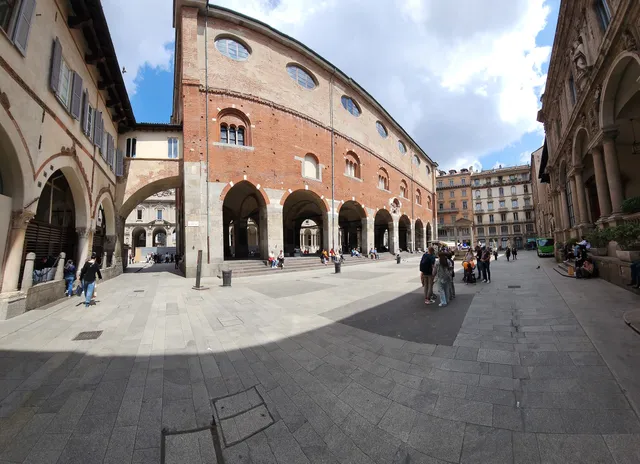
Palazzo della Ragione
Piazza dei Mercanti, 1, 20123 Milano MI, Italy
4.4(364)
Open until 7:30 PM
Save
spot
spot
Ratings & Description
Info
The Palazzo della Ragione is a medieval market hall, town hall and palace of justice building in Padua, in the Veneto region of Italy. The upper floor was dedicated to the town and justice administration; while the ground floor still hosts the historical covered market of the city.
Cultural
Family friendly
Accessibility
attractions: Piazza Mercanti, Cathedral Square, Duomo di Milano, Teatro alla Scala, Statua di Vittorio Emanuele II, World of Leonardo da Vinci, Museo del Novecento, Palazzo Reale di Milano, Chiesa di Santa Maria presso San Satiro, Piazza della Scala, restaurants: Starbucks Reserve Roastery, McDonald's Milano Duomo, Venchi Cioccolato e Gelato, Granaio Duomo - Ristorante & Cafè, Da Regina 1985, Spun Tiramisu, Ciacco, Peck, Ristorante Vista Duomo, Sophia Loren Restaurant Milano, local businesses: La Feltrinelli, UNIQLO Piazza Cordusio, ODStore, END. Milano, Gelateria COLOMBO 1981, ILK Kebap - Halal Food near Duomo Milan, Tommy Hilfiger, Milano Souvenir - dal 1982, Arengario, Palacio Real de Milán
 Learn more insights from Wanderboat AI.
Website
palazzodellaragionefotografia.it
Open hoursSee all hours
Sun9:30 AM - 7:30 PMOpen
Plan your stay

Pet-friendly Hotels in Milan
Find a cozy hotel nearby and make it a full experience.

Affordable Hotels in Milan
Find a cozy hotel nearby and make it a full experience.

The Coolest Hotels You Haven't Heard Of (Yet)
Find a cozy hotel nearby and make it a full experience.

Trending Stays Worth the Hype in Milan
Find a cozy hotel nearby and make it a full experience.
Reviews
Live events
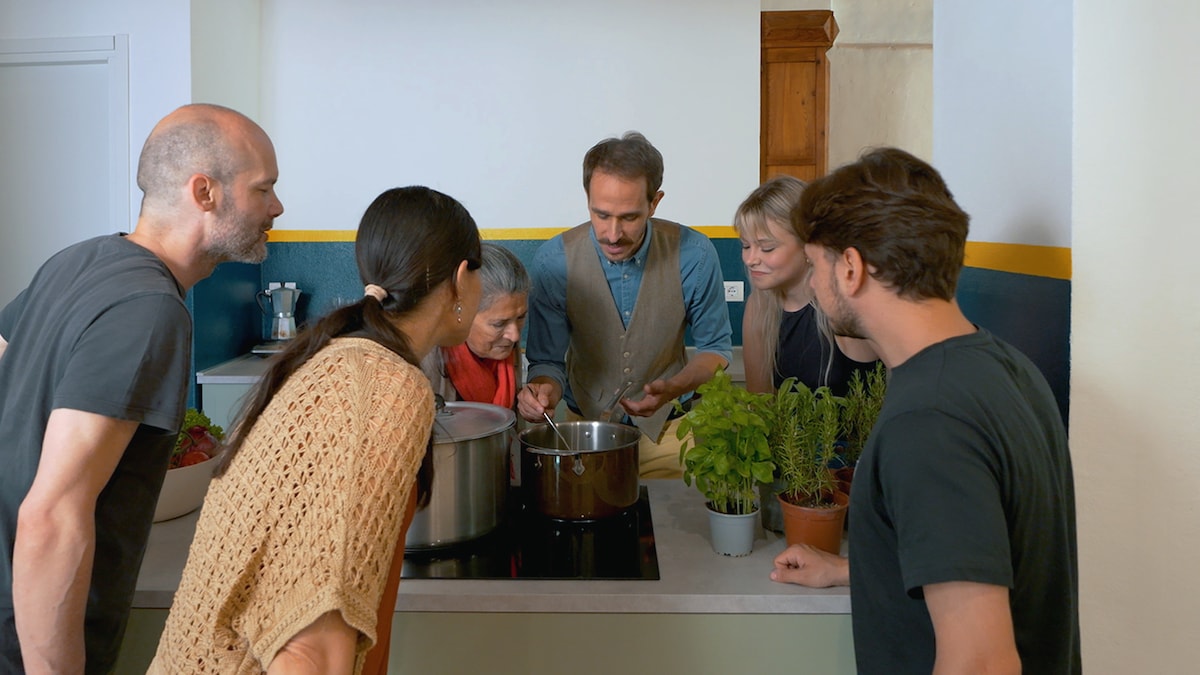
Make pasta and tiramisù in an Italian home
Sun, Feb 8 • 5:30 PM
20159, Milan, Lombardy, Italy
View details
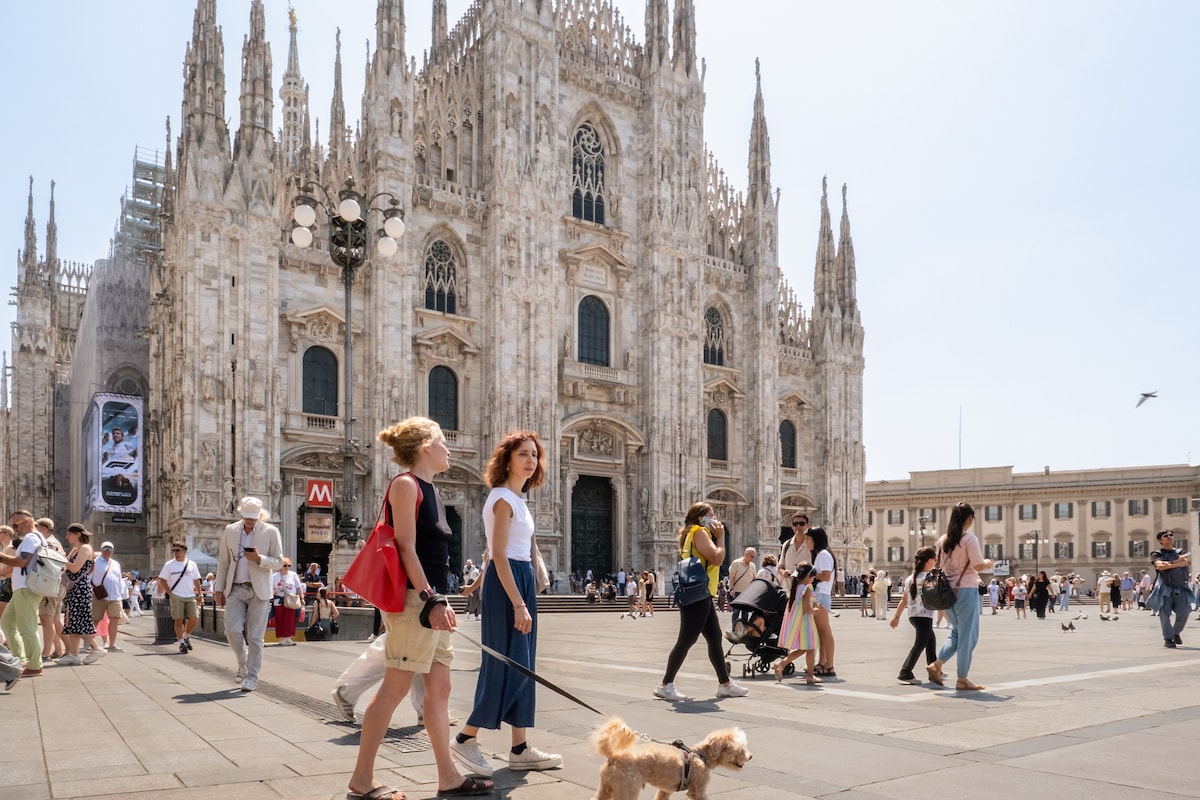
The Total tour of Milan: be a local
Mon, Feb 9 • 9:30 AM
20122, Milan, Lombardy, Italy
View details

VINTAGE MARKET, CERTOSA DISTRIC MILANO 8 Febbraio
Sun, Feb 8 • 10:30 AM
184 Via Varesina 20156 Milano
View details
Nearby attractions of Palazzo della Ragione
Piazza Mercanti
Cathedral Square
Duomo di Milano
Teatro alla Scala
Statua di Vittorio Emanuele II
World of Leonardo da Vinci
Museo del Novecento
Palazzo Reale di Milano
Chiesa di Santa Maria presso San Satiro
Piazza della Scala
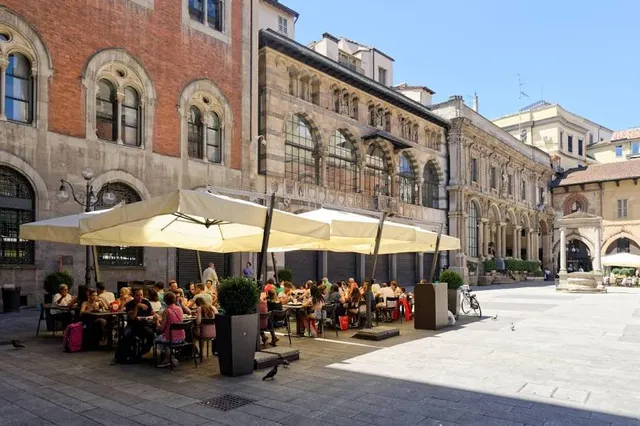
Piazza Mercanti
4.5
(2.5K)
Open until 12:00 AM
Click for details
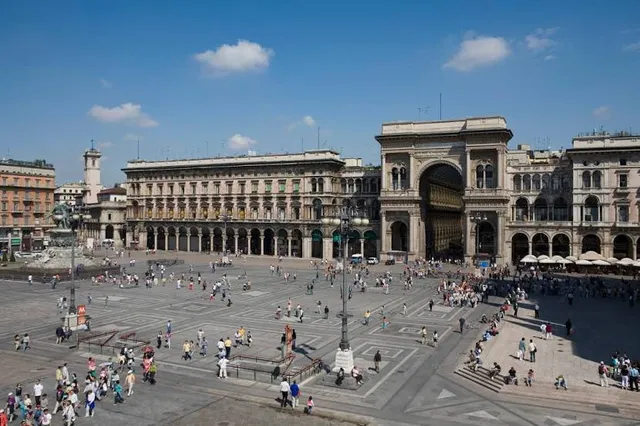
Cathedral Square
4.8
(5.5K)
Open until 12:00 AM
Click for details
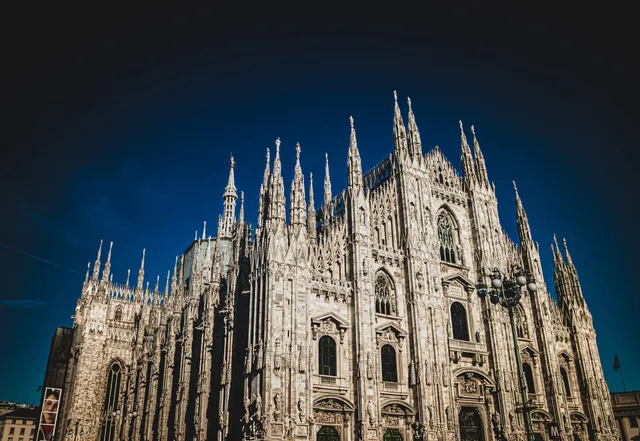
Duomo di Milano
4.8
(61K)
Open until 7:00 PM
Click for details
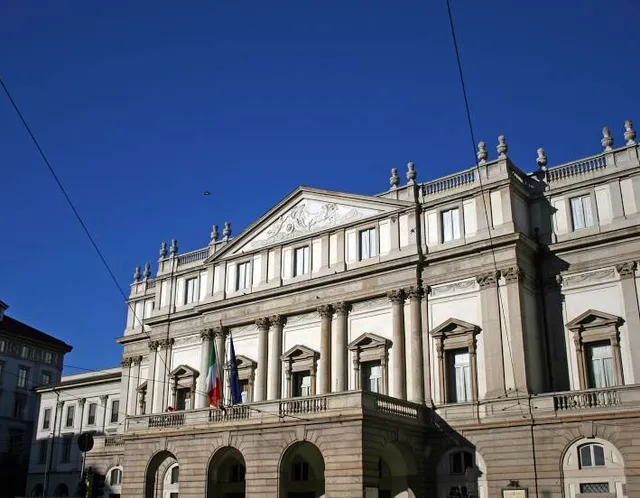
Teatro alla Scala
4.7
(12.1K)
Open 24 hours
Click for details
Nearby restaurants of Palazzo della Ragione
Starbucks Reserve Roastery
McDonald's Milano Duomo
Venchi Cioccolato e Gelato
Granaio Duomo - Ristorante & Cafè
Da Regina 1985
Spun Tiramisu
Ciacco
Peck
Ristorante Vista Duomo
Sophia Loren Restaurant Milano
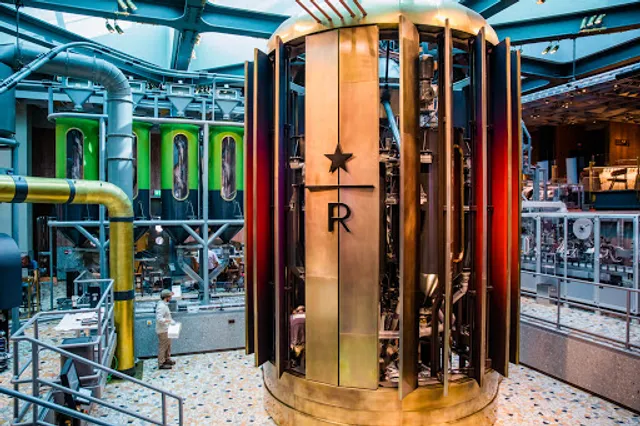
Starbucks Reserve Roastery
4.4
(10.9K)
Open until 10:00 PM
Click for details
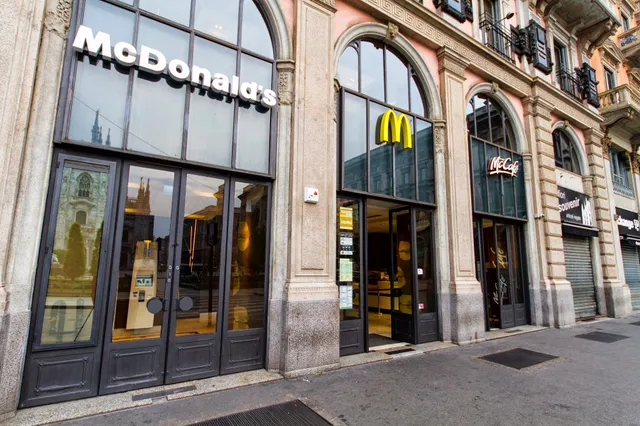
McDonald's Milano Duomo
3.7
(5.2K)
Open until 1:30 AM
Click for details
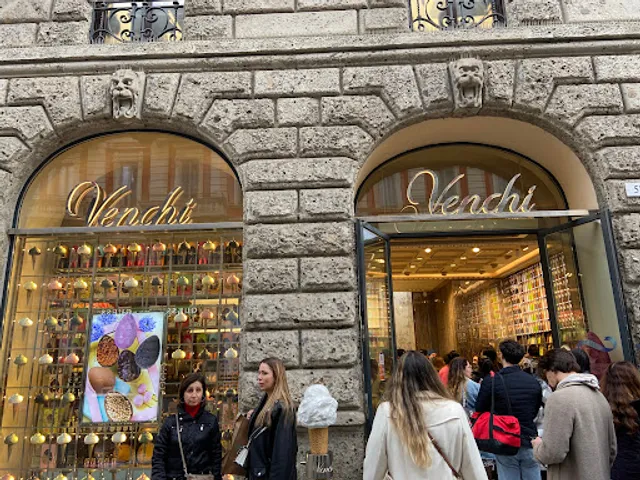
Venchi Cioccolato e Gelato
4.6
(1.5K)
Open until 11:00 PM
Click for details
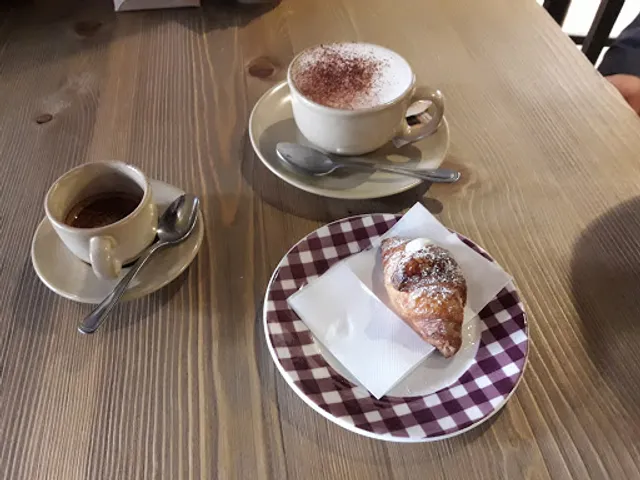
Granaio Duomo - Ristorante & Cafè
3.2
(1.9K)
$$
Click for details
Nearby local services of Palazzo della Ragione
La Feltrinelli
UNIQLO Piazza Cordusio
ODStore
END. Milano
Gelateria COLOMBO 1981
ILK Kebap - Halal Food near Duomo Milan
Tommy Hilfiger
Milano Souvenir - dal 1982
Arengario
Palacio Real de Milán
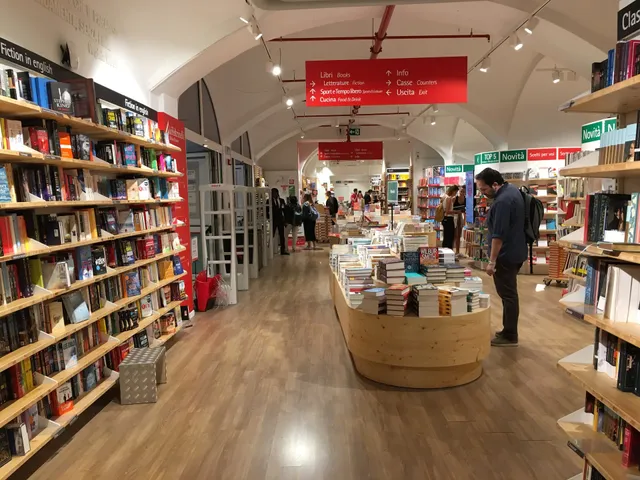
La Feltrinelli
4.4
(3.8K)
Click for details
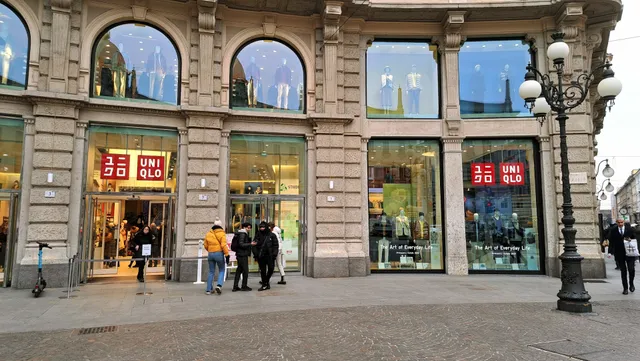
UNIQLO Piazza Cordusio
4.2
(2.3K)
Click for details
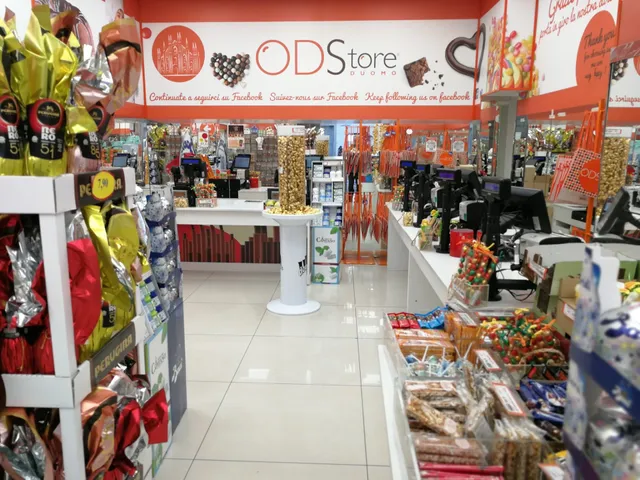
ODStore
4.1
(1.4K)
Click for details
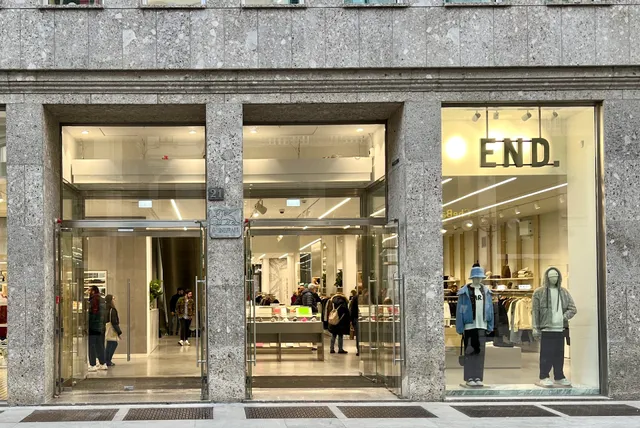
END. Milano
4.3
(219)
Click for details