Santuario di San Bernardino alle Ossa things to do, attractions, restaurants, events info and trip planning
Basic Info
Santuario di San Bernardino alle Ossa
Piazza Santo Stefano, 20122 Milano MI, Italy
4.6(1.7K)
Closed
Save
spot
spot
Ratings & Description
Info
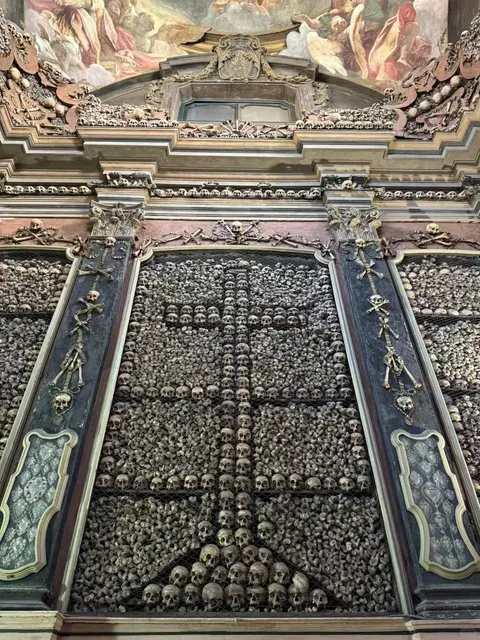
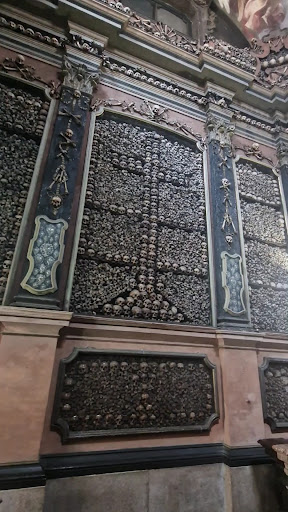
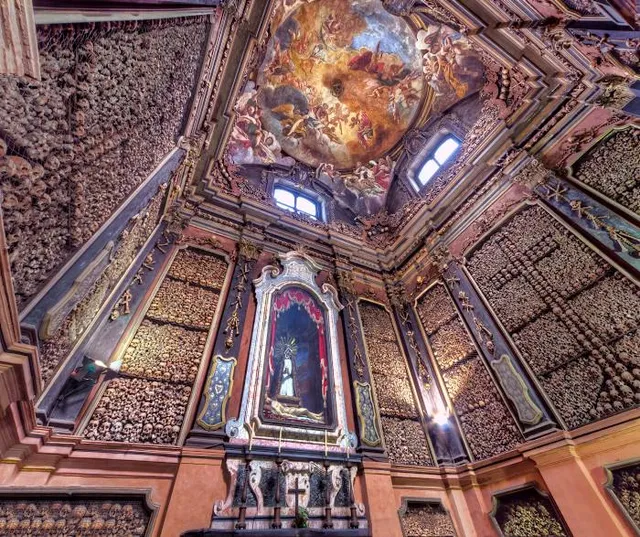
San Bernardino alle Ossa is a church in Milan, northern Italy, best known for its ossuary, a small side chapel decorated with numerous human skulls and bones. In 1210, when an adjacent cemetery ran out of space, a room was built to hold bones. A church was attached in 1269.
Cultural
Accessibility
attractions: Duomo di Milano, Basilica di Santo Stefano Maggiore, Casa Cardinale Ildefonso Schuster, Palazzo Reale di Milano, Space Dreamers, Biblioteca Sormani, Museo del Duomo di Milano, Sant'Antonio Abate, Museo del Novecento, Cathedral Square, restaurants: Original Pizza Ok, Colibrì, Roadhouse Restaurant Milano Via Larga, Flash, Caffè Cimmino, Un'Altra Pasta, Margy Burger Milano, Caffè Napoli Augusto, Velavevodetto al Duomo, Ciciarà, local businesses: Apple Store Piazza Liberty, The Highline Outlet, Merry Go Round, On Flagship Store Milan Vittorio Emanuele, Nano Bleu, La Feltrinelli, Cassina Store Milano, B&B Italia Store, Michael Kors, Unieuro San Babila
 Learn more insights from Wanderboat AI.
Phone
+39 02 781724
Website
sanbernardinoalleossa.it
Open hoursSee all hours
Wed8 AM - 6 PMClosed
Plan your stay

Pet-friendly Hotels in Milan
Find a cozy hotel nearby and make it a full experience.

Affordable Hotels in Milan
Find a cozy hotel nearby and make it a full experience.

The Coolest Hotels You Haven't Heard Of (Yet)
Find a cozy hotel nearby and make it a full experience.

Trending Stays Worth the Hype in Milan
Find a cozy hotel nearby and make it a full experience.
Reviews
Live events
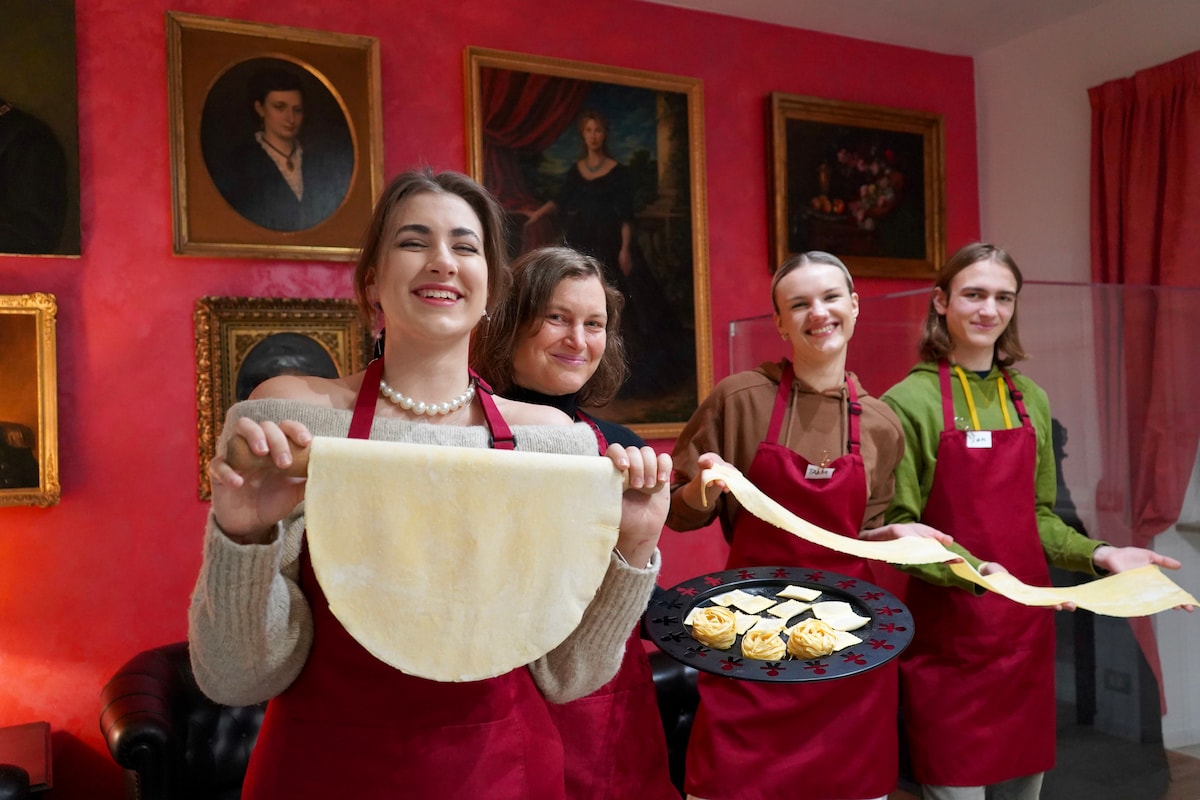
The secret of fresh pasta- tiramisù in a glam home
Wed, Jan 14 • 6:00 PM
20144, Milan, Lombardy, Italy
View details
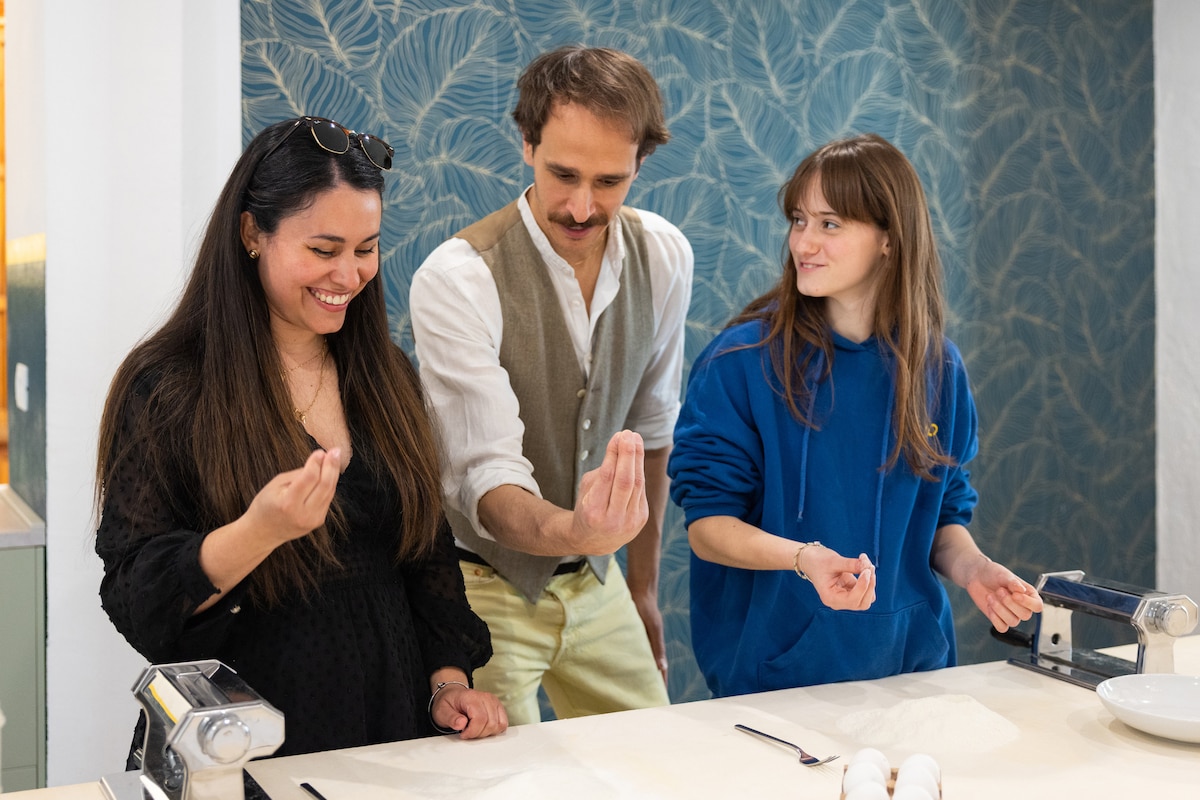
Make family pasta and tiramisu in an Italian home
Fri, Jan 16 • 11:00 AM
20159, Milan, Lombardy, Italy
View details
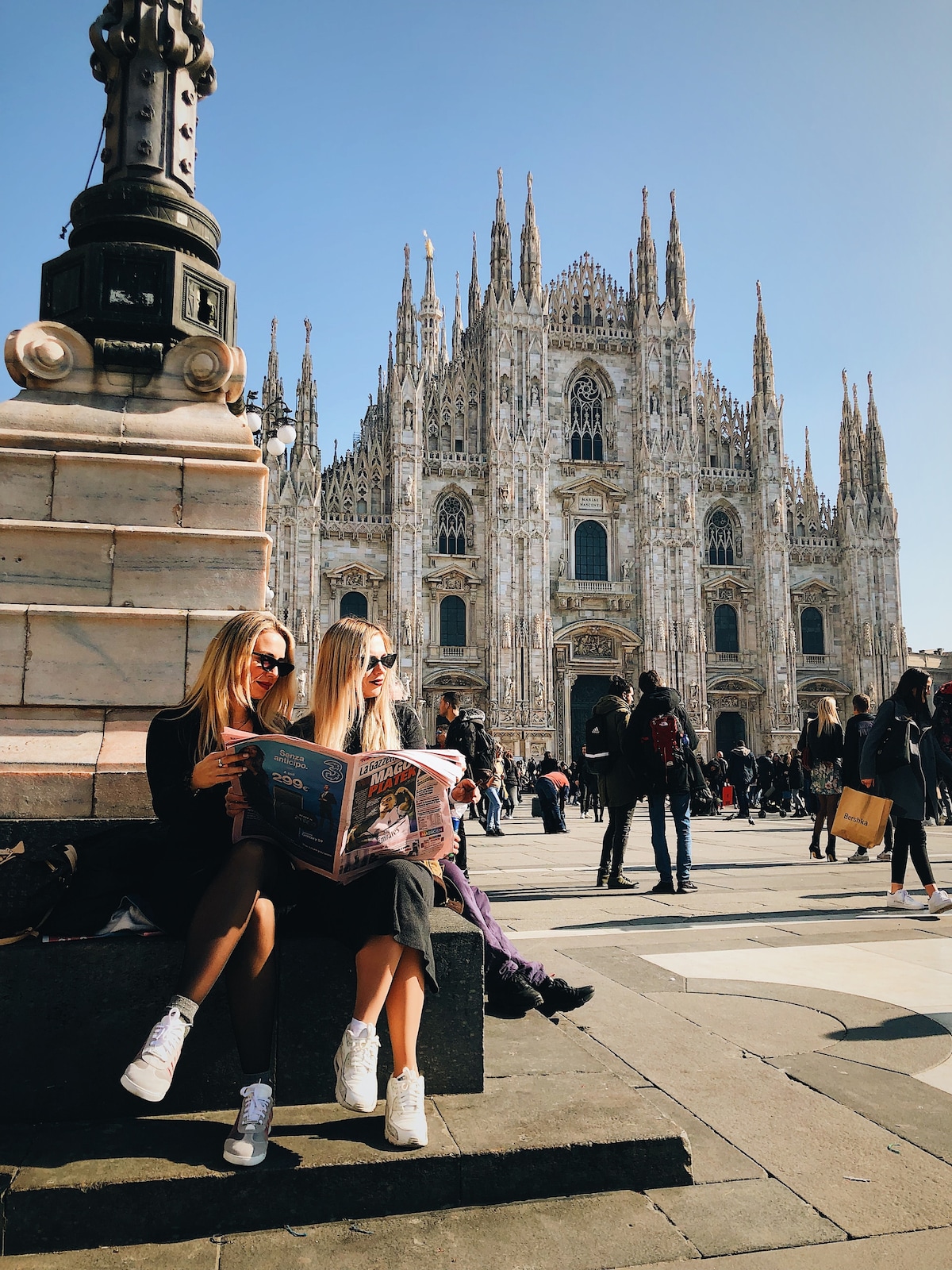
Private tour of the center of Milan with a local
Thu, Jan 15 • 10:30 AM
20121, Milan, Lombardy, Italy
View details
Nearby attractions of Santuario di San Bernardino alle Ossa
Duomo di Milano
Basilica di Santo Stefano Maggiore
Casa Cardinale Ildefonso Schuster
Palazzo Reale di Milano
Space Dreamers
Biblioteca Sormani
Museo del Duomo di Milano
Sant'Antonio Abate
Museo del Novecento
Cathedral Square
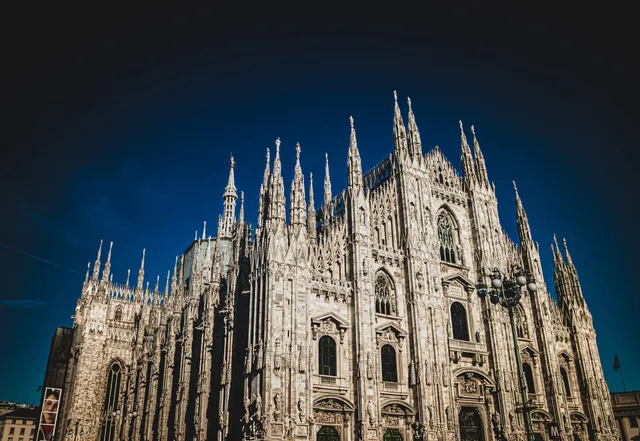
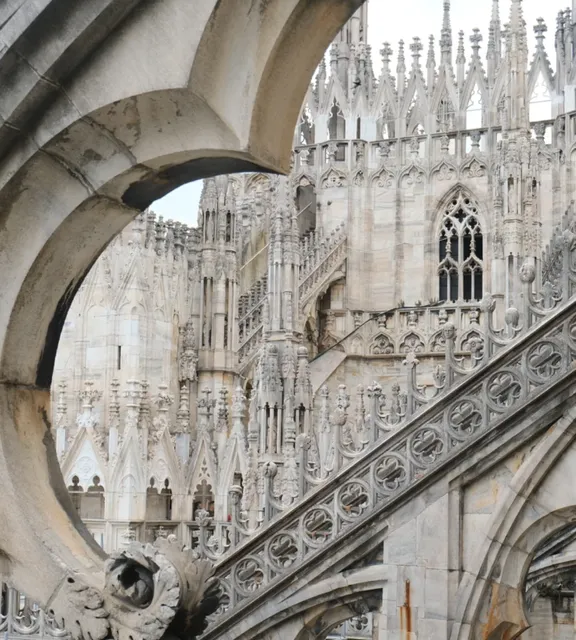
Duomo di Milano
4.8
(62.2K)
Closed
Click for details
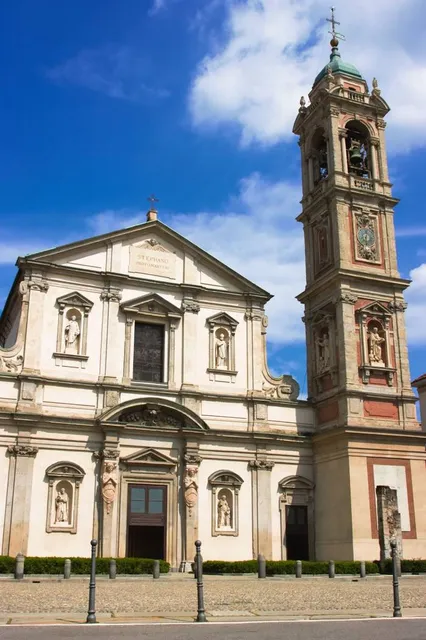
Basilica di Santo Stefano Maggiore
4.5
(216)
Closed
Click for details
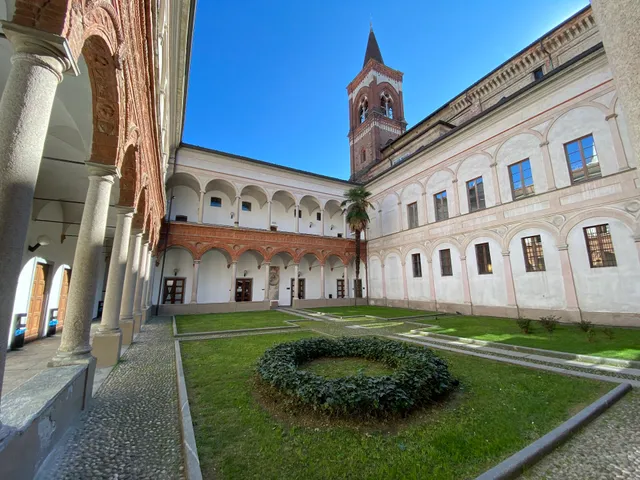
Casa Cardinale Ildefonso Schuster
4.7
(940)
Closed
Click for details
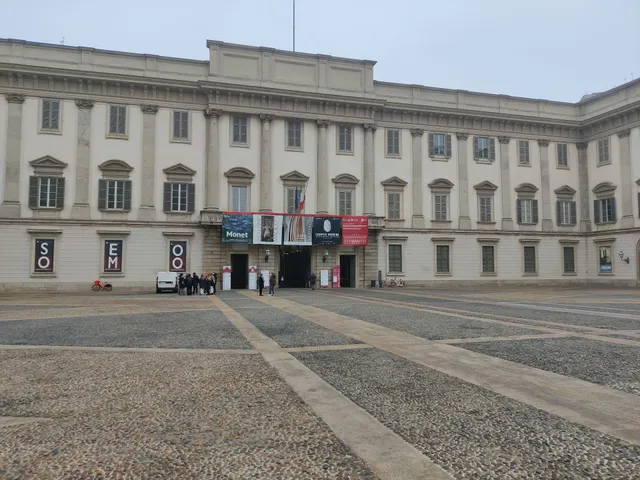
Palazzo Reale di Milano
4.6
(8.3K)
Closed
Click for details
Nearby restaurants of Santuario di San Bernardino alle Ossa
Original Pizza Ok
Colibrì
Roadhouse Restaurant Milano Via Larga
Flash
Caffè Cimmino
Un'Altra Pasta
Margy Burger Milano
Caffè Napoli Augusto
Velavevodetto al Duomo
Ciciarà
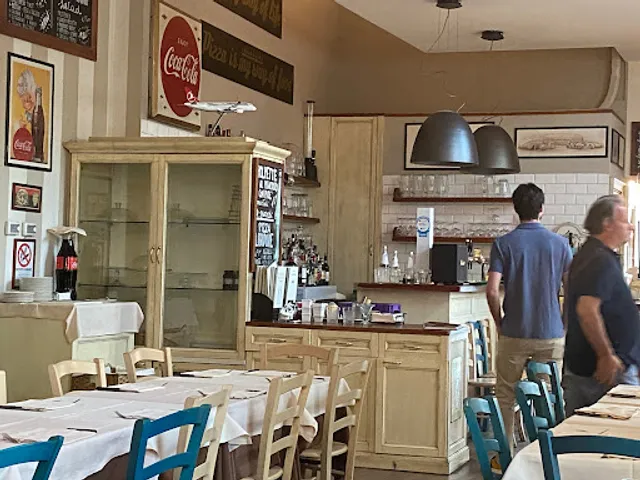
Original Pizza Ok
3.8
(621)
Open until 10:30 PM
Click for details
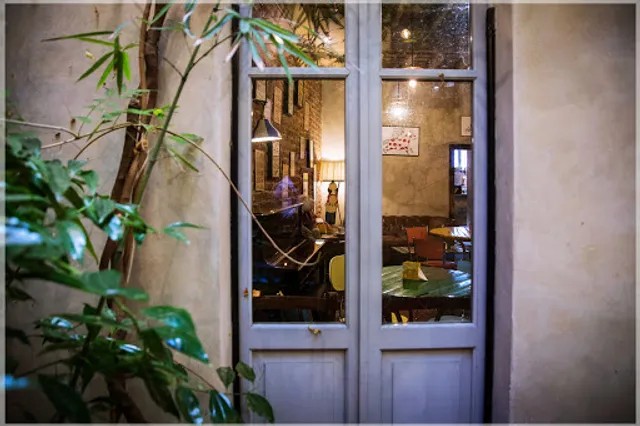
Colibrì
4.3
(930)
Open until 12:00 AM
Click for details
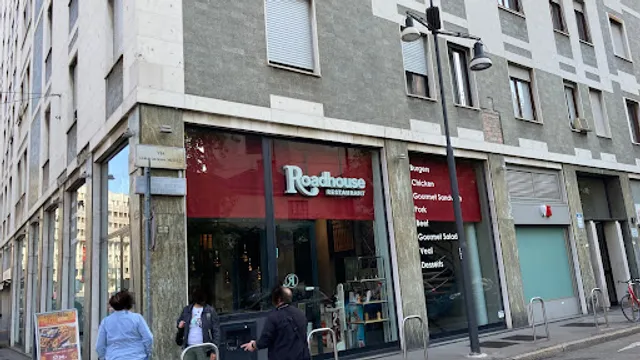
Roadhouse Restaurant Milano Via Larga
3.9
(560)
Open until 10:30 PM
Click for details
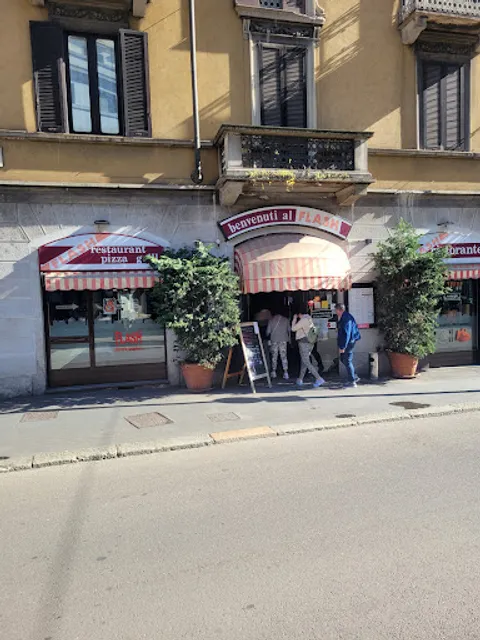
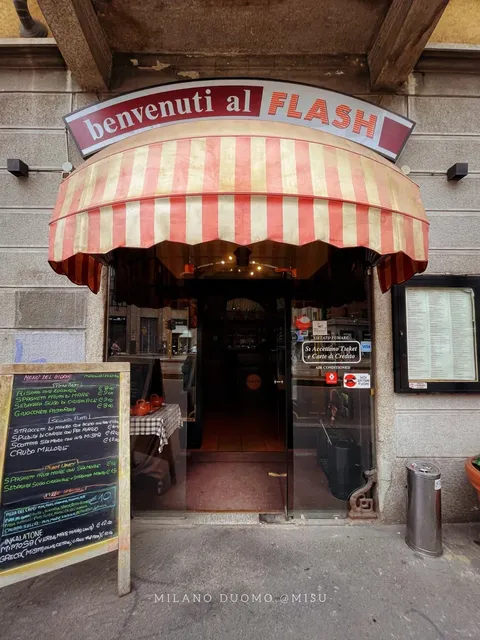
Flash
3.8
(1.2K)
Open until 3:30 AM
Click for details
Nearby local services of Santuario di San Bernardino alle Ossa
Apple Store Piazza Liberty
The Highline Outlet
Merry Go Round
On Flagship Store Milan Vittorio Emanuele
Nano Bleu
La Feltrinelli
Cassina Store Milano
B&B Italia Store
Michael Kors
Unieuro San Babila
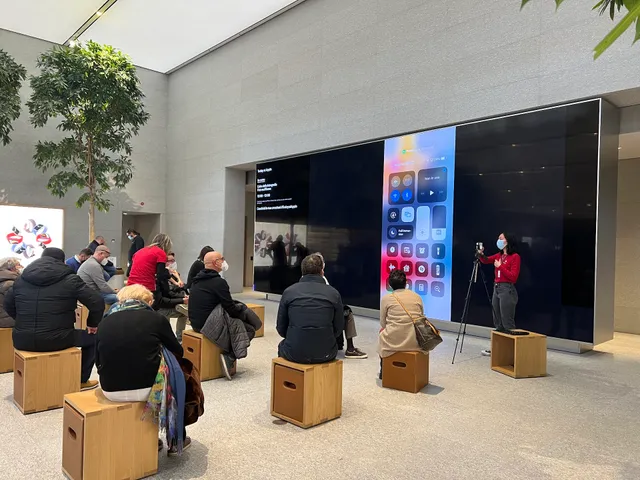
Apple Store Piazza Liberty
4.4
(3.6K)
Click for details
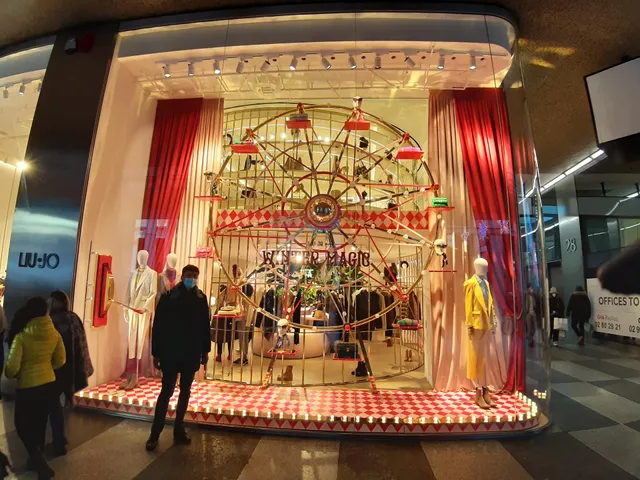
The Highline Outlet
3.7
(1.3K)
Click for details

Merry Go Round
4.7
(105)
Click for details

On Flagship Store Milan Vittorio Emanuele
4.9
(763)
Click for details