Palazzo della Cancelleria things to do, attractions, restaurants, events info and trip planning
Basic Info
Palazzo della Cancelleria
P.za della Cancelleria, 1, 00186 Roma RM, Italy
4.6(346)
Open until 7:30 PM
Save
spot
spot
Ratings & Description
Info
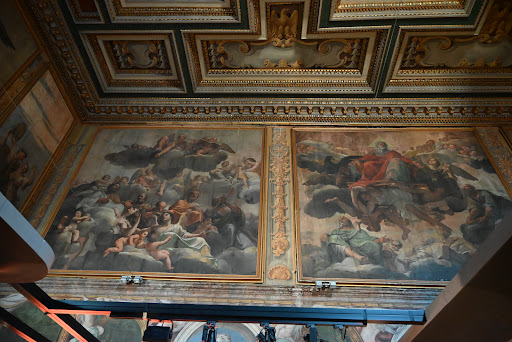
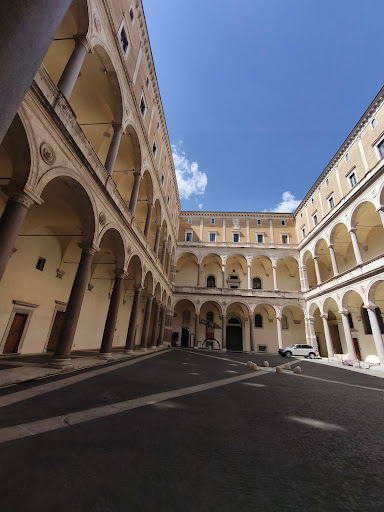
The Palazzo della Cancelleria is a Renaissance palace in Rome, Italy, situated between the present Corso Vittorio Emanuele II and the Campo de' Fiori, in the rione of Parione.
Cultural
Scenic
Family friendly
Accessibility
attractions: Campo de' Fiori, Museo/Mostra Leonardo da Vinci - Il Genio le Invenzioni, Piazza Navona, Museo di Roma - Palazzo Braschi, Welcome To Rome, Museo di Scultura Antica Giovanni Barracco, Basilica di Sant'Andrea della Valle, Arco degli Acetari, Pantheon, Fiumi Fountain, restaurants: Osteria da Fortunata, Mariuccia, Osteria da Fortunata - Cancelleria, Cantina e Cucina, Ristorante Pancrazio dal 1922, Osteria da Fortunata - Baullari, Ditirambo, LUCIANO Cucina Italiana - Roma, Il Baccanale, Giordi, local businesses: Museo Barracco de Escultura Antigua, Gelateria del Campo, Magia a Campo de' Fiori, Amir Roma. Cioccolato e Pasticceria, Cinema Farnese, Gourmetaly Rome Food Tours, DA ROMA azienda agricola, Limon'è, La Sella Roma, La Boutique del Limoncello Roma
 Learn more insights from Wanderboat AI.
Phone
+39 06 6988 7566
Open hoursSee all hours
Tue7:30 AM - 7:30 PMOpen
Plan your stay

Pet-friendly Hotels in Rome
Find a cozy hotel nearby and make it a full experience.

Affordable Hotels in Rome
Find a cozy hotel nearby and make it a full experience.

The Coolest Hotels You Haven't Heard Of (Yet)
Find a cozy hotel nearby and make it a full experience.

Trending Stays Worth the Hype in Rome
Find a cozy hotel nearby and make it a full experience.
Reviews
Live events

LUNA: A Journey to the Moon – un’esperienza immersiva in realtà virtuale a Roma
Wed, Feb 25 • 4:00 PM
Via Trionfale, 7400, Roma, 00136
View details
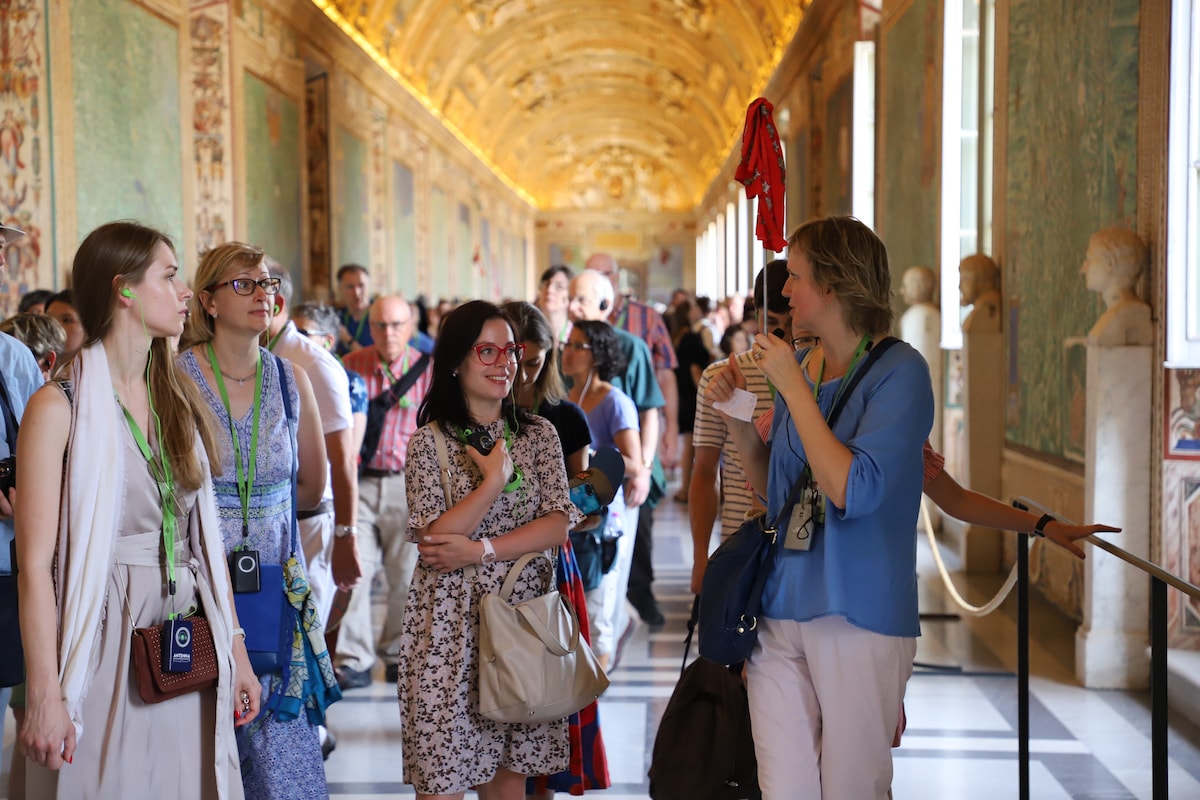
Vatican & St Peters Basilica: unlock the wonders
Wed, Feb 25 • 1:00 PM
00192, Rome, Lazio, Italy
View details
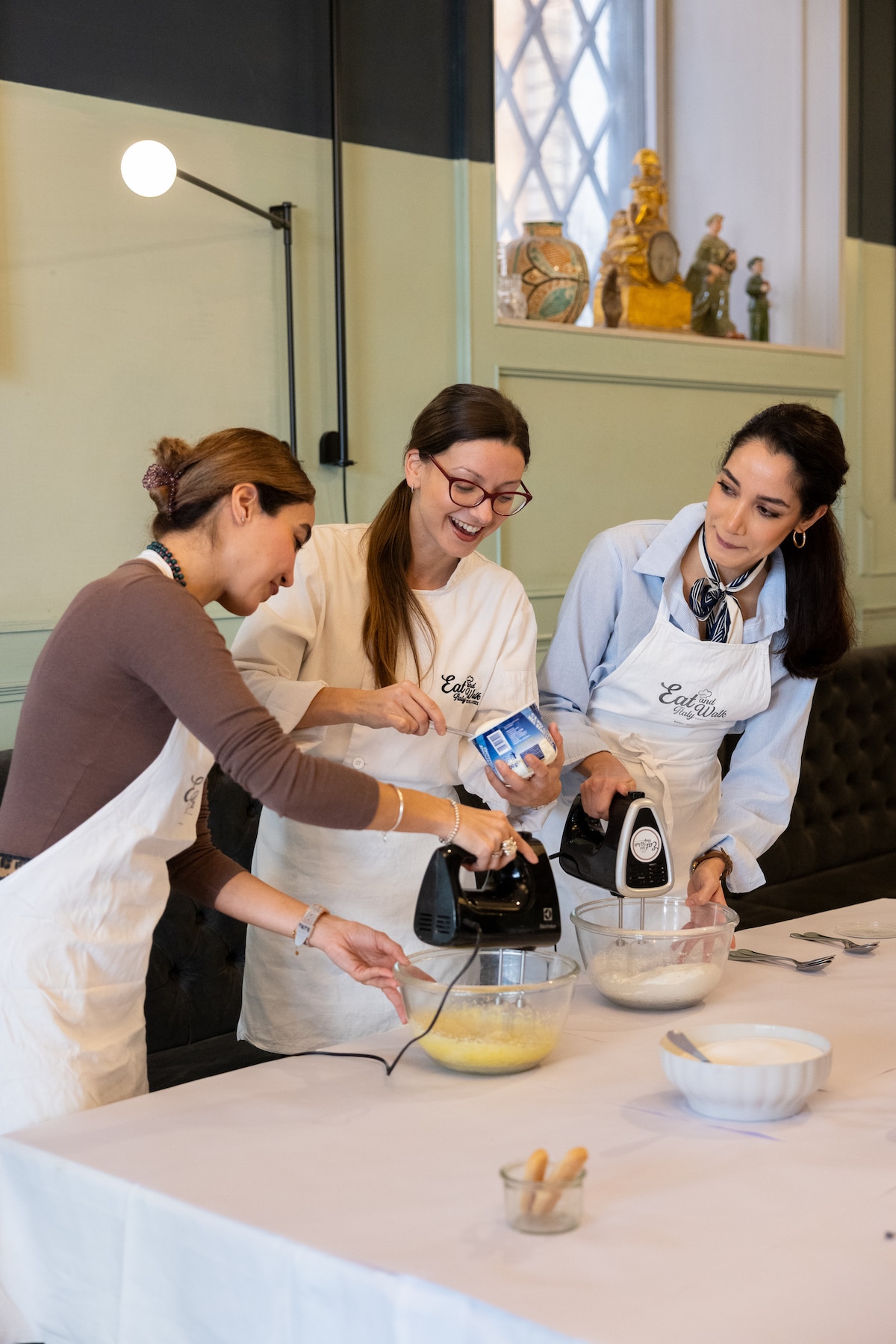
Make Pasta & Tiramisù with Wine and Limoncello
Tue, Feb 24 • 7:30 PM
00186, Rome, Lazio, Italy
View details
Nearby attractions of Palazzo della Cancelleria
Campo de' Fiori
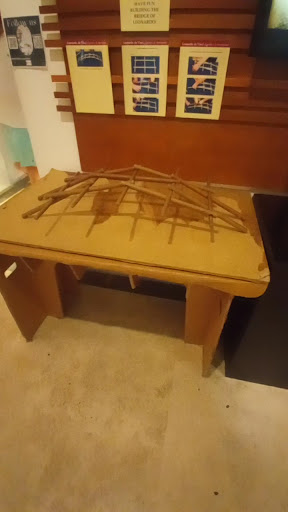
Museo/Mostra Leonardo da Vinci - Il Genio le Invenzioni
Piazza Navona
Museo di Roma - Palazzo Braschi
Welcome To Rome
Museo di Scultura Antica Giovanni Barracco
Basilica di Sant'Andrea della Valle
Arco degli Acetari
Pantheon
Fiumi Fountain
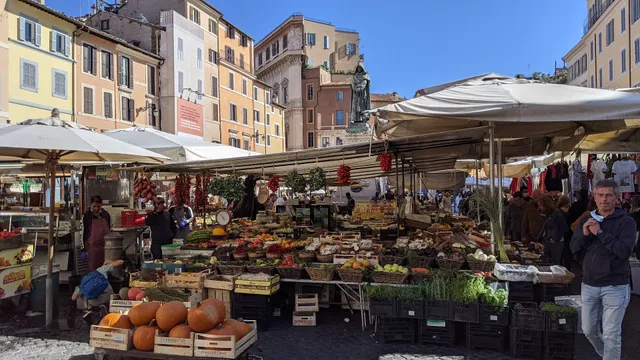
Campo de' Fiori
4.4
(24.4K)
Open 24 hours
Click for details
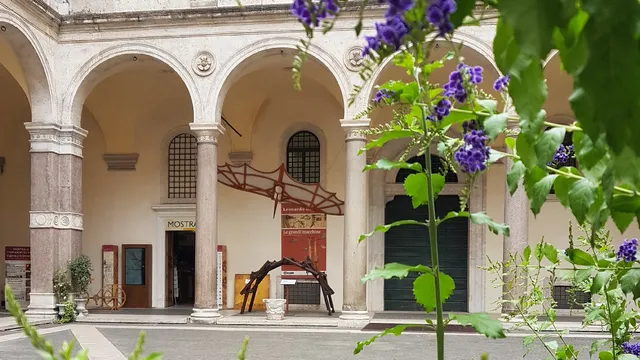
Museo/Mostra Leonardo da Vinci - Il Genio le Invenzioni
4.5
(893)
Open until 7:00 PM
Click for details
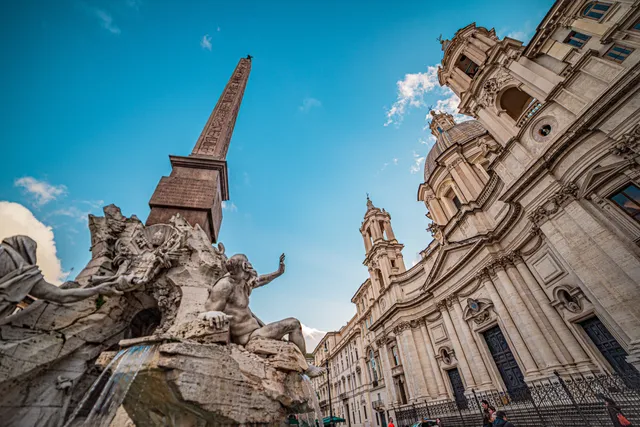
Piazza Navona
4.7
(63.4K)
Open until 12:00 AM
Click for details
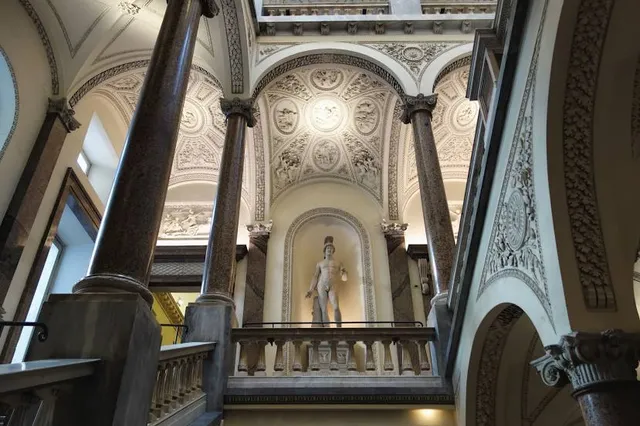
Museo di Roma - Palazzo Braschi
4.5
(2.2K)
Open until 12:00 AM
Click for details
Nearby restaurants of Palazzo della Cancelleria
Osteria da Fortunata
Mariuccia
Osteria da Fortunata - Cancelleria
Cantina e Cucina
Ristorante Pancrazio dal 1922
Osteria da Fortunata - Baullari
Ditirambo
LUCIANO Cucina Italiana - Roma
Il Baccanale
Giordi
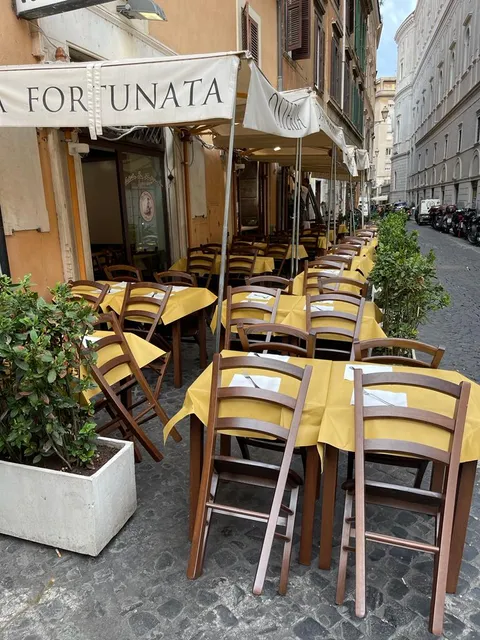
Osteria da Fortunata
4.4
(11.3K)
Open until 12:30 AM
Click for details
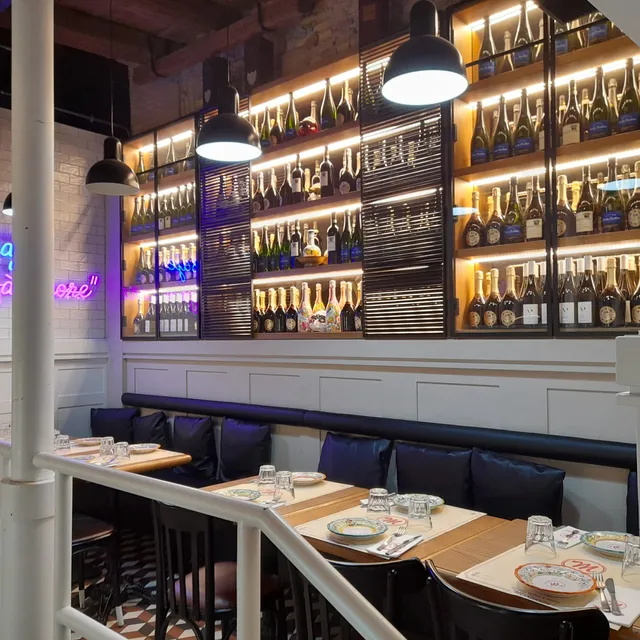
Mariuccia
4.7
(3.3K)
Open until 12:00 AM
Click for details
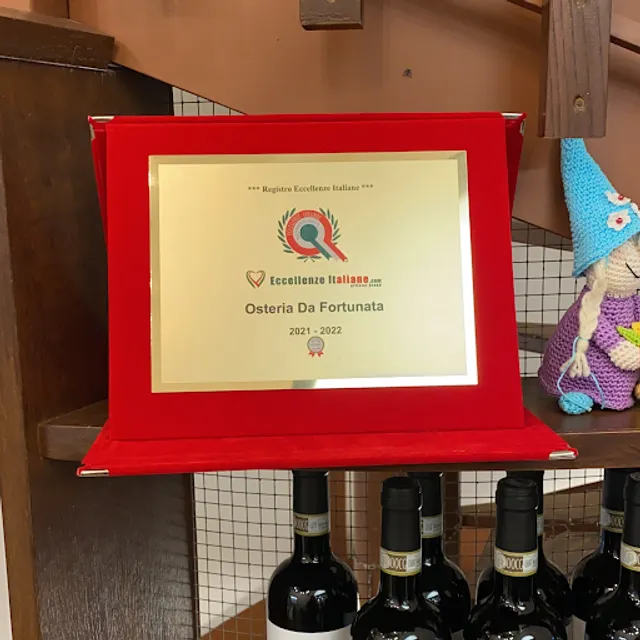
Osteria da Fortunata - Cancelleria
4.7
(2.1K)
Open until 12:30 AM
Click for details
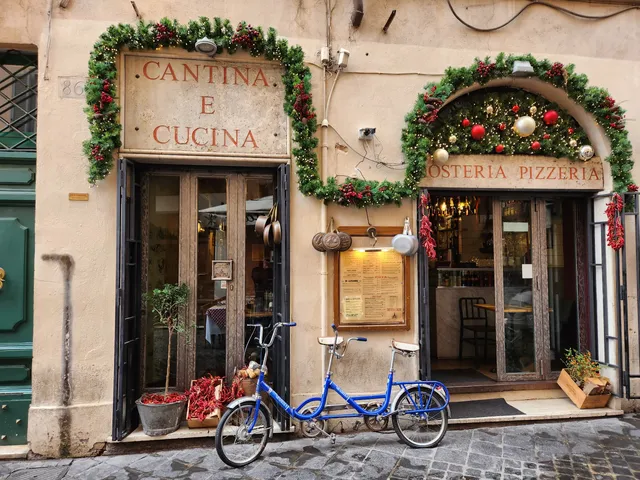
Cantina e Cucina
4.6
(6.7K)
Open until 11:30 PM
Click for details
Nearby local services of Palazzo della Cancelleria
Museo Barracco de Escultura Antigua
Gelateria del Campo
Magia a Campo de' Fiori
Amir Roma. Cioccolato e Pasticceria
Cinema Farnese
Gourmetaly Rome Food Tours
DA ROMA azienda agricola
Limon'è
La Sella Roma
La Boutique del Limoncello Roma
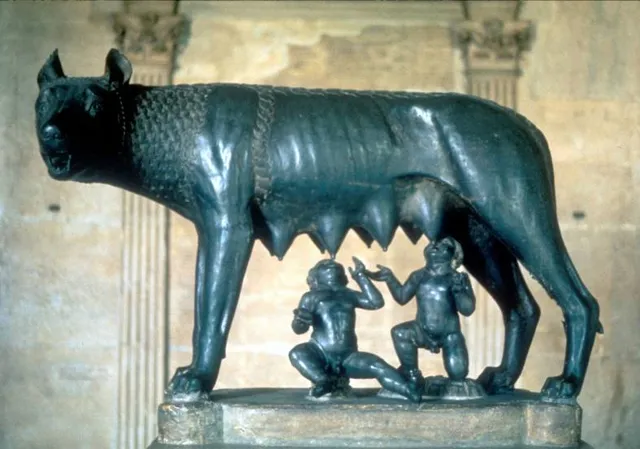
Museo Barracco de Escultura Antigua
4.6
(309)
Click for details
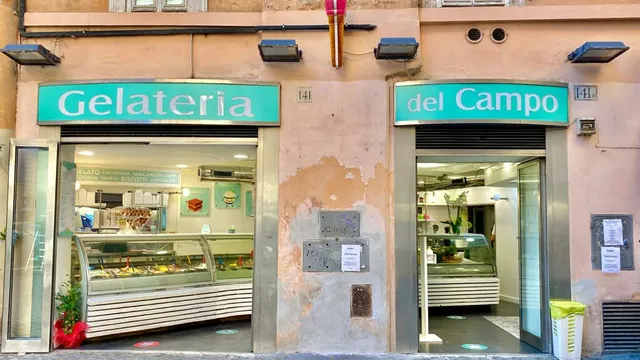
Gelateria del Campo
4.7
(263)
Click for details
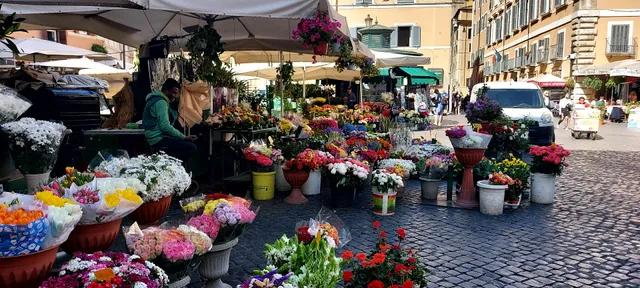
Magia a Campo de' Fiori
4.5
(296)
Click for details
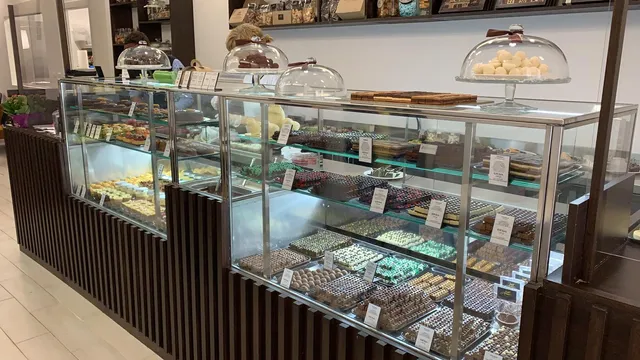
Amir Roma. Cioccolato e Pasticceria
4.5
(129)
Click for details


The hit list

Plan your trip with Wanderboat
Welcome to Wanderboat AI, your AI search for local Eats and Fun, designed to help you explore your city and the world with ease.
Powered by Wanderboat AI trip planner.