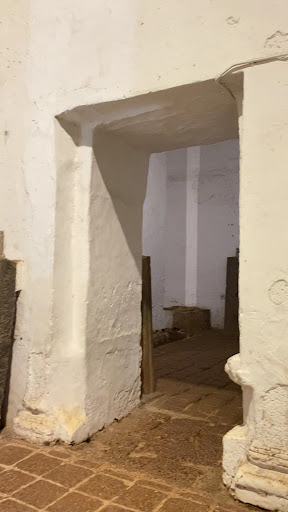
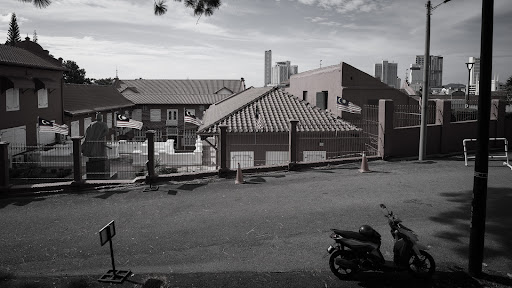
Church of Saint Paul, Malacca things to do, attractions, restaurants, events info and trip planning
Basic Info
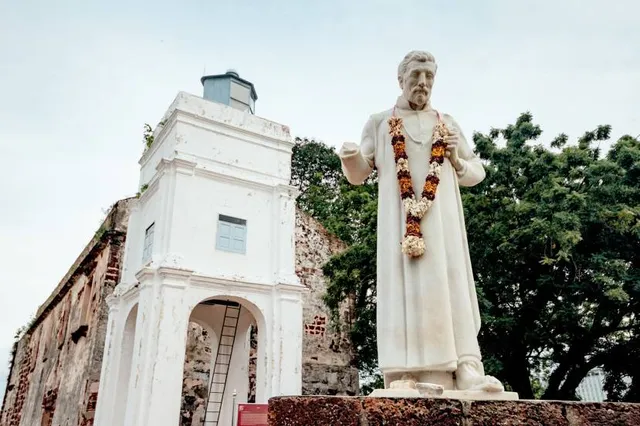
Church of Saint Paul, Malacca
1935, Jln Kota, Banda Hilir, 75000 Melaka, Malaysia
4.4(1.1K)
Open until 12:00 AM
Save
spot
spot
Ratings & Description
Info
Saint Paul's Church is a historic church building in Malacca City, Malaysia, that was originally built in 1521, making it the oldest church building in Malaysia and Southeast Asia.
Cultural
Accessibility
attractions: A Famosa, Muzium Istana Kesultanan Melaka, Jonker Street Night Market, Dutch Square (Red Square) Melaka, Melaka River Cruise Jeti Quayside, Taming Sari Tower (Malacca Tower), Stadthuys, Christ Church Melaka, The Stadthuys, Muzium Seni Bina Malaysia, restaurants: 海底捞火锅 英雄店 Haidilao Huo Guo @Dataran Pahlawan Melaka Megamall Malaysia, Hard Rock Cafe Melaka, GravyBaby Melaka at Jonker Street, Maidah Pakistani and Arabic Restaurant, McDonald's Dataran Pahlawan DT, ZUS Coffee - Dataran Pahlawan Melaka Megamall, Asam Pedas Selera Kampung Sdn Bhd, Black Canyon Dataran Pahlawan Megamall, Mi Tarik Sinlan Melaka, Rumah Belanda (Jalan Kota, Melaka), local businesses: Melaka Sultanate Palace Museum, Dataran Pahlawan Melaka Megamall, St Pauls Hill Melaka, Pahlawan Walk Night Market, Bastion Middleburg , Vereenigde Oostindische Compagnie ( VOC ) Fort in Malakka, Malacca River Cruise, Galeri Kota Melaka / Melaka Fort Gallery, MELAKA RIVER CRUISE COUNTER TIKET, International Zheng He Research Academy, The Royal Press
 Learn more insights from Wanderboat AI.
Open hoursSee all hours
SunOpen 24 hoursOpen
Plan your stay

Pet-friendly Hotels in Malacca
Find a cozy hotel nearby and make it a full experience.

Affordable Hotels in Malacca
Find a cozy hotel nearby and make it a full experience.

The Coolest Hotels You Haven't Heard Of (Yet)
Find a cozy hotel nearby and make it a full experience.

Trending Stays Worth the Hype in Malacca
Find a cozy hotel nearby and make it a full experience.
Reviews
Live events
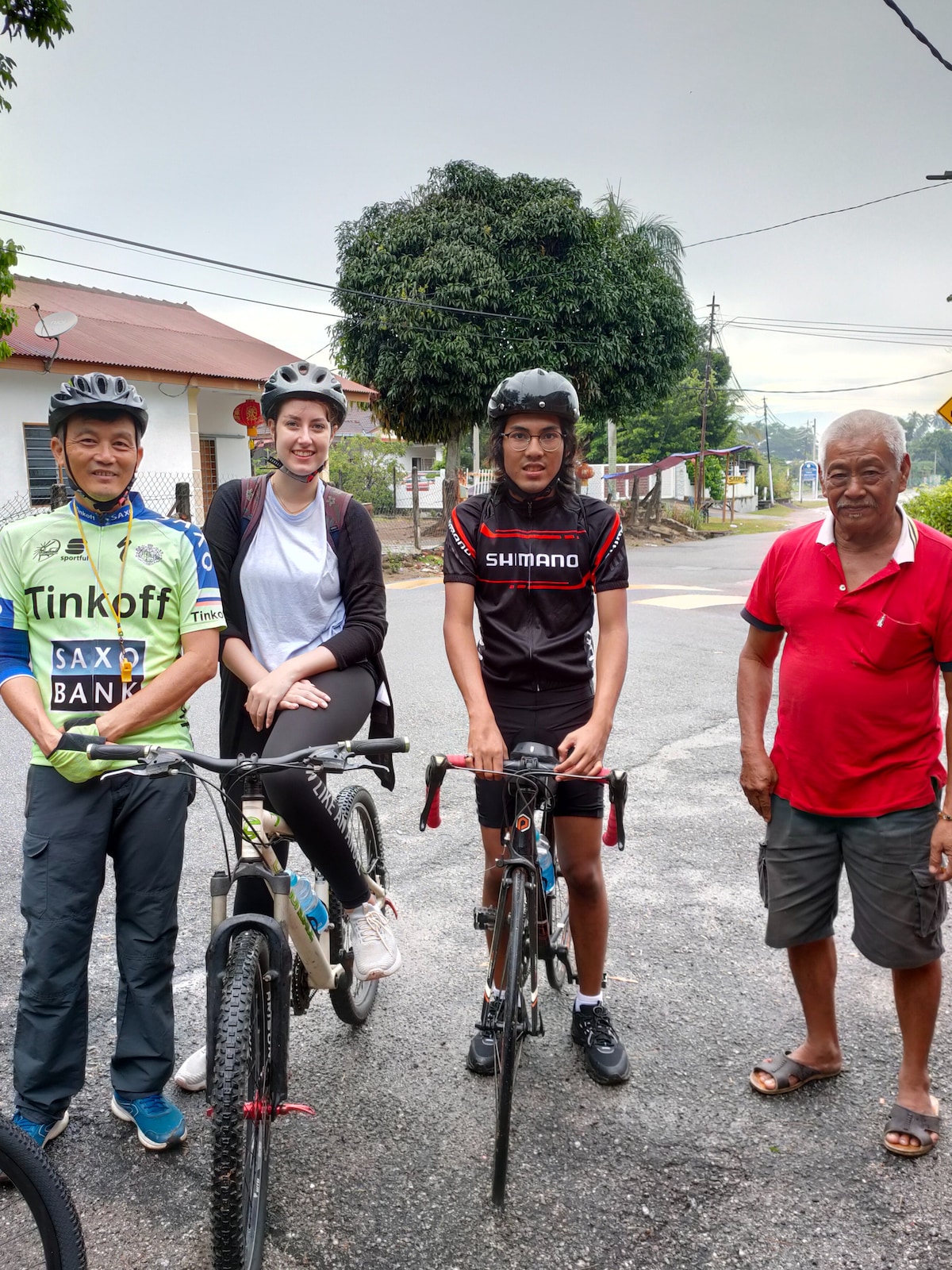
Take a guided ride on the wind and green Malacca
Sat, Feb 14 • 8:00 AM
75000, Malacca, Malacca, Malaysia
View details
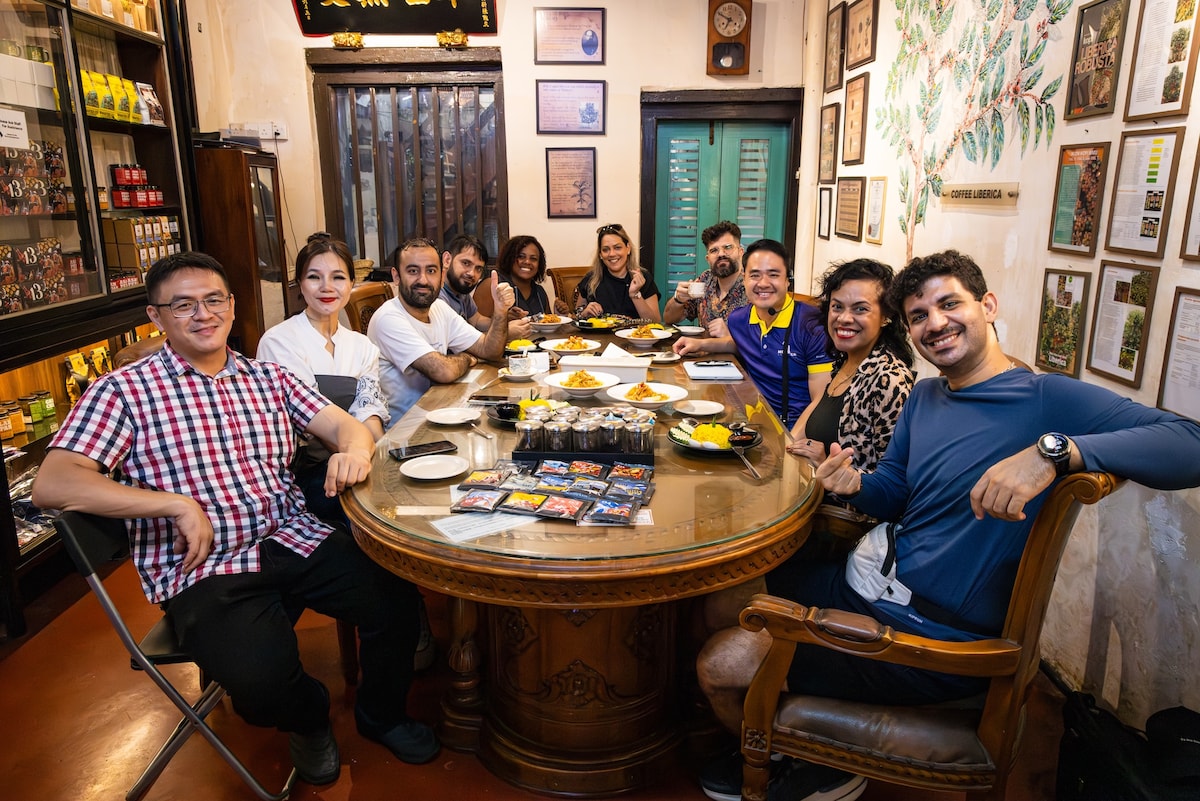
Melaka Flavours: Food and Culture Tour
Sun, Feb 8 • 12:30 PM
75200, Malacca, Malacca, Malaysia
View details
Nearby attractions of Church of Saint Paul, Malacca
A Famosa
Muzium Istana Kesultanan Melaka
Jonker Street Night Market
Dutch Square (Red Square) Melaka
Melaka River Cruise Jeti Quayside
Taming Sari Tower (Malacca Tower)
Stadthuys
Christ Church Melaka
The Stadthuys
Muzium Seni Bina Malaysia
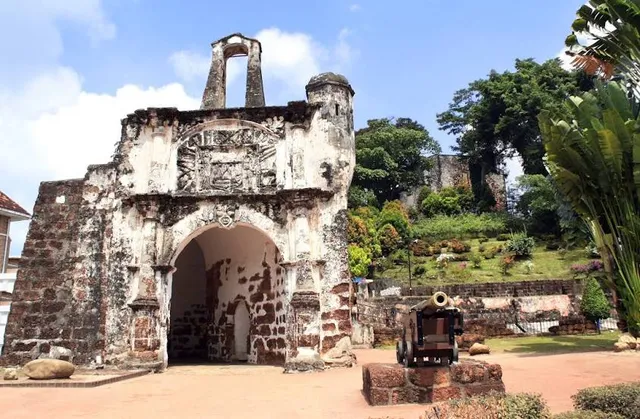
A Famosa
4.4
(7.5K)
Open until 12:00 AM
Click for details
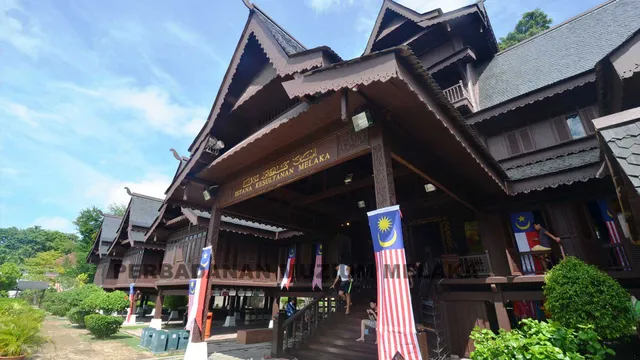
Muzium Istana Kesultanan Melaka
4.4
(1.1K)
Open until 5:30 PM
Click for details
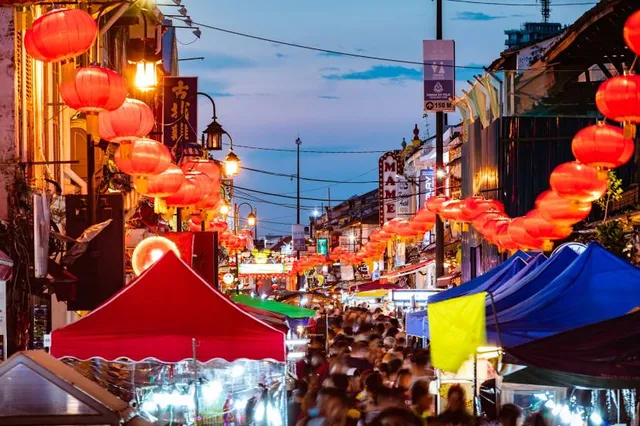
Jonker Street Night Market
4.3
(11.9K)
Closed
Click for details
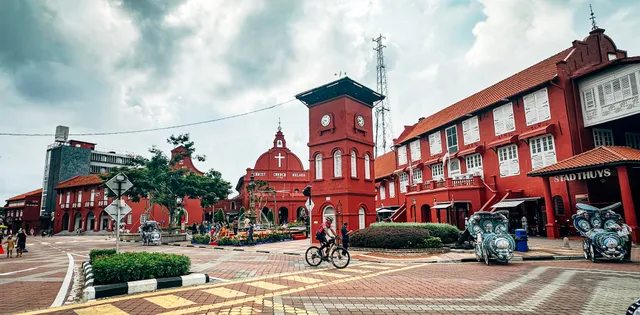
Dutch Square (Red Square) Melaka
4.4
(1.9K)
Open until 12:00 AM
Click for details
Nearby restaurants of Church of Saint Paul, Malacca
海底捞火锅 英雄店 Haidilao Huo Guo @Dataran Pahlawan Melaka Megamall Malaysia
Hard Rock Cafe Melaka
GravyBaby Melaka at Jonker Street
Maidah Pakistani and Arabic Restaurant
McDonald's Dataran Pahlawan DT
ZUS Coffee - Dataran Pahlawan Melaka Megamall
Asam Pedas Selera Kampung Sdn Bhd
Black Canyon Dataran Pahlawan Megamall
Mi Tarik Sinlan Melaka
Rumah Belanda (Jalan Kota, Melaka)

海底捞火锅 英雄店 Haidilao Huo Guo @Dataran Pahlawan Melaka Megamall Malaysia
4.9
(2.1K)
$$$
Open until 4:00 AM
Click for details
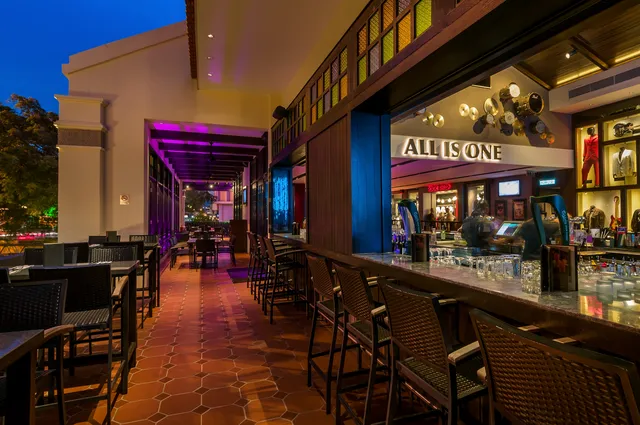
Hard Rock Cafe Melaka
4.2
(1.7K)
$$$
Open until 12:00 AM
Click for details
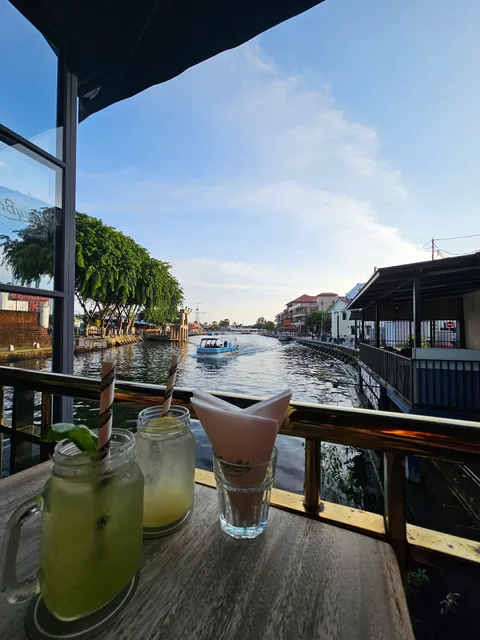
GravyBaby Melaka at Jonker Street
4.5
(1.4K)
Open until 1:00 AM
Click for details
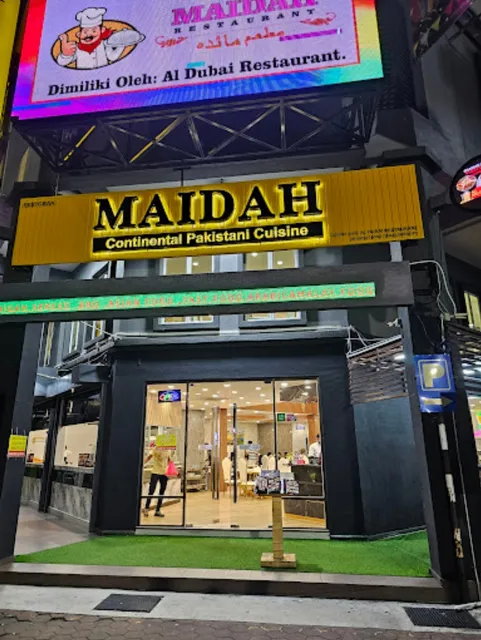
Maidah Pakistani and Arabic Restaurant
4.8
(1.1K)
Open until 12:00 AM
Click for details
Nearby local services of Church of Saint Paul, Malacca
Melaka Sultanate Palace Museum
Dataran Pahlawan Melaka Megamall
St Pauls Hill Melaka
Pahlawan Walk Night Market
Bastion Middleburg , Vereenigde Oostindische Compagnie ( VOC ) Fort in Malakka
Malacca River Cruise
Galeri Kota Melaka / Melaka Fort Gallery
MELAKA RIVER CRUISE COUNTER TIKET
International Zheng He Research Academy
The Royal Press
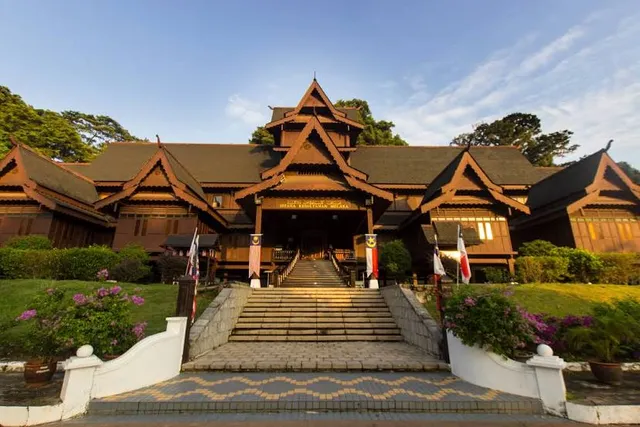
Melaka Sultanate Palace Museum
4.5
(888)
Click for details
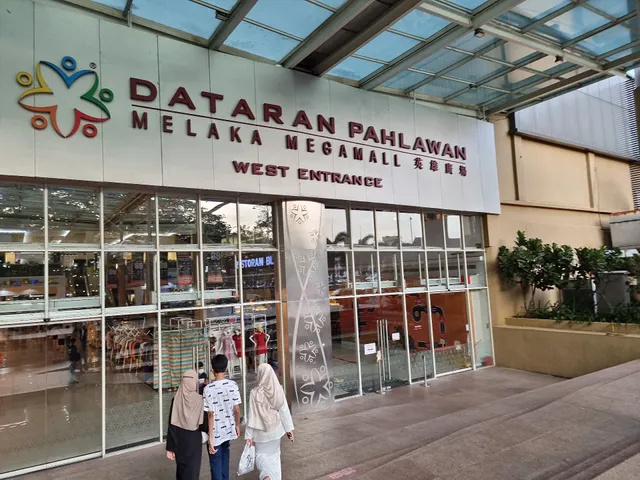
Dataran Pahlawan Melaka Megamall
4.2
(6.1K)
Click for details
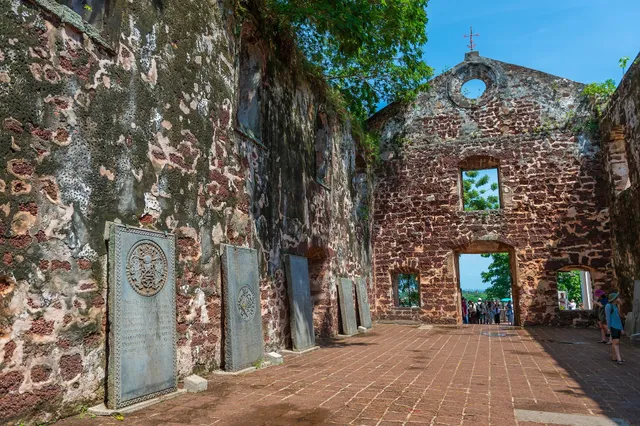
St Pauls Hill Melaka
4.4
(68)
Click for details
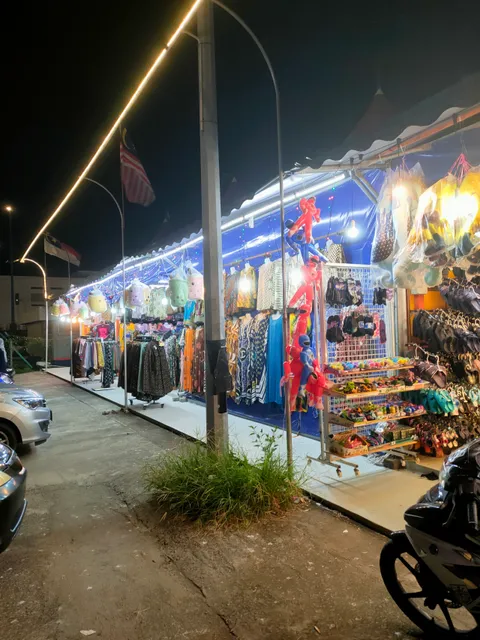
Pahlawan Walk Night Market
4.2
(419)
Click for details