Fort St. Angelo things to do, attractions, restaurants, events info and trip planning
Basic Info
Fort St. Angelo
Waterfront, Birgu, Malta
4.6(2.8K)
Closed


tickets
Save
spot
spot
Ratings & Description
Info
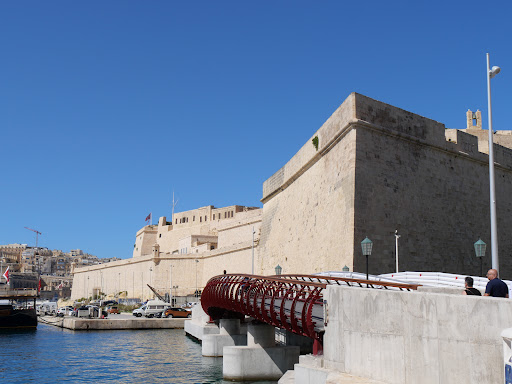
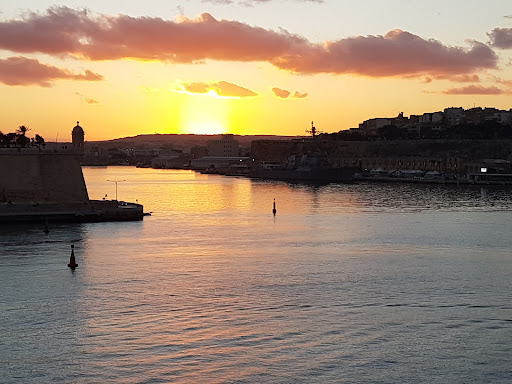
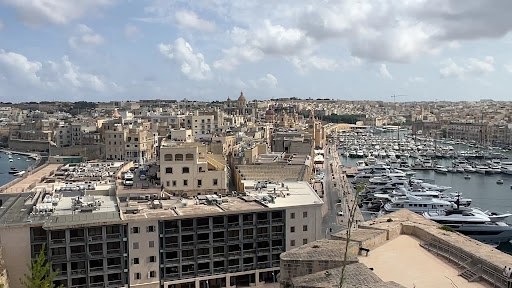
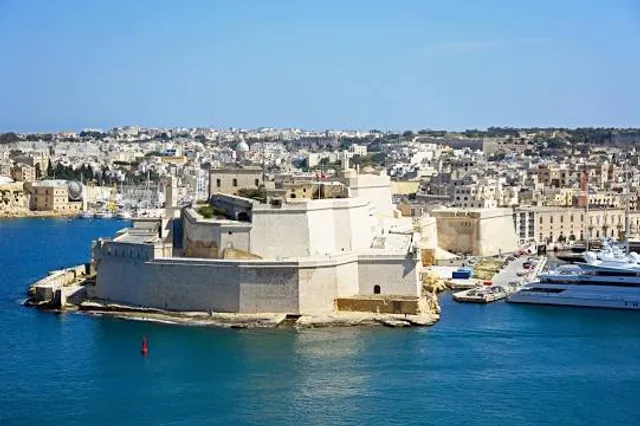
Fort St. Angelo is a bastioned fort in Birgu, Malta, located at the centre of the Grand Harbour. It was originally built in the medieval period as a castle called the Castrum Maris.
Cultural
Accessibility
attractions: Birgu Waterfront, Upper Barrakka, Lower Barrakka, Esplora Interactive Science Centre, Safe Haven Gardens, Malta Maritime Museum, Saluting Battery, The Lascaris War Rooms, St. John's Co-Cathedral, Inquisitor's Palace, restaurants: Terrone, Cargo Bar & Dine, AcquaBlu, AROY-D, Sottovento, Don Berto Restaurant, Il Pirata Senglea, Le Regatta, Novità, BeBirgu, local businesses: Kappella ta' Sant'Anna, Upper Barrakka Gardens, Lower Barrakka Gardens, Esplora Interactive Science Centre, Grand Harbour, Grand Harbour Vista, Valletta City Gate, Is-Suq Tal-Belt - Valletta Food Market, Fort Lascaris, Victoria Gate
 Learn more insights from Wanderboat AI.
Phone
+356 2540 1800
Website
heritagemalta.mt
Open hoursSee all hours
Sun9 AM - 5 PMClosed
Plan your stay

Pet-friendly Hotels in Birgu
Find a cozy hotel nearby and make it a full experience.

Affordable Hotels in Birgu
Find a cozy hotel nearby and make it a full experience.

The Coolest Hotels You Haven't Heard Of (Yet)
Find a cozy hotel nearby and make it a full experience.

Trending Stays Worth the Hype in Birgu
Find a cozy hotel nearby and make it a full experience.
Reviews
Live events

Candlelight: Coldplay vs. Imagine Dragons
Sat, Feb 28 • 7:00 PM
The Mall FRN1478, Floriana, FRN1478
View details
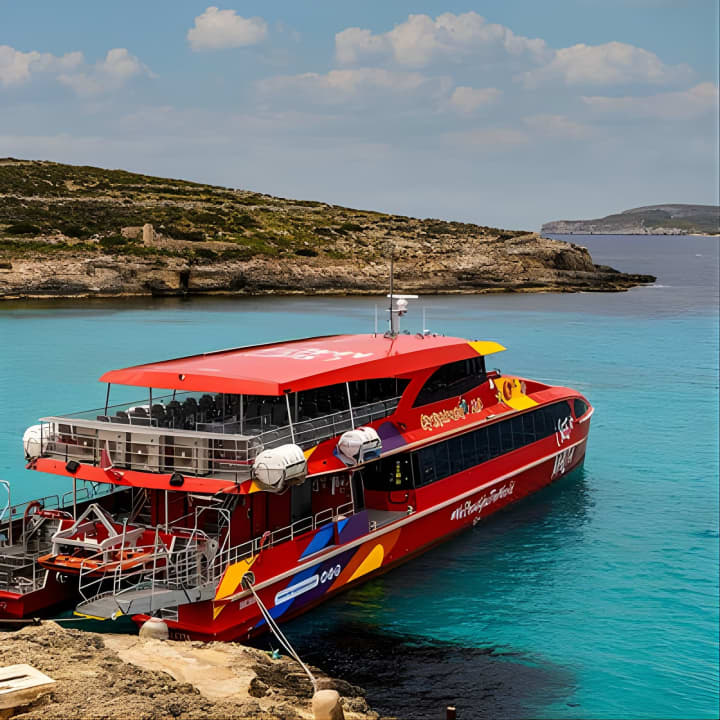
Gozo & Comino Blue Lagoon
Mon, Feb 23 • 10:00 AM
WG53+GQ4, Sliema
View details
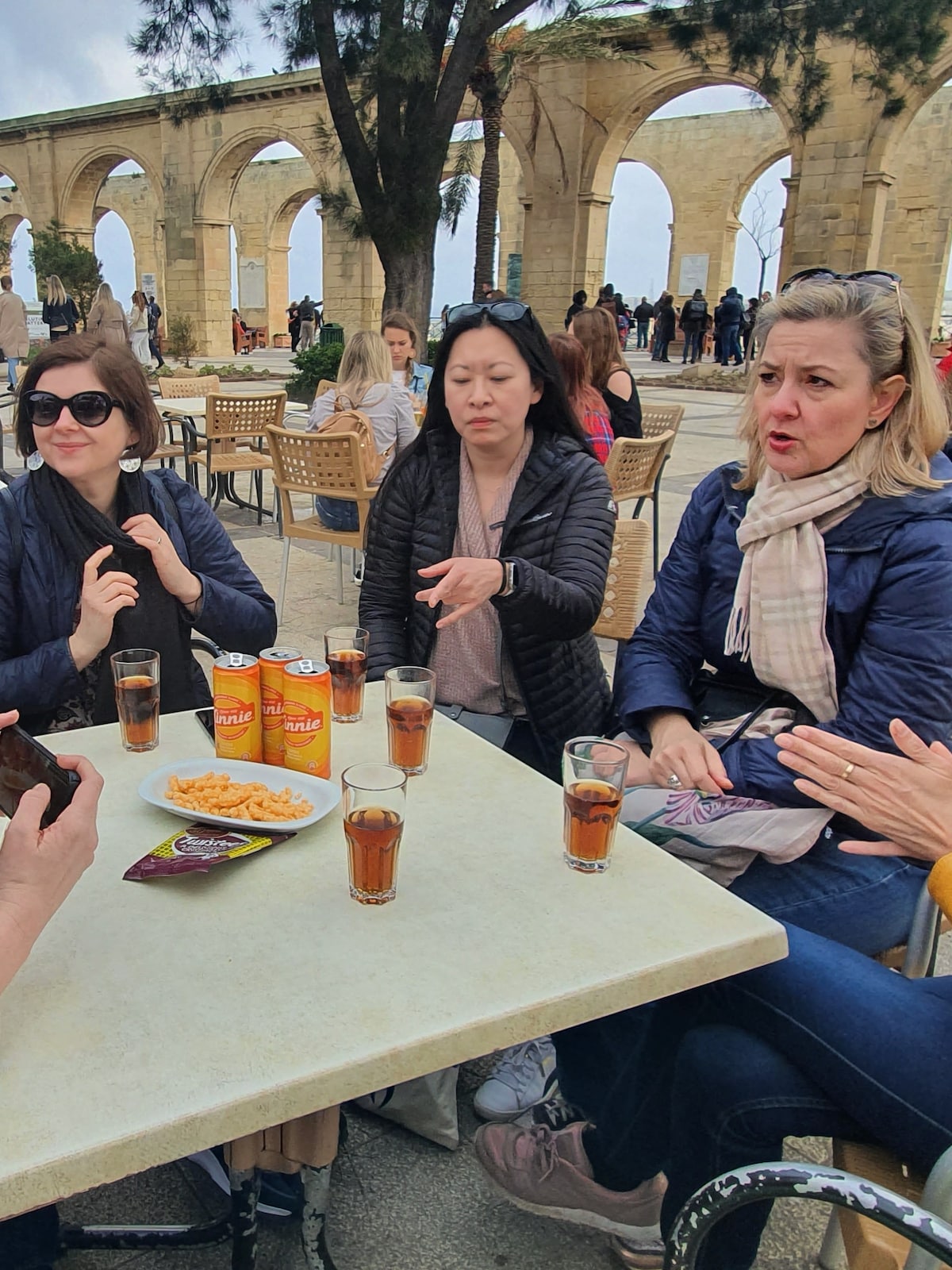
Valletta Walking Tour
Mon, Feb 23 • 10:00 AM
Valletta, RBT1970, Malta
View details
Nearby attractions of Fort St. Angelo
Birgu Waterfront
Upper Barrakka
Lower Barrakka
Esplora Interactive Science Centre
Safe Haven Gardens
Malta Maritime Museum
Saluting Battery
The Lascaris War Rooms
St. John's Co-Cathedral
Inquisitor's Palace
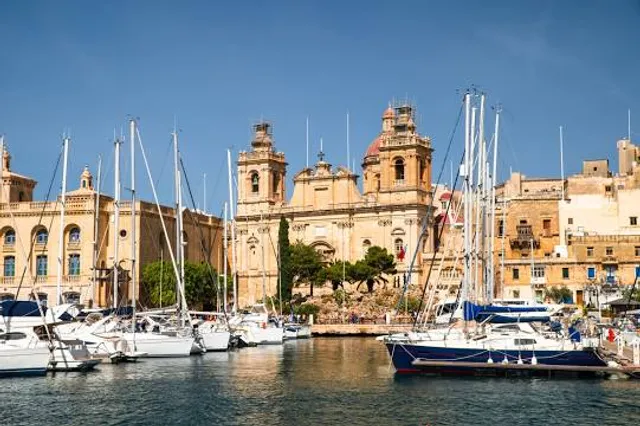
Birgu Waterfront
4.8
(367)
Open 24 hours
Click for details
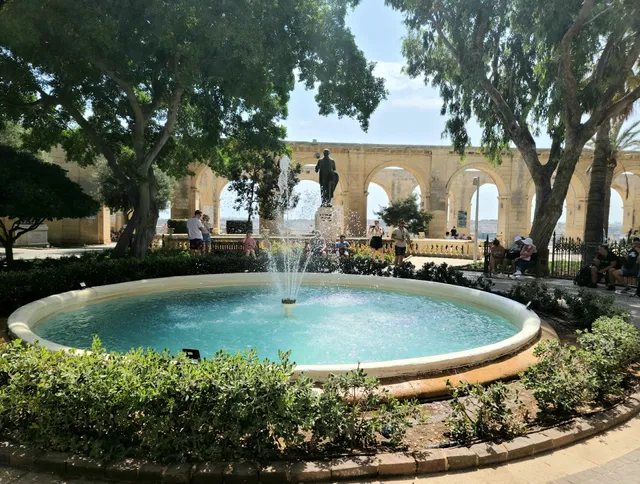
Upper Barrakka
4.7
(14.4K)
Open 24 hours
Click for details
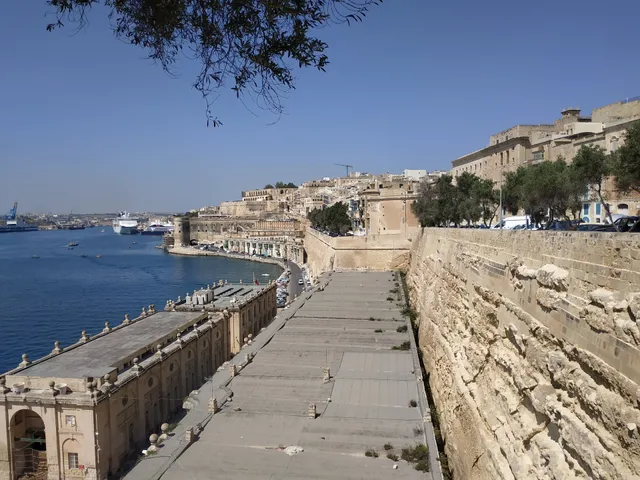
Lower Barrakka
4.7
(5.6K)
Open until 10:00 PM
Click for details
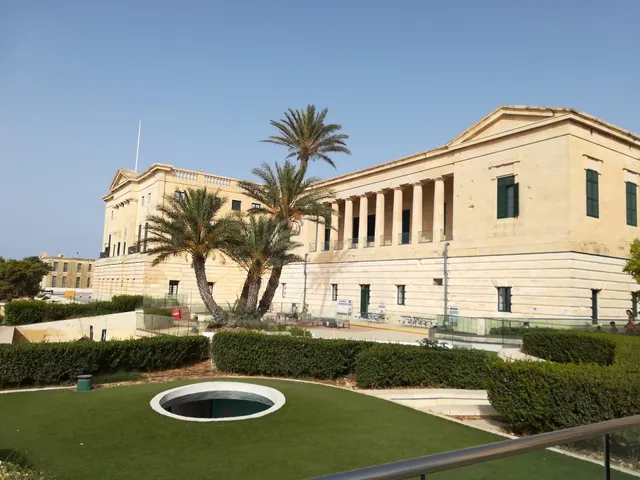
Esplora Interactive Science Centre
4.7
(1.3K)
Closed
Click for details
Nearby restaurants of Fort St. Angelo
Terrone
Cargo Bar & Dine
AcquaBlu
AROY-D
Sottovento
Don Berto Restaurant
Il Pirata Senglea
Le Regatta
Novità
BeBirgu
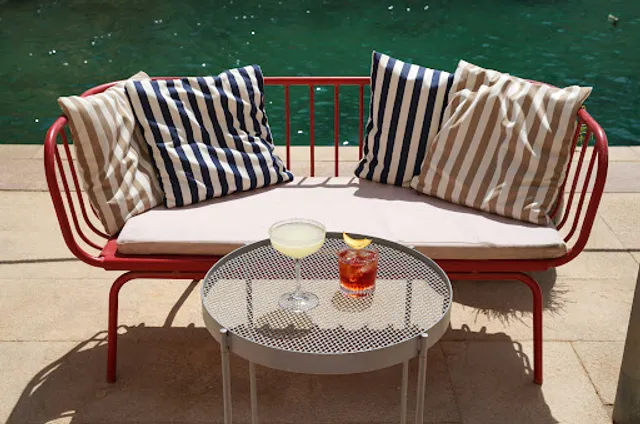
Terrone
4.3
(664)
Closed
Click for details
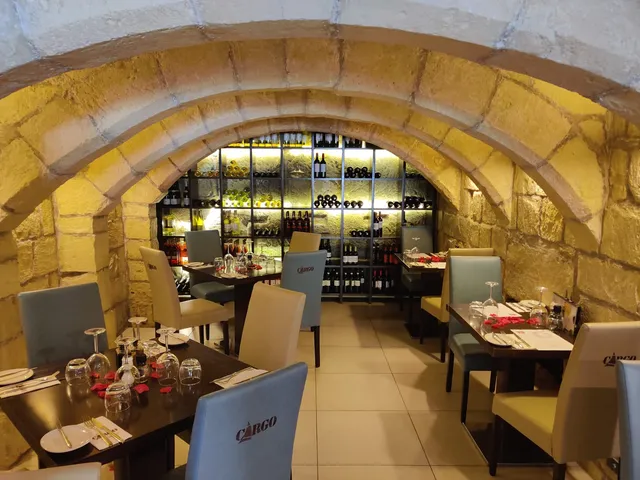
Cargo Bar & Dine
4.2
(791)
$$
Open until 11:00 PM
Click for details
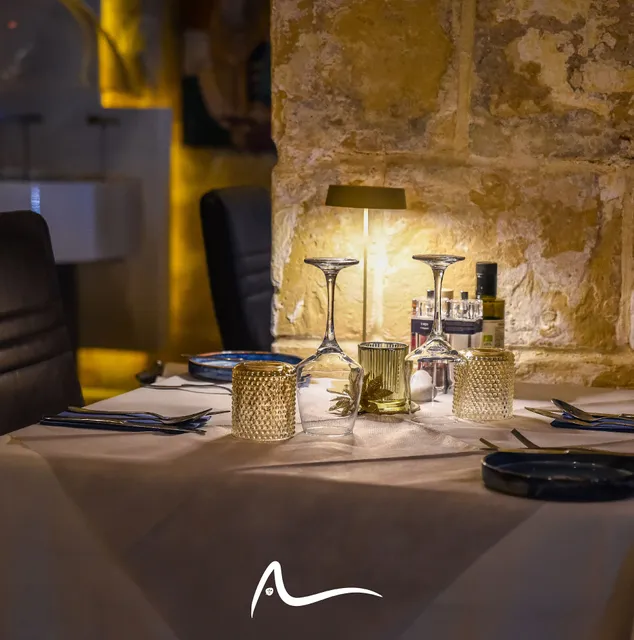
AcquaBlu
4.7
(213)
Closed
Click for details
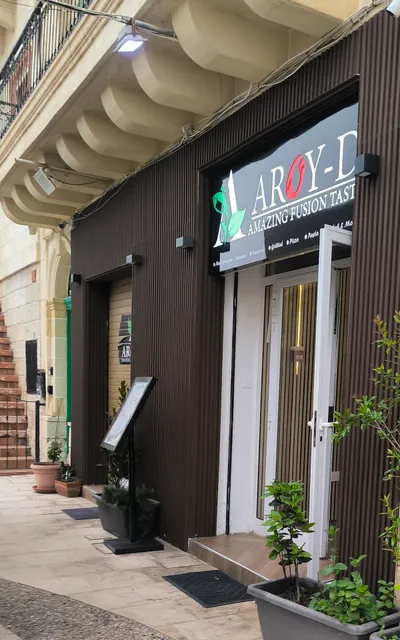
AROY-D
4.7
(223)
Open until 11:00 PM
Click for details
Nearby local services of Fort St. Angelo
Kappella ta' Sant'Anna
Upper Barrakka Gardens
Lower Barrakka Gardens
Esplora Interactive Science Centre
Grand Harbour
Grand Harbour Vista
Valletta City Gate
Is-Suq Tal-Belt - Valletta Food Market
Fort Lascaris
Victoria Gate
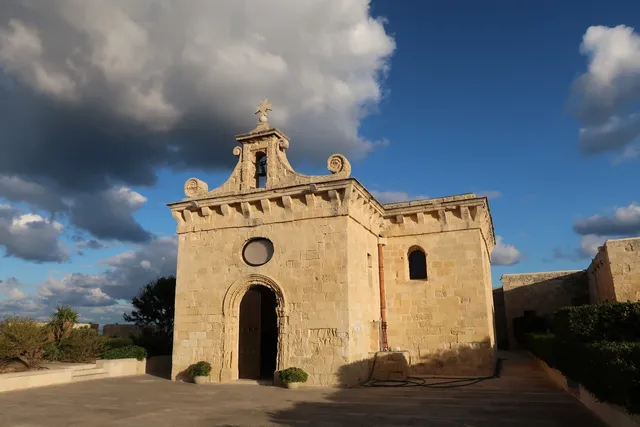
Kappella ta' Sant'Anna
4.5
(14)
Click for details
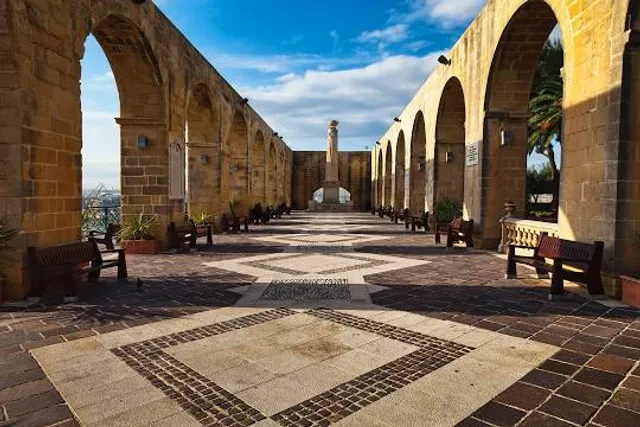
Upper Barrakka Gardens
4.7
(10.5K)
Click for details
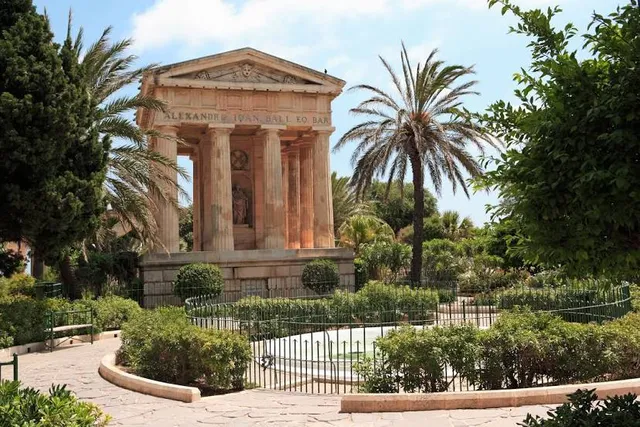
Lower Barrakka Gardens
4.6
(4.6K)
Click for details
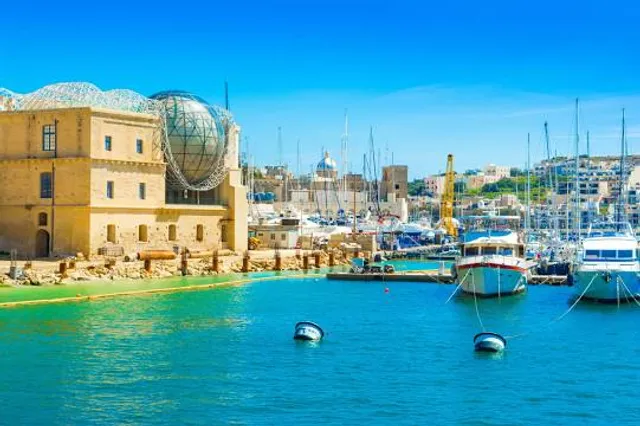
Esplora Interactive Science Centre
4.7
(1.0K)
Click for details