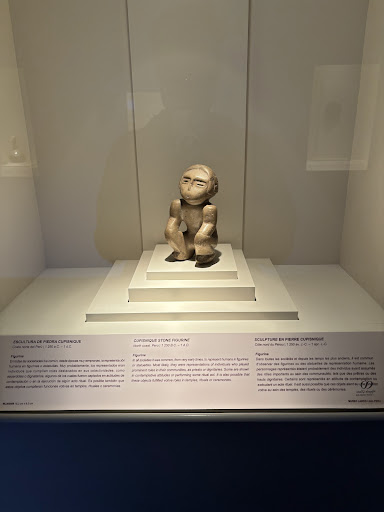
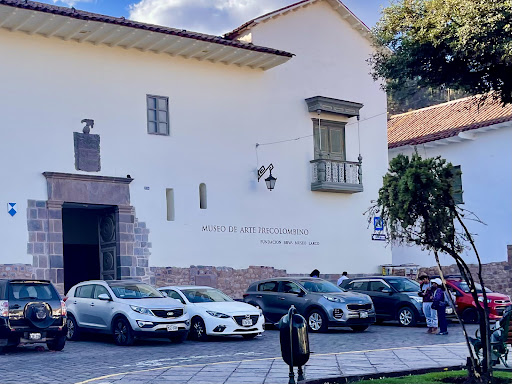
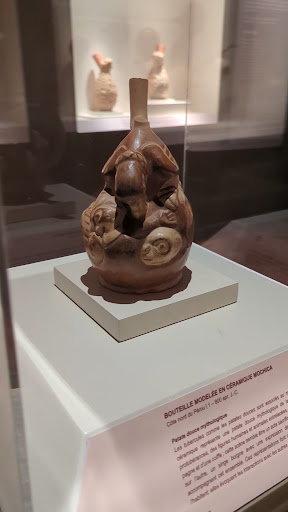
Museo de Arte Precolombino Larco things to do, attractions, restaurants, events info and trip planning
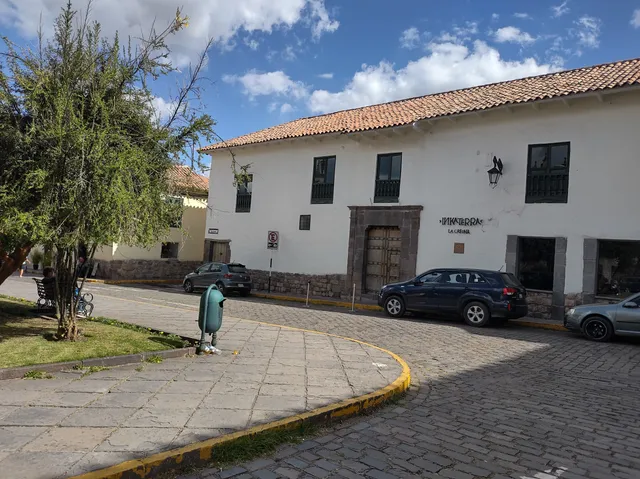
Basic Info
Museo de Arte Precolombino Larco
Nazarenas 231, Cusco 08002, Peru
4.7(504)
Open until 10:00 PM

tickets
Save
spot
spot
Ratings & Description
Info
The Chilean Museum of Pre-Columbian Art is an art museum dedicated to the study and display of pre-Columbian artworks and artifacts from Central and South America. The museum is located in the city centre of Santiago, the capital of Chile.
Cultural
Family friendly
Accessibility
attractions: Twelve Angled Stone, Inka Museum, Cusco Cathedral, Cuzco Main Square, Plaza San Blas, The Wall of the Seven Serpents - Amaru Cancha, Mirador de Sán Cristobal, Museo Machu Picchu Casa Concha, Templo del San Blas, Church of the Society of Jesus, restaurants: Uchu Peruvian Steakhouse, Organika Restaurant, KUSYKAY Peruvian Craft Food, Inkazuela, Rucula Peruvian Restaurant, MAP Café, Limo, Cicciolina, Morena Peruvian Kitchen, KION Peruvian Chinese, local businesses: Plaza de Armas, Salkantay Trekking, Machu Picchu Reservations, Machu Picchu Journey, ARTESANÍAS ASUNTA, Inkan Milky Way Cusco, Casa Elena, Inka Trail Backpacker - Peru Travel Agency and Tour Operator - Inca Trail to Machu Picchu, Inca Rail, Alpaca Expeditions
 Learn more insights from Wanderboat AI.
Phone
+51 84 595092
Website
mapcusco.pe
Open hoursSee all hours
Wed8 AM - 10 PMOpen
Plan your stay

Pet-friendly Hotels in Distrito de Cusco
Find a cozy hotel nearby and make it a full experience.

Affordable Hotels in Distrito de Cusco
Find a cozy hotel nearby and make it a full experience.

The Coolest Hotels You Haven't Heard Of (Yet)
Find a cozy hotel nearby and make it a full experience.

Trending Stays Worth the Hype in Distrito de Cusco
Find a cozy hotel nearby and make it a full experience.
Reviews
Nearby attractions of Museo de Arte Precolombino Larco
Twelve Angled Stone
Inka Museum
Cusco Cathedral
Cuzco Main Square
Plaza San Blas
The Wall of the Seven Serpents - Amaru Cancha
Mirador de Sán Cristobal
Museo Machu Picchu Casa Concha
Templo del San Blas
Church of the Society of Jesus
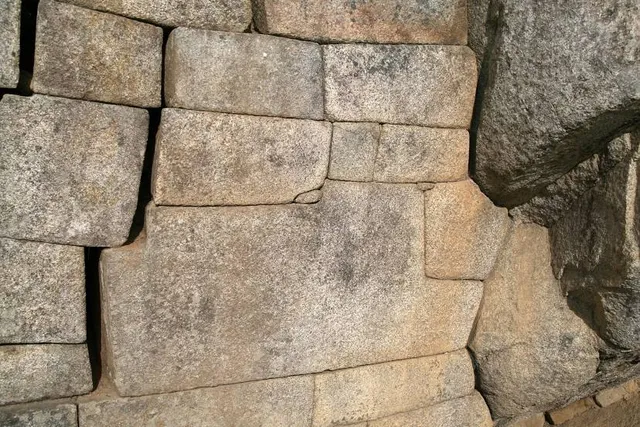
Twelve Angled Stone
4.6
(5.4K)
Open until 12:00 AM
Click for details
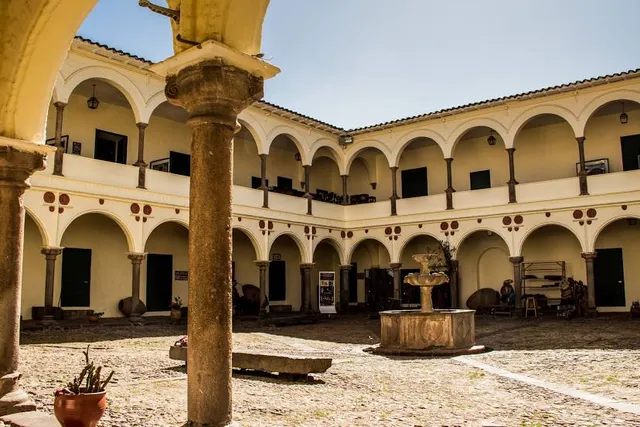
Inka Museum
4.2
(953)
Open until 4:00 PM
Click for details
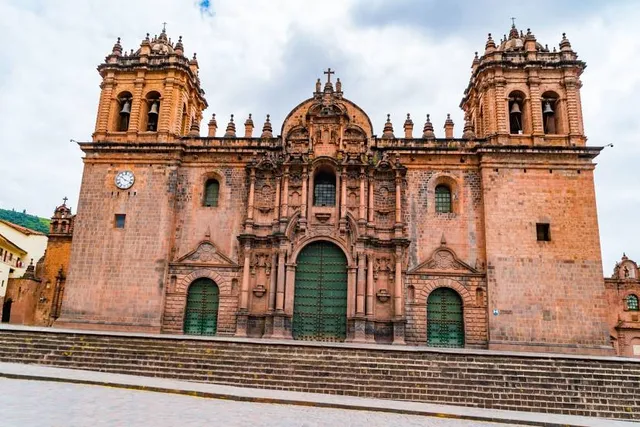
Cusco Cathedral
4.6
(991)
Closed
Click for details
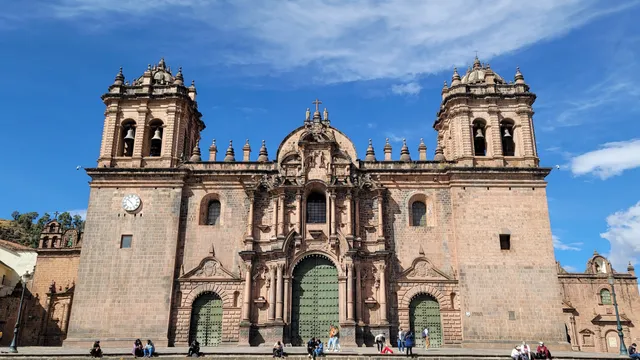
Cuzco Main Square
4.8
(1.4K)
Closed
Click for details
Nearby restaurants of Museo de Arte Precolombino Larco
Uchu Peruvian Steakhouse
Organika Restaurant
KUSYKAY Peruvian Craft Food
Inkazuela
Rucula Peruvian Restaurant
MAP Café
Limo
Cicciolina
Morena Peruvian Kitchen
KION Peruvian Chinese
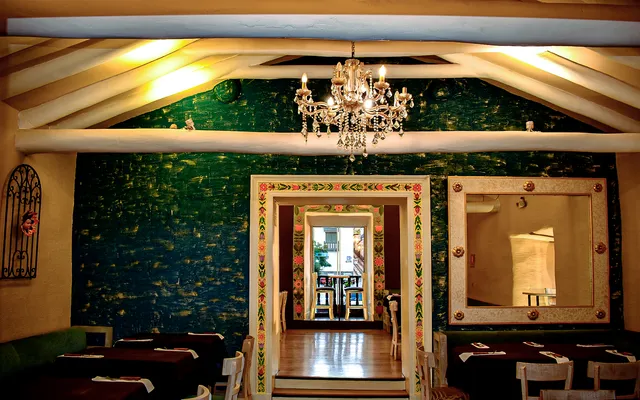
Uchu Peruvian Steakhouse
4.8
(2.1K)
$$$
Closed
Click for details
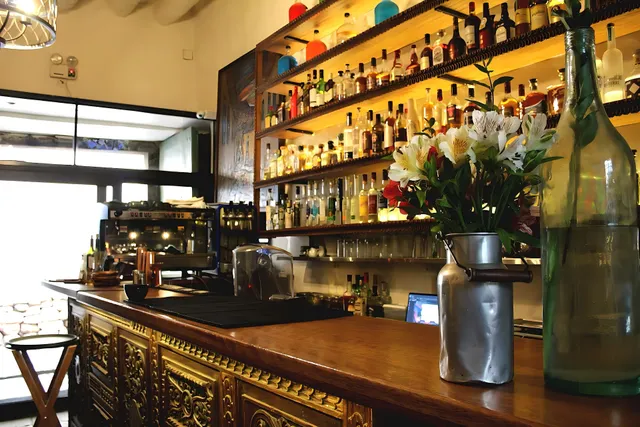
Organika Restaurant
4.8
(1.7K)
$$
Closed
Click for details
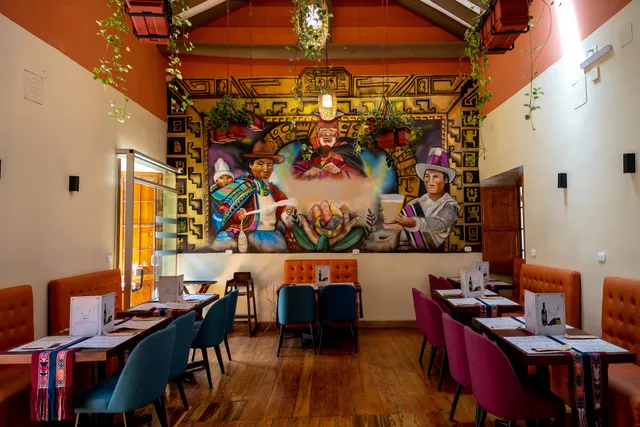
KUSYKAY Peruvian Craft Food
4.9
(3.9K)
Closed
Click for details
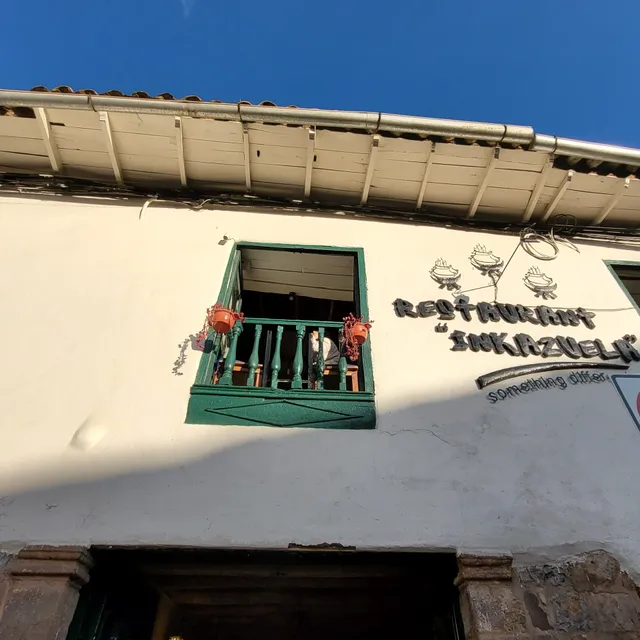
Inkazuela
4.7
(554)
$$
Closed
Click for details
Nearby local services of Museo de Arte Precolombino Larco
Plaza de Armas
Salkantay Trekking
Machu Picchu Reservations
Machu Picchu Journey
ARTESANÍAS ASUNTA
Inkan Milky Way Cusco
Casa Elena
Inka Trail Backpacker - Peru Travel Agency and Tour Operator - Inca Trail to Machu Picchu
Inca Rail
Alpaca Expeditions
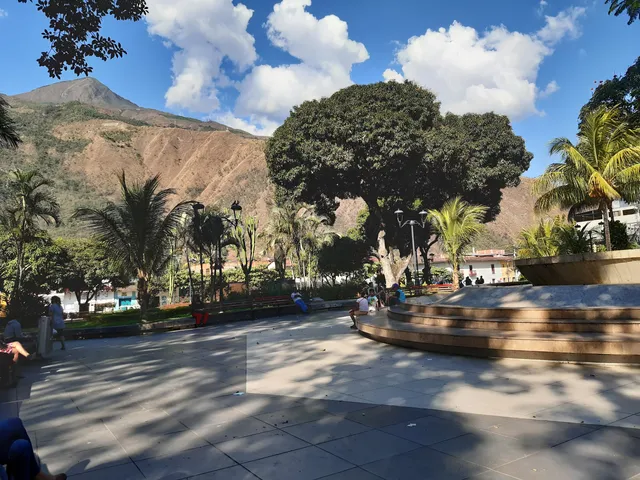
Plaza de Armas
4.3
(1.1K)
Click for details
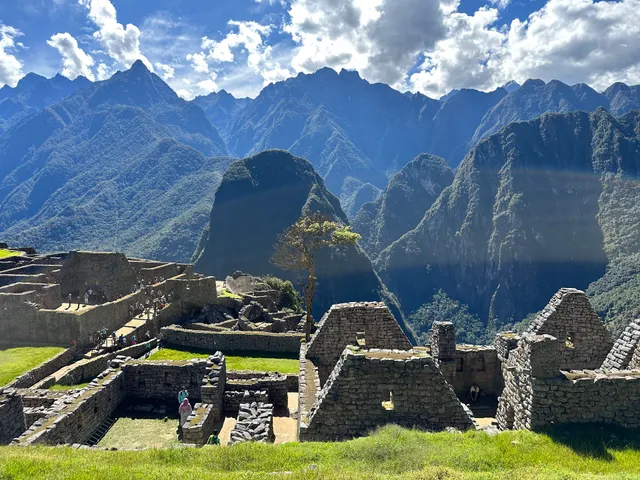
Salkantay Trekking
4.7
(325)
Click for details
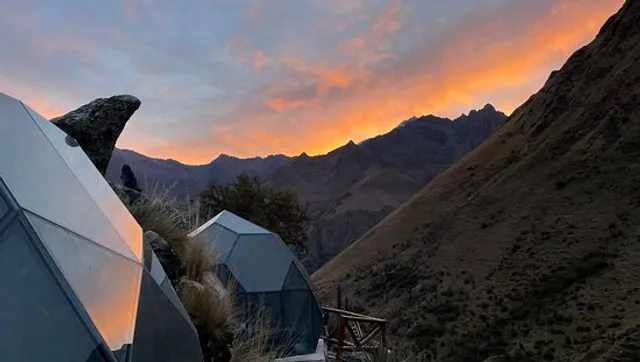
Machu Picchu Reservations
4.8
(3.1K)
Click for details
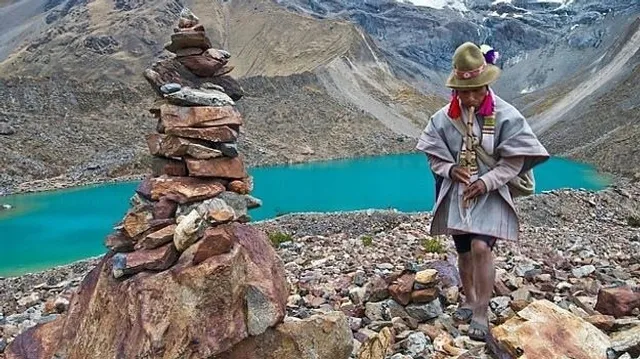
Machu Picchu Journey
4.8
(188)
Click for details