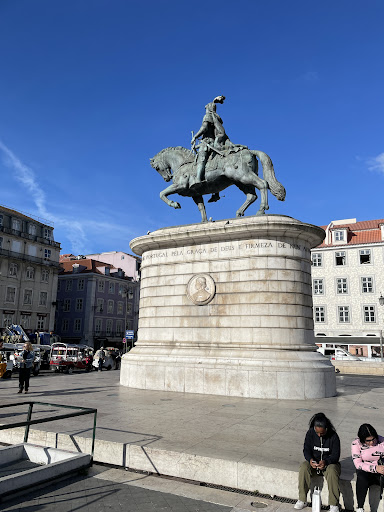
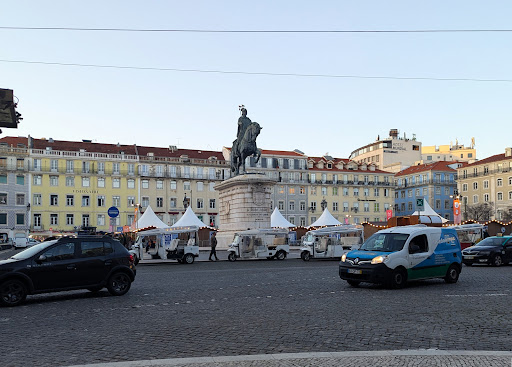
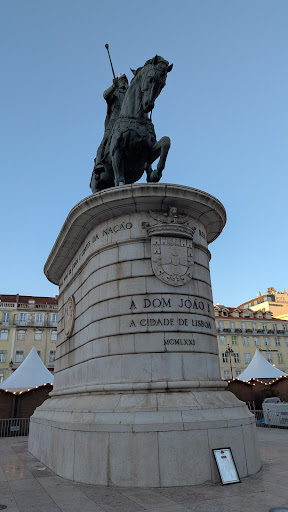
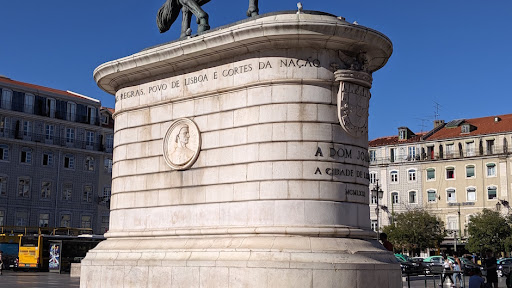
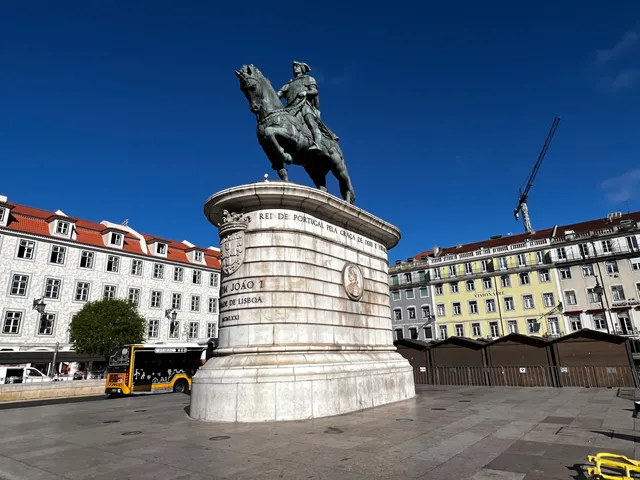
Statue Of John I things to do, attractions, restaurants, events info and trip planning
Basic Info
Statue Of John I
Praça da Figueira, 1100-240 Lisboa, Portugal
4.4(216)
Open until 12:00 AM
Save
spot
spot
Ratings & Description
Info
Cultural
Scenic
Accessibility
attractions: Praça Dom Pedro IV, Santa Justa Lift, Church of Saint Dominic, Tram 28, Carmo Convent, Castelo de S. Jorge, Teatro Nacional Dona Maria II, Rossio Christmas Market, piazza rossio, Monumento dos Restauradores, restaurants: Bessa Restaurante(seafood restaurant )), Uma Marisqueira, Dama E Vagabundo, Panda Cantina, Gandhi Palace, El Clan - Restaurante Português, Figus, A Licorista e O Bacalhoeiro, McDonald's Rossio, Fiorella - Italian Restaurant, local businesses: Nat'elier | Pastel de Nata, The Fantastic World Of Portuguese Sardines, Barbearia Oliveira Rossio, Ponto Inicial Trem 28, Armazéns do Chiado, Dolls Hospital, Barbearia O Corvo - The Crow Barbershop, Rossio, Costa & Costa, Lda, Livraria Bertrand - Chiado
 Learn more insights from Wanderboat AI.
Phone
+351 808 203 232
Website
informacoeseservicos.lisboa.pt
Open hoursSee all hours
SatOpen 24 hoursOpen
Plan your stay

Pet-friendly Hotels in Lisbon
Find a cozy hotel nearby and make it a full experience.

Affordable Hotels in Lisbon
Find a cozy hotel nearby and make it a full experience.

The Coolest Hotels You Haven't Heard Of (Yet)
Find a cozy hotel nearby and make it a full experience.

Trending Stays Worth the Hype in Lisbon
Find a cozy hotel nearby and make it a full experience.
Reviews
Live events
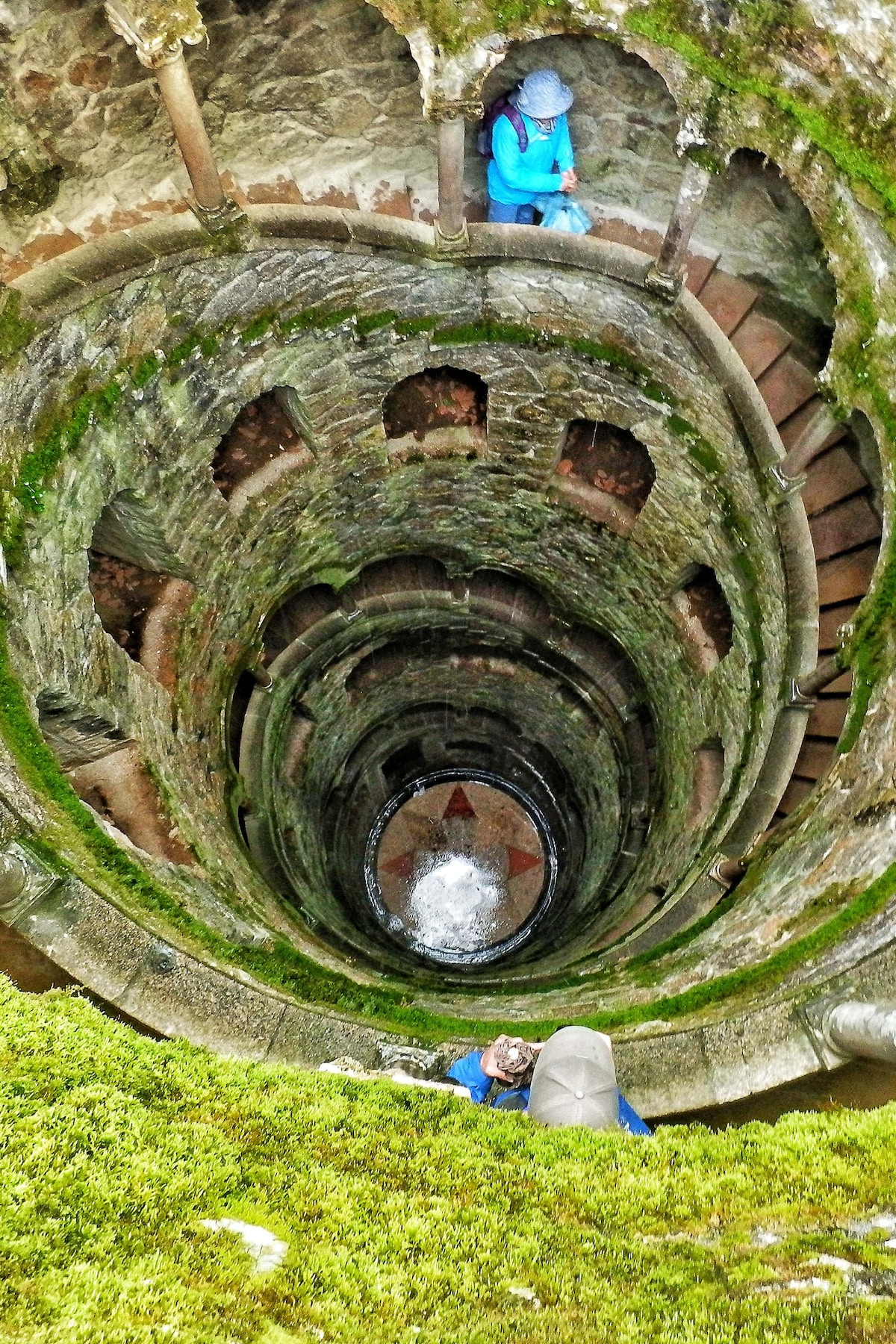
Sintra Tour from Lisbon - The True Experience
Sat, Feb 28 • 8:15 AM
1249-970, Lisbon, Portugal
View details

Splash&Spa
Mon, Mar 2 • 10:00 AM
Rua das Palmeiras, Lote 5 - Quinta da Marinha, 2750-005
View details

Bake Pastel de Nata in a real bakery in Lisbon
Sat, Feb 28 • 10:00 AM
1100-581, Lisbon, Portugal
View details
Nearby attractions of Statue Of John I
Praça Dom Pedro IV
Santa Justa Lift
Church of Saint Dominic
Tram 28
Carmo Convent
Castelo de S. Jorge
Teatro Nacional Dona Maria II
Rossio Christmas Market
piazza rossio
Monumento dos Restauradores
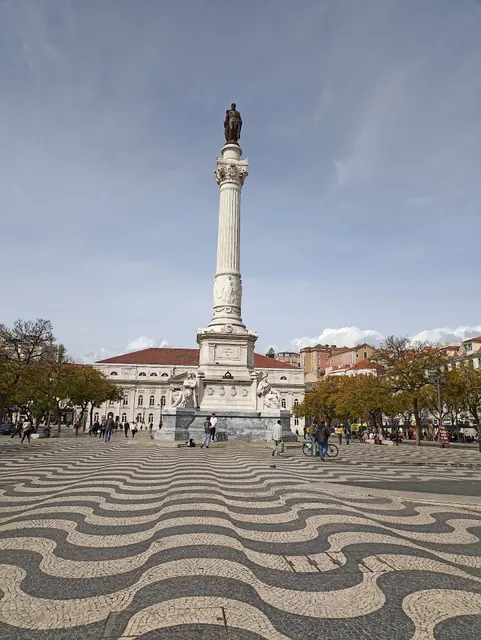
Praça Dom Pedro IV
4.6
(6.2K)
Open until 12:00 AM
Click for details
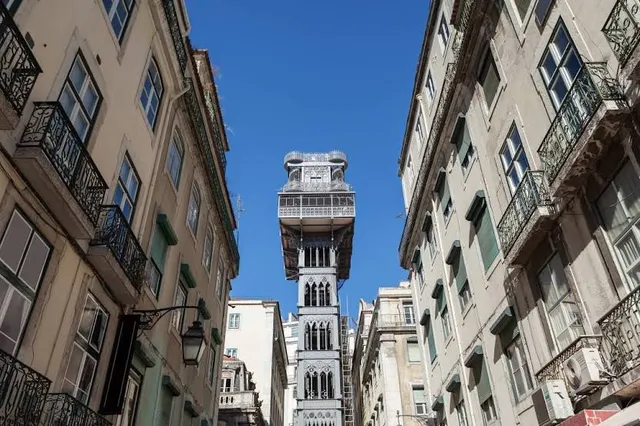
Santa Justa Lift
4.1
(20.7K)
Open until 10:45 PM
Click for details
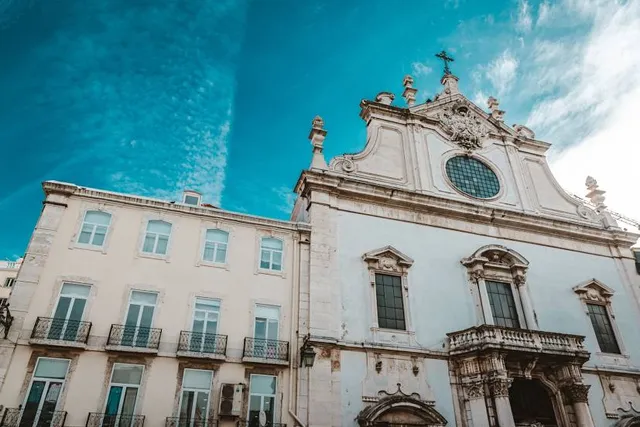
Church of Saint Dominic
4.6
(1.7K)
Closed
Click for details
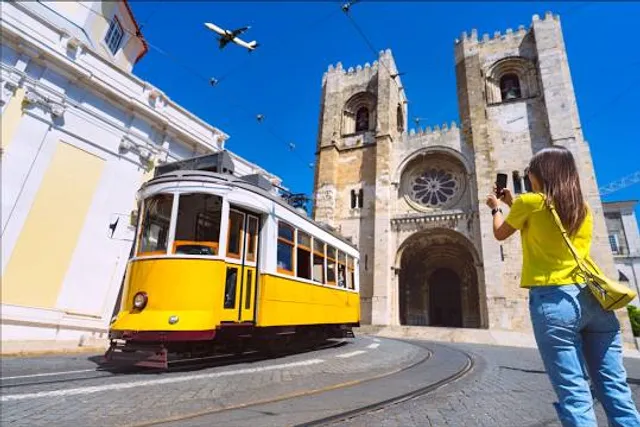
Tram 28
4.2
(5.3K)
Open 24 hours
Click for details
Nearby restaurants of Statue Of John I
Bessa Restaurante(seafood restaurant ))
Uma Marisqueira
Dama E Vagabundo
Panda Cantina
Gandhi Palace
El Clan - Restaurante Português
Figus
A Licorista e O Bacalhoeiro
McDonald's Rossio
Fiorella - Italian Restaurant
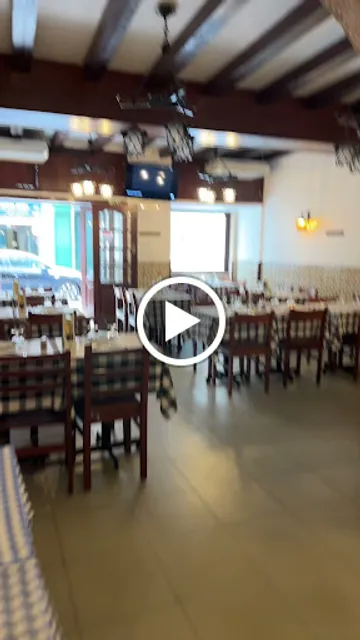
Bessa Restaurante(seafood restaurant ))
4.8
(2.6K)
Closed
Click for details
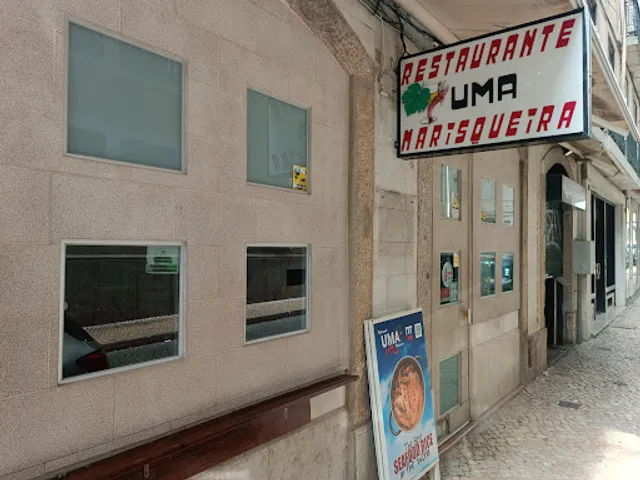
Uma Marisqueira
4.6
(7.9K)
Closed
Click for details
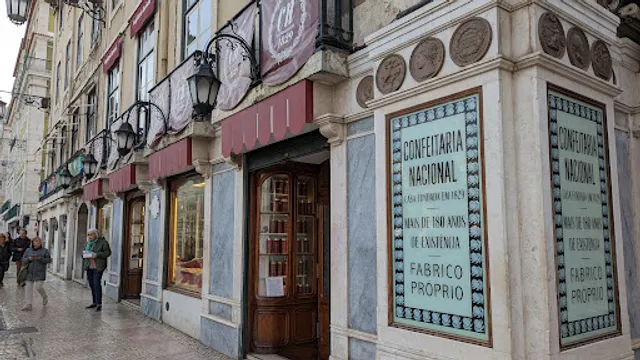
Dama E Vagabundo
4.3
(986)
Closed
Click for details
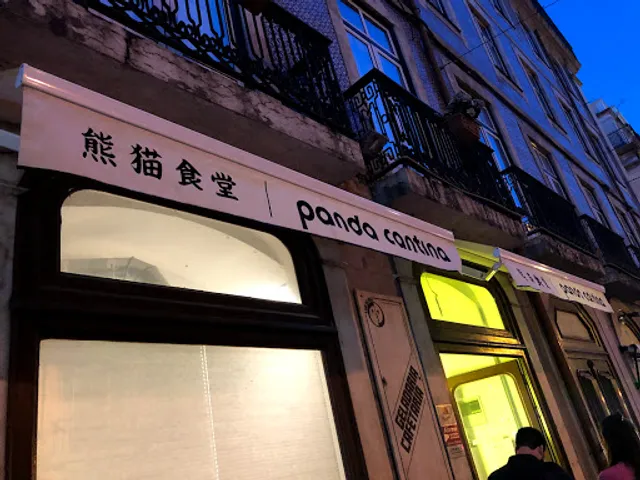
Panda Cantina
4.6
(1.5K)
Closed
Click for details
Nearby local services of Statue Of John I
Nat'elier | Pastel de Nata
The Fantastic World Of Portuguese Sardines
Barbearia Oliveira Rossio
Ponto Inicial Trem 28
Armazéns do Chiado
Dolls Hospital
Barbearia O Corvo - The Crow Barbershop
Rossio
Costa & Costa, Lda
Livraria Bertrand - Chiado
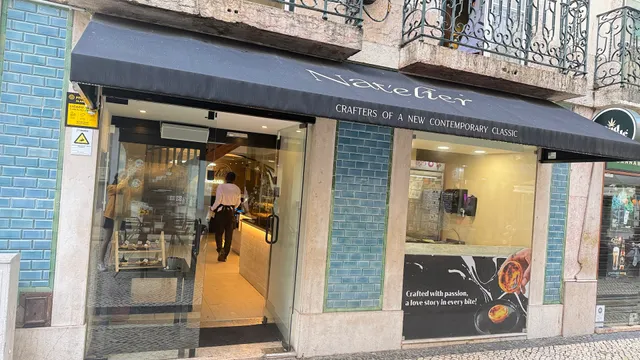
Nat'elier | Pastel de Nata
4.9
(1.1K)
Click for details
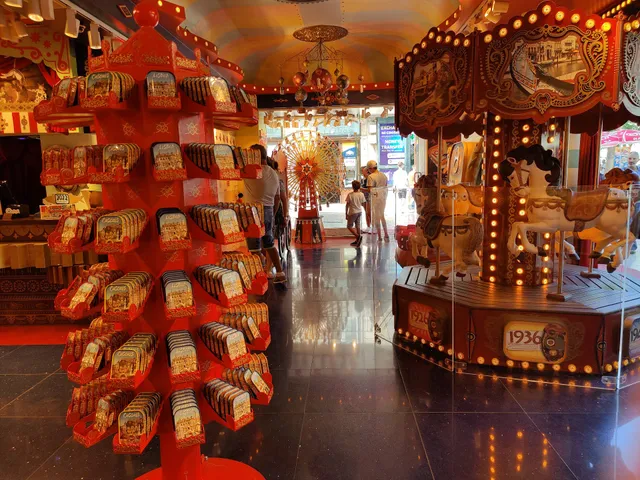
The Fantastic World Of Portuguese Sardines
4.3
(498)
Click for details
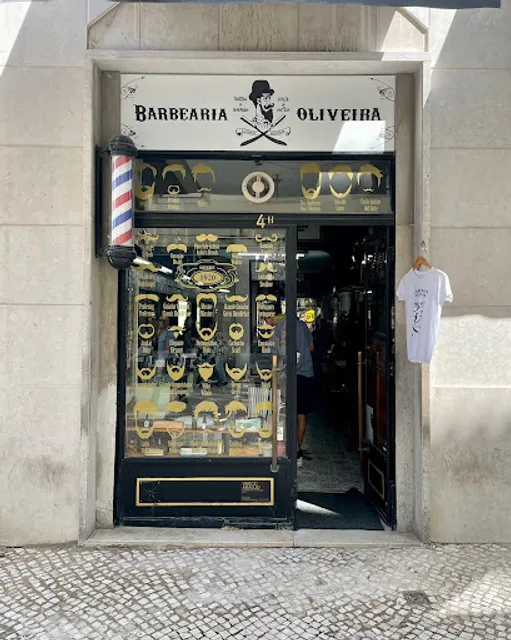
Barbearia Oliveira Rossio
4.6
(211)
Click for details
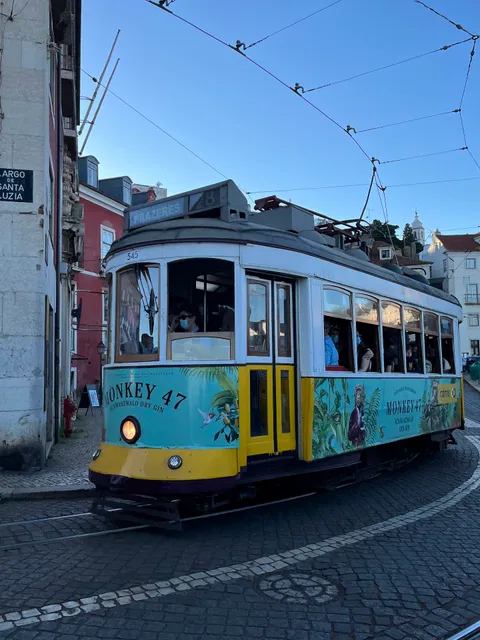
Ponto Inicial Trem 28
3.8
(1.7K)
Click for details