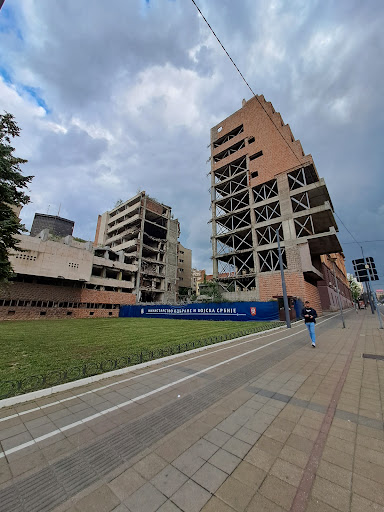
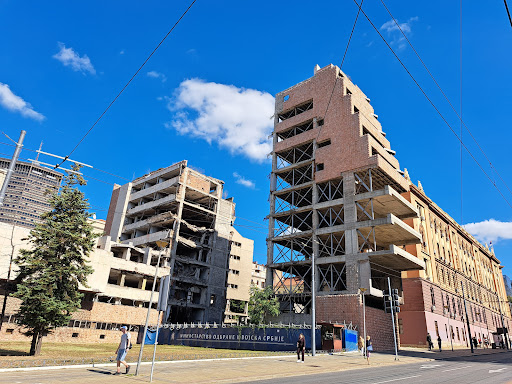
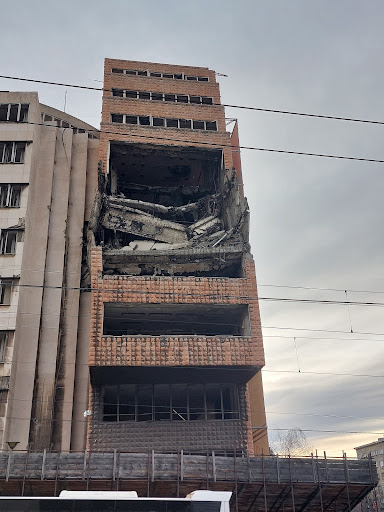
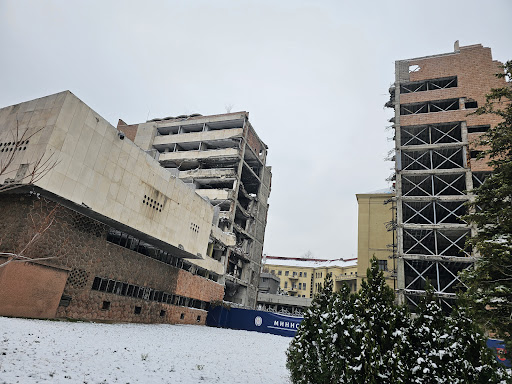
Генералштаб Николе Добровића things to do, attractions, restaurants, events info and trip planning
Basic Info
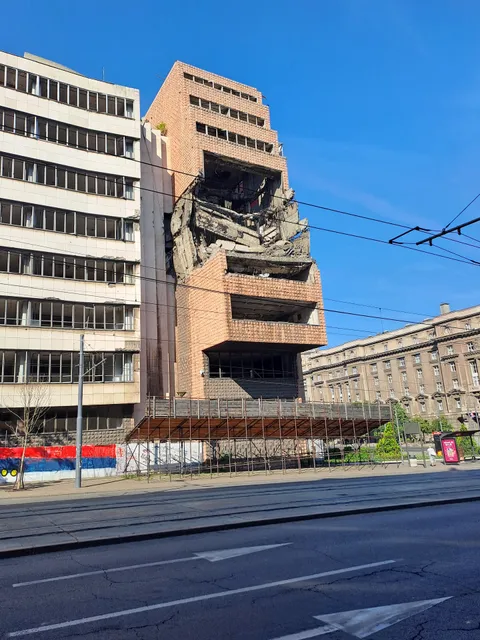
Генералштаб Николе Добровића
Kneza Miloša 33, Beograd 11000, Serbia
4.7(29)
Open until 12:00 AM
Save
spot
spot
Ratings & Description
Info
Cultural
attractions: Manjež, Old General Staff Building, SKC, Yugoslav Drama Theatre, Belgrade City Museum, 7th Regiment Barracks, Railway Museum, Statue of Gavrilo Princip, Flower Square, Monument to Stefan Nemanja, restaurants: Restaurant Monument, STEAKHOUSE EL TORO since 2003, Piazza dei Fiori, Coffeedream, Restoran Beograd, Ćevabdžinica Savčić Vračar, Zavičaj Balkanska, Hotel Beograd Café, Le Bon Appetit, KP BURGERS, local businesses: Robna Kuća Panda, dm drogerie markt, BRIDAL BOUTIQUE Venčanice Beograd, Muzej Paje Jovanovića, dm drogerie markt, ZONE Private Health Club, Kilo Shop 2, Fitness centar FITWELL GYM, EscapeGame, Gothic Doll
 Learn more insights from Wanderboat AI.
Open hoursSee all hours
ThuOpen 24 hoursOpen
Plan your stay

Pet-friendly Hotels in City of Belgrade
Find a cozy hotel nearby and make it a full experience.

Affordable Hotels in City of Belgrade
Find a cozy hotel nearby and make it a full experience.

The Coolest Hotels You Haven't Heard Of (Yet)
Find a cozy hotel nearby and make it a full experience.

Trending Stays Worth the Hype in City of Belgrade
Find a cozy hotel nearby and make it a full experience.
Reviews
Live events
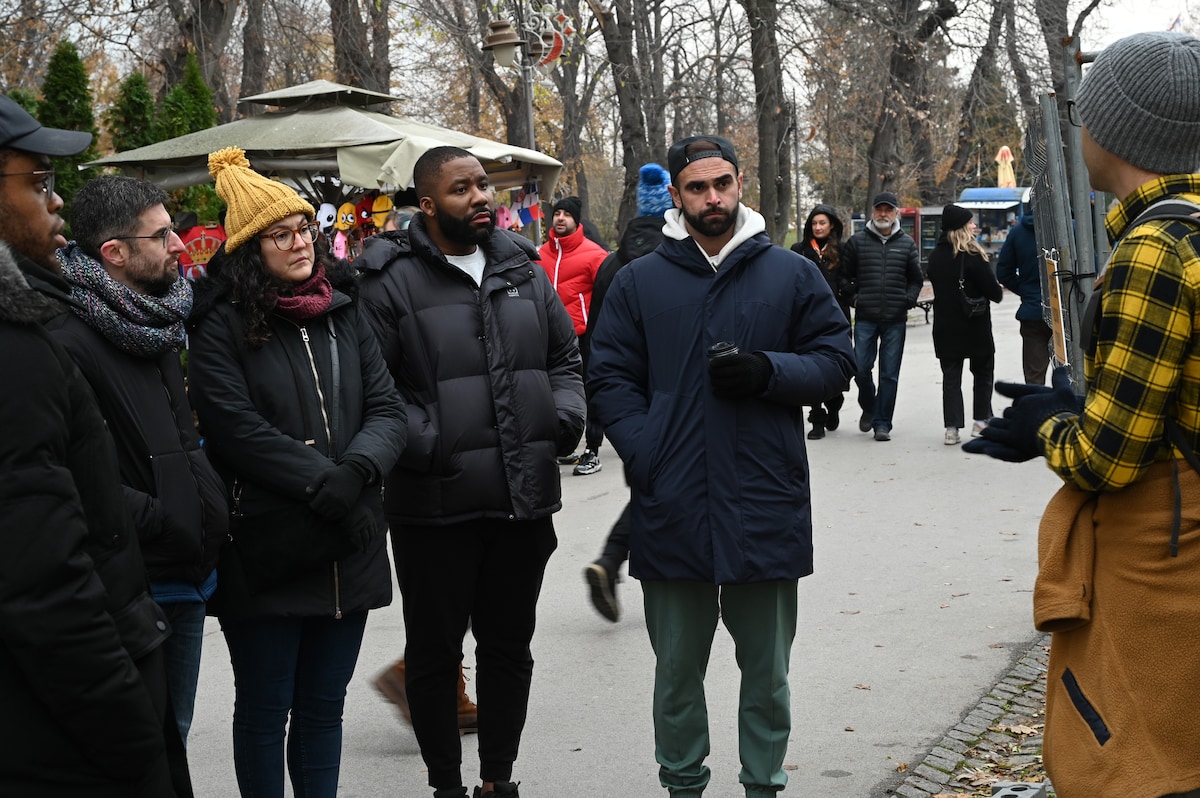
Explore Belgrades past and culture with a guide
Thu, Feb 5 • 1:30 PM
Belgrade, RS 11102, Serbia
View details
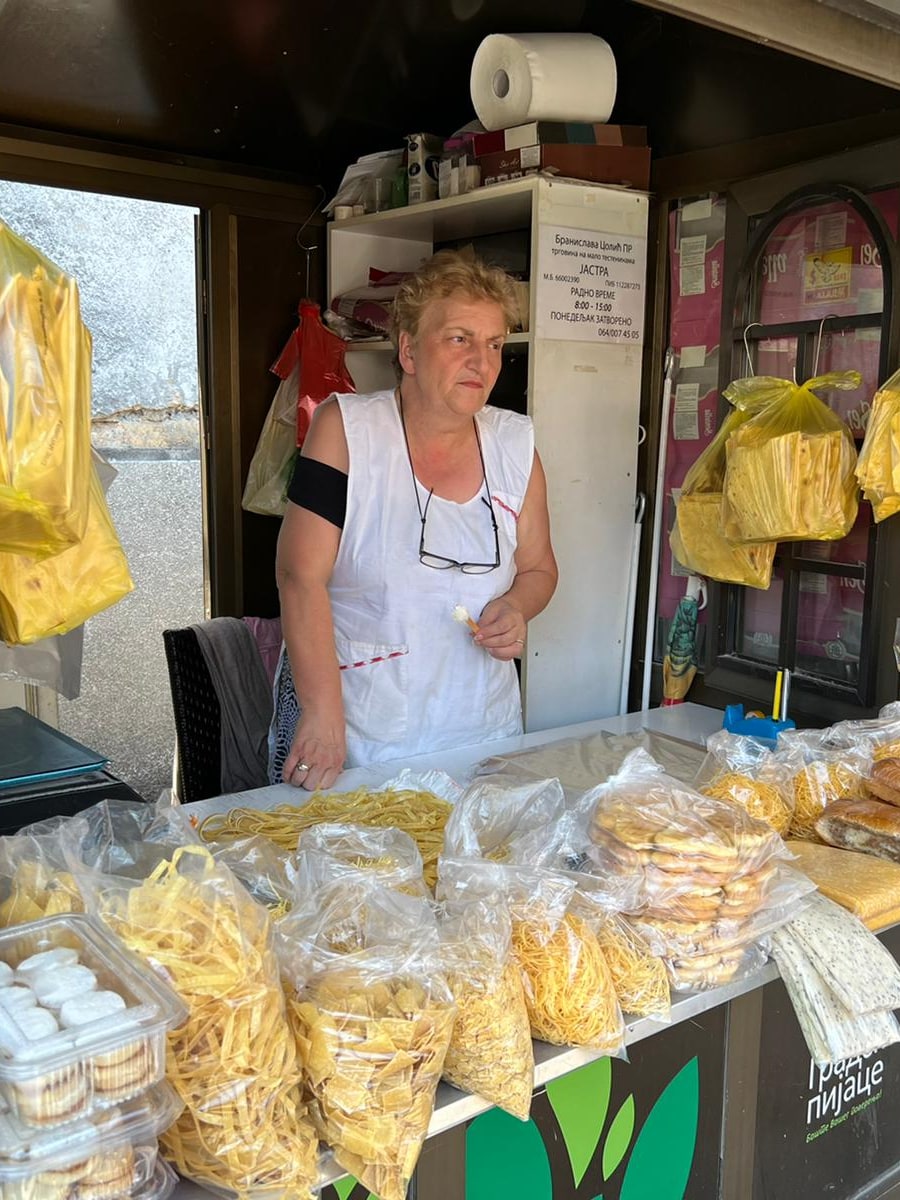
Belgrade Street Food and drinks, Eat like a local
Thu, Feb 5 • 11:00 AM
Belgrade, RS 11000, Serbia
View details
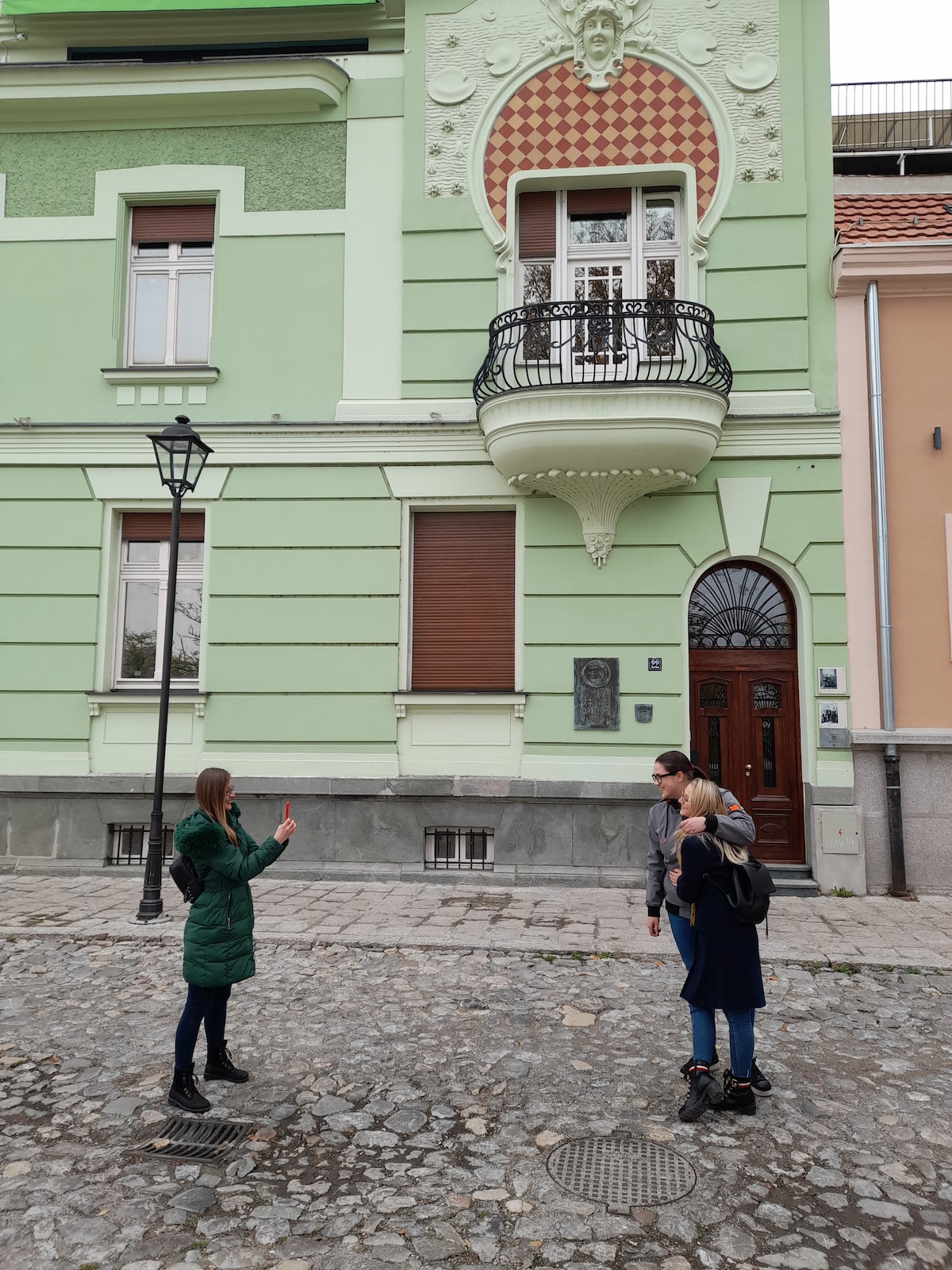
Explore Belgrades history and culture
Mon, Feb 9 • 10:00 AM
Belgrade, RS 11200, Serbia
View details
Nearby attractions of Генералштаб Николе Добровића
Manjež
Old General Staff Building
SKC
Yugoslav Drama Theatre
Belgrade City Museum
7th Regiment Barracks
Railway Museum
Statue of Gavrilo Princip
Flower Square
Monument to Stefan Nemanja
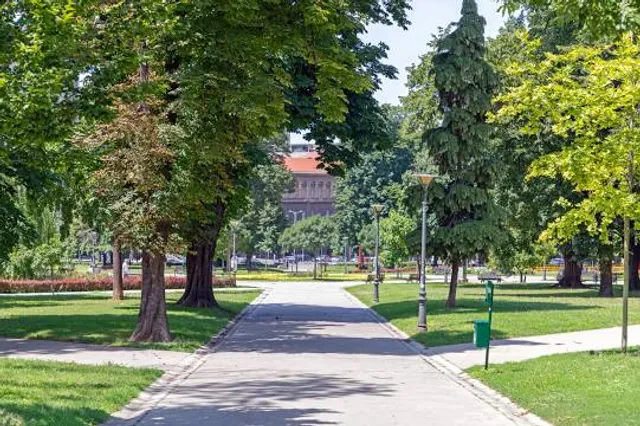
Manjež
4.5
(1.6K)
Open until 12:00 AM
Click for details
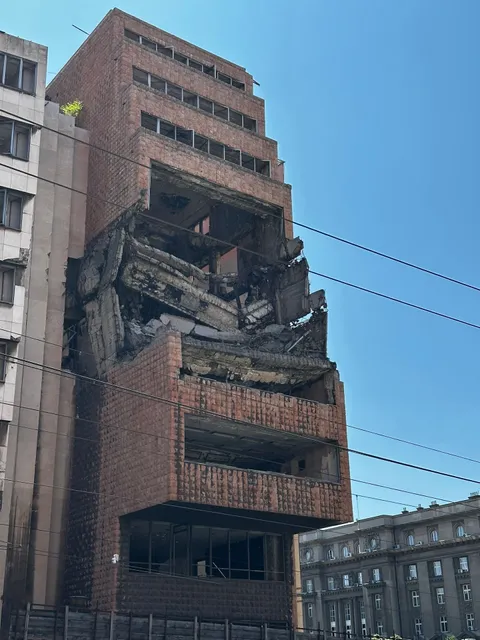
Old General Staff Building
4.5
(150)
Open until 12:00 AM
Click for details
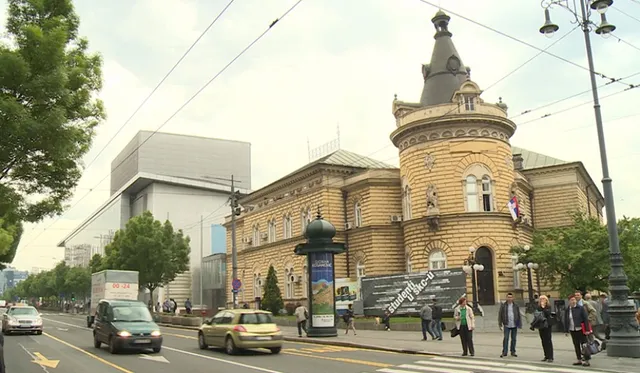
SKC
4.7
(1.1K)
Closed
Click for details
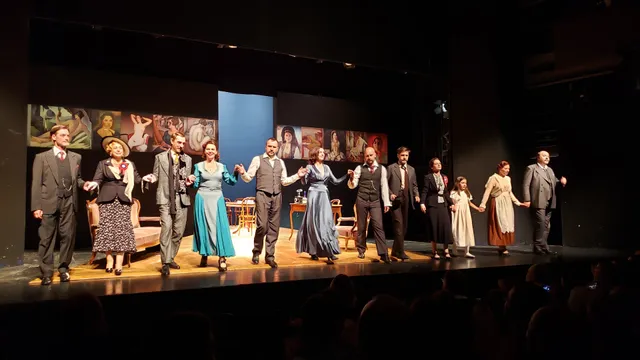
Yugoslav Drama Theatre
4.9
(1.8K)
Open 24 hours
Click for details
Nearby restaurants of Генералштаб Николе Добровића
Restaurant Monument
STEAKHOUSE EL TORO since 2003
Piazza dei Fiori
Coffeedream
Restoran Beograd
Ćevabdžinica Savčić Vračar
Zavičaj Balkanska
Hotel Beograd Café
Le Bon Appetit
KP BURGERS
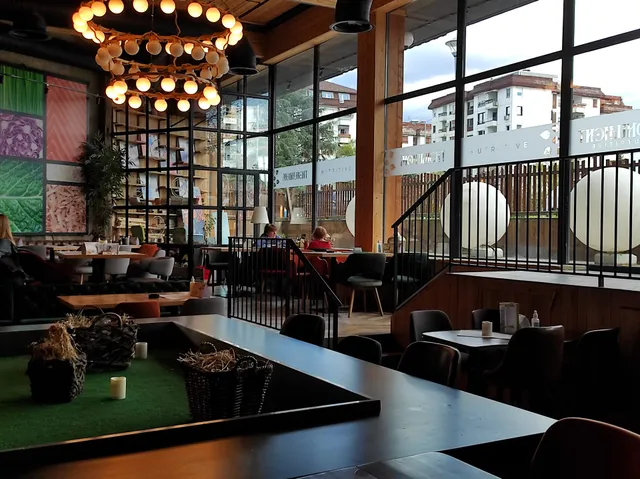
Restaurant Monument
4.5
(1.6K)
$$
Closed
Click for details
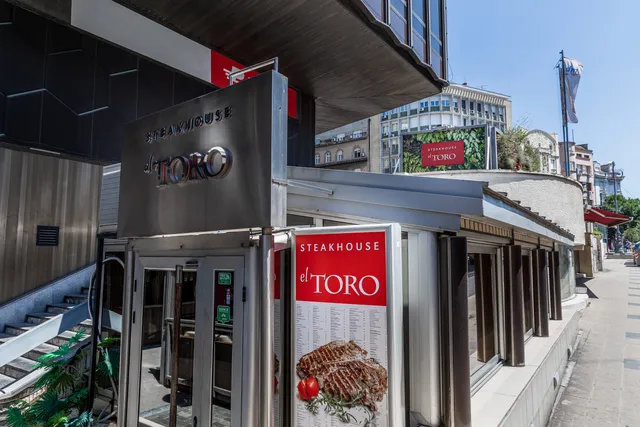
STEAKHOUSE EL TORO since 2003
4.6
(839)
Closed
Click for details
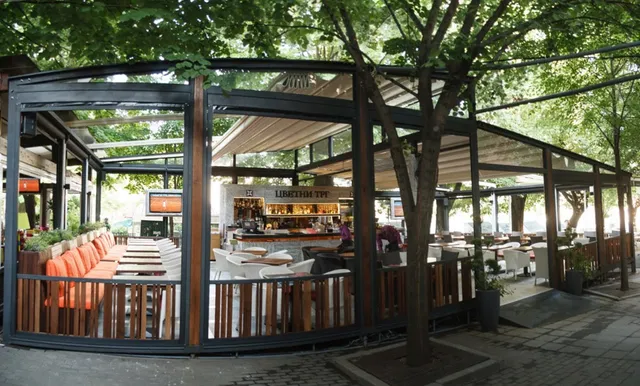
Piazza dei Fiori
4.3
(982)
$$
Closed
Click for details
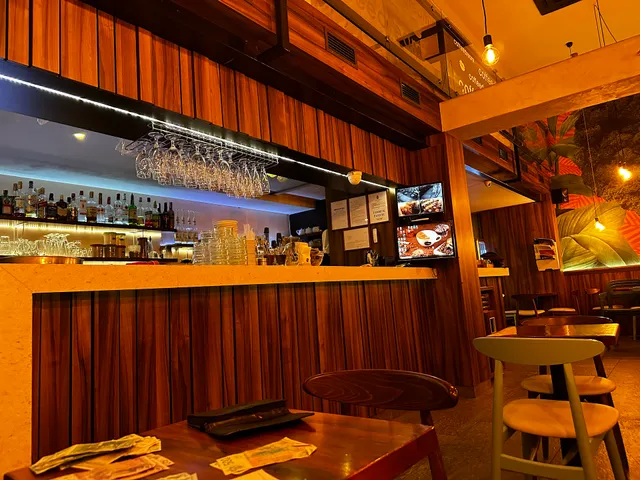
Coffeedream
4.5
(713)
Closed
Click for details
Nearby local services of Генералштаб Николе Добровића
Robna Kuća Panda
dm drogerie markt
BRIDAL BOUTIQUE Venčanice Beograd
Muzej Paje Jovanovića
dm drogerie markt
ZONE Private Health Club
Kilo Shop 2
Fitness centar FITWELL GYM
EscapeGame
Gothic Doll
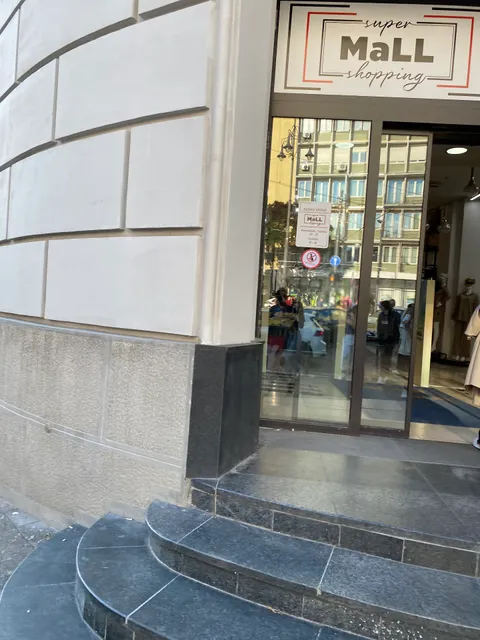
Robna Kuća Panda
4.0
(1.1K)
Click for details

dm drogerie markt
4.5
(215)
Click for details

BRIDAL BOUTIQUE Venčanice Beograd
4.5
(442)
Click for details
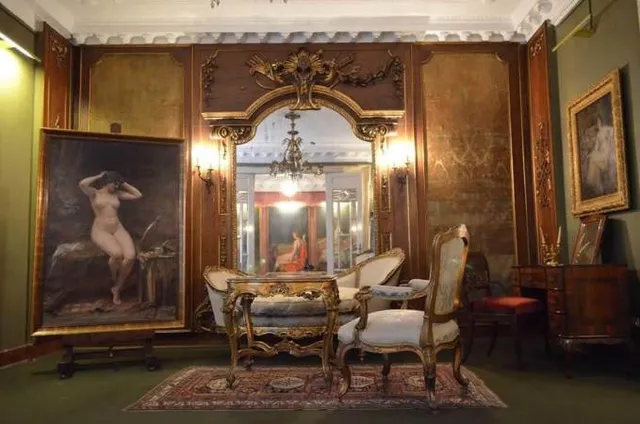
Muzej Paje Jovanovića
4.7
(44)
Click for details