HTML SitemapExplore
logo
Find Things to DoFind The Best Restaurants

Great Palace Mosaics Museum — Attraction in Fatih

Name
Great Palace Mosaics Museum
Description
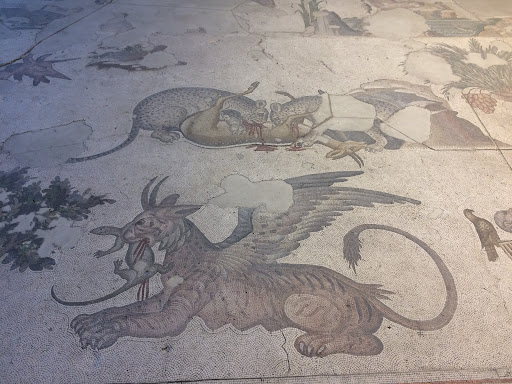
The Great Palace Mosaic Museum, is located close to Sultanahmet Square in Istanbul, Turkey, at Arasta Bazaar. The museum houses mosaics from the Byzantine period, unearthed at the site of the Great Palace of Constantinople.
Nearby attractions
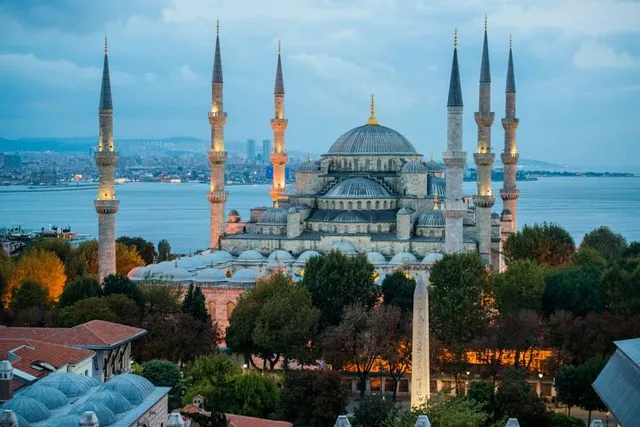
The Blue Mosque
Cankurtaran, At Meydanı Cd No:7, 34122 Fatih/İstanbul, Türkiye
Sultanahmet Square
Binbirdirek, Sultan Ahmet Parkı No:2, 34122 Fatih/İstanbul, Türkiye
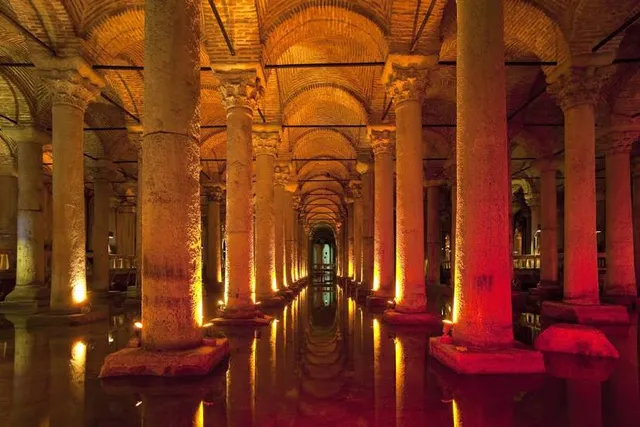
Basilica Cistern
Alemdar, Yerebatan Cd. 1/3, 34110 Fatih/İstanbul, Türkiye
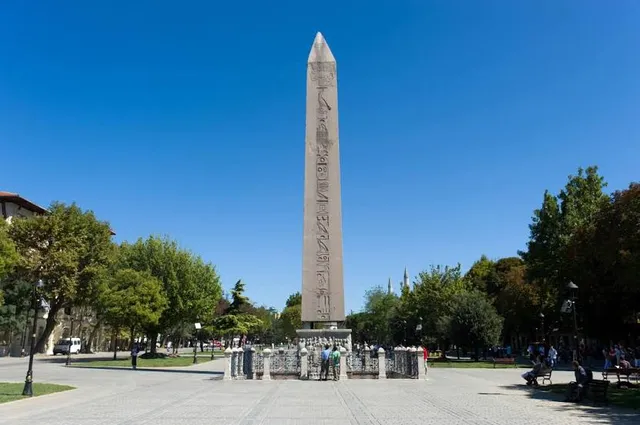
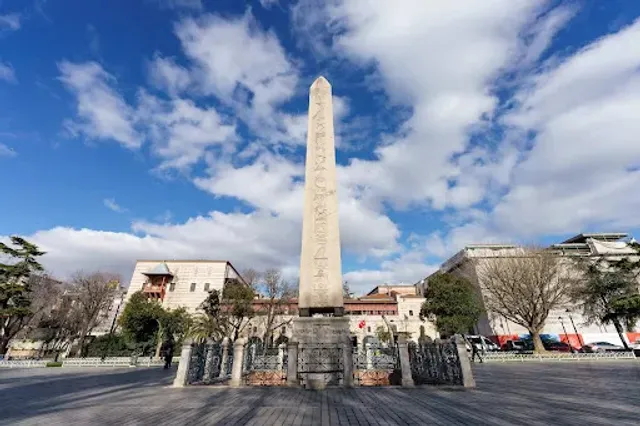
Obelisk of Theodosius
Sultanahmet, Binbirdirek, 34122 Fatih/İstanbul, Türkiye
Turkish and Islamic Arts Museum
Binbirdirek, At Meydanı Cd No:12, 34122 Fatih/İstanbul, Türkiye
Hagia Sophia
Sultan Ahmet, Ayasofya Meydanı No:1, 34122 Fatih/İstanbul, Türkiye
Örme Dikilitaş
Binbirdirek, Sultan Ahmet Parkı No:5, 34122 Fatih/İstanbul, Türkiye
Serpent Column
Binbirdirek, At Meydanı Cd No:53, 34122 Fatih/İstanbul, Türkiye
German Fountain
Binbirdirek, At Meydanı Cd, 34122 Fatih/İstanbul, Türkiye
Hippodrome Stone Seat
Sultan Ahmet, At Meydanı Cd No:21 D:1, 34122 Fatih/İstanbul, Türkiye
Nearby restaurants
Turgut Kebab Restaurant -Sultanahmet-
Sultan Ahmet, Akbıyık Cd. No:64, 34122 Fatih/İstanbul, Türkiye
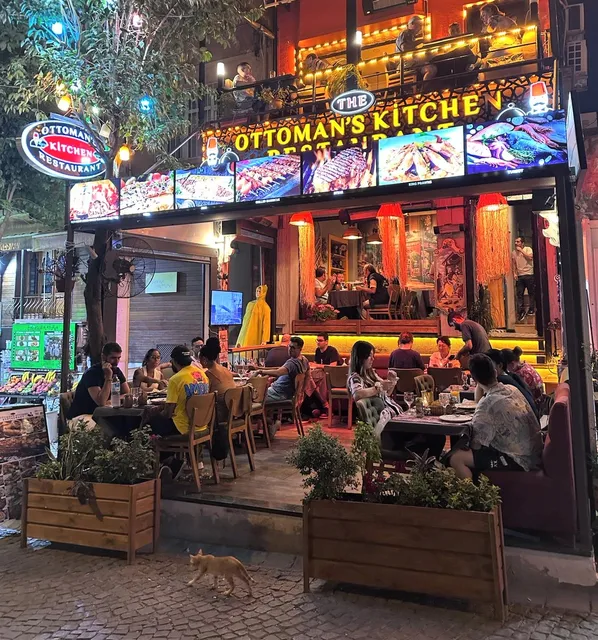
The Ottomans Kitchen Cafe Restaurant
Sultan Ahmet, Akbıyık Cd. No:70, 34122 Fatih/İstanbul, Türkiye
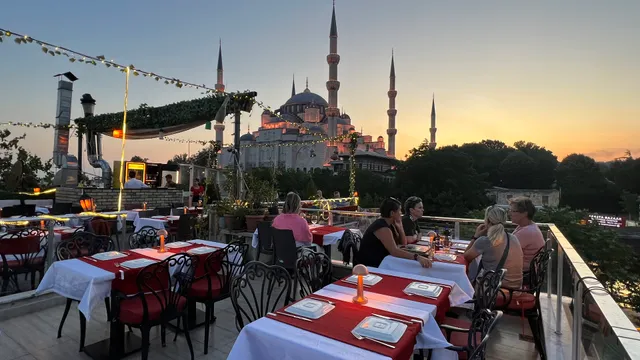
Ararat Terrace Restaurant & Rooftop
Sultan Ahmet, Torun Sk. no : 3 D:101, 34400 Fatih/İstanbul, Türkiye
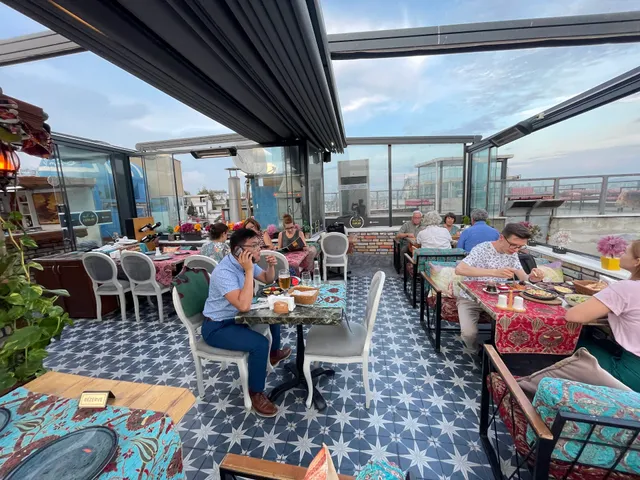
Carlos Terrace Restaurant İstanbul
Sultan Ahmet, Akbıyık Cd. No:75, 34140 Fatih/İstanbul, Türkiye
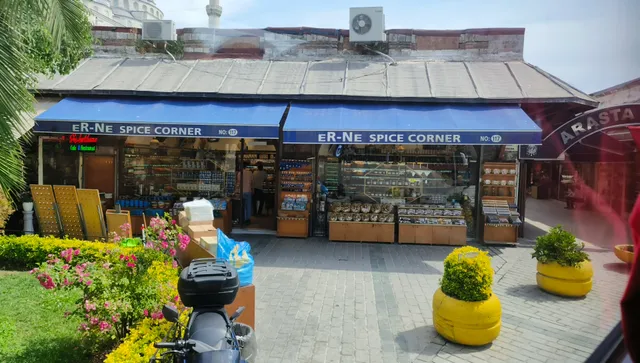
Serbethane
Sultanahmet Mahallesi Arasta Çarşısı Sokağı No:98, 34122 Fatih/İstanbul, Türkiye
İnci Terrace Restaurant
Sultanahmet Mahallesi, Mimar Mehmet Ağa Cd. No:20, 34122 Fatih/İstanbul, Türkiye
La Vina Garden 1864 Restaurant
Cankurtaran, Akbıyık Cd. No:84, 34122 Fatih/İstanbul, Türkiye
Fish Home Ahır Kapı Restaurant
Sultan Ahmet, Ahırkapı Cd No:36 34122, 34122 Fatih/İstanbul, Türkiye
Turkish Kebab Fish Steak
Cankurtaran, Akbıyık Cd. No:62, 34122 Fatih/İstanbul, Türkiye
Paradise seafood kebap restaurant
Sultan Ahmet, Akbıyık Cd. No:80, 34093 Fatih/İstanbul, Türkiye
Nearby hotels
Hotel Sultanahmet Palace
Sultan Ahmet, Torun Sk. No:19, 34122 Fatih/İstanbul, Türkiye
Tashkonak Hotel
Sultan Ahmet, Tomurcuk Sk. No:5, 34122 Fatih/İstanbul, Türkiye
Almina Hotel
Küçükayasofya Cad, Sultan Ahmet, Akbıyık Değirmeni Sk. No:27, 34122 Fatih/İstanbul, Türkiye
Avicenna Hotel
Cankurtaran Mahallesi, Sultan Ahmet, Mehmet Ağa Cd. no:19, 34122 Fatih/İstanbul, Türkiye
Erten Konak Hotel
Akbıyık Cad, Akbıyık Değirmeni Sk. No:8-10, 34122 Fatih/İstanbul, Türkiye
Darussaade Hotel Restaurant
Sultan Ahmet Mh. Akbıyık Cd. No:90 Pk:34122, 34122 Fatih/İstanbul, Türkiye
Best Point Hotel & Suites
Sultan Ahmet, Akbıyık Cd. No:71, 34122 Fatih/İstanbul, Türkiye
Angel's Home Hotel - Angel Group Hotels
Sultan Ahmet, Amiral Tafdil Sk. No:26/24, 34122 Fatih/İstanbul, Türkiye
OBAHAN HOTEL
Sultanahmet Mahallesı Marmara Region, Sultan Ahmet, Akbıyık Değirmeni Sk. No:34, 34400 Fatih/İstanbul, Türkiye
Hotel Sphendon
Sultan Ahmet, Akbıyık Değirmeni Sk. No:44, 34122 Fatih/İstanbul, Türkiye
Related posts
Keywords
Great Palace Mosaics Museum tourism.Great Palace Mosaics Museum hotels.Great Palace Mosaics Museum bed and breakfast. flights to Great Palace Mosaics Museum.Great Palace Mosaics Museum attractions.Great Palace Mosaics Museum restaurants.Great Palace Mosaics Museum travel.Great Palace Mosaics Museum travel guide.Great Palace Mosaics Museum travel blog.Great Palace Mosaics Museum pictures.Great Palace Mosaics Museum photos.Great Palace Mosaics Museum travel tips.Great Palace Mosaics Museum maps.Great Palace Mosaics Museum things to do.
Great Palace Mosaics Museum things to do, attractions, restaurants, events info and trip planning
Great Palace Mosaics Museum
TurkeyIstanbulFatihGreat Palace Mosaics Museum

Basic Info

Great Palace Mosaics Museum

Sultanahmet Mahallesi Kabasakal Cad. Arasta Çarşısı Sok. No. 53, Sultan Ahmet, Torun Sk. No:21, 34122 Fatih/İstanbul, Türkiye
4.4(775)
Open 24 hours
Save
spot

Ratings & Description

Info

The Great Palace Mosaic Museum, is located close to Sultanahmet Square in Istanbul, Turkey, at Arasta Bazaar. The museum houses mosaics from the Byzantine period, unearthed at the site of the Great Palace of Constantinople.

Cultural
Family friendly
Accessibility
attractions: The Blue Mosque, Sultanahmet Square, Basilica Cistern, Obelisk of Theodosius, Turkish and Islamic Arts Museum, Hagia Sophia, Örme Dikilitaş, Serpent Column, German Fountain, Hippodrome Stone Seat, restaurants: Turgut Kebab Restaurant -Sultanahmet-, The Ottomans Kitchen Cafe Restaurant, Ararat Terrace Restaurant & Rooftop, Carlos Terrace Restaurant İstanbul, Serbethane, İnci Terrace Restaurant, La Vina Garden 1864 Restaurant, Fish Home Ahır Kapı Restaurant, Turkish Kebab Fish Steak, Paradise seafood kebap restaurant
logoLearn more insights from Wanderboat AI.
Phone
+90 212 518 12 05
Website
muze.gov.tr

Plan your stay

hotel
Pet-friendly Hotels in Fatih
Find a cozy hotel nearby and make it a full experience.

hotel
Affordable Hotels in Fatih
Find a cozy hotel nearby and make it a full experience.

hotel
The Coolest Hotels You Haven't Heard Of (Yet)
Find a cozy hotel nearby and make it a full experience.

hotel
Trending Stays Worth the Hype in Fatih
Find a cozy hotel nearby and make it a full experience.

Reviews

Nearby attractions of Great Palace Mosaics Museum

The Blue Mosque

Sultanahmet Square

Basilica Cistern

Obelisk of Theodosius

Turkish and Islamic Arts Museum

Hagia Sophia

Örme Dikilitaş

Serpent Column

German Fountain

Hippodrome Stone Seat

The Blue Mosque

The Blue Mosque

4.7

(37.4K)

Open 24 hours
Click for details
Sultanahmet Square

Sultanahmet Square

4.7

(13.2K)

Open 24 hours
Click for details
Basilica Cistern

Basilica Cistern

4.6

(29.6K)

Open 24 hours
Click for details
Obelisk of Theodosius

Obelisk of Theodosius

4.7

(1.3K)

Open until 12:00 AM
Click for details

Things to do nearby

Bosphorus Sunset Yacht Tour Small Group with Wine
Tue, Dec 9 • 1:00 PM
34200, Beyoğlu, İstanbul, Turkey
View details
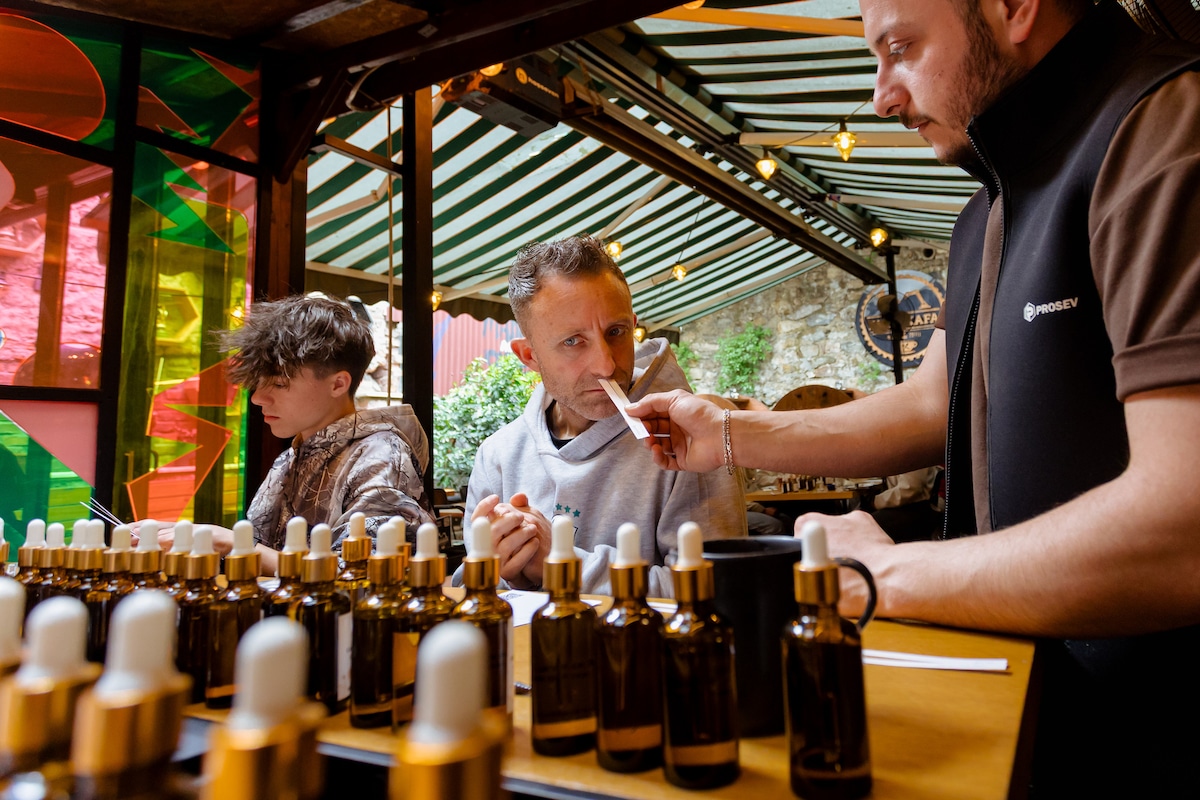
Traditional Turkish Dinner & Dervish Experience
Tue, Dec 9 • 4:30 PM
34110, Fatih, İstanbul, Turkey
View details
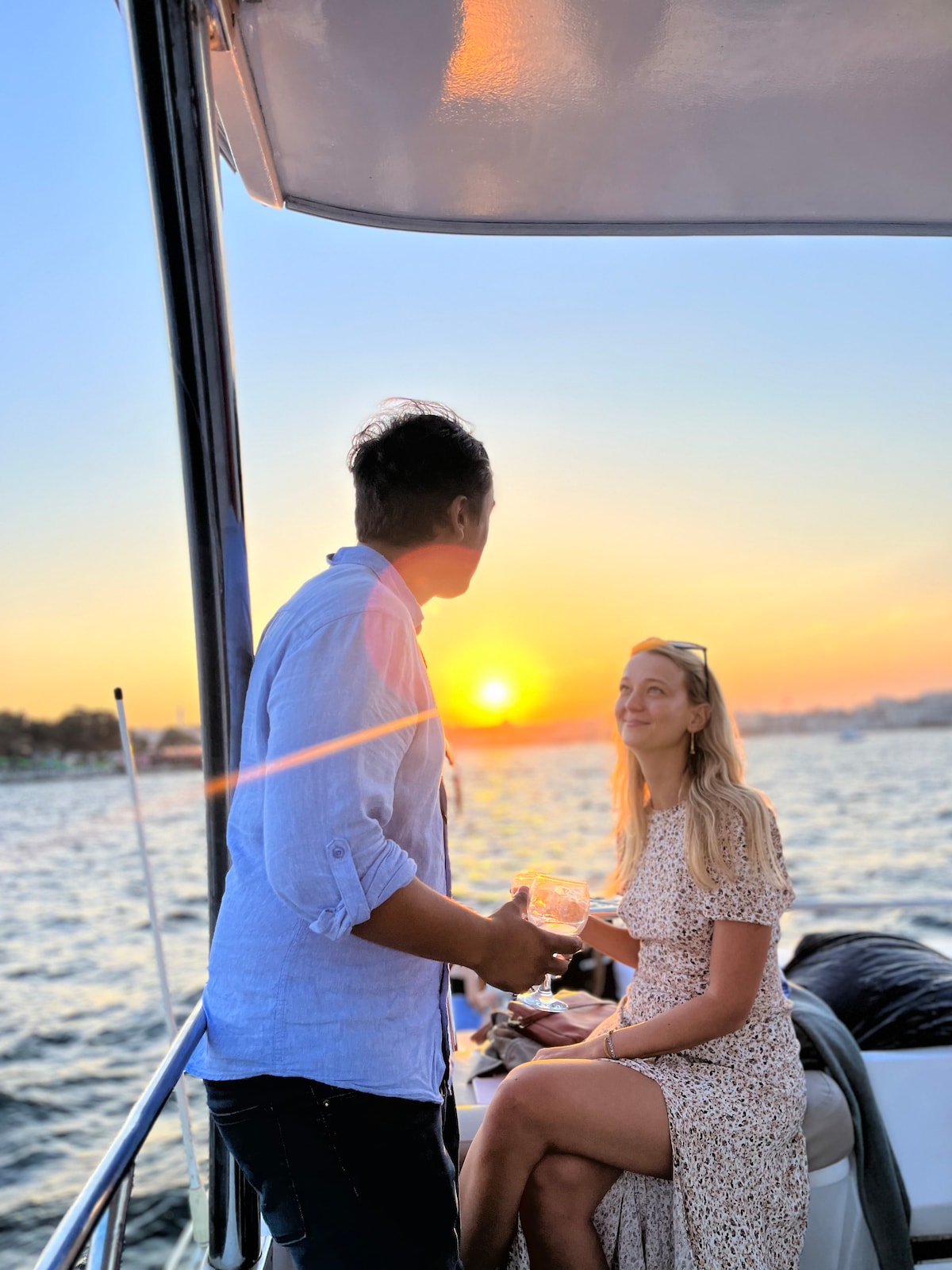
Must Do Attractions & Hidden Gems of Old City
Wed, Dec 10 • 9:00 AM
34122, Fatih, İstanbul, Turkey
View details

Nearby restaurants of Great Palace Mosaics Museum

Turgut Kebab Restaurant -Sultanahmet-

The Ottomans Kitchen Cafe Restaurant

Ararat Terrace Restaurant & Rooftop

Carlos Terrace Restaurant İstanbul

Serbethane

İnci Terrace Restaurant

La Vina Garden 1864 Restaurant

Fish Home Ahır Kapı Restaurant

Turkish Kebab Fish Steak

Paradise seafood kebap restaurant
Turgut Kebab Restaurant -Sultanahmet-

Turgut Kebab Restaurant -Sultanahmet-

4.8

(8K)

$

Click for details
The Ottomans Kitchen Cafe Restaurant

The Ottomans Kitchen Cafe Restaurant

4.9

(3K)

Click for details
Ararat Terrace Restaurant & Rooftop

Ararat Terrace Restaurant & Rooftop

4.8

(2.1K)

Click for details
Carlos Terrace Restaurant İstanbul

Carlos Terrace Restaurant İstanbul

4.9

(2.1K)

Click for details
Get the Appoverlay
Get the AppOne tap to find yournext favorite spots!
Wanderboat LogoWanderboat

Your everyday Al companion for getaway ideas

CompanyAbout Us
InformationAI Trip PlannerSitemap
SocialXInstagramTiktokLinkedin
LegalTerms of ServicePrivacy Policy

Get the app

© 2025 Wanderboat. All rights reserved.
logo

Reviews of Great Palace Mosaics Museum

4.4
(775)
avatar
5.0
7y

The Museum of Great Palace Mosaics

The Museum of Great Palace Mosaics is located in Arasta Bazaar within the Sultanahmet Mosque compound. The museum constituted in such a way that containing the mosaic pavement partially intact in the northeast section of the arcaded yard of the Great Palace of East-Roman period is an organizational unit of Hagia Sophia Museum.

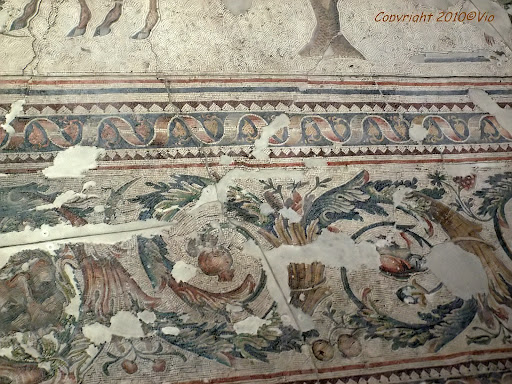
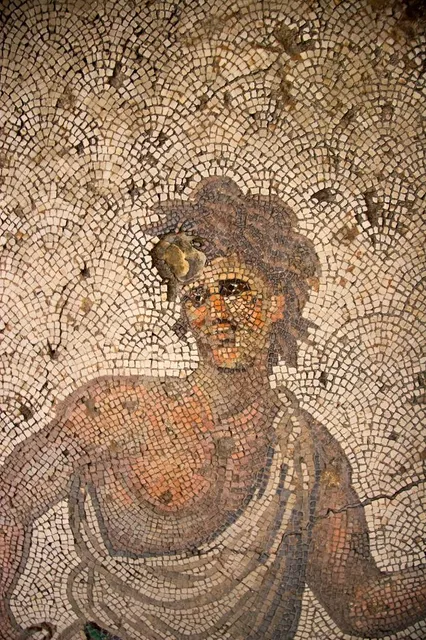
Mosaics exhibited in the Museum of Great Palace Mosaics which have been dated to AD 450-550 are magnificent in terms of both art and wealth of portrayal scenes. Only a part of 180 m2 of the mosaic area which had been prepared by numerous master artists led by the prominent masters of the day is revealed. The average dimension of mosaic stones is 5 mm and they consist of limestone, earthenware and colored stones. Portrayals are "Opus vermiculatum" and placed in between marble pieces. As for the white marble sections on the background, "fish scale technique" has been applied. In addition, the surroundings of the portrayals forming the mosaic are bordered by contours.

There are no religious themes in mosaics. Instead, daily life, nature and mythology are examined. Some of these scenes are lizard eating gryphon, elephant and lion fight, lactation of mare, goose herding children, goat milking man, a child feeding his donkey, a young girl carrying a pot, apple eating bears, and fight of hunter and tiger. The Museum of Great Palace Mosaics had been bonded to Archeology Museums of İstanbul in 1953, while it has been is an organizational unit of the directorate of Hagia Sophia Museum.

Great Palace Mosaic Museum is available everyday for visiting

Summer Schedule- 15 APRİL - 25 OCTOBER Visiting Hours: 09.00 - 19.00

Hours of...

   Read more
avatar
5.0
6y

Located behind a small bazaar, between the Blue Mosque and the Sea, the museum houses a small part of the mosaics on which the Byzantine emperors walk, dressed in their purple robes, starting with Justinian, in the Royal Palace's rooms. You have the opportunity to see a wealth of colors and a finesse of detail that touched painting and give you an idea not only about the craftsmanship of the mosaic craftsmen for more than 1,500 years ago, but also about what Imperial luxury meant at that time. Many tourist guides allocate 1 hour for visiting, but you have to be hardened, so your soul will not resonate with such beauties that make you will not to leave. Entry is paid and can be shot indoors, but without a flash. Situat în spatele unui mic bazar, între Moscheea Albastră și mare, muzeul adăpostește o mică parte din mozaicurile pe care pășeau, îmbrăcați cu mantiile lor purpurii, împărații bizantini, începând cu Justinian, în încăperile Palatului Regal. Aveți ocazia să vedeți o bogăție a culorilor și o finețe a detaliilor care frizează pictura și să vă faceți o idee nu numai despre meșteșugul meșterilor mozaicari de acum mai bine de 1500 de ani, dar și despre ce însemna, la acea dată, luxul imperial. Multe ghiduri turistice alocă 1 oră pentru vizitare, dar trebuie să fi împietrit, pentru ca sufletul tău să nu rezoneze la asemenea frumuseți, încât să nu-ți mai vină să pleci. Intrarea este plătită și se poate fotografia la interior,...

   Read more
avatar
5.0
8y

I have visited a lot of Roman ruins and mosaics in many countries and these are the best, biggest, and most colourful and intricate mosaics I have ever seen. The people dissing it in the reviews here have no idea how amazing and special it is to see something like this!!

Before I visited I thought it was just a random collection of mosaics, but it is THE mosaic that decorated the Imperial Palace of Constantinople, in the time of Justinian I - an enormous floor mosaic (now displayed with some pieces separately as it hasn’t all survived).

The mosaics are intricate and colourful, with amazing gradients of colours and incredible subjects of hunting scenes, wild animals (often eating other animals, including mosaic blood), mystical creatures and children playing. Apparently there’s 40,000 tiles to the square metre with about 75-80 million tiles here total.

This is an incredibly underrated attraction and for people into Roman ruins, this will be a highlight.

If you have the highly worthwhile Museum Pass it’s free entry here (I recommend getting the pass as it saves you money if you plan to visit Aya Sofya, Topkapi Palace and the Archaeological Museum and you skip...

   Read more
Page 1 of 7
Previous
Next

Posts

Jumping JackJumping Jack
Located behind a small bazaar, between the Blue Mosque and the Sea, the museum houses a small part of the mosaics on which the Byzantine emperors walk, dressed in their purple robes, starting with Justinian, in the Royal Palace's rooms. You have the opportunity to see a wealth of colors and a finesse of detail that touched painting and give you an idea not only about the craftsmanship of the mosaic craftsmen for more than 1,500 years ago, but also about what Imperial luxury meant at that time. Many tourist guides allocate 1 hour for visiting, but you have to be hardened, so your soul will not resonate with such beauties that make you will not to leave. Entry is paid and can be shot indoors, but without a flash. Situat în spatele unui mic bazar, între Moscheea Albastră și mare, muzeul adăpostește o mică parte din mozaicurile pe care pășeau, îmbrăcați cu mantiile lor purpurii, împărații bizantini, începând cu Justinian, în încăperile Palatului Regal. Aveți ocazia să vedeți o bogăție a culorilor și o finețe a detaliilor care frizează pictura și să vă faceți o idee nu numai despre meșteșugul meșterilor mozaicari de acum mai bine de 1500 de ani, dar și despre ce însemna, la acea dată, luxul imperial. Multe ghiduri turistice alocă 1 oră pentru vizitare, dar trebuie să fi împietrit, pentru ca sufletul tău să nu rezoneze la asemenea frumuseți, încât să nu-ți mai vină să pleci. Intrarea este plătită și se poate fotografia la interior, dar fără bliț.
Erika BErika B
I have visited a lot of Roman ruins and mosaics in many countries and these are the best, biggest, and most colourful and intricate mosaics I have ever seen. The people dissing it in the reviews here have no idea how amazing and special it is to see something like this!! Before I visited I thought it was just a random collection of mosaics, but it is THE mosaic that decorated the Imperial Palace of Constantinople, in the time of Justinian I - an enormous floor mosaic (now displayed with some pieces separately as it hasn’t all survived). The mosaics are intricate and colourful, with amazing gradients of colours and incredible subjects of hunting scenes, wild animals (often eating other animals, including mosaic blood), mystical creatures and children playing. Apparently there’s 40,000 tiles to the square metre with about 75-80 million tiles here total. This is an incredibly underrated attraction and for people into Roman ruins, this will be a highlight. If you have the highly worthwhile Museum Pass it’s free entry here (I recommend getting the pass as it saves you money if you plan to visit Aya Sofya, Topkapi Palace and the Archaeological Museum and you skip the queues.)
Olesia KuchynaOlesia Kuchyna
Сегодня мы знаем этот город, как Стамбул, но почти 1700 лет назад император Константин переименовал этот город в Константинополь, провозгласив его новой столицей Римской империи. Константин хотел сделать новую столицу больше и лучше Рима и начал он со строительства дворца, которому завидовал бы весь мир. Где же этот дворец сейчас? Дворцовый комплекс получил название Большой дворец. Он занимал площадь почти 80 000 кв м. Это больше площади 15 футбольных полей. Дворцовый комплекс протянулся от Ипподрома (современная площадь Султанахмет) вплоть до Мраморного моря. Он был закрыт для посторонних и больше походил на маленький город для императора и его двора. Комплекс включал административные здания, тронные залы, церкви, библиотеки, термальные ванны, фонтаны и внутренние дворы. Бронзовые врата, ревущие механические львы и выложенные мозаикой тротуары сделали его одним из чудес древнего мира. Однако, когда существование Византийской империи близилось к концу, императорская семья решила переехать в более скромный дворец, удалённый от моря (Влахернский дворец). Никто не знает, что послужило причиной переезда, но это решение положило начало упадку Большого дворца. Когда крестоносцы в 1204 г захватили Город, они жили именно в Большом дворце, который сами же и помогали разрушать. Захватившие город в 1453 г османы начали перестраивать дворец под свои нужды, используя оставшиеся материалы. Вскоре стены дворца превратились в стены османских домов. Византийские камни использовали для строительства новых мечетей. Через 470 лет османского правления Большой дворец полностью исчез под землёй и был забыт. Он буквально восстал из пепла в 1912 г, после пожара на площади Султанахмет, уничтожившего сотни домов. Когда сгоревшие руины были расчищены, дворец снова оказался на поверхности… Пожар обнажил внутренний двор, постройки IV века, с одним из мировых шедевров мозаики, выполненным под руководством императора Юстиниана через 200 лет после возведения дворца Константином. Дома скрывали мозаику несколько веков. Теперь же её можно увидеть в Музее мозаики Большого дворца. Эта мозаика служила тротуаром для императоров. Возможно по ней они шли на ипподром или в другую часть дворца. Мозаика просто великолепна. Представьте, какой же тогда был дворец! Возможно сам император Юстиниан ходил по этой мозаике. Мозаика была частью великолепного перестиля или внутреннего двора, окружённого колоннадой. Внутренний двор принадлежал огромному комплексу Большого дворца. Сегодня мы можем лицезреть лишь 250 кв м, то есть 1/8 часть внутреннего двора. Но 1500 лет назад мозаика занимала площадь почти в 2 тысячи кв м! А это 75-80 млн кусочков, выложенной вручную плитки! Для любителей Византии обязательно рекомендую к посещению этот музей! Здесь в нескольких залах восстановлены части мозаики коридоров Дворца. Причём впечатляет как и сама мозаика, так и терпеливость археологов, которые все это восстанавливали.
See more posts
See more posts
hotel
Find your stay

Pet-friendly Hotels in Fatih

Find a cozy hotel nearby and make it a full experience.

Located behind a small bazaar, between the Blue Mosque and the Sea, the museum houses a small part of the mosaics on which the Byzantine emperors walk, dressed in their purple robes, starting with Justinian, in the Royal Palace's rooms. You have the opportunity to see a wealth of colors and a finesse of detail that touched painting and give you an idea not only about the craftsmanship of the mosaic craftsmen for more than 1,500 years ago, but also about what Imperial luxury meant at that time. Many tourist guides allocate 1 hour for visiting, but you have to be hardened, so your soul will not resonate with such beauties that make you will not to leave. Entry is paid and can be shot indoors, but without a flash. Situat în spatele unui mic bazar, între Moscheea Albastră și mare, muzeul adăpostește o mică parte din mozaicurile pe care pășeau, îmbrăcați cu mantiile lor purpurii, împărații bizantini, începând cu Justinian, în încăperile Palatului Regal. Aveți ocazia să vedeți o bogăție a culorilor și o finețe a detaliilor care frizează pictura și să vă faceți o idee nu numai despre meșteșugul meșterilor mozaicari de acum mai bine de 1500 de ani, dar și despre ce însemna, la acea dată, luxul imperial. Multe ghiduri turistice alocă 1 oră pentru vizitare, dar trebuie să fi împietrit, pentru ca sufletul tău să nu rezoneze la asemenea frumuseți, încât să nu-ți mai vină să pleci. Intrarea este plătită și se poate fotografia la interior, dar fără bliț.
Jumping Jack

Jumping Jack

hotel
Find your stay

Affordable Hotels in Fatih

Find a cozy hotel nearby and make it a full experience.

Get the Appoverlay
Get the AppOne tap to find yournext favorite spots!
I have visited a lot of Roman ruins and mosaics in many countries and these are the best, biggest, and most colourful and intricate mosaics I have ever seen. The people dissing it in the reviews here have no idea how amazing and special it is to see something like this!! Before I visited I thought it was just a random collection of mosaics, but it is THE mosaic that decorated the Imperial Palace of Constantinople, in the time of Justinian I - an enormous floor mosaic (now displayed with some pieces separately as it hasn’t all survived). The mosaics are intricate and colourful, with amazing gradients of colours and incredible subjects of hunting scenes, wild animals (often eating other animals, including mosaic blood), mystical creatures and children playing. Apparently there’s 40,000 tiles to the square metre with about 75-80 million tiles here total. This is an incredibly underrated attraction and for people into Roman ruins, this will be a highlight. If you have the highly worthwhile Museum Pass it’s free entry here (I recommend getting the pass as it saves you money if you plan to visit Aya Sofya, Topkapi Palace and the Archaeological Museum and you skip the queues.)
Erika B

Erika B

hotel
Find your stay

The Coolest Hotels You Haven't Heard Of (Yet)

Find a cozy hotel nearby and make it a full experience.

hotel
Find your stay

Trending Stays Worth the Hype in Fatih

Find a cozy hotel nearby and make it a full experience.

Сегодня мы знаем этот город, как Стамбул, но почти 1700 лет назад император Константин переименовал этот город в Константинополь, провозгласив его новой столицей Римской империи. Константин хотел сделать новую столицу больше и лучше Рима и начал он со строительства дворца, которому завидовал бы весь мир. Где же этот дворец сейчас? Дворцовый комплекс получил название Большой дворец. Он занимал площадь почти 80 000 кв м. Это больше площади 15 футбольных полей. Дворцовый комплекс протянулся от Ипподрома (современная площадь Султанахмет) вплоть до Мраморного моря. Он был закрыт для посторонних и больше походил на маленький город для императора и его двора. Комплекс включал административные здания, тронные залы, церкви, библиотеки, термальные ванны, фонтаны и внутренние дворы. Бронзовые врата, ревущие механические львы и выложенные мозаикой тротуары сделали его одним из чудес древнего мира. Однако, когда существование Византийской империи близилось к концу, императорская семья решила переехать в более скромный дворец, удалённый от моря (Влахернский дворец). Никто не знает, что послужило причиной переезда, но это решение положило начало упадку Большого дворца. Когда крестоносцы в 1204 г захватили Город, они жили именно в Большом дворце, который сами же и помогали разрушать. Захватившие город в 1453 г османы начали перестраивать дворец под свои нужды, используя оставшиеся материалы. Вскоре стены дворца превратились в стены османских домов. Византийские камни использовали для строительства новых мечетей. Через 470 лет османского правления Большой дворец полностью исчез под землёй и был забыт. Он буквально восстал из пепла в 1912 г, после пожара на площади Султанахмет, уничтожившего сотни домов. Когда сгоревшие руины были расчищены, дворец снова оказался на поверхности… Пожар обнажил внутренний двор, постройки IV века, с одним из мировых шедевров мозаики, выполненным под руководством императора Юстиниана через 200 лет после возведения дворца Константином. Дома скрывали мозаику несколько веков. Теперь же её можно увидеть в Музее мозаики Большого дворца. Эта мозаика служила тротуаром для императоров. Возможно по ней они шли на ипподром или в другую часть дворца. Мозаика просто великолепна. Представьте, какой же тогда был дворец! Возможно сам император Юстиниан ходил по этой мозаике. Мозаика была частью великолепного перестиля или внутреннего двора, окружённого колоннадой. Внутренний двор принадлежал огромному комплексу Большого дворца. Сегодня мы можем лицезреть лишь 250 кв м, то есть 1/8 часть внутреннего двора. Но 1500 лет назад мозаика занимала площадь почти в 2 тысячи кв м! А это 75-80 млн кусочков, выложенной вручную плитки! Для любителей Византии обязательно рекомендую к посещению этот музей! Здесь в нескольких залах восстановлены части мозаики коридоров Дворца. Причём впечатляет как и сама мозаика, так и терпеливость археологов, которые все это восстанавливали.
Olesia Kuchyna

Olesia Kuchyna

See more posts
See more posts