Royal Artillery Memorial things to do, attractions, restaurants, events info and trip planning
Basic Info
Royal Artillery Memorial
London SW1X 7TA, United Kingdom
4.5(93)
Open until 12:00 AM
Save
spot
spot
Ratings & Description
Info
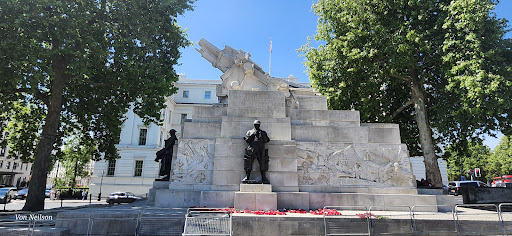
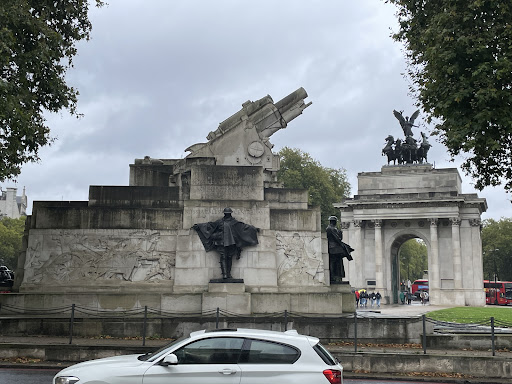
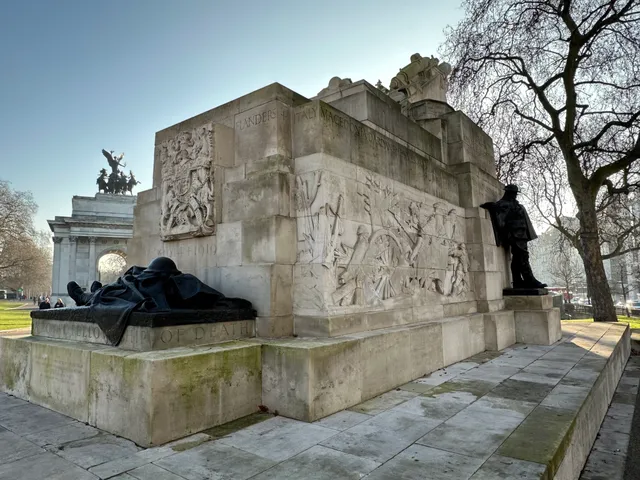
The Royal Artillery Memorial is a First World War memorial located on Hyde Park Corner in London, England. Designed by Charles Sargeant Jagger, with architectural work by Lionel Pearson, and unveiled in 1925, the memorial commemorates the 49,076 soldiers from the Royal Artillery killed in the First World War.
Cultural
Scenic
attractions: Wellington Arch, Apsley House, Equestrian Statue of the Duke of Wellington, Australian War Memorial, London, Hyde Park Corner, Bomber Command Memorial, Hyde Park Winter Wonderland Ice Rink, Queen Elizabeth Gate, Hyde Park Rose Garden, Statue of Achilles, restaurants: The Lanesborough Grill, The Lodge Café, Yaprak, Hard Rock Cafe, Library Bar, The Grenadier, The Peninsula Boutique & Café London, The Garden Room at The Lanesborough, Theo Randall Cucina Italiana, Theo's on the Terrace, local businesses: Hyde Park Corner, Cigar Terrace at The Wellesley, The Tasting Room, Walk IN Foot Clinic, Spa InterContinental, Mayfair Nights, Harvey Nichols, Park Lane Club, 20 Hertford Street - Mayfair Apartments, Hershesons
 Learn more insights from Wanderboat AI.
Website
english-heritage.org.uk
Open hoursSee all hours
FriOpen 24 hoursOpen
Plan your stay

Pet-friendly Hotels in London
Find a cozy hotel nearby and make it a full experience.

Affordable Hotels in London
Find a cozy hotel nearby and make it a full experience.

The Coolest Hotels You Haven't Heard Of (Yet)
Find a cozy hotel nearby and make it a full experience.

Trending Stays Worth the Hype in London
Find a cozy hotel nearby and make it a full experience.
Reviews
Live events

Explore 30+ London sights
Fri, Jan 30 • 10:00 AM
Greater London, W1J 9BR, United Kingdom
View details
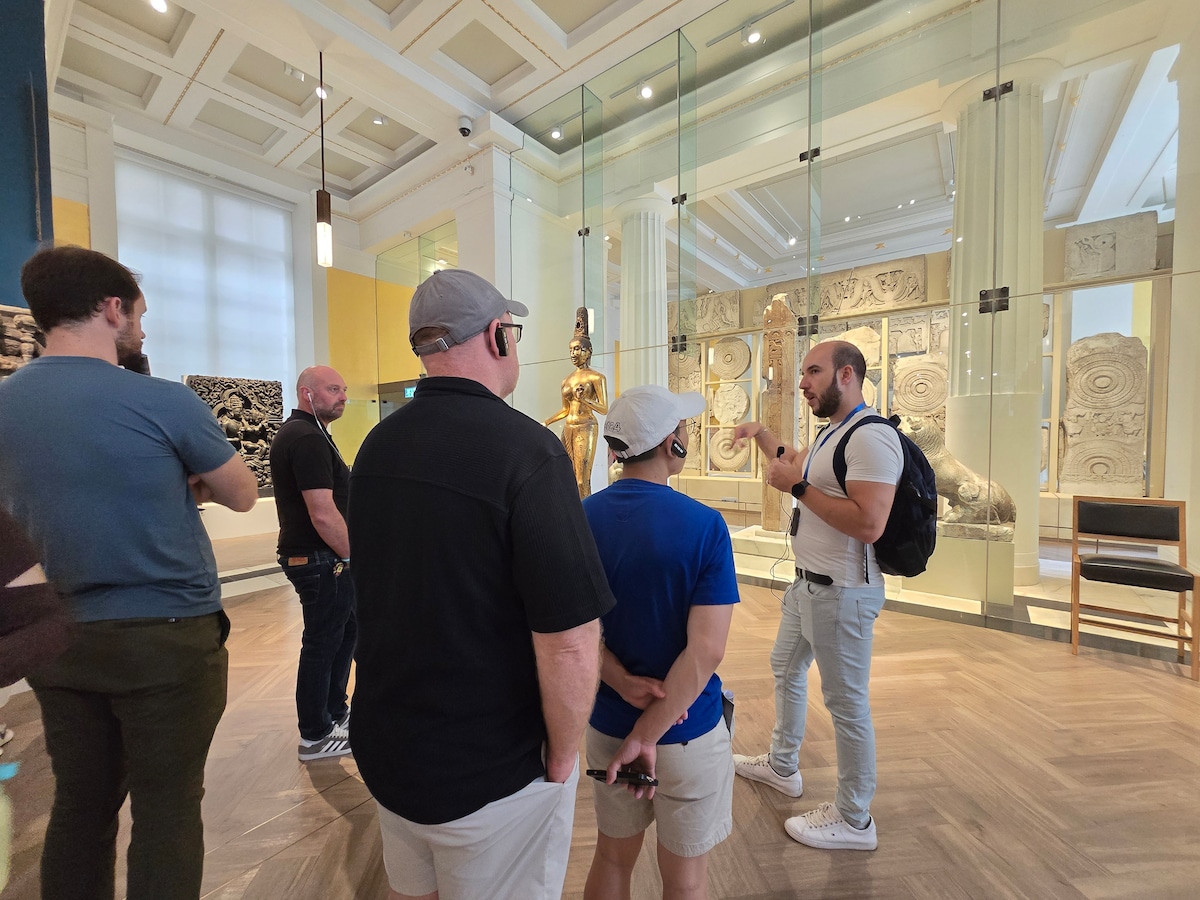
British Museum Guided Tour with Priority Timeslots
Fri, Jan 30 • 10:30 AM
British Museum Greater London, WC1B 3DG, United Kingdom
View details

Top-Rated London Harry Potter Tour—Family Friendly
Fri, Jan 30 • 9:30 AM
Greater London, N1 9AP, United Kingdom
View details
Nearby attractions of Royal Artillery Memorial
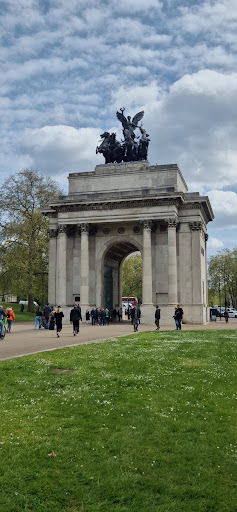
Wellington Arch
Apsley House
Equestrian Statue of the Duke of Wellington
Australian War Memorial, London
Hyde Park Corner
Bomber Command Memorial
Hyde Park Winter Wonderland Ice Rink
Queen Elizabeth Gate
Hyde Park Rose Garden
Statue of Achilles
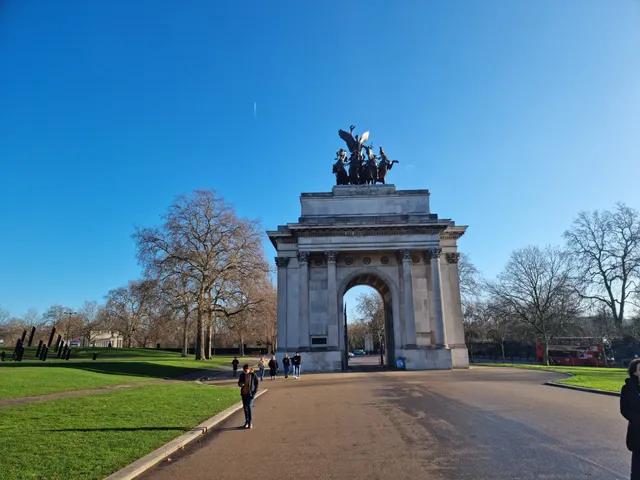
Wellington Arch
4.5
(2.1K)
Open until 4:00 PM
Click for details
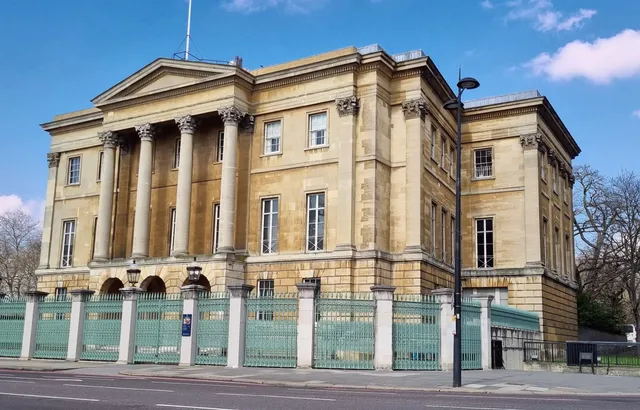
Apsley House
4.6
(640)
Open until 12:00 AM
Click for details
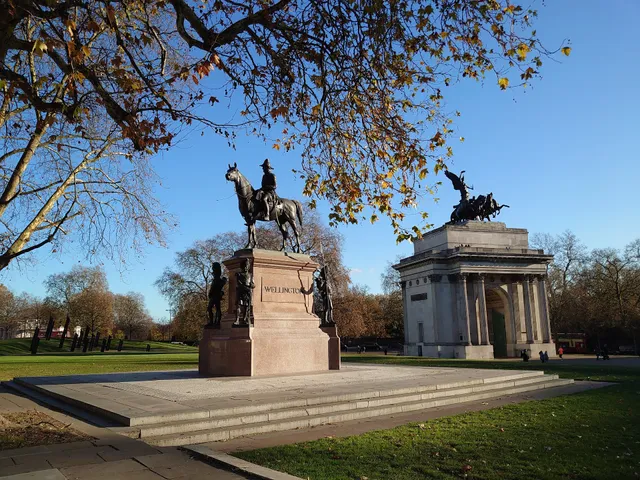
Equestrian Statue of the Duke of Wellington
4.5
(92)
Open until 12:00 AM
Click for details

Australian War Memorial, London
4.6
(82)
Open until 12:00 AM
Click for details
Nearby restaurants of Royal Artillery Memorial
The Lanesborough Grill
The Lodge Café
Yaprak
Hard Rock Cafe
Library Bar
The Grenadier
The Peninsula Boutique & Café London
The Garden Room at The Lanesborough
Theo Randall Cucina Italiana
Theo's on the Terrace
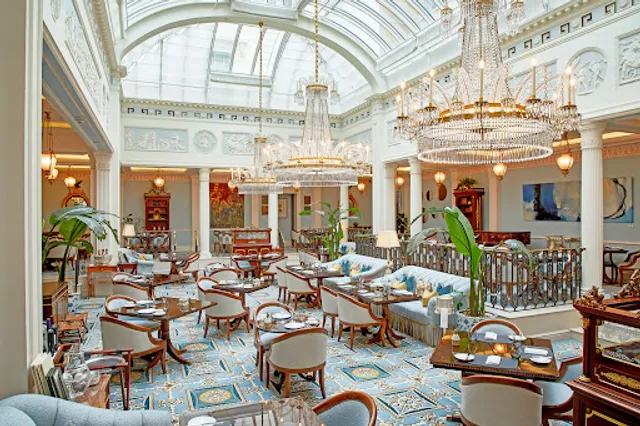
The Lanesborough Grill
4.6
(476)
$$$$
Closed
Click for details

The Lodge Café
3.6
(565)
Open until 10:00 PM
Click for details

Yaprak
5.0
(18)
Closed
Click for details
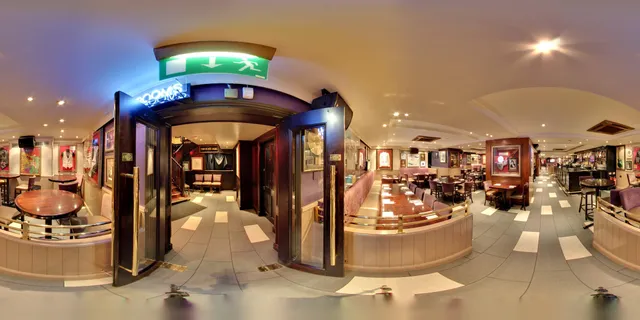
Hard Rock Cafe
4.4
(6.8K)
Open until 10:00 PM
Click for details
Nearby local services of Royal Artillery Memorial
Hyde Park Corner
Cigar Terrace at The Wellesley
The Tasting Room
Walk IN Foot Clinic
Spa InterContinental
Mayfair Nights
Harvey Nichols
Park Lane Club
20 Hertford Street - Mayfair Apartments
Hershesons
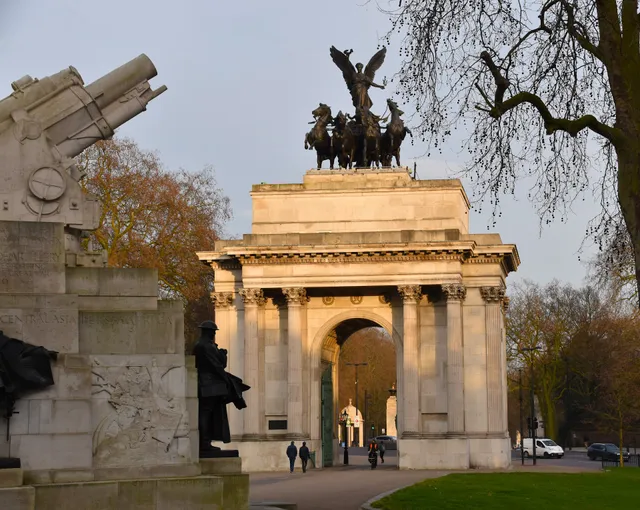
Hyde Park Corner
4.4
(170)
Click for details
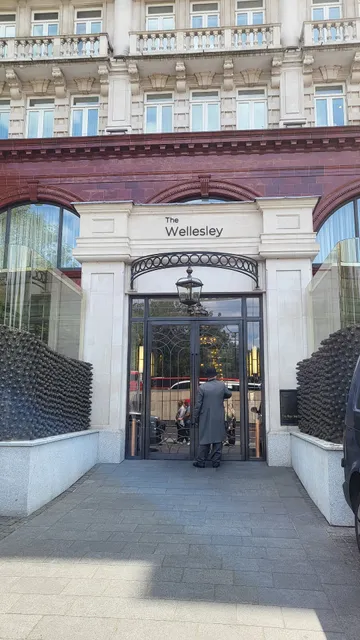
Cigar Terrace at The Wellesley
3.8
(50)
Click for details
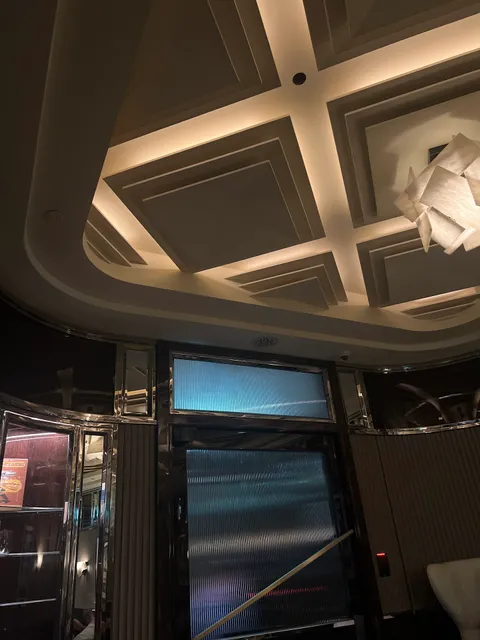
The Tasting Room
4.6
(17)
Click for details

Walk IN Foot Clinic
4.8
(61)
Click for details


The hit list



Plan your trip with Wanderboat
Welcome to Wanderboat AI, your AI search for local Eats and Fun, designed to help you explore your city and the world with ease.
Powered by Wanderboat AI trip planner.