Colorado State Capitol things to do, attractions, restaurants, events info and trip planning
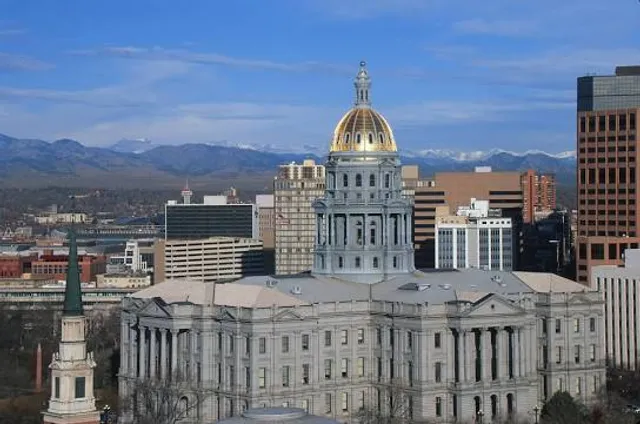
Basic Info
Colorado State Capitol
200 E Colfax Ave, Denver, CO 80203
4.6(459)
Closed
Save
spot
spot
Ratings & Description
Info
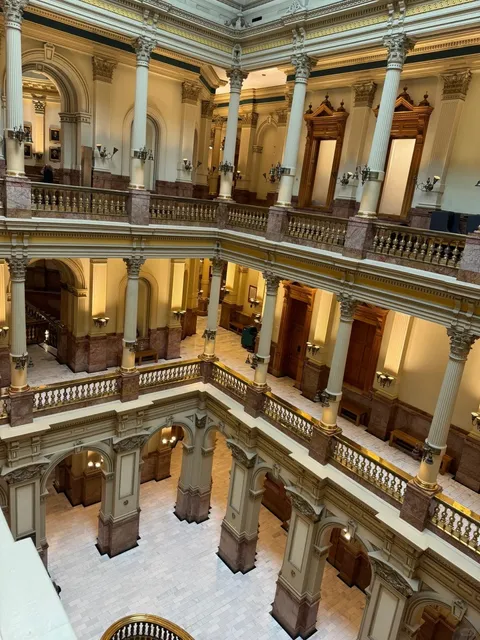
The Colorado State Capitol Building, located at 200 East Colfax Avenue in Denver, Colorado, United States, is the home of the Colorado General Assembly and the offices of the Governor of Colorado, Lieutenant Governor of Colorado, and the Colorado State Treasurer.
Cultural
Scenic
Family friendly
Accessibility
attractions: Cathedral Basilica of the Immaculate Conception, Denver Art Museum, Molly Brown House Museum, History Colorado Center, Lincoln Veterans Memorial Park, Civic Center Park, Denver Public Library: Central Library, Liberty Park, Colorado State Library, Colorado Veterans Monument, restaurants: Phở-natic Vietnamese Restaurant, Shish Kabob Grill (Sahtain!), City O' City, Satellite Bar, Capital Thai (Traditional Thai Cuisine), The Black Box, The Cake Bar, The Cake Bar, Nob Hill Inn, Blue Sparrow Coffee, local businesses: Discover Denver Tours: Walking & Bus Tours of the Mile High City, Capitol Hill Books, Colorado Governor's Office, Clear Path Coverage, IRIS - a piercing studio, Denver Drug & Liquor Co, Discipled Movers, First Baptist Church of Denver, Armenians of Colorado, Inc., Colorado Affordable Legal Services
 Learn more insights from Wanderboat AI.
Phone
(303) 866-2604
Website
colorado.gov
Open hoursSee all hours
Thu7:30 AM - 5 PMClosed
Plan your stay

Pet-friendly Hotels in Denver
Find a cozy hotel nearby and make it a full experience.

Affordable Hotels in Denver
Find a cozy hotel nearby and make it a full experience.

The Coolest Hotels You Haven't Heard Of (Yet)
Find a cozy hotel nearby and make it a full experience.

Trending Stays Worth the Hype in Denver
Find a cozy hotel nearby and make it a full experience.
Reviews
Live events

Reefstock Denver 2026
Sat, Feb 28 • 9:00 AM
10 East 120th Avenue Northglenn, CO 80233
View details

BEFABA Black History Month Celebration
Fri, Feb 27 • 11:00 AM
1180 South Buckley Road #Unit E Aurora, CO 80017
View details

Sauna + Cold Plunge Pop-Up at Feel Good Fest
Sat, Feb 28 • 12:00 PM
550 McCaslin Boulevard #Unit B Louisville, CO 80027
View details
Nearby attractions of Colorado State Capitol
Cathedral Basilica of the Immaculate Conception
Denver Art Museum
Molly Brown House Museum
History Colorado Center
Lincoln Veterans Memorial Park
Civic Center Park
Denver Public Library: Central Library
Liberty Park
Colorado State Library
Colorado Veterans Monument
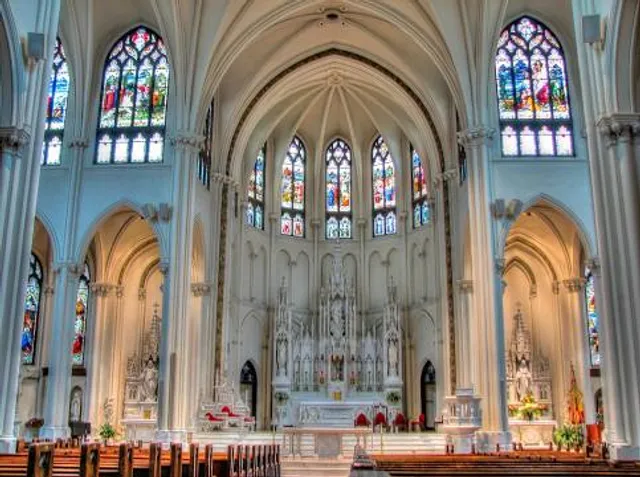
Cathedral Basilica of the Immaculate Conception
4.8
(785)
Closed
Click for details
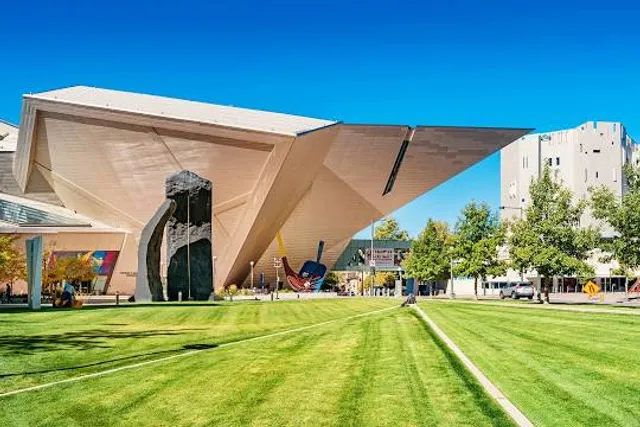
Denver Art Museum
4.7
(6.3K)
Open until 12:00 AM
Click for details
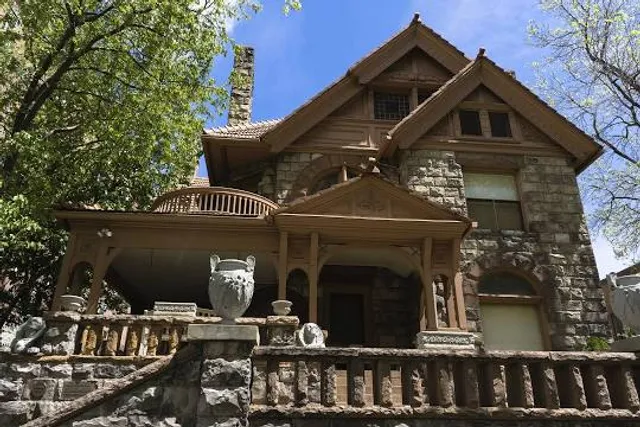
Molly Brown House Museum
4.7
(1.4K)
Closed
Click for details
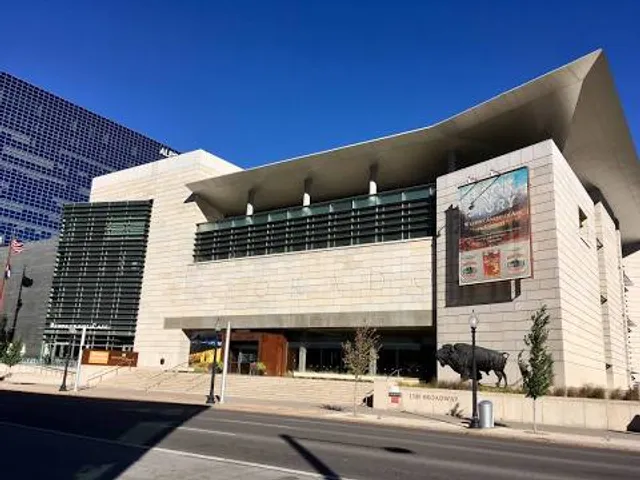
History Colorado Center
4.6
(1.4K)
Closed
Click for details
Nearby restaurants of Colorado State Capitol
Phở-natic Vietnamese Restaurant
Shish Kabob Grill (Sahtain!)
City O' City
Satellite Bar
Capital Thai (Traditional Thai Cuisine)
The Black Box
The Cake Bar
The Cake Bar
Nob Hill Inn
Blue Sparrow Coffee

Phở-natic Vietnamese Restaurant
4.5
(563)
$
Closed
Click for details
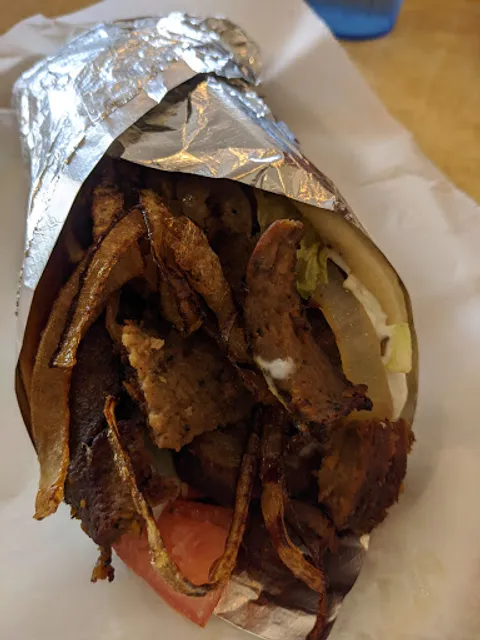
Shish Kabob Grill (Sahtain!)
4.4
(649)
$
Closed
Click for details
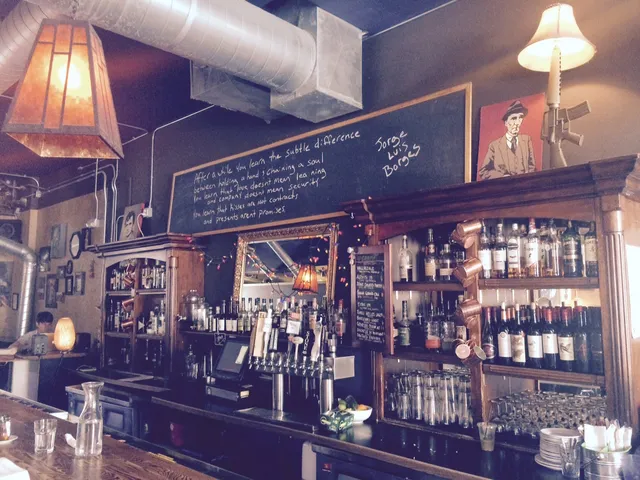
City O' City
4.5
(2.6K)
$$
Closed
Click for details
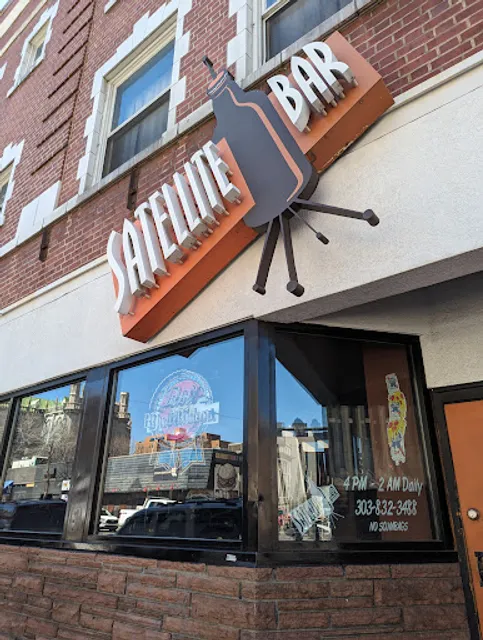
Satellite Bar
4.5
(164)
$
Open until 2:00 AM
Click for details
Nearby local services of Colorado State Capitol
Discover Denver Tours: Walking & Bus Tours of the Mile High City
Capitol Hill Books
Colorado Governor's Office
Clear Path Coverage
IRIS - a piercing studio
Denver Drug & Liquor Co
Discipled Movers
First Baptist Church of Denver
Armenians of Colorado, Inc.
Colorado Affordable Legal Services
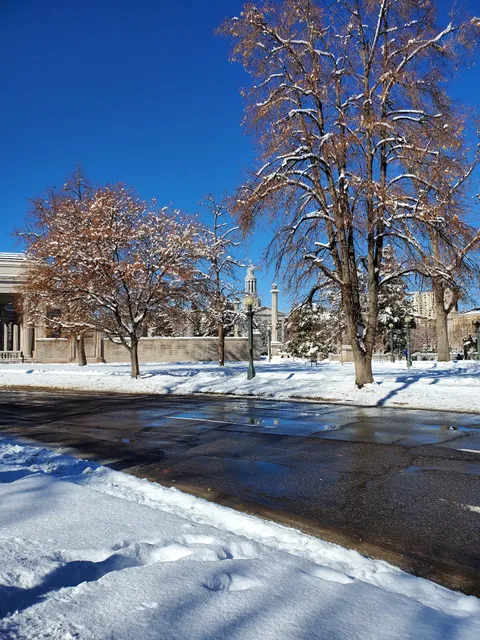
Discover Denver Tours: Walking & Bus Tours of the Mile High City
4.8
(146)
Click for details
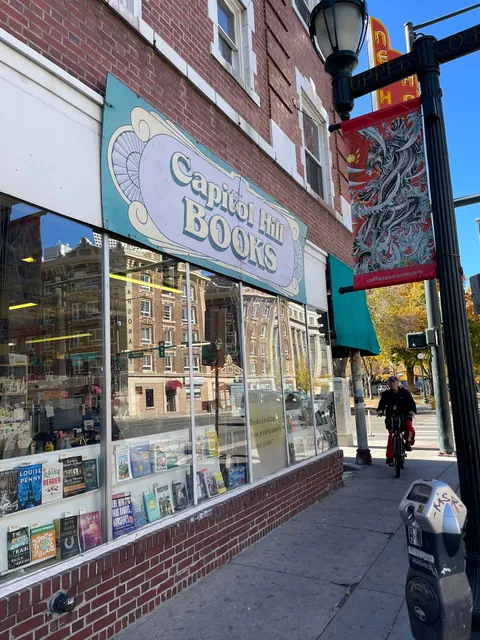
Capitol Hill Books
4.7
(267)
Click for details
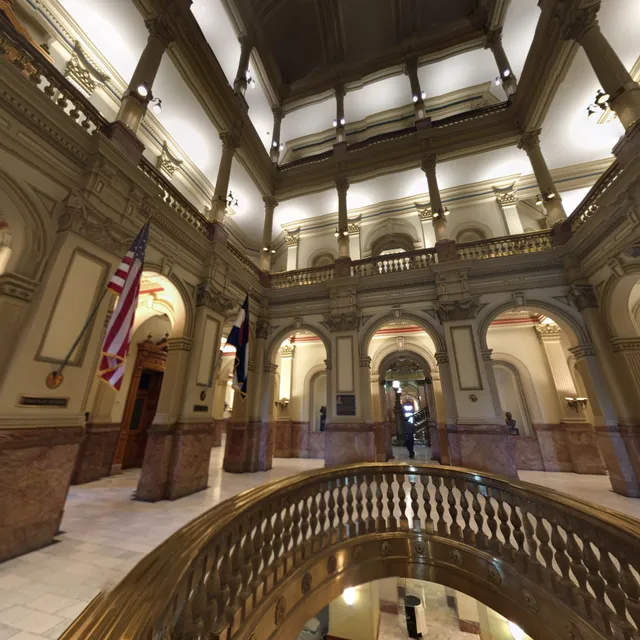
Colorado Governor's Office
2.2
(37)
Click for details

Clear Path Coverage
5.0
(128)
Click for details


The hit list
Plan your trip with Wanderboat
Welcome to Wanderboat AI, your AI search for local Eats and Fun, designed to help you explore your city and the world with ease.
Powered by Wanderboat AI trip planner.