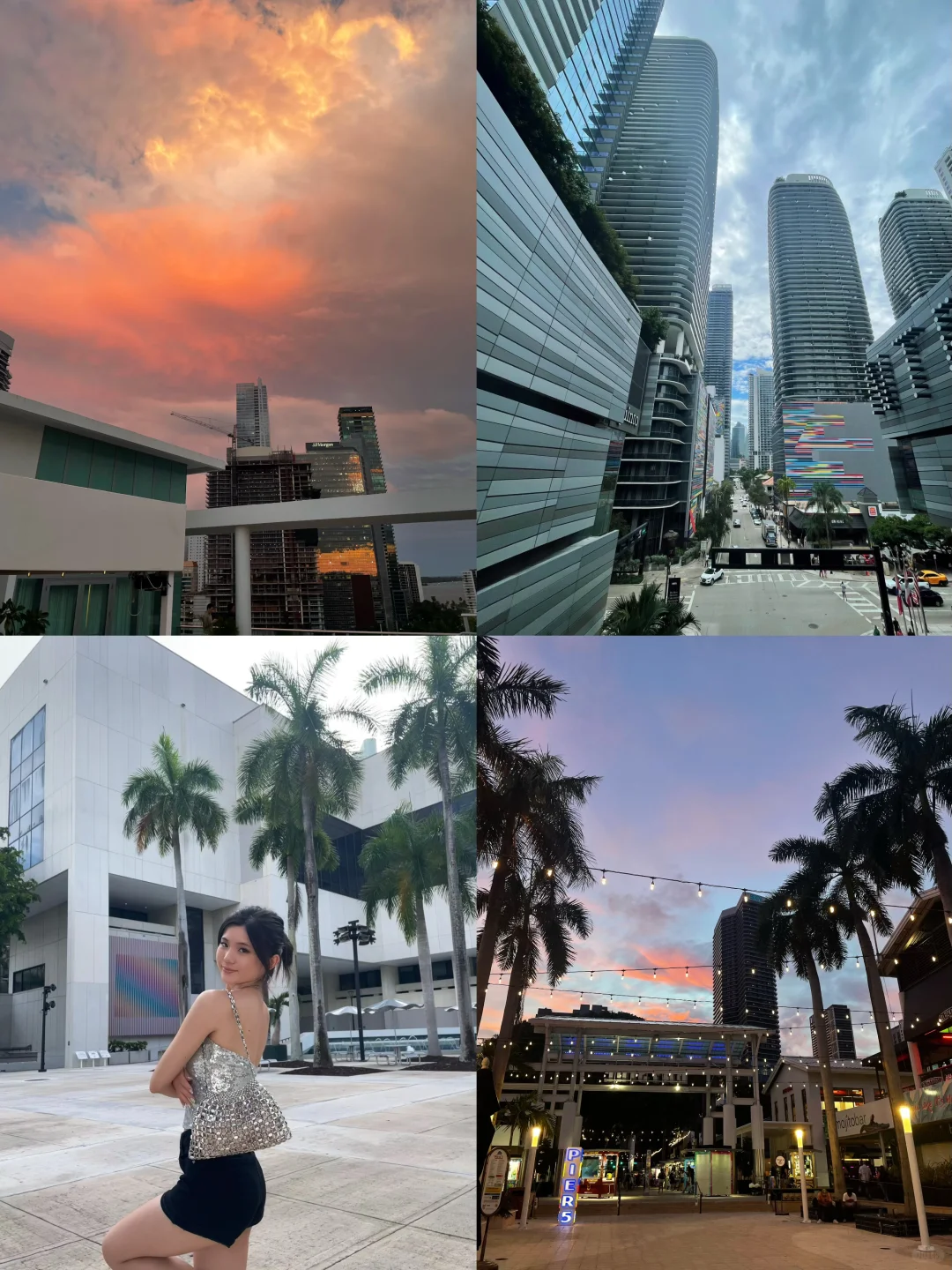
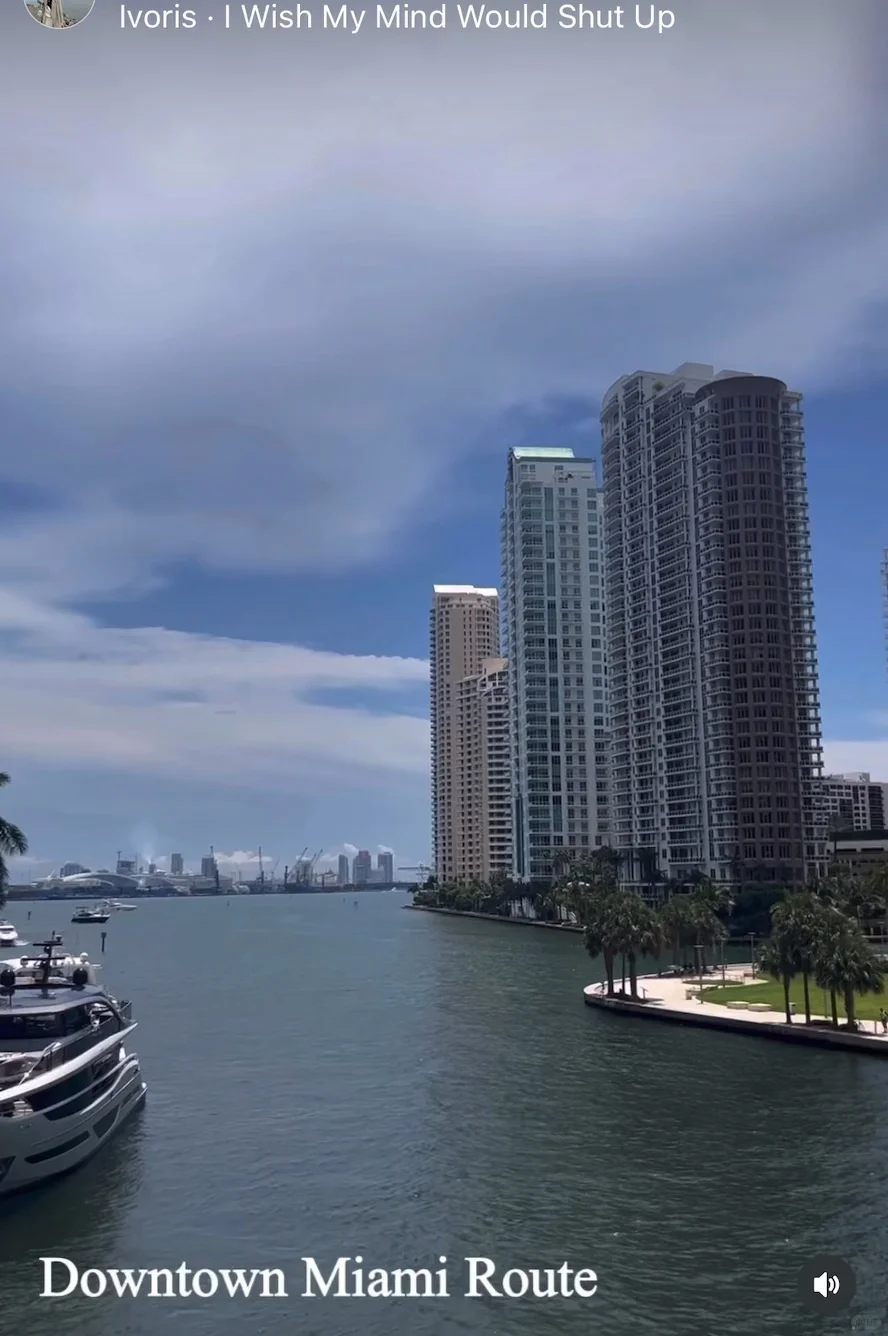
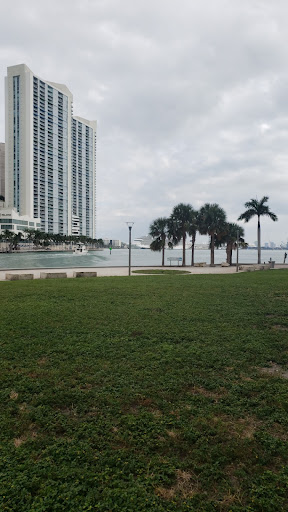
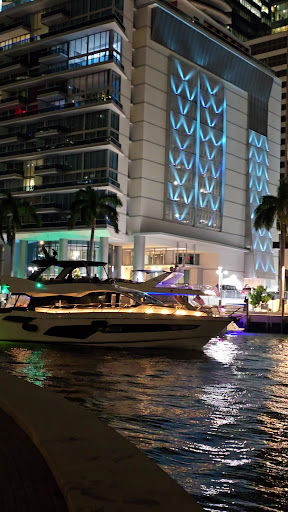
Miami Circle National Historic Landmark things to do, attractions, restaurants, events info and trip planning
Basic Info
Miami Circle National Historic Landmark
401 Brickell Ave, Miami, FL 33131
4.6(263)
Open until 12:00 AM
Save
spot
spot
Ratings & Description
Info
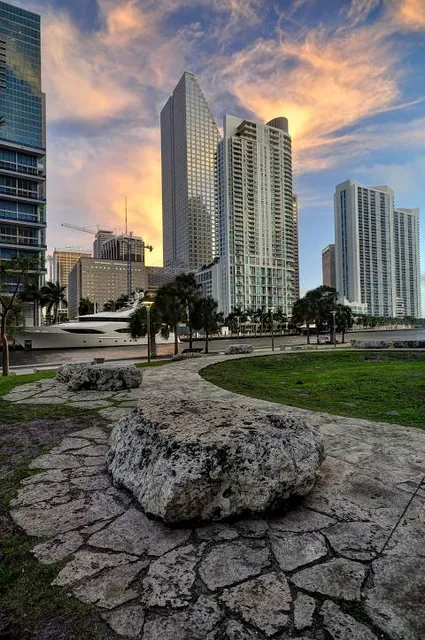
The Miami Circle, also known as The Miami River Circle, Brickell Point, or The Miami Circle at Brickell Point Site, is an archaeological site in Brickell, Miami, Florida.
Cultural
Scenic
Family friendly
Accessibility
attractions: James L. Knight Center, Promenada Miami River, Jetski’s World Miami, Mary Brickell Park, GALERIA AZUR MIAMI, Greater Miami Convention & Visitors Bureau, Bayfront Park, Ccucu Gall-Art - The Brickell Key Gallery, Olympia Theater, Miami River Greenway, restaurants: Cantina La Veinte, Zuma Miami, Cipriani Downtown Miami, Gordon Ramsay Hell's Kitchen - Miami, Area 31, The Capital Grille, Baby Jane Cocktail House & Noodle Bar, Novikov Miami, The Cocinita, Boulud Sud Miami, local businesses: 485 Brickell Ave, MIAMI BOAT PARTY, Silverspot Cinema - Downtown Miami, Epic Miami Residences, Eco Beauty Med Spa - Miami, Met 1 Condominium, IMD Miami, Icon Brickell Spa, Brickell City Centre, 31 SE 5th St
 Learn more insights from Wanderboat AI.
Open hoursSee all hours
WedOpen 24 hoursOpen
Plan your stay

Pet-friendly Hotels in Miami
Find a cozy hotel nearby and make it a full experience.

Affordable Hotels in Miami
Find a cozy hotel nearby and make it a full experience.

The Coolest Hotels You Haven't Heard Of (Yet)
Find a cozy hotel nearby and make it a full experience.

Trending Stays Worth the Hype in Miami
Find a cozy hotel nearby and make it a full experience.
Reviews
Live events
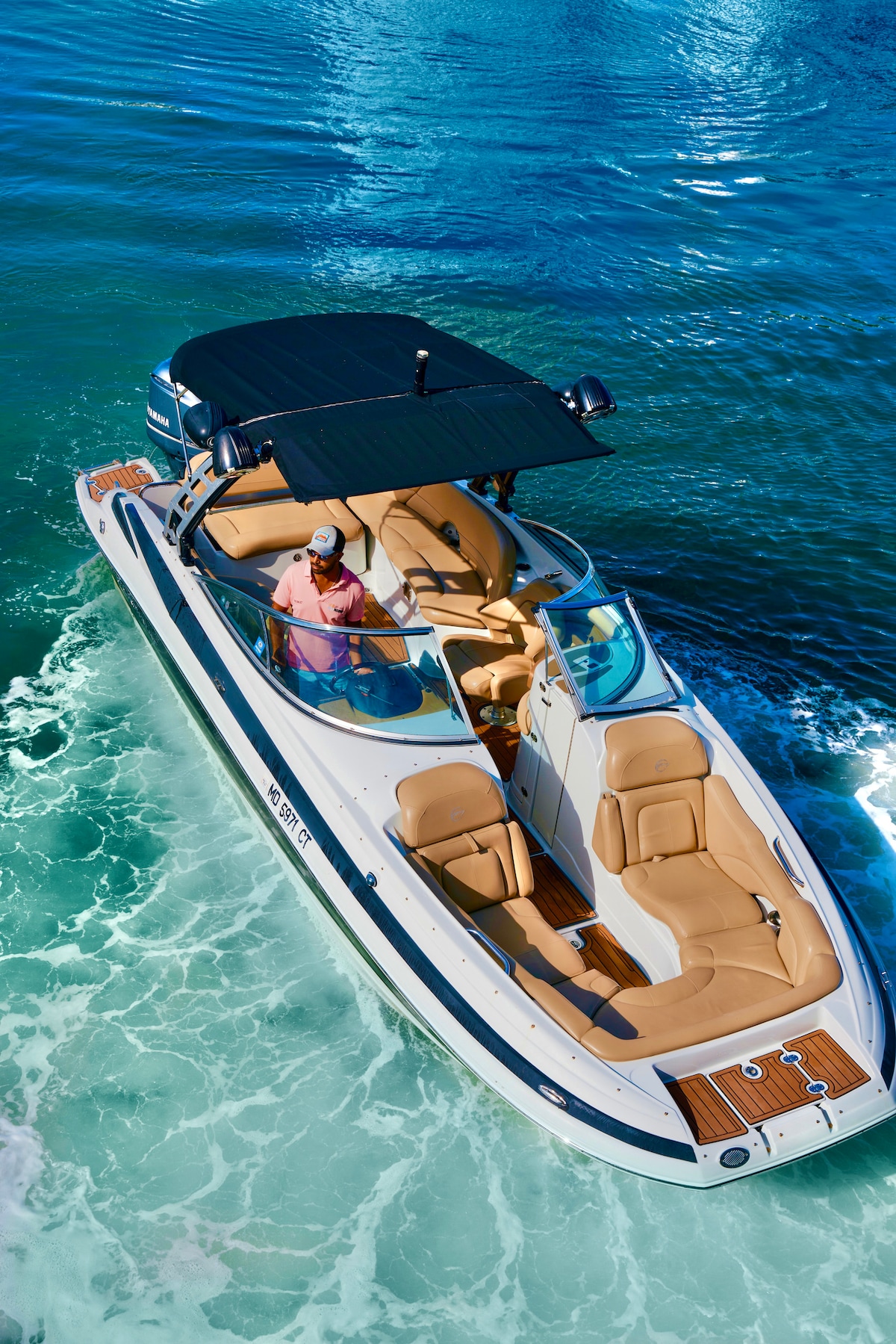
Explore Miamis islands and skyline
Wed, Jan 28 • 11:00 AM
Miami Beach, Florida, 33140, United States
View details

Learn How to Ride a Bike!
Sat, Jan 31 • 9:00 AM
17051 Northeast 19th Avenue North Miami Beach, FL 33162
View details
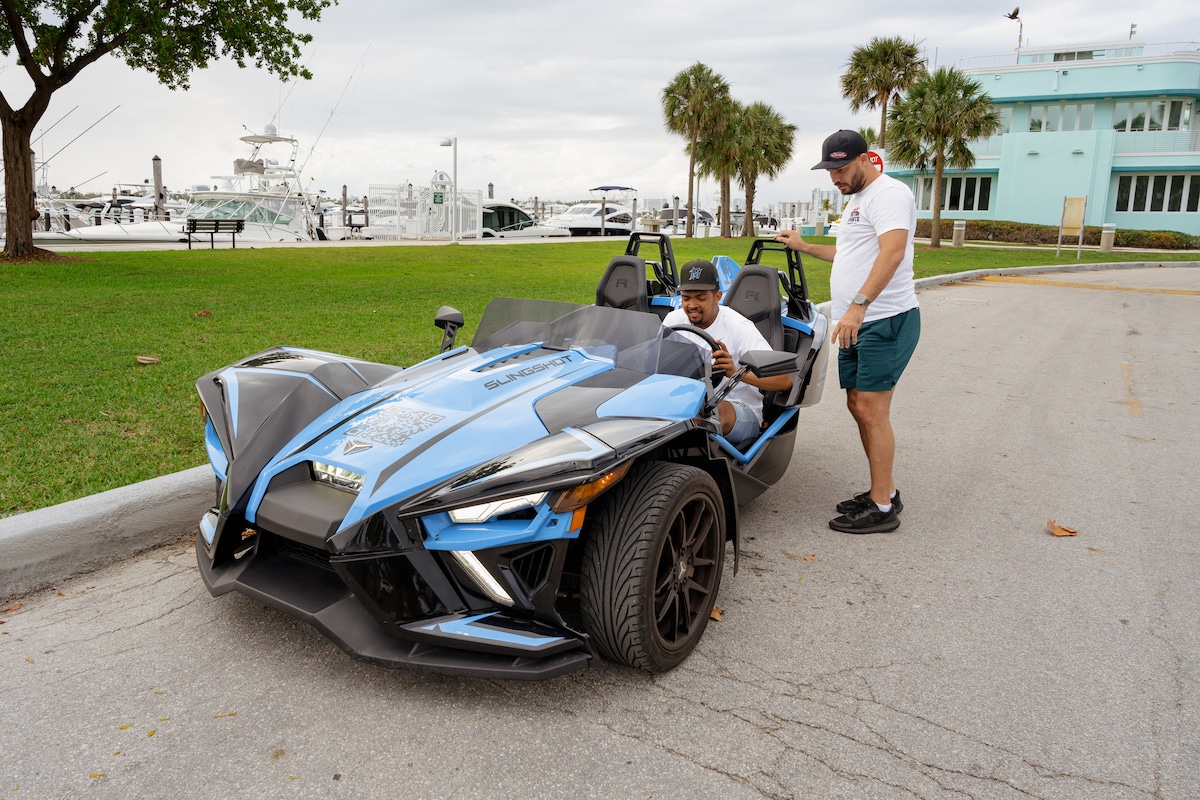
Ride a Slingshot in Miami Beach
Mon, Feb 2 • 5:00 PM
North Miami Beach, Florida, 33162
View details
Nearby attractions of Miami Circle National Historic Landmark
James L. Knight Center
Promenada Miami River
Jetski’s World Miami
Mary Brickell Park
GALERIA AZUR MIAMI
Greater Miami Convention & Visitors Bureau
Bayfront Park
Ccucu Gall-Art - The Brickell Key Gallery
Olympia Theater
Miami River Greenway
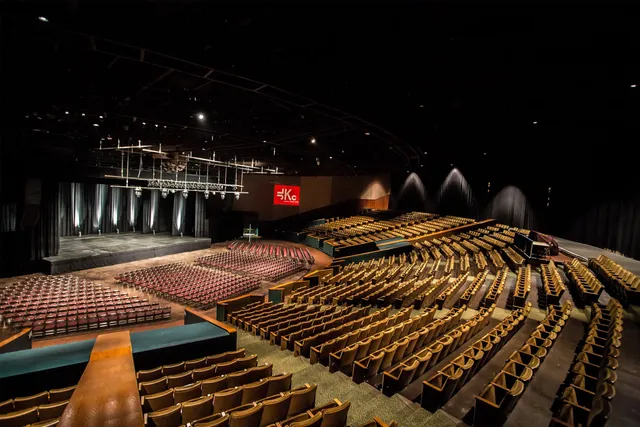
James L. Knight Center
4.3
(1.5K)
Closed
Click for details
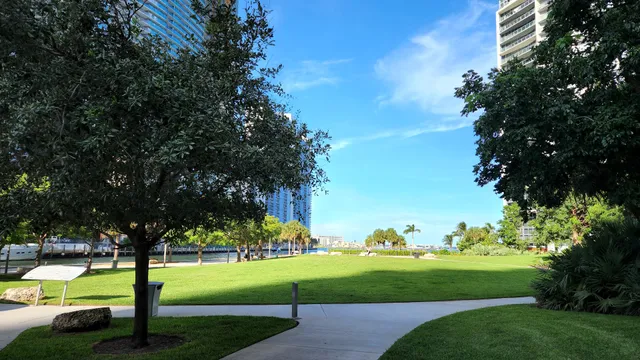
Promenada Miami River
4.9
(15)
Open 24 hours
Click for details
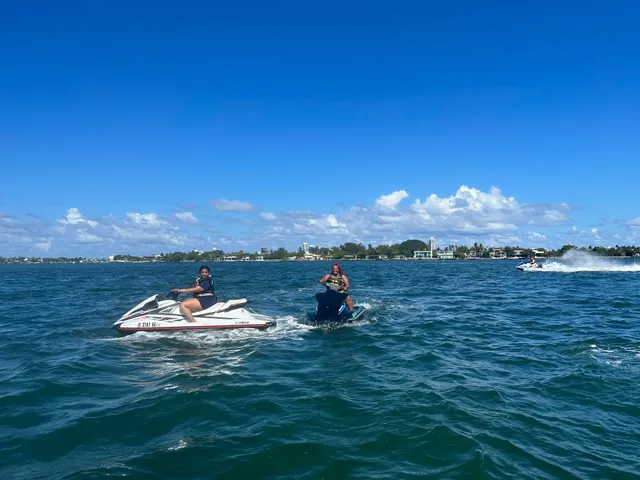
Jetski’s World Miami
4.9
(150)
Closed
Click for details
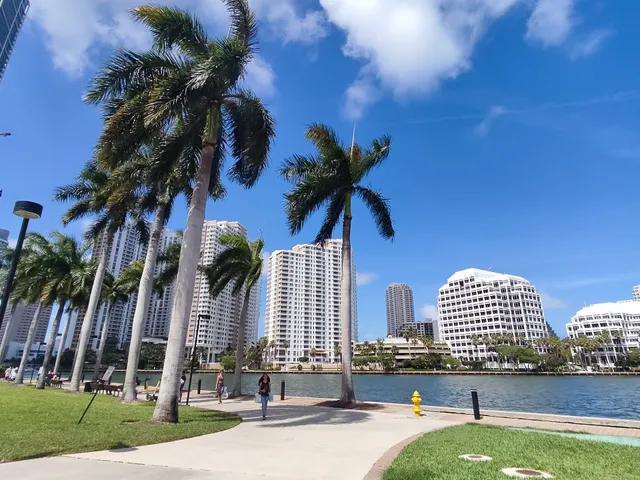
Mary Brickell Park
4.7
(84)
Closed
Click for details
Nearby restaurants of Miami Circle National Historic Landmark
Cantina La Veinte
Zuma Miami
Cipriani Downtown Miami
Gordon Ramsay Hell's Kitchen - Miami
Area 31
The Capital Grille
Baby Jane Cocktail House & Noodle Bar
Novikov Miami
The Cocinita
Boulud Sud Miami
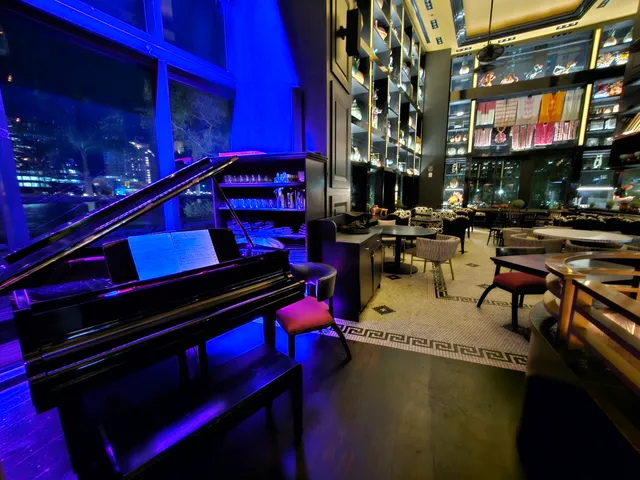
Cantina La Veinte
4.4
(2.2K)
$$$
Closed
Click for details
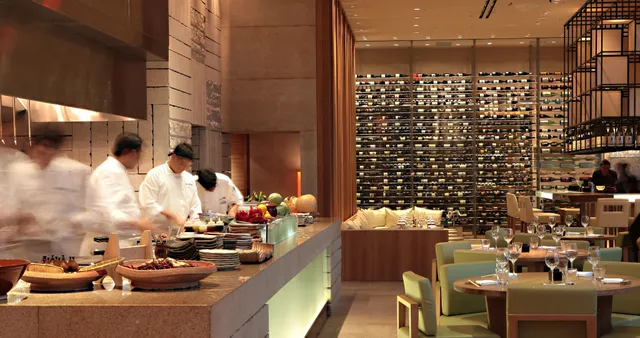
Zuma Miami
4.4
(1.2K)
$$$$
Closed
Click for details
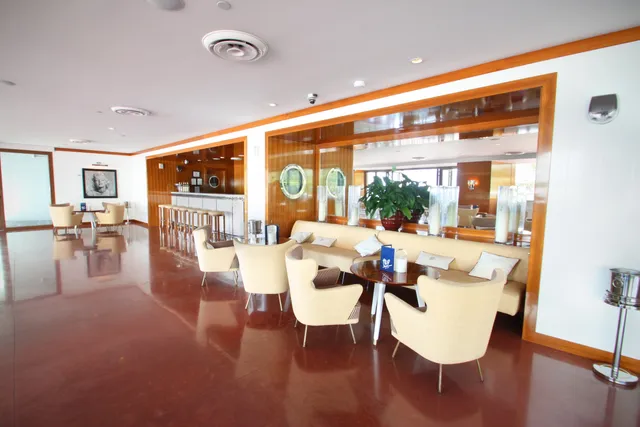
Cipriani Downtown Miami
4.2
(659)
$$$$
Closed
Click for details
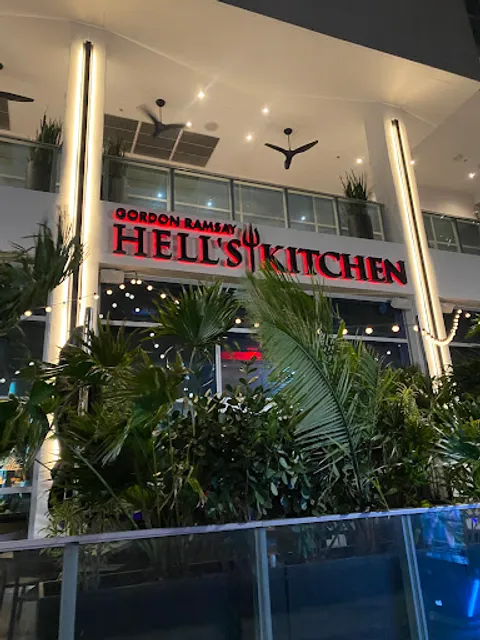
Gordon Ramsay Hell's Kitchen - Miami
4.3
(1.1K)
$$$$
Closed
Click for details
Nearby local services of Miami Circle National Historic Landmark
485 Brickell Ave
MIAMI BOAT PARTY
Silverspot Cinema - Downtown Miami
Epic Miami Residences
Eco Beauty Med Spa - Miami
Met 1 Condominium
IMD Miami
Icon Brickell Spa
Brickell City Centre
31 SE 5th St
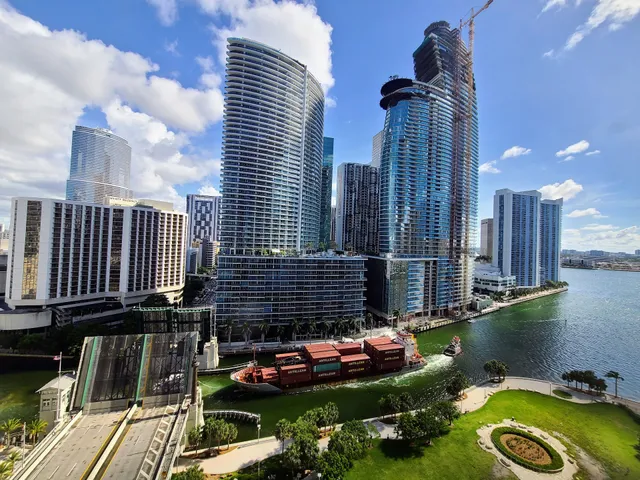
485 Brickell Ave
4.4
(2.3K)
Click for details
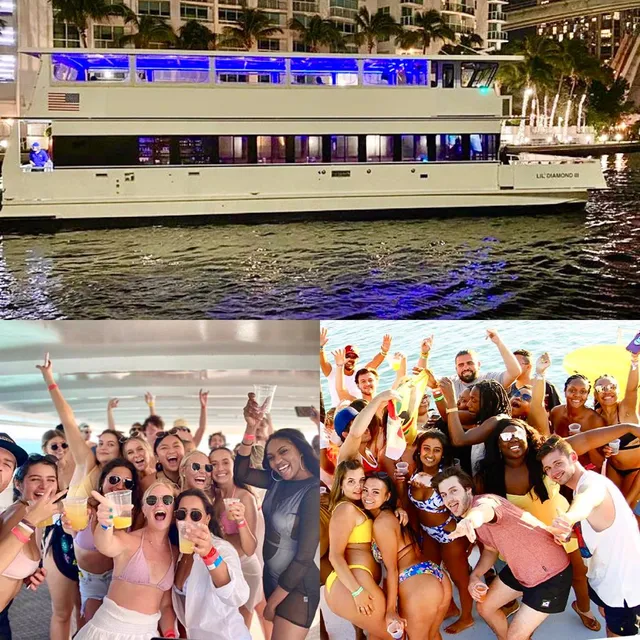
MIAMI BOAT PARTY
4.9
(413)
Click for details
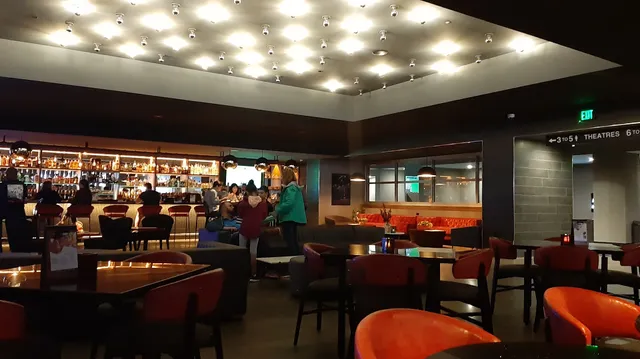
Silverspot Cinema - Downtown Miami
4.3
(1.2K)
Click for details
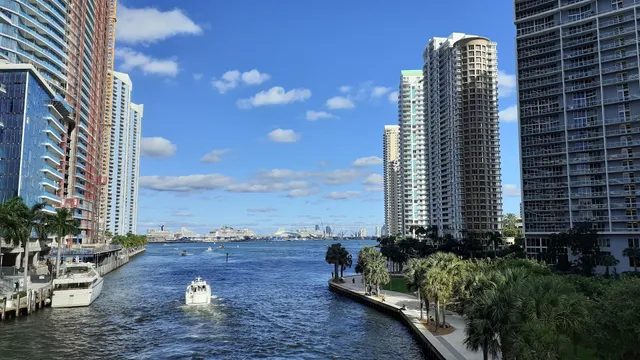
Epic Miami Residences
4.6
(213)
Click for details


The hit list

Plan your trip with Wanderboat
Welcome to Wanderboat AI, your AI search for local Eats and Fun, designed to help you explore your city and the world with ease.
Powered by Wanderboat AI trip planner.