Transamerica Pyramid things to do, attractions, restaurants, events info and trip planning
Basic Info
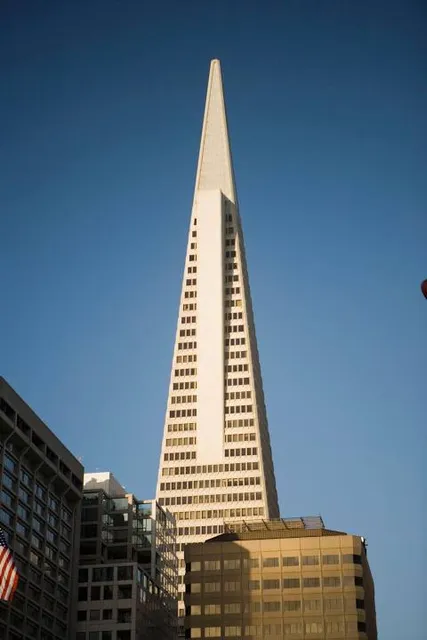
Transamerica Pyramid
600 Montgomery St, San Francisco, CA 94111
4.5(683)
Closed
Save
spot
spot
Ratings & Description
Info
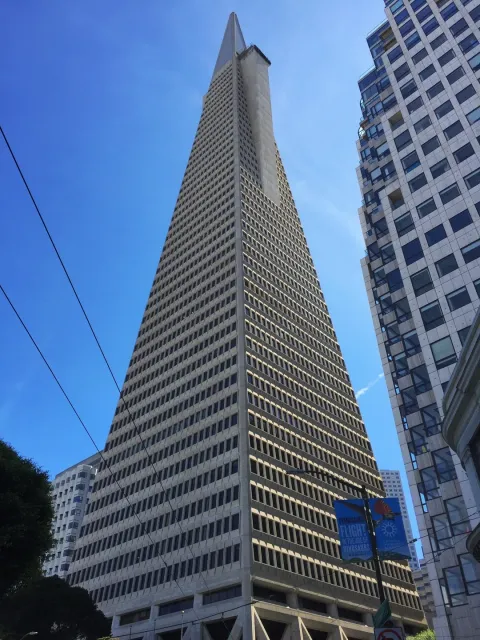
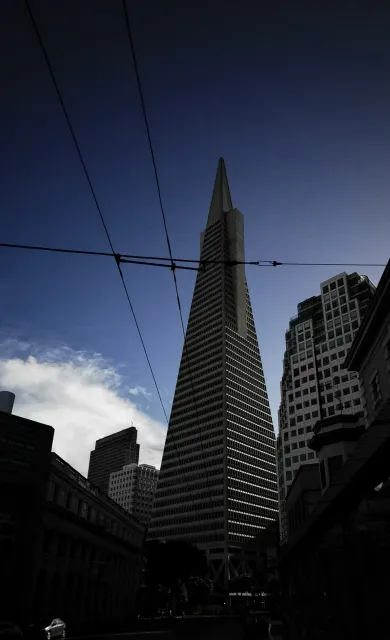
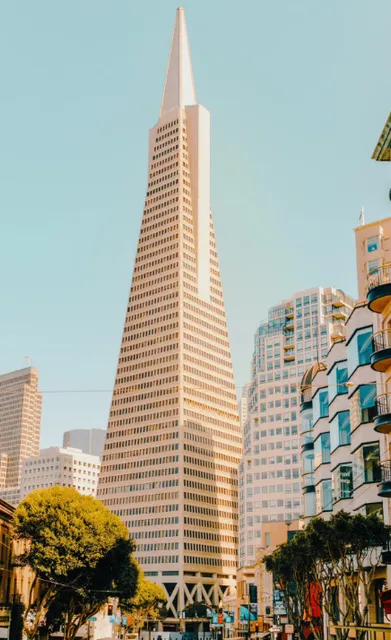
The Transamerica Pyramid is a 48-story modernist skyscraper in San Francisco, California, United States, and the second tallest building in the San Francisco skyline.
Cultural
Scenic
Accessibility
attractions: Transamerica Redwood Park, ICA SF, Church of Scientology of San Francisco, Foster Gwin Gallery, Portsmouth Square Park, Sentinel Building, Golden Gate Fortune Cookie Factory, Canessa Gallery, 343 Sansome Rooftop Deck, Great Star Theater, restaurants: Kapari Restaurant, KUSAKABE, Maison Nico, Barbarossa Lounge, Hinodeya Ramen & Bar 680 Clay Downtown, R & G Lounge, Roka Akor - San Francisco, Verjus, Irish Times, Amador Club, local businesses: 533 Jackson St, Motion Recruitment, Planet Fitness, 408 Merchant St, Filson, Joe Hamer Salon San Francisco, Luxe Nails, Lost Coast Outfitters, William Stout Architectural Books, Grace Loves Lace - San Francisco Bridal Boutique
 Learn more insights from Wanderboat AI.
Website
transamericapyramidcenter.com
Open hoursSee all hours
Fri8 AM - 5 PMClosed
Plan your stay

Pet-friendly Hotels in San Francisco
Find a cozy hotel nearby and make it a full experience.

Affordable Hotels in San Francisco
Find a cozy hotel nearby and make it a full experience.

The Coolest Hotels You Haven't Heard Of (Yet)
Find a cozy hotel nearby and make it a full experience.

Trending Stays Worth the Hype in San Francisco
Find a cozy hotel nearby and make it a full experience.
Reviews
Live events
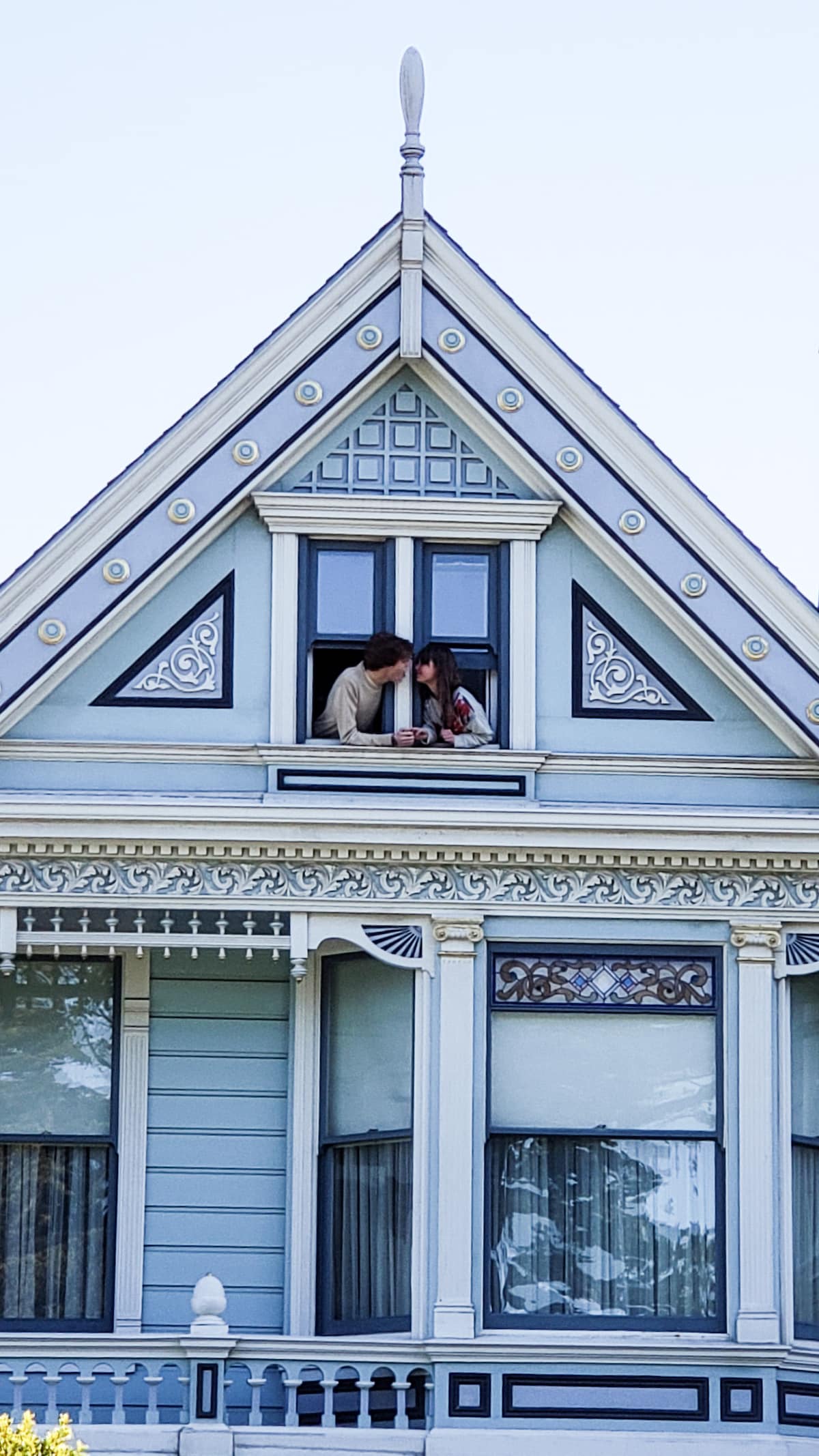
Explore an Iconic Painted Lady
Sat, Feb 21 • 4:00 PM
San Francisco, California, 94117
View details
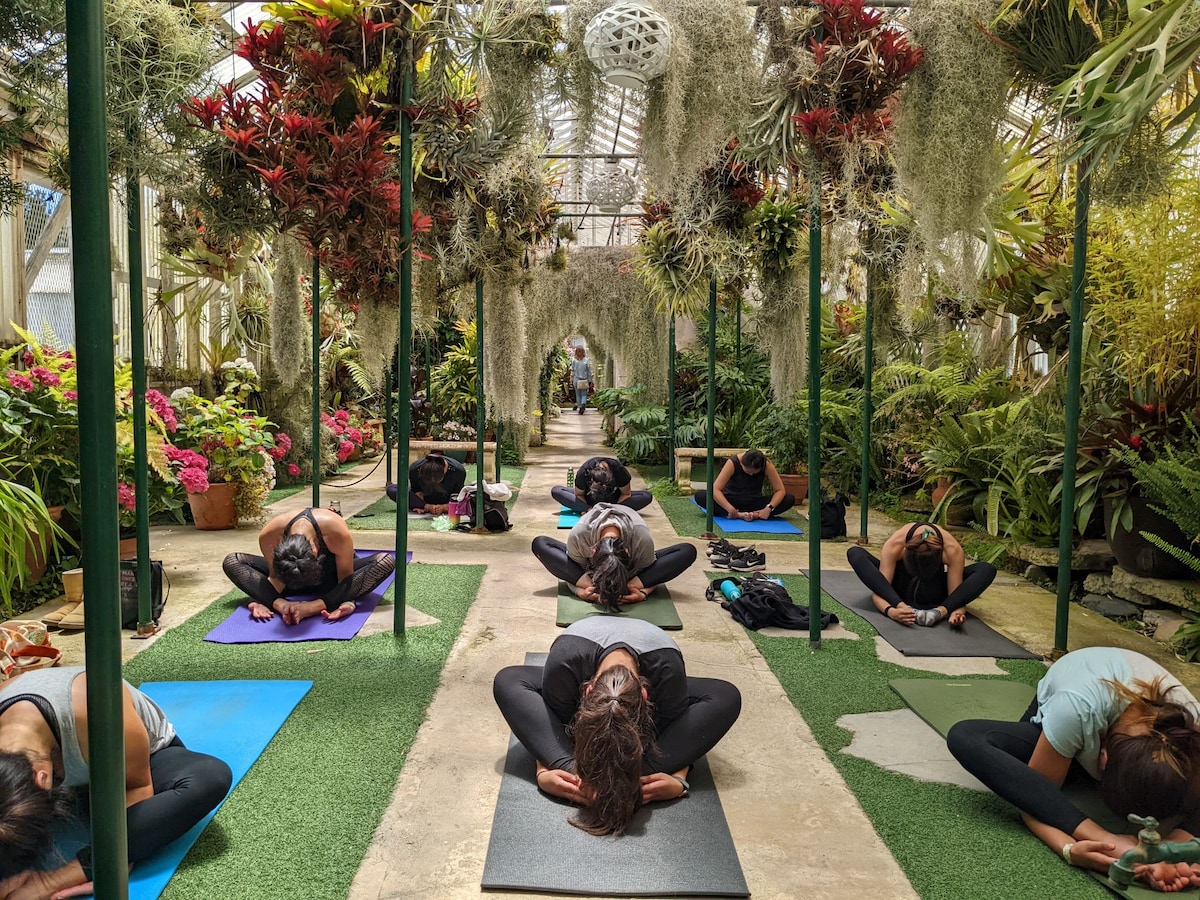
Yoga and meditation in an Exotic Orchid Garden
Sun, Feb 22 • 10:30 AM
Pacifica, California, 94044
View details

HOMECOMING
Fri, Feb 20 • 5:00 PM
2340 Harrison Street Oakland, CA 94612
View details
Nearby attractions of Transamerica Pyramid
Transamerica Redwood Park
ICA SF
Church of Scientology of San Francisco
Foster Gwin Gallery
Portsmouth Square Park
Sentinel Building
Golden Gate Fortune Cookie Factory
Canessa Gallery
343 Sansome Rooftop Deck
Great Star Theater
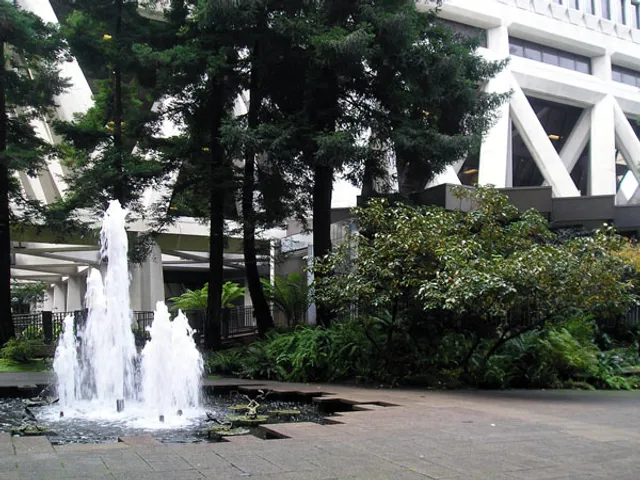
Transamerica Redwood Park
4.6
(163)
Closed
Click for details
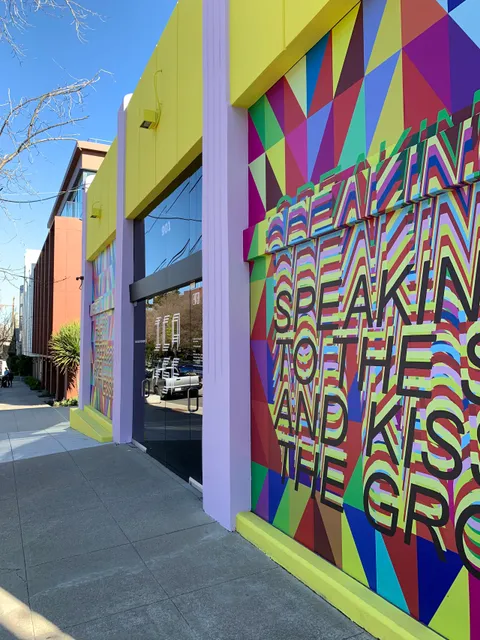
ICA SF
4.8
(55)
Closed
Click for details
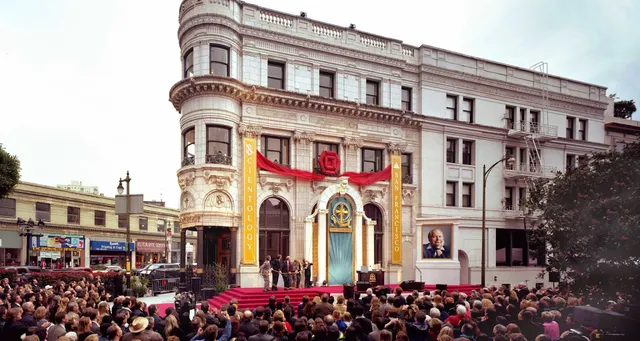
Church of Scientology of San Francisco
3.9
(89)
Closed
Click for details
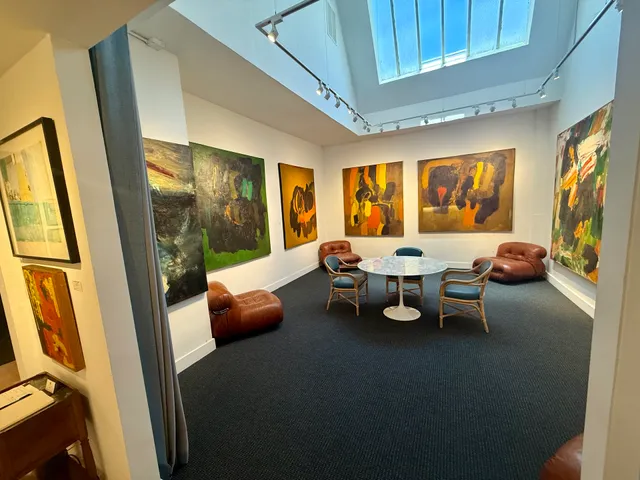
Foster Gwin Gallery
3.0
(55)
Closed
Click for details
Nearby restaurants of Transamerica Pyramid
Kapari Restaurant
KUSAKABE
Maison Nico
Barbarossa Lounge
Hinodeya Ramen & Bar 680 Clay Downtown
R & G Lounge
Roka Akor - San Francisco
Verjus
Irish Times
Amador Club

Kapari Restaurant
5.0
(9)
Closed
Click for details
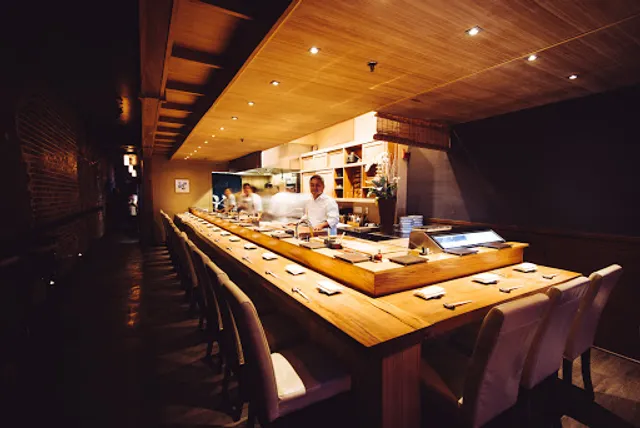
KUSAKABE
4.7
(397)
$$$$
Closed
Click for details
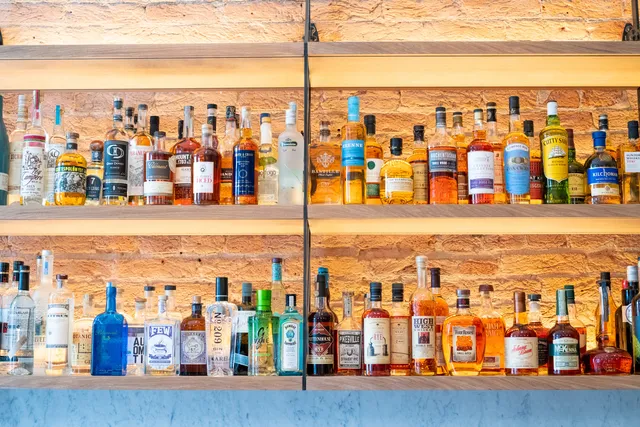
Maison Nico
4.5
(333)
$
Closed
Click for details
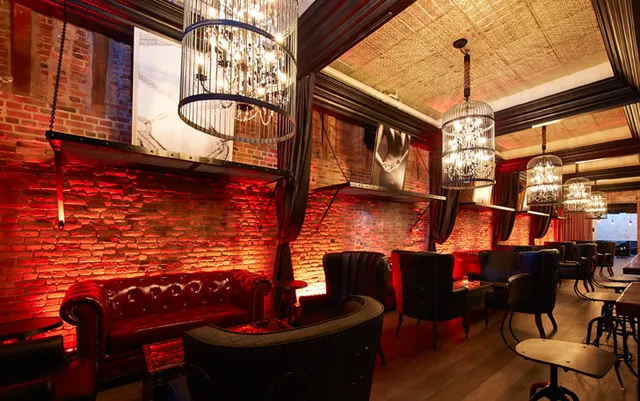
Barbarossa Lounge
4.0
(422)
$$
Open until 2:00 AM
Click for details
Nearby local services of Transamerica Pyramid
533 Jackson St
Motion Recruitment
Planet Fitness
408 Merchant St
Filson
Joe Hamer Salon San Francisco
Luxe Nails
Lost Coast Outfitters
William Stout Architectural Books
Grace Loves Lace - San Francisco Bridal Boutique
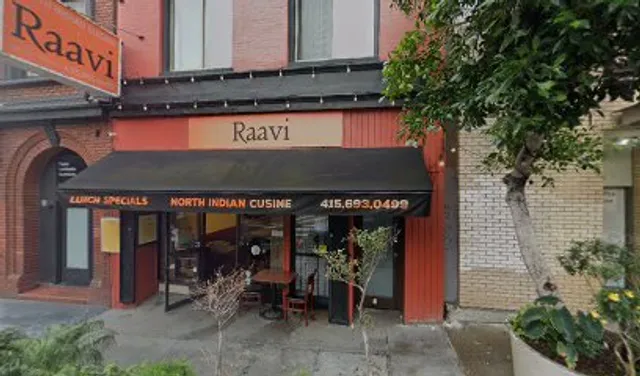
533 Jackson St
4.0
(497)
Click for details
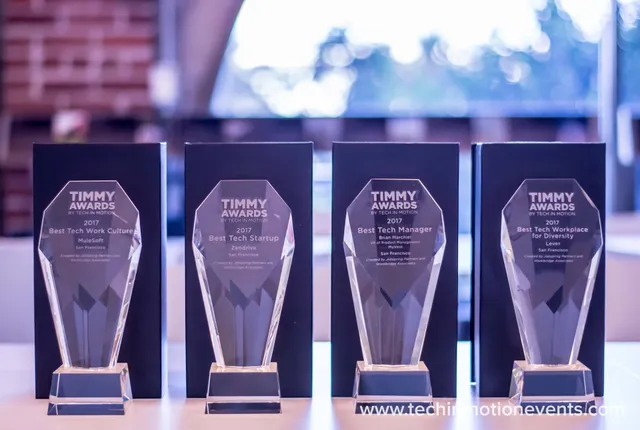
Motion Recruitment
4.6
(66)
Click for details
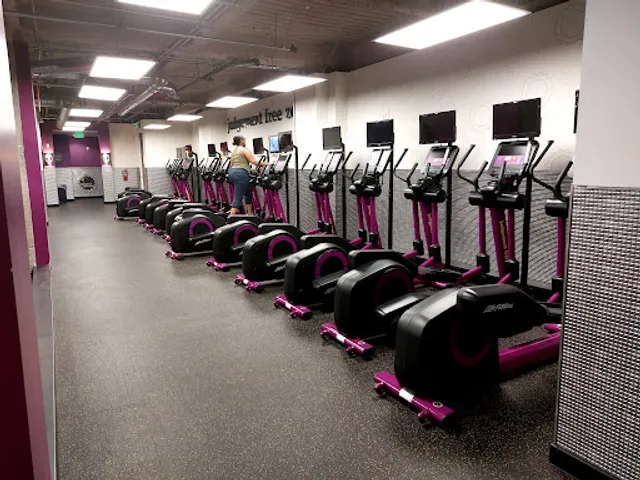
Planet Fitness
3.6
(368)
Click for details
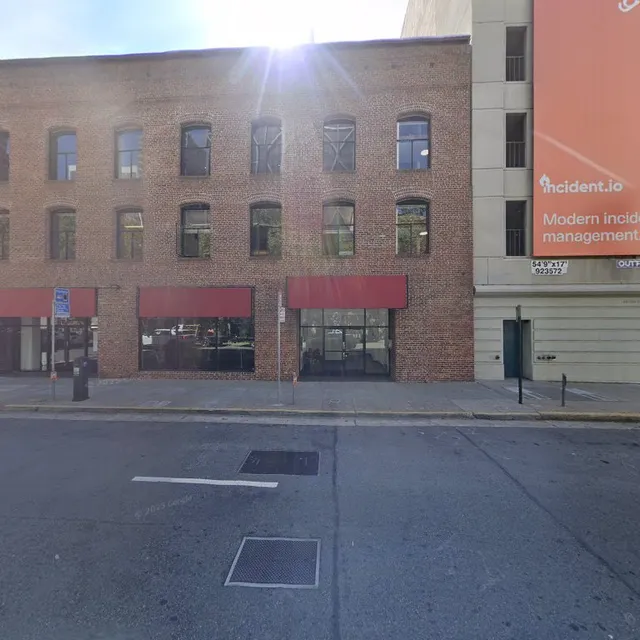
408 Merchant St
4.5
(233)
Click for details


The hit list
Plan your trip with Wanderboat
Welcome to Wanderboat AI, your AI search for local Eats and Fun, designed to help you explore your city and the world with ease.
Powered by Wanderboat AI trip planner.