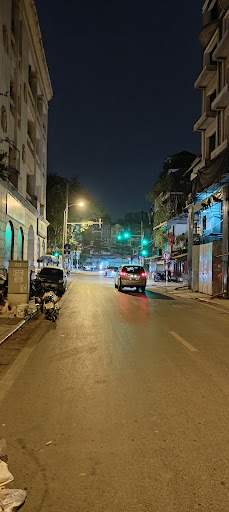
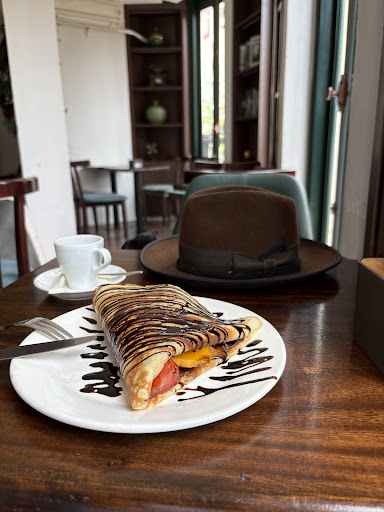
Hanoi Old Quarter things to do, attractions, restaurants, events info and trip planning
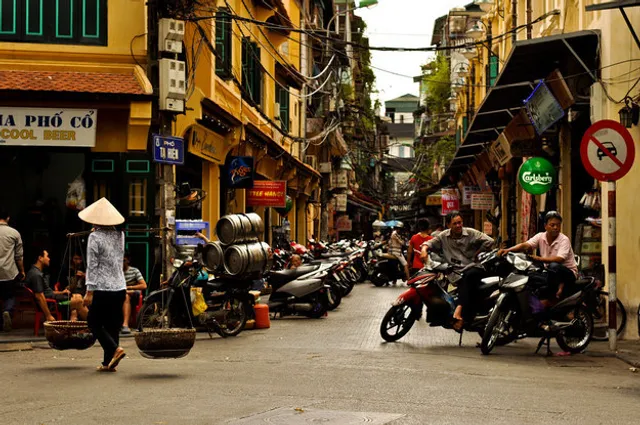
Basic Info
Hanoi Old Quarter
P. Hàng Ngang, Hàng Đào, Hoàn Kiếm, Hà Nội 100000, Vietnam
4.6(1.7K)
Closed
Save
spot
spot
Ratings & Description
Info
Cultural
Entertainment
Scenic
Family friendly
Off the beaten path
attractions: Old Quarter Ta Hien Corner, Dong Kinh Nghia Thuc Square, The Memorial House of Ho Chi Minh, Bach Ma Temple, BONG HAGIANG LOOP TOUR, Thang Long Water Puppet Theatre, Ngoc Son Temple, Green Palm Gallery, Heritage House, Chùa Cầu Đông, restaurants: MẸT Vietnamese restaurant & Vegetarian Food 3, MẸT Vietnamese Restaurant & Vegetarian Met 2, Cái Mâm Bistro - Vietnamese Cuisine & Vegetarian, CỌ Restaurant Vietnamese Cuisine & Vegetarian Food, Hoang's Restaurant - Vietnamese Restaurant & Vegan Food, Bami Bread, Gánh Hà Nội, MẸT Vietnamese restaurant & Vegetarian Met 4, Bancông Cafe & Restaurant, Vietnamese Lantern Restaurant, local businesses: Hanoi Old Quarter, Kadupul Spa – Eyelash & Massage Hanoi Old Quarter, L'essence Spa, Sen Vang Spa Massage - Nourishing Shampoo-Nails, Pure Bliss Spa, Nap Spa Massage - Nourishing Shampoo-Nails, Rice Spa, Serene Spa Hanoi, 三十六古街, Mon Spa and Nail
 Learn more insights from Wanderboat AI.
Open hoursSee all hours
SatClosed
Plan your stay

Pet-friendly Hotels in Hà Nội
Find a cozy hotel nearby and make it a full experience.

Affordable Hotels in Hà Nội
Find a cozy hotel nearby and make it a full experience.

The Coolest Hotels You Haven't Heard Of (Yet)
Find a cozy hotel nearby and make it a full experience.

Trending Stays Worth the Hype in Hà Nội
Find a cozy hotel nearby and make it a full experience.
Reviews
Live events
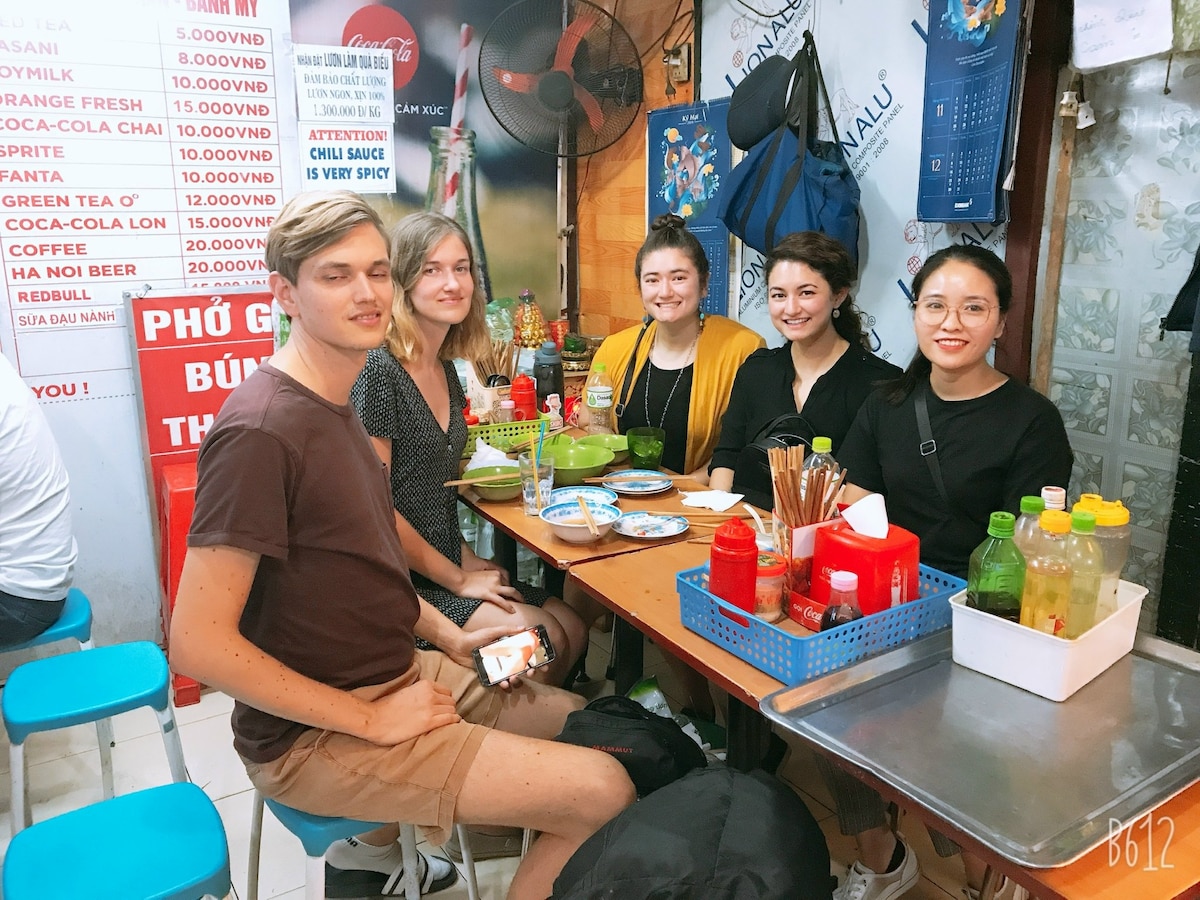
Taste Vietnamese street cuisine with a local
Sat, Jan 31 • 11:00 AM
Hoàn Kiếm, Hanoi, 11400, Vietnam
View details

Ninh Binh Small Group 15–17 pax Full-Day Limousine
Sat, Jan 31 • 7:15 AM
Hoàn Kiếm, Hà Nội, 100000, Vietnam
View details
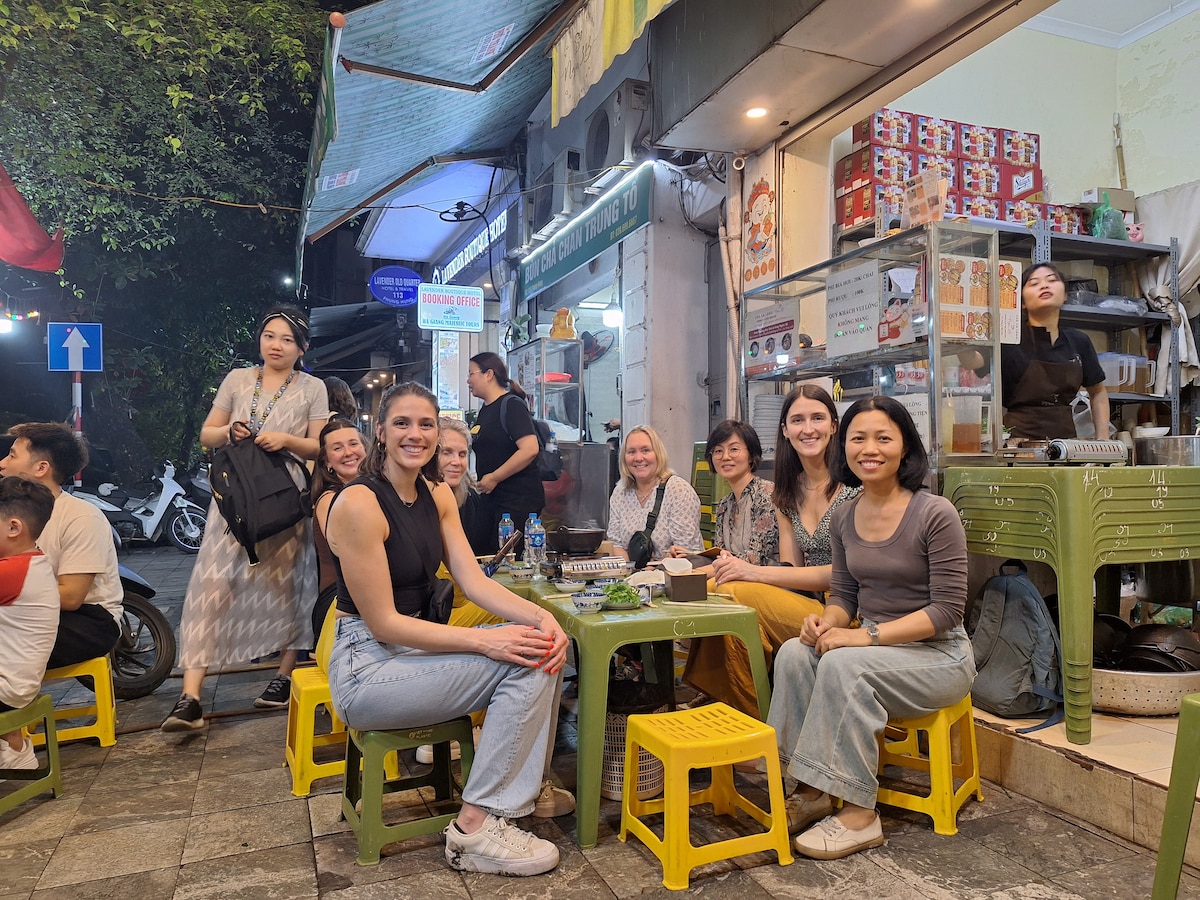
Authentic taste of Hanoi -Tour with a local foodie
Sat, Jan 31 • 11:00 AM
Hoàn Kiếm, Hanoi, 100000, Vietnam
View details
Nearby attractions of Hanoi Old Quarter
Old Quarter Ta Hien Corner
Dong Kinh Nghia Thuc Square
The Memorial House of Ho Chi Minh
Bach Ma Temple
BONG HAGIANG LOOP TOUR
Thang Long Water Puppet Theatre
Ngoc Son Temple
Green Palm Gallery
Heritage House
Chùa Cầu Đông
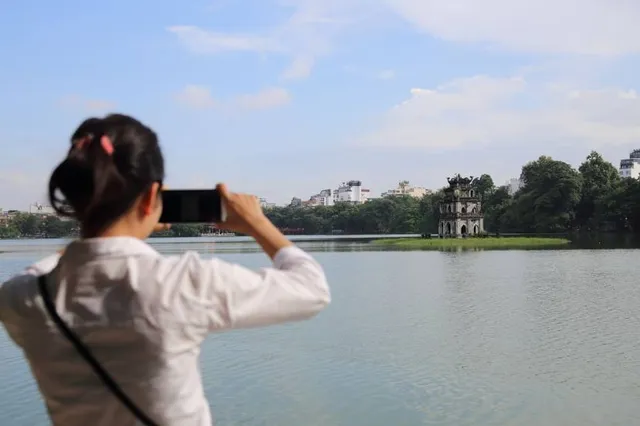
Old Quarter Ta Hien Corner
4.3
(4K)
Closed
Click for details
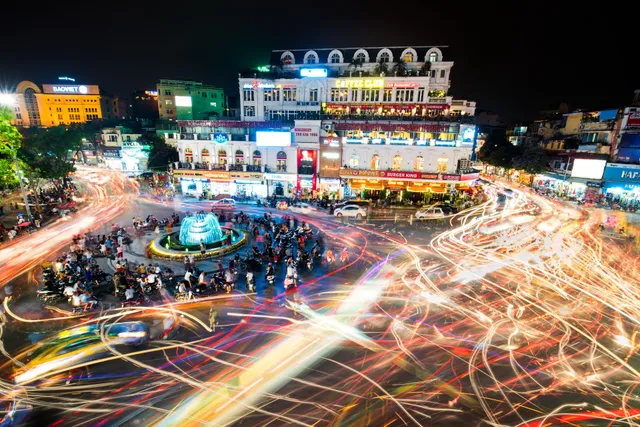
Dong Kinh Nghia Thuc Square
4.5
(3.5K)
Open until 12:00 AM
Click for details
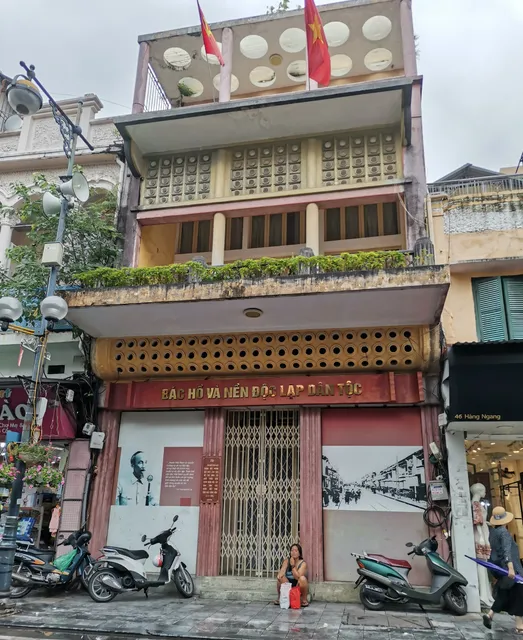
The Memorial House of Ho Chi Minh
4.3
(114)
Closed
Click for details
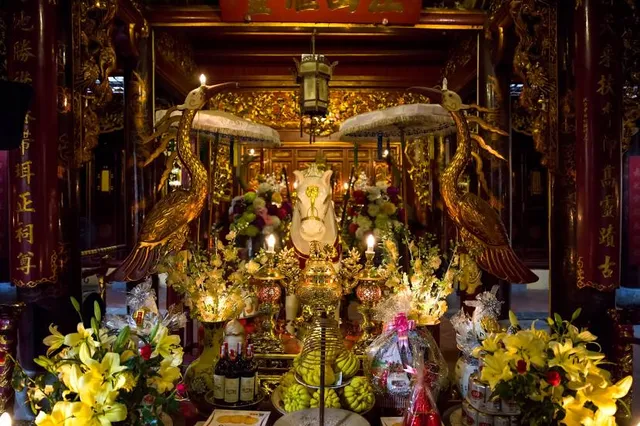
Bach Ma Temple
4.5
(674)
Open until 5:30 PM
Click for details
Nearby restaurants of Hanoi Old Quarter
MẸT Vietnamese restaurant & Vegetarian Food 3
MẸT Vietnamese Restaurant & Vegetarian Met 2
Cái Mâm Bistro - Vietnamese Cuisine & Vegetarian
CỌ Restaurant Vietnamese Cuisine & Vegetarian Food
Hoang's Restaurant - Vietnamese Restaurant & Vegan Food
Bami Bread
Gánh Hà Nội
MẸT Vietnamese restaurant & Vegetarian Met 4
Bancông Cafe & Restaurant
Vietnamese Lantern Restaurant
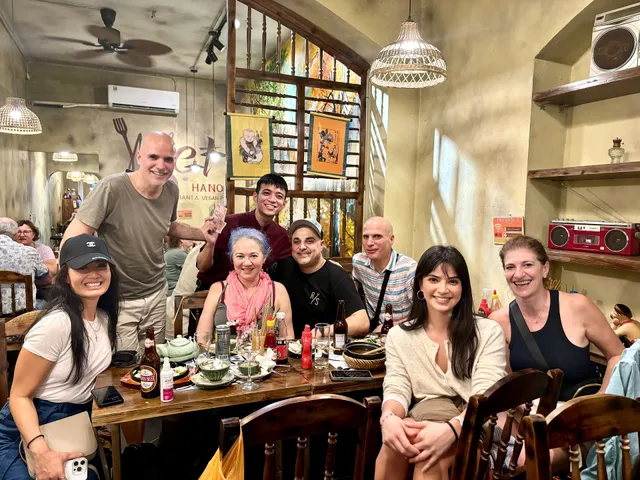
MẸT Vietnamese restaurant & Vegetarian Food 3
4.9
(8.7K)
Open until 10:30 PM
Click for details
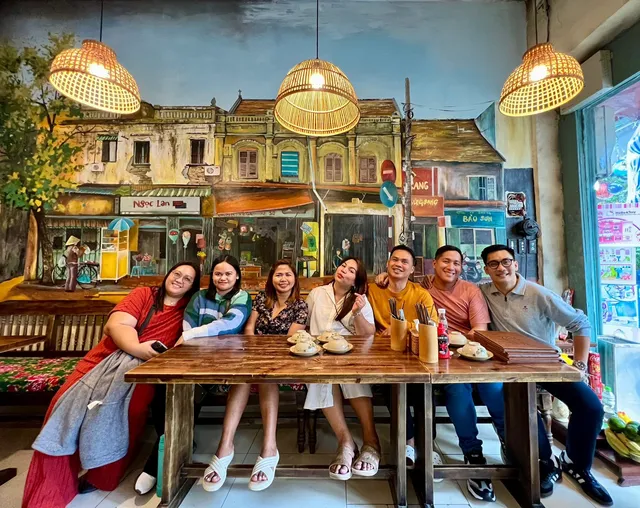
MẸT Vietnamese Restaurant & Vegetarian Met 2
4.9
(9.1K)
Open until 10:30 PM
Click for details
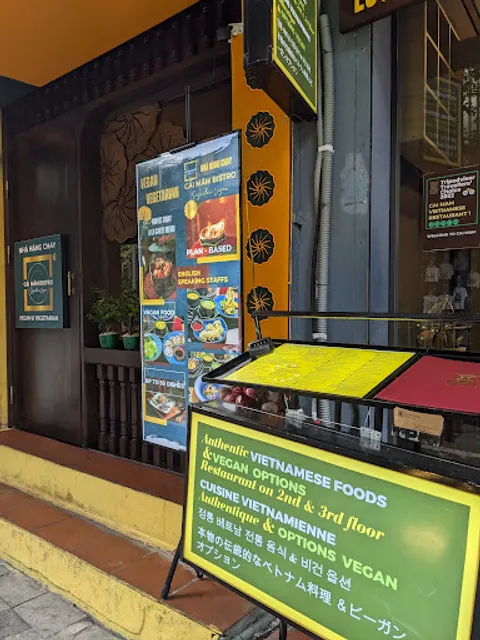
Cái Mâm Bistro - Vietnamese Cuisine & Vegetarian
4.9
(1.9K)
Open until 10:30 PM
Click for details
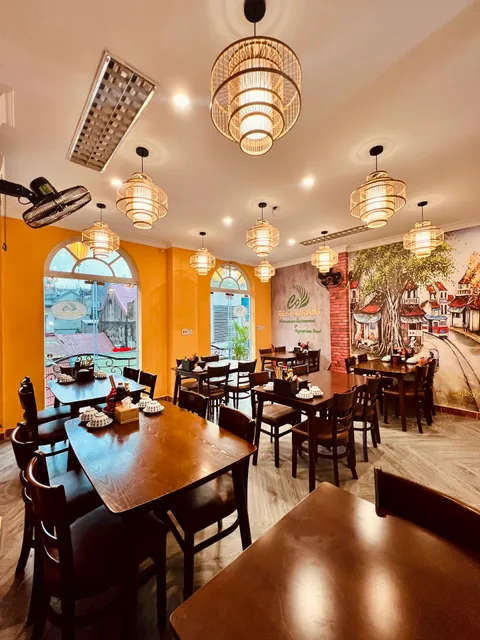
CỌ Restaurant Vietnamese Cuisine & Vegetarian Food
4.9
(2.6K)
Open until 11:00 PM
Click for details
Nearby local services of Hanoi Old Quarter
Hanoi Old Quarter
Kadupul Spa – Eyelash & Massage Hanoi Old Quarter
L'essence Spa
Sen Vang Spa Massage - Nourishing Shampoo-Nails
Pure Bliss Spa
Nap Spa Massage - Nourishing Shampoo-Nails
Rice Spa
Serene Spa Hanoi
三十六古街
Mon Spa and Nail
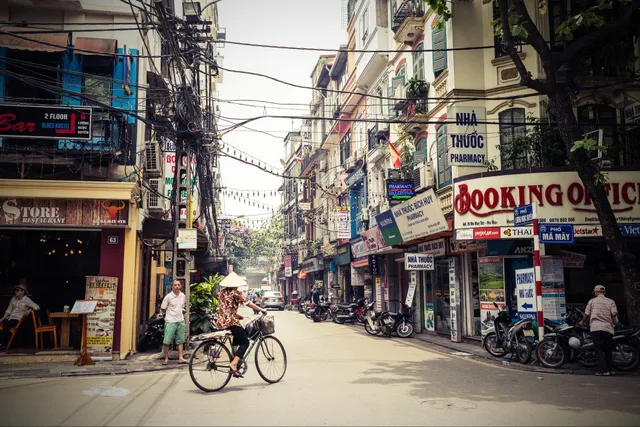
Hanoi Old Quarter
4.5
(2K)
Click for details
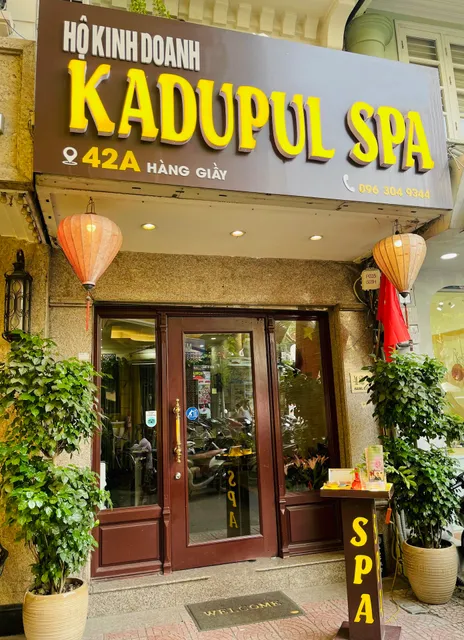
Kadupul Spa – Eyelash & Massage Hanoi Old Quarter
4.9
(1.1K)
Click for details
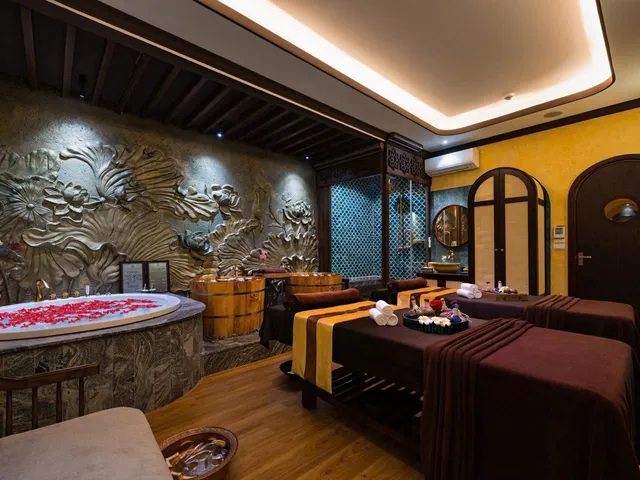
L'essence Spa
5.0
(2.3K)
Click for details
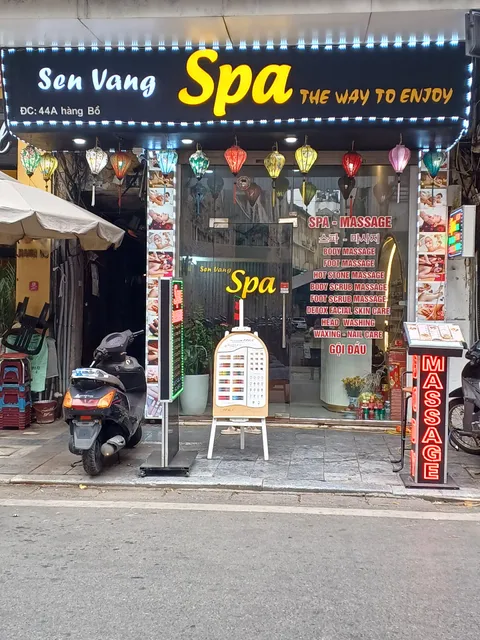
Sen Vang Spa Massage - Nourishing Shampoo-Nails
4.9
(684)
Click for details