Lake Merritt things to do, attractions, restaurants, events info and trip planning
Basic Info
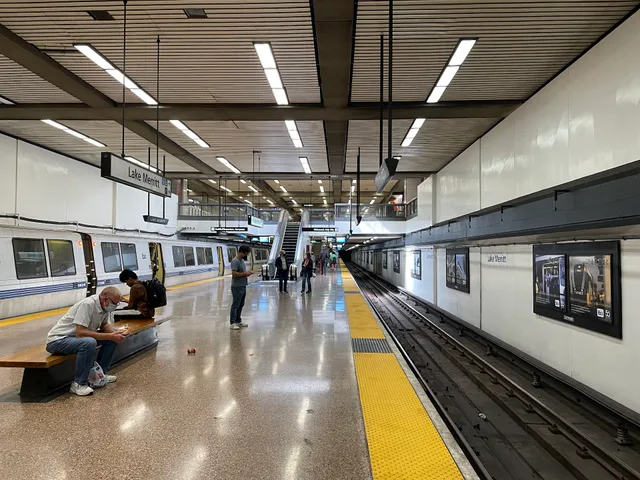
Lake Merritt
800 Oak St, Oakland, CA 94607, United States
4.2(14)
Save
spot
spot
Ratings & Description
Info
Outdoor
Relaxation
Scenic
Family friendly
Pet friendly
attractions: Wilma Chan Park (formerly Madison Square Park), Lake Merritt Amphitheater, Laney Art Gallery | June Steingart Art Gallery, B4bel4b Gallery, Lincoln Square Park, Oakland Public Library, Shoong Family Chinese Cultural Center, Chinese Garden Park, Camron-Stanford House, Brooklyn West Winery, restaurants: Hometown Food & Grocery, Lane-E Kefa Coffee, Town Fare by Chef Michele McQueen, Mad Oak Bar ‘N’ Yard, Eden Plaza Cafe, Odin, Home of Chicken & Waffles, Xingones at Fort Green, Alice Street Bakery Café, NANA VIET KITCHEN, local businesses: Laney College, Bubble Planet: An Immersive Experience - Oakland, Emperor Supply Inc, Laney College Flea Market, Laney College Cafeteria, Fo Guang Shan Oakland Buddha's Light Temple, Won Kee Supermarket Inc, Y Y Computer, K2 Salon & Spa, Henry J. Kaiser Center for the Arts
 Learn more insights from Wanderboat AI.
Website
bart.gov
Plan your stay

Pet-friendly Hotels in Oakland
Find a cozy hotel nearby and make it a full experience.

Affordable Hotels in Oakland
Find a cozy hotel nearby and make it a full experience.

The Coolest Hotels You Haven't Heard Of (Yet)
Find a cozy hotel nearby and make it a full experience.

Trending Stays Worth the Hype in Oakland
Find a cozy hotel nearby and make it a full experience.
Reviews
Live events

AURA: An Immersive Odyssey of Breathtaking Proportions
Sun, Feb 15 • 8:00 PM
1100 California St, San Francisco, CA, 94108
View details
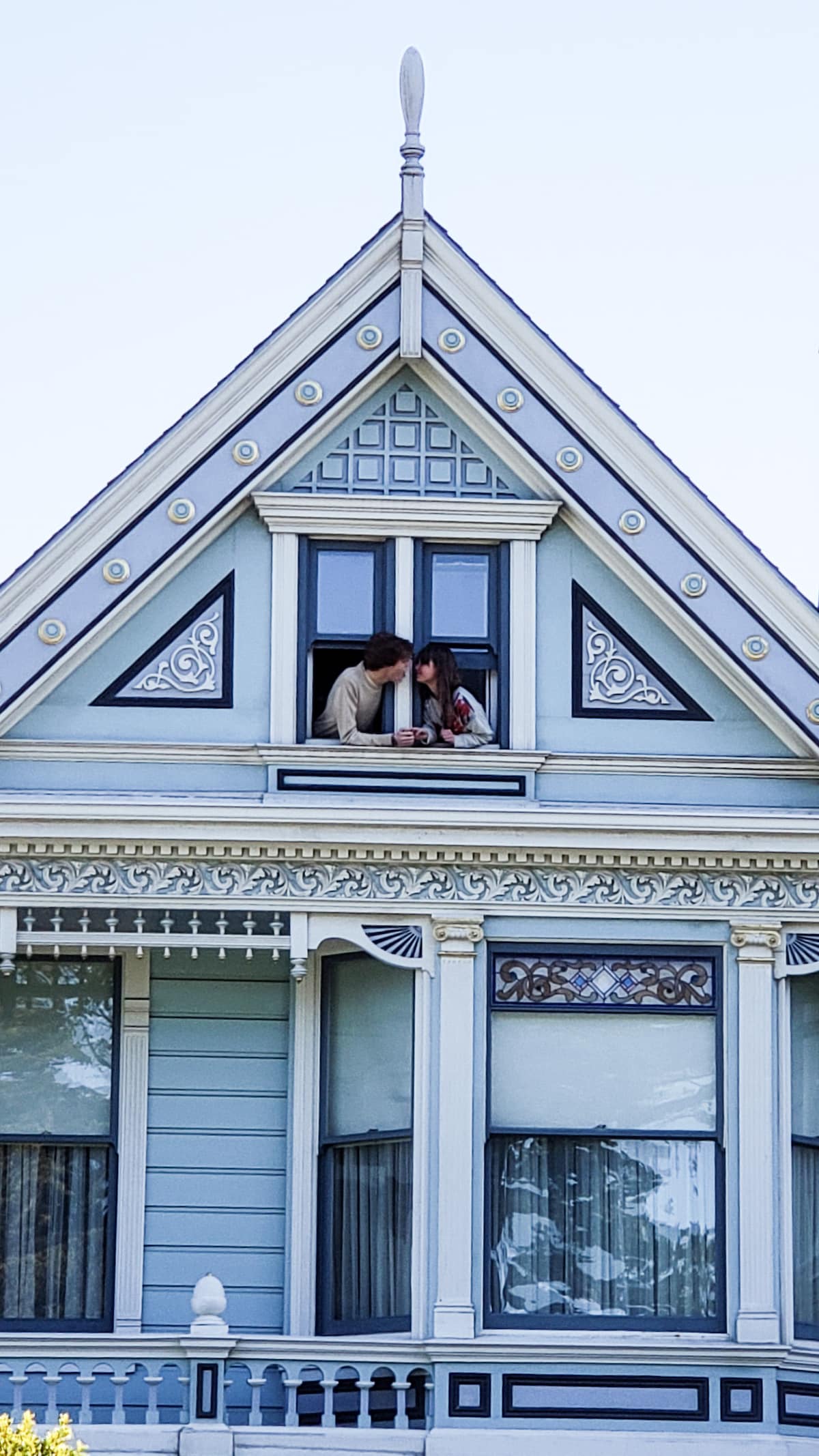
Explore an Iconic Painted Lady
Mon, Feb 16 • 4:00 PM
San Francisco, California, 94117
View details

YOGA and SOUND BATH EXPERIENCE at FABLETICS Corte Madera!
Sun, Feb 15 • 9:00 AM
1812 Redwood Highway Corte Madera, CA 94925
View details
Nearby attractions of Lake Merritt
Wilma Chan Park (formerly Madison Square Park)
Lake Merritt Amphitheater
Laney Art Gallery | June Steingart Art Gallery
B4bel4b Gallery
Lincoln Square Park
Oakland Public Library
Shoong Family Chinese Cultural Center
Chinese Garden Park
Camron-Stanford House
Brooklyn West Winery
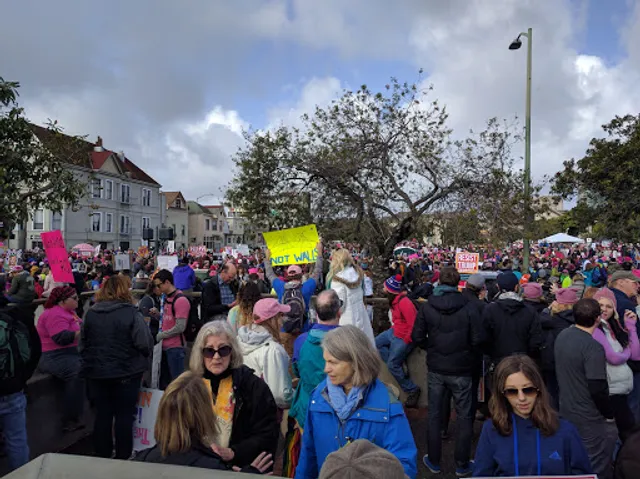
Wilma Chan Park (formerly Madison Square Park)
3.8
(79)
Closed
Click for details
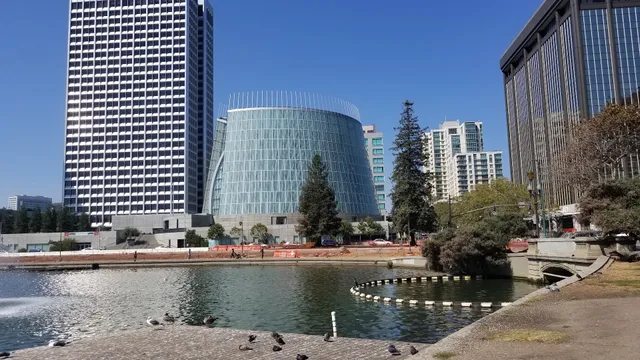
Lake Merritt Amphitheater
4.5
(619)
Open 24 hours
Click for details

Laney Art Gallery | June Steingart Art Gallery
4.7
(14)
Open until 12:00 AM
Click for details
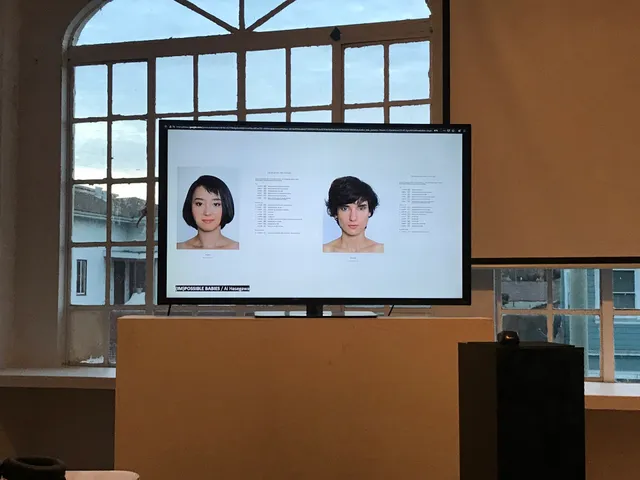
B4bel4b Gallery
4.9
(13)
Open 24 hours
Click for details
Nearby restaurants of Lake Merritt
Hometown Food & Grocery
Lane-E Kefa Coffee
Town Fare by Chef Michele McQueen
Mad Oak Bar ‘N’ Yard
Eden Plaza Cafe
Odin
Home of Chicken & Waffles
Xingones at Fort Green
Alice Street Bakery Café
NANA VIET KITCHEN
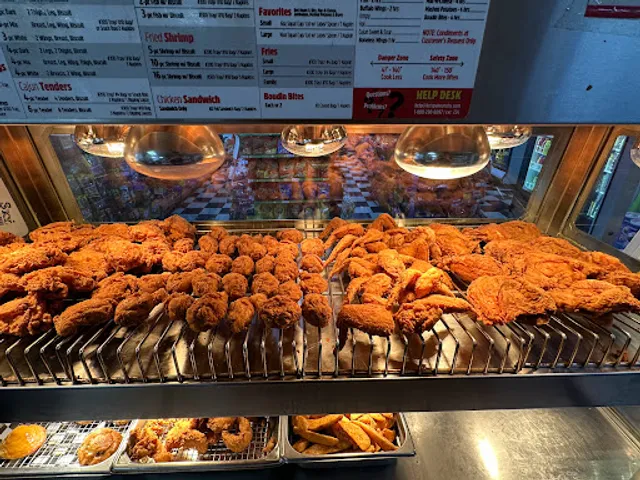
Hometown Food & Grocery
4.2
(82)
$
Closed
Click for details
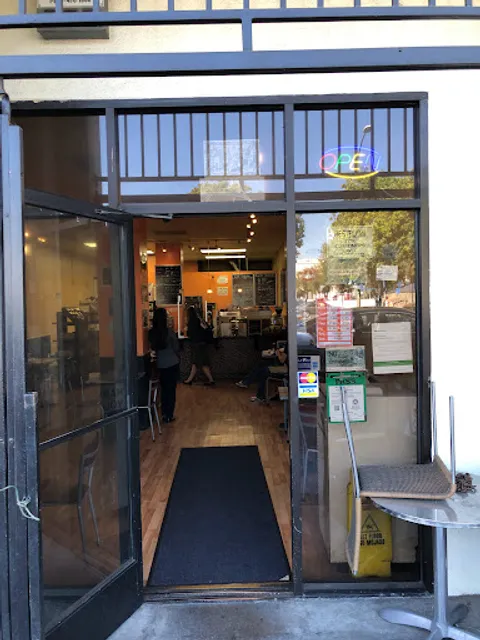
Lane-E Kefa Coffee
4.7
(76)
$
Open until 12:00 AM
Click for details
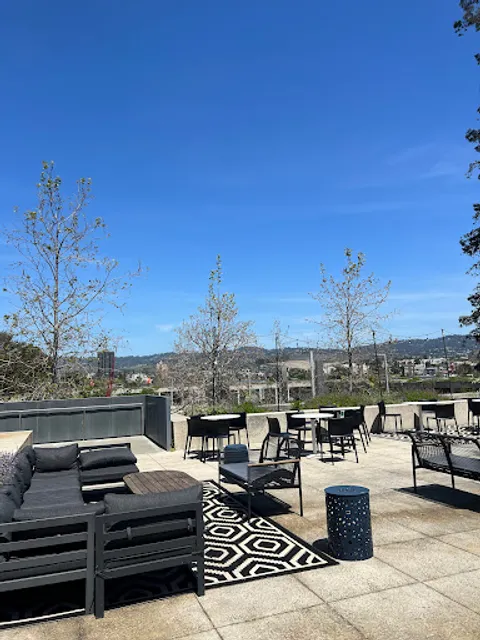
Town Fare by Chef Michele McQueen
4.5
(117)
$$
Closed
Click for details
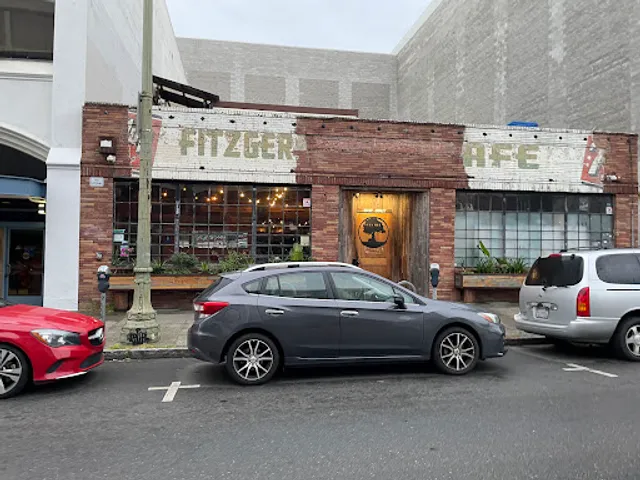
Mad Oak Bar ‘N’ Yard
4.4
(175)
$$
Closed
Click for details
Nearby local services of Lake Merritt
Laney College
Bubble Planet: An Immersive Experience - Oakland
Emperor Supply Inc
Laney College Flea Market
Laney College Cafeteria
Fo Guang Shan Oakland Buddha's Light Temple
Won Kee Supermarket Inc
Y Y Computer
K2 Salon & Spa
Henry J. Kaiser Center for the Arts
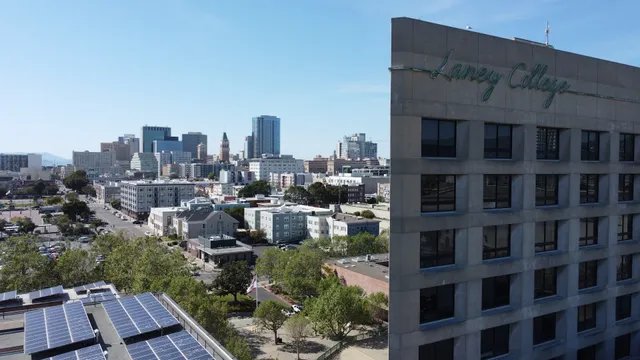
Laney College
4.3
(155)
Click for details
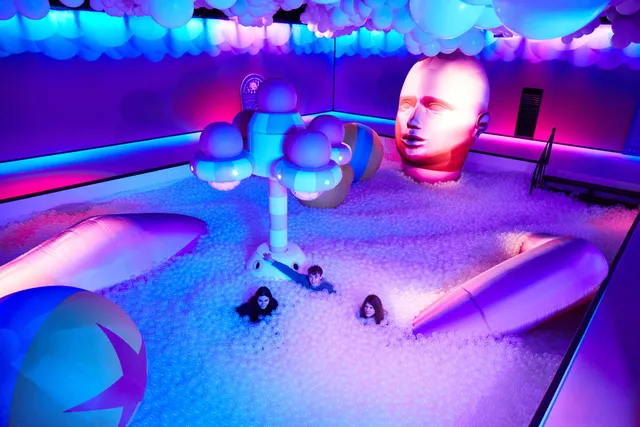
Bubble Planet: An Immersive Experience - Oakland
4.8
(1.7K)
Click for details
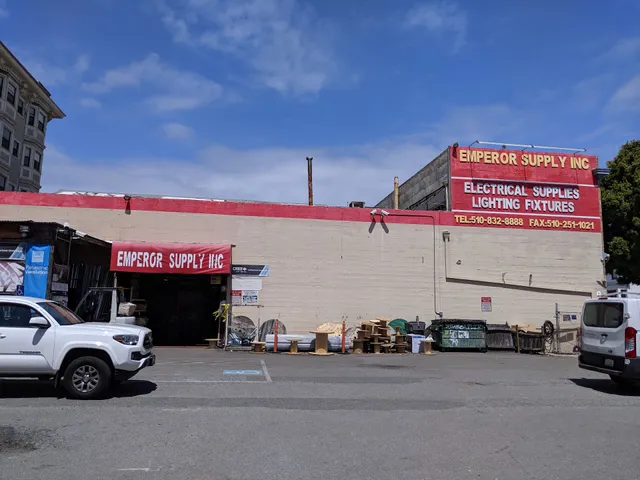
Emperor Supply Inc
4.3
(43)
Click for details
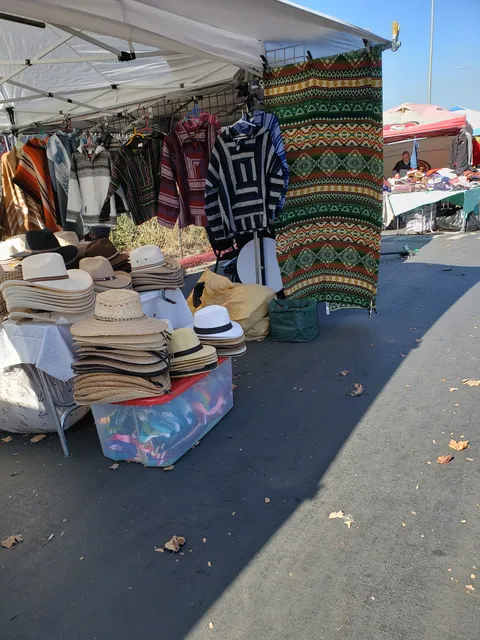
Laney College Flea Market
4.5
(326)
Click for details