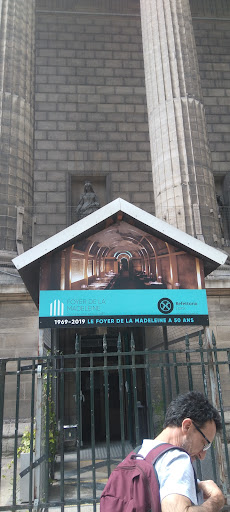
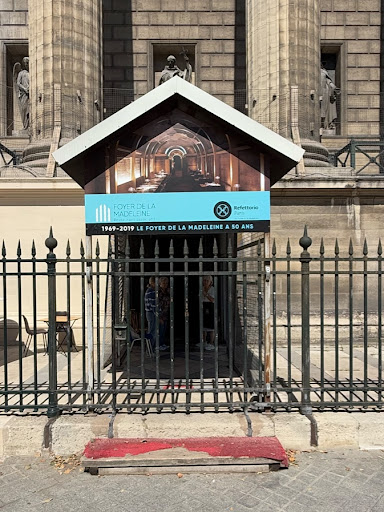
Foyer de la Madeleine things to do, attractions, restaurants, events info and trip planning
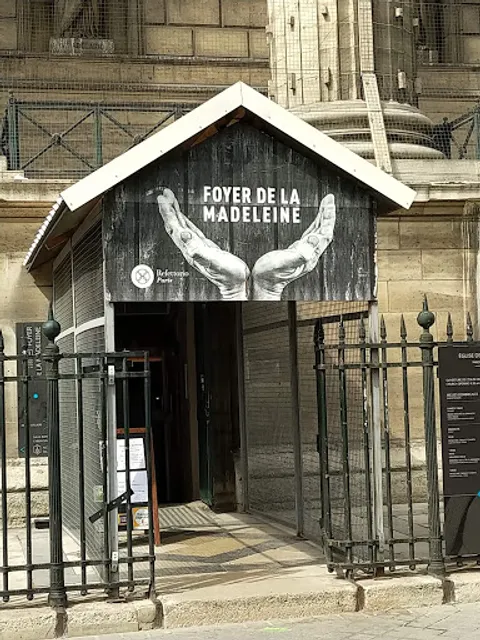
Basic Info
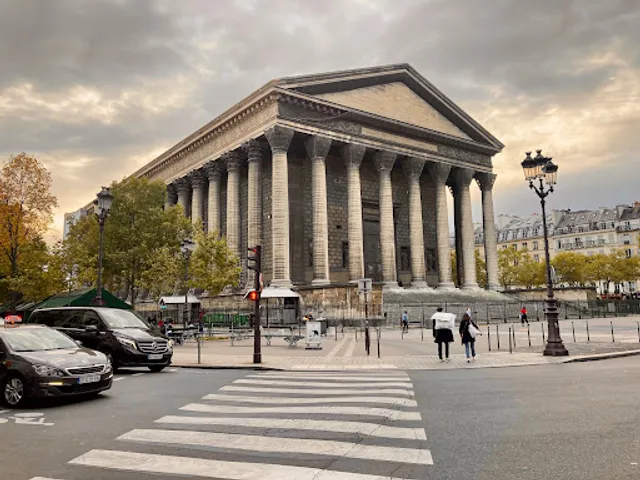
Foyer de la Madeleine
Pl. de la Madeleine, 75008 Paris, France
4.5(213)
Closed
Save
spot
spot
Ratings & Description
Info
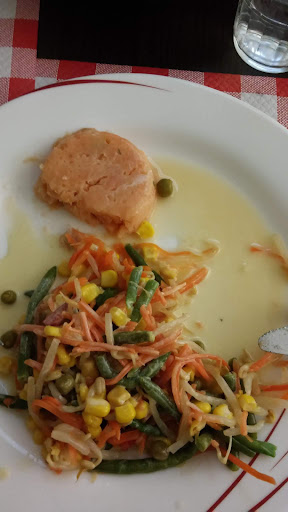
Volunteer-run restaurant serving up homestyle French fare inside the imposing Madeleine Church.
attractions: Church of Sainte Marie-Madeleine, L'Olympia, Hôtel de la Marine, Pavillon Cambon, Théâtre de la Madeleine, Place de la Concorde, Théâtre Edouard VII, Théâtre des Mathurins, Église Notre-Dame de l'Assomption, Palais Garnier, restaurants: Le Paris London, Magdalena, Shinko, Café Madeleine, Pret A Manger Madeleine, Le Grand Café Fauchon, Les Nouilles Dansantes, Maison de la Truffe, Pret A Manger Sèze, Kibo No Ki, local businesses: Decathlon Paris La Madeleine, Samsung, Leroy Merlin La Madeleine - Paris 8, Pl. de la Madeleine, Darty, Hermès Paris 24 FBG, Hermès Paris 24 FBG, Place de la Madeleine, Salomon, Patrick Roger
 Learn more insights from Wanderboat AI.
Website
foyerdelamadeleine.fr
Open hoursSee all hours
Fri11:45 AM - 1:45 PMClosed
Plan your stay

Pet-friendly Hotels in Paris
Find a cozy hotel nearby and make it a full experience.

Affordable Hotels in Paris
Find a cozy hotel nearby and make it a full experience.

The Coolest Hotels You Haven't Heard Of (Yet)
Find a cozy hotel nearby and make it a full experience.

Trending Stays Worth the Hype in Paris
Find a cozy hotel nearby and make it a full experience.
Featured dishes
View full menu
Gougères Au Fromage
Velouté De Châtaignes Et Topinambours
Croûtons beurre ail maison
Saumon À L'oseille
Purée de brocolis, pommes de terre duchesse
Ile Flottante
Caramel, noisettes grillées
Entrée
Reviews
Live events

Learn to bake classic French croissants
Fri, Feb 27 • 1:00 PM
75007, Paris, France
View details

Planète Préhistorique : Dinosaures, L’expérience immersive à l’Atelier des Lumières
Fri, Feb 27 • 2:00 PM
38 Rue Saint-Maur, 75011
View details
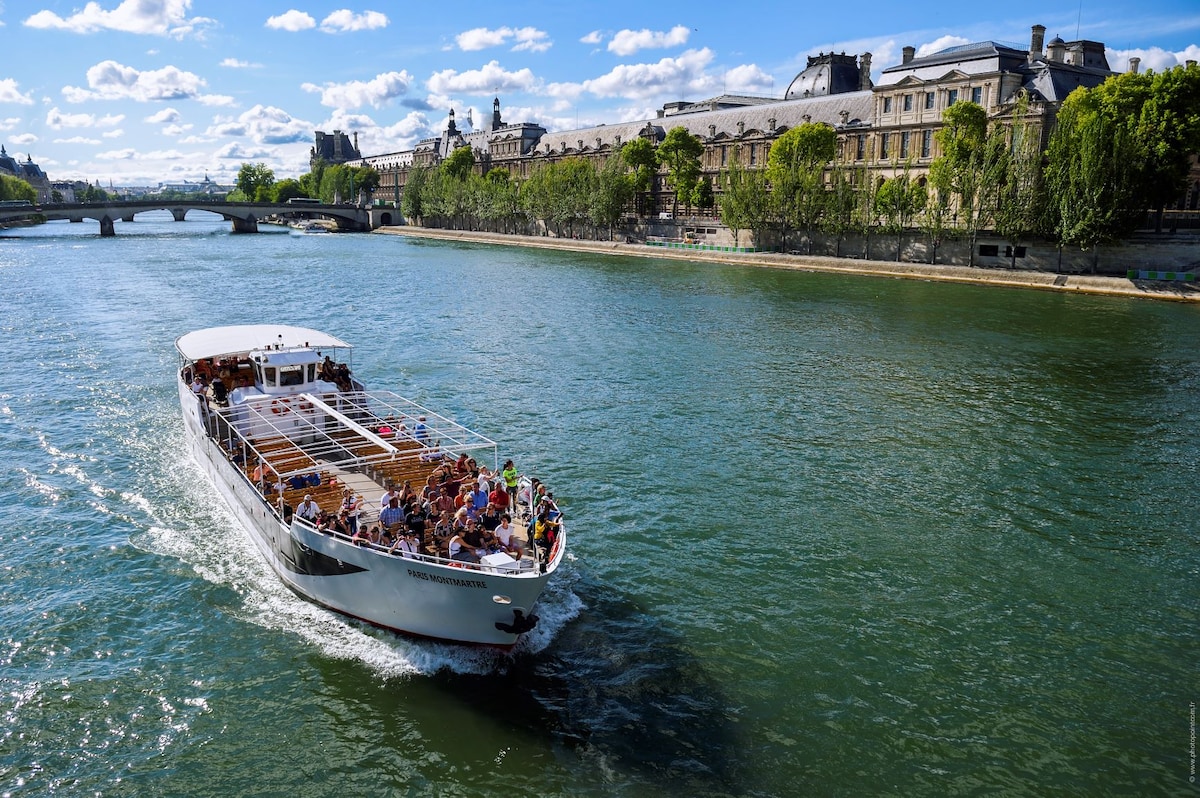
Fast-Access Seine River Cruise from Eiffel Tower
Tue, Mar 3 • 10:45 AM
75015, Paris, France
View details
Nearby attractions of Foyer de la Madeleine
Church of Sainte Marie-Madeleine
L'Olympia
Hôtel de la Marine
Pavillon Cambon
Théâtre de la Madeleine
Place de la Concorde
Théâtre Edouard VII
Théâtre des Mathurins
Église Notre-Dame de l'Assomption
Palais Garnier
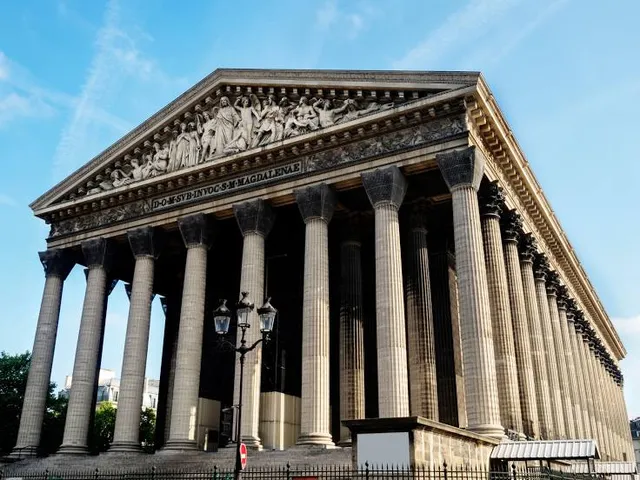
Church of Sainte Marie-Madeleine
4.6
(5.4K)
Open until 7:00 PM
Click for details

L'Olympia
4.5
(5.4K)
Open 24 hours
Click for details
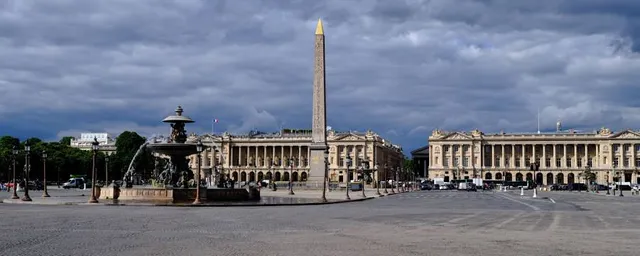
Hôtel de la Marine
4.7
(2.4K)
Open until 9:30 PM
Click for details

Pavillon Cambon
4.6
(289)
Open until 7:00 PM
Click for details
Nearby restaurants of Foyer de la Madeleine
Le Paris London
Magdalena
Shinko
Café Madeleine
Pret A Manger Madeleine
Le Grand Café Fauchon
Les Nouilles Dansantes
Maison de la Truffe
Pret A Manger Sèze
Kibo No Ki
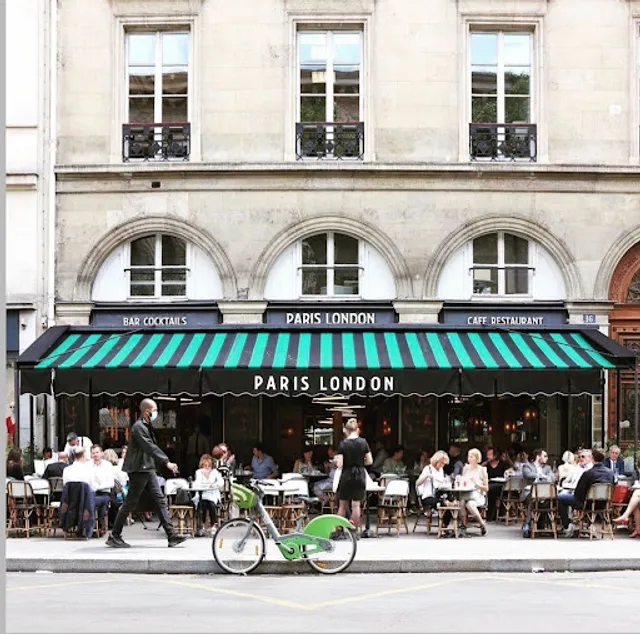
Le Paris London
3.6
(735)
$$
Open until 1:00 AM
Click for details
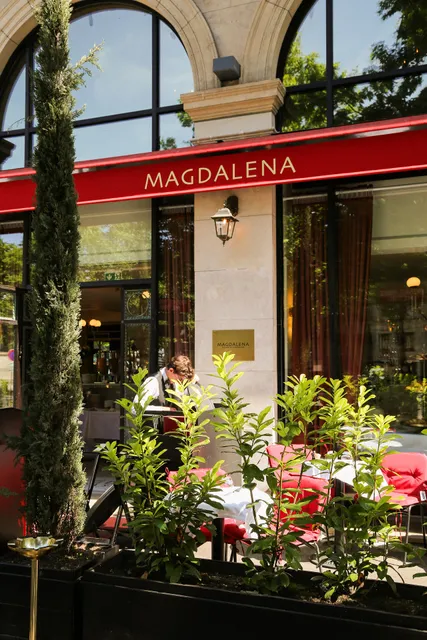
Magdalena
4.4
(542)
Open until 2:00 AM
Click for details
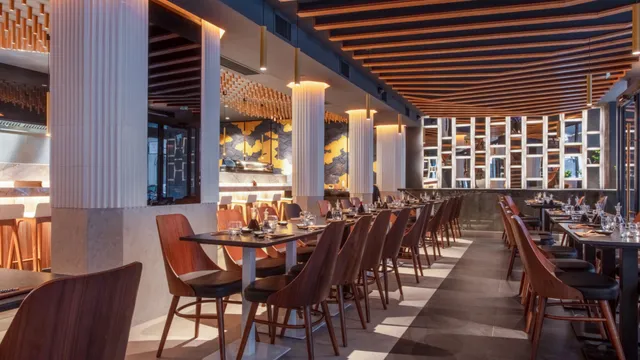
Shinko
4.6
(4.2K)
Closed
Click for details
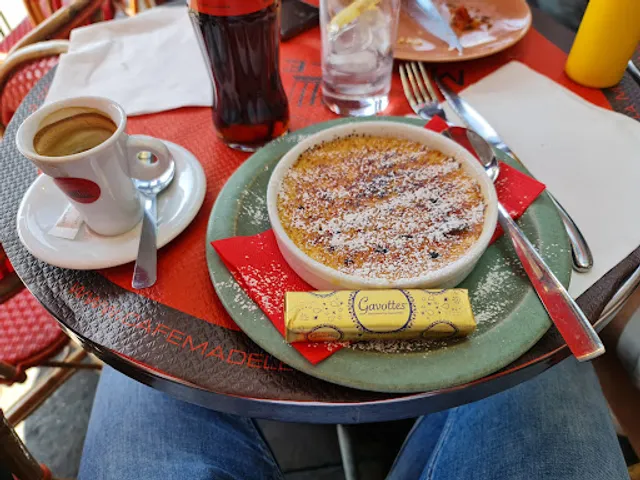
Café Madeleine
3.4
(1.0K)
Open until 1:00 AM
Click for details
Nearby local services of Foyer de la Madeleine
Decathlon Paris La Madeleine
Samsung
Leroy Merlin La Madeleine - Paris 8
Pl. de la Madeleine
Darty
Hermès Paris 24 FBG
Hermès Paris 24 FBG
Place de la Madeleine
Salomon
Patrick Roger

Decathlon Paris La Madeleine
4.1
(2.4K)
Click for details
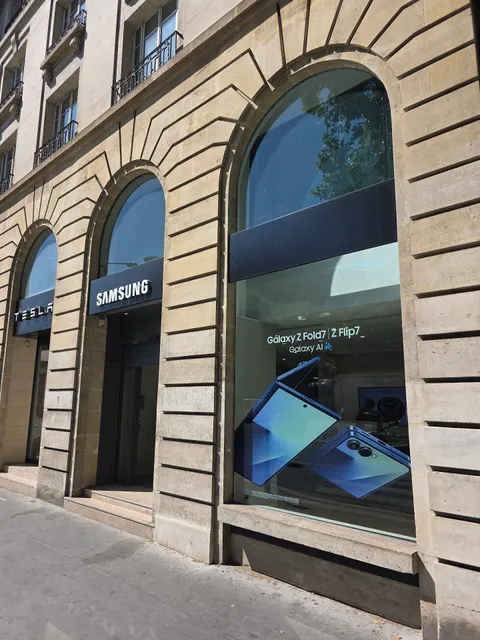
Samsung
4.0
(1.4K)
Click for details

Leroy Merlin La Madeleine - Paris 8
4.1
(1.6K)
Click for details
Pl. de la Madeleine
4.6
(149)
Click for details