Basilica of the Holy Blood things to do, attractions, restaurants, events info and trip planning
Basic Info
Basilica of the Holy Blood
Burg 13, 8000 Brugge, Belgium
4.6(2.5K)
Closed


tickets
Save
spot
spot
Ratings & Description
Info
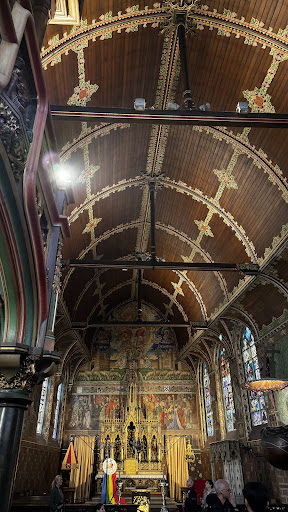
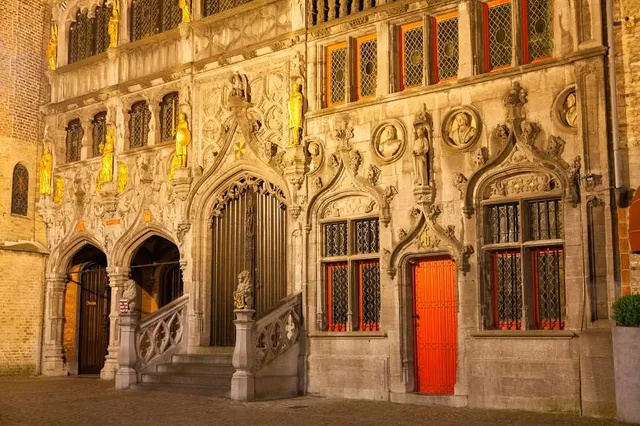
The Basilica of the Holy Blood is a Roman Catholic basilica in Bruges, Belgium. The church houses a relic of the Holy Blood allegedly collected by Joseph of Arimathea and brought from the Holy Land by Thierry of Alsace, Count of Flanders.
Cultural
Family friendly
attractions: De Burg, Bruges Beer Experience, Market Square, Market Square, Bruges City Hall, Historium Bruges, Rosary Quay, Waffles 'n Beer in Bruges Centre, Belfry of Bruges, Brugse Vrije, restaurants: Opus Latino, De Garre, House of waffles, Chez Albert - Gauffres - Waffles, Tompouce, Cambrinus, Duc De Bourgogne, Restaurant Breydel De Coninc, Brasserie Mozarthuys, Go.fre | Belgian waffles on a stick, local businesses: Musée de la Torture Bruges, Brewery Bourgogne des Flandres, Wollestraat 20, Fnac, TUI Brugge Centrum, HEMA, Nepomucenus Bridge, Segway Brugge, Retsins Lucifernum, Statue Frank Van Acker
 Learn more insights from Wanderboat AI.
Phone
+32 50 33 67 92
Website
holyblood.com
Open hoursSee all hours
Tue10 AM - 5:15 PMClosed
Plan your stay

Pet-friendly Hotels in Bruges
Find a cozy hotel nearby and make it a full experience.

Affordable Hotels in Bruges
Find a cozy hotel nearby and make it a full experience.

The Coolest Hotels You Haven't Heard Of (Yet)
Find a cozy hotel nearby and make it a full experience.

Trending Stays Worth the Hype in Bruges
Find a cozy hotel nearby and make it a full experience.
Reviews
Live events
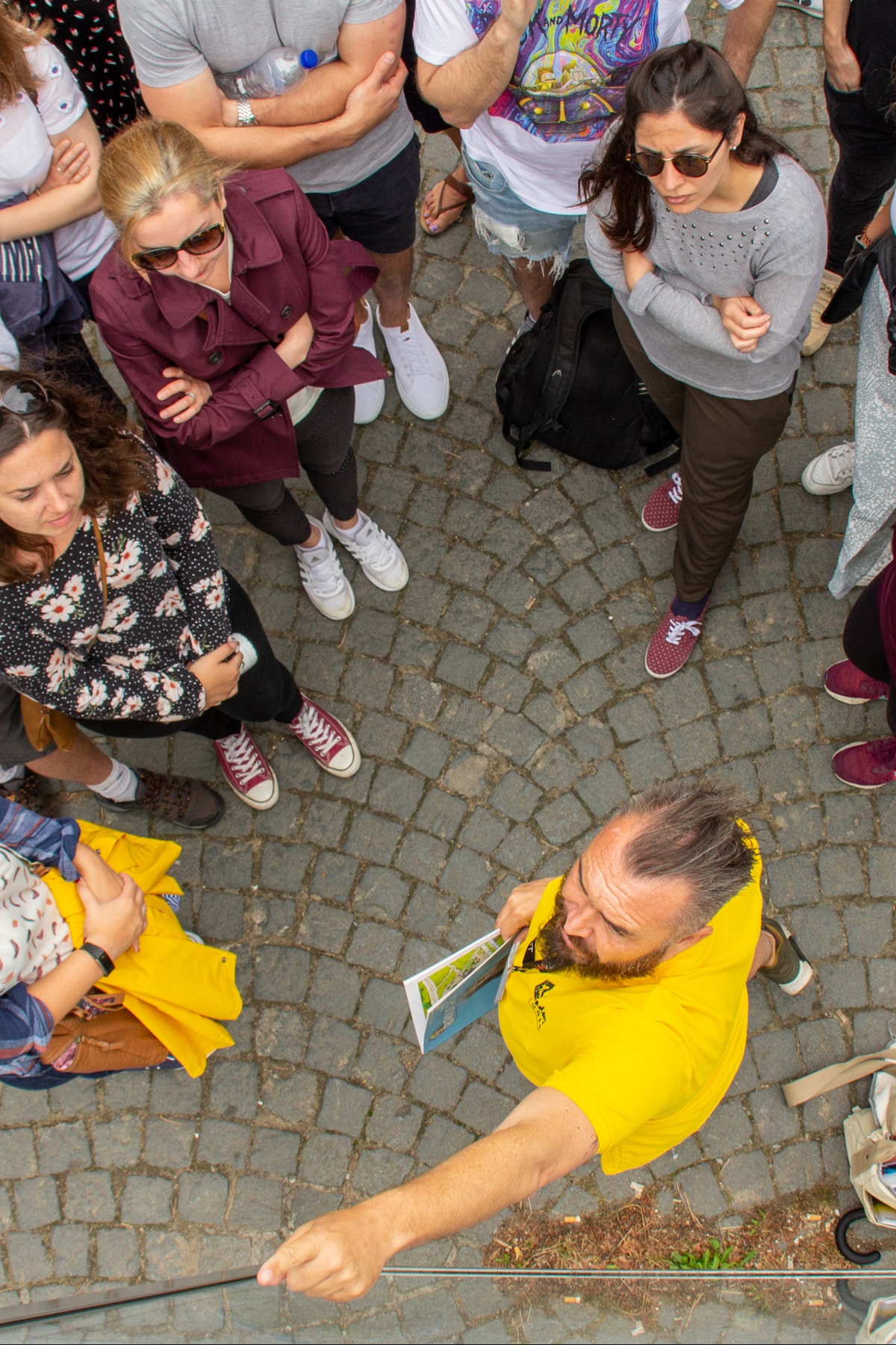
Tell Me About Bruges: Storytelling Walking Tour
Tue, Feb 24 • 11:00 AM
8000, Bruges, Belgium
View details
Nearby attractions of Basilica of the Holy Blood
De Burg
Bruges Beer Experience
Market Square
Market Square
Bruges City Hall
Historium Bruges
Rosary Quay
Waffles 'n Beer in Bruges Centre
Belfry of Bruges
Brugse Vrije
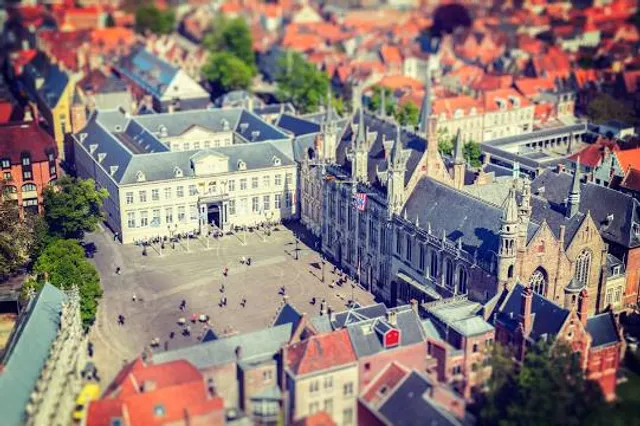
De Burg
4.7
(2K)
Open until 12:00 AM
Click for details
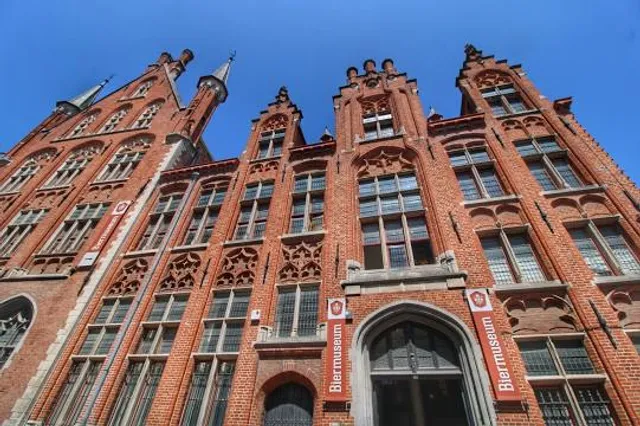
Bruges Beer Experience
4.4
(2.5K)
Closed
Click for details

Market Square
4.7
(6.5K)
Open until 12:00 AM
Click for details
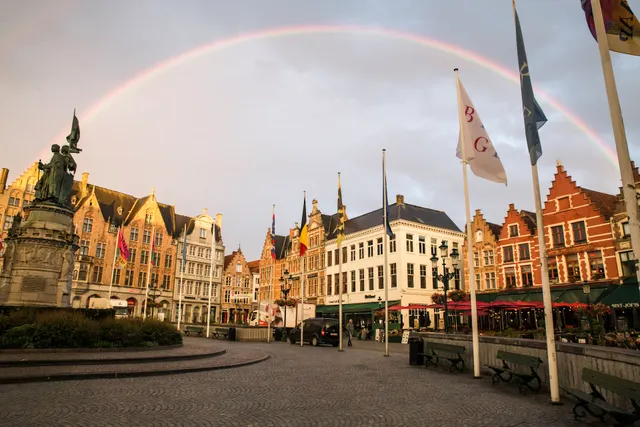
Market Square
4.7
(6.3K)
Open until 12:00 AM
Click for details
Nearby restaurants of Basilica of the Holy Blood
Opus Latino
De Garre
House of waffles
Chez Albert - Gauffres - Waffles
Tompouce
Cambrinus
Duc De Bourgogne
Restaurant Breydel De Coninc
Brasserie Mozarthuys
Go.fre | Belgian waffles on a stick
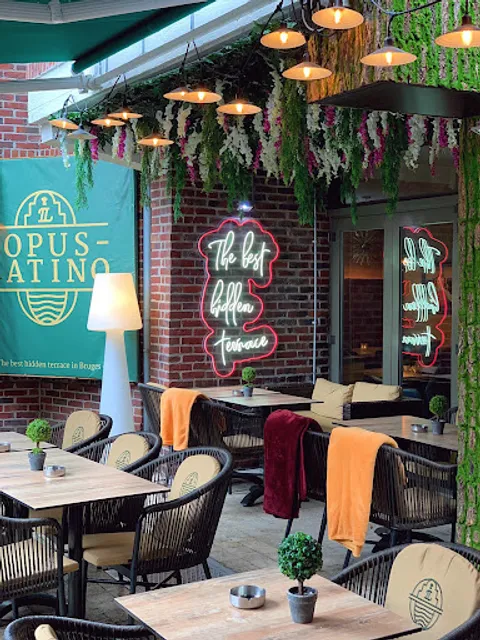
Opus Latino
4.5
(1.2K)
Open until 12:00 AM
Click for details
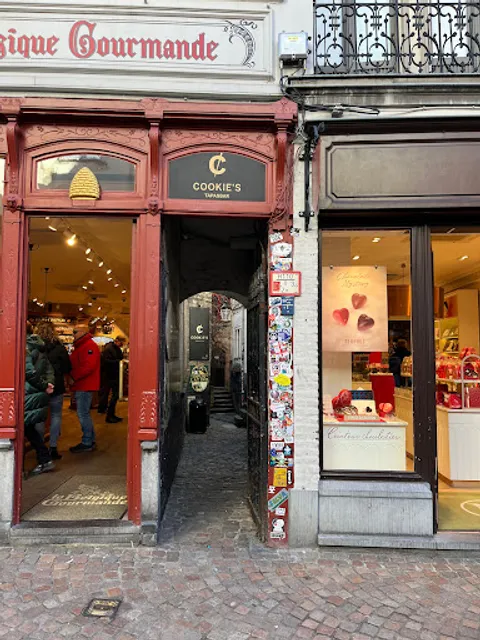
De Garre
4.6
(1.6K)
Closed
Click for details
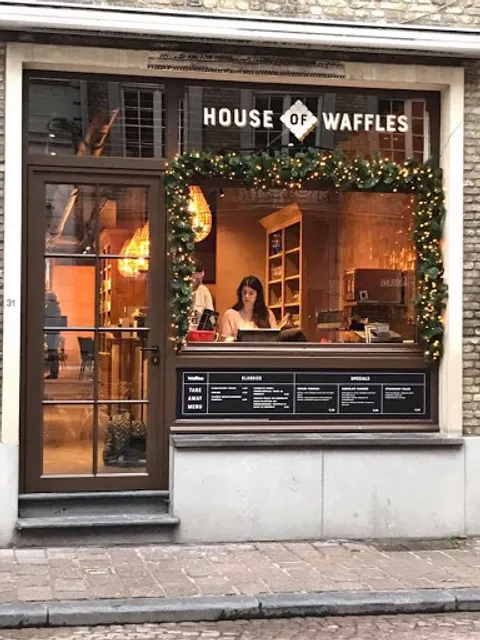
House of waffles
4.5
(1.9K)
Closed
Click for details
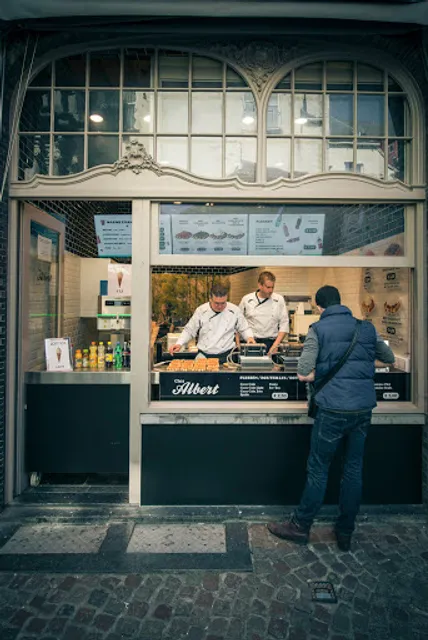
Chez Albert - Gauffres - Waffles
4.6
(1.6K)
$$
Closed
Click for details
Nearby local services of Basilica of the Holy Blood
Musée de la Torture Bruges
Brewery Bourgogne des Flandres
Wollestraat 20
Fnac
TUI Brugge Centrum
HEMA
Nepomucenus Bridge
Segway Brugge
Retsins Lucifernum
Statue Frank Van Acker
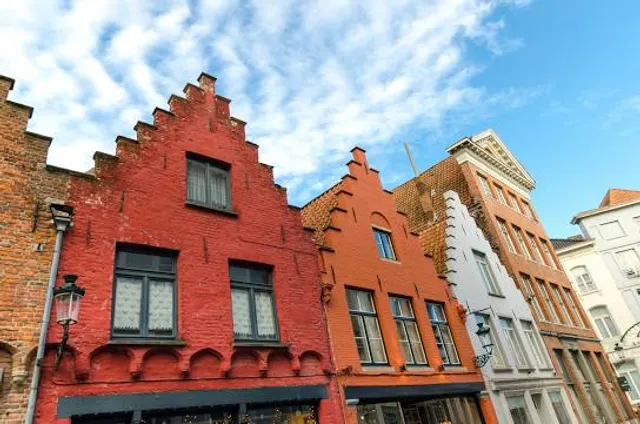
Musée de la Torture Bruges
4.2
(1.2K)
Click for details
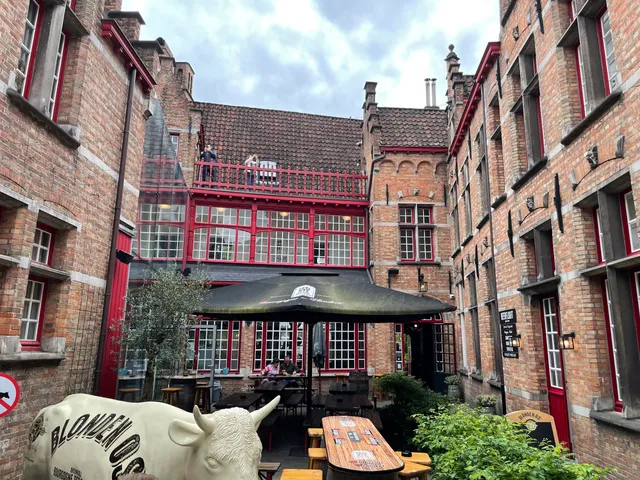
Brewery Bourgogne des Flandres
4.5
(694)
Click for details
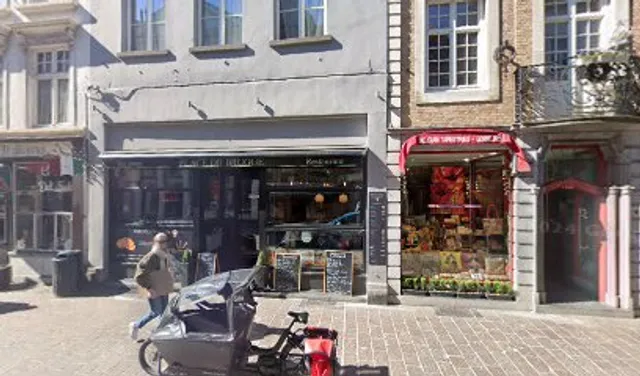
Wollestraat 20
3.5
(327)
Click for details
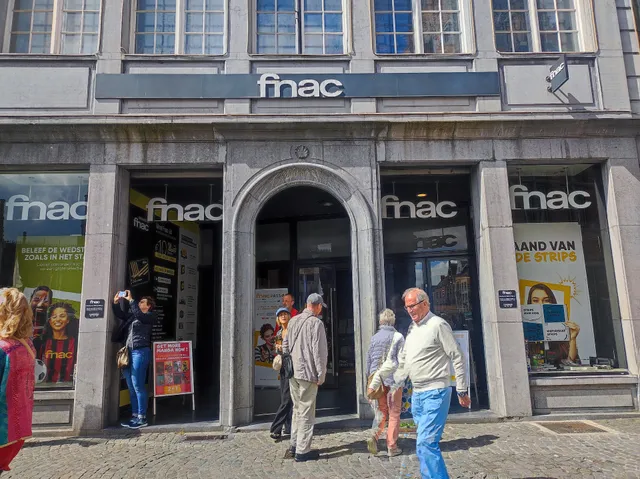
Fnac
3.9
(1.1K)
Click for details