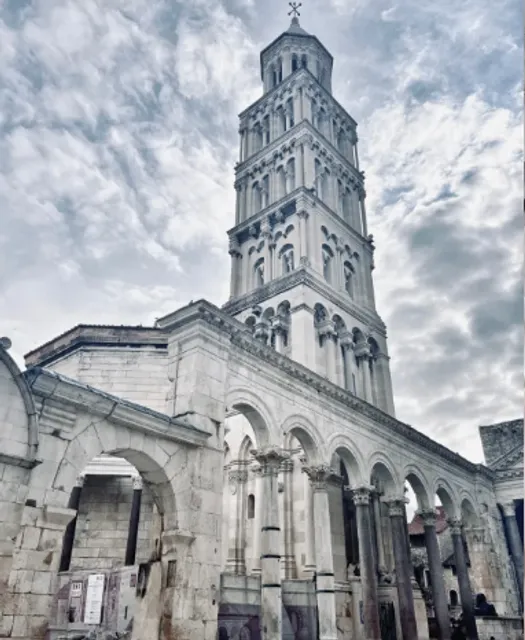
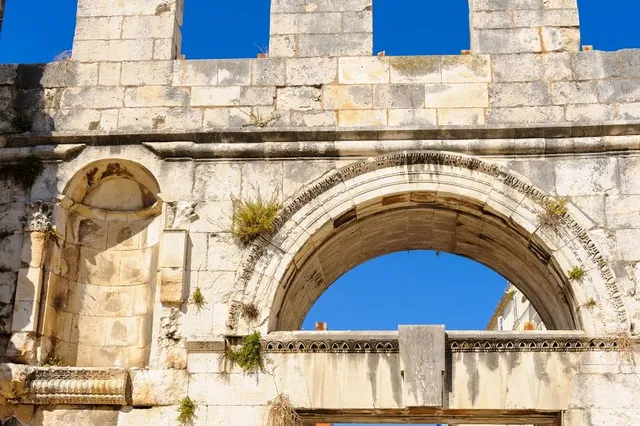
Silver Gate things to do, attractions, restaurants, events info and trip planning
Basic Info
Silver Gate
Hrvojeva, 21000, Split, Croatia
4.7(130)
Open until 12:00 AM
Save
spot
spot
Ratings & Description
Info
Silvergate Bank was a California bank founded in 1988. The company began providing services for cryptocurrency users in 2016, and conducted an IPO in 2019. In November 2022, concerns were raised about Silvergate's health, after a fall in cryptocurrency prices and the bankruptcy of FTX.
Cultural
Scenic
Family friendly
Accessibility
attractions: Diocletian's Palace, Saint Domnius Cathedral, Golden Gate, Diocletian's Cellars, Ancient Split, Saint Domnius Bell Tower, Split City Museum, Jupiter's Temple, Church of St. Dominic, Vestibul, restaurants: Fig Split, Konoba Korta, LAGANINI seafood • pasta • steak, Café & Restaurant Lvxor Split, Portofino, Terminal F, Temple Kitchen seafood & steak, Pumparela Gelateria, Picasso Pizza&Bar, 4 Coffee, local businesses: Split Riva, Marvlvs Library Jazz Bar, Ilirio's Hvar Tours, Gregory of Nin, Strossmayer park, Split walking tour, SeaYou Croatia Boat Tours Split Meeting Point, Trg braće Radić (Voćni trg), Hello Blue Cave - Boat Tours, St. Martin's Church
 Learn more insights from Wanderboat AI.
Website
visitsplit.com
Open hoursSee all hours
FriOpen 24 hoursOpen
Plan your stay

Pet-friendly Hotels in Grad Split
Find a cozy hotel nearby and make it a full experience.

Affordable Hotels in Grad Split
Find a cozy hotel nearby and make it a full experience.

The Coolest Hotels You Haven't Heard Of (Yet)
Find a cozy hotel nearby and make it a full experience.

Trending Stays Worth the Hype in Grad Split
Find a cozy hotel nearby and make it a full experience.
Reviews
Live events
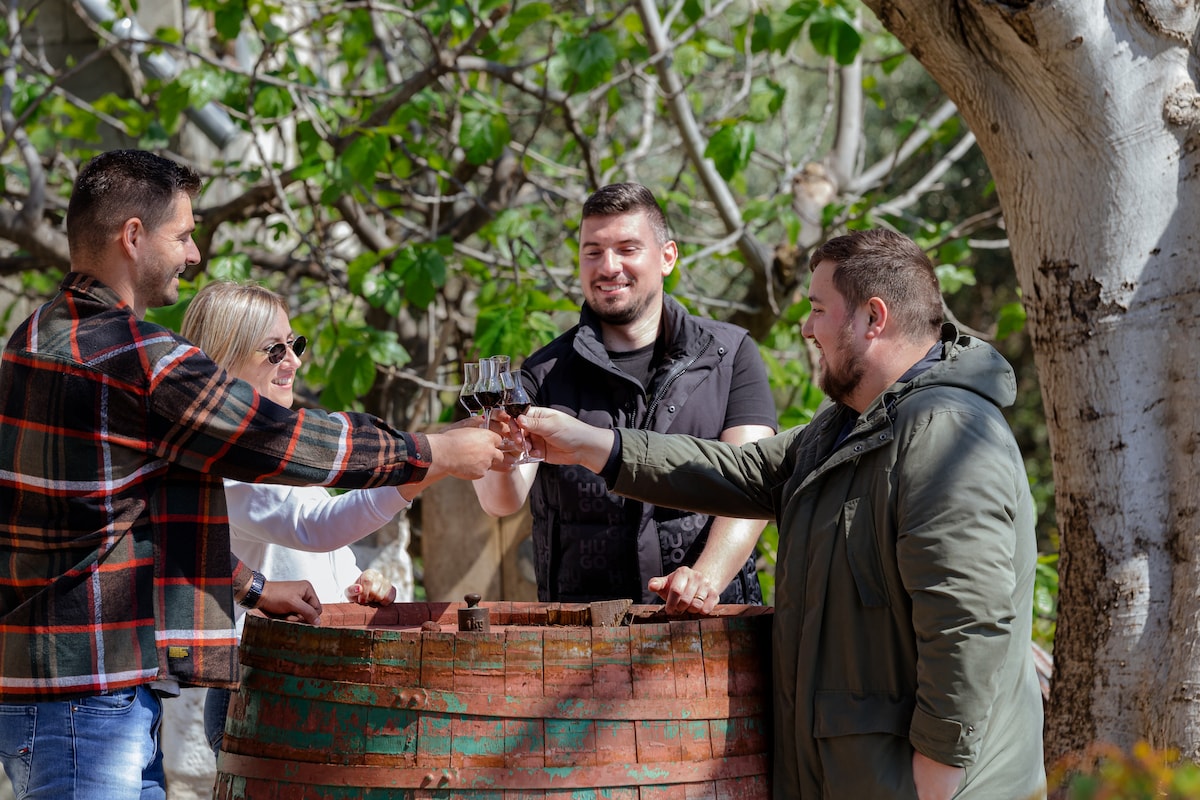
All about olive oil and wine
Sat, Feb 28 • 12:00 PM
21000, Split, Croatia
View details
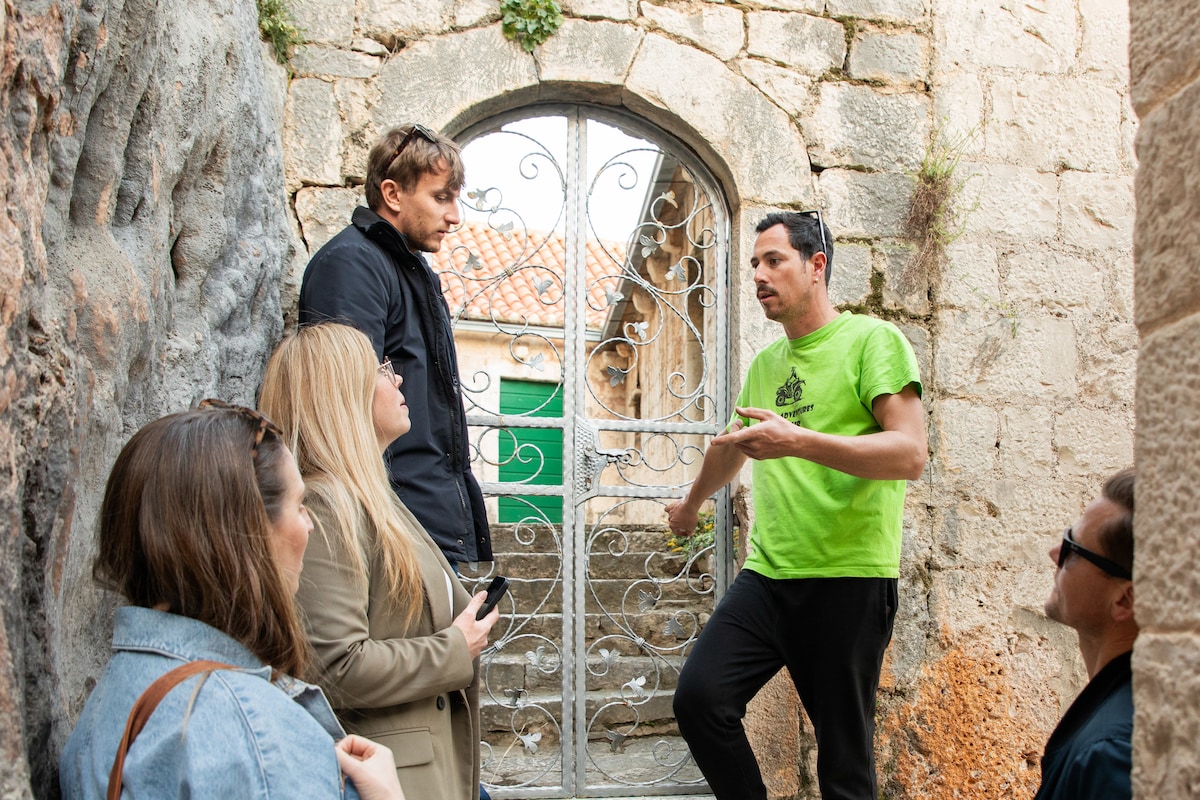
Ride quads on Island Čiovo
Sat, Feb 28 • 9:30 AM
21220, Žedno, Croatia
View details
Nearby attractions of Silver Gate
Diocletian's Palace
Saint Domnius Cathedral
Golden Gate
Diocletian's Cellars
Ancient Split
Saint Domnius Bell Tower
Split City Museum
Jupiter's Temple
Church of St. Dominic
Vestibul
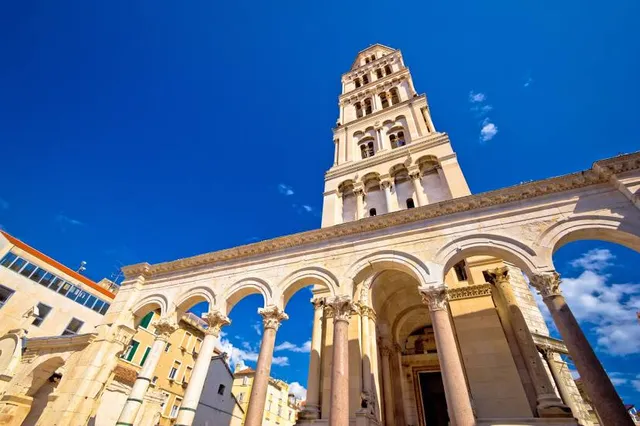
Diocletian's Palace
4.7
(29.4K)
Open 24 hours
Click for details
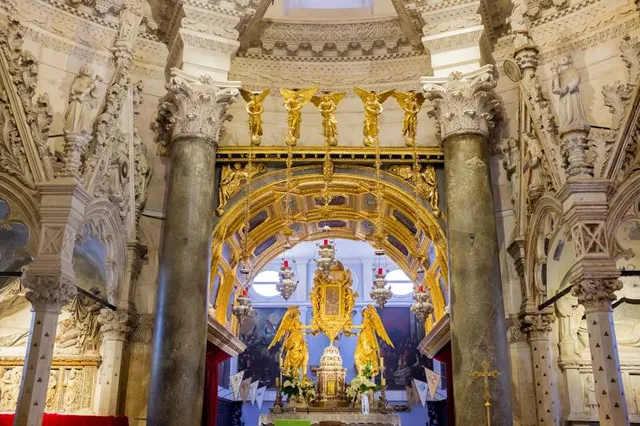
Saint Domnius Cathedral
4.6
(3.1K)
Open until 10:00 PM
Click for details
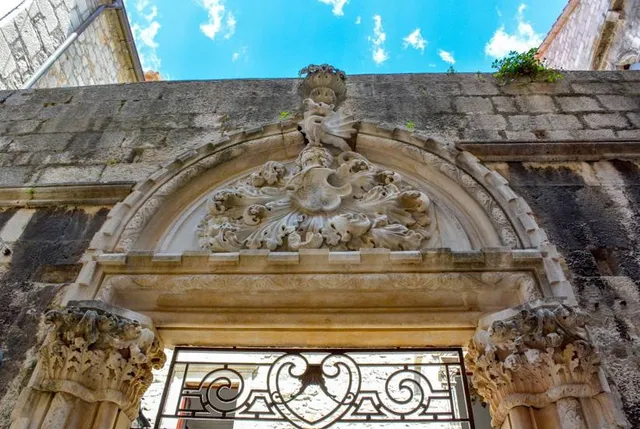
Golden Gate
4.7
(1.3K)
Open until 12:00 AM
Click for details
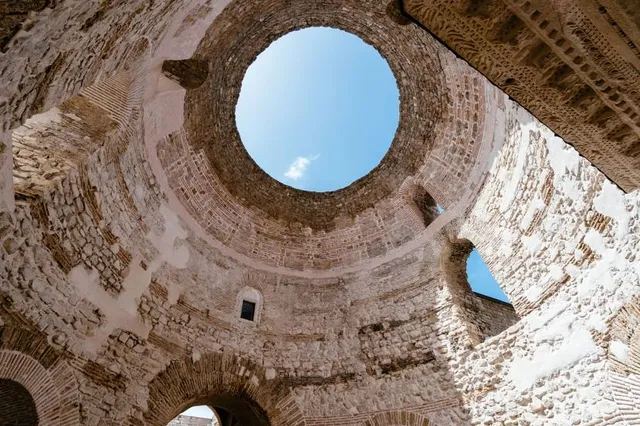
Diocletian's Cellars
4.5
(732)
Closed
Click for details
Nearby restaurants of Silver Gate
Fig Split
Konoba Korta
LAGANINI seafood • pasta • steak
Café & Restaurant Lvxor Split
Portofino
Terminal F
Temple Kitchen seafood & steak
Pumparela Gelateria
Picasso Pizza&Bar
4 Coffee
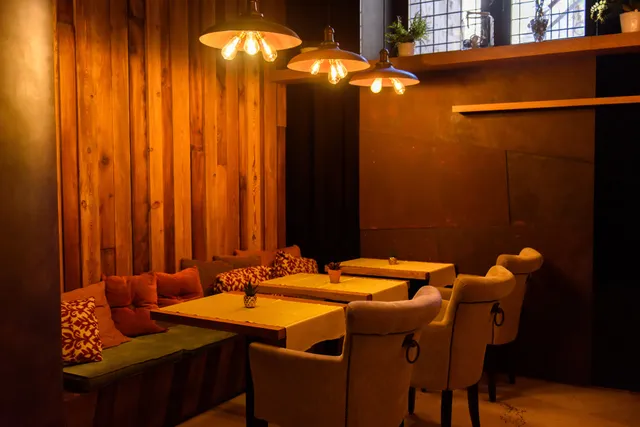
Fig Split
4.7
(1.5K)
Click for details
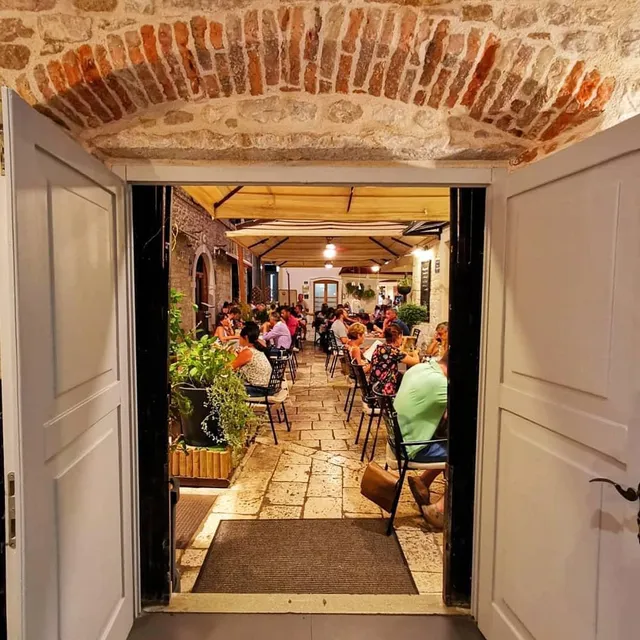
Konoba Korta
4.6
(917)
$$
Click for details
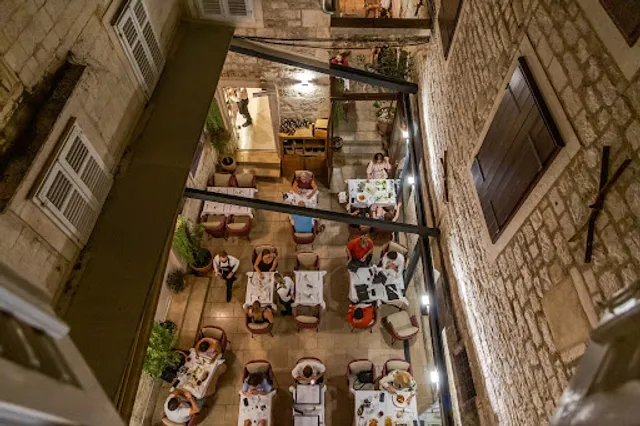
LAGANINI seafood • pasta • steak
4.8
(1.3K)
Closed
Click for details
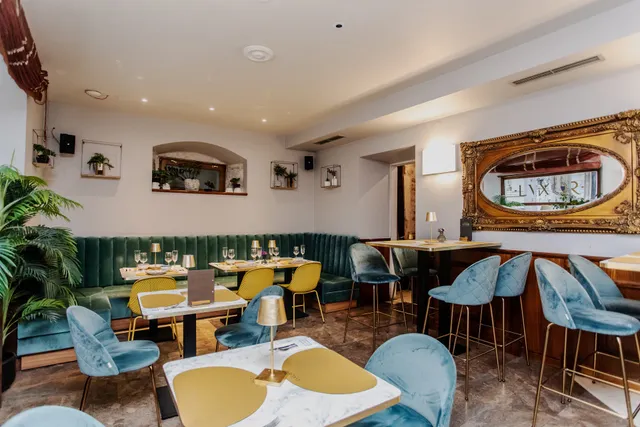
Café & Restaurant Lvxor Split
4.2
(882)
$$
Open until 12:00 AM
Click for details
Nearby local services of Silver Gate
Split Riva
Marvlvs Library Jazz Bar
Ilirio's Hvar Tours
Gregory of Nin
Strossmayer park
Split walking tour
SeaYou Croatia Boat Tours Split Meeting Point
Trg braće Radić (Voćni trg)
Hello Blue Cave - Boat Tours
St. Martin's Church
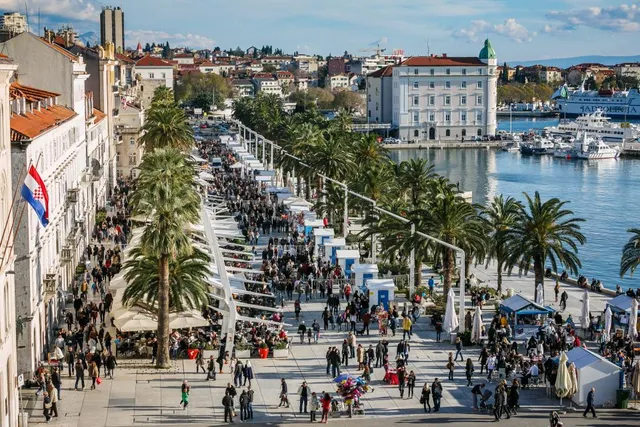
Split Riva
4.7
(9.8K)
Click for details
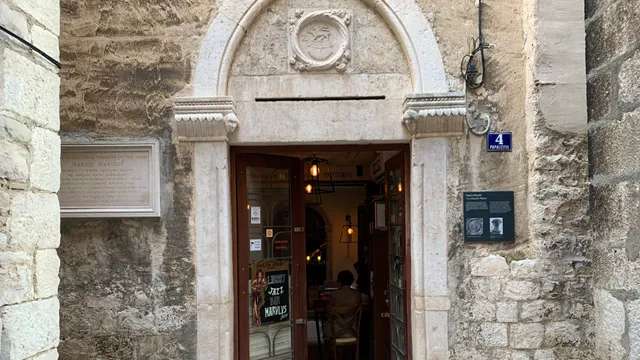
Marvlvs Library Jazz Bar
4.7
(596)
Click for details
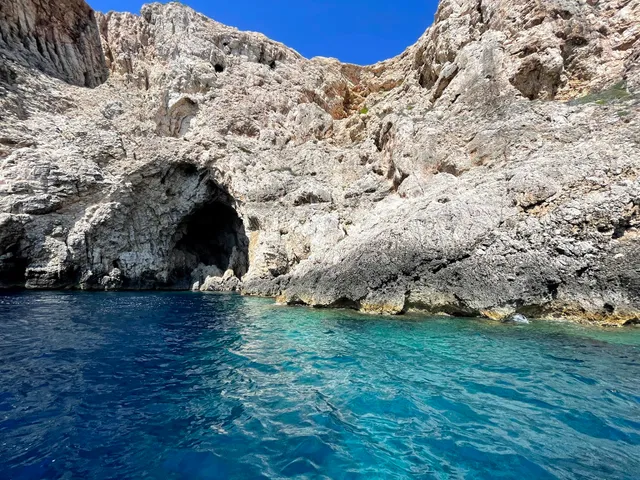
Ilirio's Hvar Tours
4.9
(105)
Click for details
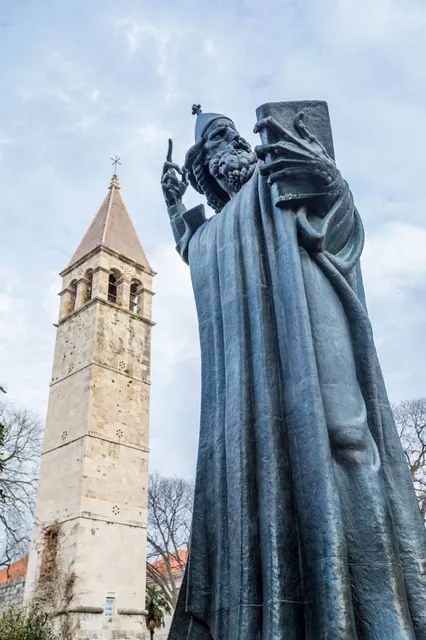
Gregory of Nin
4.6
(388)
Click for details