Montparnasse Cemetery things to do, attractions, restaurants, events info and trip planning
Basic Info
Montparnasse Cemetery
3 Bd Edgar Quinet, 75014 Paris, France
4.5(512)
Closed
Save
spot
spot
Ratings & Description
Info
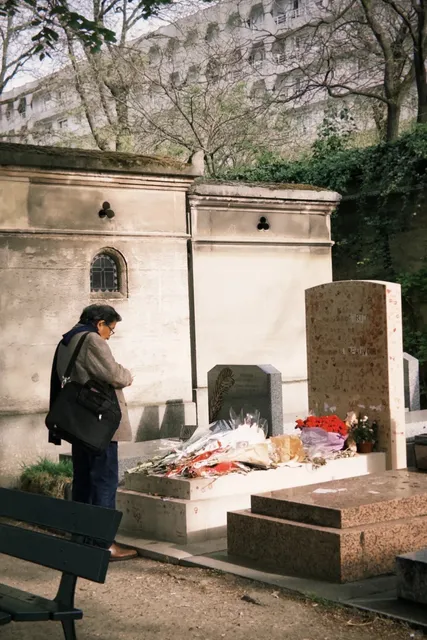
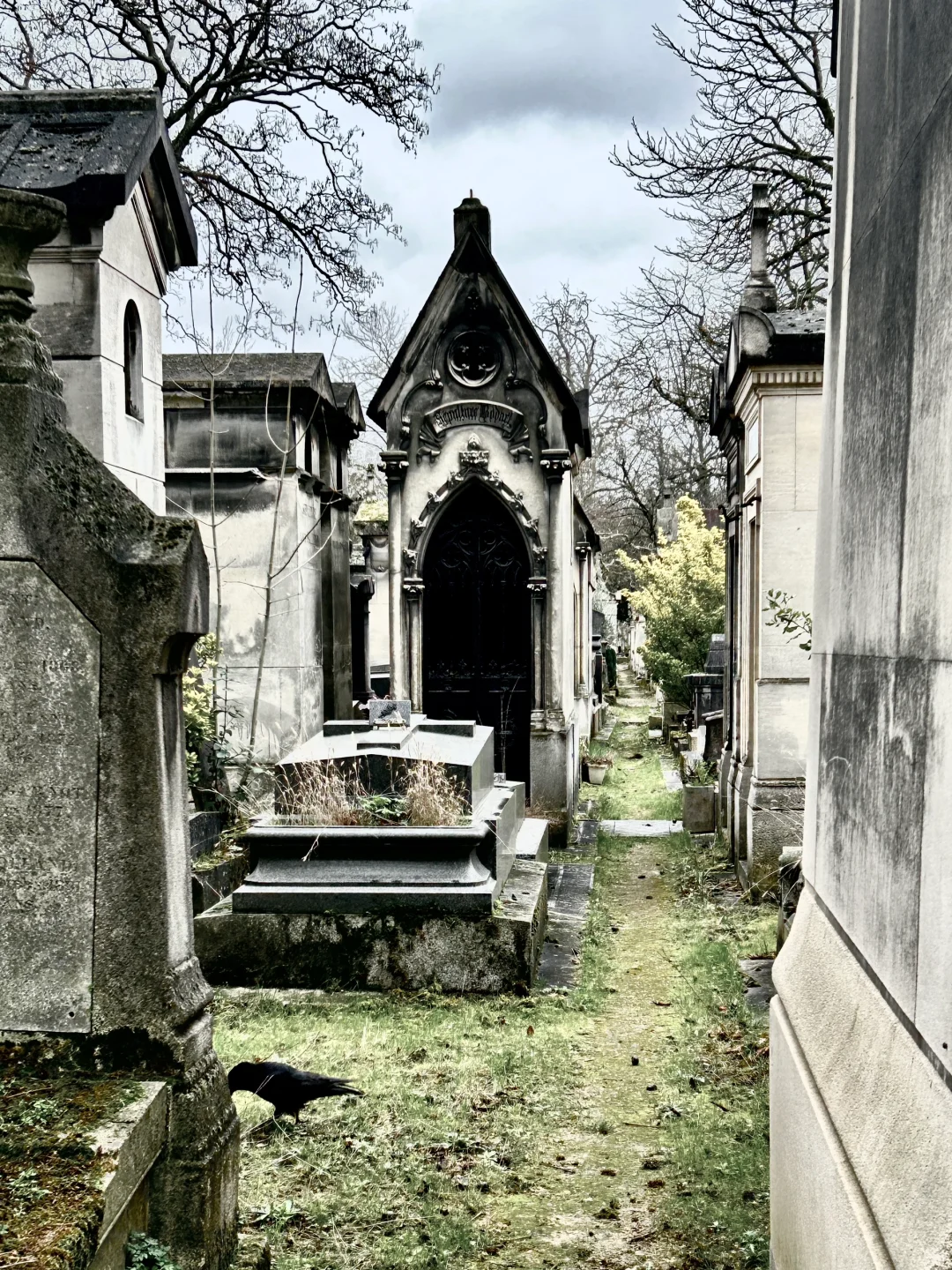
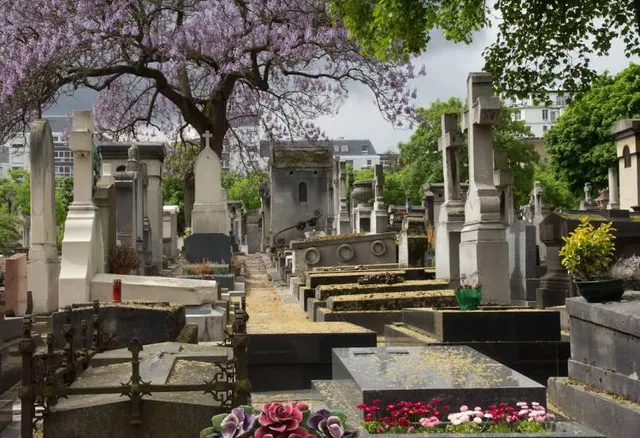
Montparnasse Cemetery is a cemetery in the Montparnasse quarter of Paris, in the city's 14th arrondissement. The cemetery is roughly 47 acres and is the second largest cemetery in Paris. The cemetery has over 35,000 graves and approximately a thousand people are buried here each year.
Cultural
Scenic
attractions: Théâtre de la Gaîté-Montparnasse, Bobino, Tumba de Julio Cortázar, Paris Montparnasse – Top of the city, Montparnasse Tower, Truffaut, Tombe de Porfirio Diaz, Giacometti Institute, Marché Edgar-Quinet, Olison Tufting(Déménagement à SNOWVAN:15 rue saint jacques 75005 paris), restaurants: Ravioli Nord Est, JJIN Korean Barbecue, Indiana Club Maine, Le Plomb du Cantal, COMME CHEZ SOI, Tripletta Gaité, MANGE TA FAIM, BRUTUS - Gaîté, Chez Papa 14ème, Pizza Roma Montparnasse, local businesses: Smile World Gaité Montparnasse, Centre Commercial Gaîté-Montparnasse, Lazal Market, Atelier la Patine, Ludi Pilates, Roche Bobois Paris 14 - Av. du Maine, poltronesofà, Fnac, Korean Cosmetics KC-Montparnasse Paris, Les 7 Parnassiens
 Learn more insights from Wanderboat AI.
Phone
+33 1 44 10 86 50
Website
paris.fr
Open hoursSee all hours
Wed8 a.m. - 5:30 p.m.Closed
Plan your stay

Pet-friendly Hotels in Paris
Find a cozy hotel nearby and make it a full experience.

Affordable Hotels in Paris
Find a cozy hotel nearby and make it a full experience.

The Coolest Hotels You Haven't Heard Of (Yet)
Find a cozy hotel nearby and make it a full experience.

Trending Stays Worth the Hype in Paris
Find a cozy hotel nearby and make it a full experience.
Reviews
Live events
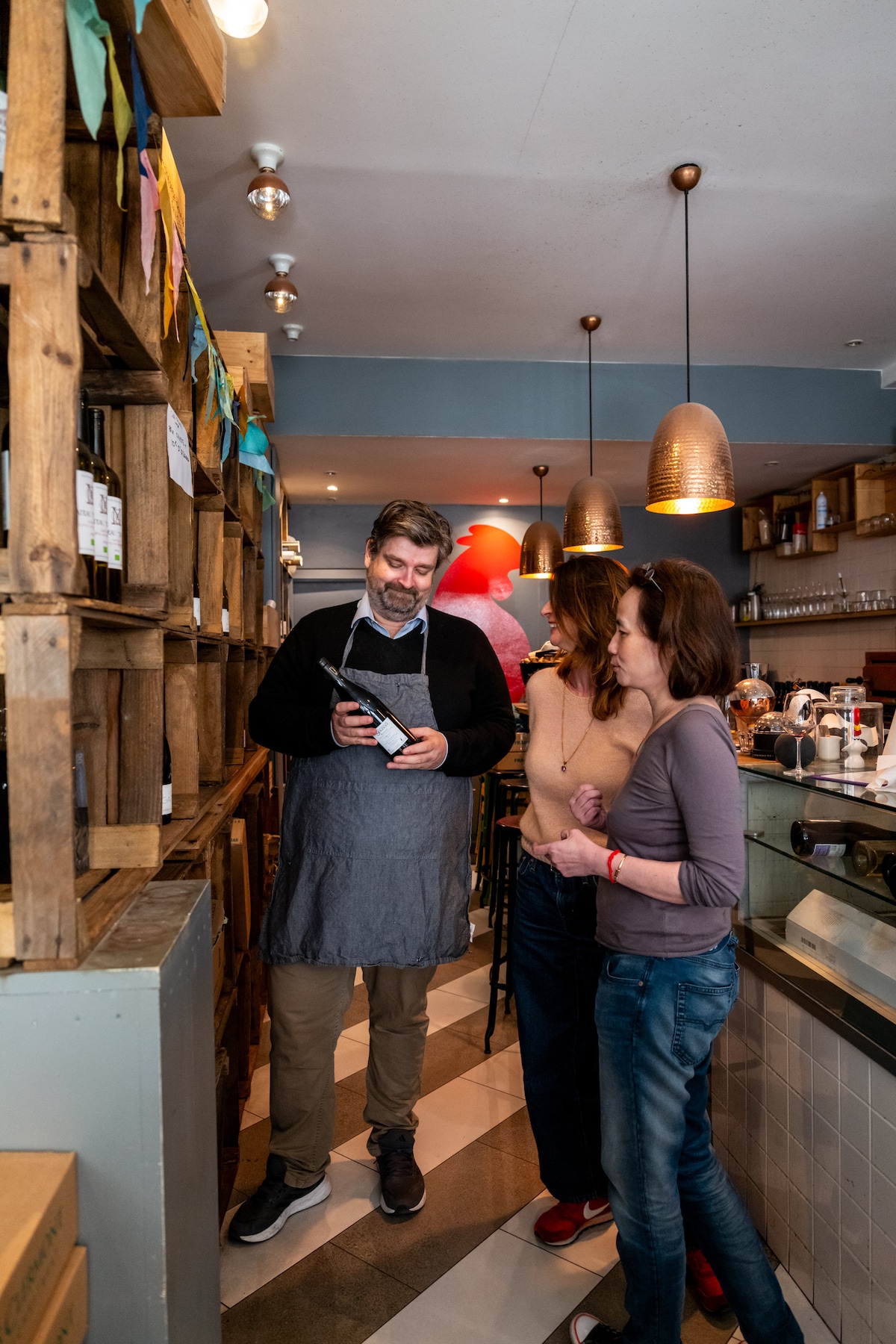
A sommelier’s wine tasting tour de France
Thu, Feb 26 • 1:00 PM
75009, Paris, France
View details

Planète Préhistorique : Dinosaures, L’expérience immersive à l’Atelier des Lumières
Wed, Feb 25 • 10:00 AM
38 Rue Saint-Maur, 75011
View details
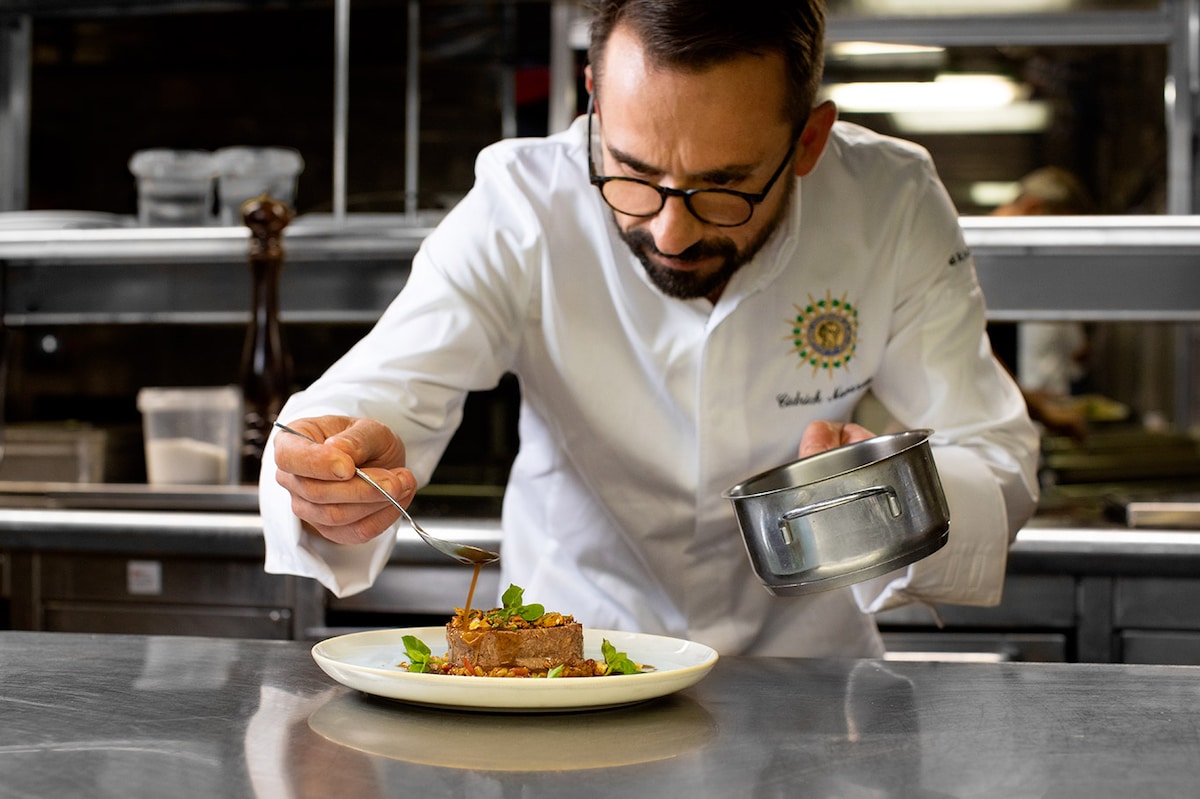
Dinner Cruise in the Heart of Paris with Music
Fri, Feb 27 • 8:30 PM
Port de la Bourdonnais 75007, Paris, France
View details
Nearby attractions of Montparnasse Cemetery
Théâtre de la Gaîté-Montparnasse
Bobino
Tumba de Julio Cortázar
Paris Montparnasse – Top of the city
Montparnasse Tower
Truffaut
Tombe de Porfirio Diaz
Giacometti Institute
Marché Edgar-Quinet
Olison Tufting(Déménagement à SNOWVAN:15 rue saint jacques 75005 paris)
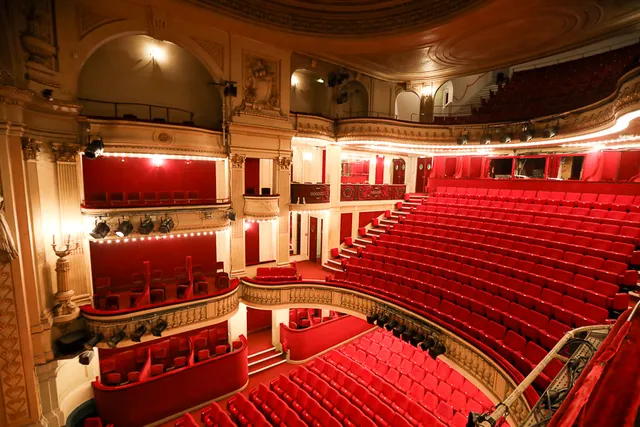
Théâtre de la Gaîté-Montparnasse
4.4
(1.6K)
Open 24 hours
Click for details
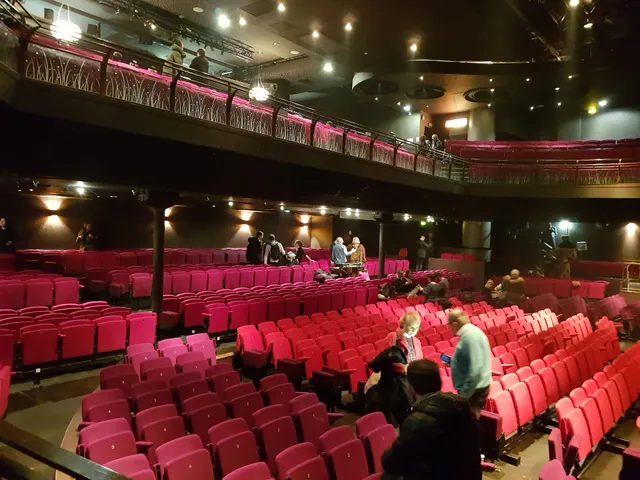
Bobino
4.5
(2K)
Open 24 hours
Click for details
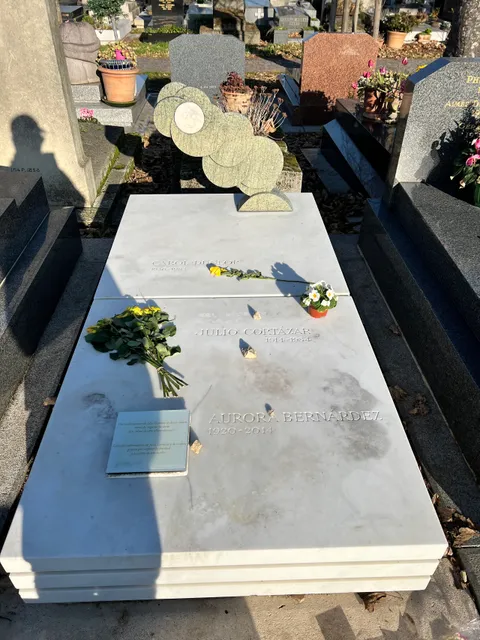
Tumba de Julio Cortázar
4.7
(44)
Open until 12:00 AM
Click for details
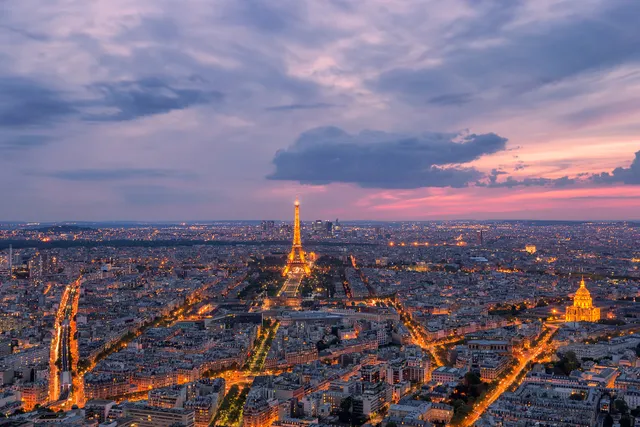
Paris Montparnasse – Top of the city
4.5
(9.7K)
Closed
Click for details
Nearby restaurants of Montparnasse Cemetery
Ravioli Nord Est
JJIN Korean Barbecue
Indiana Club Maine
Le Plomb du Cantal
COMME CHEZ SOI
Tripletta Gaité
MANGE TA FAIM
BRUTUS - Gaîté
Chez Papa 14ème
Pizza Roma Montparnasse

Ravioli Nord Est
5.0
(115)
Closed
Click for details
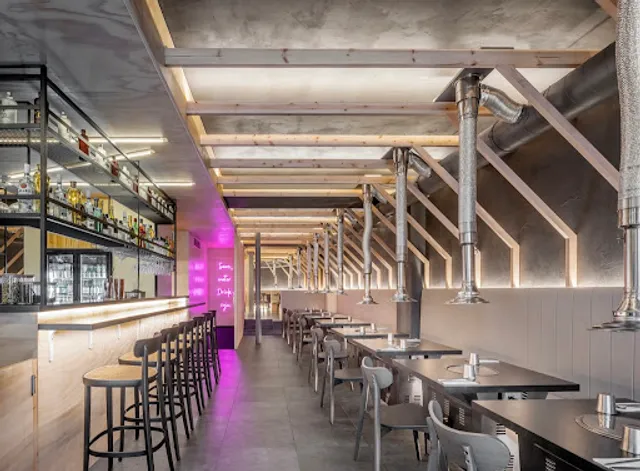
JJIN Korean Barbecue
4.6
(1.3K)
Closed
Click for details
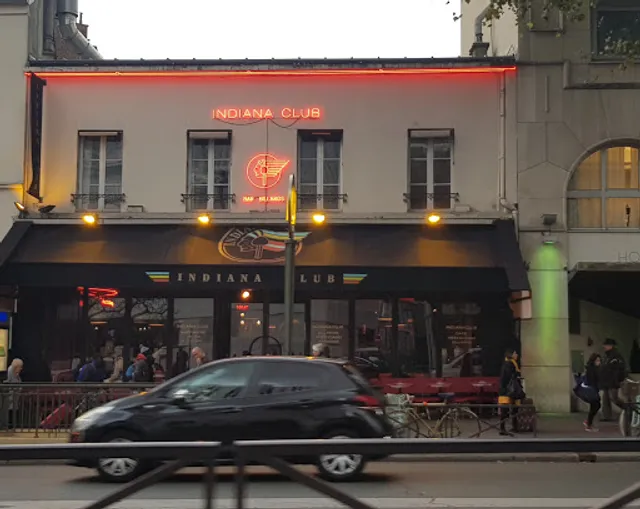
Indiana Club Maine
4.0
(1.6K)
Closed
Click for details
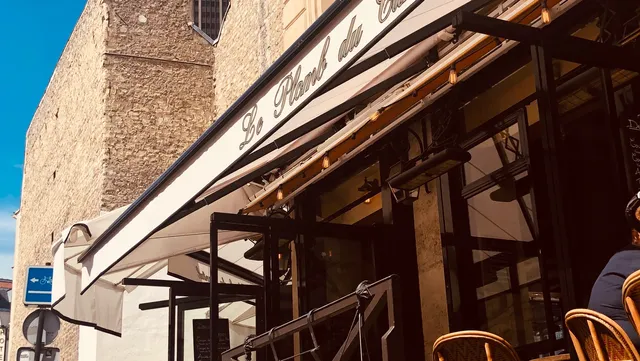
Le Plomb du Cantal
4.3
(2.7K)
Closed
Click for details
Nearby local services of Montparnasse Cemetery
Smile World Gaité Montparnasse
Centre Commercial Gaîté-Montparnasse
Lazal Market
Atelier la Patine
Ludi Pilates
Roche Bobois Paris 14 - Av. du Maine
poltronesofà
Fnac
Korean Cosmetics KC-Montparnasse Paris
Les 7 Parnassiens

Smile World Gaité Montparnasse
4.8
(458)
Click for details

Centre Commercial Gaîté-Montparnasse
3.6
(765)
Click for details
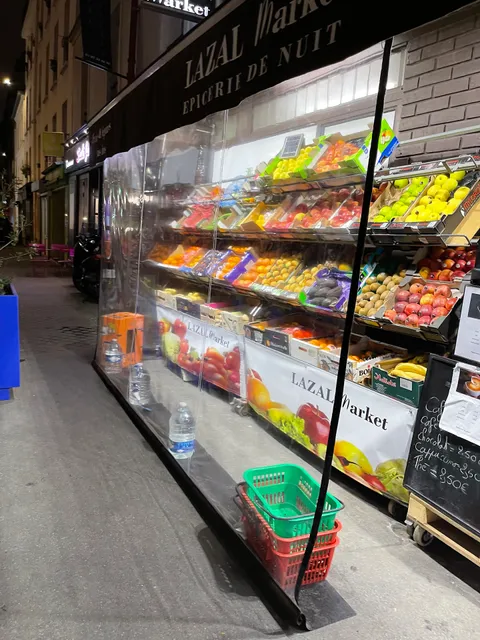
Lazal Market
4.8
(387)
Click for details

Atelier la Patine
4.9
(365)
Click for details