O'Connell Bridge things to do, attractions, restaurants, events info and trip planning
Basic Info
O'Connell Bridge
North City, Dublin 1, Ireland
4.5(914)
Open until 12:00 AM
Save
spot
spot
Ratings & Description
Info
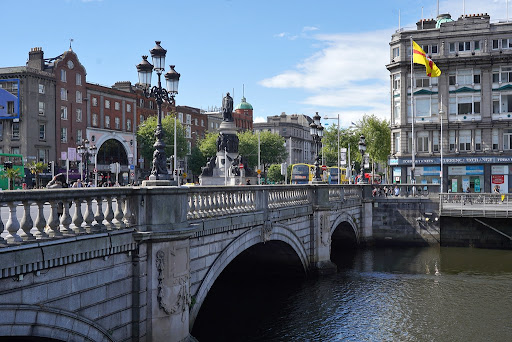
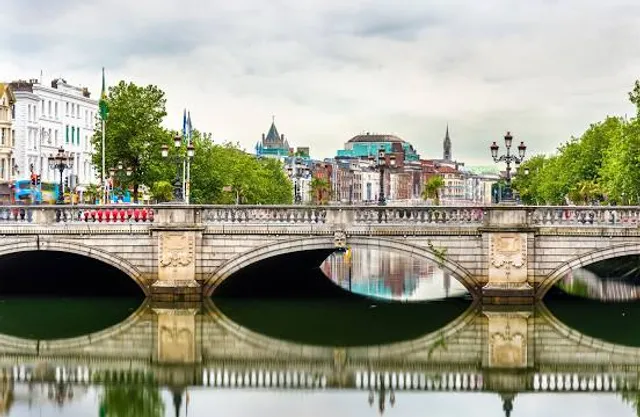
O'Connell Bridge is a road bridge spanning the River Liffey in Dublin, Ireland, which joins O'Connell Street to D'Olier Street, Westmoreland Street and the south quays.
Cultural
Scenic
Accessibility
Family friendly
attractions: The National Wax Museum Plus, O'Connell Monument, Empire Casino, Ha'penny Bridge, Abbey Theatre, The Spire, GPO Museum, Irish Whiskey Museum, The Book of Kells Experience, City Kayaking, restaurants: J.R. Mahon’s Public House & Brewery, The Rolling Donut, O'Connell's, Fitzgerald’s Bar, Póg Bachelors Walk, Kalabasa Market, The Palace Bar, Wynn's Hotel Dublin, Supermac's & Papa John's O’Connell Street Dublin, Hard Rock Cafe Dublin, local businesses: Carrolls Irish Gifts, Eason, Meaghers O’Connell Bridge, Forbidden Planet International Dublin, Books Upstairs, The Irish Store, Arnotts, The Book of Kells, Jervis Shopping Centre, ILAC Shopping Centre
 Learn more insights from Wanderboat AI.
Website
dublincity.ie
Open hoursSee all hours
ThuOpen 24 hoursOpen
Plan your stay

Pet-friendly Hotels in Dublin
Find a cozy hotel nearby and make it a full experience.

Affordable Hotels in Dublin
Find a cozy hotel nearby and make it a full experience.

The Coolest Hotels You Haven't Heard Of (Yet)
Find a cozy hotel nearby and make it a full experience.

Trending Stays Worth the Hype in Dublin
Find a cozy hotel nearby and make it a full experience.
Reviews
Live events

Mind of a Serial Killer: The Experience
Thu, Feb 26 • 11:15 AM
The Gate Lodge, RDS Grounds, Simmonscourt Rd, Ballsbridge, Dublin, D04 AK83
View details

Forge a silver ring workshop
Thu, Feb 26 • 12:00 PM
Dublin, County Dublin, D02 V658, Ireland
View details

Candlelight: Hans Zimmers Best Works
Fri, Feb 27 • 7:00 PM
44 Westland Row, Dublin 2, D02 W274
View details
Nearby attractions of O'Connell Bridge
The National Wax Museum Plus
O'Connell Monument
Empire Casino
Ha'penny Bridge
Abbey Theatre
The Spire
GPO Museum
Irish Whiskey Museum
The Book of Kells Experience
City Kayaking
The National Wax Museum Plus
4.1
(2.4K)
Open until 7:00 PM
Click for details
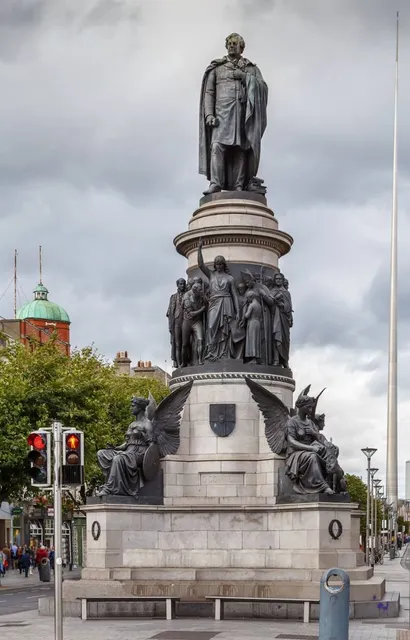
O'Connell Monument
4.4
(1.1K)
Open until 12:00 AM
Click for details

Empire Casino
4.5
(408)
Open 24 hours
Click for details
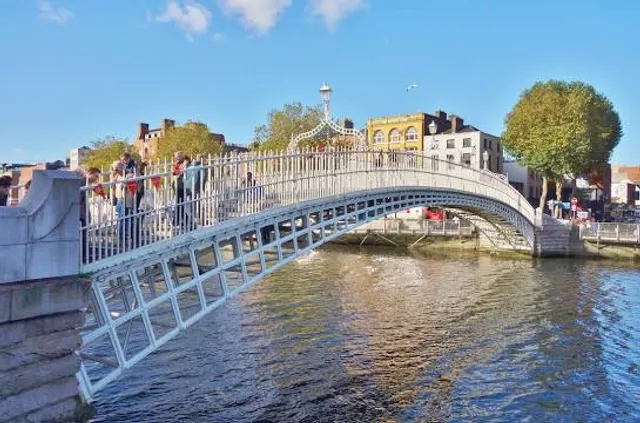
Ha'penny Bridge
4.5
(5.7K)
Open until 12:00 AM
Click for details
Nearby restaurants of O'Connell Bridge
J.R. Mahon’s Public House & Brewery
The Rolling Donut
O'Connell's
Fitzgerald’s Bar
Póg Bachelors Walk
Kalabasa Market
The Palace Bar
Wynn's Hotel Dublin
Supermac's & Papa John's O’Connell Street Dublin
Hard Rock Cafe Dublin
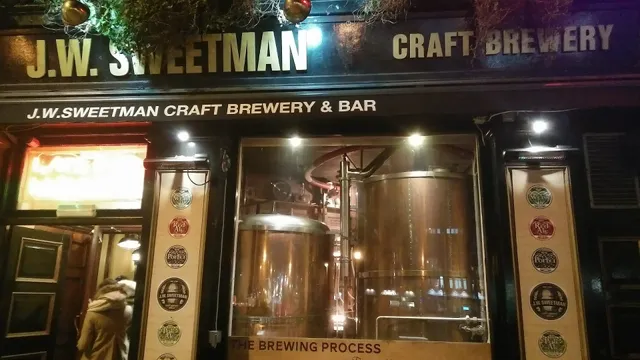
J.R. Mahon’s Public House & Brewery
4.5
(2.2K)
Open until 11:30 PM
Click for details

The Rolling Donut
4.6
(906)
Open until 9:00 PM
Click for details
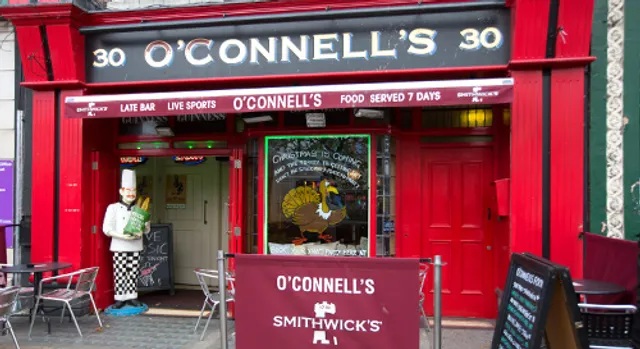
O'Connell's
4.5
(1.2K)
Open until 11:30 PM
Click for details
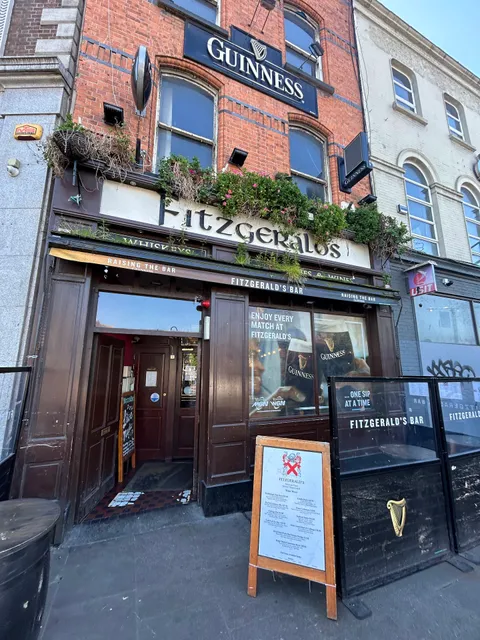
Fitzgerald’s Bar
4.3
(925)
Open until 11:30 PM
Click for details
Nearby local services of O'Connell Bridge
Carrolls Irish Gifts
Eason
Meaghers O’Connell Bridge
Forbidden Planet International Dublin
Books Upstairs
The Irish Store
Arnotts
The Book of Kells
Jervis Shopping Centre
ILAC Shopping Centre
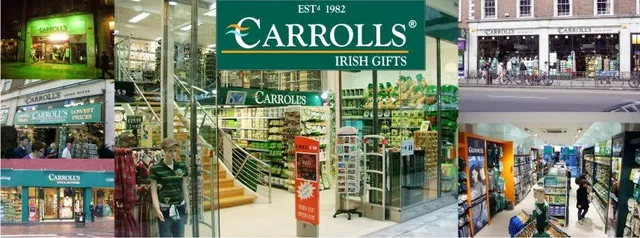
Carrolls Irish Gifts
4.5
(998)
Click for details

Eason
4.4
(2.5K)
Click for details
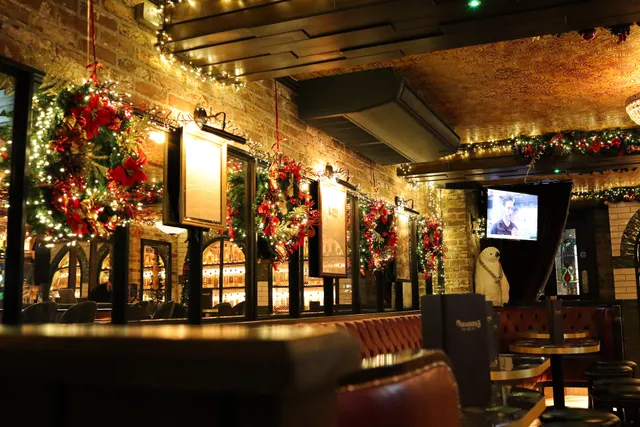
Meaghers O’Connell Bridge
4.7
(388)
Click for details

Forbidden Planet International Dublin
4.6
(2K)
Click for details