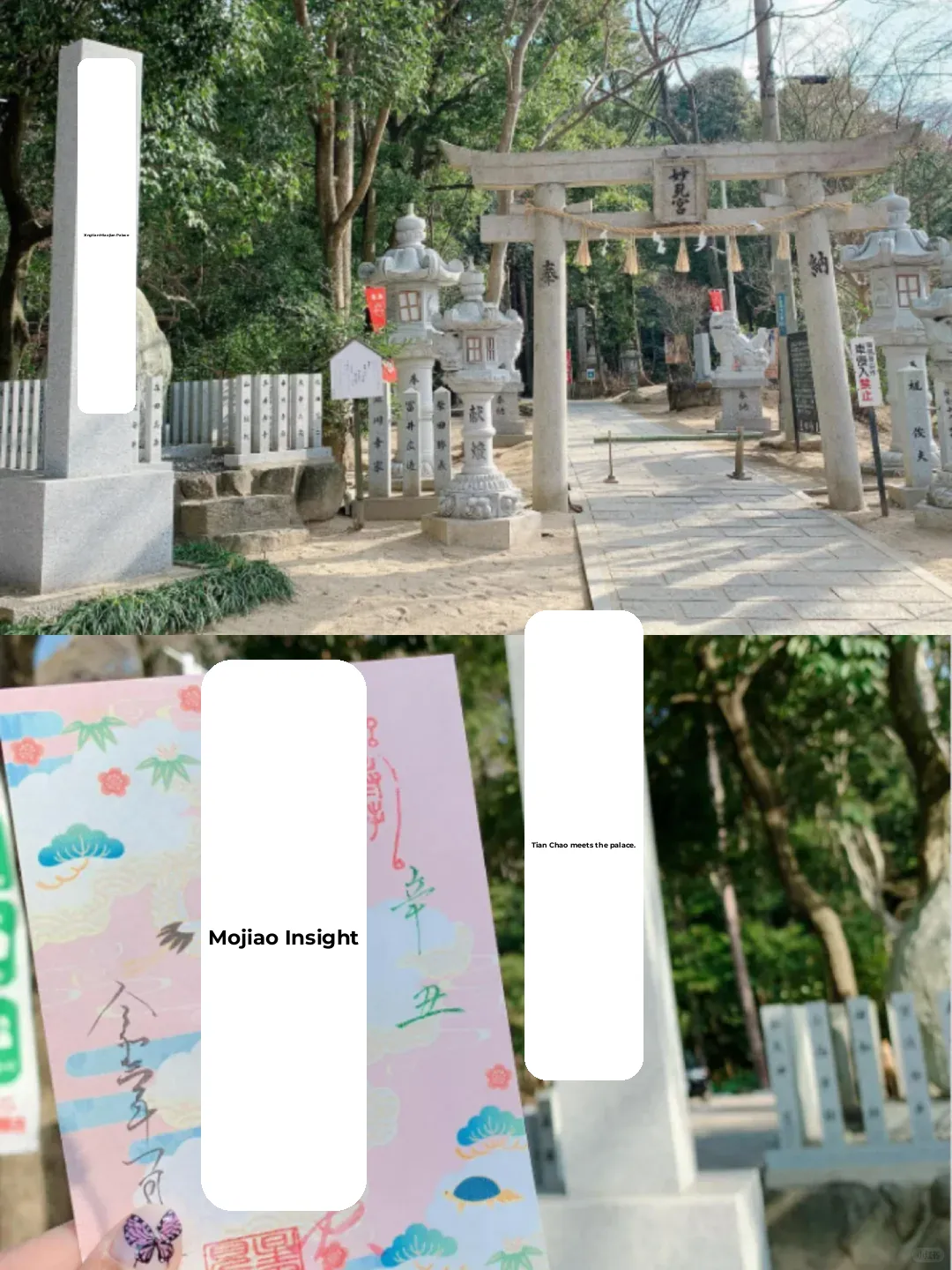
Namba Jinja things to do, attractions, restaurants, events info and trip planning
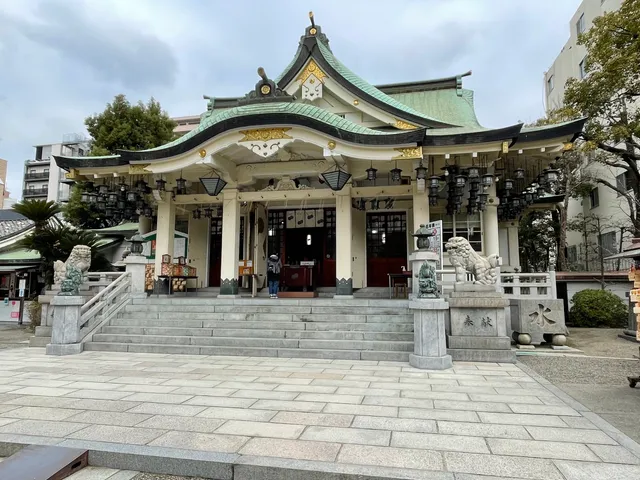
Basic Info
Namba Jinja
4 Chome-1-3 Bakuromachi, Chuo Ward, Osaka, 541-0059, Japan
4.1(1.1K)
Closed
Save
spot
spot
Ratings & Description
Info
Cultural
Family friendly
attractions: Minamimido, Ikasuri Jinja (Zama Shrine), EN - Japanese antiques -, NAZ ECLAT OSAKA, Orix Theater, Shinsaibashi, Kyuuhou Park, PLUS KIDSLAND ACADEMY, Shinmachi Kita Park, DAIHATSU Shinsaibashi Kadoza, restaurants: Gyukatsu Kyoto Katsugyu Honmachi Shinsaibashi, Cafe Garb, Torisoba Zagin Niboshi, Itamae Yakiniku Ichigyu Shinsaibashi Main Store, CAFE ANNON 心斎橋店, Ramen Great War Senba Shinsaibashi Branch, いずみバーグ 心斎橋店 Izumi Burg Shinsaibashi, Wagyu Ryori Kaname, Tsujita Shinsaibashi, Tofu Sorano Minami Senba, local businesses: Daiso, WSP Osaka Shinsaibashi Store, Shimojima Shinsaibashi, Friday 21 Nail Salon, ACORN, Cornes Osaka Showroom, CIERA . Minamisenba / Valley Yaju / Double Color Hair Salon, NATS, Acanece Shinsaibashi, Bakuroinari Shrine
 Learn more insights from Wanderboat AI.
Phone
+81 6-6251-8000
Website
nanba-jinja.or.jp
Open hoursSee all hours
Sat6:30 AM - 5 PMClosed
Plan your stay

Pet-friendly Hotels in Osaka
Find a cozy hotel nearby and make it a full experience.

Affordable Hotels in Osaka
Find a cozy hotel nearby and make it a full experience.

The Coolest Hotels You Haven't Heard Of (Yet)
Find a cozy hotel nearby and make it a full experience.

Trending Stays Worth the Hype in Osaka
Find a cozy hotel nearby and make it a full experience.
Reviews
Live events
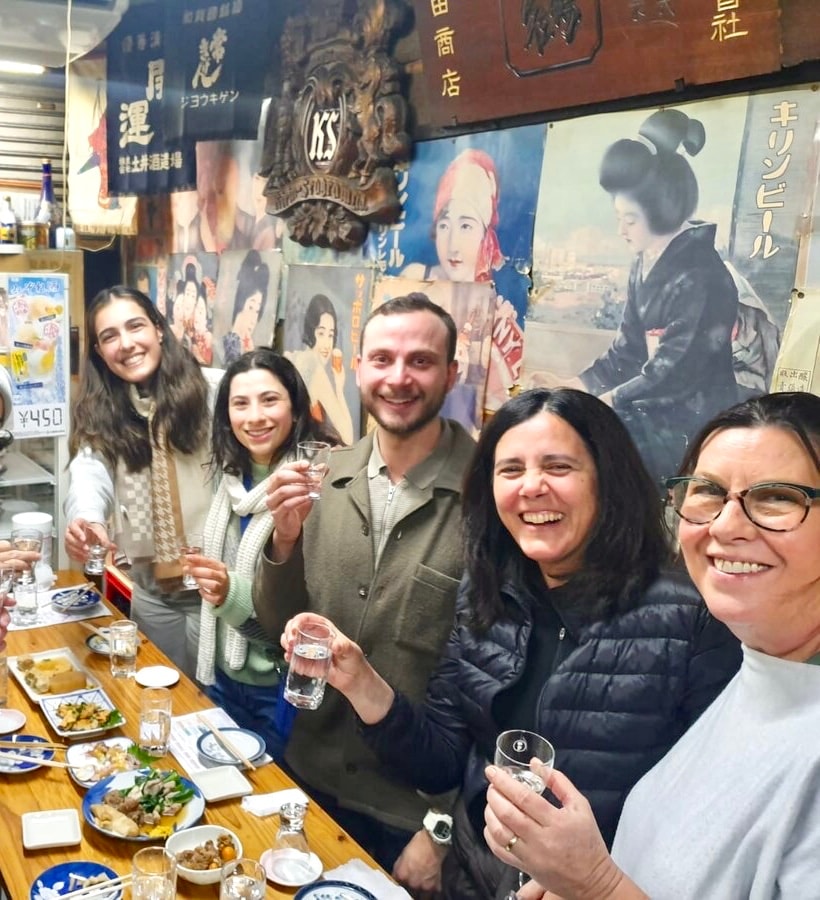
Off The Beaten Path Osaka Local Bar Crawl
Tue, Mar 3 • 7:15 PM
530-0034, Osaka, Osaka, Japan
View details

Exciting & Fun Language Exchange British pub Umeda楽しい言語交換Meetu
Mon, Mar 2 • 7:30 PM
北区茶屋町3−4 #2F 大阪市, 大阪府 530-0013
View details
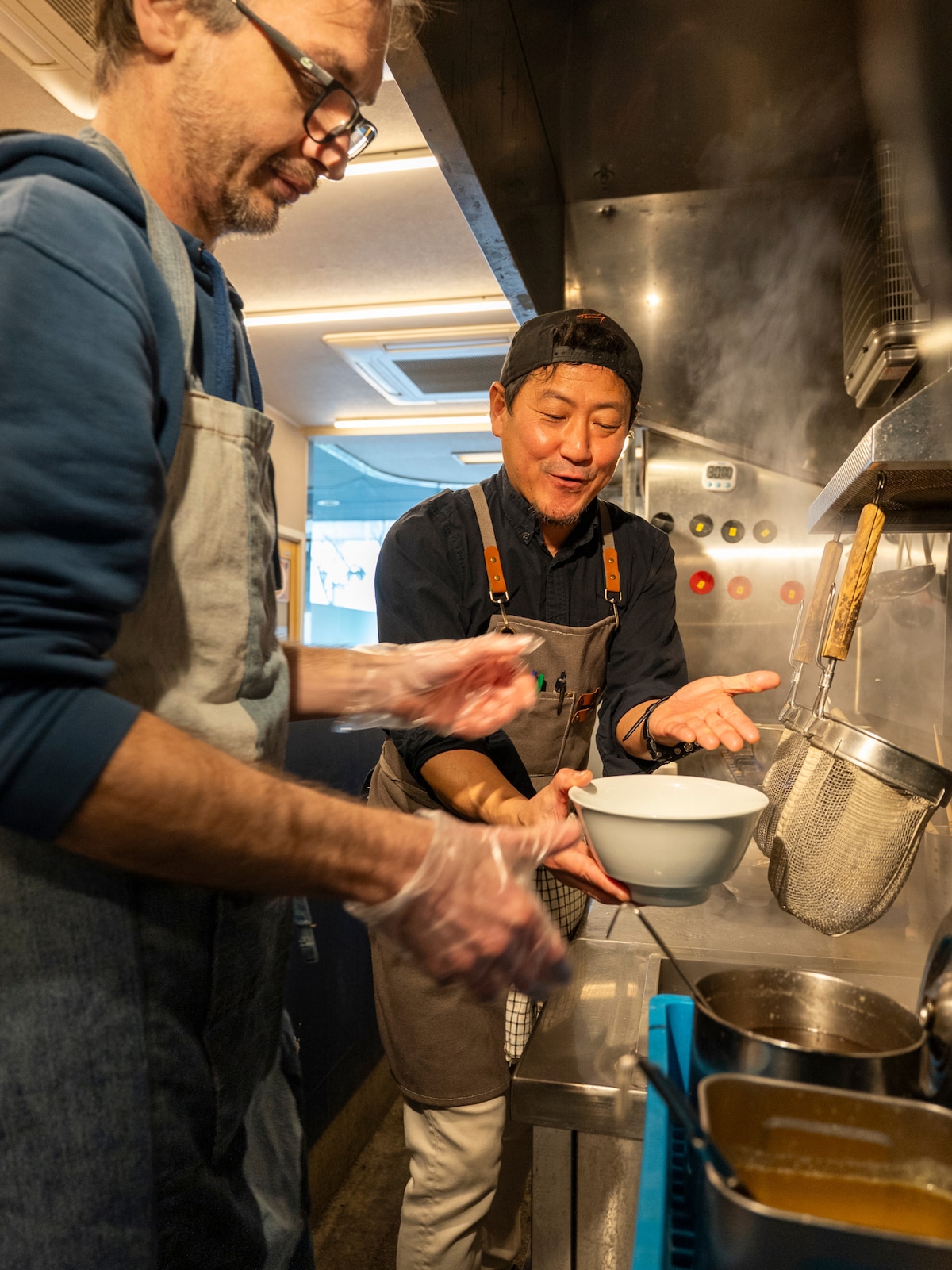
Experience making ramen in a private kitchen in Osaka!
Sat, Feb 28 • 9:30 AM
543-0021, Osaka, Osaka, Japan
View details
Nearby attractions of Namba Jinja
Minamimido
Ikasuri Jinja (Zama Shrine)
EN - Japanese antiques -
NAZ ECLAT OSAKA
Orix Theater
Shinsaibashi
Kyuuhou Park
PLUS KIDSLAND ACADEMY
Shinmachi Kita Park
DAIHATSU Shinsaibashi Kadoza
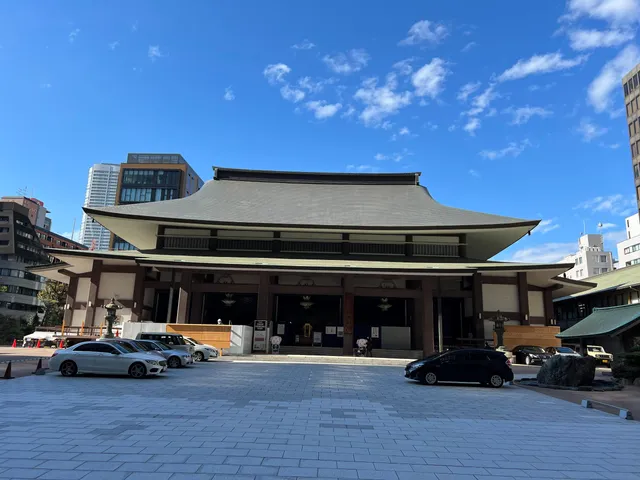
Minamimido
4.1
(331)
Closed
Click for details
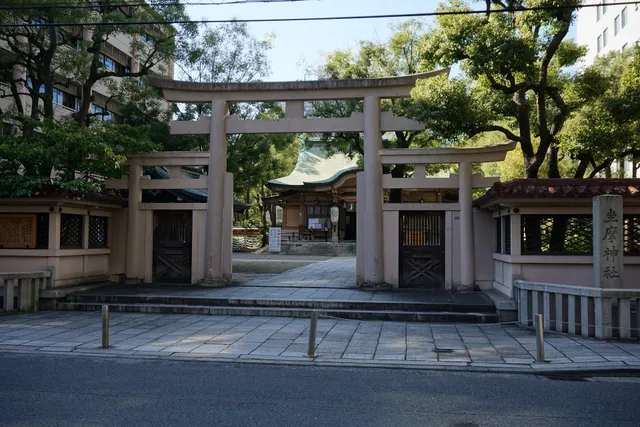
Ikasuri Jinja (Zama Shrine)
4.2
(719)
Closed
Click for details
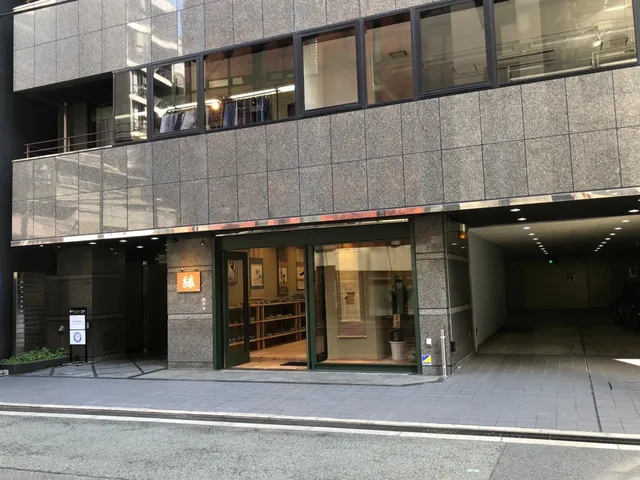
EN - Japanese antiques -
4.7
(27)
Closed
Click for details

NAZ ECLAT OSAKA
4.7
(11)
Closed
Click for details
Nearby restaurants of Namba Jinja
Gyukatsu Kyoto Katsugyu Honmachi Shinsaibashi
Cafe Garb
Torisoba Zagin Niboshi
Itamae Yakiniku Ichigyu Shinsaibashi Main Store
CAFE ANNON 心斎橋店
Ramen Great War Senba Shinsaibashi Branch
いずみバーグ 心斎橋店 Izumi Burg Shinsaibashi
Wagyu Ryori Kaname
Tsujita Shinsaibashi
Tofu Sorano Minami Senba

Gyukatsu Kyoto Katsugyu Honmachi Shinsaibashi
4.9
(429)
Closed
Click for details
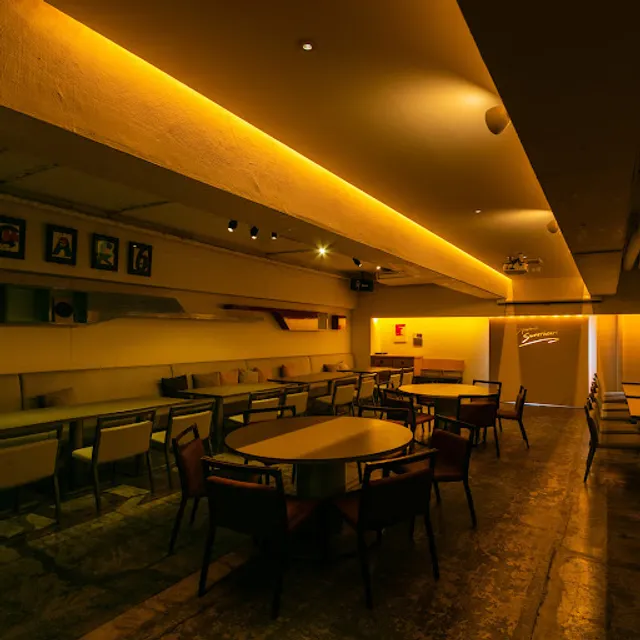
Cafe Garb
3.9
(450)
Click for details
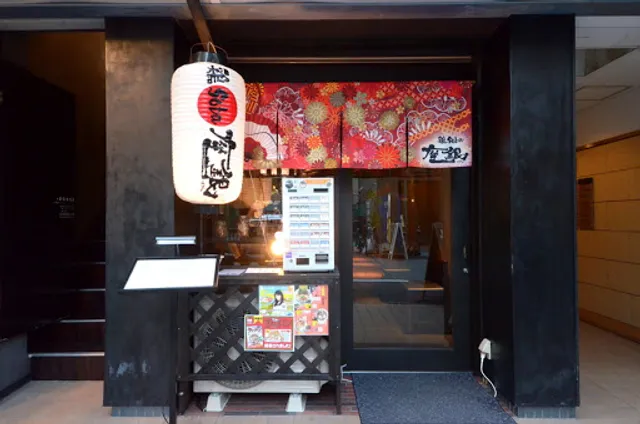
Torisoba Zagin Niboshi
4.4
(1.3K)
Closed
Click for details
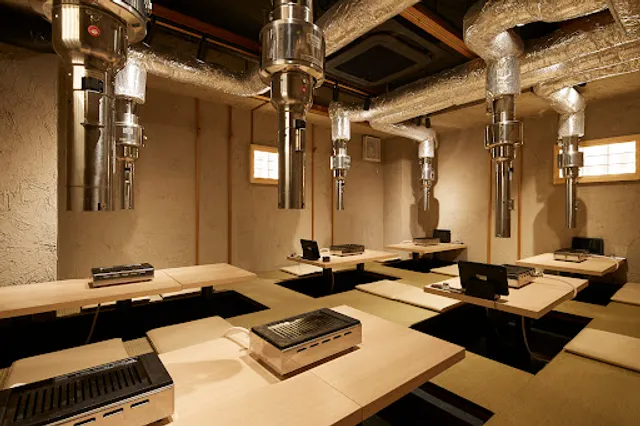
Itamae Yakiniku Ichigyu Shinsaibashi Main Store
4.8
(1.2K)
Closed
Click for details
Nearby local services of Namba Jinja
Daiso
WSP Osaka Shinsaibashi Store
Shimojima Shinsaibashi
Friday 21 Nail Salon
ACORN
Cornes Osaka Showroom
CIERA . Minamisenba / Valley Yaju / Double Color Hair Salon
NATS
Acanece Shinsaibashi
Bakuroinari Shrine
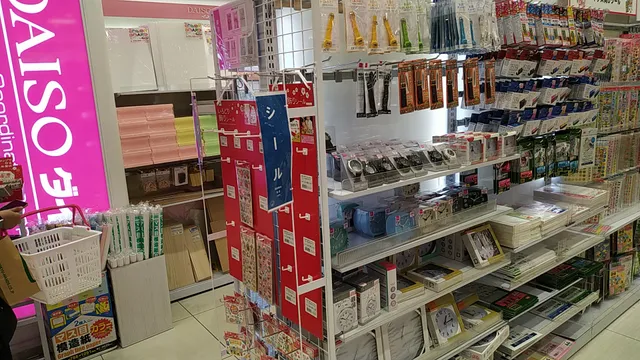
Daiso
4.0
(1.7K)
Click for details
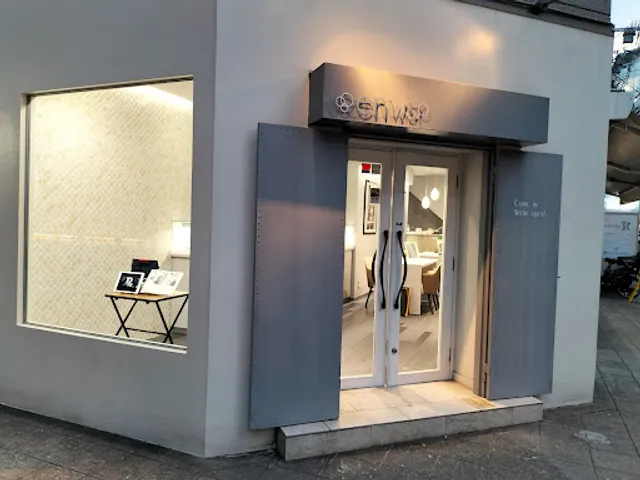
WSP Osaka Shinsaibashi Store
4.9
(337)
Click for details
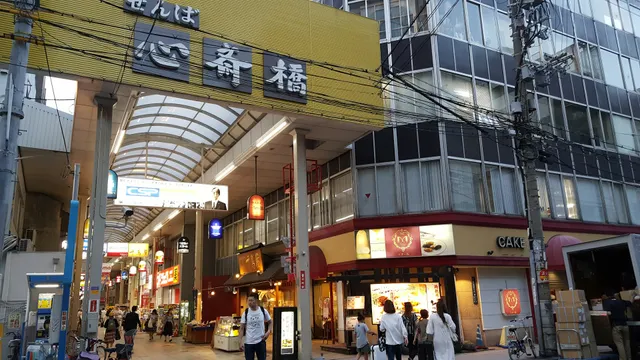
Shimojima Shinsaibashi
4.1
(777)
Click for details

Friday 21 Nail Salon
5.0
(792)
Click for details