Guan Di Temple Chinatown things to do, attractions, restaurants, events info and trip planning
Basic Info
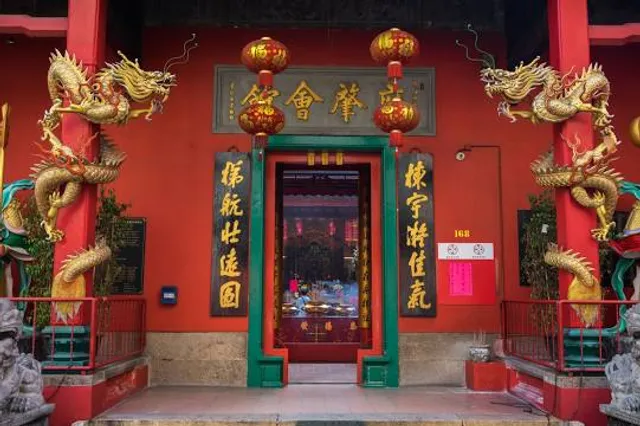
Guan Di Temple Chinatown
168, Jalan Tun H S Lee, City Centre, 50000 Kuala Lumpur, Wilayah Persekutuan Kuala Lumpur, Malaysia
4.5(821)
Closed
Save
spot
spot
Ratings & Description
Info
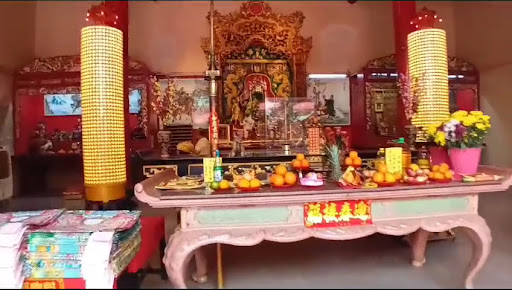
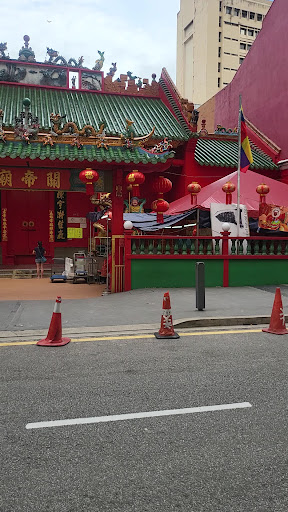
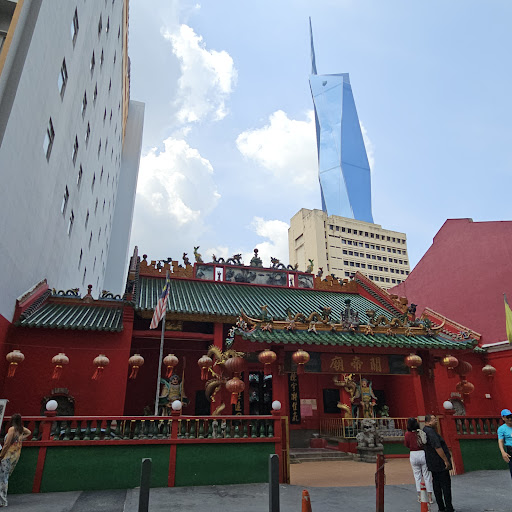
Kuala Lumpur Guandi Temple, or Kuala Lumpur Emperor Guan Temple, also known as the Kuala Lumpur Kuan Ti Temple, is a Malaysia-based Taoist temple located in the Jalan Tun H S Lee, Kuala Lumpur. Founded in 1887, it is one of the oldest temples in Malaysia. Not available for sitting in meditation.
Cultural
Scenic
Family friendly
Accessibility
attractions: Sri Maha Mariamman Temple, Sin Sze Si Ya Temple, +n by UR-MU, REXPERIENCE, 吉隆坡师爷庙拓荒博物馆 Sin Sze Si Ya Temple Pioneers of Kuala Lumpur Museum, Illusion 3D Art Museum, Kwai Chai Hong, Art House Gallery Museum of Ethnic Arts, National Textiles Museum, Petaling Street Street Art, restaurants: Raw (formerly Raw Kitchen Hall), Niko Neko Matcha 2.0 / Chinatown, Kedai Kopi Lai Foong, AOOO Melbourne Cafe, Al-Baik Di Bistro Restaurant, Cafe ETC, Dodoo VCR, Flaon • Petaling Street, Coupe De Vin, Pucks Coffee, local businesses: Jalan Petaling, Kasturi Walk, Lee Lam Thye Wet Market, Pasar Karat KL, Dury Dury Petaling Street, Stylo Hair Salon, Pasar Seni, APOM @ Central Market, KK SUPER MART Central Market (CMK), U-24 @ Central Market
 Learn more insights from Wanderboat AI.
Phone
+60 10-442 1988
Website
kwongsiew.org
Open hoursSee all hours
Sat7:30 AM - 3 PMClosed
Plan your stay

Pet-friendly Hotels in Kuala Lumpur
Find a cozy hotel nearby and make it a full experience.

Affordable Hotels in Kuala Lumpur
Find a cozy hotel nearby and make it a full experience.

The Coolest Hotels You Haven't Heard Of (Yet)
Find a cozy hotel nearby and make it a full experience.

Trending Stays Worth the Hype in Kuala Lumpur
Find a cozy hotel nearby and make it a full experience.
Reviews
Live events
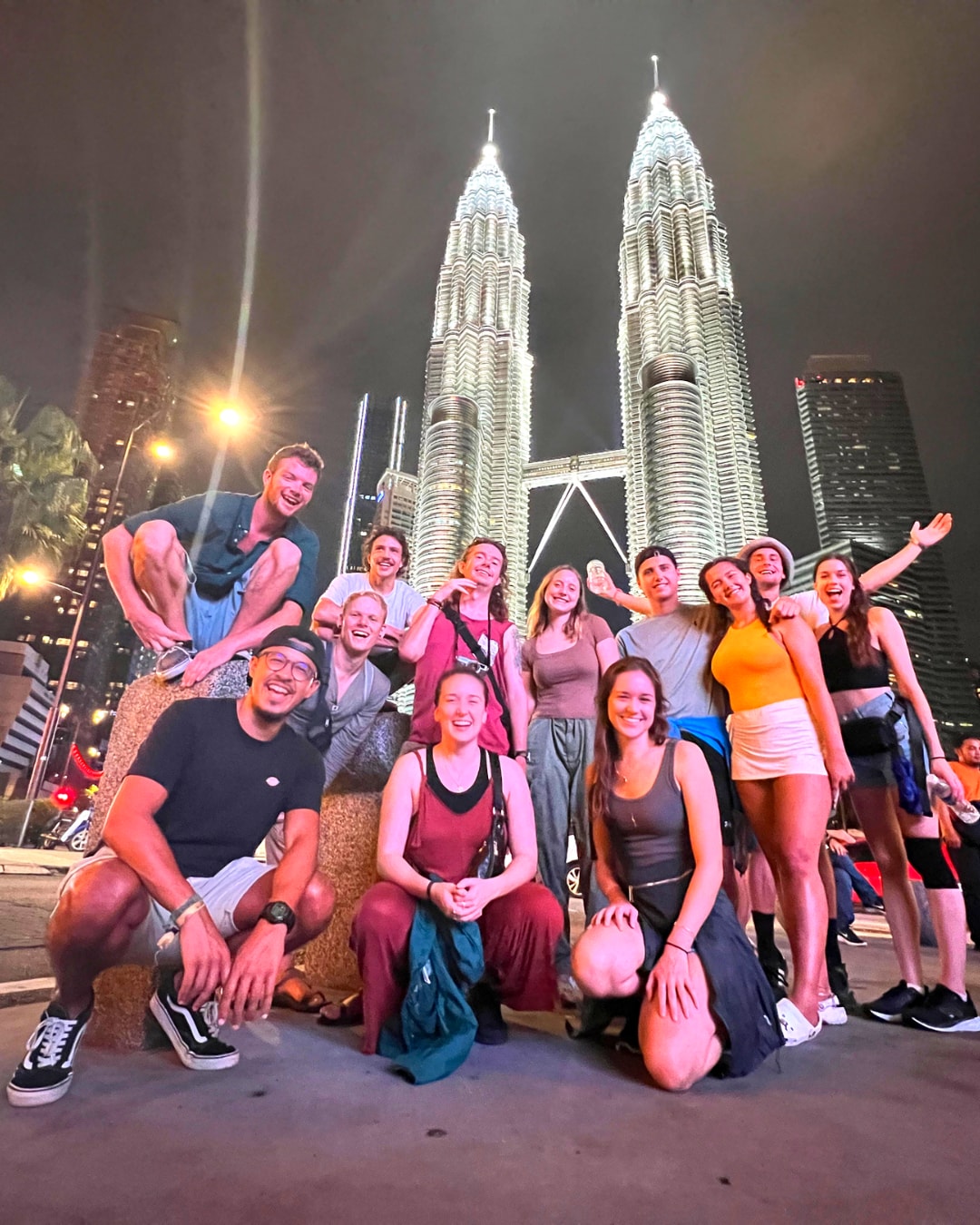
Authentic Malaysian Street Food Tour Kampung Baru
Sat, Feb 21 • 6:00 PM
50300, Kuala Lumpur, Federal Territory of Kuala Lumpur, Malaysia
View details
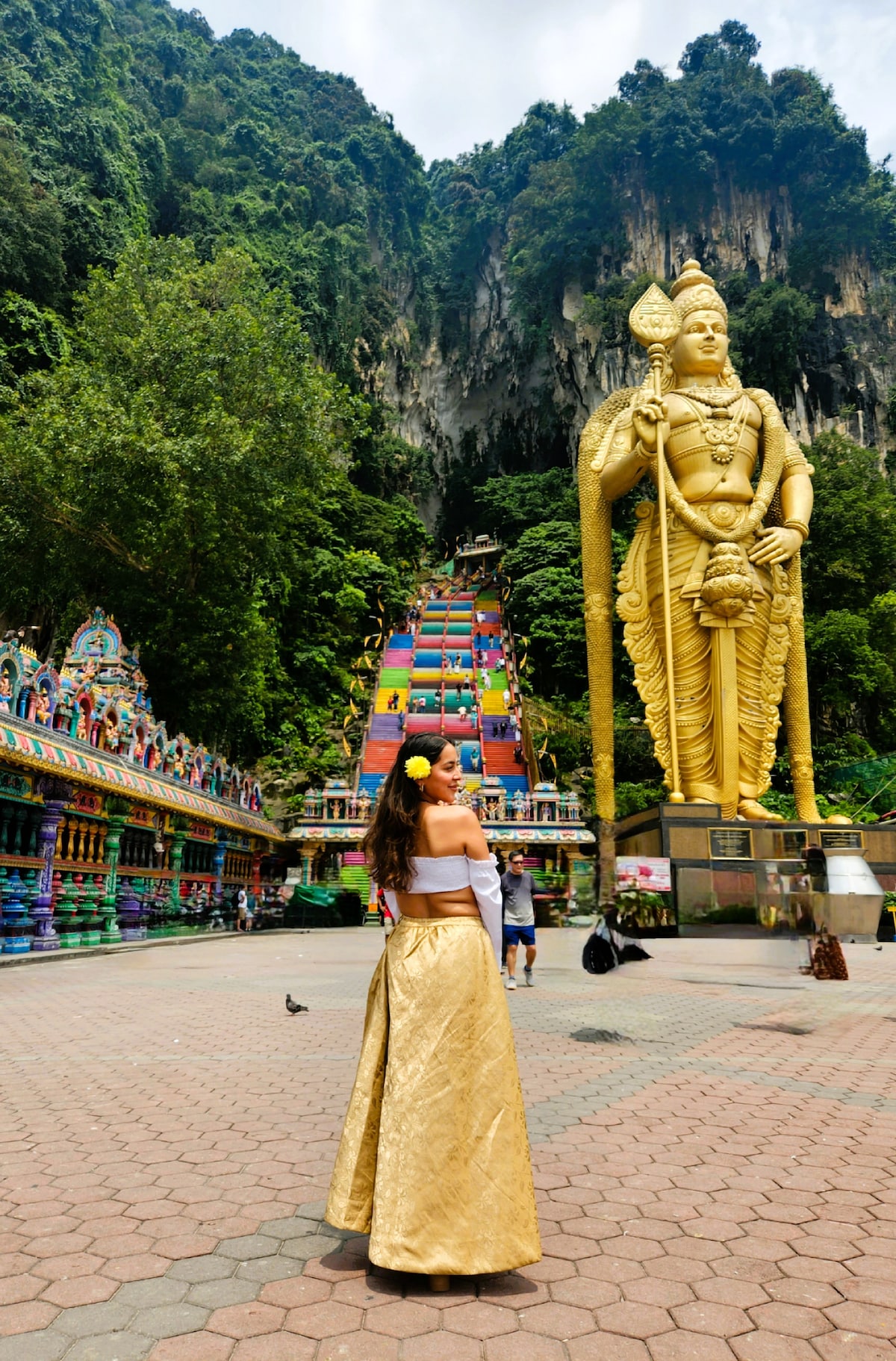
Explore 7 Wonders Of Kuala Lumpur With A Local
Sun, Feb 22 • 9:30 AM
50450, Kuala Lumpur, Federal Territory of Kuala Lumpur, Malaysia
View details
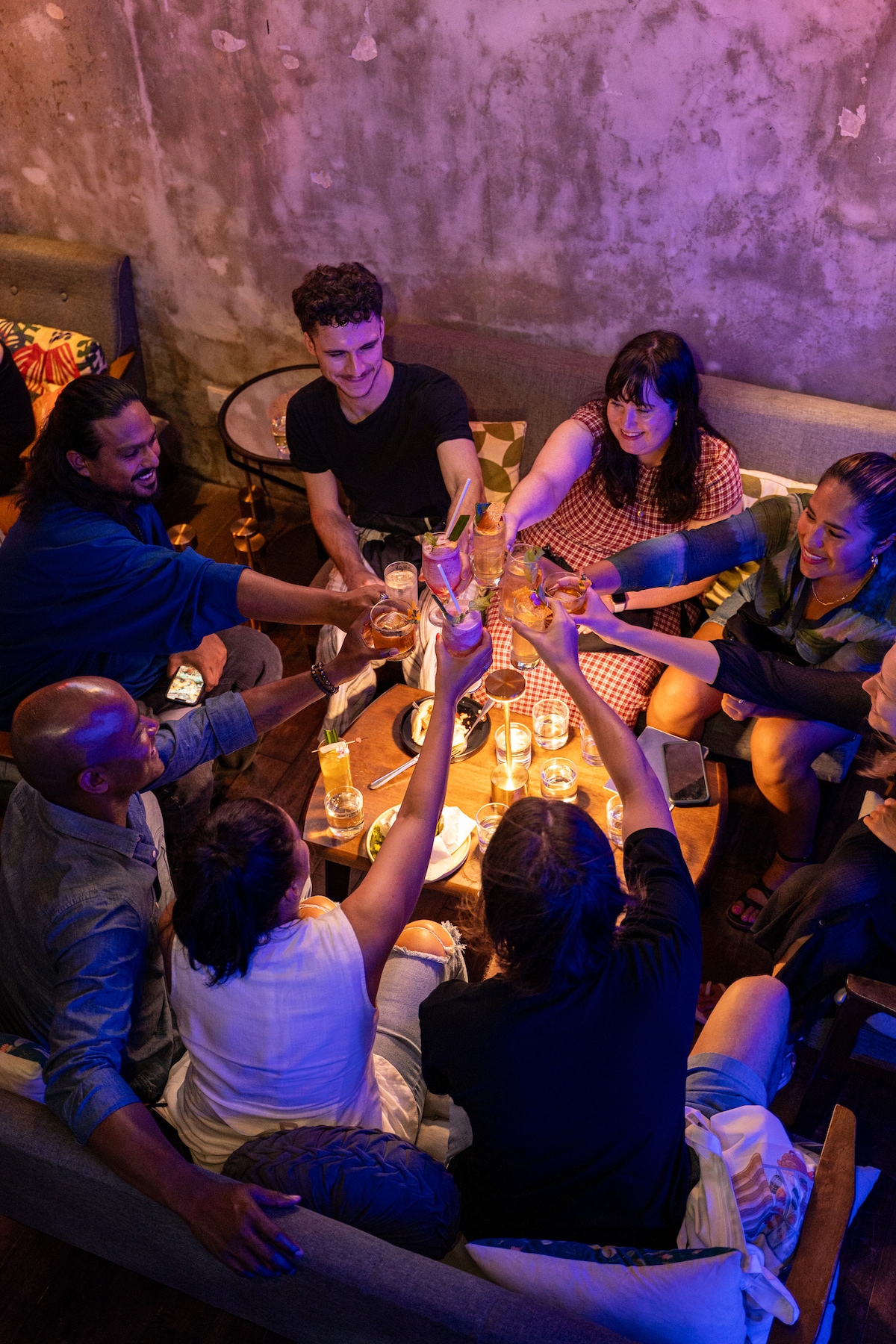
Hidden Bar Hopping With A Local
Sat, Feb 21 • 8:00 PM
50000, Kuala Lumpur, Federal Territory of Kuala Lumpur, Malaysia
View details
Nearby attractions of Guan Di Temple Chinatown
Sri Maha Mariamman Temple
Sin Sze Si Ya Temple
+n by UR-MU
REXPERIENCE
吉隆坡师爷庙拓荒博物馆 Sin Sze Si Ya Temple Pioneers of Kuala Lumpur Museum
Illusion 3D Art Museum
Kwai Chai Hong
Art House Gallery Museum of Ethnic Arts
National Textiles Museum
Petaling Street Street Art
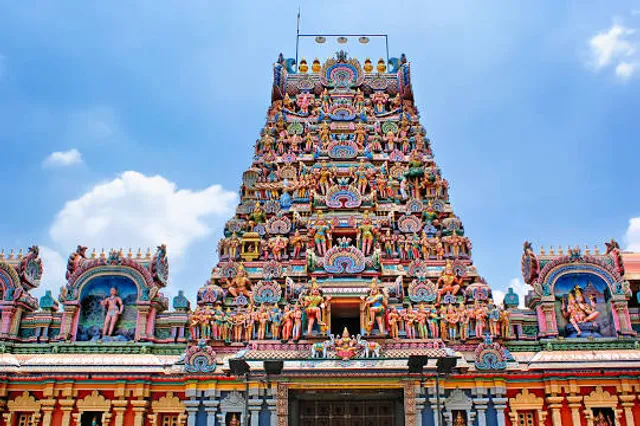
Sri Maha Mariamman Temple
4.4
(2K)
Closed
Click for details
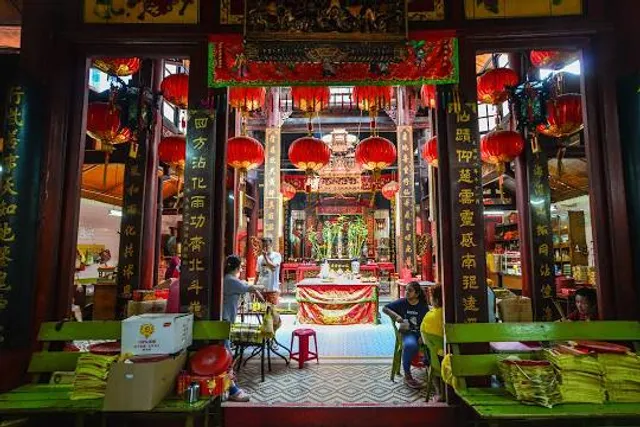
Sin Sze Si Ya Temple
4.4
(1.1K)
Closed
Click for details
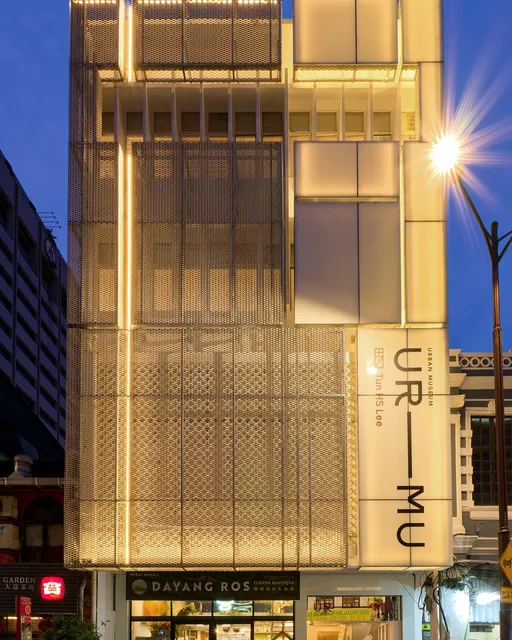
+n by UR-MU
4.8
(91)
Closed
Click for details

REXPERIENCE
4.3
(243)
Closed
Click for details
Nearby restaurants of Guan Di Temple Chinatown
Raw (formerly Raw Kitchen Hall)
Niko Neko Matcha 2.0 / Chinatown
Kedai Kopi Lai Foong
AOOO Melbourne Cafe
Al-Baik Di Bistro Restaurant
Cafe ETC
Dodoo VCR
Flaon • Petaling Street
Coupe De Vin
Pucks Coffee
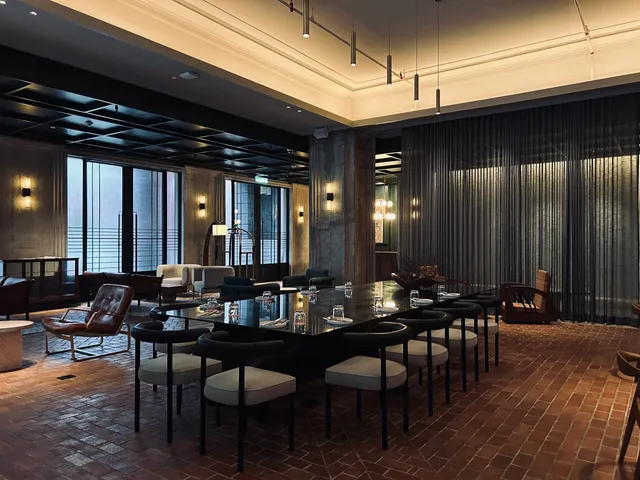
Raw (formerly Raw Kitchen Hall)
4.6
(549)
Closed
Click for details
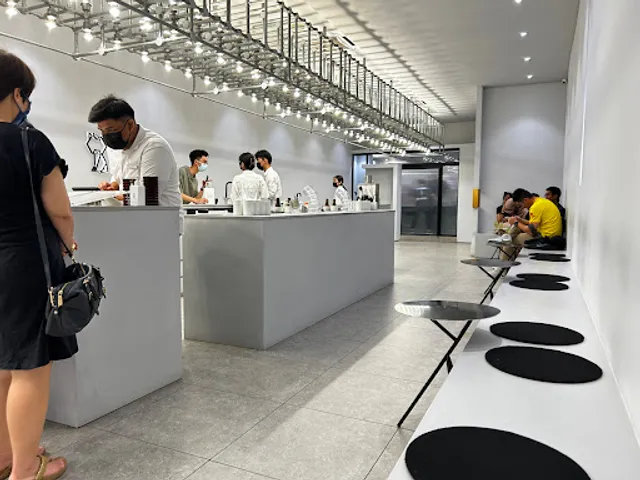
Niko Neko Matcha 2.0 / Chinatown
4.6
(1.6K)
Closed
Click for details
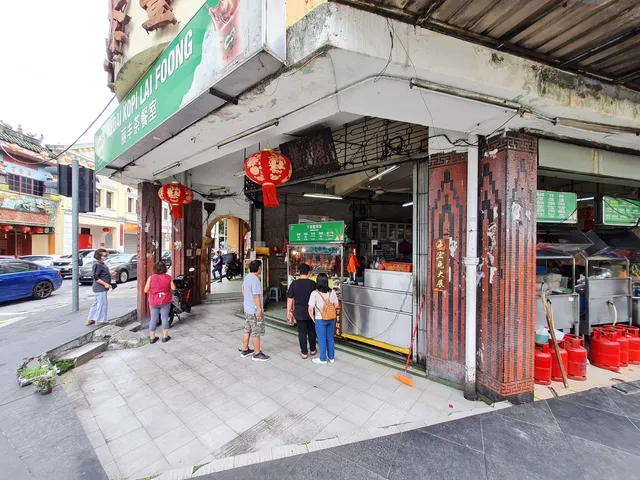
Kedai Kopi Lai Foong
4.0
(1.2K)
Closed
Click for details
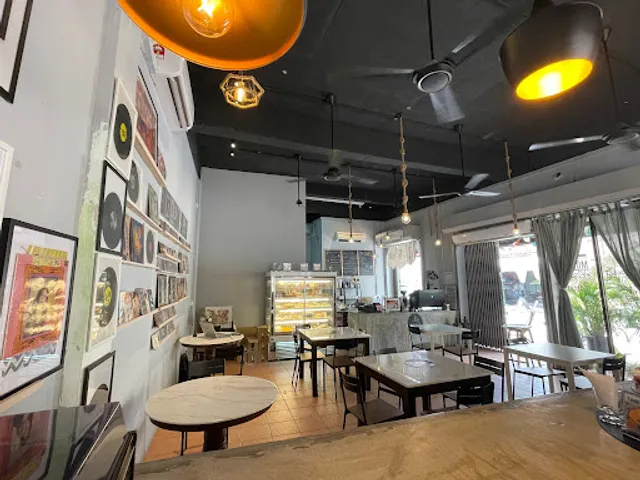
AOOO Melbourne Cafe
4.6
(335)
Closed
Click for details
Nearby local services of Guan Di Temple Chinatown
Jalan Petaling
Kasturi Walk
Lee Lam Thye Wet Market
Pasar Karat KL
Dury Dury Petaling Street
Stylo Hair Salon
Pasar Seni
APOM @ Central Market
KK SUPER MART Central Market (CMK)
U-24 @ Central Market
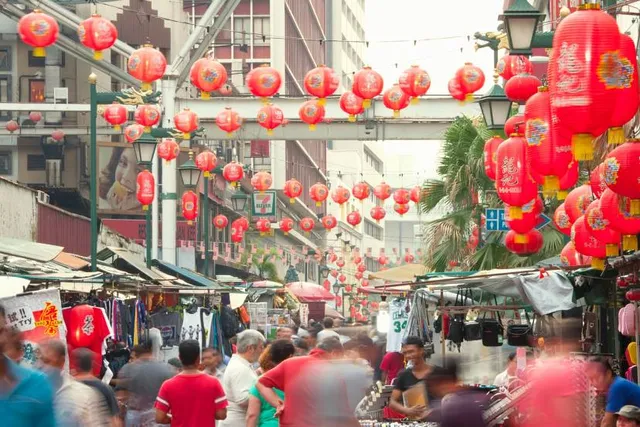
Jalan Petaling
4.0
(234)
Click for details
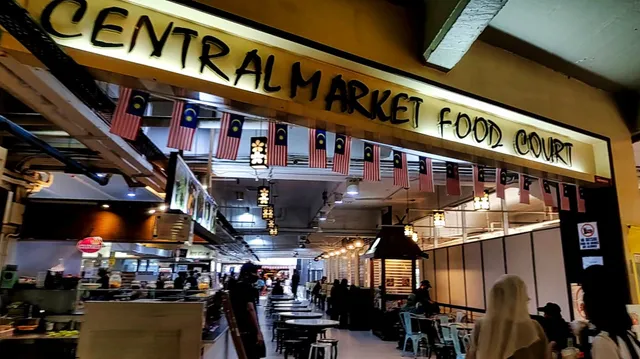
Kasturi Walk
4.4
(419)
Click for details
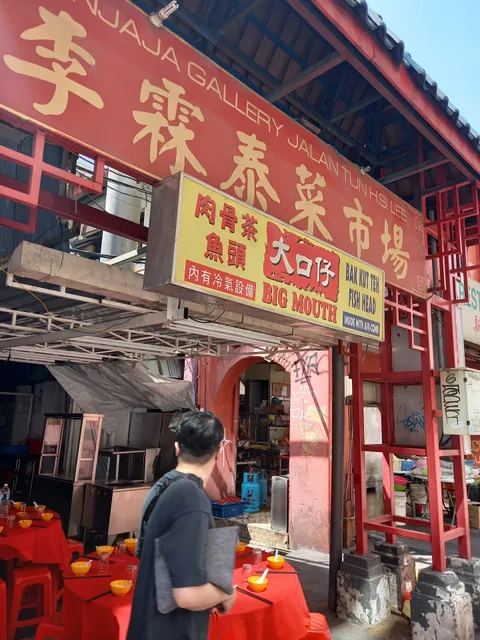
Lee Lam Thye Wet Market
4.0
(39)
Click for details
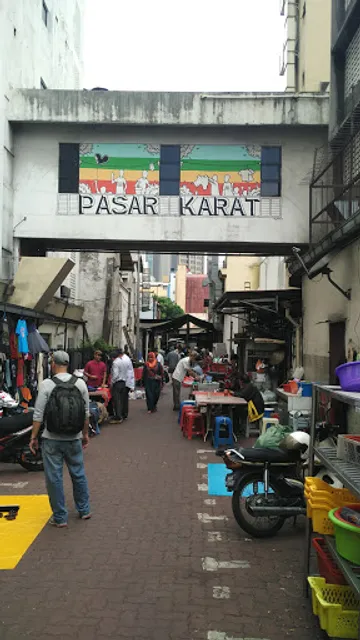
Pasar Karat KL
4.0
(231)
Click for details