HTML SitemapExplore
logo
Find Things to DoFind The Best Restaurants

The History and Ethnography Museum — Attraction in Malacca

Name
The History and Ethnography Museum
Description
Nearby attractions
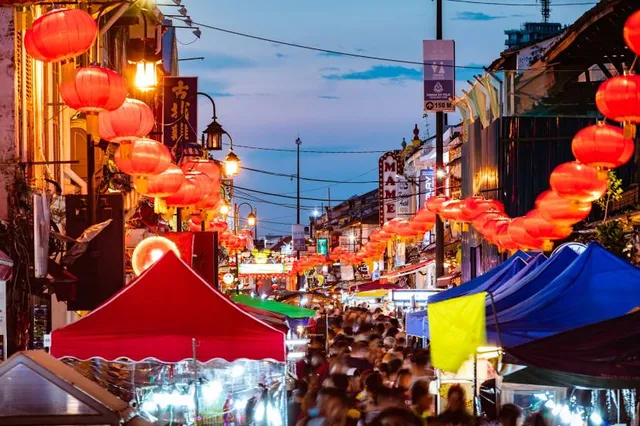
Jonker Street Night Market
Jalan Hang Jebat, 75200 Melaka, Malaysia
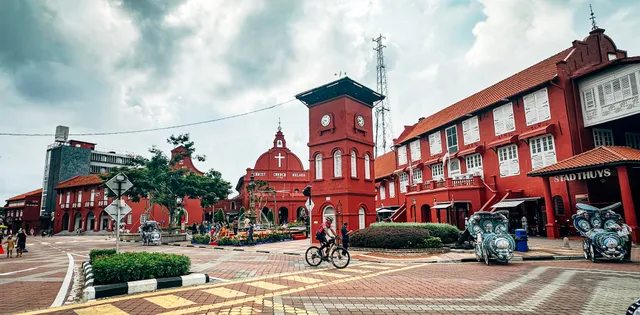
Dutch Square (Red Square) Melaka
Banda Hilir, 75200 Malacca, Malaysia
Stadthuys
31, Jalan Laksamana, Banda Hilir, 75000 Melaka, Malaysia
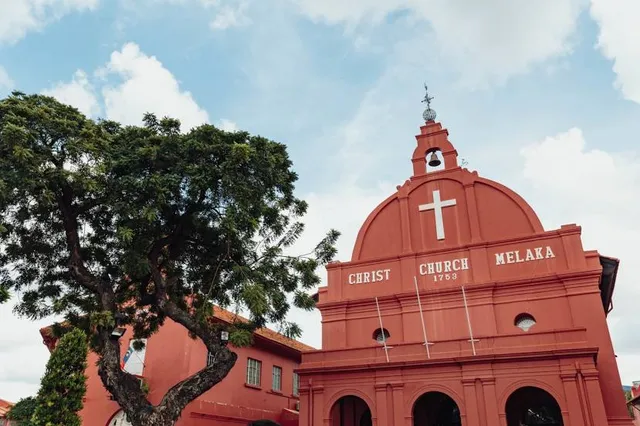
Christ Church Melaka
Gereja Christ, Jalan Gereja, Banda Hilir, 75000 Malacca, Malaysia
The Stadthuys
Jalan Gereja, Banda Hilir, 75000 Melaka, Malaysia
Tan Beng Swee Clock Tower
17, Jalan Gereja, Banda Hilir, 75000 Melaka, Malaysia
A Famosa
Jln Parameswara, Banda Hilir, 78000 Alor Gajah, Melaka, Malaysia
Queen Victoria's Fountain
Jalan Gereja, Banda Hilir, 75000 Melaka, Malaysia
Melaka River Cruise Jeti Quayside
ARAS 9, GRAHA MAJU BUILDING, JALAN GRAHA MAJU, Banda Hilir, 75300 Melaka, Malaysia
Church of Saint Paul, Malacca
1935, Jln Kota, Banda Hilir, 75000 Melaka, Malaysia
Nearby restaurants
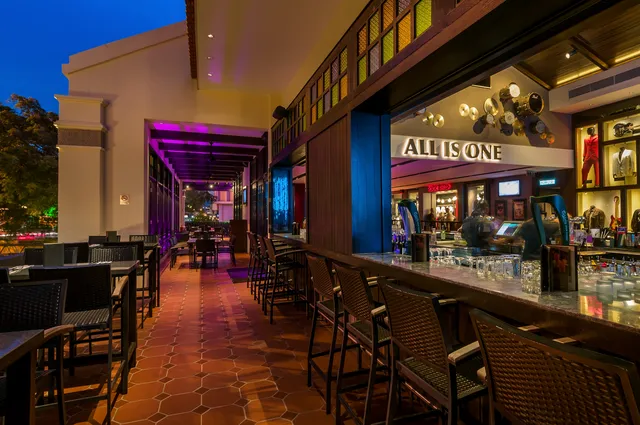
Hard Rock Cafe Melaka
28, Lorong Hang Jebat, 75200 Melaka, Malaysia
GravyBaby Melaka at Jonker Street
2, Lorong Hang Jebat, Melaka City, 75200 Melaka, Malaysia
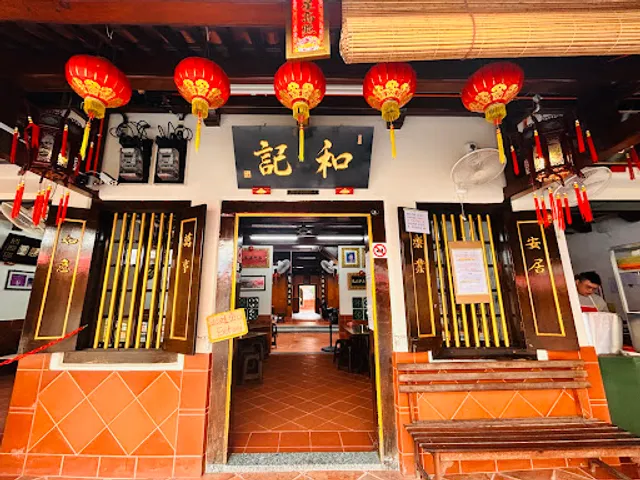
Hoe Kee Chicken Rice 和记鸡饭
468, Jalan Hang Jebat, 75200 Melaka, Malaysia
The Stolen Cup
12, Jalan Hang Jebat, 75200 Melaka, Malaysia
中华鸡饭 Kedai Kopi Chung Wah
20, Lorong Hang Jebat, 75200 Melaka, Malaysia
Restoran Lim Jit
41, Lorong Hang Jebat, 75200 Melaka, Malaysia
Calanthe Art Cafe
11, Jalan Hang Kasturi, 75250 Melaka, Malaysia
Jonker Chicken Rice Ball
15 & 17, Lorong Hang Jebat, 75200 Melaka, Malaysia
Pin Pin Hiong Restaurant - Mee Sua
786, Lorong Hang Jebat, 75200 Melaka, Malaysia
Chop Tiang Bee Cafe 长美号
Lot 15, Jalan Hang Kasturi, 75200 Melaka, Malaysia
Nearby hotels
JonkeRED Heritage Hotel
14 & 16, Jalan Laksamana, Banda Hilir, 75000 Melaka, Malaysia
Casa del Rio Melaka
88, Jalan Laksamana, Taman Kota Laksamana, 75200 Melaka, Malaysia
Styles Hotel Melaka
Lot 19 & 21, Lorong Hang Jebat, 75000 Melaka, Malaysia
Quayside Hotel
Jln Merdeka, Banda Hilir, 75000 Melaka, Malaysia
Heeren By The River Hotel
7 & Center, 9, Lorong Hang Jebat, 75200 Melaka, Malaysia
Gingerflower Boutique Hotel
13, Jalan Tun Tan Cheng Lock, Taman Kota Laksamana, 75200 Melaka, Malaysia
Nomaps (Malacca)
11, Jalan Tun Tan Cheng Lock, Taman Kota Laksamana, 75200 Melaka, Malaysia
Heeren House by Signature Puzzle Hotel
1, Jalan Tun Tan Cheng Lock, Taman Kota Laksamana, 75200 Melaka, Malaysia
Rest Collection RedHouse Melaka
32, Jalan Laksamana, Banda Hilir, 75000 Melaka, Malaysia
Timez Modern Heritage Hotel Melaka
31, Jalan Hang Kasturi, 75200 Melaka, Malaysia
Related posts
Keywords
The History and Ethnography Museum tourism.The History and Ethnography Museum hotels.The History and Ethnography Museum bed and breakfast. flights to The History and Ethnography Museum.The History and Ethnography Museum attractions.The History and Ethnography Museum restaurants.The History and Ethnography Museum travel.The History and Ethnography Museum travel guide.The History and Ethnography Museum travel blog.The History and Ethnography Museum pictures.The History and Ethnography Museum photos.The History and Ethnography Museum travel tips.The History and Ethnography Museum maps.The History and Ethnography Museum things to do.
The History and Ethnography Museum things to do, attractions, restaurants, events info and trip planning
The History and Ethnography Museum
MalaysiaMalaccaThe History and Ethnography Museum

Basic Info

The History and Ethnography Museum

Jln Kota, Banda Hilir, 75000 Melaka, Malaysia
4.3(196)
Closed
Save
spot

Ratings & Description

Info

Cultural
Family friendly
Accessibility
attractions: Jonker Street Night Market, Dutch Square (Red Square) Melaka, Stadthuys, Christ Church Melaka, The Stadthuys, Tan Beng Swee Clock Tower, A Famosa, Queen Victoria's Fountain, Melaka River Cruise Jeti Quayside, Church of Saint Paul, Malacca, restaurants: Hard Rock Cafe Melaka, GravyBaby Melaka at Jonker Street, Hoe Kee Chicken Rice 和记鸡饭, The Stolen Cup, 中华鸡饭 Kedai Kopi Chung Wah, Restoran Lim Jit, Calanthe Art Cafe, Jonker Chicken Rice Ball, Pin Pin Hiong Restaurant - Mee Sua, Chop Tiang Bee Cafe 长美号
logoLearn more insights from Wanderboat AI.
Phone
+60 6-282 6526
Website
virtualmuseummelaka.com
Open hoursSee all hours
Sat9 AM - 5:30 PMClosed

Plan your stay

hotel
Pet-friendly Hotels in Malacca
Find a cozy hotel nearby and make it a full experience.

hotel
Affordable Hotels in Malacca
Find a cozy hotel nearby and make it a full experience.

hotel
The Coolest Hotels You Haven't Heard Of (Yet)
Find a cozy hotel nearby and make it a full experience.

hotel
Trending Stays Worth the Hype in Malacca
Find a cozy hotel nearby and make it a full experience.

Reviews

Nearby attractions of The History and Ethnography Museum

Jonker Street Night Market

Dutch Square (Red Square) Melaka

Stadthuys

Christ Church Melaka

The Stadthuys

Tan Beng Swee Clock Tower

A Famosa

Queen Victoria's Fountain

Melaka River Cruise Jeti Quayside

Church of Saint Paul, Malacca

Jonker Street Night Market

Jonker Street Night Market

4.3

(11.4K)

Open 24 hours
Click for details
Dutch Square (Red Square) Melaka

Dutch Square (Red Square) Melaka

4.4

(1.9K)

Open 24 hours
Click for details
Stadthuys

Stadthuys

4.4

(614)

Closed
Click for details
Christ Church Melaka

Christ Church Melaka

4.5

(851)

Open 24 hours
Click for details

Things to do nearby

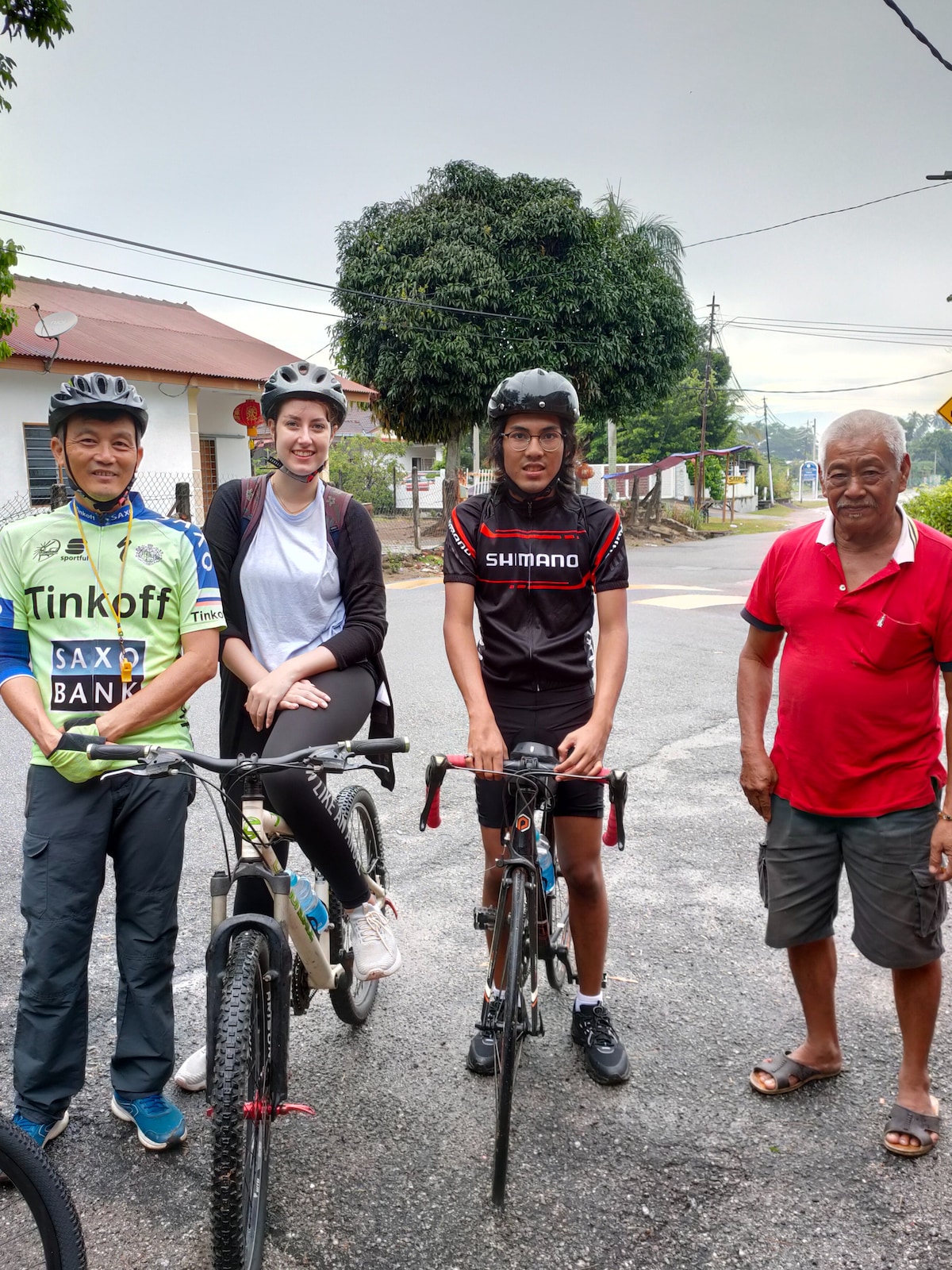
Take a guided ride on the wind and green Malacca
Sun, Dec 7 • 8:15 AM
75000, Malacca, Malacca, Malaysia
View details
Nearby restaurants of The History and Ethnography Museum

Hard Rock Cafe Melaka

GravyBaby Melaka at Jonker Street

Hoe Kee Chicken Rice 和记鸡饭

The Stolen Cup

中华鸡饭 Kedai Kopi Chung Wah

Restoran Lim Jit

Calanthe Art Cafe

Jonker Chicken Rice Ball

Pin Pin Hiong Restaurant - Mee Sua

Chop Tiang Bee Cafe 长美号

Hard Rock Cafe Melaka

Hard Rock Cafe Melaka

4.2

(1.7K)

$$$

Click for details
GravyBaby Melaka at Jonker Street

GravyBaby Melaka at Jonker Street

4.5

(1.4K)

$$$

Click for details
Hoe Kee Chicken Rice 和记鸡饭

Hoe Kee Chicken Rice 和记鸡饭

3.9

(701)

Click for details
The Stolen Cup

The Stolen Cup

4.3

(730)

Click for details
Get the Appoverlay
Get the AppOne tap to find yournext favorite spots!
Wanderboat LogoWanderboat

Your everyday Al companion for getaway ideas

CompanyAbout Us
InformationAI Trip PlannerSitemap
SocialXInstagramTiktokLinkedin
LegalTerms of ServicePrivacy Policy

Get the app

© 2025 Wanderboat. All rights reserved.
logo

Reviews of The History and Ethnography Museum

4.3
(196)
avatar
5.0
17w

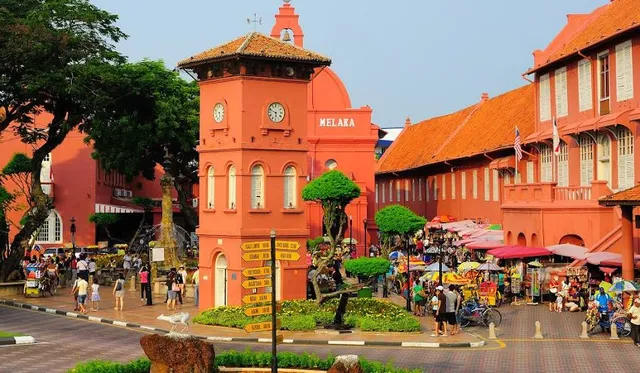
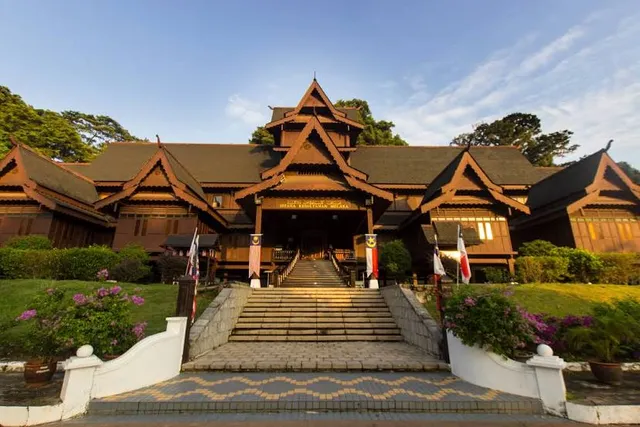
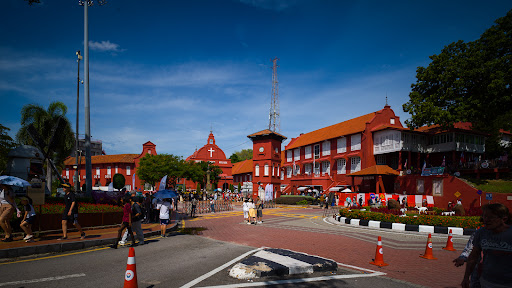
The Stadthuys, located in the heart of Malacca’s Dutch Square, is one of the most iconic remnants of the city’s colonial past. Built in 1650 by the Dutch, this striking red building originally served as the official residence of the Dutch governors and administrative offices. Today, it has been carefully adapted to house the History and Ethnography Museum, offering visitors a unique window into Malacca’s layered past—from the era of Malay sultanates to Portuguese, Dutch, and British rule.

As we stepped through its heavy wooden doors and into the cool interior, we were immediately transported through time. The museum’s exhibits trace the cultural and historical evolution of the region, featuring artifacts, traditional costumes, trade relics, and intricate dioramas. Each room unveils a different facet of Malacca’s rich heritage, revealing how diverse communities—Malay, Chinese, Indian, Baba Nyonya, and others—contributed to the city's distinct identity. It was both educational and deeply atmospheric, with the creaking floorboards and arched windows reminding us that we were standing inside history itself.

We spent hours exploring the museum and capturing its present-day condition through our lenses. From wide shots of the grand façade to intimate close-ups of display cases, our photographs document both the structure's enduring charm and the thoughtful curation within. For us, this visit was more than a tour—it was an opportunity to witness how a colonial relic has been respectfully transformed into a cultural archive that continues to speak to locals and...

   Read more
avatar
4.0
4y

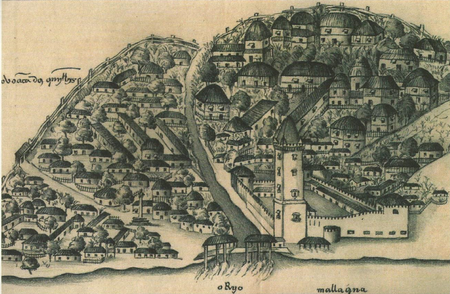
On 25.7.1511, 2am, the Portuguese Alfonso de Albuquerque started the attack of Malacca. Founded in the beginning of the 15th century, Malacca was already a busy trading port passing goods between China and India. As a result of its ideal location, the city hosted many merchants incl. Arabians, Persians, Turks, Armenians, Burmans, Bengali, Siamese, most influential being the Muslim Guajarati's and Javanese, Hindus and Chinese. At this time as many as 84 dialects were spoken, had about 10,000 homes and an estimated population of 40,000. King Manuel I of Portugal, was interested to establish Trade with Portugal but experienced unsuccessful events before. Albuquerque who had captured Goa before was asked to take this difficult task also failed in 1509. Much better prepared they left Goa again in April 1511 for the 40 days journey to Malacca. Sultan Nina Chatu of Malacca had an Army of 20,000 man at his side and was not too impressed by merchant ships creating some trouble. Albuquerque arrived 1st July and it took some weeks of unsuccessful negotiation which eventually resulted in the attack of the city. The Portuguese where better prepared, had better equipment and protection gear, managed to conquer the land and captured the 'Bridge'. The Sultan retreated and the city was taken over. To control the area the famous Fort Formosa was constructed later. From there the Portuguese controlled Malacca for...

   Read more
avatar
5.0
7y

The History and Ethnography Museum is located in the Stadthuys Building, its location at the junction of the City Road and Church Road, Melaka, Malaysia. In front of this building, better known as the 'Dutch Square', there is the Victoria Jewel and the Tan Beng Seng Clock Tower which was built in 1886. The History Museum is located on level 2 and the Ethnografl Museum on the 1st floor of the Stadthuys Building. The Ethnographic Museum gives particular emphasis to the local life style of the various races - Malay, Chinese, Indian, Baba Nyonya, Chetti and Portuguese. An overview of wedding customs, the way of life, the equipment used, the choice of musical instruments and the form of farming is the main focus of this museum. The exhibits are a collection of periodical porcelain, various types of weapons, currency from within and abroad and various another collection during the Dutch occupation in Melaka. The History Museum is located on the first floor of Melaka's history which is a pillar of Malaysian history today from the opening of Malacca to the colonial era of Dutch, English, and Japanese until independence. Based on existing historical paintings and artifacts, visitors will appreciate Melaka's excellence from the beginning of creation, excellence enjoyed, struggle for independence and the modernity of...

   Read more
Page 1 of 7
Previous
Next

Posts

Meng Foo ChooMeng Foo Choo
The Stadthuys, located in the heart of Malacca’s Dutch Square, is one of the most iconic remnants of the city’s colonial past. Built in 1650 by the Dutch, this striking red building originally served as the official residence of the Dutch governors and administrative offices. Today, it has been carefully adapted to house the History and Ethnography Museum, offering visitors a unique window into Malacca’s layered past—from the era of Malay sultanates to Portuguese, Dutch, and British rule. As we stepped through its heavy wooden doors and into the cool interior, we were immediately transported through time. The museum’s exhibits trace the cultural and historical evolution of the region, featuring artifacts, traditional costumes, trade relics, and intricate dioramas. Each room unveils a different facet of Malacca’s rich heritage, revealing how diverse communities—Malay, Chinese, Indian, Baba Nyonya, and others—contributed to the city's distinct identity. It was both educational and deeply atmospheric, with the creaking floorboards and arched windows reminding us that we were standing inside history itself. We spent hours exploring the museum and capturing its present-day condition through our lenses. From wide shots of the grand façade to intimate close-ups of display cases, our photographs document both the structure's enduring charm and the thoughtful curation within. For us, this visit was more than a tour—it was an opportunity to witness how a colonial relic has been respectfully transformed into a cultural archive that continues to speak to locals and travelers alike.
Alf HofstetterAlf Hofstetter
On 25.7.1511, 2am, the Portuguese Alfonso de Albuquerque started the attack of Malacca. Founded in the beginning of the 15th century, Malacca was already a busy trading port passing goods between China and India. As a result of its ideal location, the city hosted many merchants incl. Arabians, Persians, Turks, Armenians, Burmans, Bengali, Siamese, most influential being the Muslim Guajarati's and Javanese, Hindus and Chinese. At this time as many as 84 dialects were spoken, had about 10,000 homes and an estimated population of 40,000. King Manuel I of Portugal, was interested to establish Trade with Portugal but experienced unsuccessful events before. Albuquerque who had captured Goa before was asked to take this difficult task also failed in 1509. Much better prepared they left Goa again in April 1511 for the 40 days journey to Malacca. Sultan Nina Chatu of Malacca had an Army of 20,000 man at his side and was not too impressed by merchant ships creating some trouble. Albuquerque arrived 1st July and it took some weeks of unsuccessful negotiation which eventually resulted in the attack of the city. The Portuguese where better prepared, had better equipment and protection gear, managed to conquer the land and captured the 'Bridge'. The Sultan retreated and the city was taken over. To control the area the famous Fort Formosa was constructed later. From there the Portuguese controlled Malacca for about 130 years.
burn eskobarburn eskobar
Muzium Sejarah dan Etnografi, Melaka Located inside the historic Stadthuys, the Museum of History and Ethnography is a must-visit destination for those interested in Melaka’s rich history and cultural heritage. The museum features engaging exhibits that showcase the early history of Melaka, along with the lifestyle and traditions of various ethnic communities such as Malays, Chinese, Indians, Peranakans, Chitty, Portuguese, and indigenous groups. The exhibits are well-organized and informative displaying traditional clothing, jewelry, musical instruments, and everyday household items from the past. Clear descriptions accompany each display, making it suitable for both local and international visitors. Pros: ✅ Well-organized exhibits with clear explanations ✅ Ideal for history and culture enthusiasts ✅ Located within a UNESCO World Heritage Site Cons: ❗ The exhibition area may feel a bit crowded during peak hours Tip: Spend at least 1-2 hours to fully enjoy the exhibits. If you’re visiting Melaka, this museum is highly recommended. It offers valuable insights into the city’s rich past and diverse cultural heritage.
See more posts
See more posts
hotel
Find your stay

Pet-friendly Hotels in Malacca

Find a cozy hotel nearby and make it a full experience.

The Stadthuys, located in the heart of Malacca’s Dutch Square, is one of the most iconic remnants of the city’s colonial past. Built in 1650 by the Dutch, this striking red building originally served as the official residence of the Dutch governors and administrative offices. Today, it has been carefully adapted to house the History and Ethnography Museum, offering visitors a unique window into Malacca’s layered past—from the era of Malay sultanates to Portuguese, Dutch, and British rule. As we stepped through its heavy wooden doors and into the cool interior, we were immediately transported through time. The museum’s exhibits trace the cultural and historical evolution of the region, featuring artifacts, traditional costumes, trade relics, and intricate dioramas. Each room unveils a different facet of Malacca’s rich heritage, revealing how diverse communities—Malay, Chinese, Indian, Baba Nyonya, and others—contributed to the city's distinct identity. It was both educational and deeply atmospheric, with the creaking floorboards and arched windows reminding us that we were standing inside history itself. We spent hours exploring the museum and capturing its present-day condition through our lenses. From wide shots of the grand façade to intimate close-ups of display cases, our photographs document both the structure's enduring charm and the thoughtful curation within. For us, this visit was more than a tour—it was an opportunity to witness how a colonial relic has been respectfully transformed into a cultural archive that continues to speak to locals and travelers alike.
Meng Foo Choo

Meng Foo Choo

hotel
Find your stay

Affordable Hotels in Malacca

Find a cozy hotel nearby and make it a full experience.

Get the Appoverlay
Get the AppOne tap to find yournext favorite spots!
On 25.7.1511, 2am, the Portuguese Alfonso de Albuquerque started the attack of Malacca. Founded in the beginning of the 15th century, Malacca was already a busy trading port passing goods between China and India. As a result of its ideal location, the city hosted many merchants incl. Arabians, Persians, Turks, Armenians, Burmans, Bengali, Siamese, most influential being the Muslim Guajarati's and Javanese, Hindus and Chinese. At this time as many as 84 dialects were spoken, had about 10,000 homes and an estimated population of 40,000. King Manuel I of Portugal, was interested to establish Trade with Portugal but experienced unsuccessful events before. Albuquerque who had captured Goa before was asked to take this difficult task also failed in 1509. Much better prepared they left Goa again in April 1511 for the 40 days journey to Malacca. Sultan Nina Chatu of Malacca had an Army of 20,000 man at his side and was not too impressed by merchant ships creating some trouble. Albuquerque arrived 1st July and it took some weeks of unsuccessful negotiation which eventually resulted in the attack of the city. The Portuguese where better prepared, had better equipment and protection gear, managed to conquer the land and captured the 'Bridge'. The Sultan retreated and the city was taken over. To control the area the famous Fort Formosa was constructed later. From there the Portuguese controlled Malacca for about 130 years.
Alf Hofstetter

Alf Hofstetter

hotel
Find your stay

The Coolest Hotels You Haven't Heard Of (Yet)

Find a cozy hotel nearby and make it a full experience.

hotel
Find your stay

Trending Stays Worth the Hype in Malacca

Find a cozy hotel nearby and make it a full experience.

Muzium Sejarah dan Etnografi, Melaka Located inside the historic Stadthuys, the Museum of History and Ethnography is a must-visit destination for those interested in Melaka’s rich history and cultural heritage. The museum features engaging exhibits that showcase the early history of Melaka, along with the lifestyle and traditions of various ethnic communities such as Malays, Chinese, Indians, Peranakans, Chitty, Portuguese, and indigenous groups. The exhibits are well-organized and informative displaying traditional clothing, jewelry, musical instruments, and everyday household items from the past. Clear descriptions accompany each display, making it suitable for both local and international visitors. Pros: ✅ Well-organized exhibits with clear explanations ✅ Ideal for history and culture enthusiasts ✅ Located within a UNESCO World Heritage Site Cons: ❗ The exhibition area may feel a bit crowded during peak hours Tip: Spend at least 1-2 hours to fully enjoy the exhibits. If you’re visiting Melaka, this museum is highly recommended. It offers valuable insights into the city’s rich past and diverse cultural heritage.
burn eskobar

burn eskobar

See more posts
See more posts