The New Church things to do, attractions, restaurants, events info and trip planning
Basic Info
The New Church
De Dam, 1012 NP Amsterdam, Netherlands
4.2(1.7K)
Closed


tickets
Save
spot
spot
Ratings & Description
Info
The New Church is any of several historically related Christian denominations that developed under the influence of the theology of Emanuel Swedenborg. The Swedenborgian tradition is considered to be a part of Restorationist Christianity.
Cultural
attractions: Royal Palace Amsterdam, Madame Tussauds Amsterdam, BODY WORLDS Amsterdam, Dam Square, Ripley's Believe It or Not!, National Monument, Grey Area Coffeeshop, Palace Dam Square Amsterdam, Cannabis Museum Amsterdam, Amsterdam Boat Trips, restaurants: Corner House coffee shop, De Drie Graefjes American Bakery - Vestiging Dam, Restaurant La Cantina, Melly's Cookies Bar, 't Nieuwe Kafé, Siam Thai Restaurant, Three Little Bottles, Manneken Pis Nieuwendijk, Cafe Belgique, Takumi Umaimon Tan-Tan Men Amsterdam Centrum, local businesses: Magna Plaza, de Bijenkorf Amsterdam, UNIQLO Kalverstraat, Coffeeshop Sativa Amsterdam, Sissy-Boy / Sissy-Boy Daily, Pull&Bear, Dam Square Souvenirs, Cheese & More by Henri Willig, Dam, Urban Outfitters, Swarovski Boutique Amsterdam Dam
 Learn more insights from Wanderboat AI.
Phone
+31 20 626 8168
Website
nieuwekerk.nl
Open hoursSee all hours
Fri10 AM - 5 PMClosed
Plan your stay

Pet-friendly Hotels in Amsterdam
Find a cozy hotel nearby and make it a full experience.

Affordable Hotels in Amsterdam
Find a cozy hotel nearby and make it a full experience.

The Coolest Hotels You Haven't Heard Of (Yet)
Find a cozy hotel nearby and make it a full experience.

Trending Stays Worth the Hype in Amsterdam
Find a cozy hotel nearby and make it a full experience.
Reviews
Live events
Prehistoric Planet: Dinosaurs – De meeslepende voorstelling
Sat, Feb 21 • 11:00 AM
Pazzanistraat 37, Amsterdam, 1014 DB
View details

Cruise Amsterdam’s canals with onboard snacks
Fri, Feb 20 • 8:00 PM
1016 EK, Amsterdam, Netherlands
View details
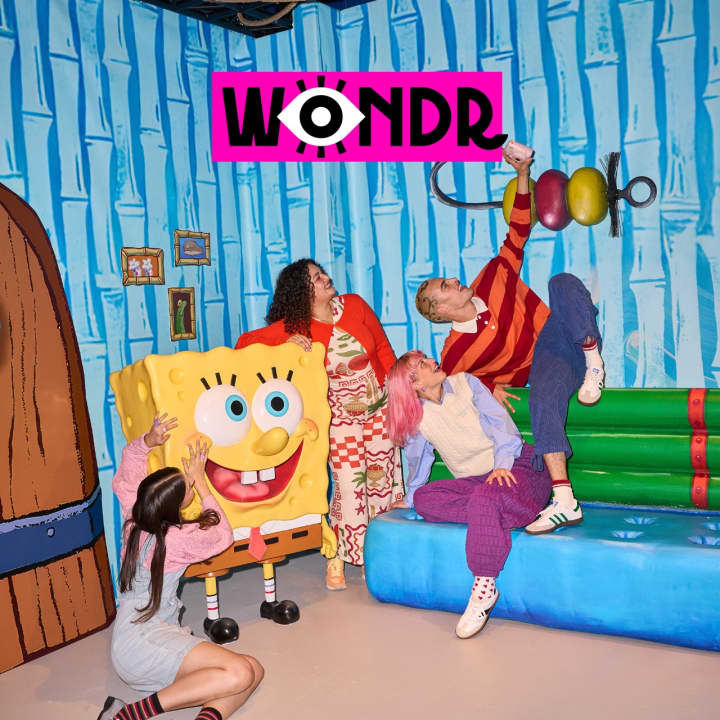
WONDR Experience + SpongeBob Special
Sat, Feb 21 • 9:30 AM
Meeuwenlaan 88, Amsterdam, 1021 JK
View details
Nearby attractions of The New Church
Royal Palace Amsterdam
Madame Tussauds Amsterdam
BODY WORLDS Amsterdam
Dam Square
Ripley's Believe It or Not!
National Monument
Grey Area Coffeeshop
Palace Dam Square Amsterdam
Cannabis Museum Amsterdam
Amsterdam Boat Trips
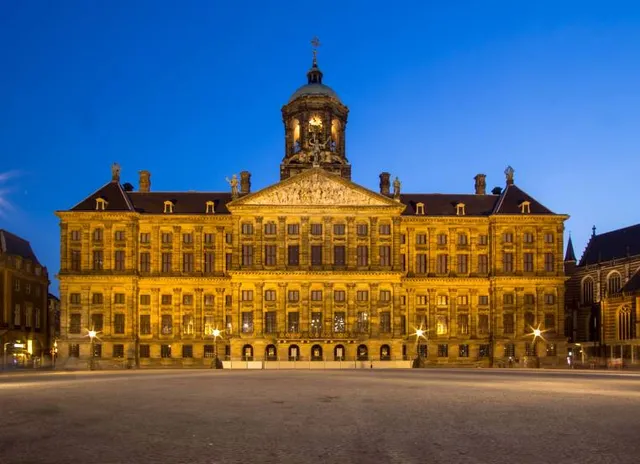
Royal Palace Amsterdam
4.6
(9.4K)
Open until 12:00 AM
Click for details
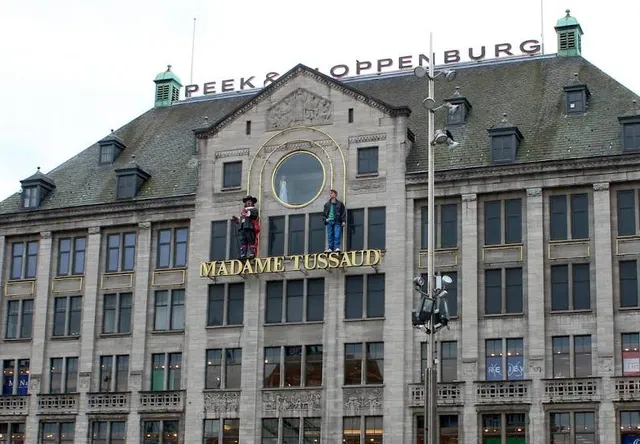
Madame Tussauds Amsterdam
4.3
(11.6K)
Closed
Click for details
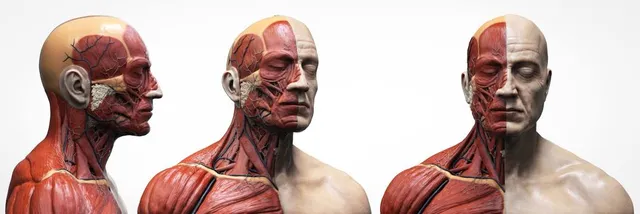
BODY WORLDS Amsterdam
4.5
(6.5K)
Open until 10:00 PM
Click for details
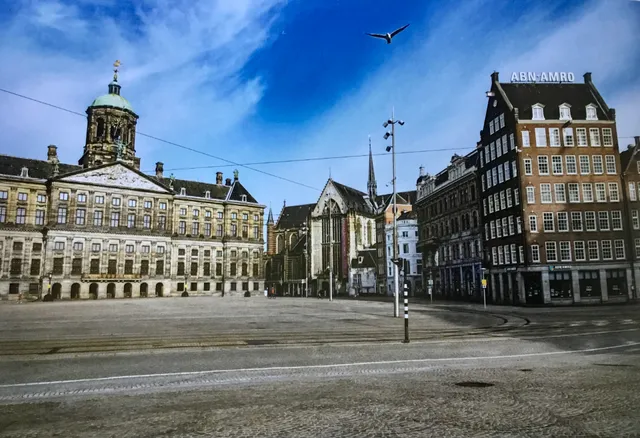
Dam Square
4.5
(1.0K)
Open until 12:00 AM
Click for details
Nearby restaurants of The New Church
Corner House coffee shop
De Drie Graefjes American Bakery - Vestiging Dam
Restaurant La Cantina
Melly's Cookies Bar
't Nieuwe Kafé
Siam Thai Restaurant
Three Little Bottles
Manneken Pis Nieuwendijk
Cafe Belgique
Takumi Umaimon Tan-Tan Men Amsterdam Centrum
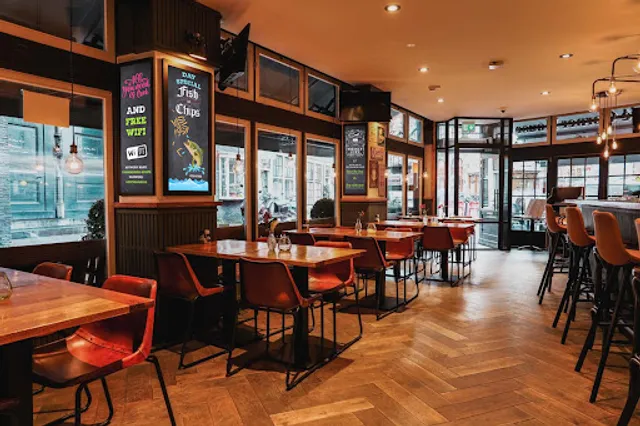
Corner House coffee shop
3.9
(784)
Click for details
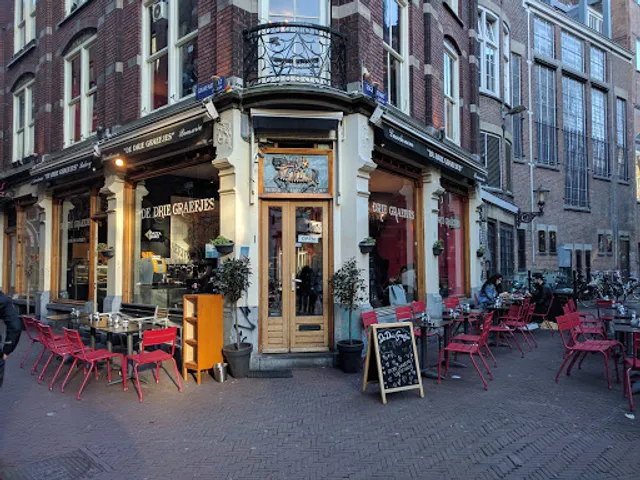
De Drie Graefjes American Bakery - Vestiging Dam
4.3
(621)
$
Closed
Click for details
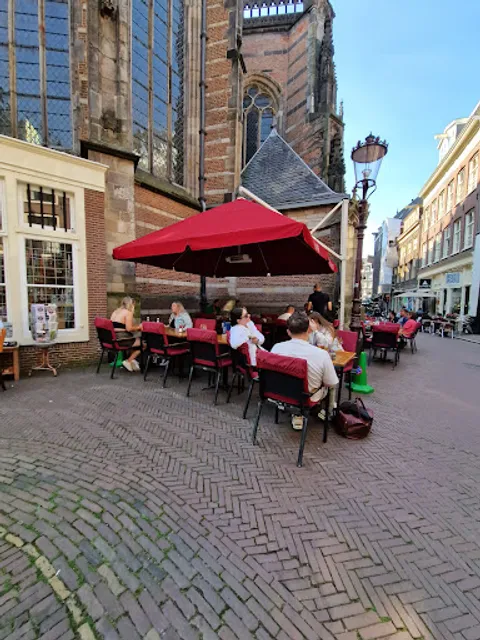
Restaurant La Cantina
4.2
(549)
$$
Open until 10:00 PM
Click for details
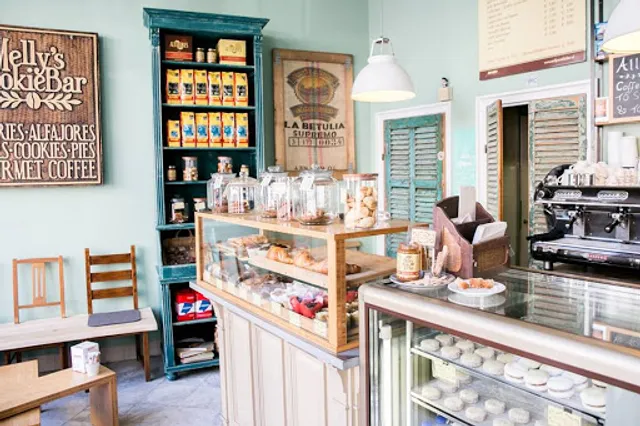
Melly's Cookies Bar
4.7
(413)
$$
Closed
Click for details
Nearby local services of The New Church
Magna Plaza
de Bijenkorf Amsterdam
UNIQLO Kalverstraat
Coffeeshop Sativa Amsterdam
Sissy-Boy / Sissy-Boy Daily
Pull&Bear
Dam Square Souvenirs
Cheese & More by Henri Willig, Dam
Urban Outfitters
Swarovski Boutique Amsterdam Dam
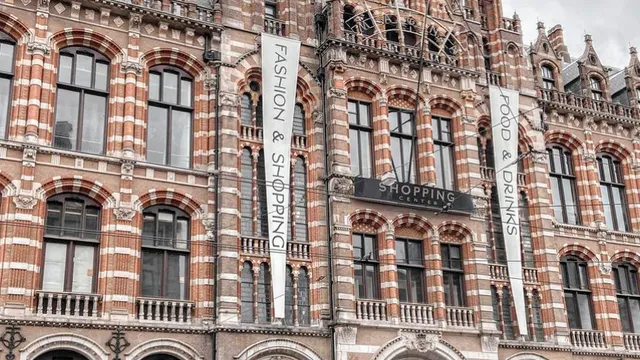
Magna Plaza
3.7
(3.8K)
Click for details
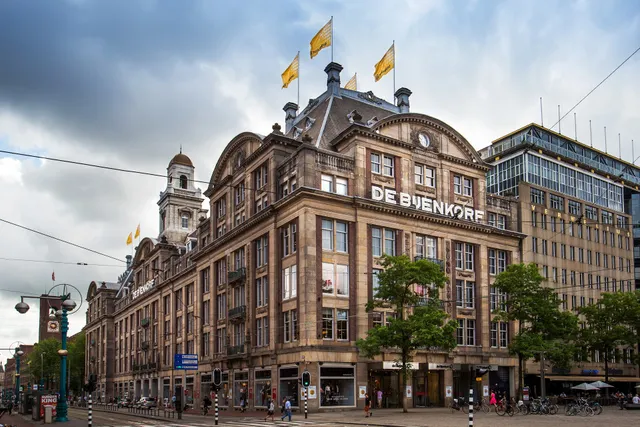
de Bijenkorf Amsterdam
4.3
(7.6K)
Click for details
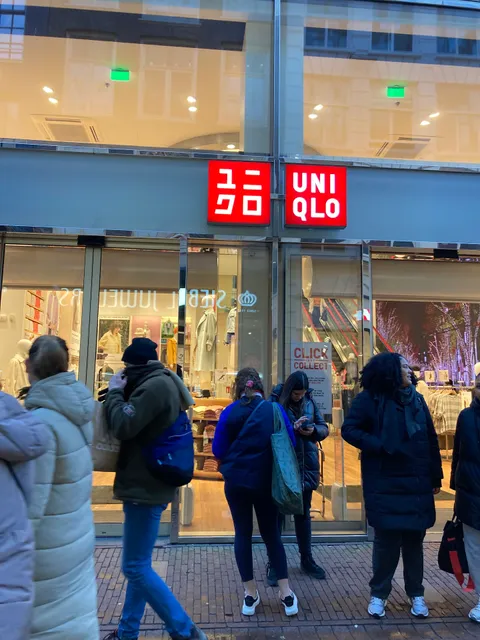
UNIQLO Kalverstraat
4.3
(1.7K)
Click for details
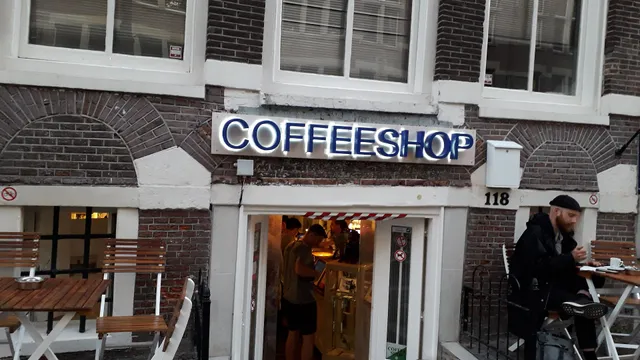
Coffeeshop Sativa Amsterdam
4.8
(376)
Click for details