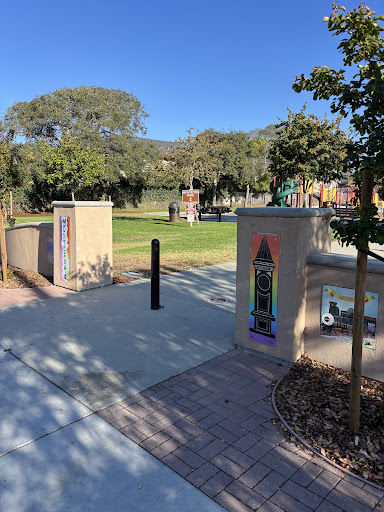
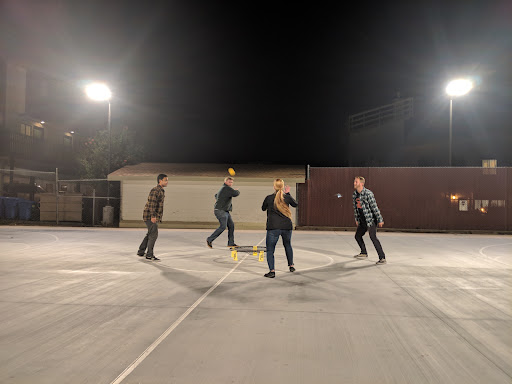
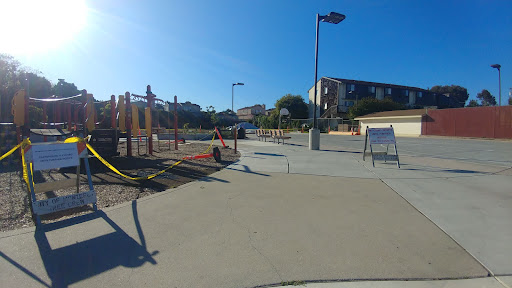
Montecito Park things to do, attractions, restaurants, events info and trip planning
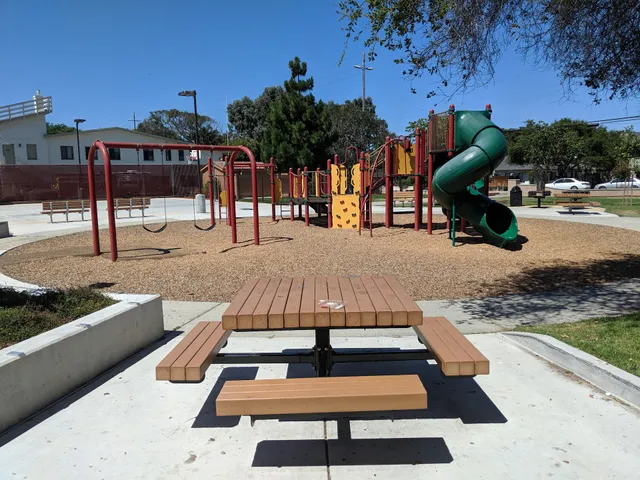
Basic Info
Montecito Park
220 Montecito Ave, Monterey, CA 93940
4.5(77)
Open until 9:00 PM
Save
spot
spot
Ratings & Description
Info
Outdoor
Relaxation
Family friendly
Pet friendly
attractions: Laguna Grande Regional Park, Monterey side, Pink Flamingo Theater, Peter J. Ferrante Baseball Field, Laguna Grande Park, Seaside, Ca, Del Monte Beach, Roberts Lake Park, restaurants: Monterey Cookhouse, Denny's, 3 Mundos Sandwich Shop, Monterey's Fish House, La Sala's Bi-Rite Market, Sushi by The Bay, Grandma’s Kitchen, Chef Lee's Mandarin House, Del Monte grill & cafe, Pizza Factory Monterey, local businesses: Monterey Lanes, Big 5 Sporting Goods, Edges Electrical Group, Monterey County Fairgrounds, The Flower Market, Cork N' Bottle, Nu-Art Adult Theatre, Palacios Construction, Peninsula Gem & Jewelry Supply, Spas by the Bay
 Learn more insights from Wanderboat AI.
Phone
(831) 646-3866
Website
monterey.org
Open hoursSee all hours
Thu6:30 AM - 9 PMOpen
Plan your stay

Pet-friendly Hotels in Monterey
Find a cozy hotel nearby and make it a full experience.

Affordable Hotels in Monterey
Find a cozy hotel nearby and make it a full experience.

The Coolest Hotels You Haven't Heard Of (Yet)
Find a cozy hotel nearby and make it a full experience.

Trending Stays Worth the Hype in Monterey
Find a cozy hotel nearby and make it a full experience.
Reviews
Live events

Salinas Murder Mystery: Solve the case!
Sun, Feb 1 • 12:00 AM
1 Main St, Salinas, CA 93901, USA, 93901
View details

Demetri Martin
Thu, Feb 12 • 4:00 PM
Golden State Theatre, 417 Alvarado Street, Monterey, United States
View details

Life Line Screening - Monterey, CA
Thu, Feb 12 • 9:00 AM
Monterey Peninsula American Legion Auxiliary Post 41, 1110 Jefferson St, Monterey, CA 93940, United States
View details
Nearby attractions of Montecito Park
Laguna Grande Regional Park, Monterey side
Pink Flamingo Theater
Peter J. Ferrante Baseball Field
Laguna Grande Park, Seaside, Ca
Del Monte Beach
Roberts Lake Park
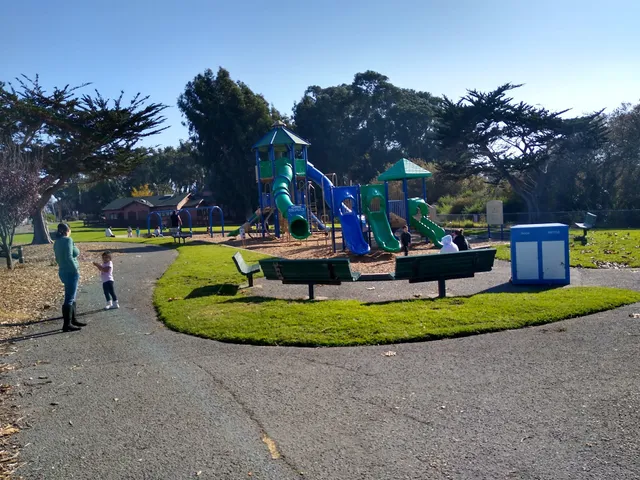
Laguna Grande Regional Park, Monterey side
4.5
(823)
Open until 10:00 PM
Click for details
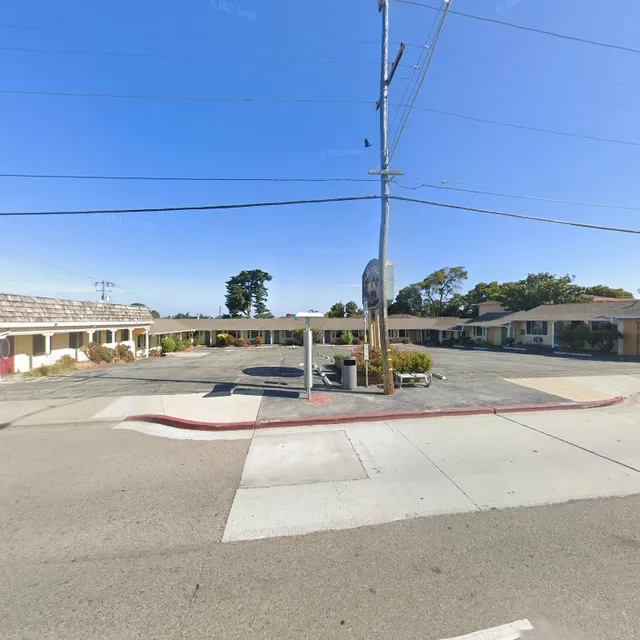
Pink Flamingo Theater
4.5
(9)
Open 24 hours
Click for details
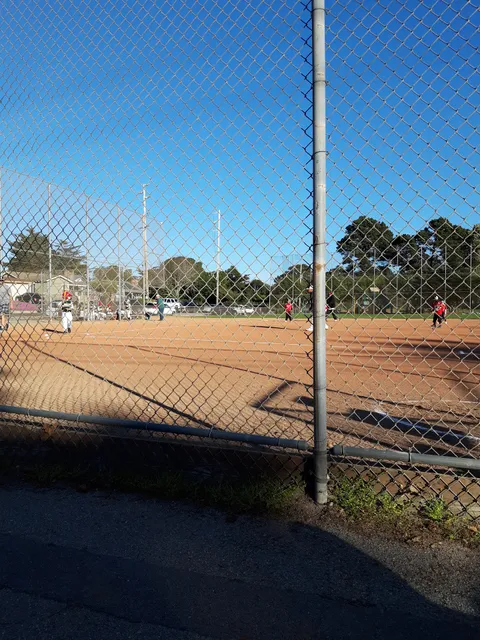
Peter J. Ferrante Baseball Field
4.6
(20)
Open until 8:00 PM
Click for details
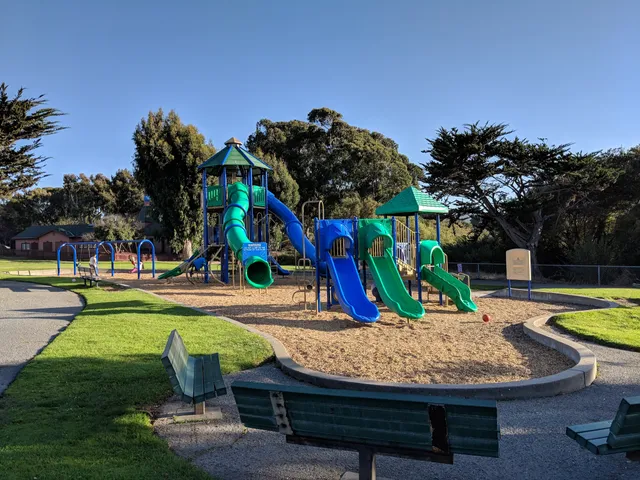
Laguna Grande Park, Seaside, Ca
4.6
(85)
Open until 12:00 AM
Click for details
Nearby restaurants of Montecito Park
Monterey Cookhouse
Denny's
3 Mundos Sandwich Shop
Monterey's Fish House
La Sala's Bi-Rite Market
Sushi by The Bay
Grandma’s Kitchen
Chef Lee's Mandarin House
Del Monte grill & cafe
Pizza Factory Monterey
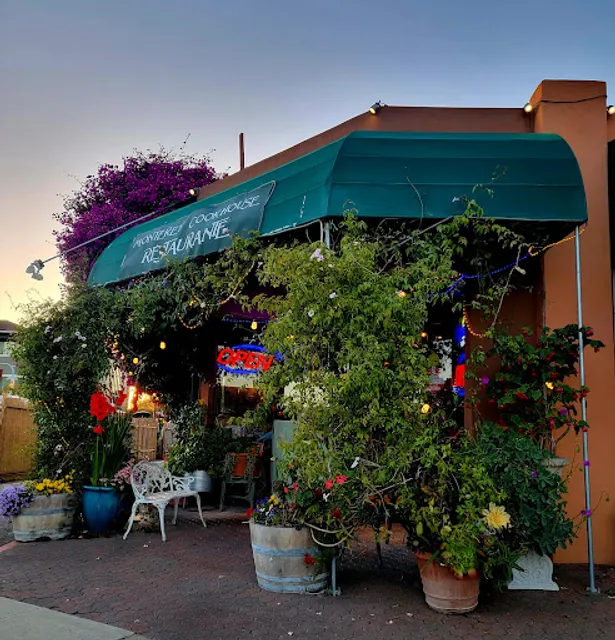
Monterey Cookhouse
4.2
(500)
$$
Closed
Click for details
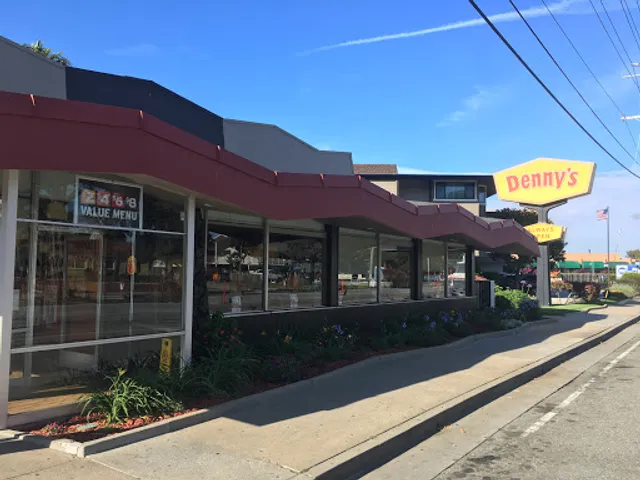
Denny's
3.8
(812)
$
Open until 12:00 AM
Click for details
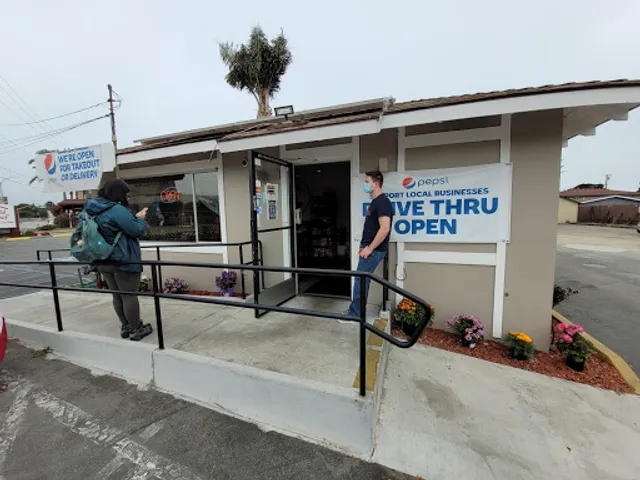
3 Mundos Sandwich Shop
4.5
(268)
$
Open until 4:30 PM
Click for details
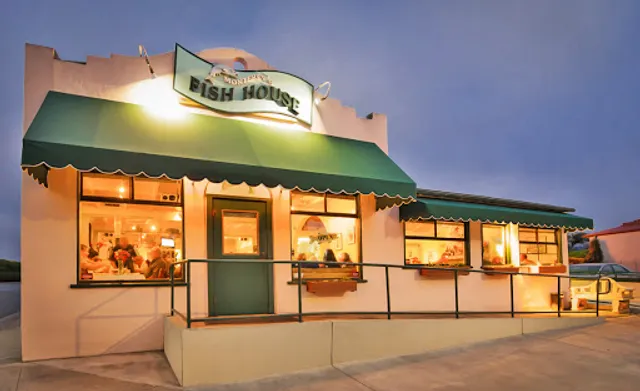
Monterey's Fish House
4.4
(1.4K)
$$
Closed
Click for details
Nearby local services of Montecito Park
Monterey Lanes
Big 5 Sporting Goods
Edges Electrical Group
Monterey County Fairgrounds
The Flower Market
Cork N' Bottle
Nu-Art Adult Theatre
Palacios Construction
Peninsula Gem & Jewelry Supply
Spas by the Bay
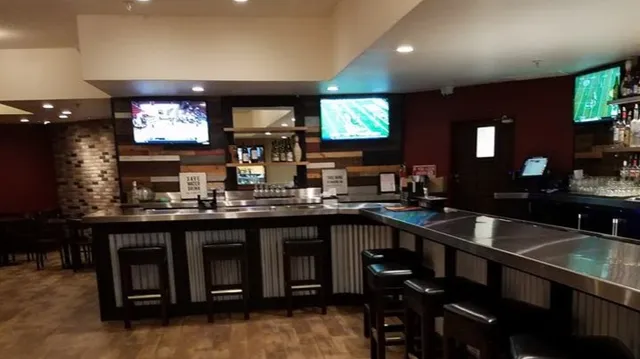
Monterey Lanes
4.2
(249)
Click for details
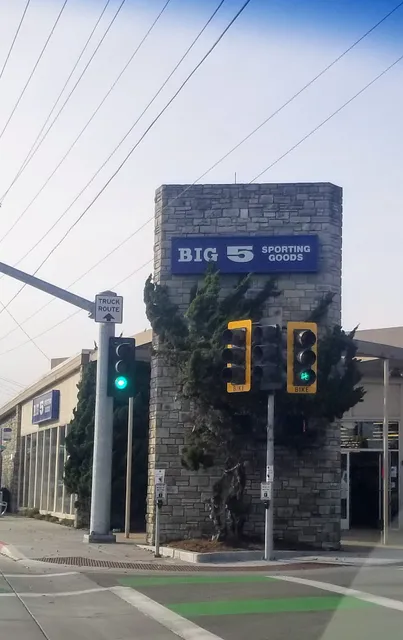
Big 5 Sporting Goods
4.2
(307)
Click for details
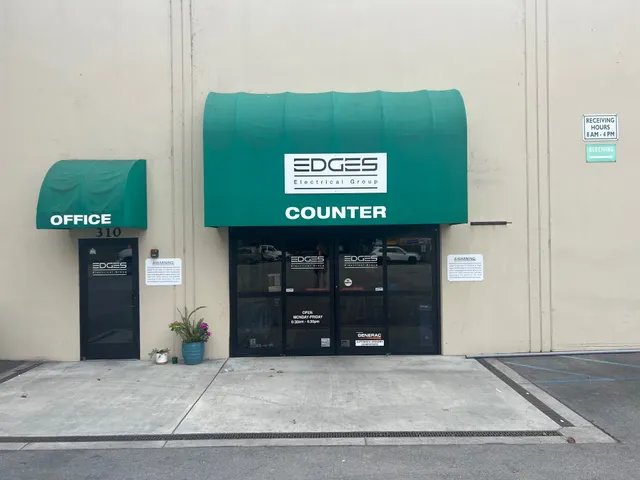
Edges Electrical Group
4.6
(12)
Click for details
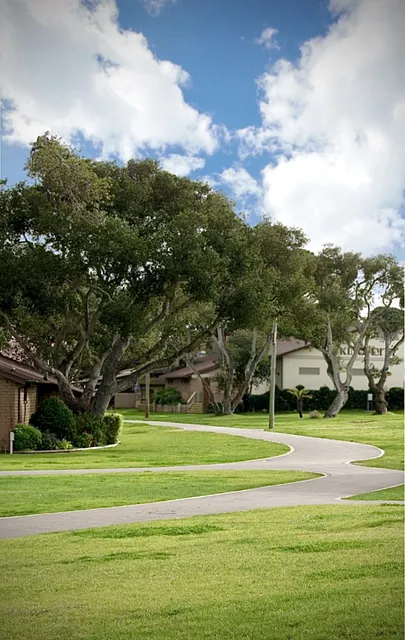
Monterey County Fairgrounds
4.4
(601)
Click for details