John Ward House things to do, attractions, restaurants, events info and trip planning
Basic Info
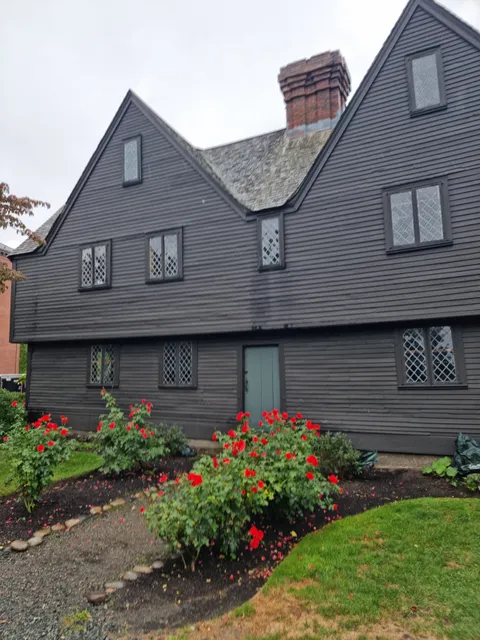
John Ward House
9 Brown St, Salem, MA 01970
4.7(24)
Open until 12:00 AM
Save
spot
spot
Ratings & Description
Info
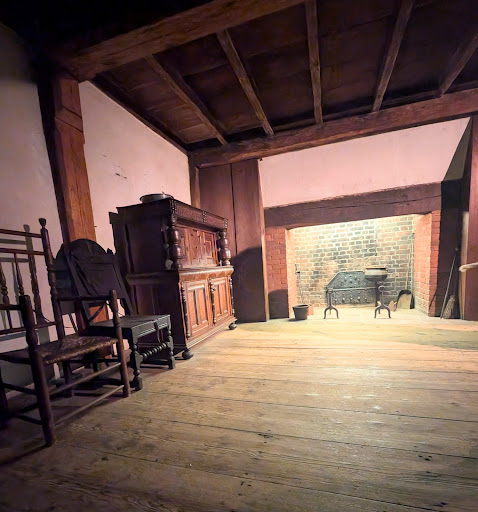
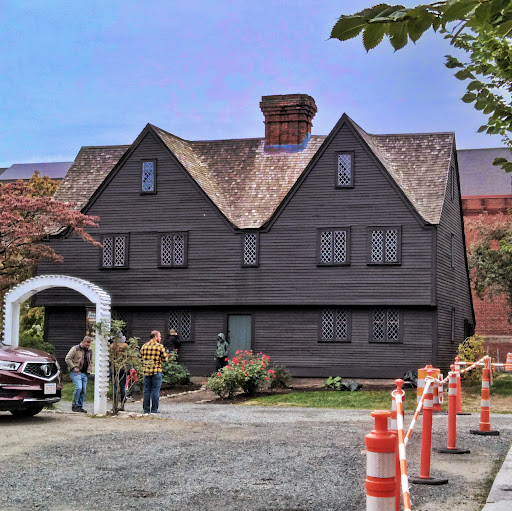
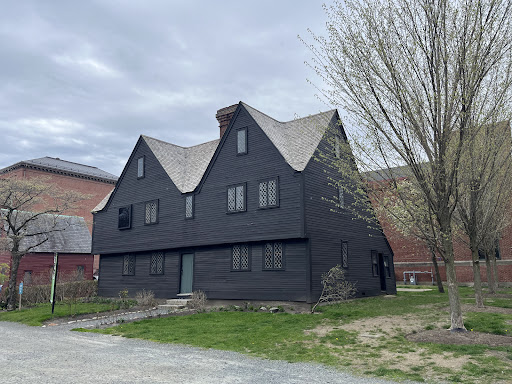
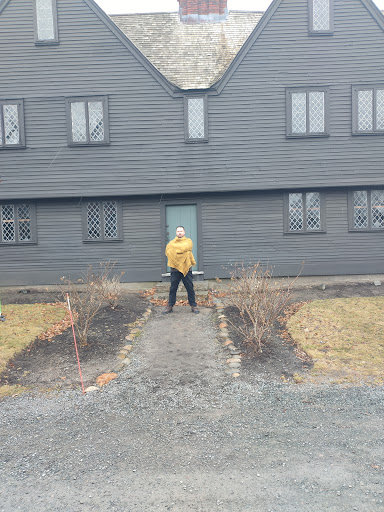
The John Ward House is a National Historic Landmark at 9 Brown Street in Salem, Massachusetts, United States.
Cultural
Family friendly
Accessibility
attractions: Salem Witch Museum, Salem Armory Regional Visitor Center, Peabody Essex Museum, Witch Pix, Salem Witch Trials Memorial, Salem Witch Board Museum, Halloween Museum of Salem, Salem Common, International Monster Museum, Roger Conant Statue, restaurants: Village Tavern | Bar & grill, Goodnight Fatty, Olde Main Street Pub, Brew Box on Essex, Essex's N.Y. Pizza & Deli, Bella Verona, Not Ya Mama's Vegan Cafe, Red's Sandwich Shop, Turner's Seafood at Lyceum Hall, Salem, MA, Thai Place Restaurant, local businesses: Crow Haven Corner, Witch City Mall, The Salem Witch Walk, Wynott's Wands, Salem Night Tour, Cinema Salem, Remember Salem Gifts, Wolf Moon, ASCEND, Yin Yu Tang House @Peabody Essex Museum
 Learn more insights from Wanderboat AI.
Phone
(978) 745-9500
Website
pem.org
Open hoursSee all hours
SatClosedOpen
Plan your stay

Pet-friendly Hotels in Salem
Find a cozy hotel nearby and make it a full experience.

Affordable Hotels in Salem
Find a cozy hotel nearby and make it a full experience.

The Coolest Hotels You Haven't Heard Of (Yet)
Find a cozy hotel nearby and make it a full experience.

Trending Stays Worth the Hype in Salem
Find a cozy hotel nearby and make it a full experience.
Reviews
Live events
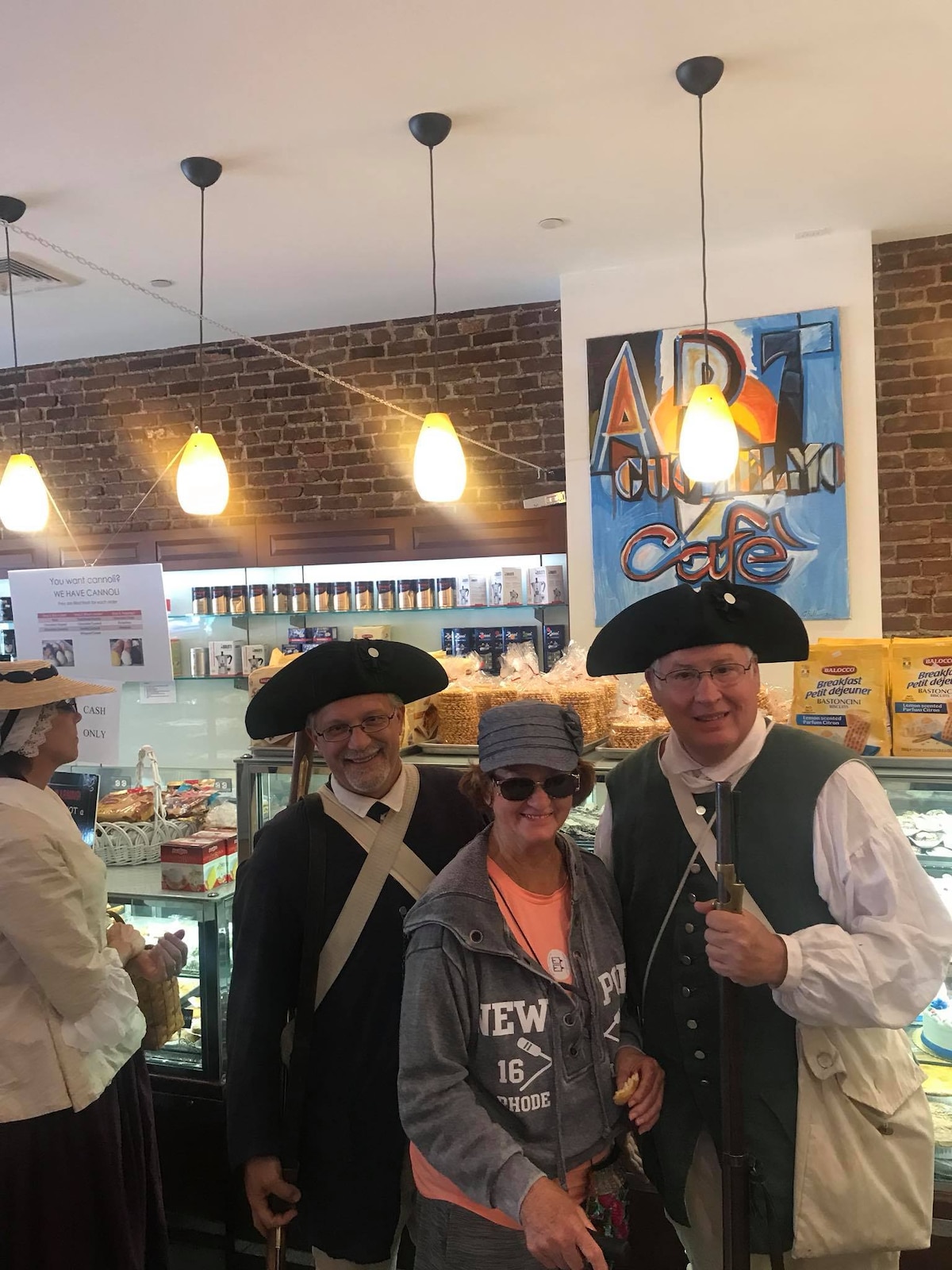
Bostons Politically Incorrect North End Food Tour
Sat, Feb 7 • 11:00 AM
Boston, Massachusetts, 02113
View details

Birding Cape Ann, MA
Sat, Feb 7 • 9:00 AM
2 State Fish Pier, Gloucester, MA 01930
View details

Sat Feb 7 Paul Gilligan @ Giggles Comedy Club@ Prince Restaurant
Sat, Feb 7 • 7:30 PM
517 Broadway Saugus, MA 01906
View details
Nearby attractions of John Ward House
Salem Witch Museum
Salem Armory Regional Visitor Center
Peabody Essex Museum
Witch Pix
Salem Witch Trials Memorial
Salem Witch Board Museum
Halloween Museum of Salem
Salem Common
International Monster Museum
Roger Conant Statue
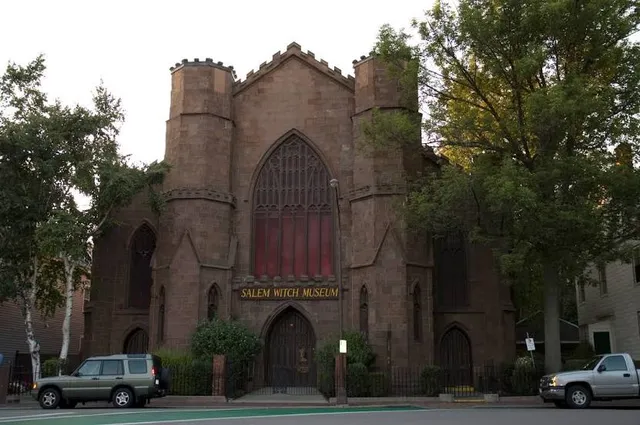
Salem Witch Museum
3.7
(5.1K)
Open until 5:00 PM
Click for details
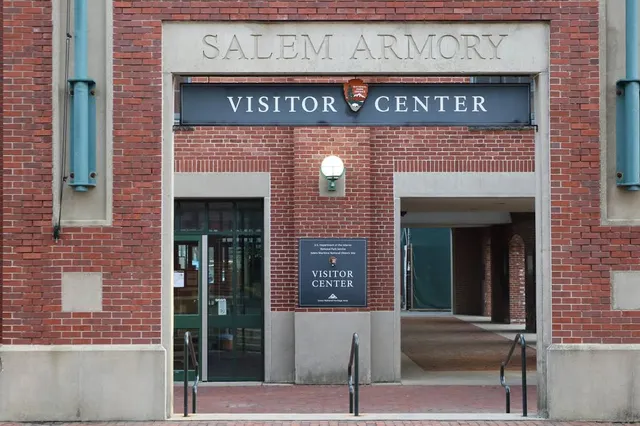
Salem Armory Regional Visitor Center
4.5
(482)
Open until 4:30 PM
Click for details
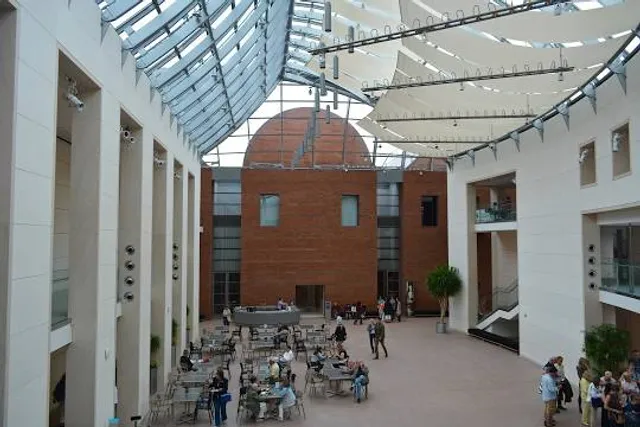
Peabody Essex Museum
4.7
(2K)
Open until 5:00 PM
Click for details

Witch Pix
4.8
(778)
Open until 12:00 AM
Click for details
Nearby restaurants of John Ward House
Village Tavern | Bar & grill
Goodnight Fatty
Olde Main Street Pub
Brew Box on Essex
Essex's N.Y. Pizza & Deli
Bella Verona
Not Ya Mama's Vegan Cafe
Red's Sandwich Shop
Turner's Seafood at Lyceum Hall, Salem, MA
Thai Place Restaurant
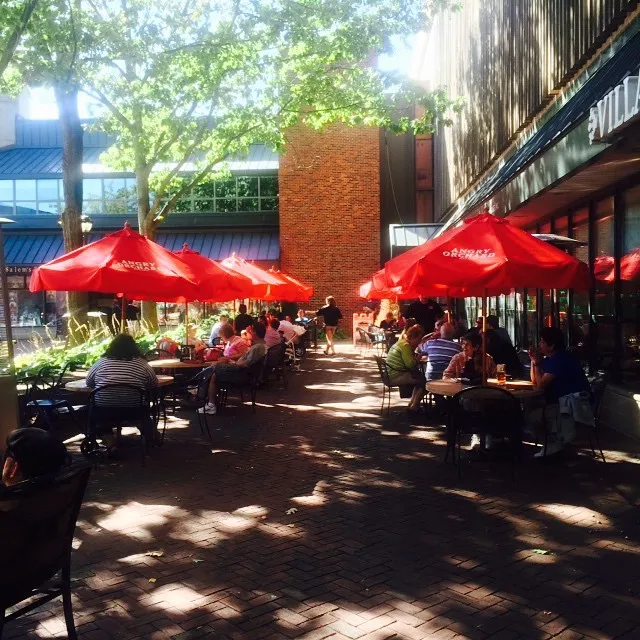
Village Tavern | Bar & grill
4.3
(1.5K)
$$
Open until 1:00 AM
Click for details
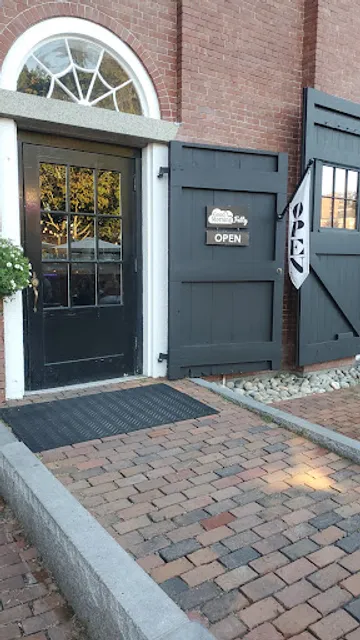
Goodnight Fatty
4.8
(511)
$
Open until 11:00 PM
Click for details
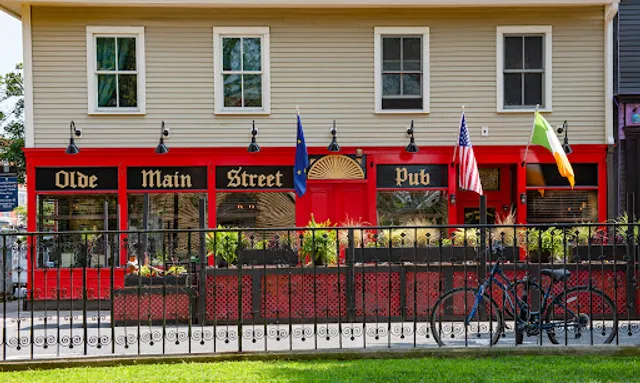
Olde Main Street Pub
4.5
(483)
$$
Closed
Click for details
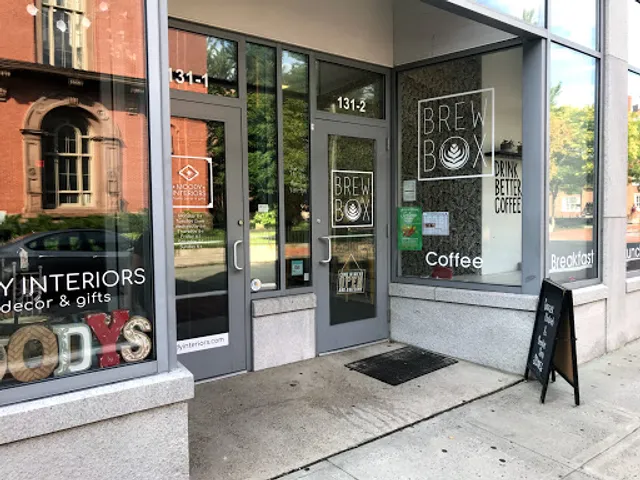
Brew Box on Essex
4.5
(193)
$
Open until 2:00 PM
Click for details
Nearby local services of John Ward House
Crow Haven Corner
Witch City Mall
The Salem Witch Walk
Wynott's Wands
Salem Night Tour
Cinema Salem
Remember Salem Gifts
Wolf Moon
ASCEND
Yin Yu Tang House @Peabody Essex Museum
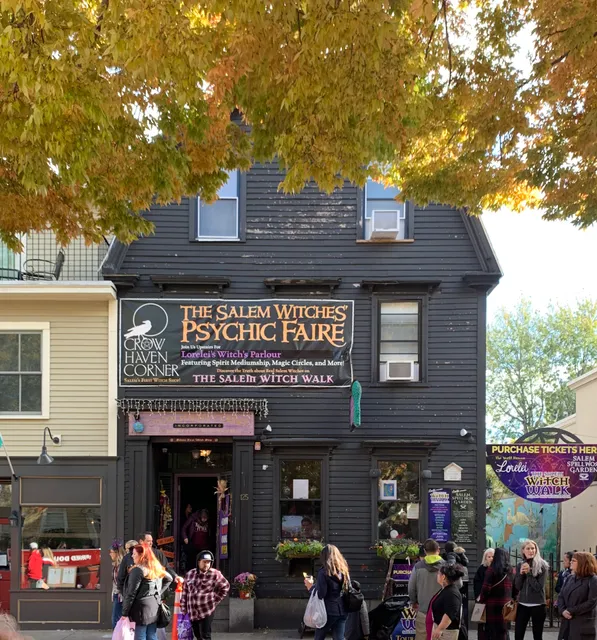
Crow Haven Corner
4.7
(454)
Click for details

Witch City Mall
3.8
(974)
Click for details
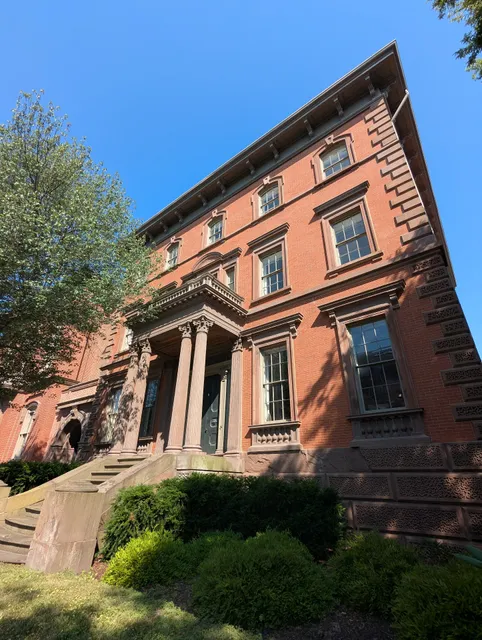
The Salem Witch Walk
4.6
(213)
Click for details
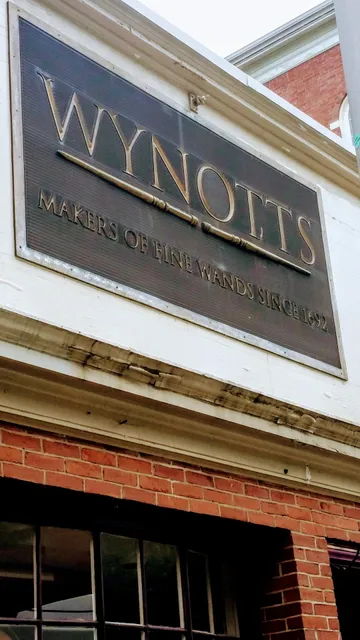
Wynott's Wands
4.6
(192)
Click for details