Basilica di San Babila things to do, attractions, restaurants, events info and trip planning
Basic Info
Basilica di San Babila
Corso Monforte, 1, 20122 Milano MI, Italy
4.7(127)
Closed
Save
spot
spot
Ratings & Description
Info
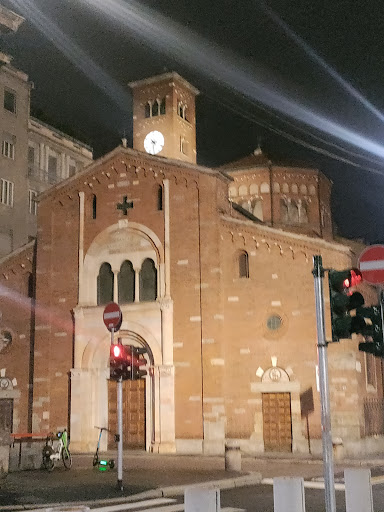
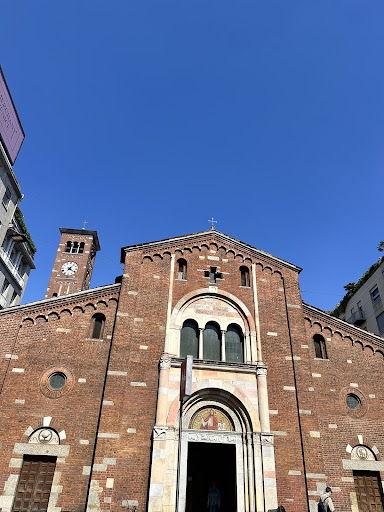
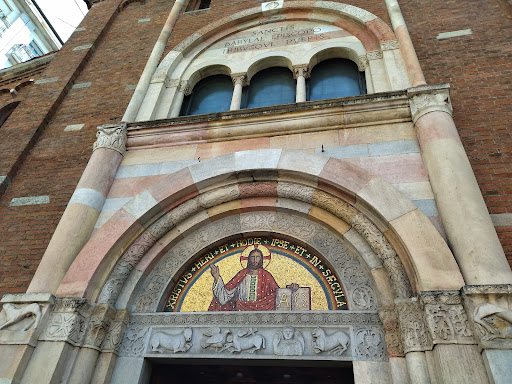
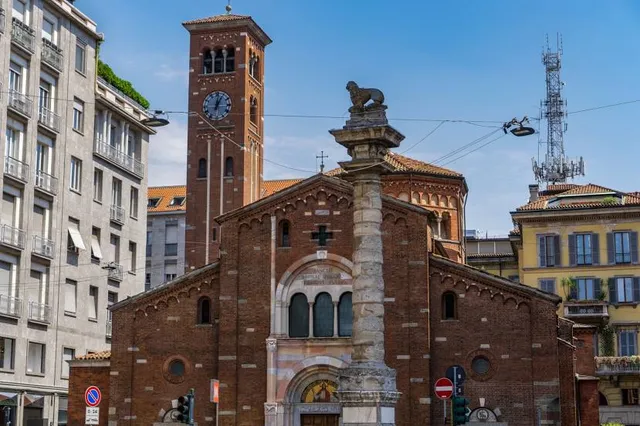
San Babila is a Romanesque-style Roman Catholic church in Milan, region of Lombardy, Italy. It was once considered the third most important in the city after the Duomo and the Basilica di Sant'Ambrogio. It is dedicated to Saint Babylas of Antioch.
Cultural
Scenic
Accessibility
attractions: Palazzo Morando, Palazzo Serbelloni, Duomo di Milano, Bagatti Valsecchi Museum, Space Dreamers, Salamon Fine Art di Lorenza Salamon, Casa Fontana-Silvestri, Teatro alla Scala, Poldi Pezzoli Museum, Palazzo Cicogna, restaurants: Galbusera Tre Marie | Bistrot - Caffetteria - Store San Babila, Paper Moon Giardino, Starbucks - Milano Durini, A'Riccione Terrazza12, GINROSA, DG Martini ®, Bar Top Eleven, Antico Ristorante Boeucc Milano- dal 1696, San Babila Cafè, Boutique Nespresso Milano San Babila, local businesses: Unieuro San Babila, Louis Vuitton Milano Montenapoleone, AC Milan Store, On Flagship Store Milan Vittorio Emanuele, Basilica of San Carlo al Corso, Nano Bleu, Dolce & Gabbana, Michael Kors, The Central Tower, Via Monte Napoleone
 Learn more insights from Wanderboat AI.
Website
santiprofeti.it
Open hoursSee all hours
Fri7:30 a.m. - 12 p.m., 3:30 - 7 p.m.Closed
Plan your stay

Pet-friendly Hotels in Milan
Find a cozy hotel nearby and make it a full experience.

Affordable Hotels in Milan
Find a cozy hotel nearby and make it a full experience.

The Coolest Hotels You Haven't Heard Of (Yet)
Find a cozy hotel nearby and make it a full experience.

Trending Stays Worth the Hype in Milan
Find a cozy hotel nearby and make it a full experience.
Reviews
Live events
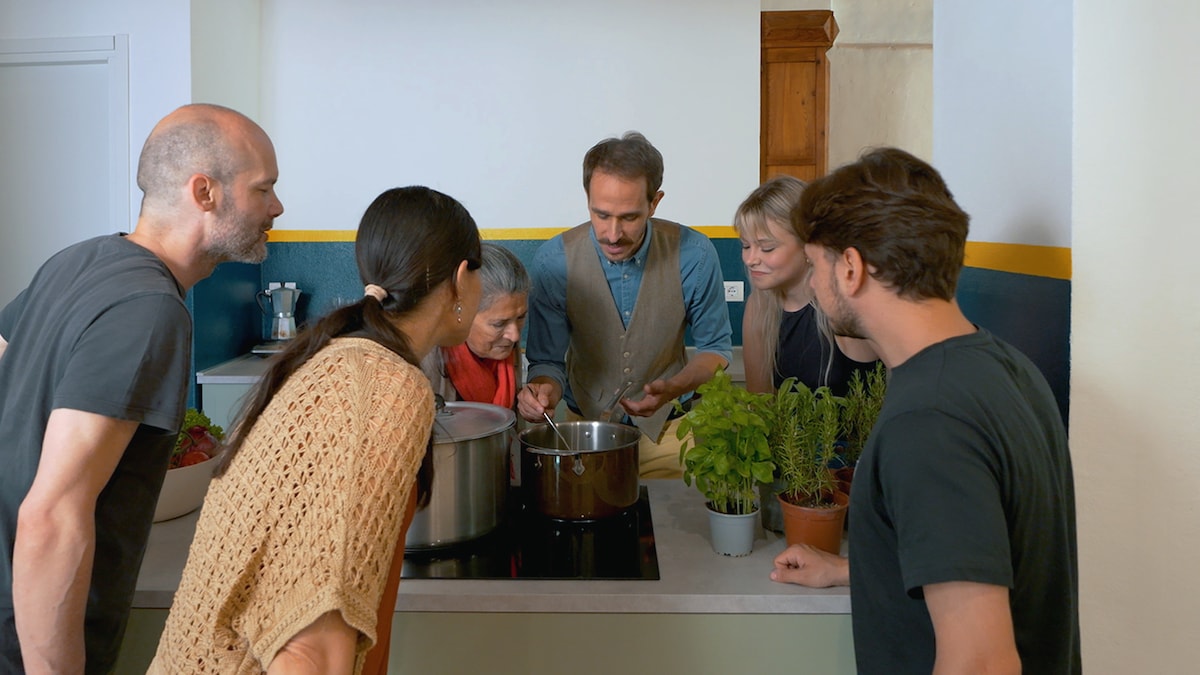
Make pasta and tiramisù in an Italian home
Tue, Feb 17 • 11:00 AM
20159, Milan, Lombardy, Italy
View details
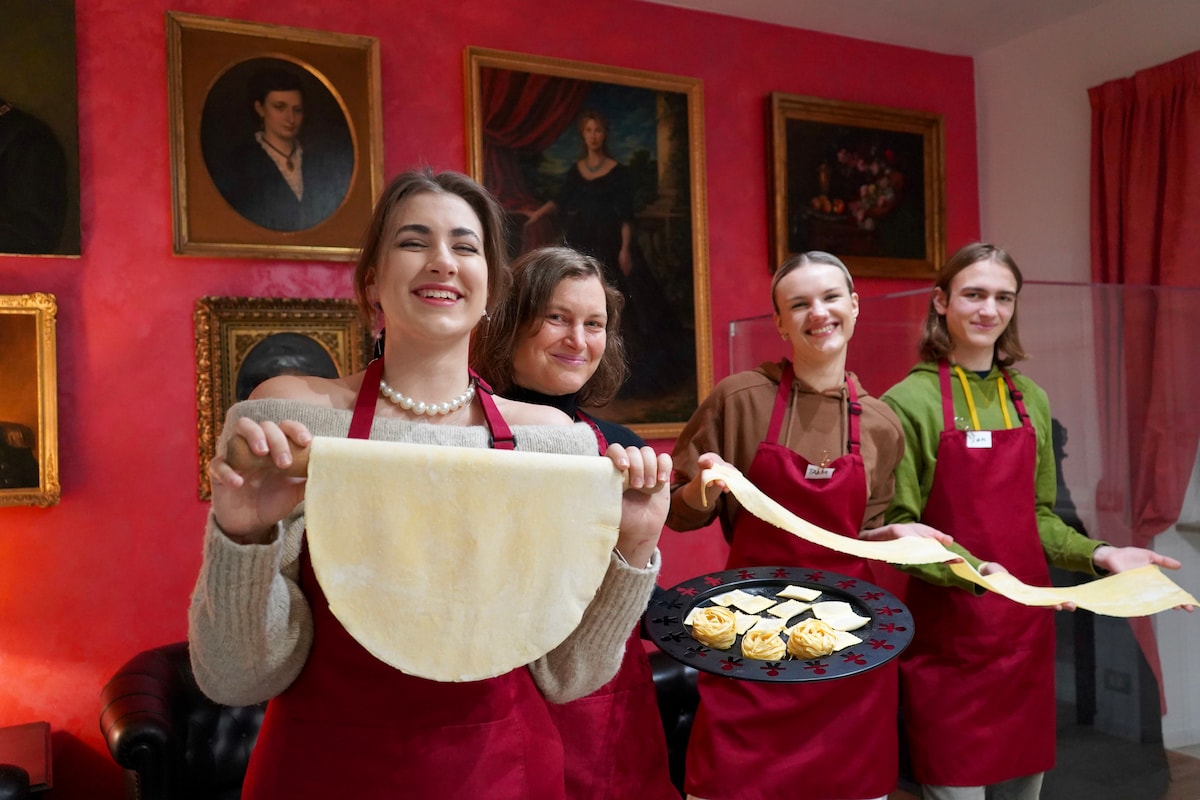
Learn secrets to pasta and tiramisu in a glam home
Sat, Feb 14 • 12:00 PM
20144, Milan, Lombardy, Italy
View details
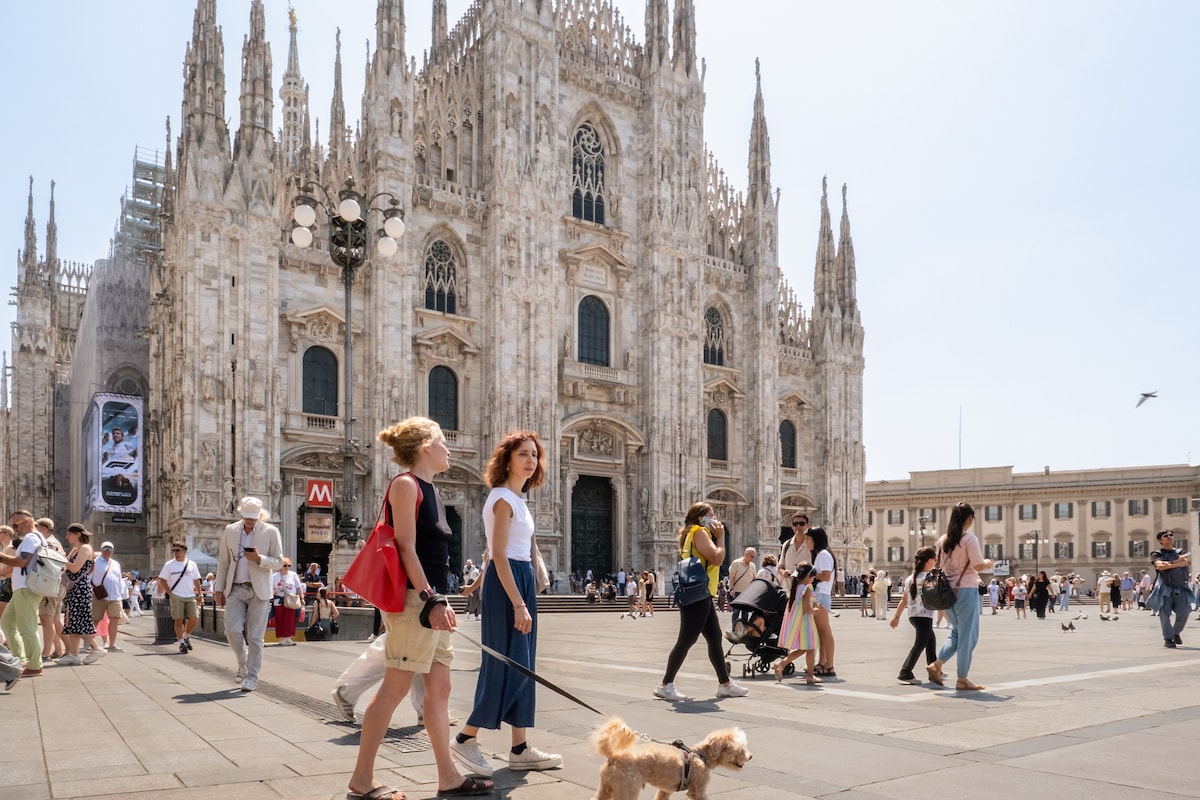
The Total tour of Milan: be a local
Sat, Feb 14 • 10:00 AM
20122, Milan, Lombardy, Italy
View details
Nearby attractions of Basilica di San Babila
Palazzo Morando
Palazzo Serbelloni
Duomo di Milano
Bagatti Valsecchi Museum
Space Dreamers
Salamon Fine Art di Lorenza Salamon
Casa Fontana-Silvestri
Teatro alla Scala
Poldi Pezzoli Museum
Palazzo Cicogna
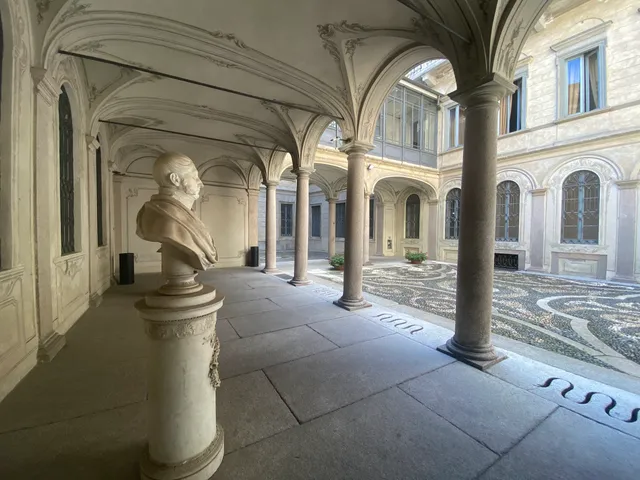
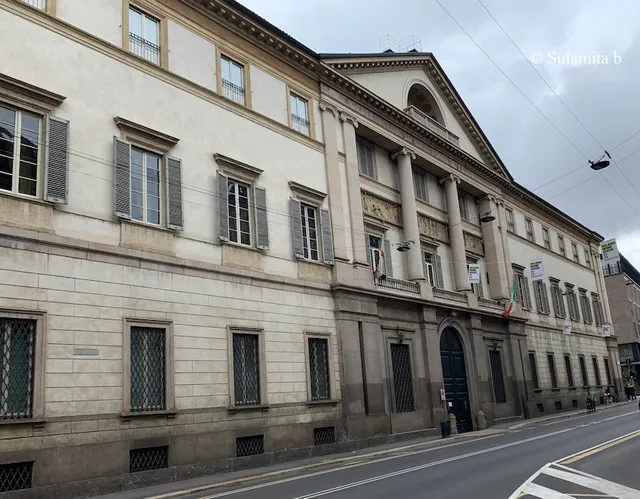
Palazzo Morando
4.5
(1.1K)
Closed
Click for details
Palazzo Serbelloni
4.6
(727)
Closed
Click for details
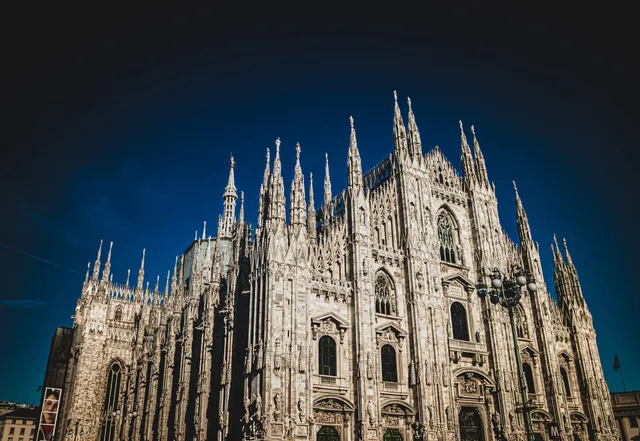
Duomo di Milano
4.8
(62.8K)
Closed
Click for details
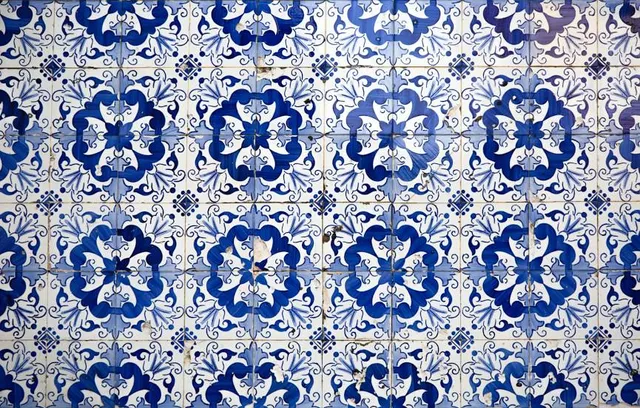
Bagatti Valsecchi Museum
4.7
(848)
Closed
Click for details
Nearby restaurants of Basilica di San Babila
Galbusera Tre Marie | Bistrot - Caffetteria - Store San Babila
Paper Moon Giardino
Starbucks - Milano Durini
A'Riccione Terrazza12
GINROSA
DG Martini ®
Bar Top Eleven
Antico Ristorante Boeucc Milano- dal 1696
San Babila Cafè
Boutique Nespresso Milano San Babila
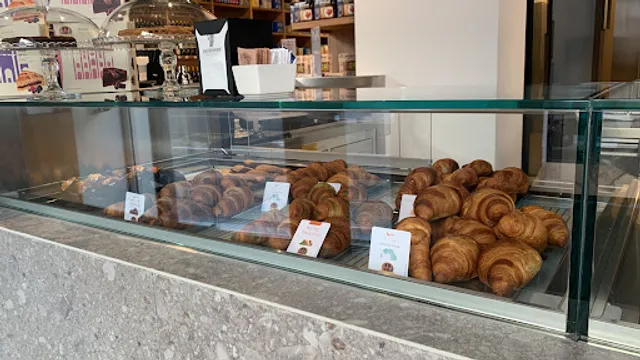
Galbusera Tre Marie | Bistrot - Caffetteria - Store San Babila
4.0
(404)
Closed
Click for details
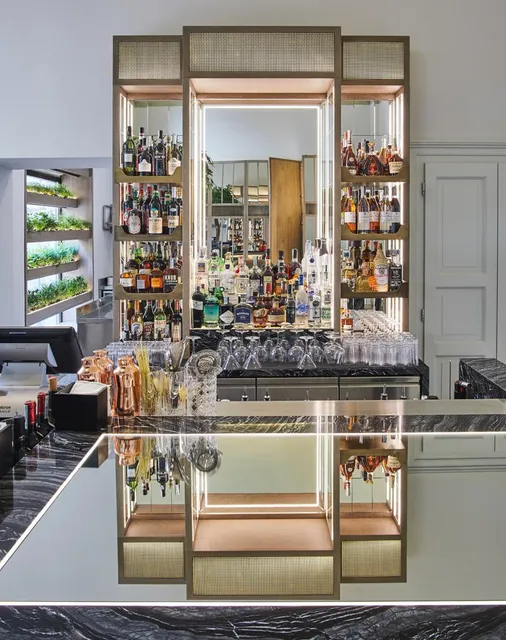
Paper Moon Giardino
4.4
(962)
Open until 10:30 PM
Click for details
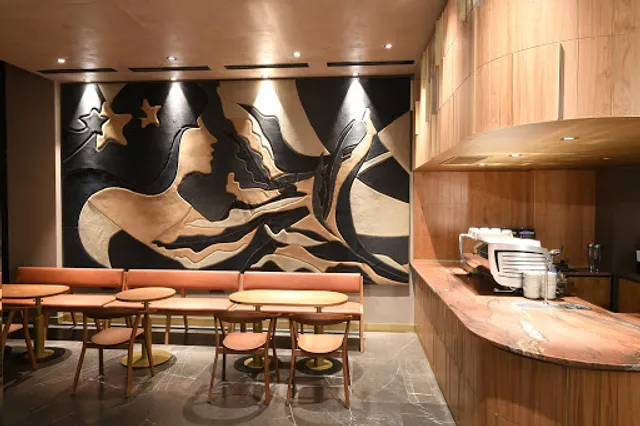
Starbucks - Milano Durini
3.8
(1.2K)
Closed
Click for details
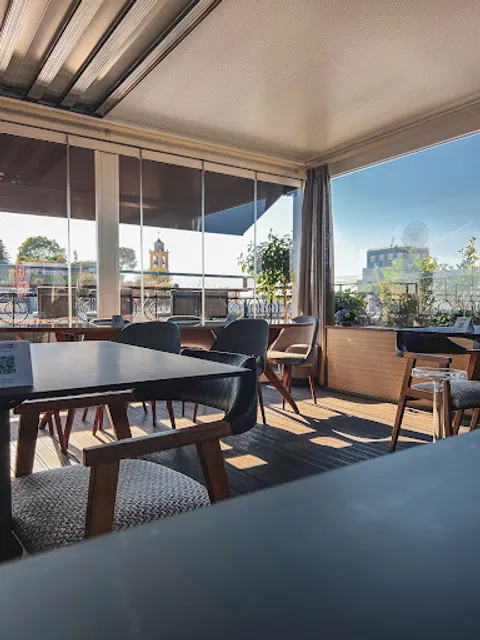
A'Riccione Terrazza12
4.3
(946)
$$$
Open until 2:00 AM
Click for details
Nearby local services of Basilica di San Babila
Unieuro San Babila
Louis Vuitton Milano Montenapoleone
AC Milan Store
On Flagship Store Milan Vittorio Emanuele
Basilica of San Carlo al Corso
Nano Bleu
Dolce & Gabbana
Michael Kors
The Central Tower
Via Monte Napoleone
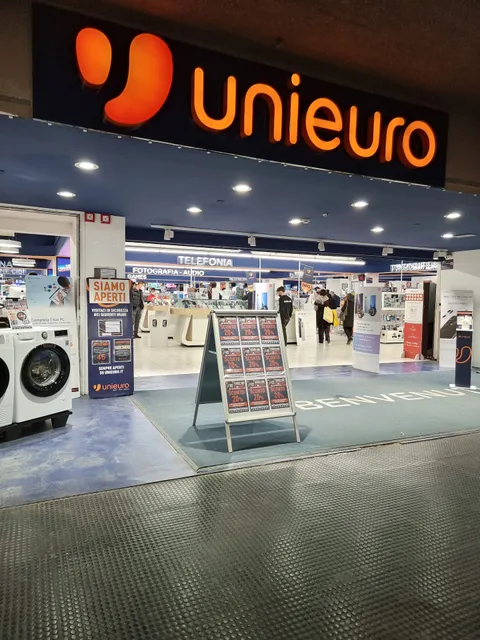
Unieuro San Babila
3.4
(987)
Click for details
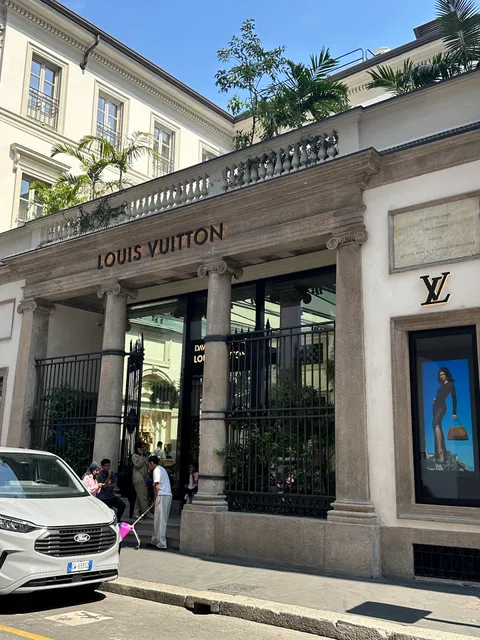
Louis Vuitton Milano Montenapoleone
4.3
(1.0K)
Click for details
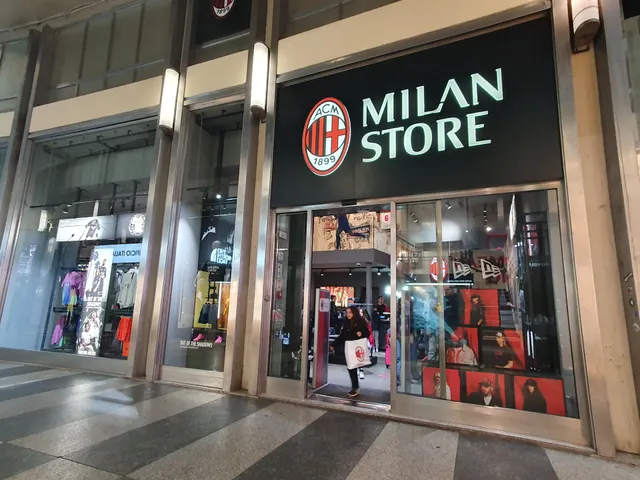
AC Milan Store
4.3
(1.5K)
Click for details
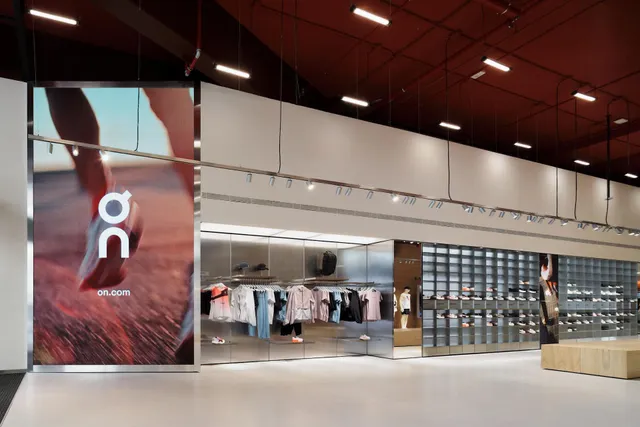
On Flagship Store Milan Vittorio Emanuele
4.9
(701)
Click for details