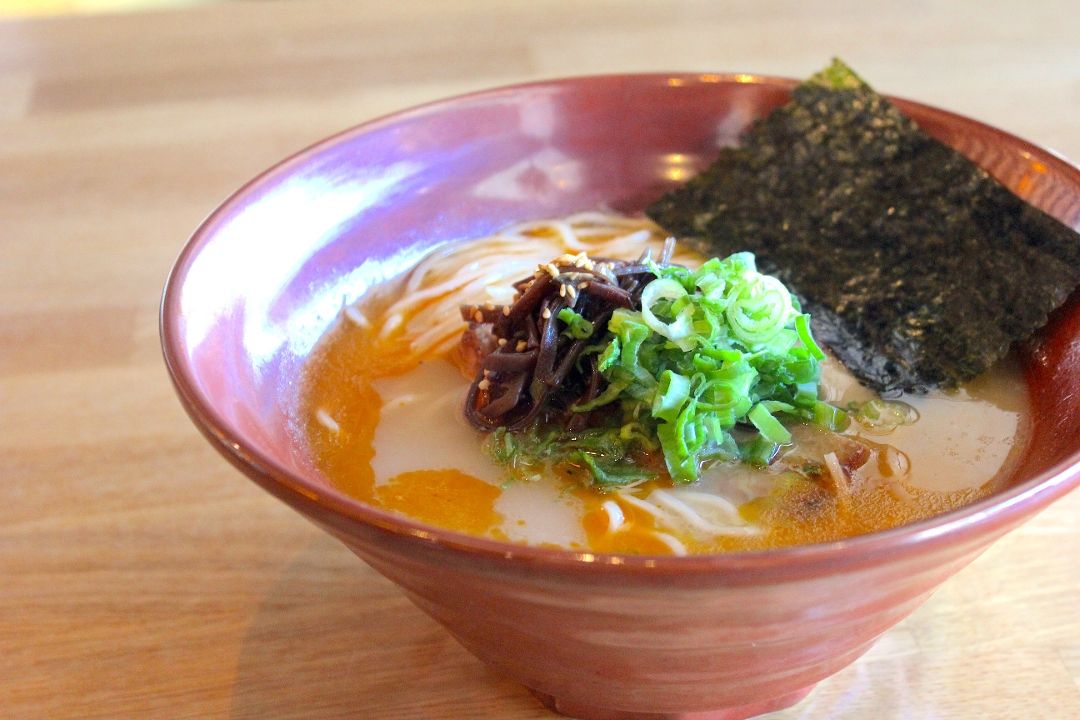
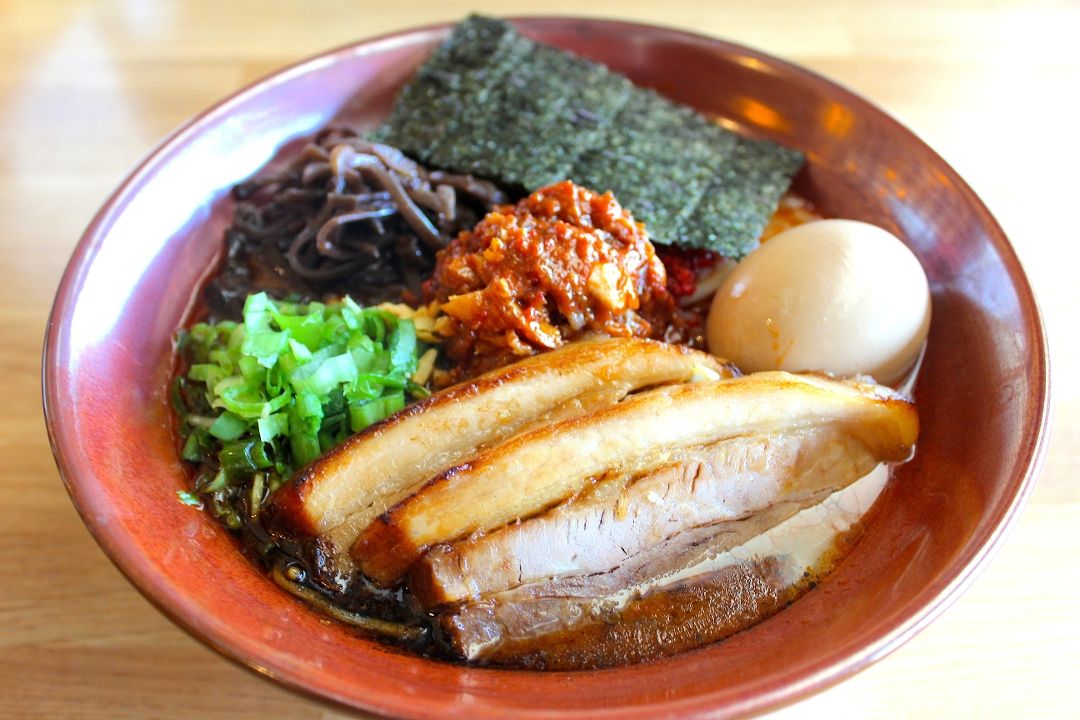
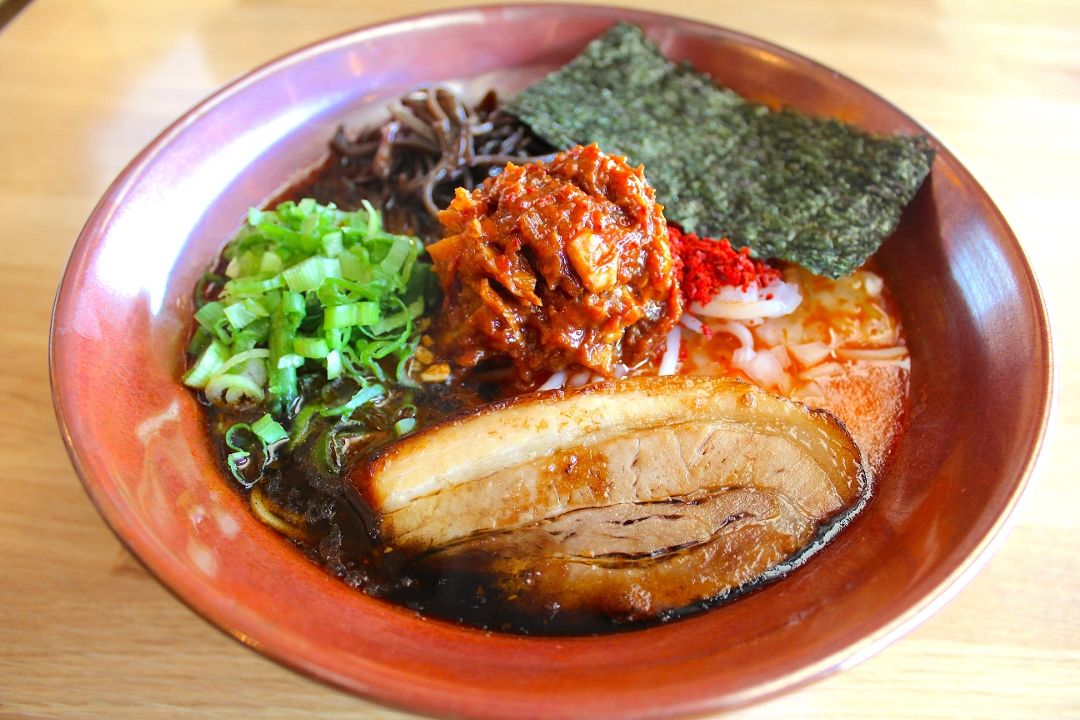
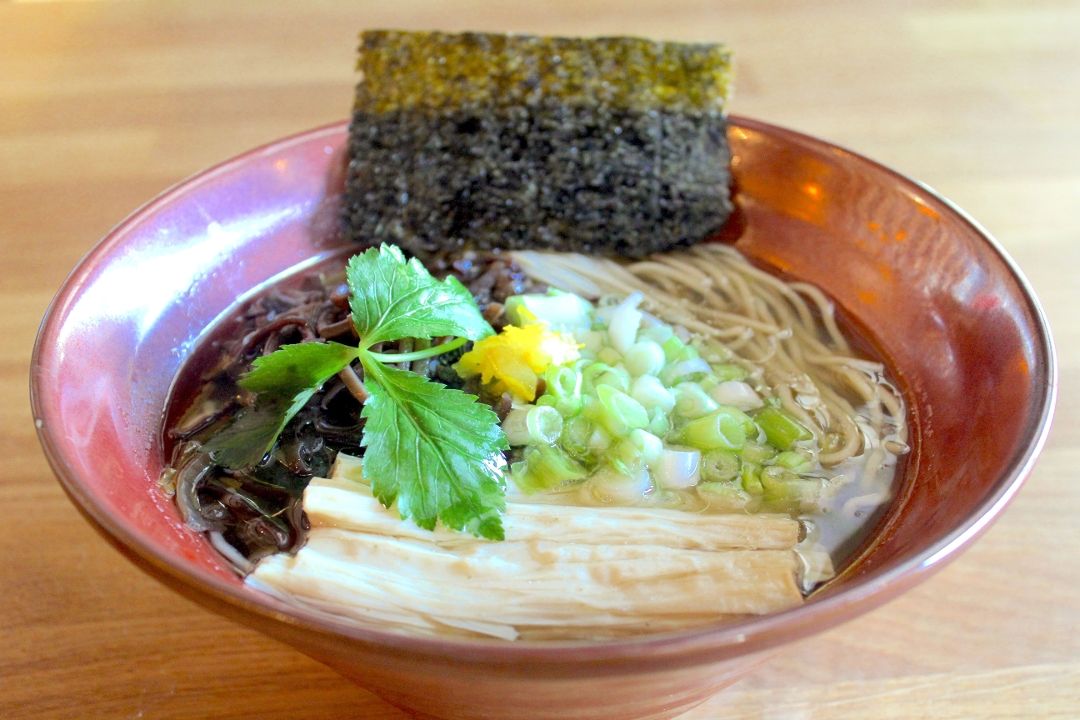
Don't be fooled by the Yelp elites and the plating. Usually I don't write reviews but I was extremely disappointed. I'm a huge ramen head and travel just to Japan for ramen. I've been to the San Mateo location when it first opened and was excited one of the most legendary ramen shops in Japan was coming to the bay area.
I got bait and switched when I found out the specialty that Kazuo Yamagishi was known for (and many taishoken branches), where the broth has sweetness and acidity, was completely changed to a tonkotsu gyokai. I wouldn't even say it's the same restaurant. It's personally one of my favorite styles so I gave it a try anyways.
Having it for the first time years back, I remember the noodles being good but everything else being lackluster. I gave it a second chance since it has very nice plating with the Milpitas location and came to the same conclusion.
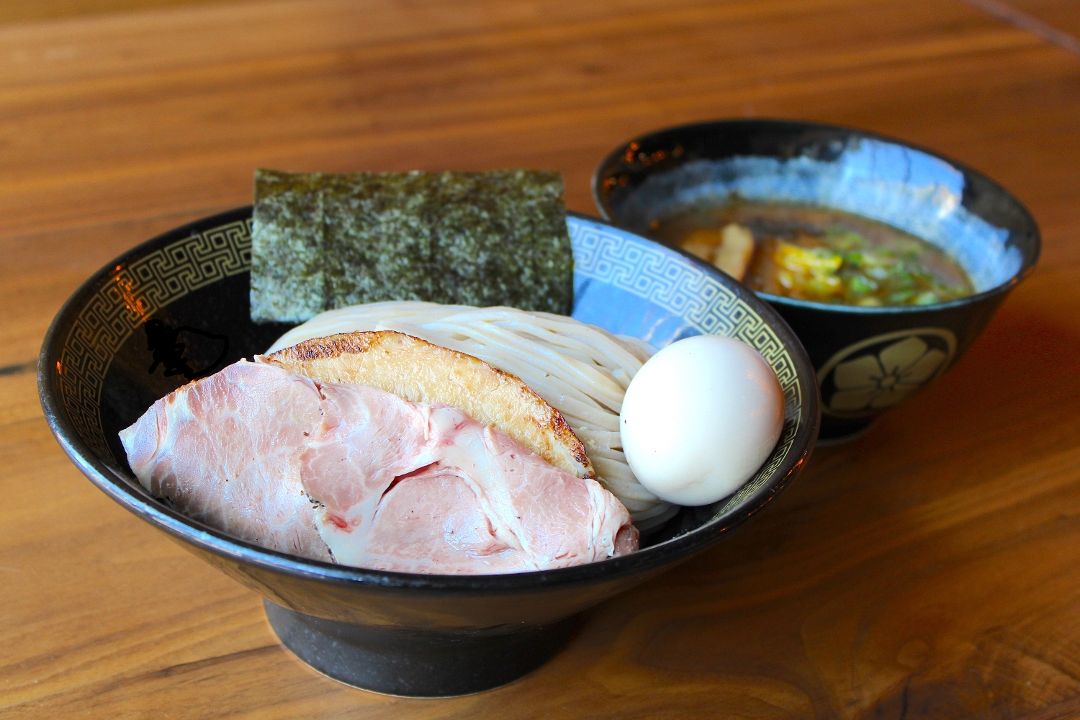
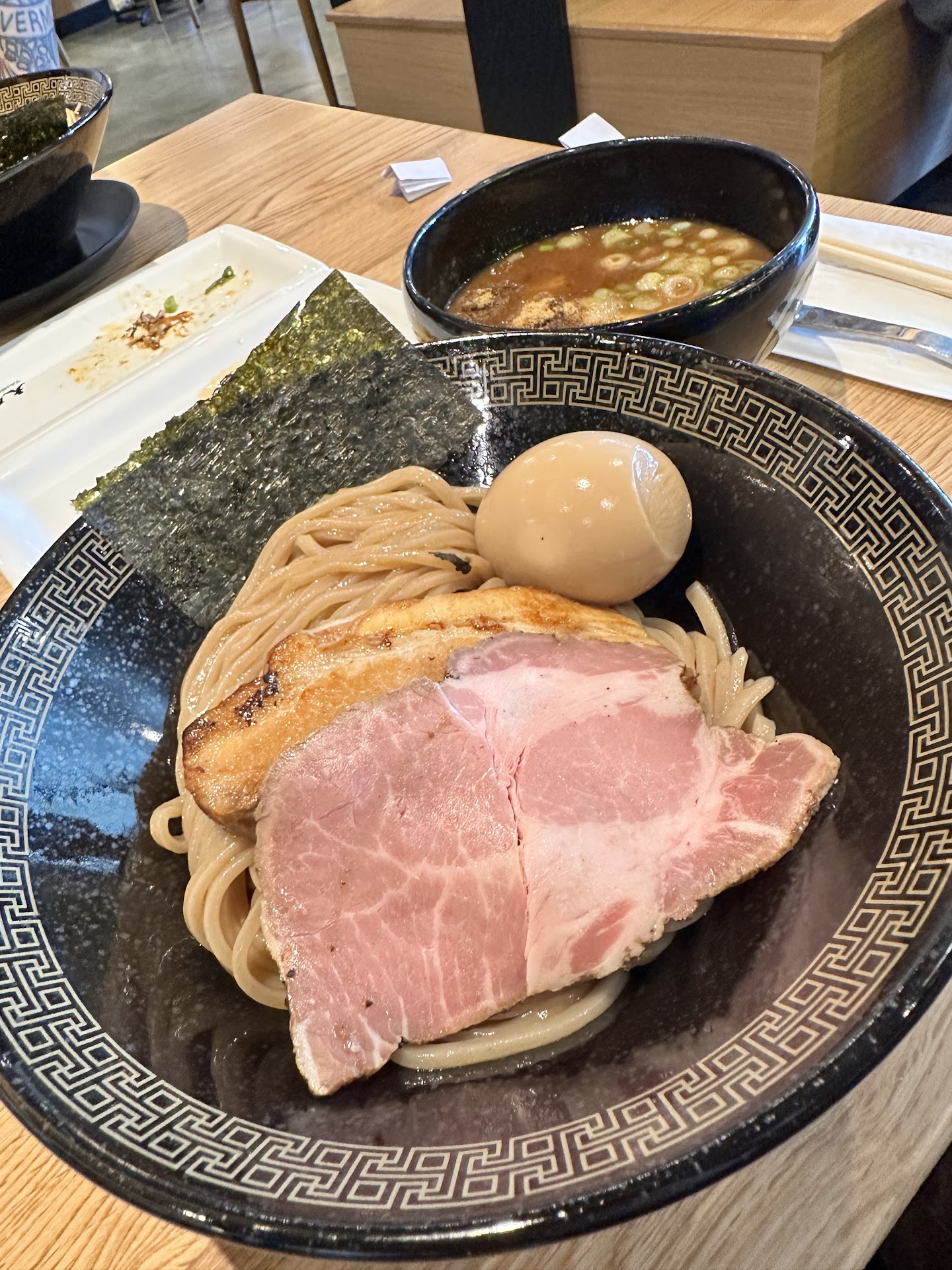
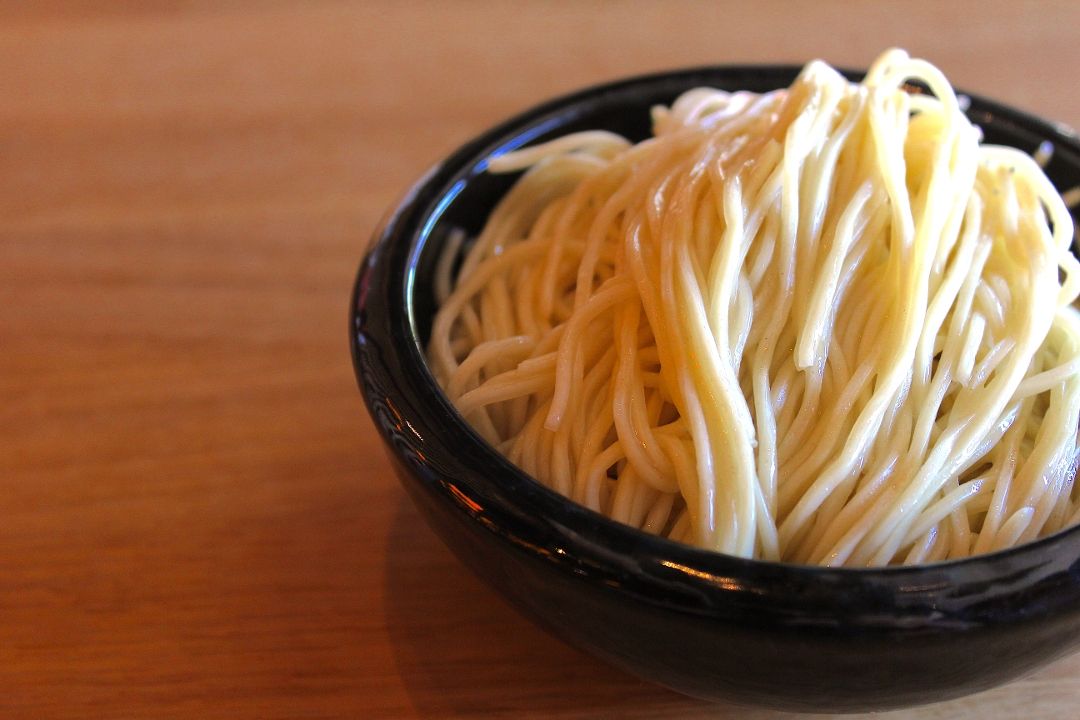
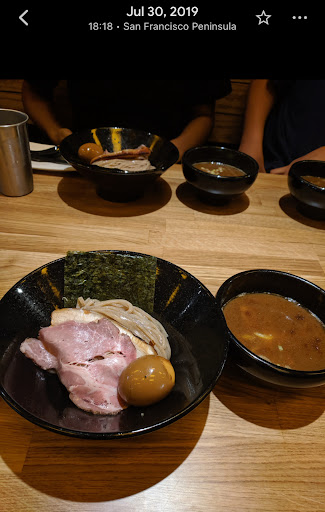
The noodles have a nice chew and bounce and great taste without any dipping. If there was an option to add some salt in the beginning it would definitely enhance the experience.
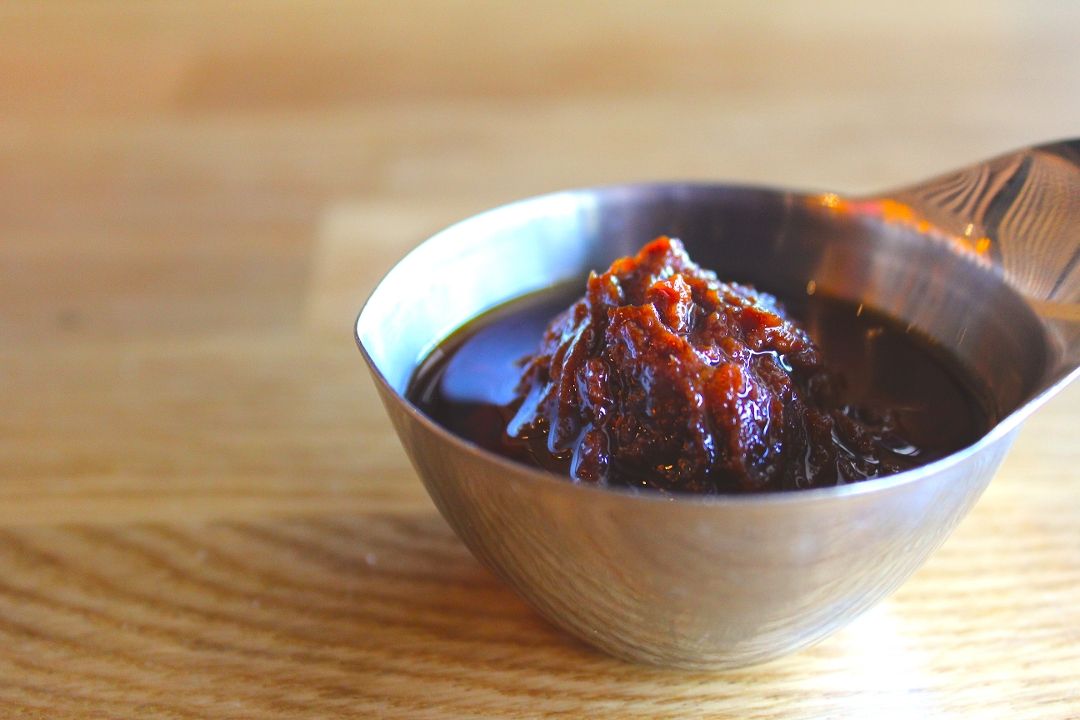
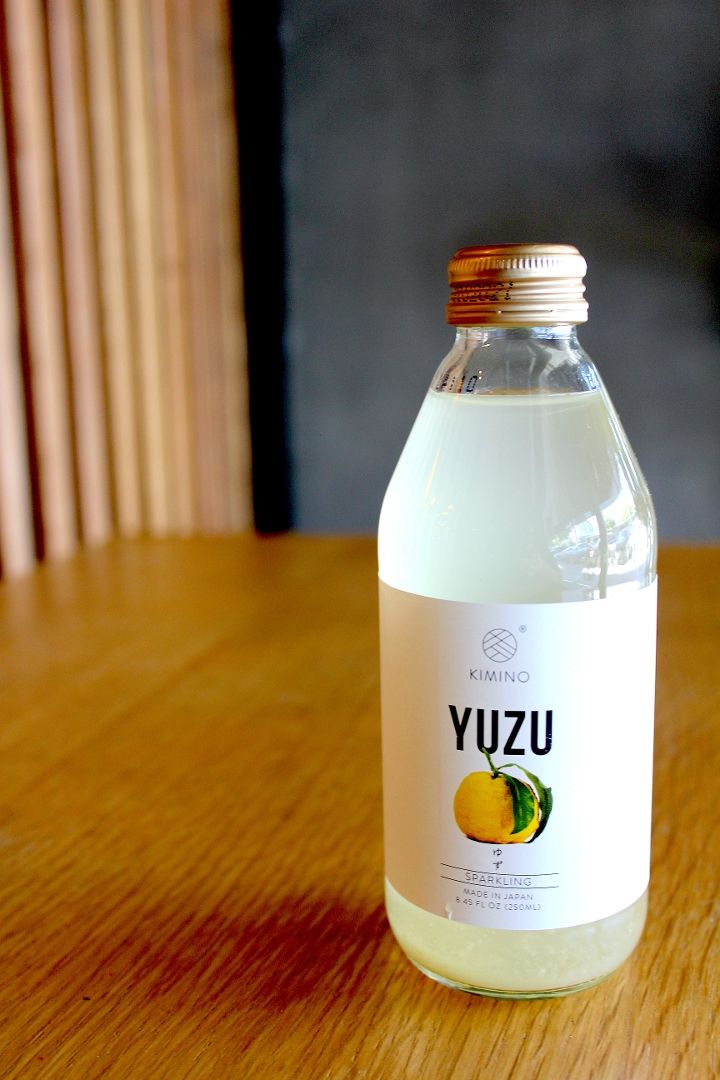
I've asked a friend (who isn't into ramen as much as me) and he said the soup wasn't the best which was a bad sign before I tried it. The soup has little to no pork or fish flavor despite being called a tonkotsu gyokai. The yuzu is too overpowering and reminds me of NRT Tomita after the quality went down. It should be a subtle flavor at the very end after almost finishing the soup. I wouldn't go to NRT Tomita even after a 20 hour fast. I feel the same about this.
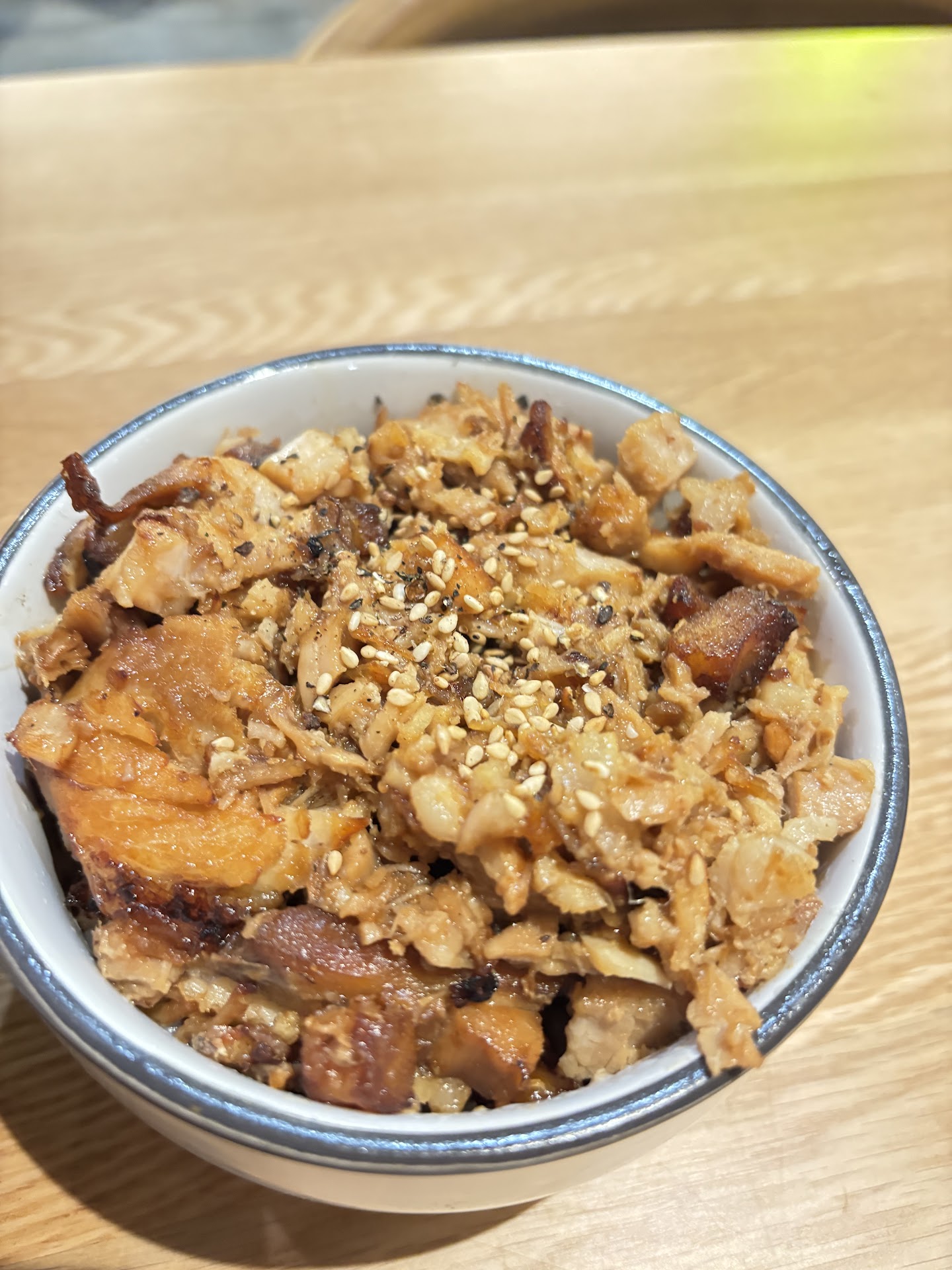
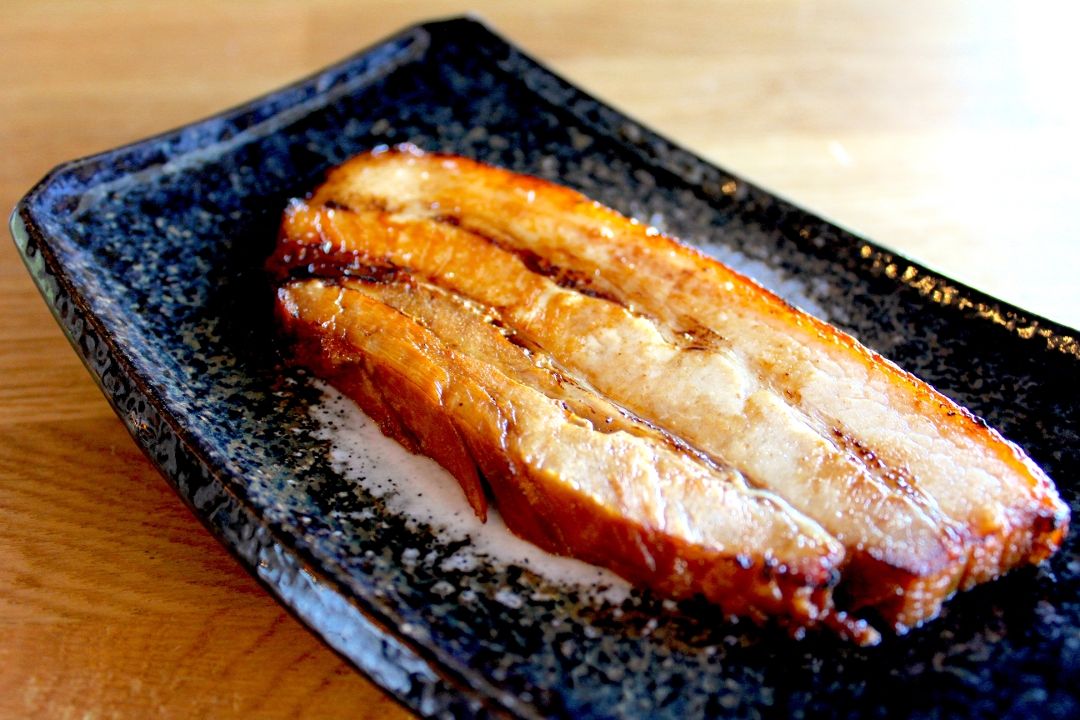
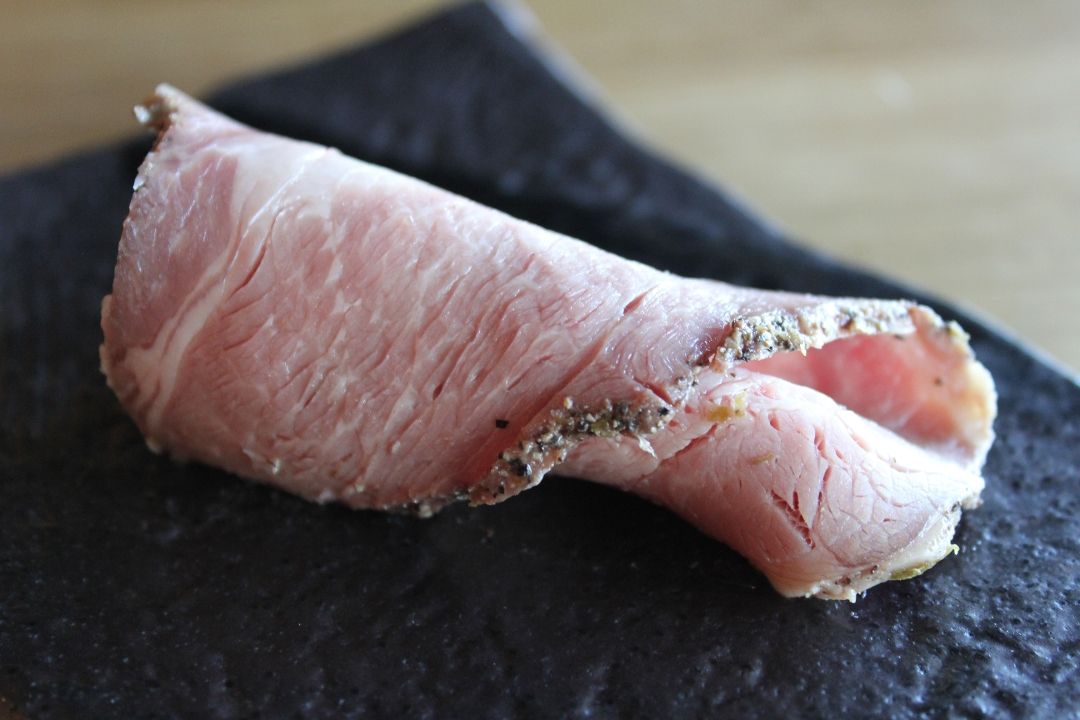
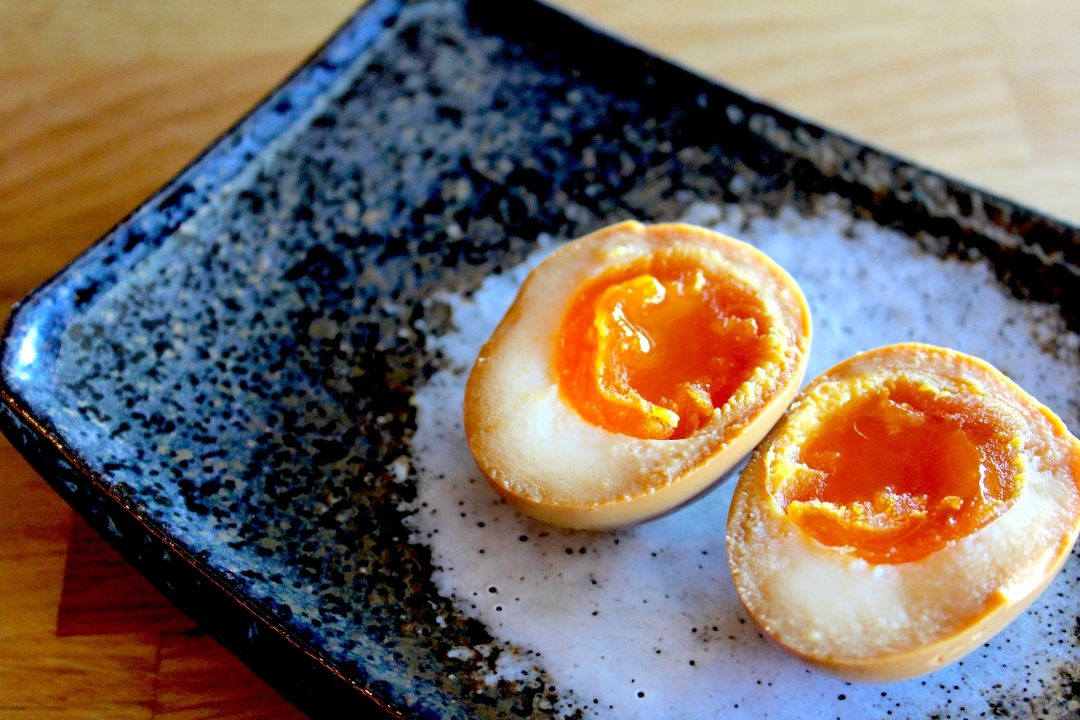
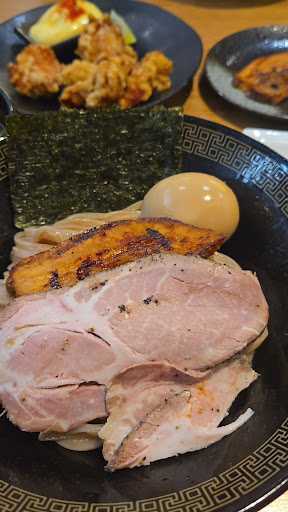
Chashu is personally nothing special like most ramen shops. Egg didn't have much flavor but the soup should make up for that.
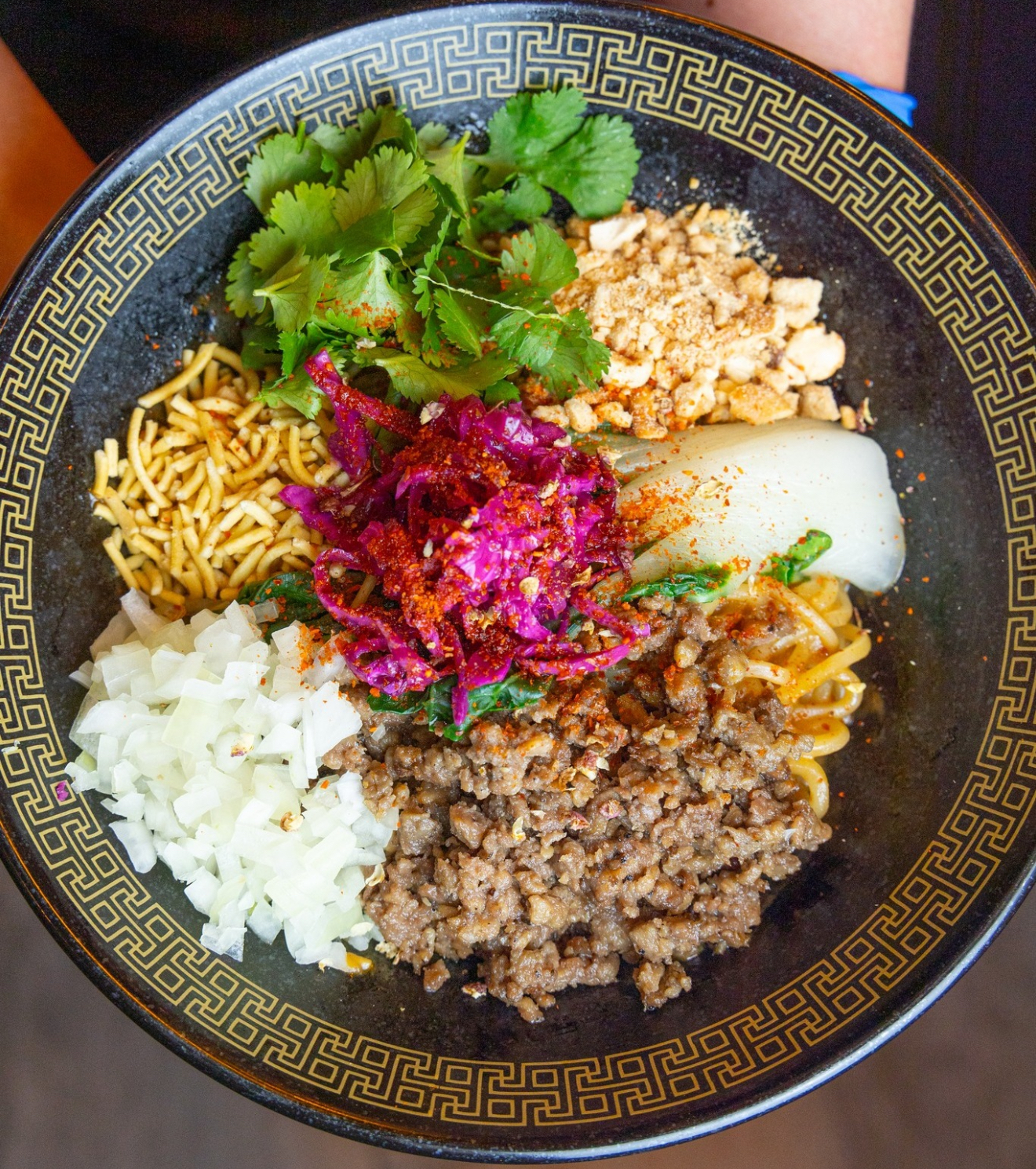
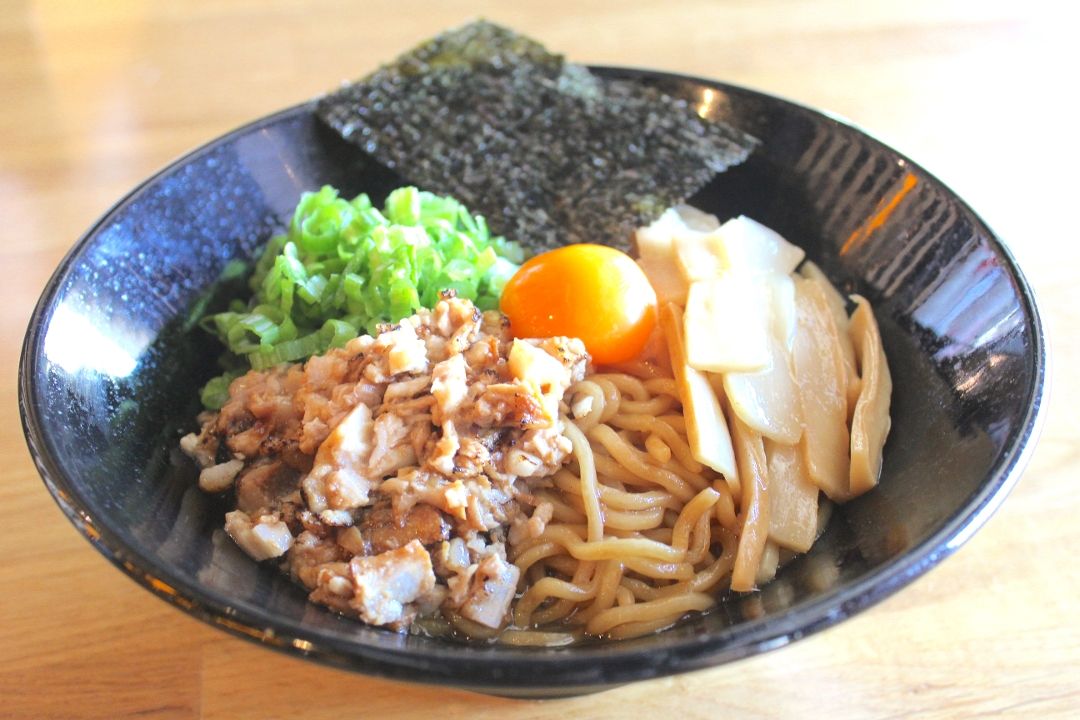
On another note, I tried the aburasoba (it's hard to mess it up) and it's way too the salty. The flavor profile is there for something good but it's overwhelmingly salty. I ended up just bringing it home to eat with white rice.
Personally, I think this place should be renamed to something else. I would've been fine if it was similar to Jiro branches where some things change like the emulsification or topping size, but the general style is still there.
There are many politics about different groups involving taishoken and I'm sure this adds to it. Higashi-ikebukuro owner deciding "official" places, mamorukai working on improving taste, and those that wanted to preserve the taishoken taste. I would read more about it on Dennis Amith's blog "The One about Yamagishi "God of Ramen" Kazuo Part 2 and the division among Taishoken apprentices".
Overall, I'm sad that this (and possibly the up and coming tsujita) is what people's first introduction to tonkotsu gyokai tsukemen is. My life has completely changed from eating it the first time in Japan and it remains of my favorite foods of all time. I'm shocked that the CEO let this pass when I see that they have also tried Tomita in Tokyo station. If you're ever in Japan, I recommend the Higashi-Ikebukuro location. The current owner was handpicked by Yamagishi to take over. I'm surprised that this place couldn't stick to something similar to the Yamagishi's recipe since there are some floating around on the internet and it would fit many American's palates. Akimoto (also trained by Yamagishi) in Yorba Linda is different but amazing with their Tori gyokai tsukemen.
If it's anything to go by, check their following on Instagram. Lots of food "influencers" who barely touch ramen. If this was on tabelog, I would give it a solid 3.0. It's hard to use yelp for an objective opinion or score compared to tabelog when elite's get free food in exchange for good reviews.
For other ramen shops in the Bay for something authentic; I would try Hajime, Kajiken, Ramen Champ for their Jiro, or...
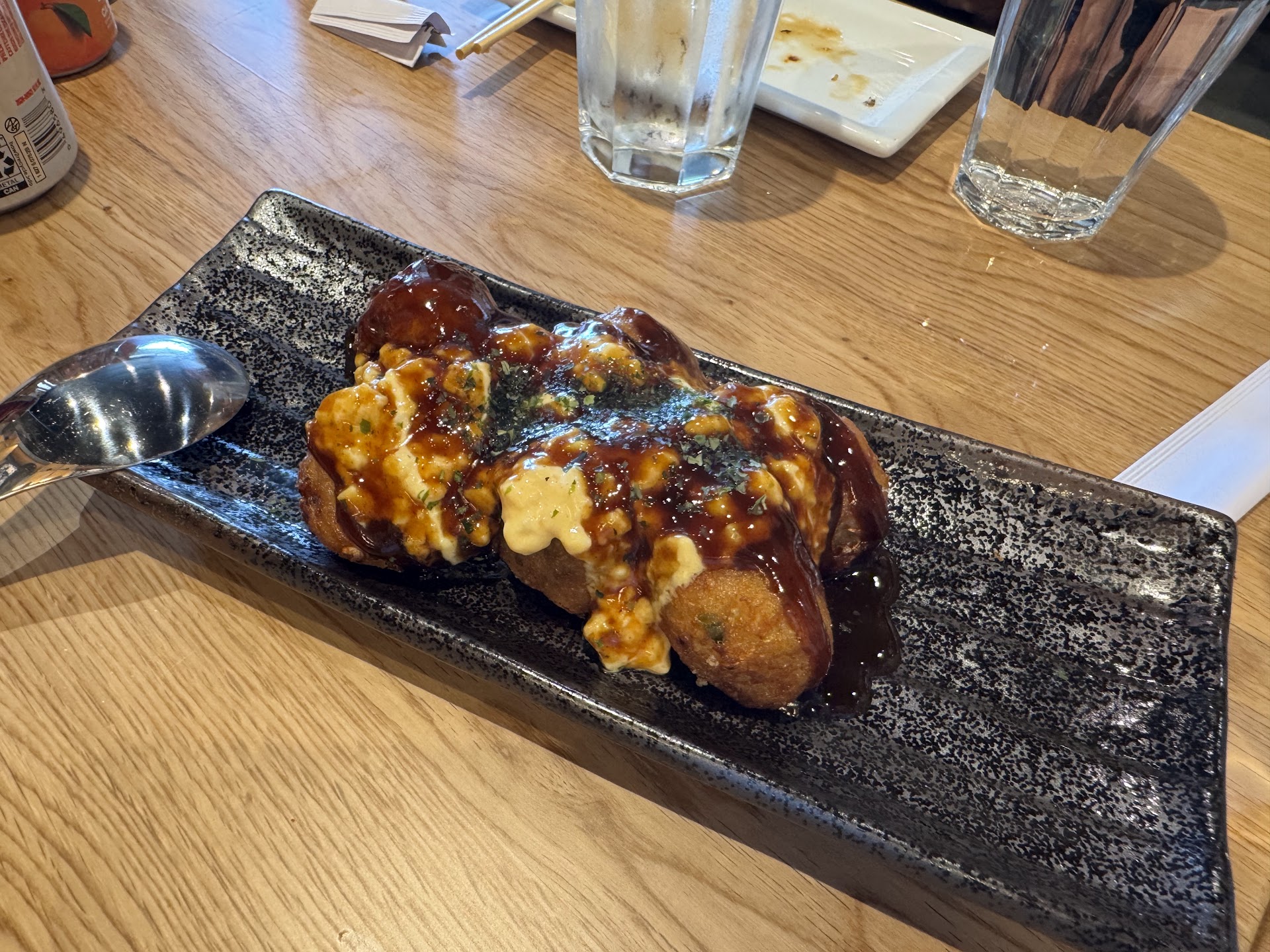
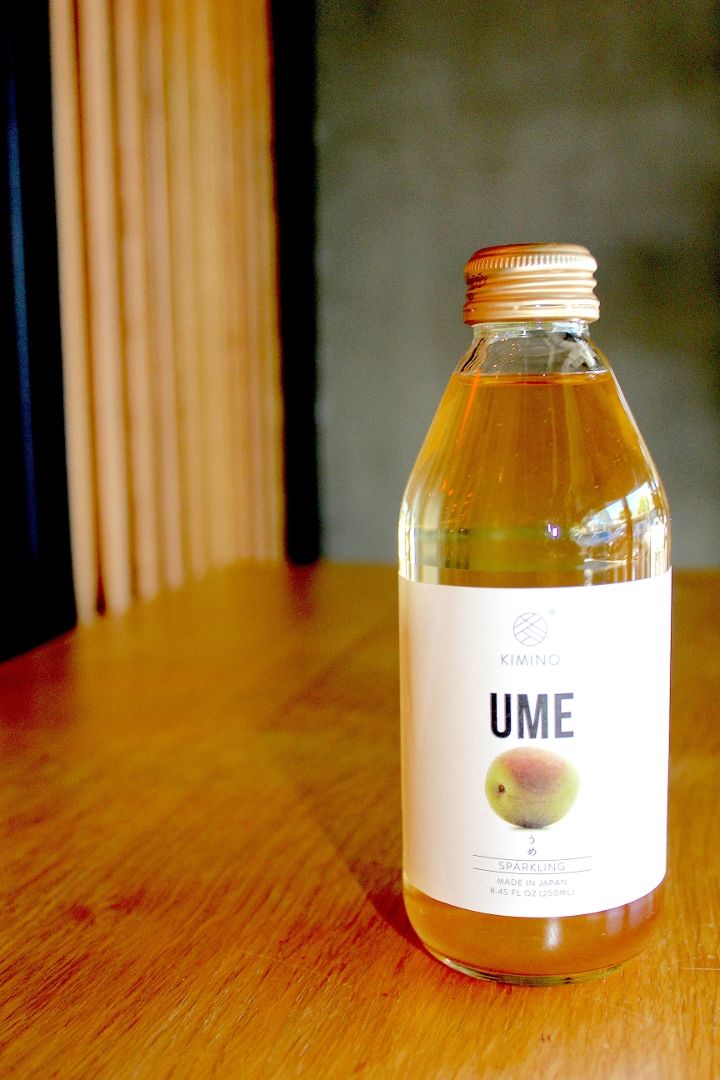
Read moreTsukemen has been one of my biggest cravings ever since coming back from my trip to Taiwan. I was scrolling on a fellow Bay Area foodie page when I stumbled upon Taishoken — which was surprising, because I had literally been thinking about it all day. Thankfully, they had just opened their newest storefront in Milpitas! So we decided to give it a try. It was not surprising that we had to wait at least 25 minutes for a table, as it was quite busy for a crowd on a Saturday night. However, what we thought was a very good experience, started off on the wrong foot. I’m not entirely sure why they don’t allow people to wait inside… especially given the 50° weather that we had to face. But it also wasn’t fair that some people were allowed to wait inside for their seats. However, that soon changed, as we were soon called and seated in a timely and fashionable manner. One of the waitresses welcomed us and asked us what we would like to drink — and we all opted for different drinks, like the plum, sparkling juice, oolong, tea, and regular tea. You could say that the oolong tea was a star of the show, because it had a very crisp high mountain aftertaste to it. For appetizers, we ordered the takoyaki. Now, I’m usually suspicious and skeptical, but this one definitely hit the spot. The filling inside the takoyaki was balanced, not too salty, and not too overfilling. The crust of the taiyaki was very crisp, with a lot of texture to it, which satisfied my taste buds. All three of us ordered the Tokusei Tsukemen — which was exactly what we came for. However, I can say that this one had mixed reviews from the three of us. On my end, I loved how soft and chewy my noodles were. The broth, however, was mid — it turned out to be a little bit too salty, and there weren’t enough bamboo shoots to balance out the saltines, and the freshness provided in the broth. The chashu meat was a little bit dry, and I was a little bit, disappointed that they didn’t have any vegetables other than seaweed. What I will compliment, though, is that for the price that they have, this was enough to satisfy your appetite, if you had a decent craving of it (which I definitely did, and I ended up finishing up the whole bowl). The atmosphere of this restaurant is very chic and very modern — however, there are some notable caveat that are of concern. The restaurant seems a little bit squeezed, and with so many people and children inside having a meal, it turned hazardous at times. I loved how the staff were very helpful and giving recommendations, and were absolutely attentive to every detail. However, at times, I felt like the surface was rushed a little too fast. I get that it is a brand new restaurant that just opened, and a lot of people are coming to try, but if I could give the staff a little bit of advice: please don’t give your patrons a dismissive attitude. In addition, you should never leave a “we are no longer accepting guests“ sign in plain sight, even if it’s behind the reservation counter. It’s going to drive a lot of people away, and feel very unwelcome to dine at your restaurant.
Overall, I definitely come back a second time to try more dishes, but until the trending wave dies down, I’ll reconsider my thoughts and choices about coming here and let other people have their own take on this restaurant. There’s so much to offer, and I know they’ll do...
Read moreTaishoken is the restaurant in Japan founded by Masayasu Sakaguchi where Tsukemen was first invented by his relative, legendary chef Kazuo Yamagishi. The first U.S. branch was opened in San Mateo by Mitsuo Sakaguchi, the son of Masayasu. So it continues to be a family business.
Tsukemen is traditionally a dish where thick wheat noodles are folded over with a side of chashu, ajitama (marinated egg) and accompanied by a bowl of thick gravy-like broth for dipping the noodles. Yamagishi's unique signature-style combines a rich pork flavor with fish powder and citrus. One of his most famous apprentices, Osamu Tomita, was featured in the documentary Ramen Heads. He also has a similar recipe for his dipping broth at his restaurants. I was able to try Tomita's version at the Tokyo Station-Kitte Granche location and you can definitely see the influence from Yamagishi's style, although the flavors are bolder.
I first tried Tsukemen many years ago when I lived in LA at Tsujita on Sawtelle. And it didn't really make an impression on me at the time as Daikokuya's tonkotsu was king. A decade later, I tried Taishoken in San Mateo and it was overly salty and fishy to my taste. As I mentioned, I tried Tomita's style of Tsukemen in Tokyo last month and enjoyed the experience. The bold flavors were very interesting and the noodles were very finely tuned from a texture and thickness standpoint.
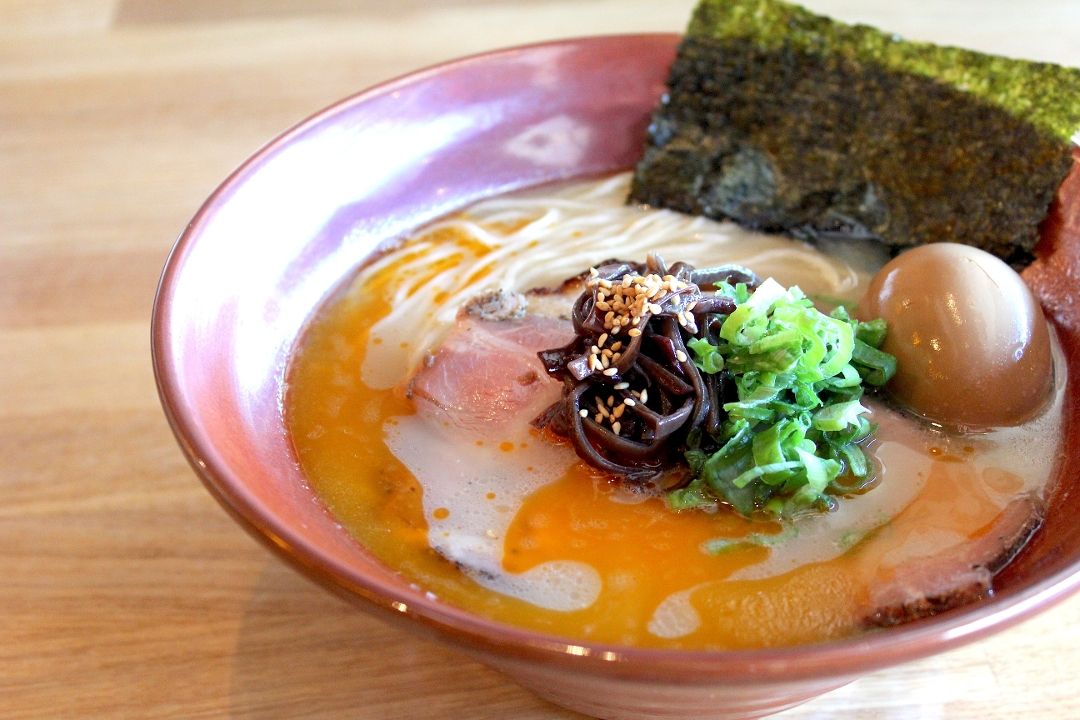
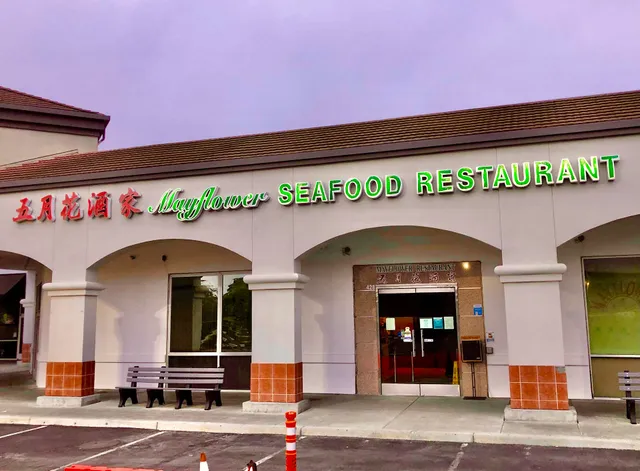
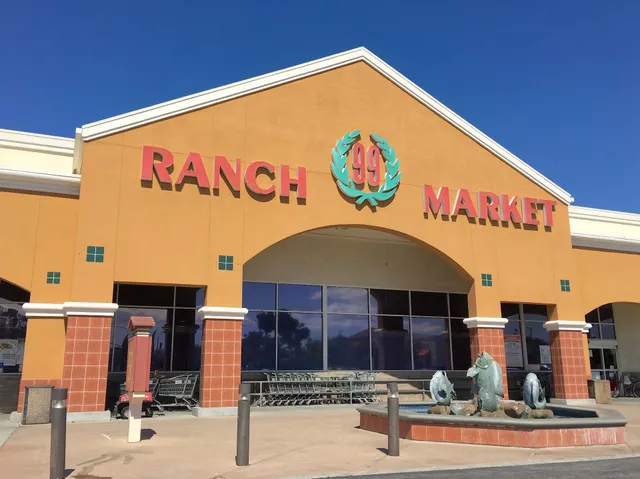
The newly opened Milpitas location is located in the bustling plaza with 99 Ranch and Mayflower. The wait on Saturday around noon was not bad at all. It took about 15 minutes before we got a table via the automated wait list system. I ordered the fully loaded Tokusei Tsukemen. My partner ordered the Tori Chintan Ramen which looked similar to the Shio-style that we really like from Menya Shono aka Mensho.
And honestly, the less salty and lighter dipping broth compared to San Mateo location made the overall experience much more enjoyable for me. Not sure if my taste has finally acclimated to Tsukemen, but I fully dipped my noodles and still wanted a spoon of the broth after each bite.
The Tori Chintan Ramen had a rich chicken flavor, with thinner yellow noodles, a roasted tomato and tender pieces of chicken. We took turns trying each ramen, but eventually both of us homed in on the Tsukemen. It was quite enjoyable on this visit.
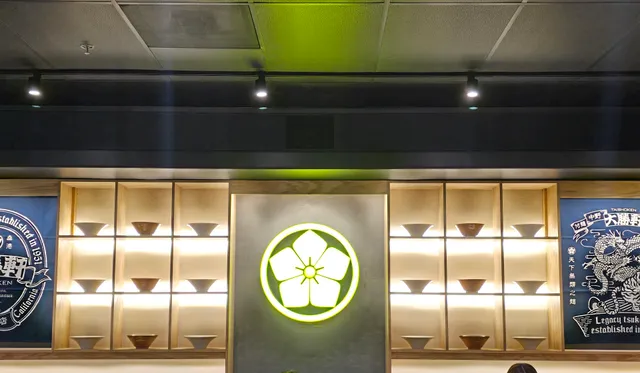
The dining room is clean, spacious with a lot of tables. Light wood decor lined with backlit sake bottles and bowls. There must have been about 46 people inside with plenty of space between tables. It was quite loud, and difficult at times to hear so it may not be a great place if you want to have a meaningful conversation. Parking in that plaza can be kind of difficult at times, especially the weekend or at lunch time. At the end of the meal, my partner asked if I wanted to order another Tsukemen. I kind of wanted to but have enough self-control to wait until a future trip to...
Read more