Franz Kafka - Rotating Head by David Cerny things to do, attractions, restaurants, events info and trip planning
Basic Info
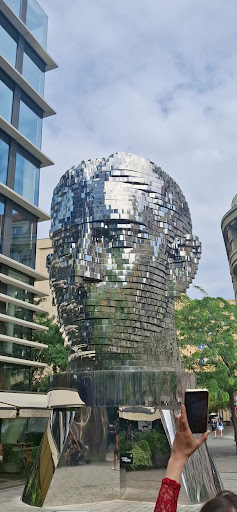
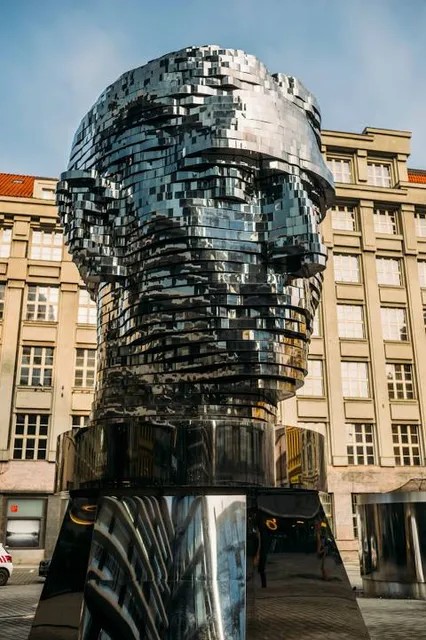
Franz Kafka - Rotating Head by David Cerny
Charvátova, 110 00 Nové Město, Czechia
4.5(14K)
Open until 12:00 AM
Save
spot
spot
Ratings & Description
Info
The Head of Franz Kafka, also known as the Statue of Kafka, is an outdoor sculpture by David Černý depicting Bohemian German-language writer Franz Kafka, installed outside the Quadrio shopping centre in Prague, Czech Republic. The kinetic sculpture is 11 metres tall and made of 42 rotating panels.
Cultural
Accessibility
attractions: Lego Museum, Franciscan Gardens, Museum of Fantastic Illusions, NaFilM: Národní filmové muzeum, Pilsner Urquell: The Original Beer Experience, Church of Our Lady of the Snows, Kostel svatého Martina ve zdi, Man Hanging Out - David Černý's Statue of Sigmund Freud, IAM Illusion Art Museum Prague, Komedie Theater, restaurants: Café Louvre, Fly Vista, Beas Vegetarian Dhaba, Restaurace Tiskárna Národní, INVITALY Piazzetta, Knedlín, The Dutch Pub - Steak & Burger, Oh Deer Bakery, OISHI HOUSE, Vapiano, local businesses: Museum of Fantastic Illusions, BENU, Wall Street English, U Rarášků, Kebab star&Pizza, Babylonia Sauna, Konviktská 1055/7, ORIGINAL BEER SPA, MANUFAKTURA - Quadrio, La Formaggeria Gran Moravia
 Learn more insights from Wanderboat AI.
Website
davidcerny.cz
Open hoursSee all hours
FriOpen 24 hoursOpen
Plan your stay

Pet-friendly Hotels in Prague
Find a cozy hotel nearby and make it a full experience.

Affordable Hotels in Prague
Find a cozy hotel nearby and make it a full experience.

The Coolest Hotels You Haven't Heard Of (Yet)
Find a cozy hotel nearby and make it a full experience.

Trending Stays Worth the Hype in Prague
Find a cozy hotel nearby and make it a full experience.
Reviews
Live events
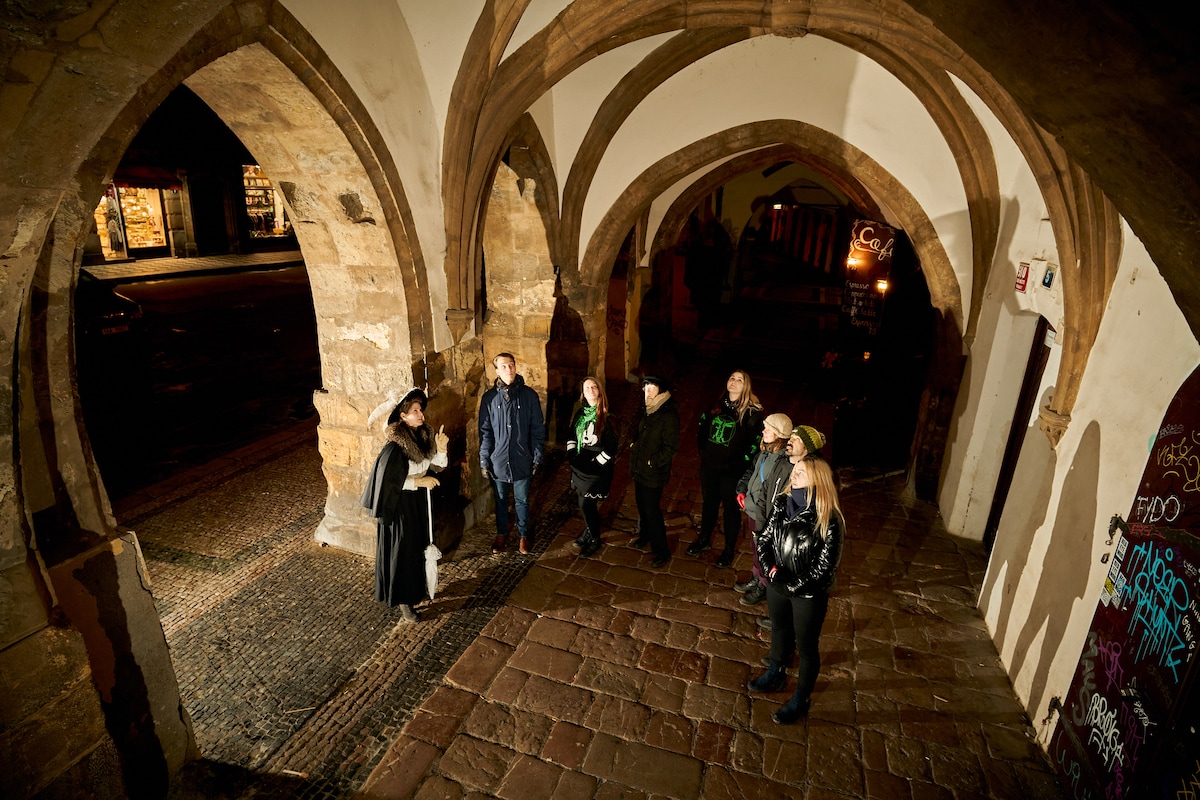
Telltale Ghost Tour
Fri, Feb 20 • 7:00 PM
110 00, Prague 1, Czechia
View details
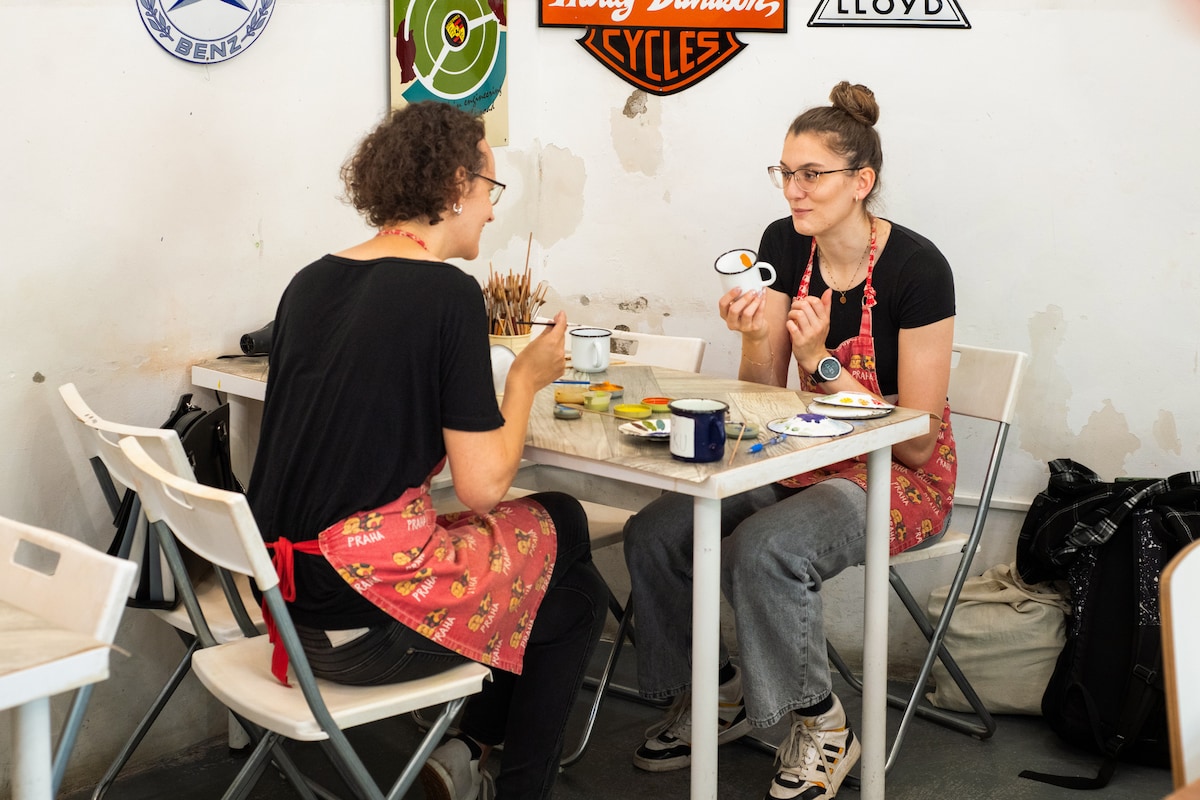
Paint Your Own Enamel Mug in Prague
Fri, Feb 20 • 12:45 PM
118 00, Prague 1, Czechia
View details
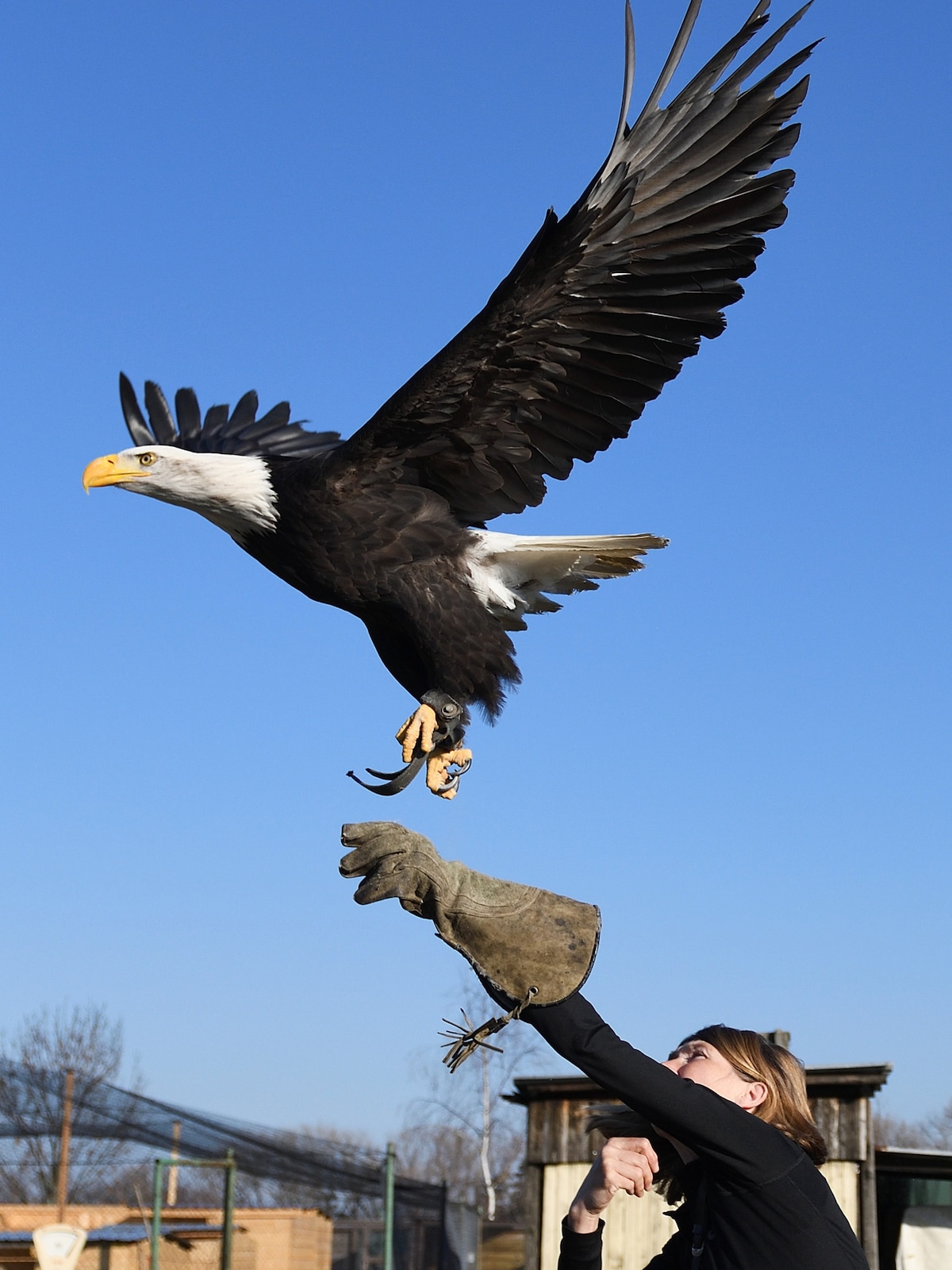
Learn All About Falconry and Birds of Prey
Sat, Feb 21 • 9:00 AM
150 00, Prague 5, Czechia
View details
Nearby attractions of Franz Kafka - Rotating Head by David Cerny
Lego Museum
Franciscan Gardens
Museum of Fantastic Illusions
NaFilM: Národní filmové muzeum
Pilsner Urquell: The Original Beer Experience
Church of Our Lady of the Snows
Kostel svatého Martina ve zdi
Man Hanging Out - David Černý's Statue of Sigmund Freud
IAM Illusion Art Museum Prague
Komedie Theater
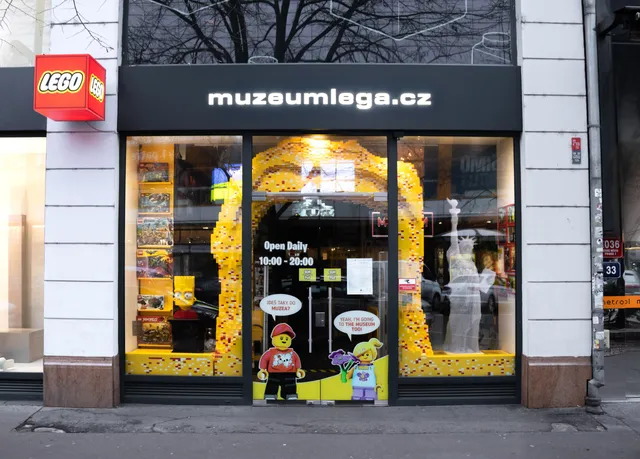
Lego Museum
4.2
(4K)
Closed
Click for details
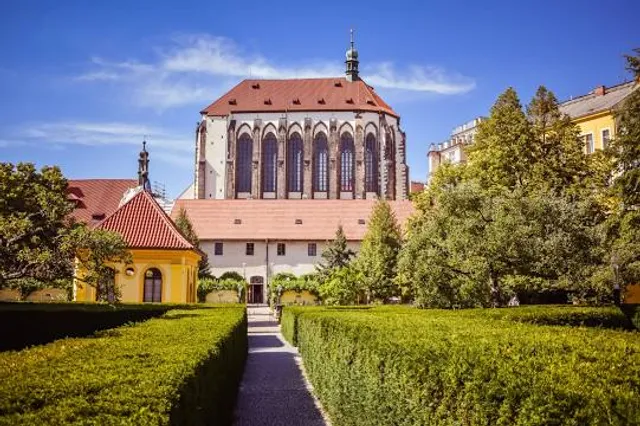
Franciscan Gardens
4.7
(3.7K)
Closed
Click for details
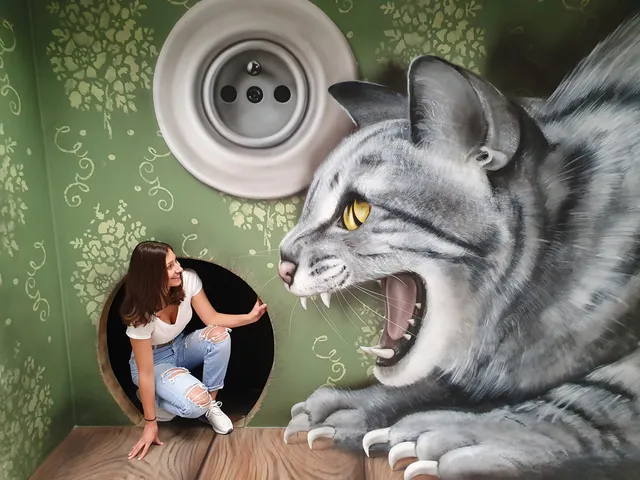
Museum of Fantastic Illusions
4.5
(4.4K)
Closed
Click for details
NaFilM: Národní filmové muzeum
4.8
(492)
Closed
Click for details
Nearby restaurants of Franz Kafka - Rotating Head by David Cerny
Café Louvre
Fly Vista
Beas Vegetarian Dhaba
Restaurace Tiskárna Národní
INVITALY Piazzetta
Knedlín
The Dutch Pub - Steak & Burger
Oh Deer Bakery
OISHI HOUSE
Vapiano
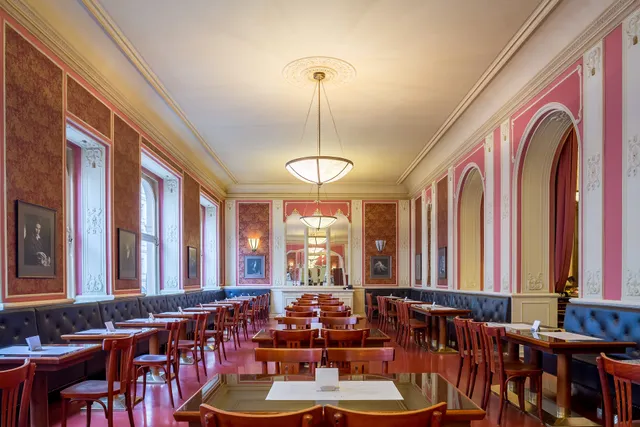
Café Louvre
4.5
(8.3K)
$$
Closed
Click for details
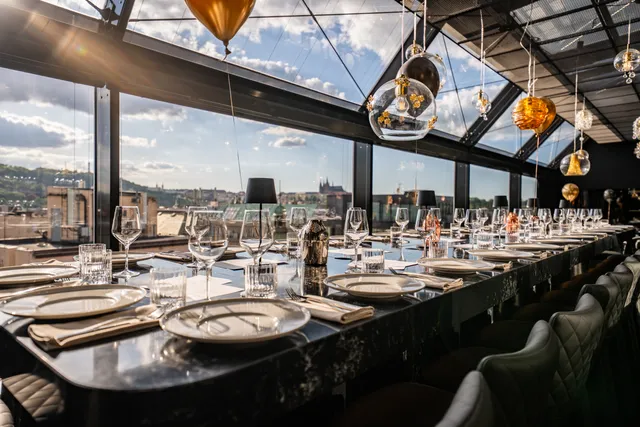
Fly Vista
4.8
(1.9K)
Closed
Click for details
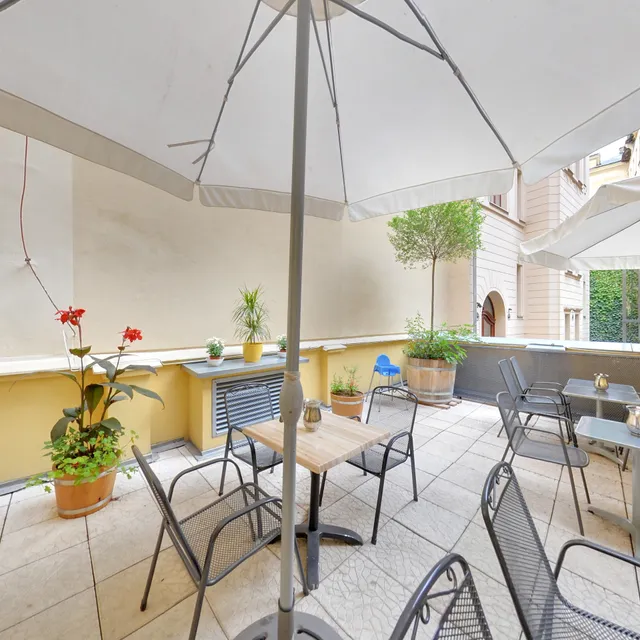
Beas Vegetarian Dhaba
4.3
(992)
Closed
Click for details
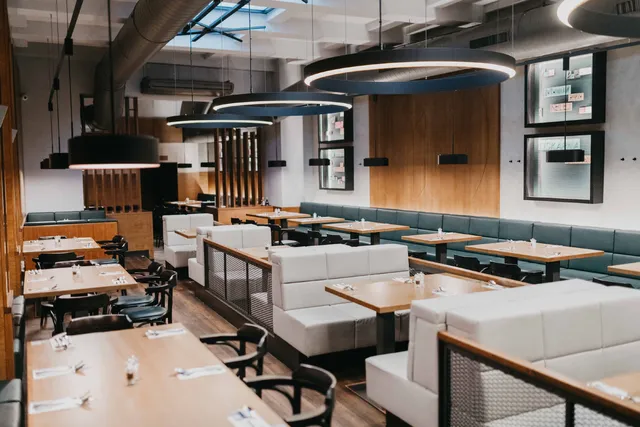
Restaurace Tiskárna Národní
4.5
(2.2K)
$$
Closed
Click for details
Nearby local services of Franz Kafka - Rotating Head by David Cerny
Museum of Fantastic Illusions
BENU
Wall Street English
U Rarášků
Kebab star&Pizza
Babylonia Sauna
Konviktská 1055/7
ORIGINAL BEER SPA
MANUFAKTURA - Quadrio
La Formaggeria Gran Moravia
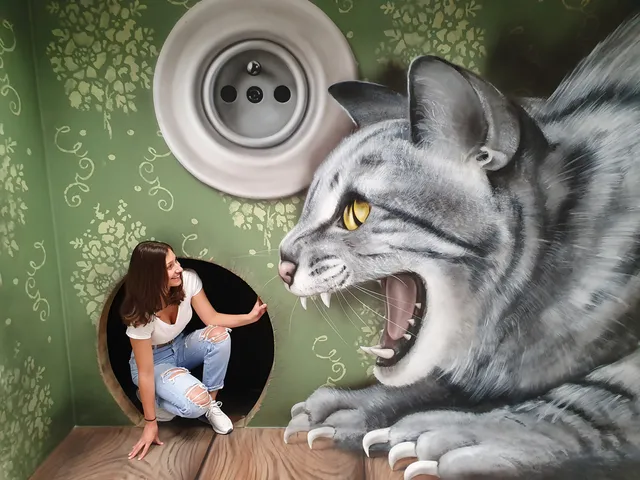
Museum of Fantastic Illusions
4.5
(2.5K)
Click for details
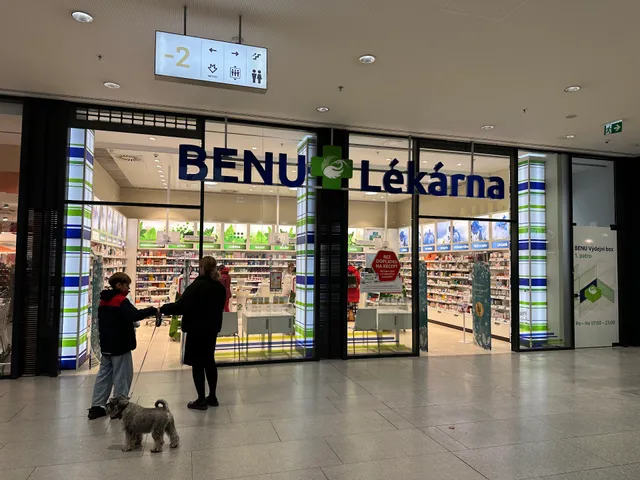
BENU
3.8
(80)
Click for details
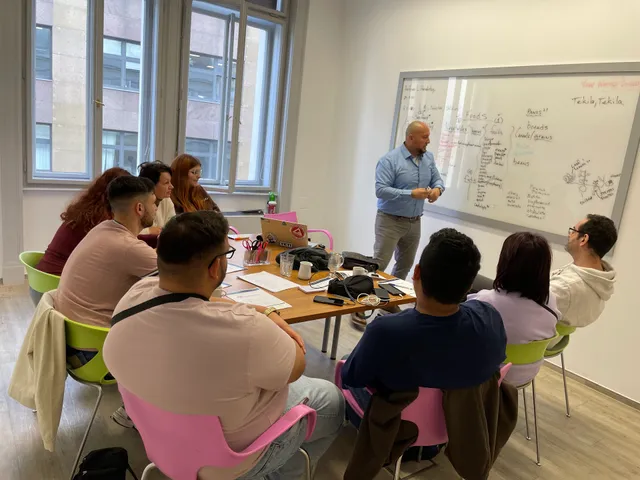
Wall Street English
4.5
(99)
Click for details
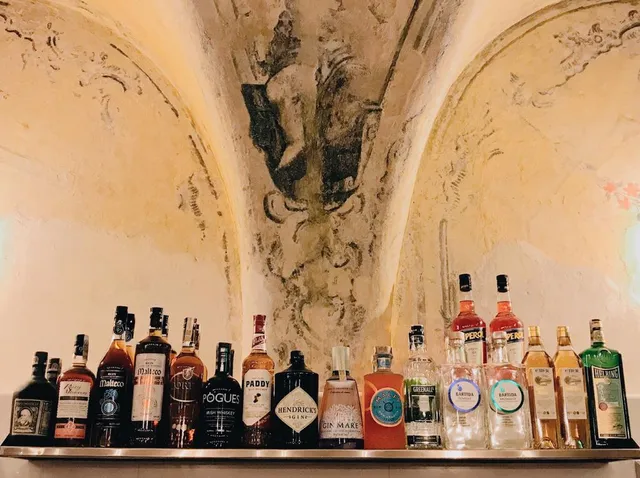
U Rarášků
4.5
(450)
Click for details