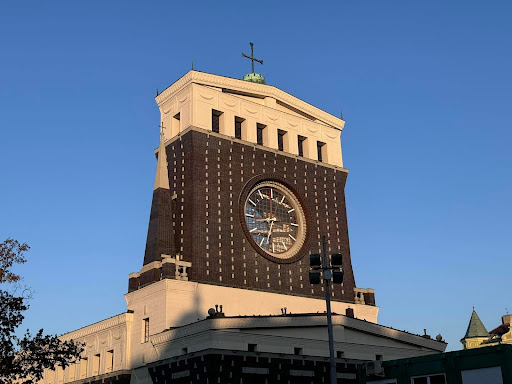
Kostel Nejsvětějšího Srdce Páně things to do, attractions, restaurants, events info and trip planning
Basic Info
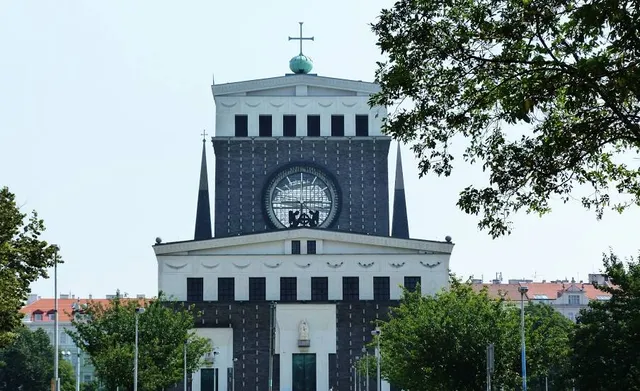
Kostel Nejsvětějšího Srdce Páně
nám. J. z Poděbrad, 130 00 Vinohrady, Czechia
4.6(821)
Open until 9:00 AM
Save
spot
spot
Ratings & Description
Info
The Church of the Most Sacred Heart of Our Lord is a Roman Catholic church at Jiřího z Poděbrad Square in Prague's Vinohrady district. It was built between 1929 and 1932 and designed by the Slovene architect Jože Plečnik. Plečnik found the inspiration for this construction in old Christian and ancient patterns.
Cultural
Accessibility
attractions: Žižkov Television Tower, Sady Svatopluka Čecha, Riegrovy Sady, Dětské Hřiště U Draka, Hunt kastner, Playground in Paradise Garden Park, Nevan Contempo, BowlBar, Church of Saint Roch, Nuclear Bunker, restaurants: BeerGeek Bar, HAPPY BEAN bistro & café, Le Caveau Kavárna, Chi Xiao Mian, Las Adelitas (Lucemburská), U Tellerů, KRO Vinohrady Bistro, Gilda, U Růžového Sadu, Pelmeňárna Jiřího z Poděbrad, local businesses: Vinotéka Noelka, Jiřího z Poděbrad, Rozlucky.com, Shinfood, Le Bouquet, OC Flora, Fivuza Market - Korunní 40, PizzBurg, Pivní lokál Ostrý, Pizza Praha
 Learn more insights from Wanderboat AI.
Phone
+420 222 727 713
Website
srdcepane.cz
Open hoursSee all hours
Thu7:15 - 9 AM, 5:15 - 7 PMOpen
Plan your stay

Pet-friendly Hotels in Prague
Find a cozy hotel nearby and make it a full experience.

Affordable Hotels in Prague
Find a cozy hotel nearby and make it a full experience.

The Coolest Hotels You Haven't Heard Of (Yet)
Find a cozy hotel nearby and make it a full experience.

Trending Stays Worth the Hype in Prague
Find a cozy hotel nearby and make it a full experience.
Reviews
Live events
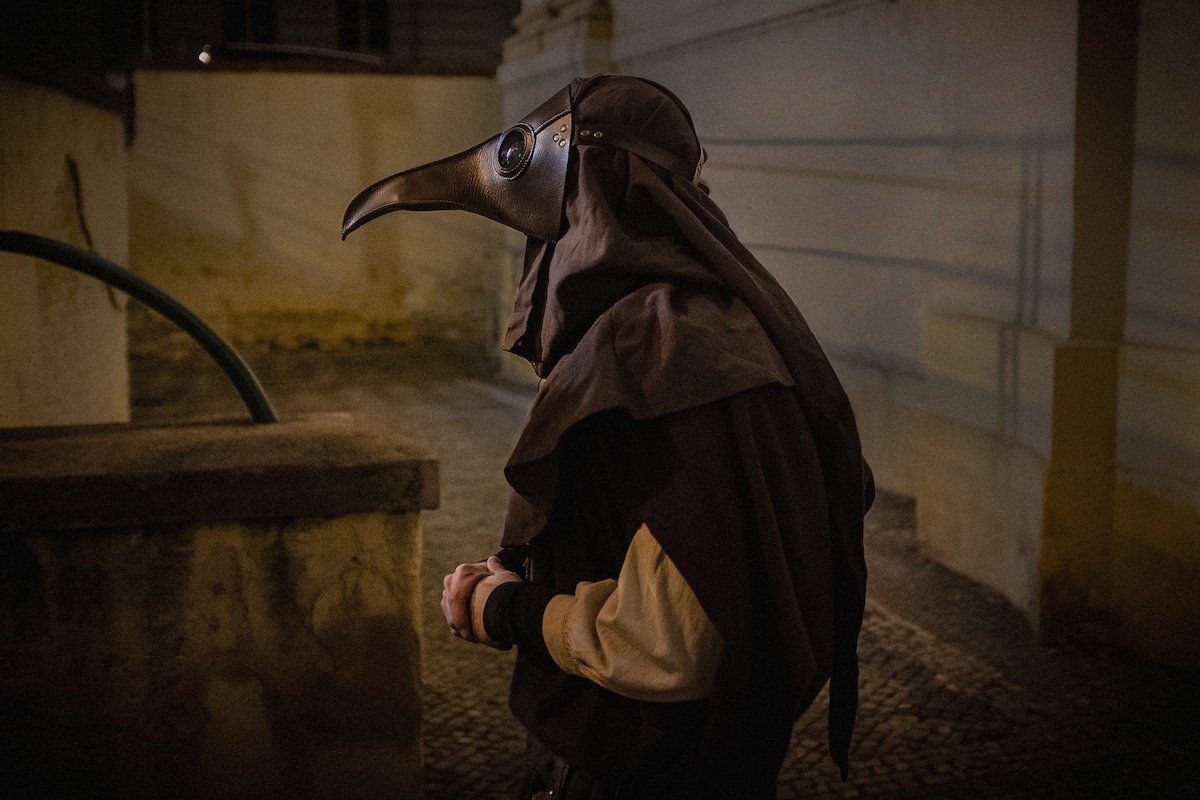
The Plague Doctor of Prague
Sat, Feb 28 • 8:00 PM
110 00, Prague 1, Czechia
View details
One Tour To Rule Them All ✌
Fri, Feb 27 • 10:30 AM
118 00, Prague 1, Czechia
View details
Nearby attractions of Kostel Nejsvětějšího Srdce Páně
Žižkov Television Tower
Sady Svatopluka Čecha
Riegrovy Sady
Dětské Hřiště U Draka
Hunt kastner
Playground in Paradise Garden Park
Nevan Contempo
BowlBar
Church of Saint Roch
Nuclear Bunker
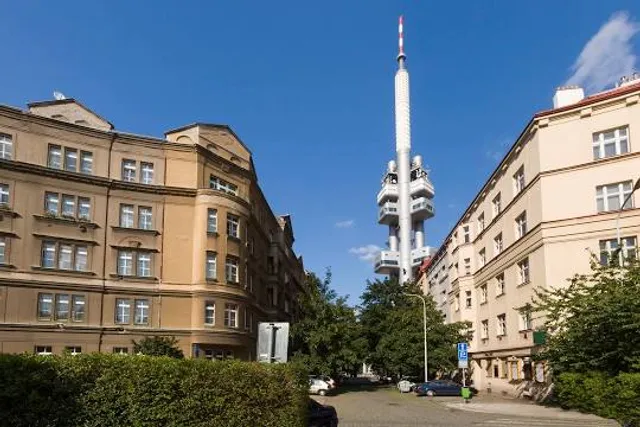
Žižkov Television Tower
4.4
(8.8K)
Closed
Click for details
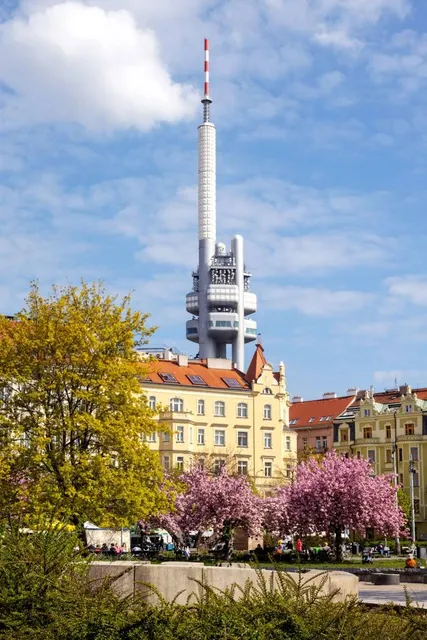
Sady Svatopluka Čecha
4.4
(725)
Open until 12:00 AM
Click for details
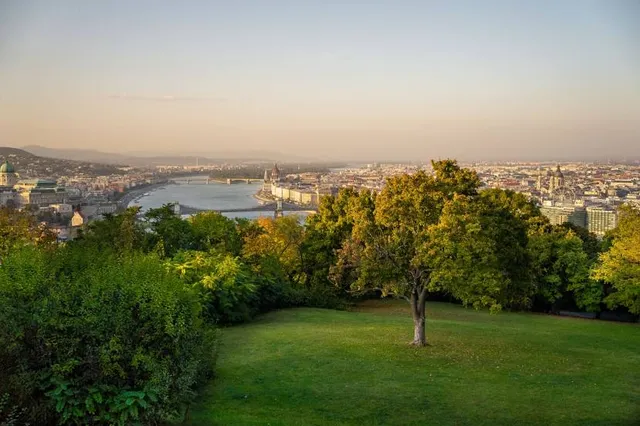
Riegrovy Sady
4.7
(4.7K)
Open until 12:00 AM
Click for details
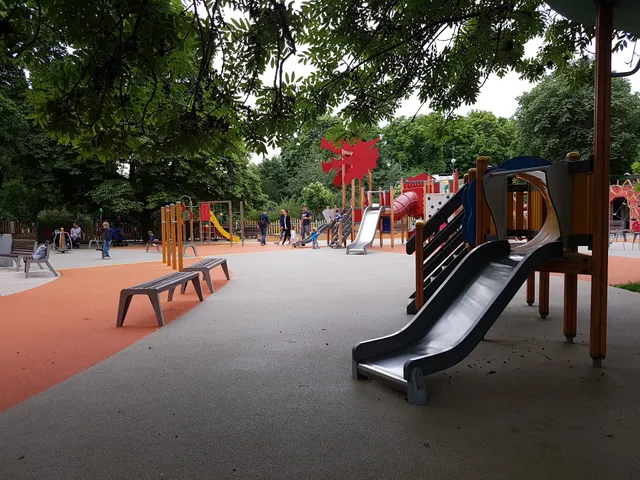
Dětské Hřiště U Draka
4.8
(220)
Open 24 hours
Click for details
Nearby restaurants of Kostel Nejsvětějšího Srdce Páně
BeerGeek Bar
HAPPY BEAN bistro & café
Le Caveau Kavárna
Chi Xiao Mian
Las Adelitas (Lucemburská)
U Tellerů
KRO Vinohrady Bistro
Gilda
U Růžového Sadu
Pelmeňárna Jiřího z Poděbrad
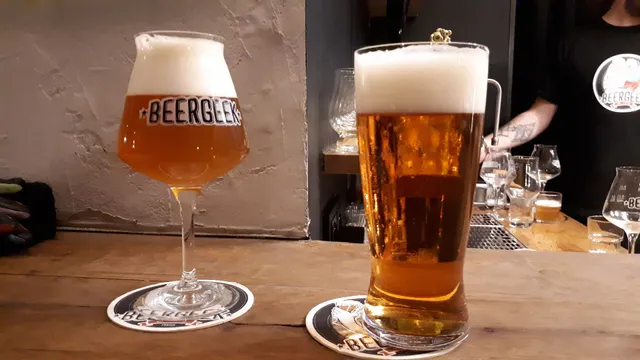
BeerGeek Bar
4.5
(1.7K)
$$
Closed
Click for details
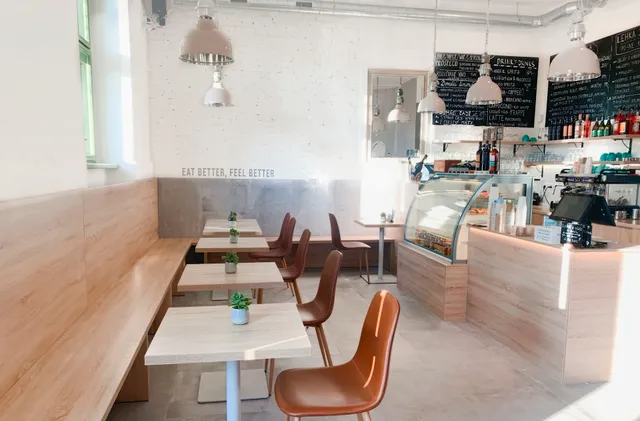
HAPPY BEAN bistro & café
4.5
(587)
Closed
Click for details
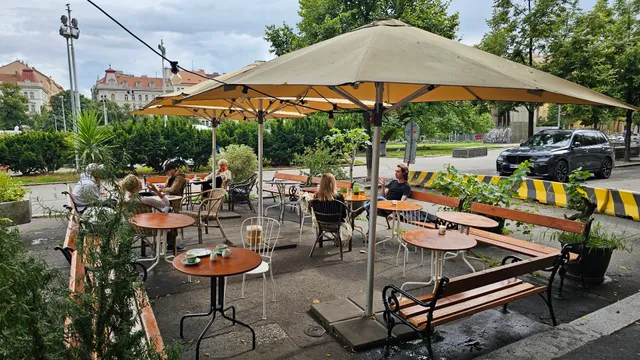
Le Caveau Kavárna
4.6
(460)
Closed
Click for details
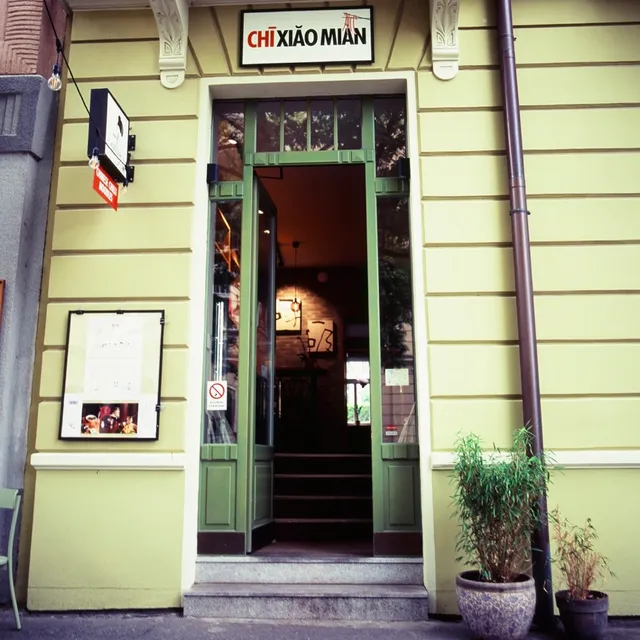
Chi Xiao Mian
4.7
(444)
Closed
Click for details
Nearby local services of Kostel Nejsvětějšího Srdce Páně
Vinotéka Noelka
Jiřího z Poděbrad
Rozlucky.com
Shinfood
Le Bouquet
OC Flora
Fivuza Market - Korunní 40
PizzBurg
Pivní lokál Ostrý
Pizza Praha
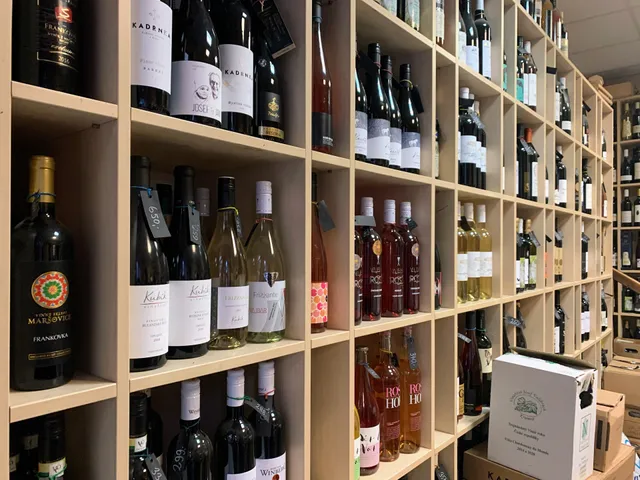
Vinotéka Noelka
4.8
(369)
Click for details

Jiřího z Poděbrad
4.3
(111)
Click for details

Rozlucky.com
4.9
(30)
Click for details
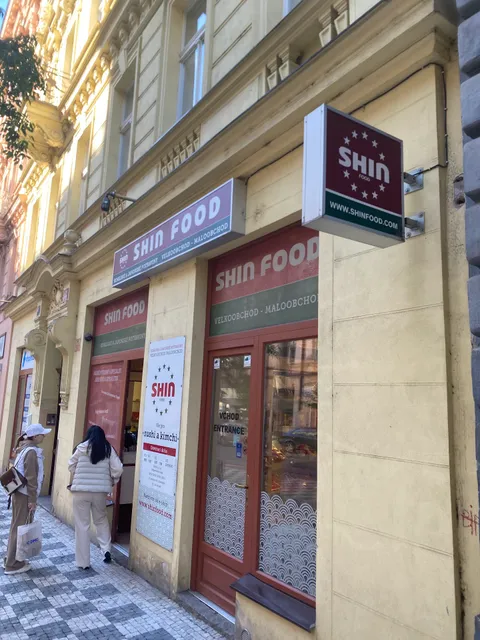
Shinfood
4.5
(299)
Click for details