Square René Viviani things to do, attractions, restaurants, events info and trip planning
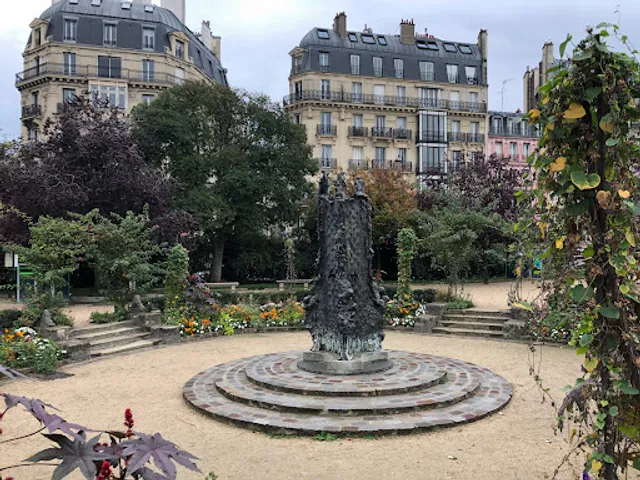
Basic Info
Square René Viviani
2 Rue du Fouarre, 75005 Paris, France
4.5(1.5K)
Closed
Save
spot
spot
Ratings & Description
Info
Outdoor
Scenic
Relaxation
Family friendly
attractions: Cathédrale Notre-Dame de Paris, Square Jean XXIII, Pont au Double, Crypte Archéologique de l'İle de la Cité, Point Zéro des Routes de France, Batobus - Station Notre-Dame, Sainte-Chapelle, Fontaine Saint-Michel, Cluny Museum - National Museum of the Middle Ages, Espace Notre Dame - Éternelle Notre-Dame, restaurants: La Crème de Paris Notre-Dame, Kozy, Café Panis, La Solita Taverna, X Lagrange, Le Petit Châtelet, Caveau de la Huchette, Café le Petit Pont, Le Grenier de Notre-Dame, Le Loubnane, local businesses: Saint-Julien-le-Pauvre, Church of Saint-Séverin, Hayaku Shop Mangas, Studio Galande, Bateaux Parisiens, Album Comics, Librairie Eyrolles, Irisé Paris, Christmas market, Game Corner
 Learn more insights from Wanderboat AI.
Website
paris.fr
Open hoursSee all hours
Sat9 AM - 5 PMClosed
Plan your stay

Pet-friendly Hotels in Paris
Find a cozy hotel nearby and make it a full experience.

Affordable Hotels in Paris
Find a cozy hotel nearby and make it a full experience.

The Coolest Hotels You Haven't Heard Of (Yet)
Find a cozy hotel nearby and make it a full experience.

Trending Stays Worth the Hype in Paris
Find a cozy hotel nearby and make it a full experience.
Reviews
Live events
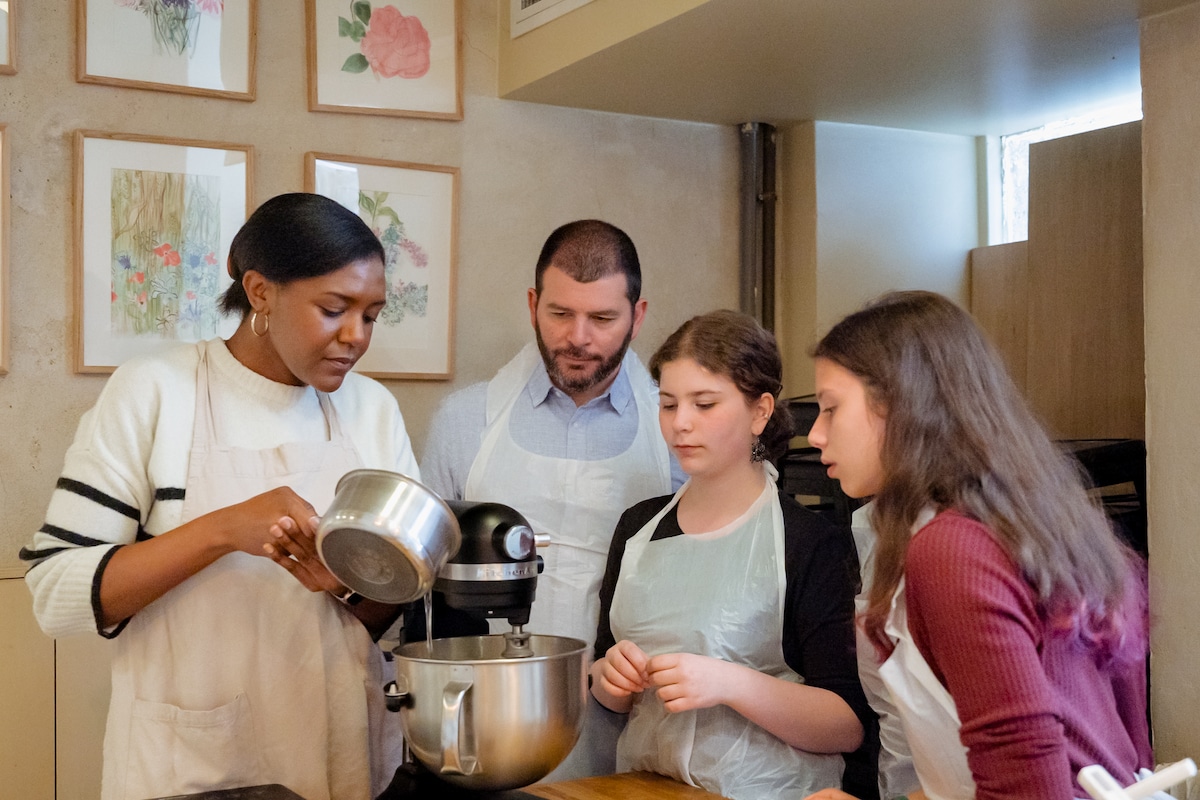
Learn to bake French macarons in a private kitchen
Sun, Feb 8 • 9:00 AM
75007, Paris, France
View details
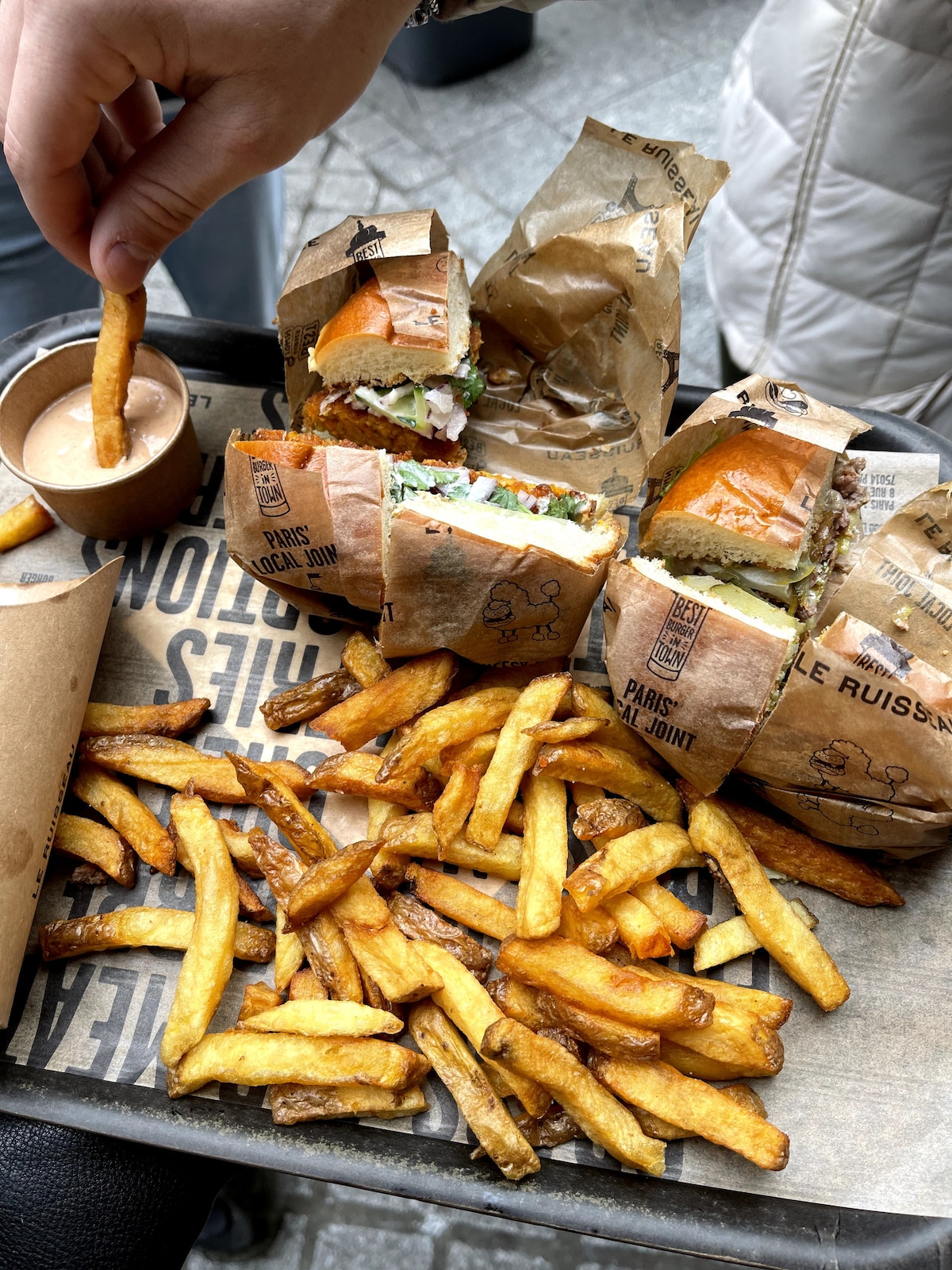
No Diet Club - Best food tour in Le Marais
Sat, Feb 7 • 12:00 PM
75004, Paris, France
View details
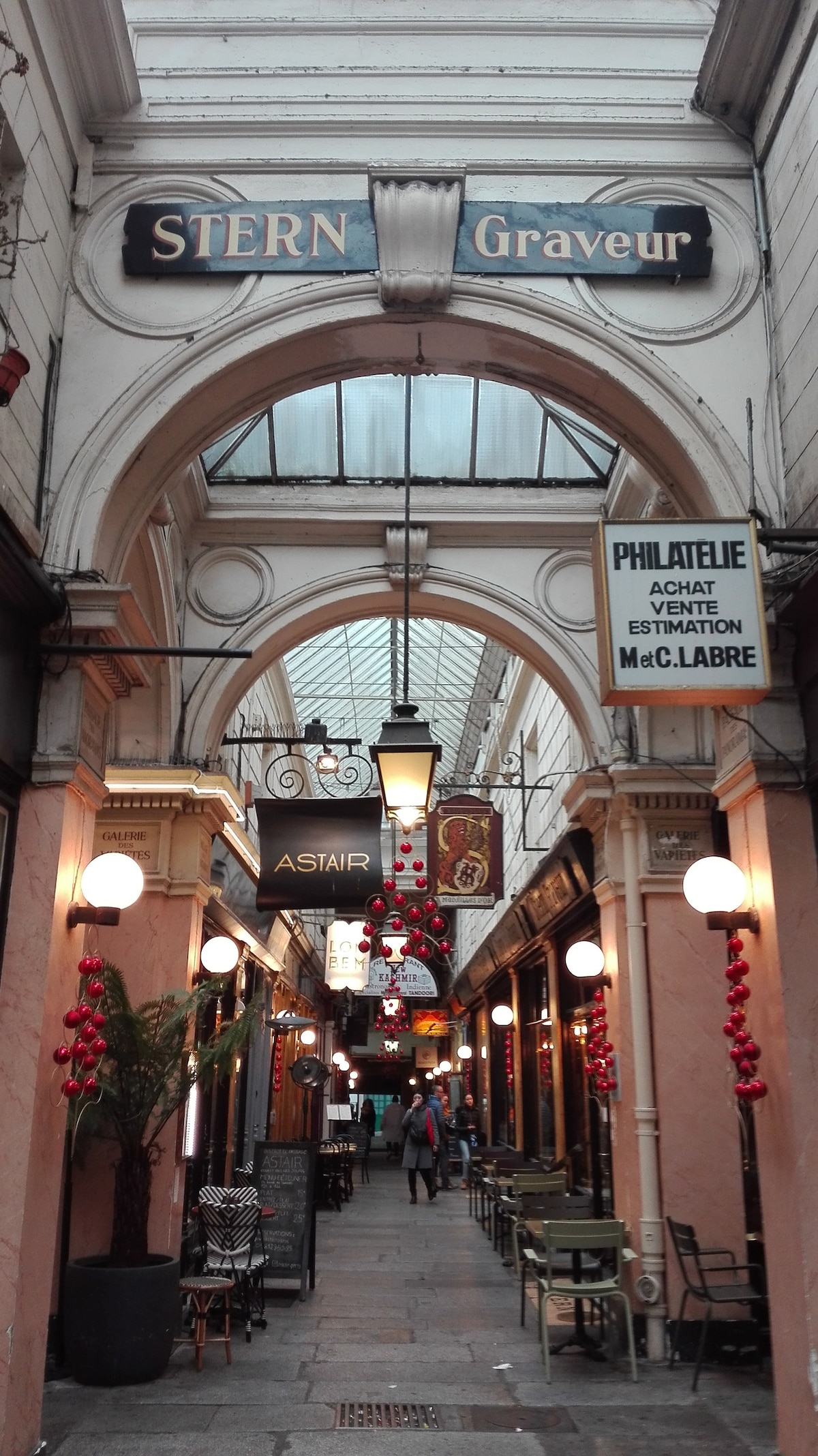
Walk through the secrets of the covered passages
Sat, Feb 7 • 3:00 PM
75009, Paris, France
View details
Nearby attractions of Square René Viviani
Cathédrale Notre-Dame de Paris
Square Jean XXIII
Pont au Double
Crypte Archéologique de l'İle de la Cité
Point Zéro des Routes de France
Batobus - Station Notre-Dame
Sainte-Chapelle
Fontaine Saint-Michel
Cluny Museum - National Museum of the Middle Ages
Espace Notre Dame - Éternelle Notre-Dame
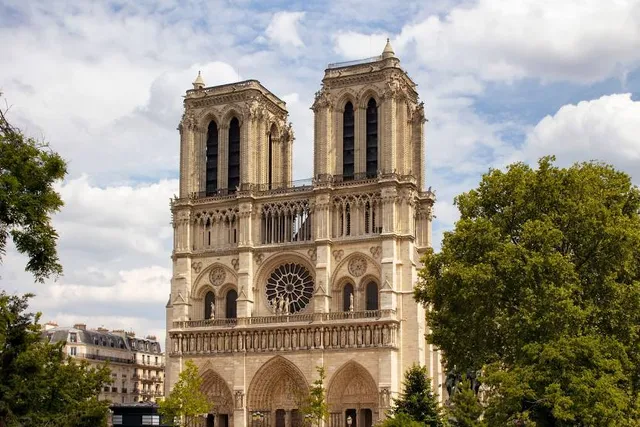
Cathédrale Notre-Dame de Paris
4.7
(27.5K)
Closed
Click for details
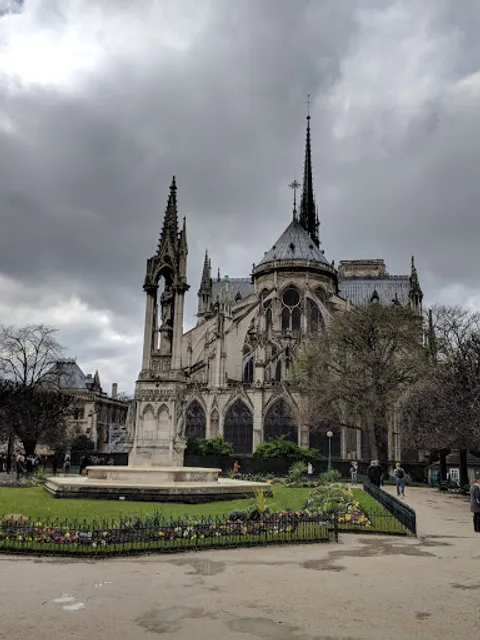
Square Jean XXIII
4.5
(6K)
Open until 12:00 AM
Click for details
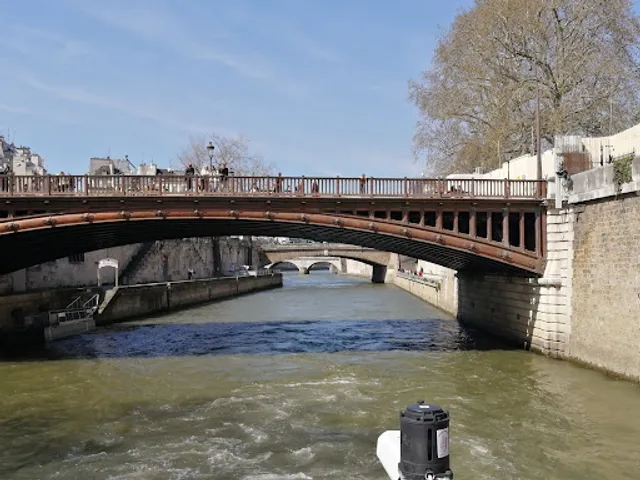
Pont au Double
4.5
(416)
Open until 12:00 AM
Click for details
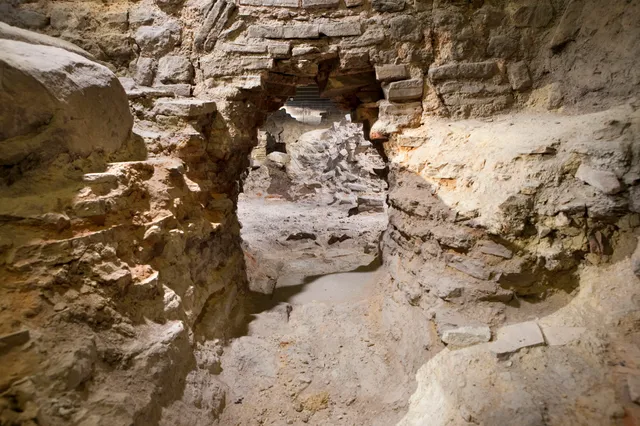
Crypte Archéologique de l'İle de la Cité
4.3
(1.0K)
Closed
Click for details
Nearby restaurants of Square René Viviani
La Crème de Paris Notre-Dame
Kozy
Café Panis
La Solita Taverna
X Lagrange
Le Petit Châtelet
Caveau de la Huchette
Café le Petit Pont
Le Grenier de Notre-Dame
Le Loubnane
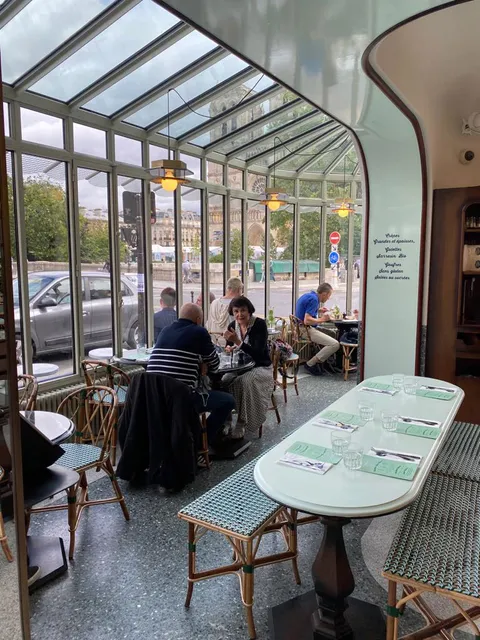
La Crème de Paris Notre-Dame
4.8
(5.9K)
$$
Closed
Click for details
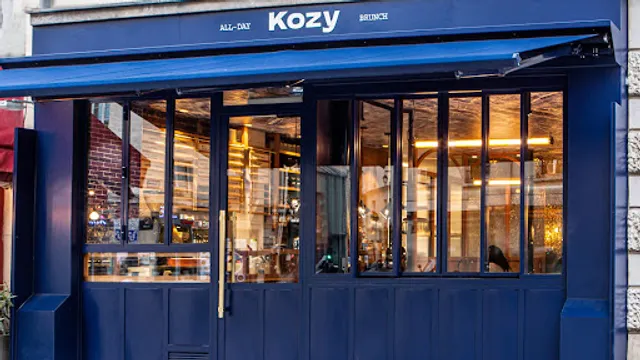
Kozy
4.8
(4.6K)
Closed
Click for details
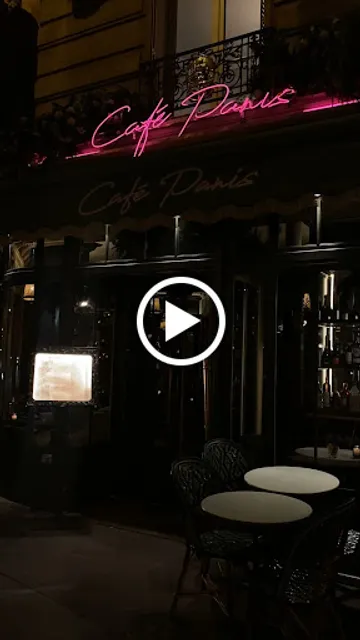
Café Panis
4.2
(1.7K)
Closed
Click for details
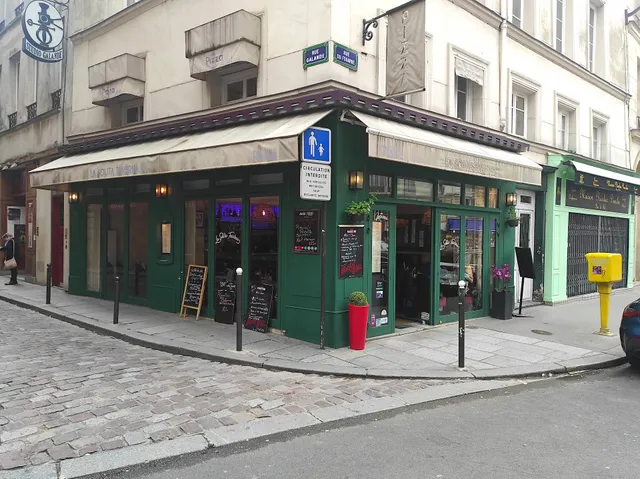
La Solita Taverna
4.4
(1.2K)
Closed
Click for details
Nearby local services of Square René Viviani
Saint-Julien-le-Pauvre
Church of Saint-Séverin
Hayaku Shop Mangas
Studio Galande
Bateaux Parisiens
Album Comics
Librairie Eyrolles
Irisé Paris
Christmas market
Game Corner
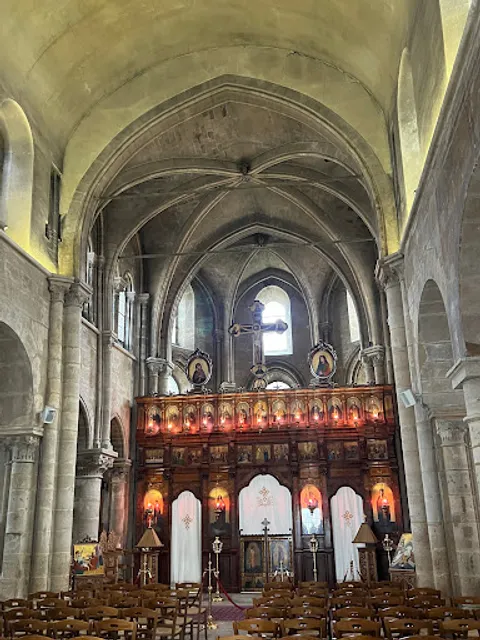
Saint-Julien-le-Pauvre
4.6
(422)
Click for details
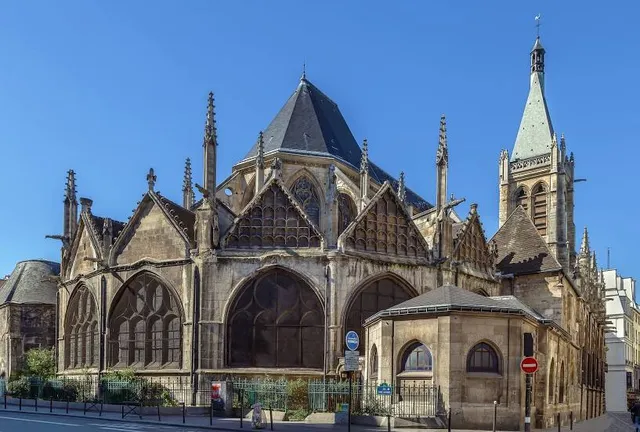
Church of Saint-Séverin
4.3
(1.1K)
Click for details
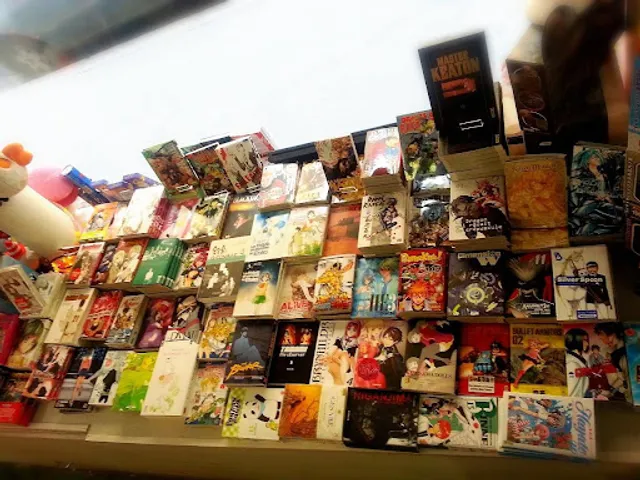
Hayaku Shop Mangas
4.7
(424)
Click for details
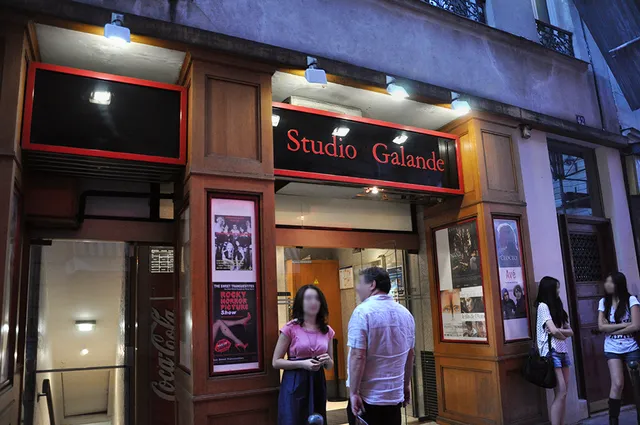
Studio Galande
4.1
(244)
Click for details