Museum of Soviet Occupation things to do, attractions, restaurants, events info and trip planning
Basic Info
Museum of Soviet Occupation
Shota Rustaveli Avenue / Anton Purtseladze Street, 3/10 Shota Rustaveli Ave, Tbilisi, Georgia
3.8(68)
Closed
Save
spot
spot
Ratings & Description
Info
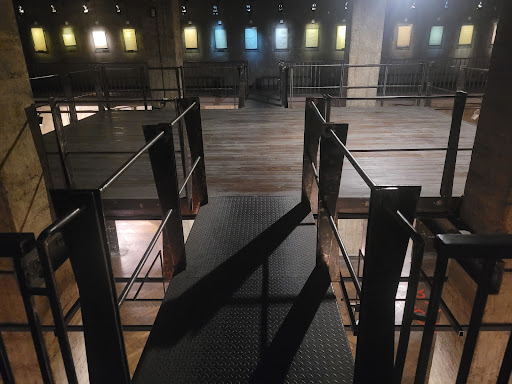
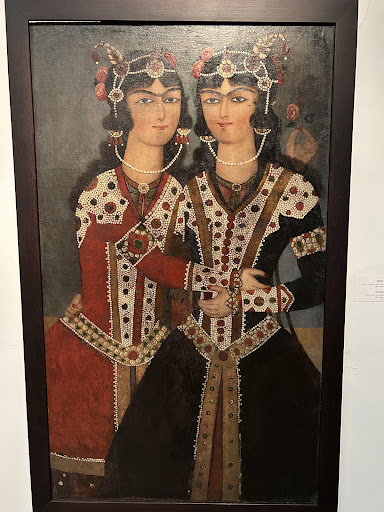
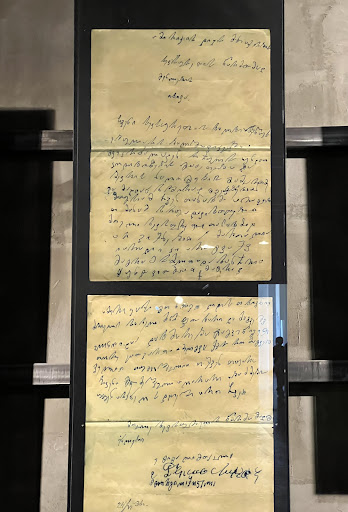
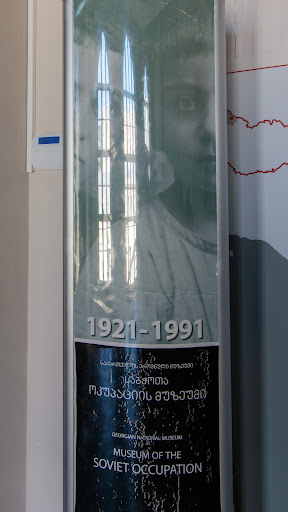
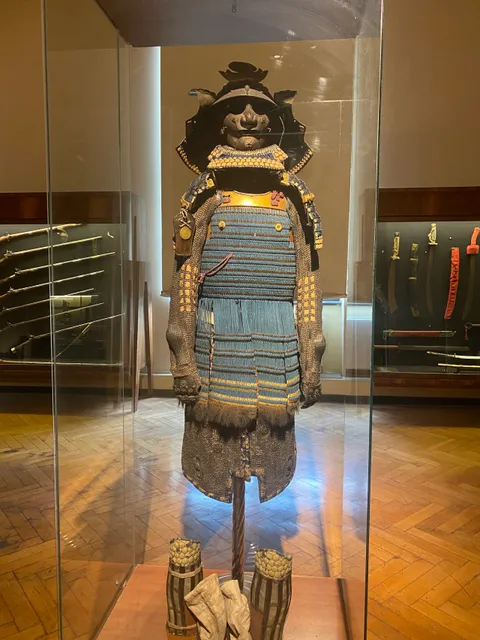
The Museum of the Soviet Occupation is a history museum in Tbilisi, Georgia, documenting the seven decades of the Soviet rule in Georgia and dedicated to the history of the anti-occupational, national-liberation movement of Georgia, to the victims of the Soviet political repressions throughout this period.
Cultural
Family friendly
Accessibility
attractions: Georgian National Museum, Liberty square, Orbeliani Square, Art Museum of Georgia, Monument of St. George, Kashueti St. George Church, National Youth Palace, Tbilisi Old Town Wall Ruins, National Gallery, Pushkin Park, restaurants: Sakhachapure №1, Lumier’s Chimney Cake, Warszawa, Badagoni - Georgian Wines & Kitchen, Silvio d'Italia, Chito Pan Asian European Food, Istanbul Doner Tavisuplebis, Thanapon Thai Restaurant, Brasserie Buvette by ARTHOUSE, Pasanauri, local businesses: Galleria Tbilisi, Georgian Museum of Fine Arts, Goodwill, Art Museum of Georgia, Georgian Museum of Fine Arts, Tbilisi Weekend Street Market, Liberty Square, Tbilisi Holy Trinity Church, The Museum of books, Chinari Bar & Lounge
 Learn more insights from Wanderboat AI.
Open hoursSee all hours
Sun10 AM - 6 PMClosed
Plan your stay

Pet-friendly Hotels in Tbilisi
Find a cozy hotel nearby and make it a full experience.

Affordable Hotels in Tbilisi
Find a cozy hotel nearby and make it a full experience.

The Coolest Hotels You Haven't Heard Of (Yet)
Find a cozy hotel nearby and make it a full experience.

Trending Stays Worth the Hype in Tbilisi
Find a cozy hotel nearby and make it a full experience.
Reviews
Live events
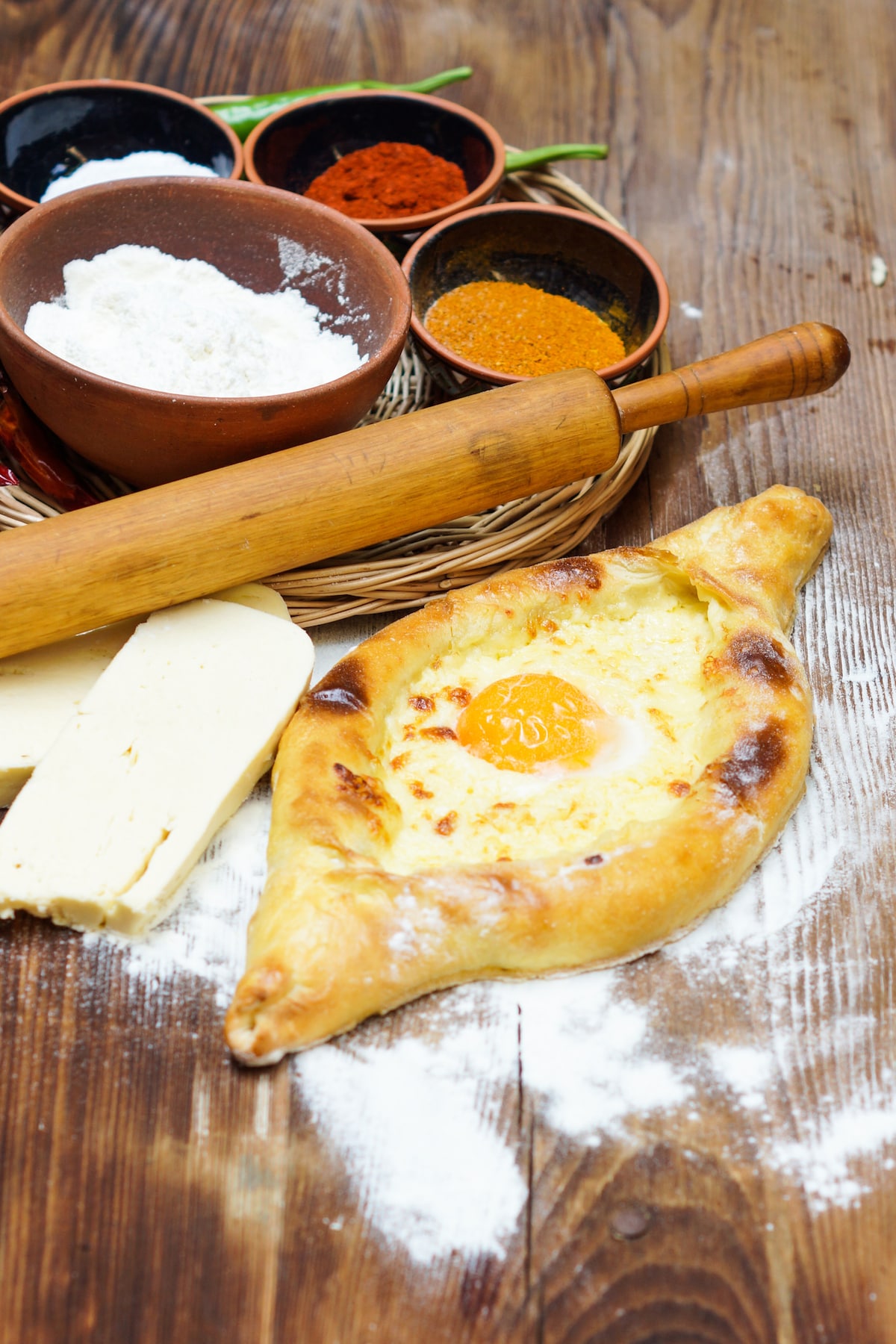
Learn Georgian grannys recipes
Sun, Feb 8 • 10:00 AM
Tbilisi, 0108, Georgia
View details
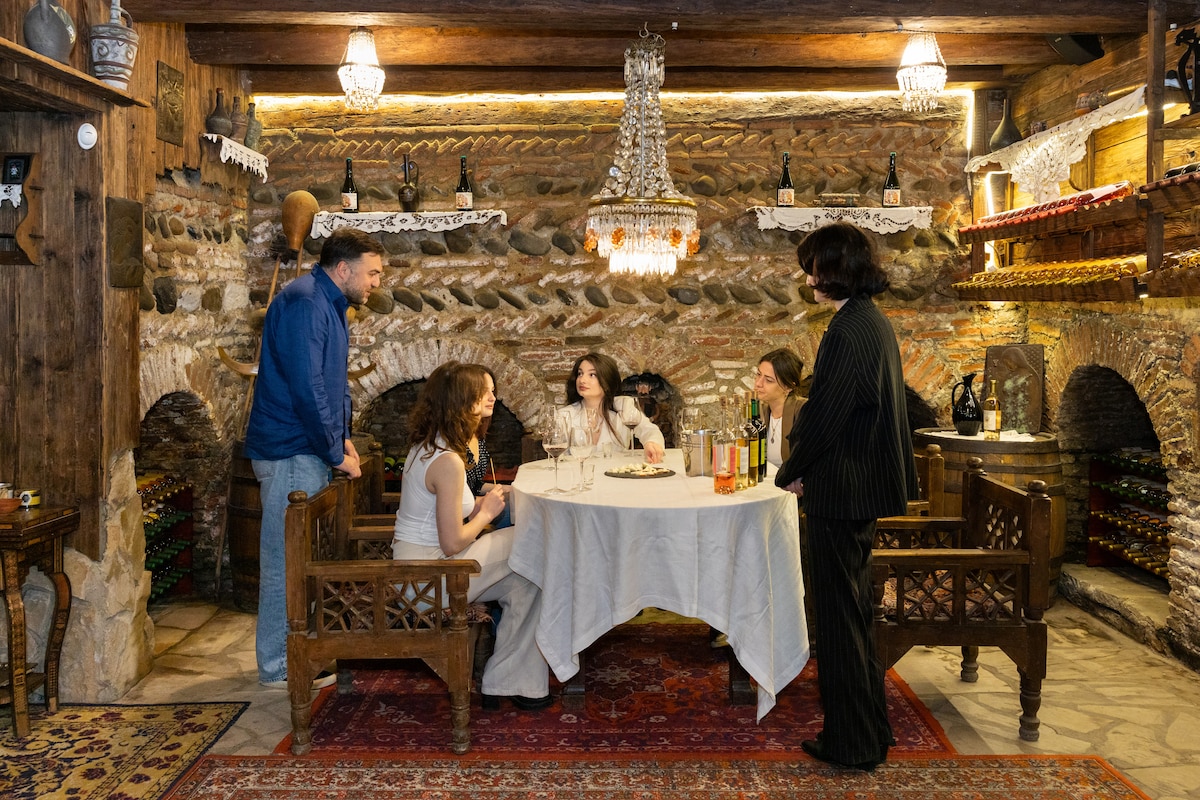
Wine tasting in historic cellar
Sat, Feb 7 • 10:00 PM
Tbilisi, 0105, Georgia
View details
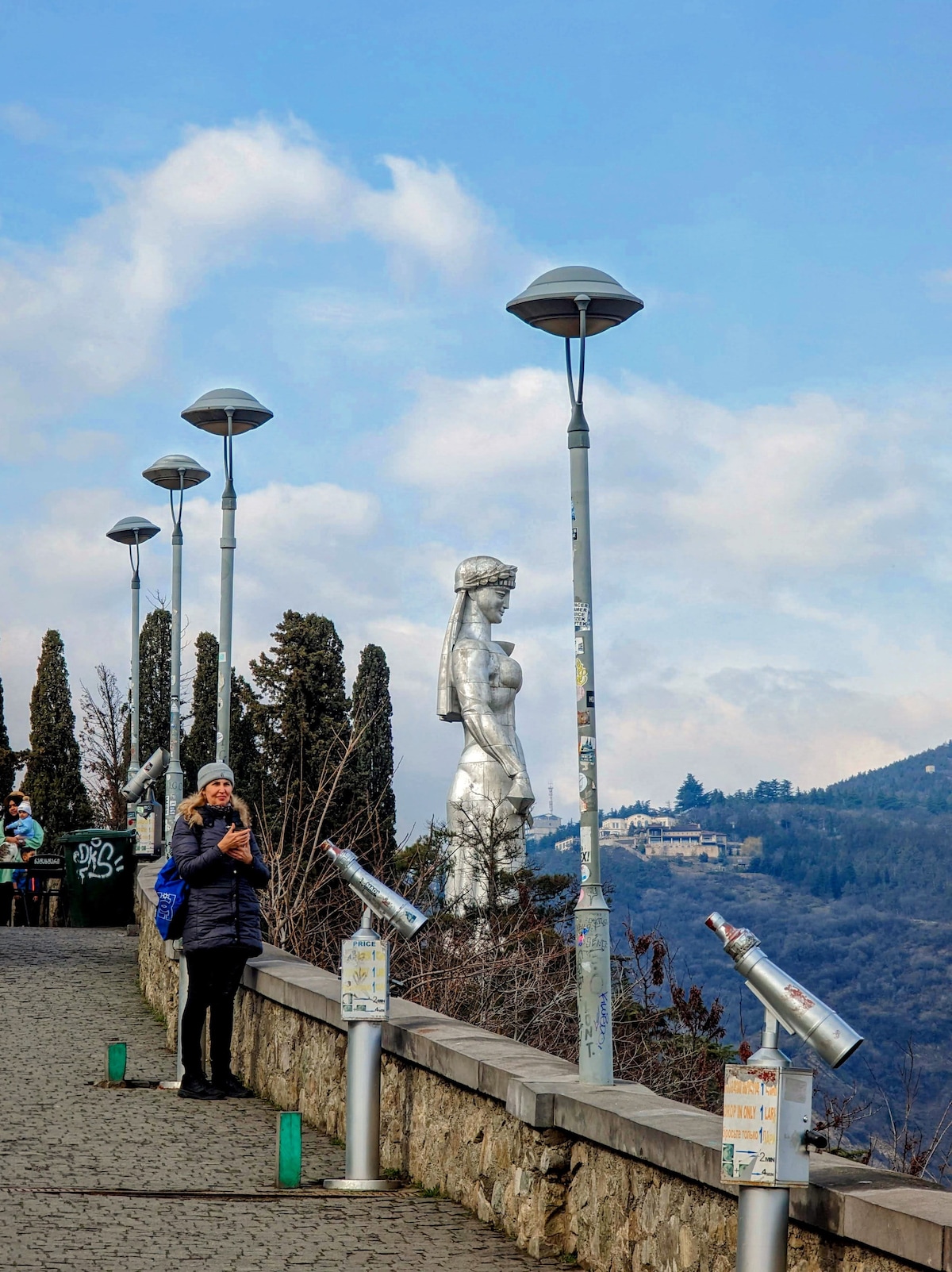
Walk Tbilisi Old Town with curated stops & stories
Sun, Feb 8 • 10:00 AM
Tbilisi, 1001, Georgia
View details
Nearby attractions of Museum of Soviet Occupation
Georgian National Museum
Liberty square
Orbeliani Square
Art Museum of Georgia
Monument of St. George
Kashueti St. George Church
National Youth Palace
Tbilisi Old Town Wall Ruins
National Gallery
Pushkin Park
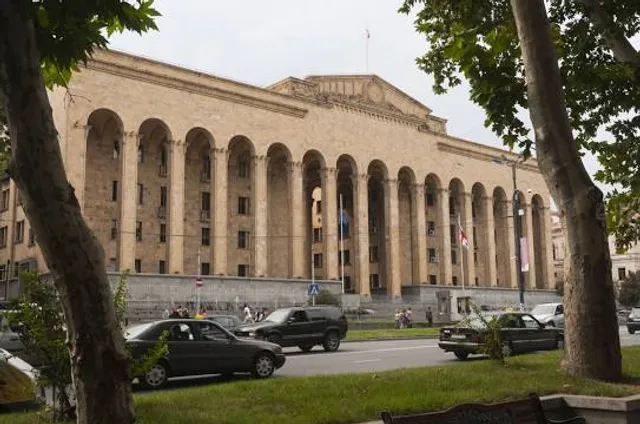
Georgian National Museum
4.5
(2.6K)
Closed
Click for details
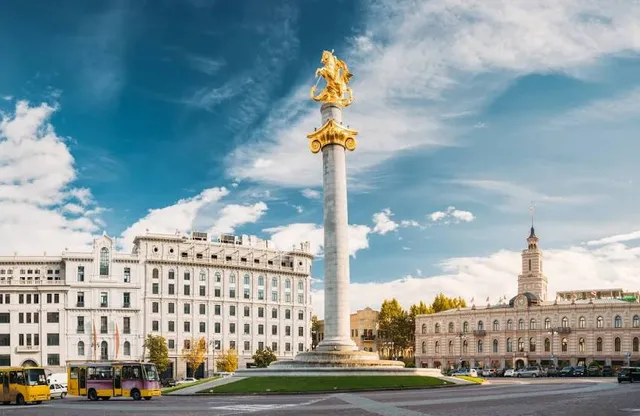
Liberty square
4.7
(6.7K)
Open until 12:00 AM
Click for details
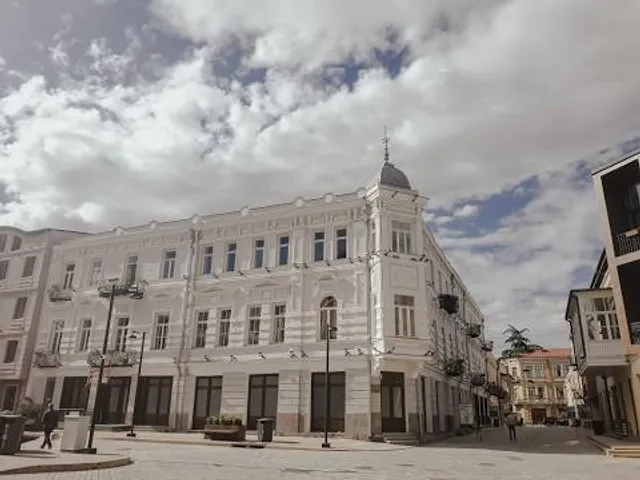
Orbeliani Square
4.7
(1.6K)
Open until 12:00 AM
Click for details
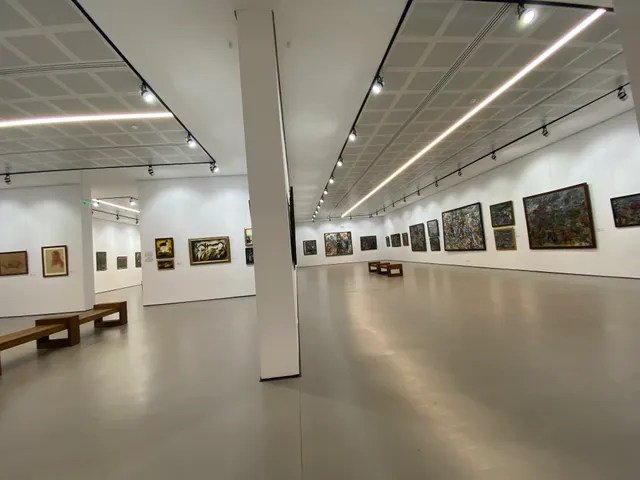
Art Museum of Georgia
4.1
(233)
Closed
Click for details
Nearby restaurants of Museum of Soviet Occupation
Sakhachapure №1
Lumier’s Chimney Cake
Warszawa
Badagoni - Georgian Wines & Kitchen
Silvio d'Italia
Chito Pan Asian European Food
Istanbul Doner Tavisuplebis
Thanapon Thai Restaurant
Brasserie Buvette by ARTHOUSE
Pasanauri

Sakhachapure №1
3.8
(876)
Closed
Click for details

Lumier’s Chimney Cake
4.6
(935)
Closed
Click for details
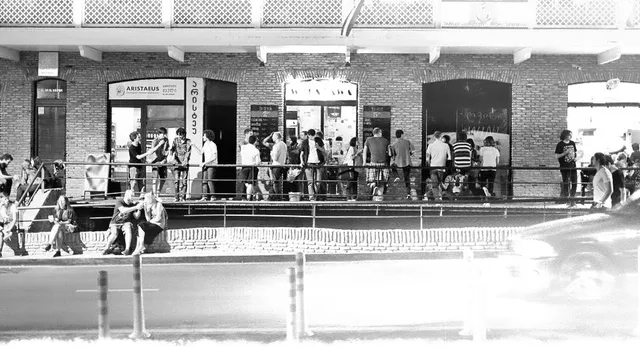
Warszawa
4.5
(536)
Closed
Click for details
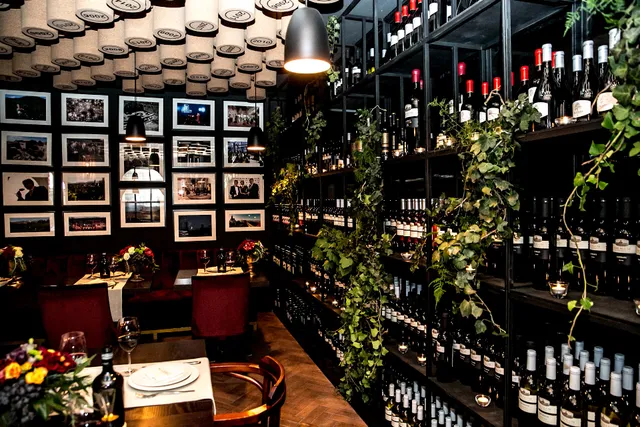
Badagoni - Georgian Wines & Kitchen
4.6
(411)
Closed
Click for details
Nearby local services of Museum of Soviet Occupation
Galleria Tbilisi
Georgian Museum of Fine Arts
Goodwill
Art Museum of Georgia
Georgian Museum of Fine Arts
Tbilisi Weekend Street Market
Liberty Square
Tbilisi Holy Trinity Church
The Museum of books
Chinari Bar & Lounge

Galleria Tbilisi
4.5
(6.3K)
Click for details
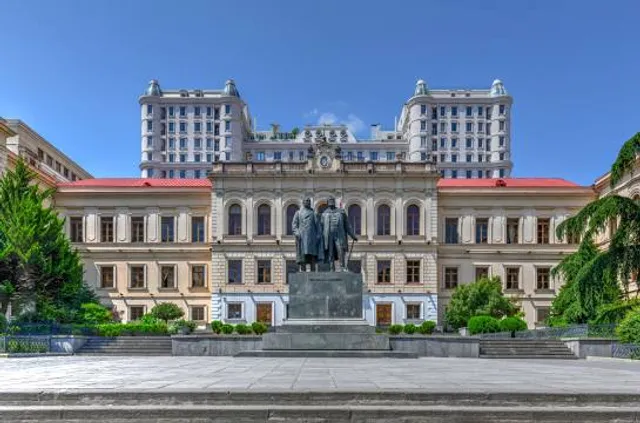
Georgian Museum of Fine Arts
4.6
(486)
Click for details

Goodwill
4.3
(901)
Click for details
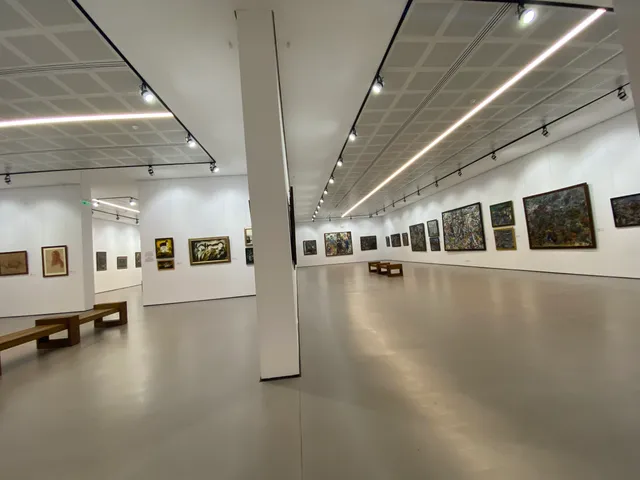
Art Museum of Georgia
4.2
(173)
Click for details