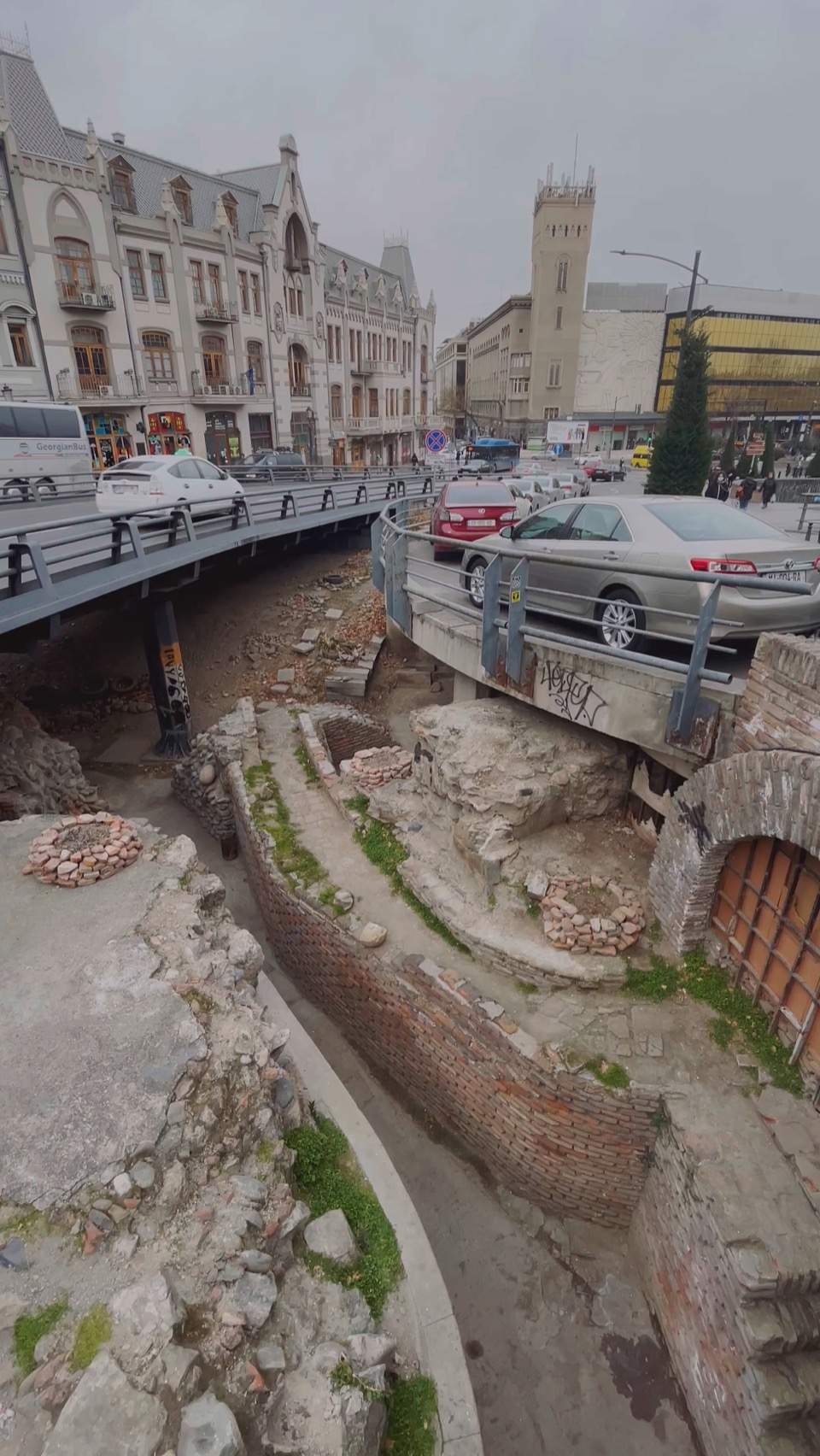
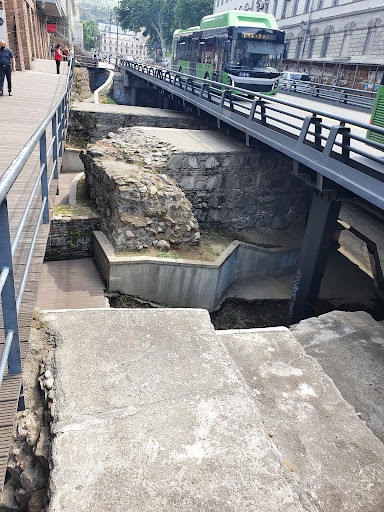
Tbilisi Old Town Wall Ruins things to do, attractions, restaurants, events info and trip planning
Basic Info
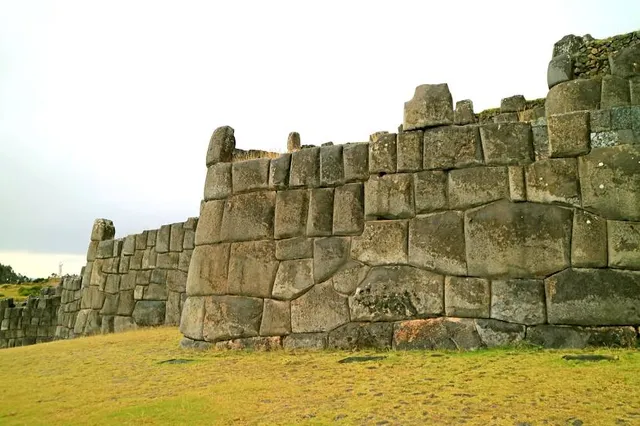
Tbilisi Old Town Wall Ruins
21, 23 Aleksandr Pushkin St, Tbilisi, Georgia
4.3(106)
Open until 12:00 AM
Save
spot
spot
Ratings & Description
Info
Cultural
Outdoor
Scenic
Family friendly
Off the beaten path
attractions: Liberty square, Georgian National Museum, Orbeliani Square, Art Museum of Georgia, Monument of St. George, The Clock Tower, Gabriadze Theater, Pushkin Park, Alexander Pushkin Monument, Museum of Soviet Occupation, restaurants: Lumier’s Chimney Cake, Warszawa, AL MADINA CAVE ( HALAL ) RESTAURANT ( Arab, Indian, Pakistani, and Thai Cuisine .) مطعم كهف المدينة ( حلال ) ), Impulse, Thanapon Thai Restaurant, Theory Dining, Istanbul Doner Tavisuplebis, Tbilisimo, Minda - Coffee and Food, My Coffee Tbilisi, local businesses: Galleria Tbilisi, Georgian Museum of Fine Arts, Goodwill, Art Museum of Georgia, Georgian Museum of Fine Arts, Social Concept Store ESKI, Tbilisi Holy Trinity Church, Day Off! - Re-Use Store, Liberty Square, Chinari Bar & Lounge
 Learn more insights from Wanderboat AI.
Open hoursSee all hours
MonOpen 24 hoursOpen
Plan your stay

Pet-friendly Hotels in Tbilisi
Find a cozy hotel nearby and make it a full experience.

Affordable Hotels in Tbilisi
Find a cozy hotel nearby and make it a full experience.

The Coolest Hotels You Haven't Heard Of (Yet)
Find a cozy hotel nearby and make it a full experience.

Trending Stays Worth the Hype in Tbilisi
Find a cozy hotel nearby and make it a full experience.
Reviews
Live events
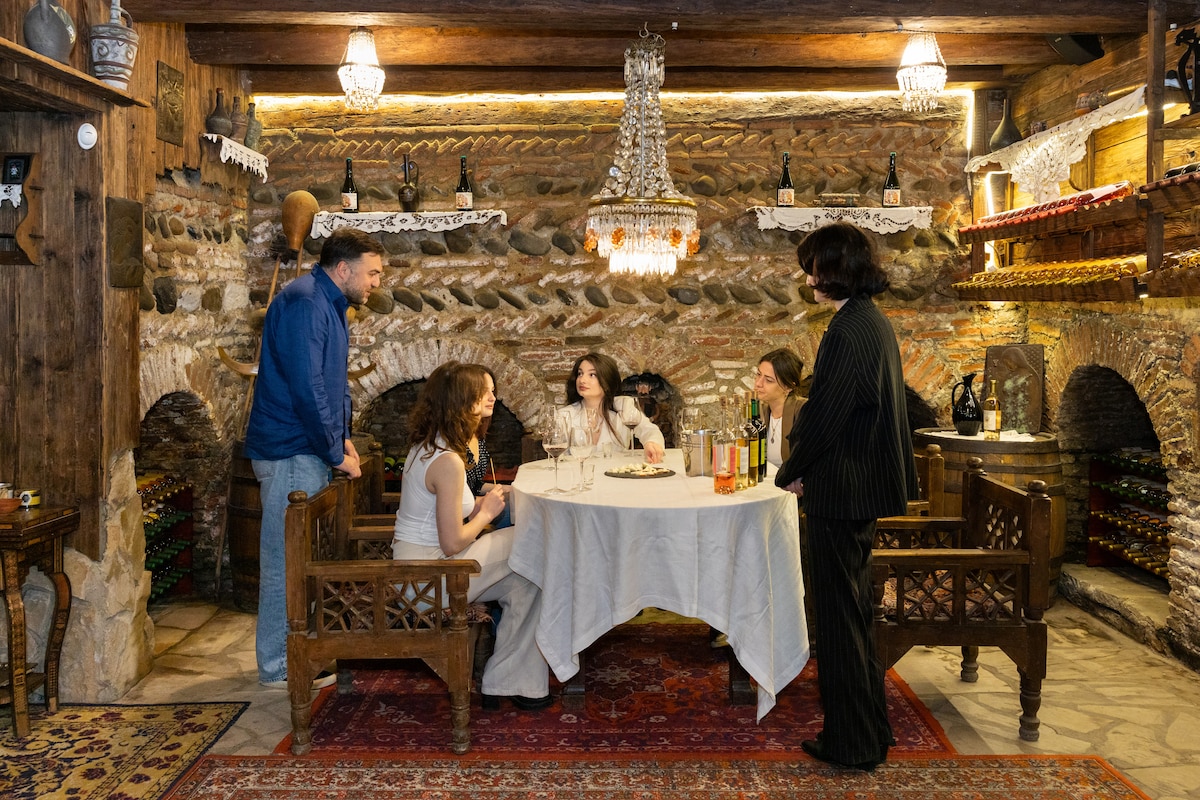
Wine tasting in historic cellar
Sat, Feb 14 • 9:00 PM
Tbilisi, 0105, Georgia
View details
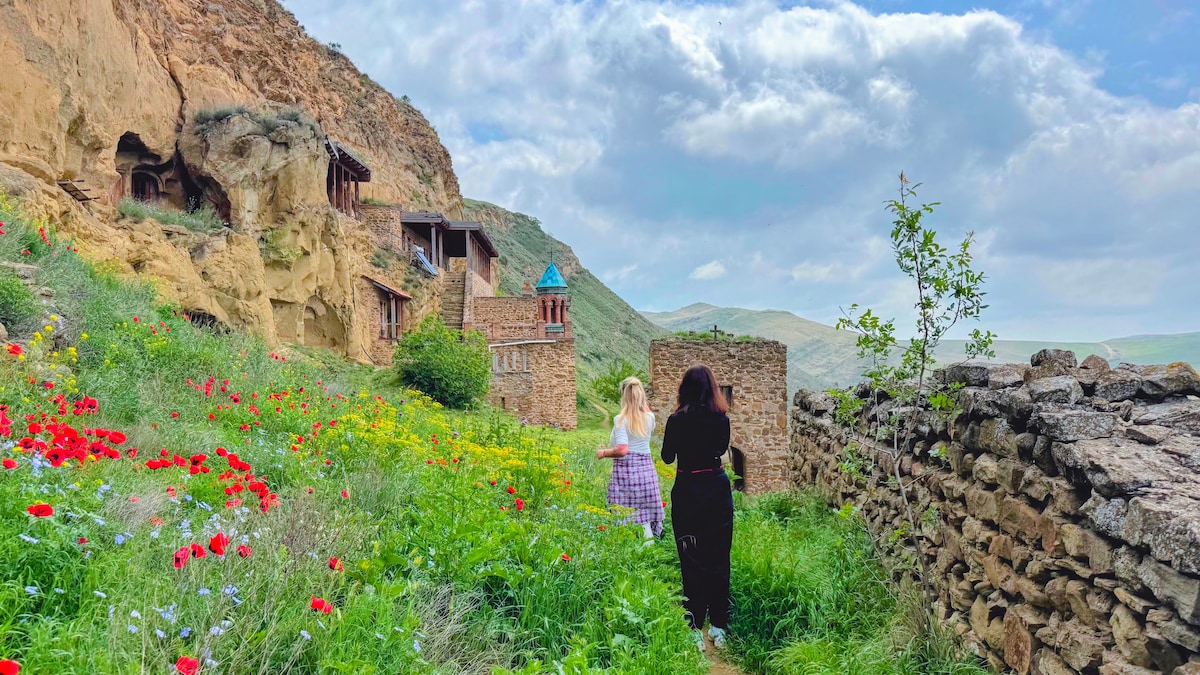
David Gareji & Real Rainbow Mountains by 4x4
Sun, Feb 15 • 8:30 AM
Tbilisi, 1000, Georgia
View details
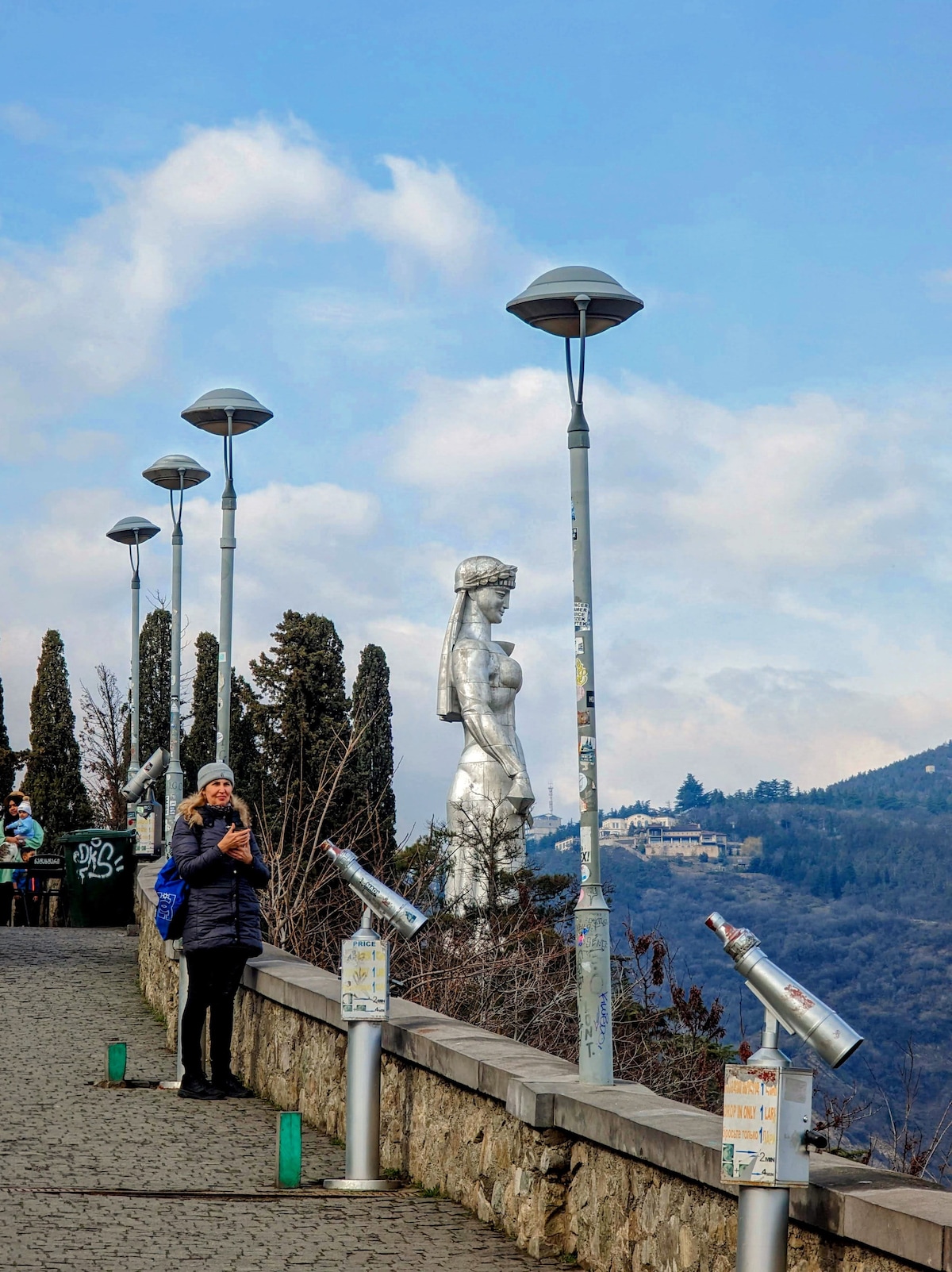
Walk Tbilisi Old Town with curated stops & stories
Mon, Feb 9 • 10:30 AM
Tbilisi, 1001, Georgia
View details
Nearby attractions of Tbilisi Old Town Wall Ruins
Liberty square
Georgian National Museum
Orbeliani Square
Art Museum of Georgia
Monument of St. George
The Clock Tower
Gabriadze Theater
Pushkin Park
Alexander Pushkin Monument
Museum of Soviet Occupation
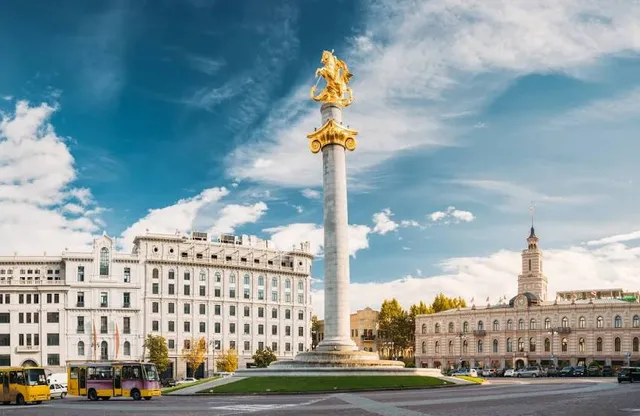
Liberty square
4.7
(6.7K)
Open until 12:00 AM
Click for details
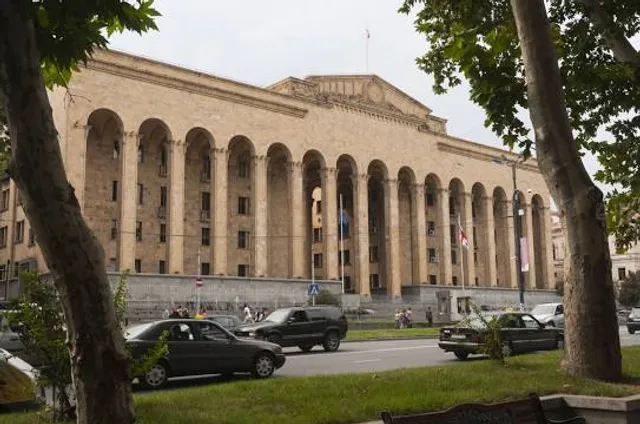
Georgian National Museum
4.5
(2.6K)
Open until 12:00 AM
Click for details
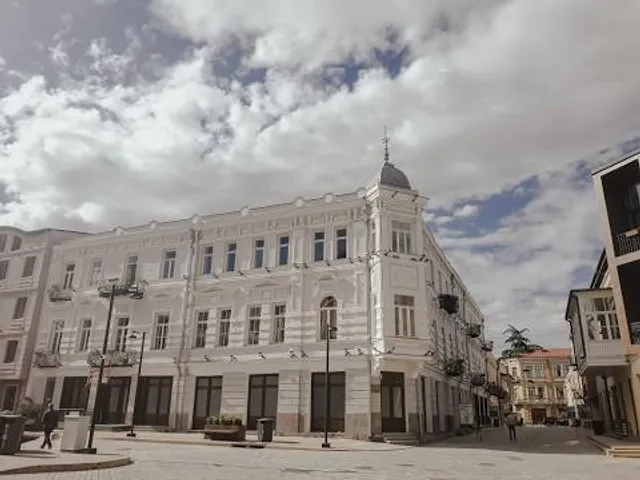
Orbeliani Square
4.7
(1.6K)
Open until 12:00 AM
Click for details
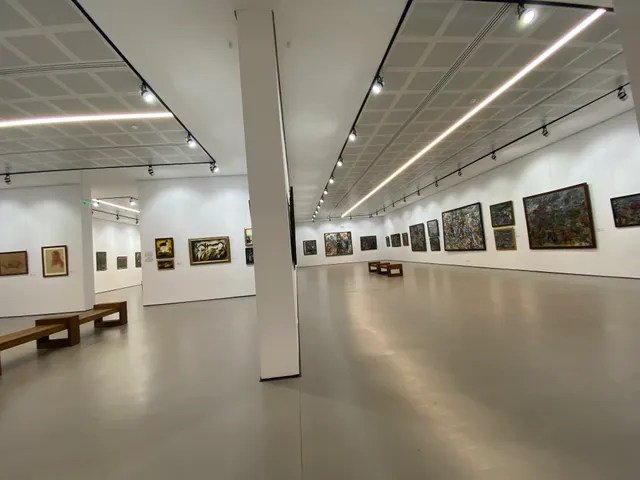
Art Museum of Georgia
4.1
(233)
Open until 12:00 AM
Click for details
Nearby restaurants of Tbilisi Old Town Wall Ruins
Lumier’s Chimney Cake
Warszawa
AL MADINA CAVE ( HALAL ) RESTAURANT ( Arab, Indian, Pakistani, and Thai Cuisine .) مطعم كهف المدينة ( حلال ) )
Impulse
Thanapon Thai Restaurant
Theory Dining
Istanbul Doner Tavisuplebis
Tbilisimo
Minda - Coffee and Food
My Coffee Tbilisi
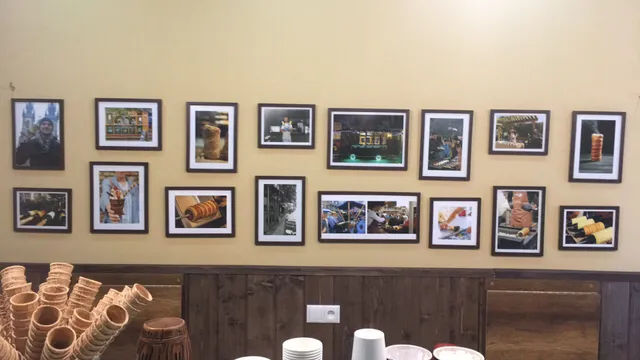
Lumier’s Chimney Cake
4.6
(935)
Closed
Click for details
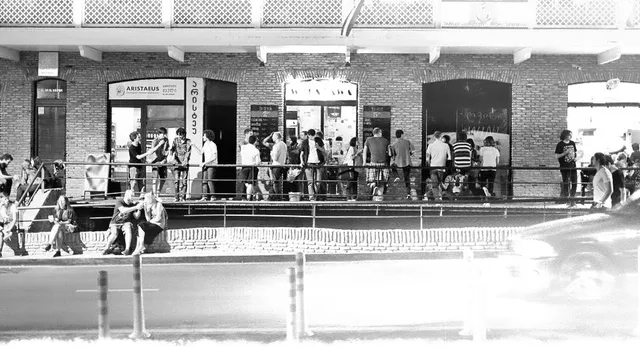
Warszawa
4.5
(536)
Open until 4:00 AM
Click for details
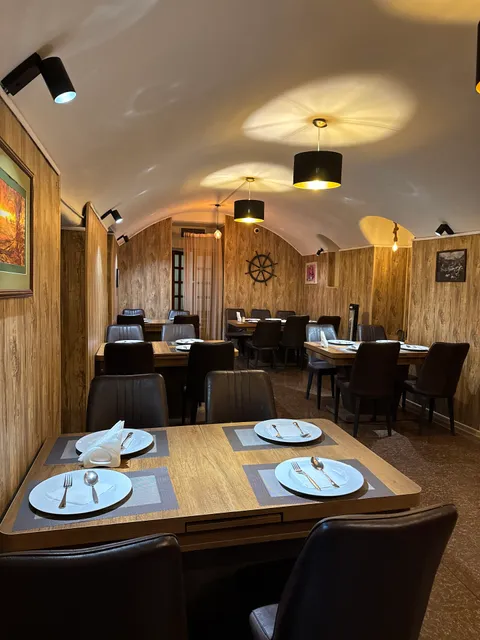
AL MADINA CAVE ( HALAL ) RESTAURANT ( Arab, Indian, Pakistani, and Thai Cuisine .) مطعم كهف المدينة ( حلال ) )
4.7
(230)
Click for details
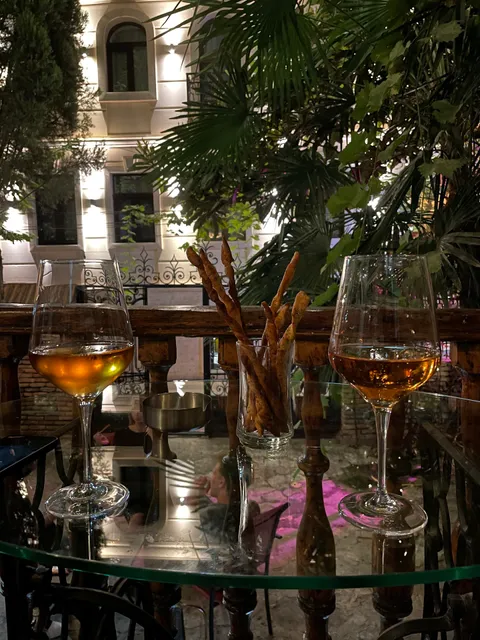
Impulse
4.8
(337)
Closed
Click for details
Nearby local services of Tbilisi Old Town Wall Ruins
Galleria Tbilisi
Georgian Museum of Fine Arts
Goodwill
Art Museum of Georgia
Georgian Museum of Fine Arts
Social Concept Store ESKI
Tbilisi Holy Trinity Church
Day Off! - Re-Use Store
Liberty Square
Chinari Bar & Lounge
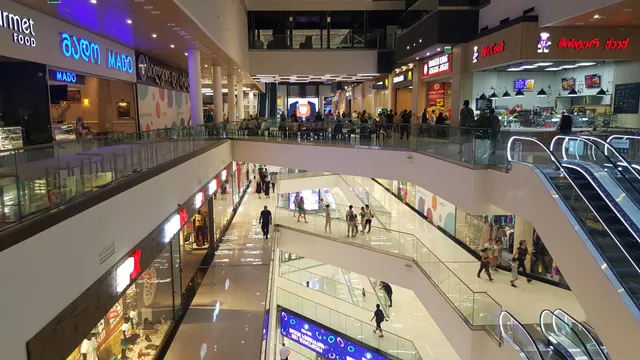
Galleria Tbilisi
4.5
(6.3K)
Click for details
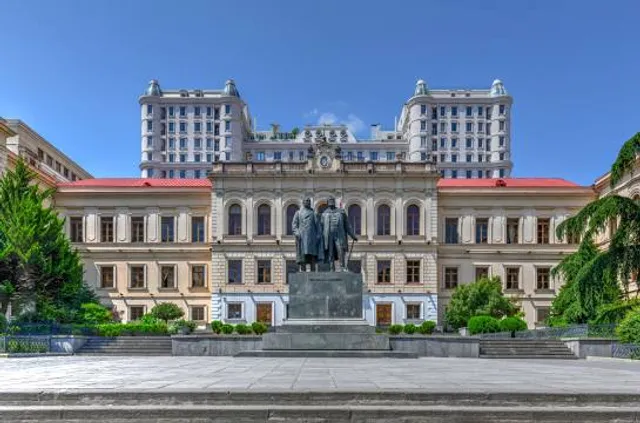
Georgian Museum of Fine Arts
4.6
(486)
Click for details
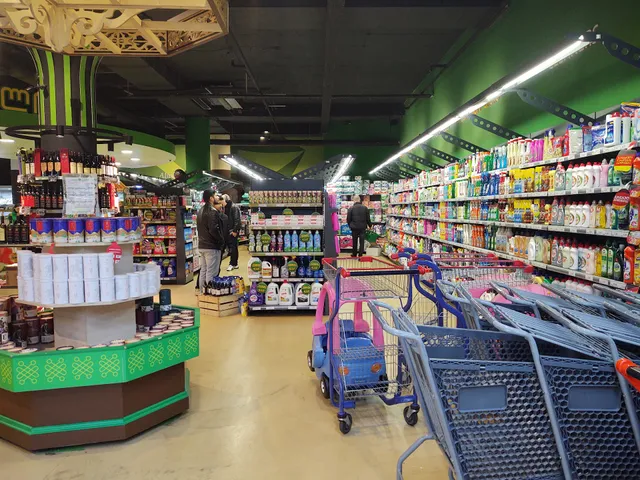
Goodwill
4.3
(901)
Click for details
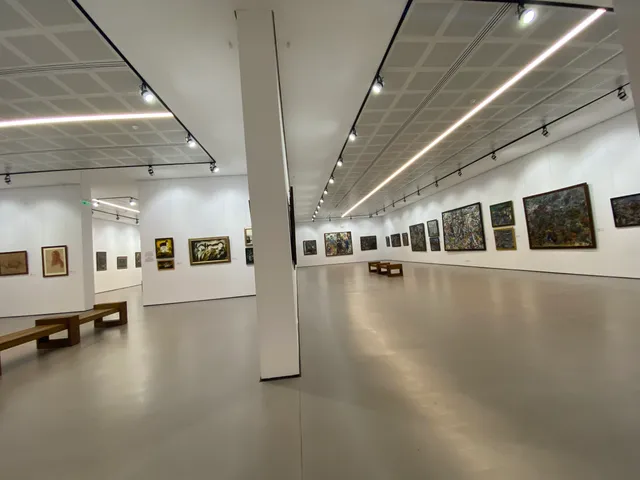
Art Museum of Georgia
4.2
(173)
Click for details