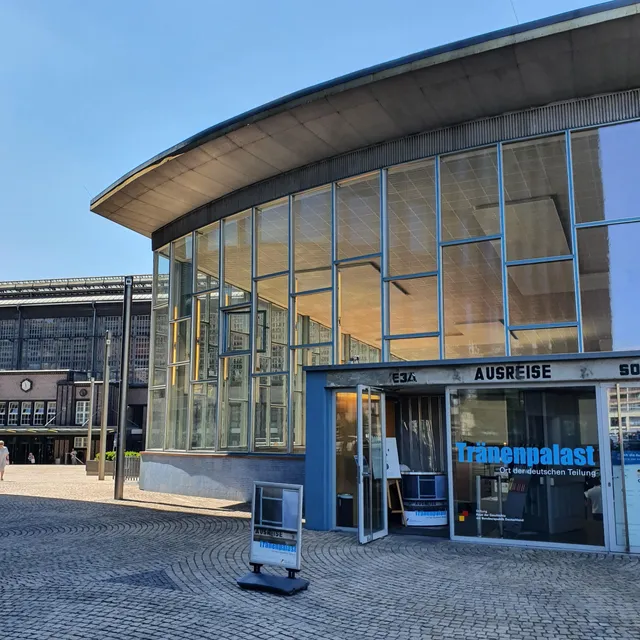
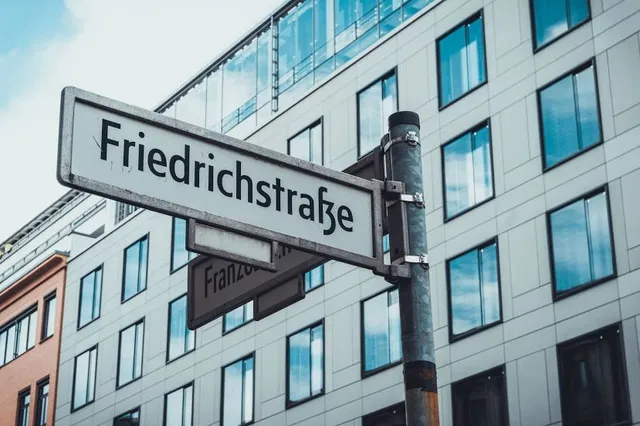
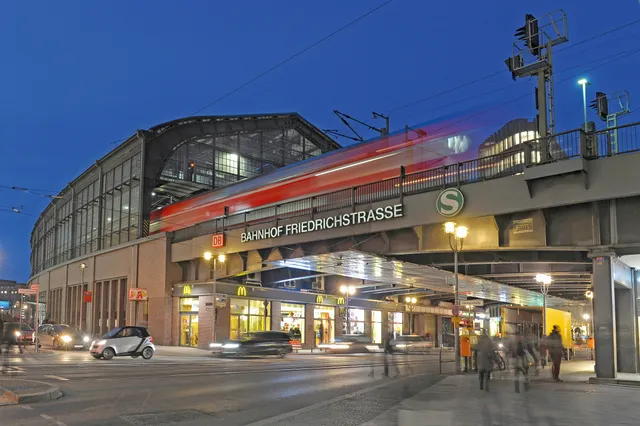
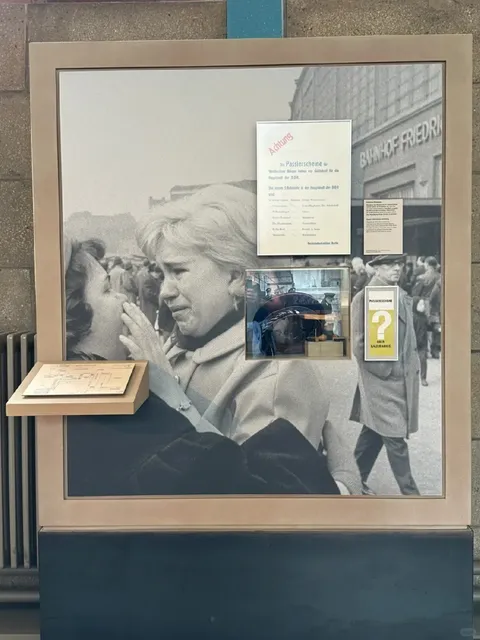
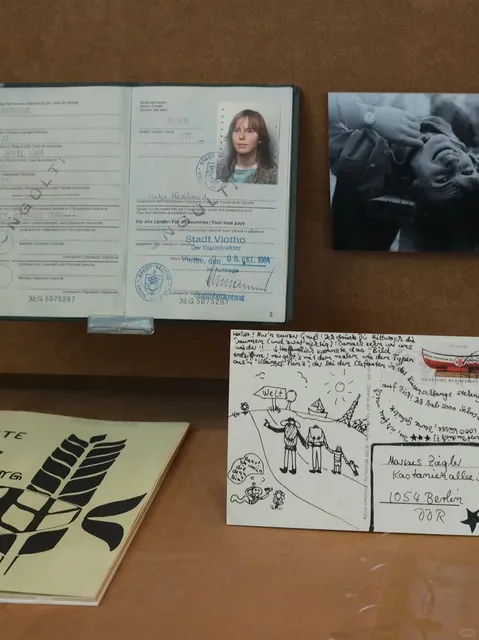
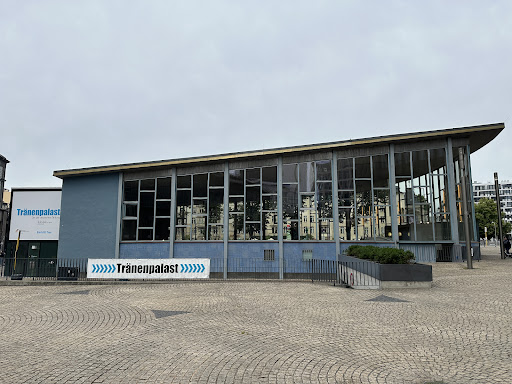
The Tränenpalast, located on Friedrichstraße in Berlin, has a rich history that has played an essential role in the city's past. This iconic structure was once the border crossing point between East and West Germany and has witnessed many of the critical events that shaped the city's history during the Cold War era. Today, it serves as a museum and memorial to the division of Germany, providing a unique insight into the realities of life behind the Iron Curtain. The Tränenpalast, which translates to the "Palace of Tears," was built in the 1960s as a departure hall for travellers crossing the border from East to West Berlin. The building got its name due to the many emotional scenes that played out within its walls, as East German citizens said goodbye to their loved ones before embarking on a journey to the West. The name also reflects the many tears shed by those denied entry into West Germany and the frustration and heartache experienced by those separated from family and friends. During the Cold War, the Tränenpalast was a heavily guarded border checkpoint with strict regulations and strict controls on the movement of people and goods. The building was located directly on the border, with the East German border guards stationed on the other side of the wall. Anyone entering the Tränenpalast was subject to intense scrutiny. Border officials examined passports, visas, and other documentation to determine whether an individual could enter the West. The Tränenpalast played a significant role in the history of the Berlin Wall and witnessed many of the critical events that occurred during the Cold War era. In the early 1960s, it was the site of a dramatic escape attempt by a group of East German teenagers who attempted to climb over the wall using a homemade ladder. Although they were ultimately unsuccessful, the incident captured the world's attention and highlighted the desperate measures some East Germans were willing to take to escape to the West. The Tränenpalast also played a vital role in the reunification of Germany. Following the fall of the Berlin Wall in 1989, the building was converted into a museum and memorial to the division of Germany. Today, visitors can explore the museum's exhibits, which include artefacts, photographs, and personal accounts of those who lived through the division of Germany. One of the museum's most striking exhibits is a replica of the Tränenpalast's departure hall, complete with the original furnishings and décor. Visitors can experience the emotions and tensions of the checkpoint firsthand, with displays showcasing the strict regulations and controls that were in place during the Cold War era. The museum also features a permanent exhibition that chronicles the history of the Berlin Wall, including its construction, the challenges faced by those attempting to escape to the West, and the events that led to its eventual fall. Visitors can view original segments of the wall and explore a replica of a typical East German apartment from the period. The Tränenpalast is a museum and memorial to the division of Germany and a symbol of the city's resilience and determination in the face of adversity. Despite the many challenges the Cold War era posed, Berliners never lost hope and ultimately succeeded in reuniting their city and their country. Today, the Tränenpalast is a testament to the human spirit and a reminder of the struggles and sacrifices necessary for a more peaceful and prosperous world. Please Like Mike:) In Berlin town, there's much to see, From historic sites to lively streets. But if you want to know what's new, Check out Mike's post, it's tried and true.
With helpful tips and insider guides, He'll take you on a local ride. And all he asks in return, you see, Is just a little click, a small degree.
So please, my friends, don't hesitate, Like Mike's post, don't make him wait. For with your help, he'll spread the word, And more will know of...
Read moreThe "Tränenpalast," or Palace of Tears, is a poignant and historically significant location in Berlin, Germany. The name "Palace of Tears" refers to the emotional farewells that took place here during the Cold War when Germany was divided into East and West. The building served as the main border crossing point for travelers moving between East and West Berlin.
Constructed in 1962, the Tränenpalast was situated at the Friedrichstraße train station, a major transportation hub that connected East and West Berlin. Its primary function was to control the movement of people between the two sides of the city. Travelers passing through this checkpoint experienced a range of emotions, from tearful goodbyes to joyful reunions.
The Tränenpalast is a stark reminder of the impact of the Berlin Wall on the lives of ordinary people. It featured both an East German and a West German control point, each with its own set of customs and procedures. Visitors had to navigate through a series of checkpoints, passport controls, and security measures, adding to the tension and anxiety of crossing the border.
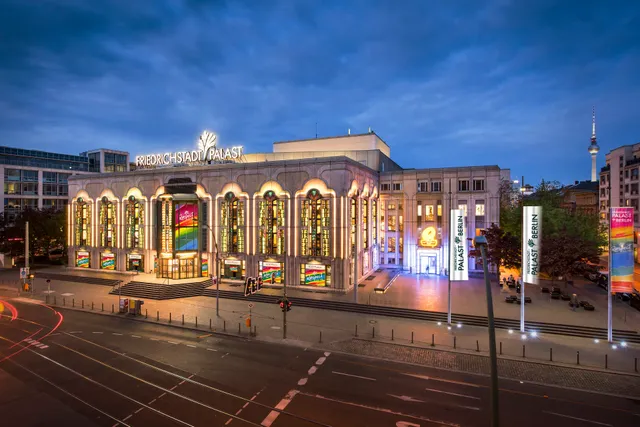
The building itself is an architectural representation of the political division. Designed in the modernist style, it has a distinctive glass facade that symbolizes transparency. However, this transparency is deceptive, as the actual crossing processes were anything but transparent for those who went through them. The Tränenpalast housed waiting rooms where families and friends said their farewells or awaited reunions, adding a deeply emotional layer to the architectural significance.
After the fall of the Berlin Wall in 1989 and the subsequent reunification of Germany, the Tränenpalast lost its original function as a border crossing. However, the building has been preserved as a museum and memorial, offering visitors a glimpse into the personal stories and experiences of those who passed through during the Cold War era.
Today, the Tränenpalast stands as a powerful symbol of the division between East and West Berlin and the human toll of the Cold War. The museum within its walls presents exhibits and multimedia displays that capture the history and emotions of the time, allowing visitors to reflect on the challenges faced by individuals and families separated by political ideologies. The Tränenpalast serves as a testament to the resilience of the human spirit and a reminder of the importance of unity and understanding in the face of...
Read moreAt first glance, the Palace of Tears appears to be quite a small museum. However, with the free audio guide accessible via a QR code at the entrance, alongside a range of thoughtfully curated interactive exhibits, it quickly becomes clear that the museum offers a deeply immersive and informative experience.
The exhibits, which include original artefacts, personal testimonies, and multimedia displays, provide powerful insights into the impact of German division on individuals and families during the Cold War era.
Despite its modest physical size, the museum's content is extensive and engaging. The audio guide enhances the experience by offering detailed context and narratives that bring the history to life, allowing visitors to connect with the lived experiences of those who passed through the Tränenpalast under surveillance and uncertainty.
The museum succeeds not only in preserving a pivotal chapter of Berlin's history, but also in humanising it. It stands as a poignant reminder of the personal costs of political separation and the resilience of those affected. A visit is highly recommended for anyone seeking a deeper understanding of Germany’s...
Read more