HTML SitemapExplore
logo
Find Things to DoFind The Best Restaurants

Equestrian Statue of Marcus Aurelius — Attraction in Rome

Name
Equestrian Statue of Marcus Aurelius
Description
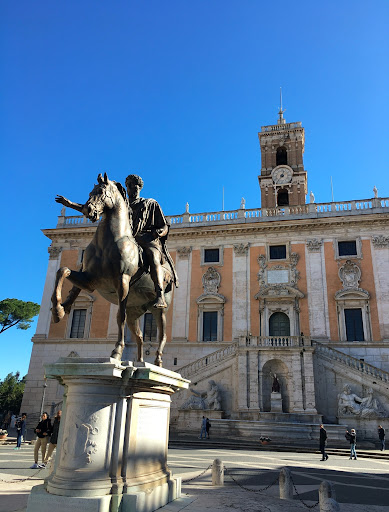
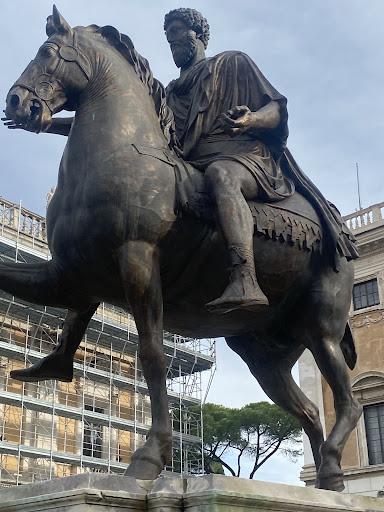
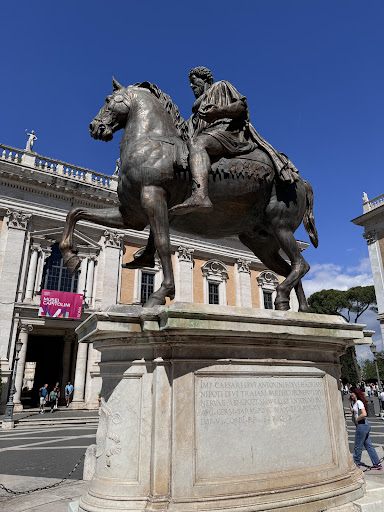
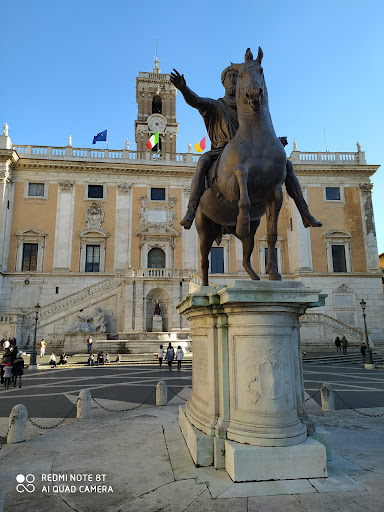
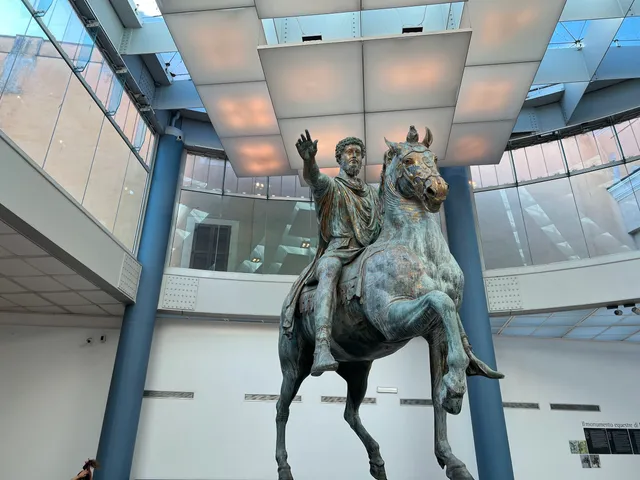
The Equestrian Statue of Marcus Aurelius is an ancient Roman equestrian statue on the Capitoline Hill, Rome, Italy. It is made of bronze and stands 4.24 m tall. Although the emperor is mounted, the sculpture otherwise exhibits many similarities to standing statues of Augustus.
Nearby attractions
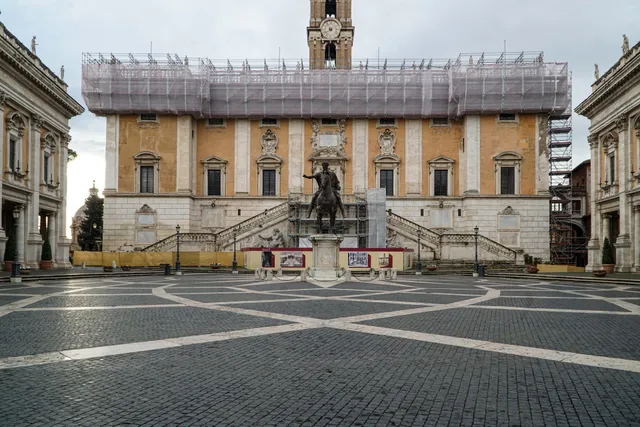
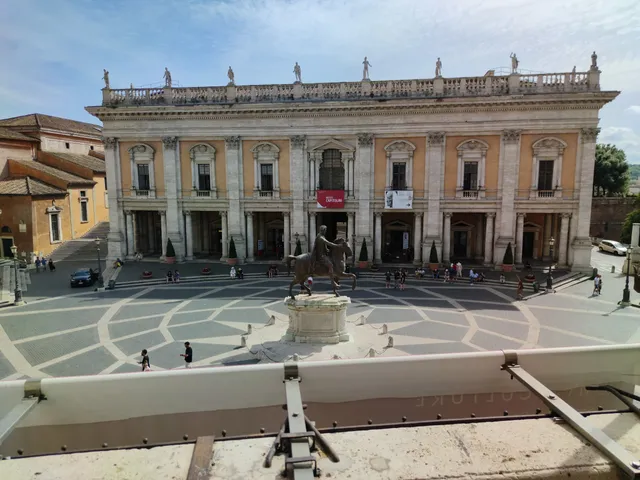
Piazza del Campidoglio
Piazza del Campidoglio, 00186 Roma RM, Italy
Capitoline Museums
Piazza del Campidoglio, 1, 00186 Roma RM, Italy
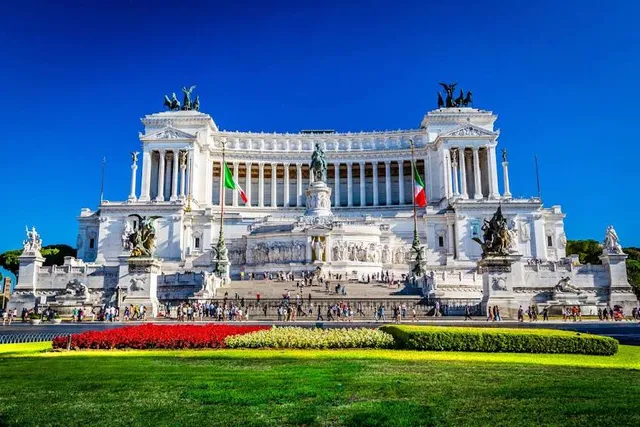
Monument to Victor Emmanuel II
Piazza Venezia, 00186 Roma RM, Italy
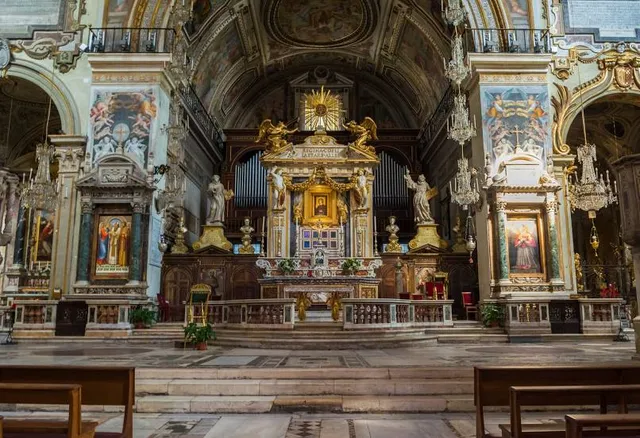
Basilica di Santa Maria in Ara coeli
Scala dell'Arce Capitolina, 12, 00186 Roma RM, Italy
Roman Forum
00186 Rome, Metropolitan City of Rome Capital, Italy
Lupa Capitolina
Piazza del Campidoglio, 1, 00186 Roma RM, Italy
Piazza Venezia
Piazza Venezia, 00187 Roma RM, Italy
Palazzo dei Conservatori
Piazza del Campidoglio, 4, 00186 Roma RM, Italy
Cordonata Capitolina
Piazza del Campidoglio, 00186 Roma RM, Italy
Altar of the Fatherland
Piazza Venezia, 00186 Roma RM, Italy
Nearby restaurants
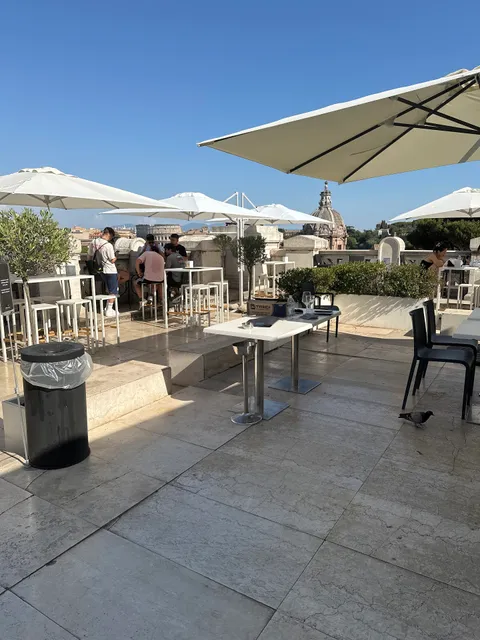
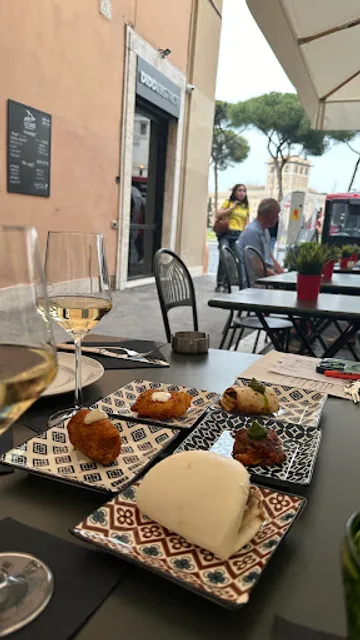
DIDDI Bistrot | Ristorante Piazza Venezia
Via della Tribuna di Tor de' Specchi, 20, 00186 Roma RM, Italy
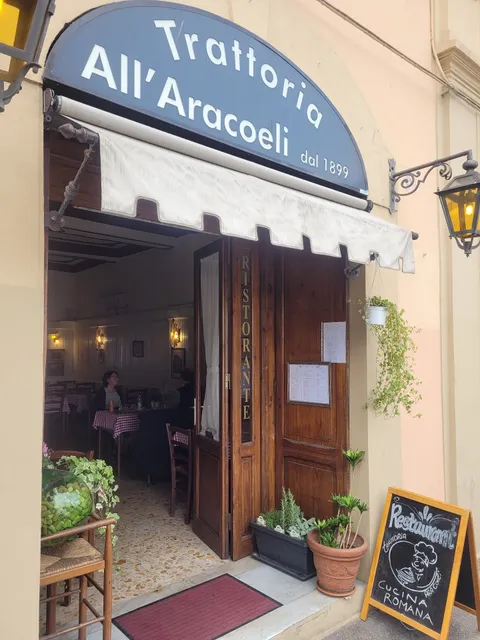
Trattoria All Ara Coeli
Piazza d'Aracoeli, 5, 00186 Roma RM, Italy
Edoardo II
Vicolo Margana, 14/13, 00186 Roma RM, Italy
Antico caffè del teatro di Marcello
Via del Teatro di Marcello, 42, 00186 Roma RM, Italy
Saporizzo
Piazza d'Aracoeli, 13, 00186 Roma RM, Italy
Vinando A Tor Margana
Piazza Margana, 23, 00186 Roma RM, Italy
Antica Trattoria Angelino
Piazza Margana, 37, 00186 Roma RM, Italy
In Roma - since 1917
Via dei Fienili, 56, 00186 Roma RM, Italy
La Nuova Piazzetta
Vicolo del Buon Consiglio, 23/a, 00184 Roma RM, Italy
Angelino "ai Fori" dal 1947
Largo Corrado Ricci, 40, Via dei Fori Imperiali, 25/42 43, 00184 Roma RM, Italy
Nearby hotels
Otivm Hotel
Via d'Aracoeli, 11A, 00186 Roma RM, Italy
Vittoriano Suite
Via d'Aracoeli, 3, 00186 Roma RM, Italy
Kolbe Hotel Rome
Via di S. Teodoro, 48, 00186 Roma RM, Italy
RomaFiveSuites
Via d'Aracoeli, 3, 00186 Roma RM, Italy
Hotel Forum
Via Tor de' Conti, 25-30, 00184 Roma RM, Italy
Hotel NH Collection Roma Fori Imperiali
Via di S. Eufemia, 19, 00187 Roma RM, Italy
Hosianum Palace
Via dei Polacchi, 23, 00186 Roma RM, Italy
H10 Palazzo Galla
Via Quattro Novembre, 102, 00187 Roma RM, Italy
Cosmopolita Hotel Rome, Tapestry Collection by Hilton
Via di S. Eufemia, 5, 00187 Roma RM, Italy
Foro Romano Luxury Suites
P.zza della Consolazione, 89, 00186 Roma RM, Italy
Related posts
Keywords
Equestrian Statue of Marcus Aurelius tourism.Equestrian Statue of Marcus Aurelius hotels.Equestrian Statue of Marcus Aurelius bed and breakfast. flights to Equestrian Statue of Marcus Aurelius.Equestrian Statue of Marcus Aurelius attractions.Equestrian Statue of Marcus Aurelius restaurants.Equestrian Statue of Marcus Aurelius travel.Equestrian Statue of Marcus Aurelius travel guide.Equestrian Statue of Marcus Aurelius travel blog.Equestrian Statue of Marcus Aurelius pictures.Equestrian Statue of Marcus Aurelius photos.Equestrian Statue of Marcus Aurelius travel tips.Equestrian Statue of Marcus Aurelius maps.Equestrian Statue of Marcus Aurelius things to do.
Equestrian Statue of Marcus Aurelius things to do, attractions, restaurants, events info and trip planning
Equestrian Statue of Marcus Aurelius
ItalyLazioRomeEquestrian Statue of Marcus Aurelius

Basic Info

Equestrian Statue of Marcus Aurelius

Piazza del Campidoglio, 1, 00186 Roma RM, Italy
4.8(287)
Open 24 hours
Save
spot

Ratings & Description

Info

The Equestrian Statue of Marcus Aurelius is an ancient Roman equestrian statue on the Capitoline Hill, Rome, Italy. It is made of bronze and stands 4.24 m tall. Although the emperor is mounted, the sculpture otherwise exhibits many similarities to standing statues of Augustus.

Cultural
Scenic
attractions: Piazza del Campidoglio, Capitoline Museums, Monument to Victor Emmanuel II, Basilica di Santa Maria in Ara coeli, Roman Forum, Lupa Capitolina, Piazza Venezia, Palazzo dei Conservatori, Cordonata Capitolina, Altar of the Fatherland, restaurants: DIDDI Bistrot | Ristorante Piazza Venezia, Trattoria All Ara Coeli, Edoardo II, Antico caffè del teatro di Marcello, Saporizzo, Vinando A Tor Margana, Antica Trattoria Angelino, In Roma - since 1917, La Nuova Piazzetta, Angelino "ai Fori" dal 1947
logoLearn more insights from Wanderboat AI.
Phone
+39 06 0608
Website
museicapitolini.org

Plan your stay

hotel
Pet-friendly Hotels in Rome
Find a cozy hotel nearby and make it a full experience.

hotel
Affordable Hotels in Rome
Find a cozy hotel nearby and make it a full experience.

hotel
The Coolest Hotels You Haven't Heard Of (Yet)
Find a cozy hotel nearby and make it a full experience.

hotel
Trending Stays Worth the Hype in Rome
Find a cozy hotel nearby and make it a full experience.

Reviews

Nearby attractions of Equestrian Statue of Marcus Aurelius

Piazza del Campidoglio

Capitoline Museums

Monument to Victor Emmanuel II

Basilica di Santa Maria in Ara coeli

Roman Forum

Lupa Capitolina

Piazza Venezia

Palazzo dei Conservatori

Cordonata Capitolina

Altar of the Fatherland

Piazza del Campidoglio

Piazza del Campidoglio

4.7

(8.7K)

Open 24 hours
Click for details
Capitoline Museums

Capitoline Museums

4.7

(7.1K)

Open 24 hours
Click for details
Monument to Victor Emmanuel II

Monument to Victor Emmanuel II

4.8

(23.9K)

Open 24 hours
Click for details
Basilica di Santa Maria in Ara coeli

Basilica di Santa Maria in Ara coeli

4.8

(1.6K)

Open 24 hours
Click for details

Things to do nearby

Catacombs: The Coolest Underground Tour in Rome
Mon, Dec 8 • 3:00 PM
00147, Rome, Lazio, Italy
View details
Colosseum of Wonders -Arena Floor Access
Wed, Dec 10 • 8:30 AM
00184, Rome, Lazio, Italy
View details
Titanic - Un viaggio nel tempo
Sat, Dec 6 • 10:00 AM
Via Trionfale, 7400, Roma, 00136
View details

Nearby restaurants of Equestrian Statue of Marcus Aurelius

DIDDI Bistrot | Ristorante Piazza Venezia

Trattoria All Ara Coeli

Edoardo II

Antico caffè del teatro di Marcello

Saporizzo

Vinando A Tor Margana

Antica Trattoria Angelino

In Roma - since 1917

La Nuova Piazzetta

Angelino "ai Fori" dal 1947

DIDDI Bistrot | Ristorante Piazza Venezia

DIDDI Bistrot | Ristorante Piazza Venezia

4.4

(367)

Click for details
Trattoria All Ara Coeli

Trattoria All Ara Coeli

3.9

(435)

Click for details
Edoardo II

Edoardo II

4.1

(864)

Click for details
Antico caffè del teatro di Marcello

Antico caffè del teatro di Marcello

3.3

(734)

Click for details
Get the Appoverlay
Get the AppOne tap to find yournext favorite spots!

The hit list

restaurant
Best 10 Restaurants to Visit in Rome
February 12 · 5 min read
attraction
Best 10 Attractions to Visit in Rome
February 12 · 5 min read
Rome

Plan your trip with Wanderboat

Welcome to Wanderboat AI, your AI search for local Eats and Fun, designed to help you explore your city and the world with ease.

Powered by Wanderboat AI trip planner.
Wanderboat LogoWanderboat

Your everyday Al companion for getaway ideas

CompanyAbout Us
InformationAI Trip PlannerSitemap
SocialXInstagramTiktokLinkedin
LegalTerms of ServicePrivacy Policy

Get the app

© 2025 Wanderboat. All rights reserved.
logo

Posts

Matúš KomarňanskýMatúš Komarňanský
The Equestrian Statue of Marcus Aurelius is one of the most celebrated statues of antiquity, depicting the Roman Emperor Marcus Aurelius (reigned 161–180 AD) on horseback. It is renowned for its exceptional preservation and artistic quality and is an iconic symbol of Roman imperial power and virtue. Key Details of the Equestrian Statue of Marcus Aurelius 1. Historical Context: • The statue was created around 175 AD, during Marcus Aurelius’s reign, likely to commemorate a military victory or to portray him as a benevolent ruler. • Marcus Aurelius was known as a philosopher-king, author of the Meditations, and a leader associated with the Stoic philosophy. 2. Artistic Features: • Material: The statue is made of gilded bronze, though much of the gold has worn away over time. • Dimensions: It stands approximately 4.24 meters (13.9 feet) tall. • Pose: • Marcus Aurelius is depicted with an outstretched hand, a gesture of clemency or address. • The horse is in a dynamic pose, with one hoof slightly raised, symbolizing controlled power and grace. • Unlike many other equestrian statues, Marcus Aurelius is shown without weapons or armor, emphasizing his role as a bringer of peace rather than a conqueror. 3. Historical Survival: • The statue is one of the few surviving equestrian statues from ancient Rome because it was mistakenly believed during the Middle Ages to represent Emperor Constantine, the first Christian emperor. • Most other bronze statues were melted down for their material during periods of upheaval. 4. Placement in the Piazza del Campidoglio: • In the 16th century, Pope Paul III commissioned Michelangelo Buonarroti to place the statue in the redesigned Piazza del Campidoglio on the Capitoline Hill. • Michelangelo created a star-shaped pavement design that emphasizes the statue as the focal point of the square. • The statue stood in the piazza until 1981, when it was moved indoors for preservation. A replica now stands in its place. 5. Current Location: • The original statue is housed in the Capitoline Museums to protect it from environmental damage. • The replica in the Piazza del Campidoglio maintains the statue’s prominent place in the urban landscape. 6. Symbolism: • The statue represents Marcus Aurelius as a philosopher and a just ruler, embodying the Stoic ideals of wisdom, self-control, and duty. • It also stands as a broader symbol of Rome’s imperial legacy and its artistic and cultural achievements. The Equestrian Statue of Marcus Aurelius is a testament to the artistic and political sophistication of ancient Rome, admired for its historical importance and its influence on Renaissance and modern sculpture.
Camilo A. PosadaCamilo A. Posada
The original equestrian statue of Marcus Aurelius dates back to 176 CE, during the height of the Roman Empire. It is a rare surviving bronze statue from antiquity, as many similar statues were melted down for their material in later centuries. Its survival is often attributed to the mistaken belief in the Middle Ages that it depicted Emperor Constantine, the first Christian emperor, which saved it from destruction. The identity of the sculptor remains unknown, as ancient sources do not provide this detail. The statue was created to honor Marcus Aurelius, one of Rome’s most respected emperors, known for his stoic philosophy and leadership during challenging times, including wars and a devastating plague. Originally, the statue is believed to have been located in the Roman Forum or another prominent location in ancient Rome, possibly near the Temple of Capitoline Jupiter. It was later moved to the Piazza del Campidoglio on Michelangelo’s redesign of the Capitoline Hill during the Renaissance. The original statue was eventually moved indoors in 1981 to the Capitoline Museums for conservation purposes, as exposure to weather and pollution was deteriorating it. A modern replica now stands in its place in the Piazza del Campidoglio, ensuring that Marcus Aurelius continues to preside over one of Rome’s most iconic spaces while the original is preserved for future generations.
Carlos ParejaCarlos Pareja
The equestrian statue of Marcus Aurelius in Rome is a striking example of ancient Roman artistry and imperial iconography. Located in the Capitoline Museums, this bronze statue is remarkable not only for its size but also for its historical significance. Marcus Aurelius, portrayed as a calm and composed figure, is depicted riding his horse with an air of dignity and grace, embodying the philosophical king he was known to be. The statue's preservation is extraordinary, considering that it survived from the late 2nd century AD largely because it was mistakenly believed to be of Constantine, thereby sparing it from the melting down that befell many other bronze artworks. Standing before it, visitors can admire the detailed craftsmanship, particularly in the folds of Aurelius' robe and the musculature of the horse, which convey a sense of movement and power. Visiting this statue offers not just a glimpse into the artistic achievements of antiquity but also a moment to reflect on the ideals of leadership and wisdom that Marcus Aurelius championed. It is an essential stop for anyone interested in the intersection of art, history, and philosophy in the heart of Rome.
See more posts
See more posts
hotel
Find your stay

Pet-friendly Hotels in Rome

Find a cozy hotel nearby and make it a full experience.

The Equestrian Statue of Marcus Aurelius is one of the most celebrated statues of antiquity, depicting the Roman Emperor Marcus Aurelius (reigned 161–180 AD) on horseback. It is renowned for its exceptional preservation and artistic quality and is an iconic symbol of Roman imperial power and virtue. Key Details of the Equestrian Statue of Marcus Aurelius 1. Historical Context: • The statue was created around 175 AD, during Marcus Aurelius’s reign, likely to commemorate a military victory or to portray him as a benevolent ruler. • Marcus Aurelius was known as a philosopher-king, author of the Meditations, and a leader associated with the Stoic philosophy. 2. Artistic Features: • Material: The statue is made of gilded bronze, though much of the gold has worn away over time. • Dimensions: It stands approximately 4.24 meters (13.9 feet) tall. • Pose: • Marcus Aurelius is depicted with an outstretched hand, a gesture of clemency or address. • The horse is in a dynamic pose, with one hoof slightly raised, symbolizing controlled power and grace. • Unlike many other equestrian statues, Marcus Aurelius is shown without weapons or armor, emphasizing his role as a bringer of peace rather than a conqueror. 3. Historical Survival: • The statue is one of the few surviving equestrian statues from ancient Rome because it was mistakenly believed during the Middle Ages to represent Emperor Constantine, the first Christian emperor. • Most other bronze statues were melted down for their material during periods of upheaval. 4. Placement in the Piazza del Campidoglio: • In the 16th century, Pope Paul III commissioned Michelangelo Buonarroti to place the statue in the redesigned Piazza del Campidoglio on the Capitoline Hill. • Michelangelo created a star-shaped pavement design that emphasizes the statue as the focal point of the square. • The statue stood in the piazza until 1981, when it was moved indoors for preservation. A replica now stands in its place. 5. Current Location: • The original statue is housed in the Capitoline Museums to protect it from environmental damage. • The replica in the Piazza del Campidoglio maintains the statue’s prominent place in the urban landscape. 6. Symbolism: • The statue represents Marcus Aurelius as a philosopher and a just ruler, embodying the Stoic ideals of wisdom, self-control, and duty. • It also stands as a broader symbol of Rome’s imperial legacy and its artistic and cultural achievements. The Equestrian Statue of Marcus Aurelius is a testament to the artistic and political sophistication of ancient Rome, admired for its historical importance and its influence on Renaissance and modern sculpture.
Matúš Komarňanský

Matúš Komarňanský

hotel
Find your stay

Affordable Hotels in Rome

Find a cozy hotel nearby and make it a full experience.

Get the Appoverlay
Get the AppOne tap to find yournext favorite spots!
The original equestrian statue of Marcus Aurelius dates back to 176 CE, during the height of the Roman Empire. It is a rare surviving bronze statue from antiquity, as many similar statues were melted down for their material in later centuries. Its survival is often attributed to the mistaken belief in the Middle Ages that it depicted Emperor Constantine, the first Christian emperor, which saved it from destruction. The identity of the sculptor remains unknown, as ancient sources do not provide this detail. The statue was created to honor Marcus Aurelius, one of Rome’s most respected emperors, known for his stoic philosophy and leadership during challenging times, including wars and a devastating plague. Originally, the statue is believed to have been located in the Roman Forum or another prominent location in ancient Rome, possibly near the Temple of Capitoline Jupiter. It was later moved to the Piazza del Campidoglio on Michelangelo’s redesign of the Capitoline Hill during the Renaissance. The original statue was eventually moved indoors in 1981 to the Capitoline Museums for conservation purposes, as exposure to weather and pollution was deteriorating it. A modern replica now stands in its place in the Piazza del Campidoglio, ensuring that Marcus Aurelius continues to preside over one of Rome’s most iconic spaces while the original is preserved for future generations.
Camilo A. Posada

Camilo A. Posada

hotel
Find your stay

The Coolest Hotels You Haven't Heard Of (Yet)

Find a cozy hotel nearby and make it a full experience.

hotel
Find your stay

Trending Stays Worth the Hype in Rome

Find a cozy hotel nearby and make it a full experience.

The equestrian statue of Marcus Aurelius in Rome is a striking example of ancient Roman artistry and imperial iconography. Located in the Capitoline Museums, this bronze statue is remarkable not only for its size but also for its historical significance. Marcus Aurelius, portrayed as a calm and composed figure, is depicted riding his horse with an air of dignity and grace, embodying the philosophical king he was known to be. The statue's preservation is extraordinary, considering that it survived from the late 2nd century AD largely because it was mistakenly believed to be of Constantine, thereby sparing it from the melting down that befell many other bronze artworks. Standing before it, visitors can admire the detailed craftsmanship, particularly in the folds of Aurelius' robe and the musculature of the horse, which convey a sense of movement and power. Visiting this statue offers not just a glimpse into the artistic achievements of antiquity but also a moment to reflect on the ideals of leadership and wisdom that Marcus Aurelius championed. It is an essential stop for anyone interested in the intersection of art, history, and philosophy in the heart of Rome.
Carlos Pareja

Carlos Pareja

See more posts
See more posts

Reviews of Equestrian Statue of Marcus Aurelius

4.8
(287)
avatar
5.0
48w

The Equestrian Statue of Marcus Aurelius is one of the most celebrated statues of antiquity, depicting the Roman Emperor Marcus Aurelius (reigned 161–180 AD) on horseback. It is renowned for its exceptional preservation and artistic quality and is an iconic symbol of Roman imperial power and virtue.

Key Details of the Equestrian Statue of Marcus Aurelius

Historical Context: • The statue was created around 175 AD, during Marcus Aurelius’s reign, likely to commemorate a military victory or to portray him as a benevolent ruler. • Marcus Aurelius was known as a philosopher-king, author of the Meditations, and a leader associated with the Stoic philosophy.

Artistic Features: • Material: The statue is made of gilded bronze, though much of the gold has worn away over time. • Dimensions: It stands approximately 4.24 meters (13.9 feet) tall. • Pose: • Marcus Aurelius is depicted with an outstretched hand, a gesture of clemency or address. • The horse is in a dynamic pose, with one hoof slightly raised, symbolizing controlled power and grace. • Unlike many other equestrian statues, Marcus Aurelius is shown without weapons or armor, emphasizing his role as a bringer of peace rather than a conqueror.

Historical Survival: • The statue is one of the few surviving equestrian statues from ancient Rome because it was mistakenly believed during the Middle Ages to represent Emperor Constantine, the first Christian emperor. • Most other bronze statues were melted down for their material during periods of upheaval.

Placement in the Piazza del Campidoglio: • In the 16th century, Pope Paul III commissioned Michelangelo Buonarroti to place the statue in the redesigned Piazza del Campidoglio on the Capitoline Hill. • Michelangelo created a star-shaped pavement design that emphasizes the statue as the focal point of the square. • The statue stood in the piazza until 1981, when it was moved indoors for preservation. A replica now stands in its place.

Current Location: • The original statue is housed in the Capitoline Museums to protect it from environmental damage. • The replica in the Piazza del Campidoglio maintains the statue’s prominent place in the urban landscape.

Symbolism: • The statue represents Marcus Aurelius as a philosopher and a just ruler, embodying the Stoic ideals of wisdom, self-control, and duty. • It also stands as a broader symbol of Rome’s imperial legacy and its artistic and cultural achievements.

The Equestrian Statue of Marcus Aurelius is a testament to the artistic and political sophistication of ancient Rome, admired for its historical importance and its influence on Renaissance and...

   Read more
avatar
5.0
51w

The original equestrian statue of Marcus Aurelius dates back to 176 CE, during the height of the Roman Empire. It is a rare surviving bronze statue from antiquity, as many similar statues were melted down for their material in later centuries. Its survival is often attributed to the mistaken belief in the Middle Ages that it depicted Emperor Constantine, the first Christian emperor, which saved it from destruction.

The identity of the sculptor remains unknown, as ancient sources do not provide this detail. The statue was created to honor Marcus Aurelius, one of Rome’s most respected emperors, known for his stoic philosophy and leadership during challenging times, including wars and a devastating plague.

Originally, the statue is believed to have been located in the Roman Forum or another prominent location in ancient Rome, possibly near the Temple of Capitoline Jupiter. It was later moved to the Piazza del Campidoglio on Michelangelo’s redesign of the Capitoline Hill during the Renaissance.

The original statue was eventually moved indoors in 1981 to the Capitoline Museums for conservation purposes, as exposure to weather and pollution was deteriorating it. A modern replica now stands in its place in the Piazza del Campidoglio, ensuring that Marcus Aurelius continues to preside over one of Rome’s most iconic spaces while the original is preserved for future...

   Read more
avatar
5.0
1y

The equestrian statue of Marcus Aurelius in Rome is a striking example of ancient Roman artistry and imperial iconography. Located in the Capitoline Museums, this bronze statue is remarkable not only for its size but also for its historical significance. Marcus Aurelius, portrayed as a calm and composed figure, is depicted riding his horse with an air of dignity and grace, embodying the philosophical king he was known to be.

The statue's preservation is extraordinary, considering that it survived from the late 2nd century AD largely because it was mistakenly believed to be of Constantine, thereby sparing it from the melting down that befell many other bronze artworks. Standing before it, visitors can admire the detailed craftsmanship, particularly in the folds of Aurelius' robe and the musculature of the horse, which convey a sense of movement and power.

Visiting this statue offers not just a glimpse into the artistic achievements of antiquity but also a moment to reflect on the ideals of leadership and wisdom that Marcus Aurelius championed. It is an essential stop for anyone interested in the intersection of art, history, and philosophy in the...

   Read more
Page 1 of 7
Previous
Next