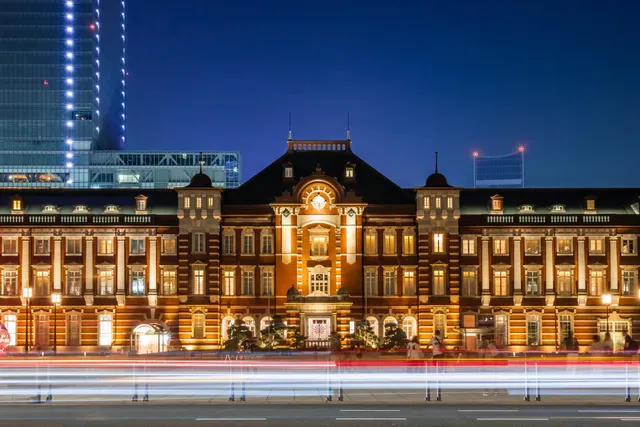
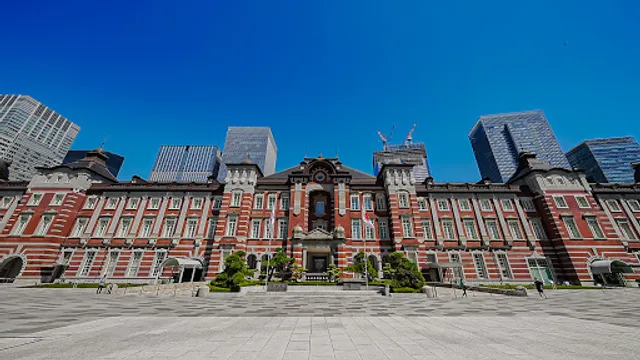
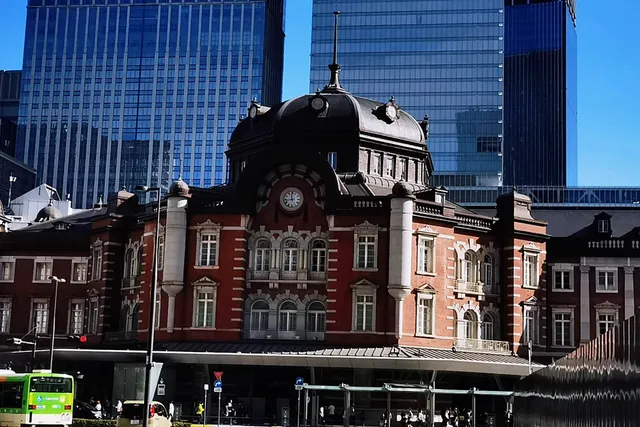
Tokyo Station is a significant railway hub located in Japan's capital, Tokyo, known for its history and beautiful architecture. Opened in 1914, this station features a red brick exterior influenced by Western architecture from the Meiji era, with the central dome roof being particularly striking The station building is designated as an Important Cultural Property of Japan and attracts many visitors as a tourist destination. Tokyo Station is a key point where major railway lines, including the Shinkansen, intersect, providing excellent access to various regions across the country. It serves as the departure and arrival station for many lines, including the Tōkaidō Shinkansen connecting Tokyo and Osaka, as well as the Jōetsu Shinkansen and Tōhoku Shinkansen heading north. Additionally, conventional lines are well-developed, including the Yamanote Line, Chūō Line, and Keiyō Line, among others. The area around the station is bustling with business districts and tourist attractions, particularly the Marunouchi area, which is filled with office buildings, luxury hotels, and shopping facilities. Inside the station, there are various restaurants and souvenir shops, making it a convenient spot for travelers and commuters. The culture of ekiben (station bento) is strong here, offering a diverse range of options that allow visitors to enjoy Japanese food culture. Furthermore, Tokyo Station serves not only as a transportation hub but also as an iconic symbol of the city. Since its opening, many historical events have unfolded at this station, making it a place filled with travelers' memories. In recent years, renovations have progressed, creating a more comfortable environment. This allows visitors to use the station more conveniently and comfortably. In this way, Tokyo Station is more than just a transportation center; it is a beloved intersection of culture, history, and modern business for many people.
Tokyo Station is an important railway hub located in Japan's capital, Tokyo, and is known for its history and beautiful architecture. This station, which opened in 1914, is characterized by its red brick exterior influenced by Western architecture from the Meiji era, with the central dome roof being particularly impressive. The station building has been designated as a national important cultural property and is a popular tourist attraction. Tokyo Station is the intersection of major railway lines, including the Shinkansen, and has excellent access to all parts of the country. In particular, it is used as a departure and arrival station for Shinkansen trains, including the Tokaido Shinkansen that connects Tokyo and Osaka, the Joetsu Shinkansen that heads north, and the Tohoku Shinkansen. It also has a wide range of conventional lines, including the Yamanote Line, Chuo Line, and Keiyo Line. The area around the station is lined with business districts and tourist spots, and the Marunouchi area in particular is bustling with office buildings, luxury hotels, and shopping facilities. There are various restaurants and souvenir shops inside the station, making it a convenient place for travelers and commuters. In particular, the culture of ekiben is deep-rooted and there are a variety of options, allowing visitors to enjoy Japanese food culture. Furthermore, Tokyo Station is not only a transportation hub, but also a symbol of the city. Since its opening, many historical events have taken place at this station, and it is also a place filled with memories for travelers. In recent years, the station has been renovated to create a more comfortable environment. This makes it even more convenient and comfortable for visitors. In this way, Tokyo Station is not only a transportation center, but also a crossroads of culture, history, and modern business, and is familiar to...
Read moreTokyo Station: A Historic and Modern Hub
Tokyo Station, located in the heart of Japan's bustling capital, is not just a central transit hub but also a historic and architectural landmark. Since its opening in 1914, Tokyo Station has played a crucial role in connecting the city with the rest of the country, while its distinctive red-brick facade has become an iconic symbol of Tokyo's rich history.
Historical Significance:
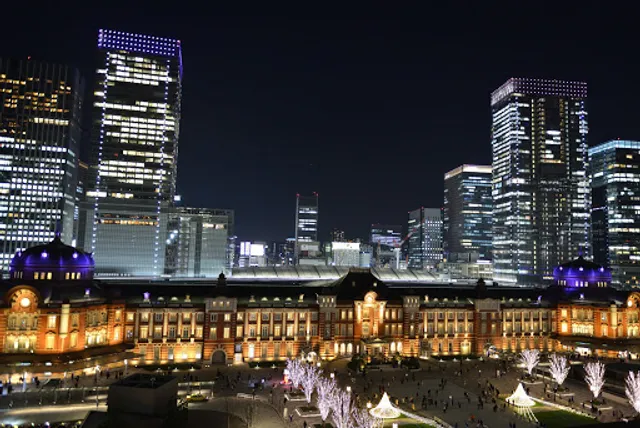
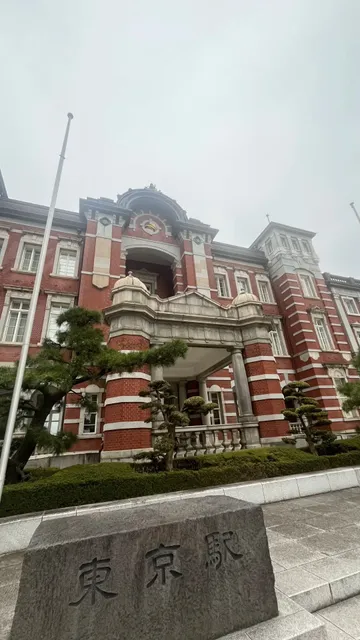
Tokyo Station, known as "Tokyo Eki" in Japanese, was designed by architect Tatsuno Kingo and is a fine example of early 20th-century architecture. The station's Marunouchi building, with its classic European-style design, has witnessed significant events in Japan's modern history, including the post-World War II reconstruction and Japan's economic boom.
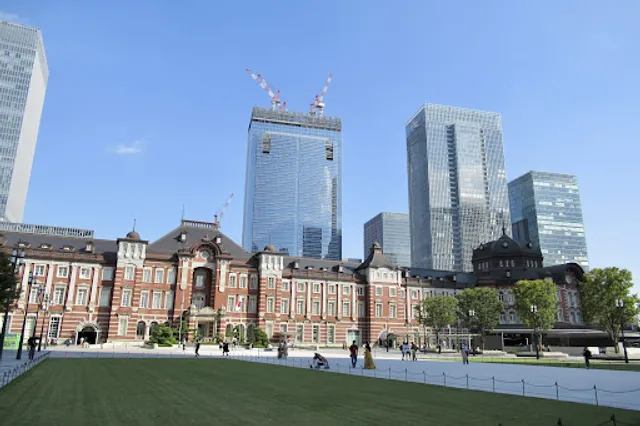
In 2012, a major renovation project restored the Marunouchi building to its original grandeur, preserving its historical elements while incorporating modern amenities. This blend of old and new makes Tokyo Station a unique destination that appeals to both history enthusiasts and modern travelers. Architectural Marvel
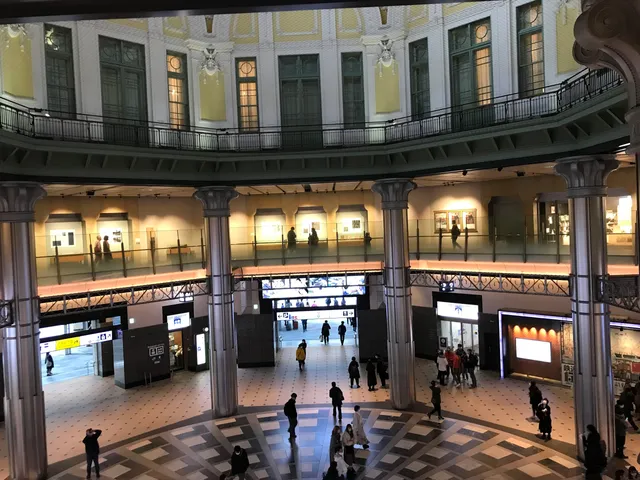
The Marunouchi side of Tokyo Station features the beautifully restored red-brick facade, complete with domes and intricate details that reflect its historical roots. Inside, the station's vaulted ceilings and elegant decor create an atmosphere of timeless elegance. The Yaesu side, in contrast, showcases a sleek and modern design, representing Tokyo's forward-looking spirit. A Transit Hub
As one of the busiest train stations in Japan, Tokyo Station serves as a key junction for various rail lines, including the Shinkansen (bullet trains), JR lines, and Tokyo Metro lines. It is the starting point for several Shinkansen lines, making it a vital gateway for travelers heading to destinations such as Osaka, Kyoto, Hiroshima, and beyond.
Shopping and Dining:
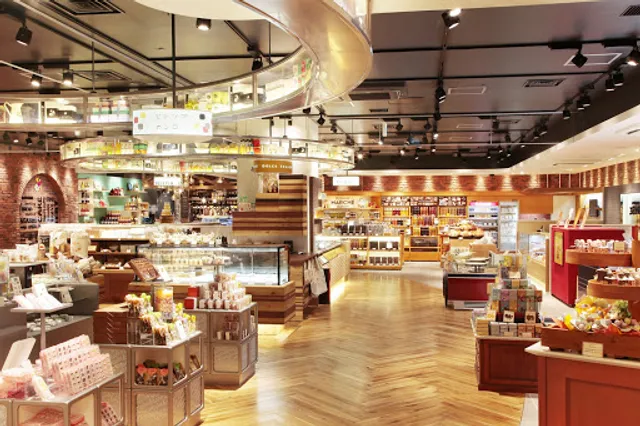
Tokyo Station is not just a transit point; it is also a vibrant shopping and dining destination. The underground shopping streets, such as First Avenue Tokyo Station, offer a variety of stores selling everything from fashion and accessories to souvenirs and specialty foods. Character Street is particularly popular, featuring shops dedicated to beloved Japanese characters like Hello Kitty, Pokemon, and Rilakkuma.
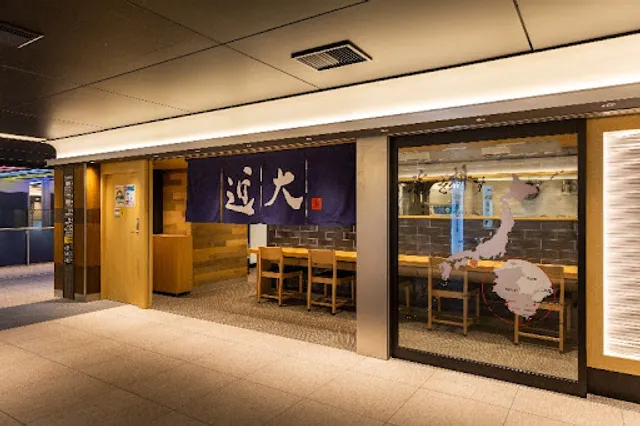
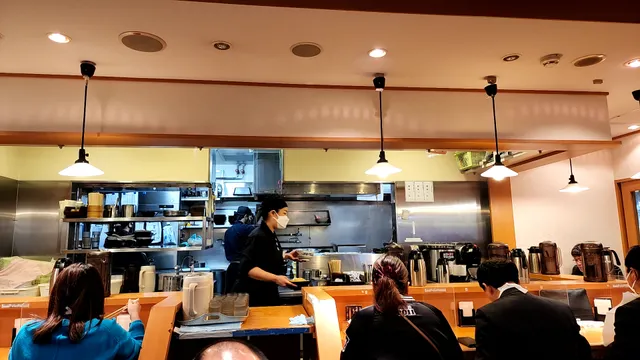
For food enthusiasts, Tokyo Station is a culinary paradise. The station is home to numerous restaurants and eateries serving a wide range of Japanese and international cuisines. Tokyo Ramen Street, located in the basement, is a must-visit for ramen lovers, offering a selection of renowned ramen shops in one convenient location.
Cultural and Tourist Attractions:
Tokyo Station's strategic location makes it a perfect starting point for exploring the city's cultural and tourist attractions. Nearby, visitors can find the Imperial Palace, Marunouchi business district, Ginza shopping area, and Nihonbashi historic district. The station itself often hosts art exhibitions and cultural events, adding to its appeal as a cultural hub.
Conclusion:
Tokyo Station is more than just a transportation hub; it is a dynamic blend of history, architecture, commerce, and culture. Whether you are passing through on a journey, exploring its many shops and restaurants, or admiring its architectural beauty, Tokyo Station offers a rich and multifaceted experience that captures the...
Read moreTokyo Station is a remarkable transport hub that sets a benchmark for efficiency, convenience, and architectural grandeur. Our experience at Tokyo Station left us deeply impressed and grateful for the seamless travel experience it offers.
Tokyo Station's organization and efficiency are world-class. The ease of navigating through the station, the clear signage, and the punctuality of the trains ensure that travelers can rely on a hassle-free journey. Whether you're a local commuter or a first-time visitor, you'll find it remarkably user-friendly.
The station's iconic red-brick facade and historic Marunouchi Building are not just functional structures; they're architectural masterpieces. Tokyo Station beautifully combines the charm of its early 20th-century design with modern facilities, creating a unique and captivating atmosphere.
Tokyo Station is impeccably clean and well-maintained. Despite the heavy foot traffic, the facilities are kept spotless. The station staff takes pride in ensuring the highest standards of hygiene.
The station's underground shopping complex, Tokyo Character Street, and various restaurants offer an impressive range of dining and shopping options. Whether you're craving traditional Japanese cuisine, international flavors, or unique souvenirs, Tokyo Station has it all.
Tokyo Station's staff members are not only courteous but also proficient in multiple languages, making it easy for travelers from around the world to seek assistance. Information desks and signs in various languages enhance the experience for international visitors.
Tokyo Station's central location in the heart of the city ensures easy access to Tokyo's extensive rail network, including the Shinkansen (bullet trains). This connectivity makes it a perfect starting point for exploring Tokyo and beyond.
Tokyo Station's historical significance adds a layer of charm to the travel experience. It's not just a station; it's a testament to Japan's rich history and modern progress.
In conclusion, Tokyo Station is a testament to Japan's commitment to excellence in transportation and infrastructure. Its efficiency, architectural beauty, and commitment to customer service make it a destination in itself. Our experience at Tokyo Station was flawless, and we highly recommend it to anyone traveling in or through Tokyo. It's not just a station; it's an integral part of Tokyo's identity and a gateway to the...
Read more