Parliament Building things to do, attractions, restaurants, events info and trip planning
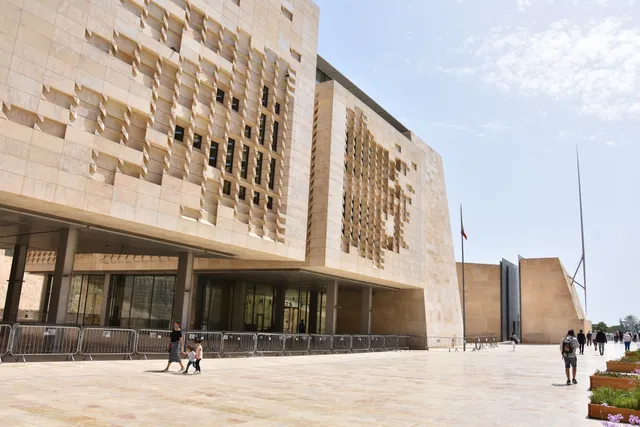
Basic Info
Parliament Building
i, 4 Ordinance, Il-Belt Valletta VLT 1021, Malta
4.6(139)
Open until 12:00 AM
Save
spot
spot
Ratings & Description
Info
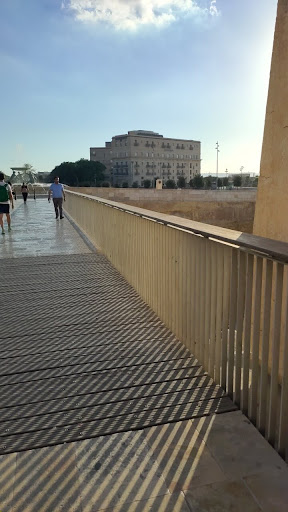
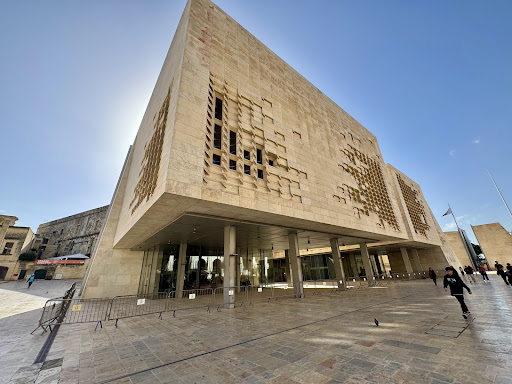
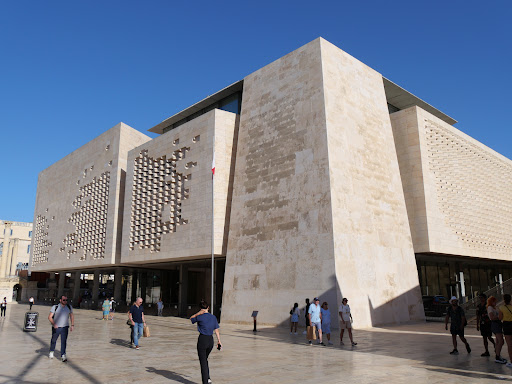
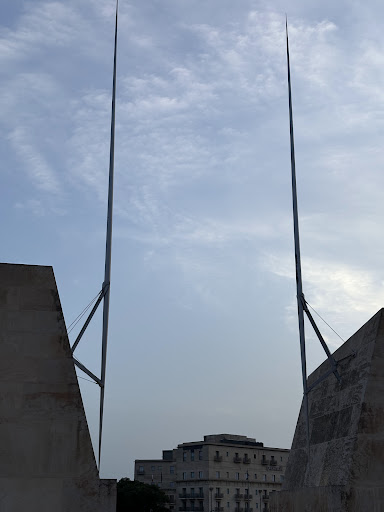
The Parliament of Malta is the constitutional legislative body in Malta, located in Valletta. The parliament is unicameral, with a democratically elected House of Representatives and the president of Malta.
Cultural
Accessibility
attractions: City Gate, Triton Fountain, Upper Barrakka, Spazju Kreattiv, St. John's Co-Cathedral, National Museum of Archaeology, Pjazza Teatru Rjal, Malta 5D, MUŻA - The National Community Art Museum, Hastings Garden Malta, restaurants: Rampila Restaurant, TRiBE Valletta, Il Ristorantino Italiano, Mina's, Pamen, ImPasta, Pizza Hut Valletta, Trabuxu Bistro, MUŻA Restaurant, ORTYGIA Food Experience, local businesses: The Capital Souvenir Shop, Valletta Open Market, Is-Suq Tal-Belt - Valletta Food Market, Ċekċik, Souvenirs That Don't Suck - Valletta, Tango Boutique, Designers Boutique Valletta, Sam's Supper Club, St Elmo’s Fire Jewellery
 Learn more insights from Wanderboat AI.
Website
parlament.mt
Open hoursSee all hours
SunClosedOpen
Plan your stay

Pet-friendly Hotels in Valletta
Find a cozy hotel nearby and make it a full experience.

Affordable Hotels in Valletta
Find a cozy hotel nearby and make it a full experience.

The Coolest Hotels You Haven't Heard Of (Yet)
Find a cozy hotel nearby and make it a full experience.

Trending Stays Worth the Hype in Valletta
Find a cozy hotel nearby and make it a full experience.
Reviews
Live events
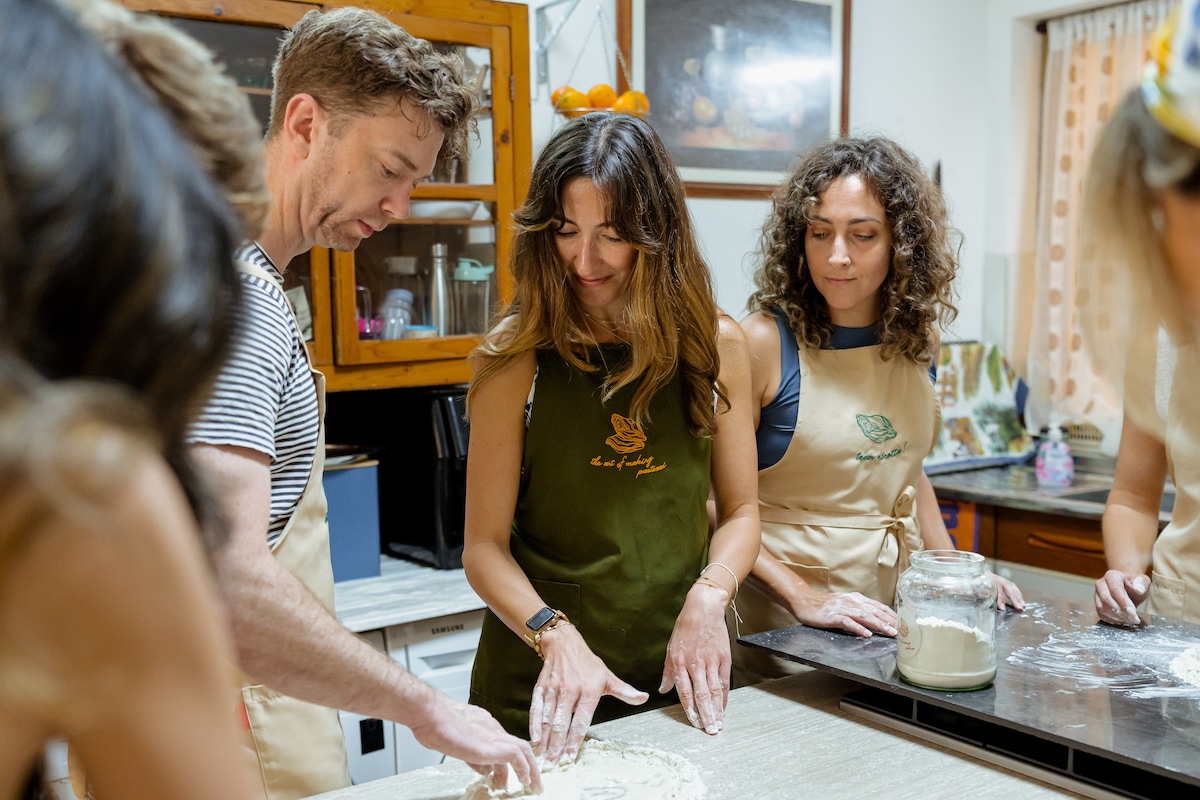
A Pastizzi Experience by Michela Cammarota Cefai
Wed, Jan 21 • 10:30 AM
Sliema, SLM1521, Malta
View details
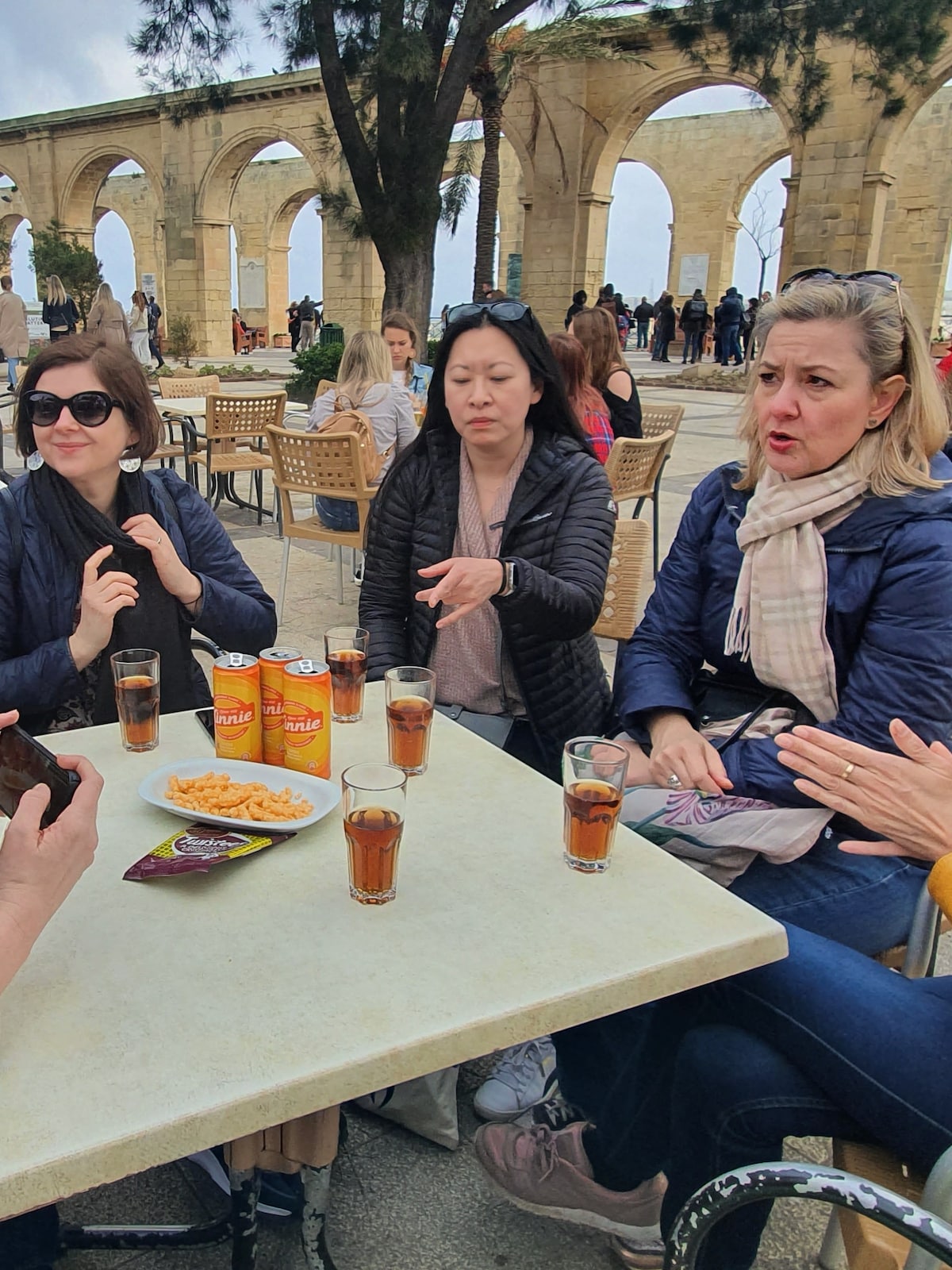
Valletta Walking Tour
Mon, Jan 19 • 10:00 AM
Valletta, RBT1970, Malta
View details
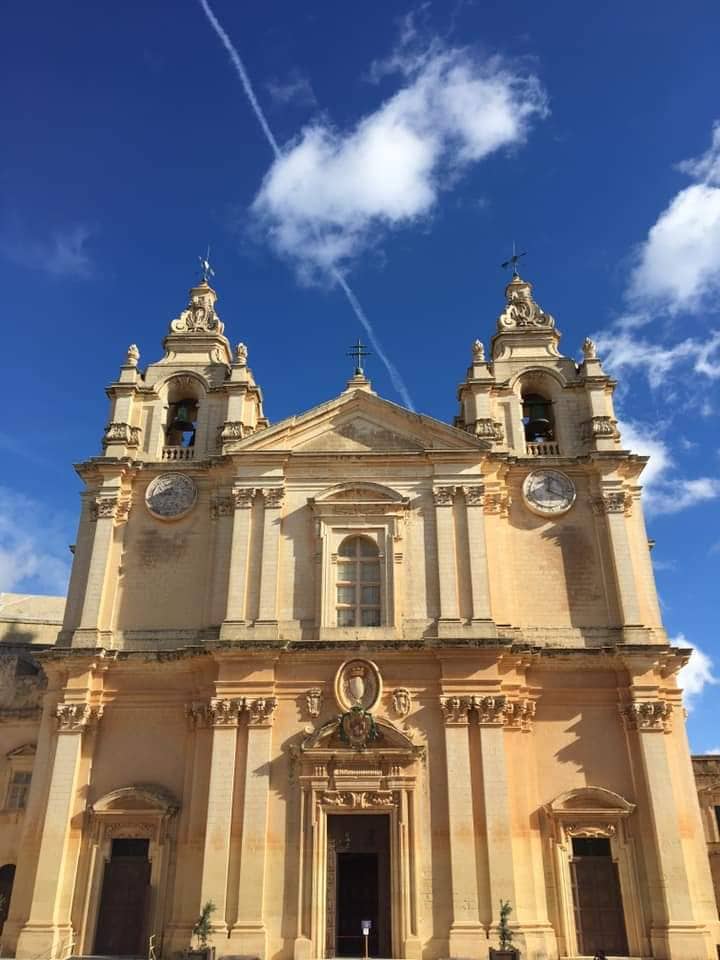
Mdina and Rabat Insiders Tour
Mon, Jan 19 • 3:00 PM
Mdina, MDN, Malta
View details
Nearby attractions of Parliament Building
City Gate
Triton Fountain
Upper Barrakka
Spazju Kreattiv
St. John's Co-Cathedral
National Museum of Archaeology
Pjazza Teatru Rjal
Malta 5D
MUŻA - The National Community Art Museum
Hastings Garden Malta
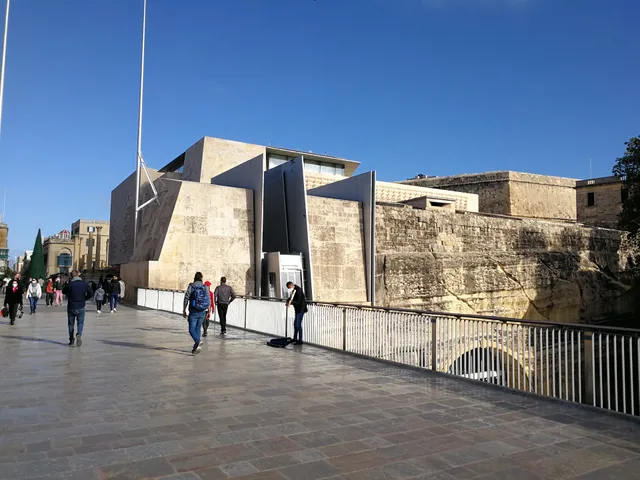
City Gate
4.7
(6.5K)
Open until 12:00 AM
Click for details
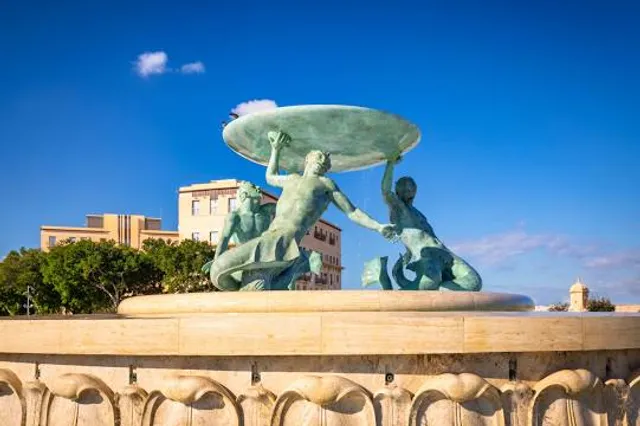
Triton Fountain
4.7
(10K)
Open 24 hours
Click for details
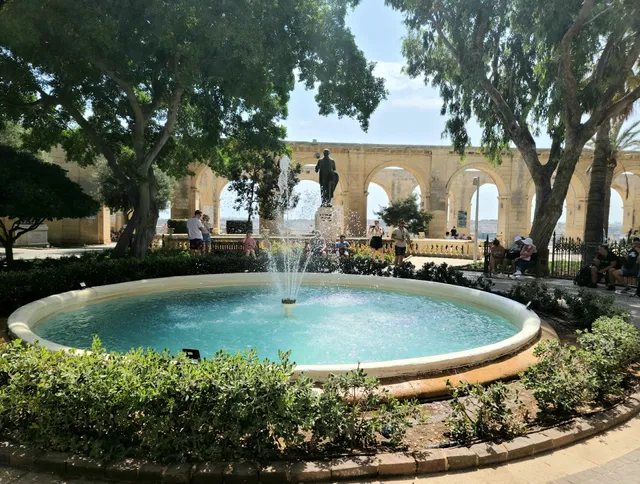
Upper Barrakka
4.7
(14K)
Open 24 hours
Click for details
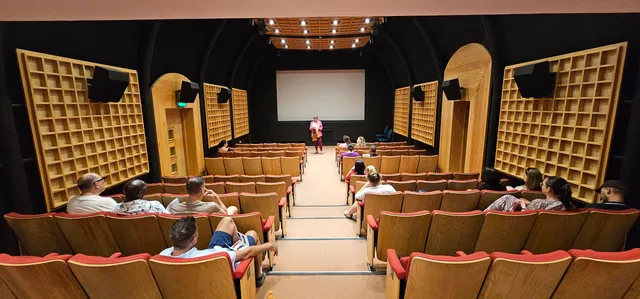
Spazju Kreattiv
4.6
(537)
Open until 9:00 PM
Click for details
Nearby restaurants of Parliament Building
Rampila Restaurant
TRiBE Valletta
Il Ristorantino Italiano
Mina's
Pamen
ImPasta
Pizza Hut Valletta
Trabuxu Bistro
MUŻA Restaurant
ORTYGIA Food Experience
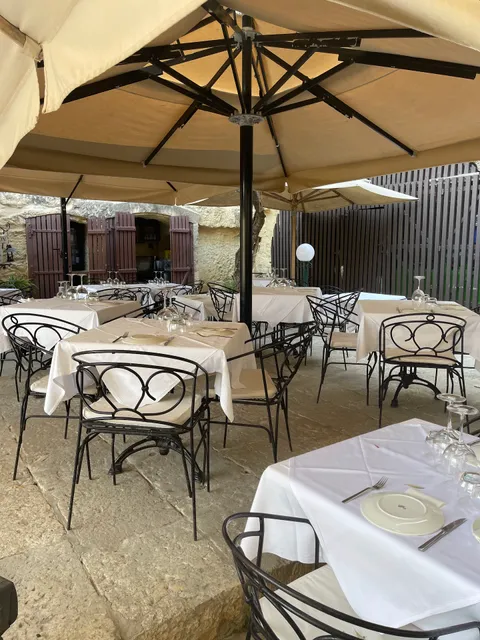
Rampila Restaurant
4.4
(1.1K)
$$$
Open until 10:30 PM
Click for details
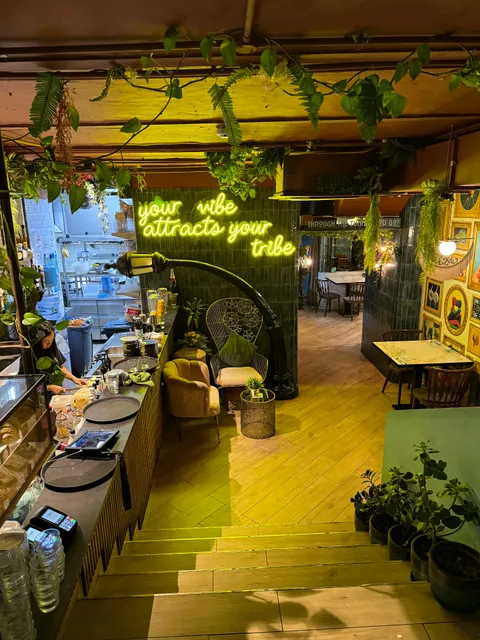
TRiBE Valletta
4.4
(765)
Open until 10:00 PM
Click for details
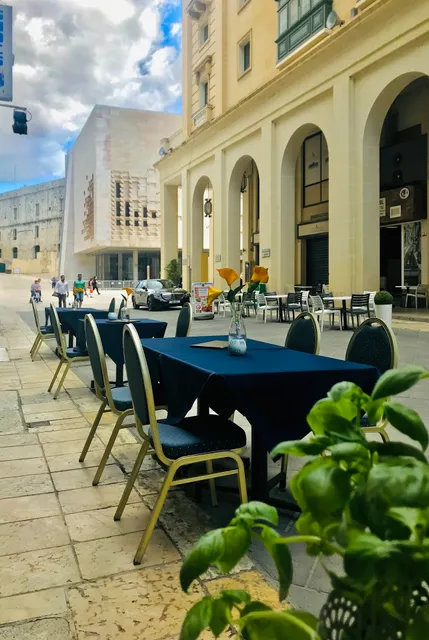
Il Ristorantino Italiano
4.7
(467)
$$
Open until 11:00 PM
Click for details
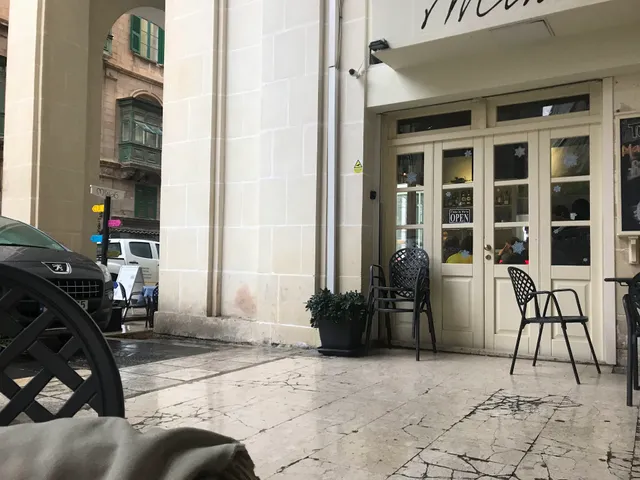
Mina's
4.6
(501)
Open until 12:00 AM
Click for details
Nearby local services of Parliament Building
The Capital Souvenir Shop
Valletta Open Market
Is-Suq Tal-Belt - Valletta Food Market
Ċekċik
Souvenirs That Don't Suck - Valletta
Tango Boutique
Designers Boutique Valletta
Sam's Supper Club
St Elmo’s Fire Jewellery
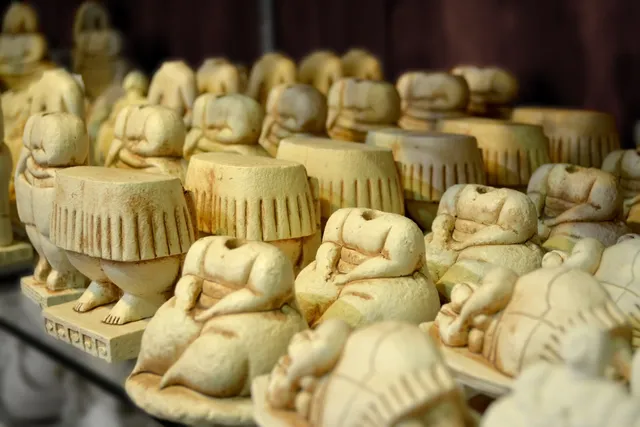
The Capital Souvenir Shop
4.4
(104)
Click for details
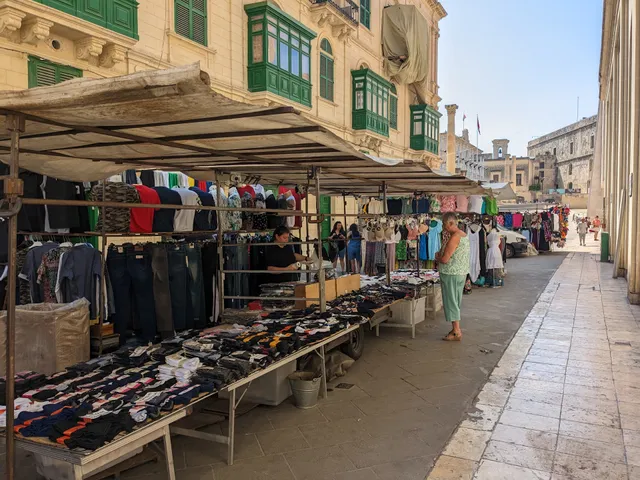
Valletta Open Market
3.6
(18)
Click for details
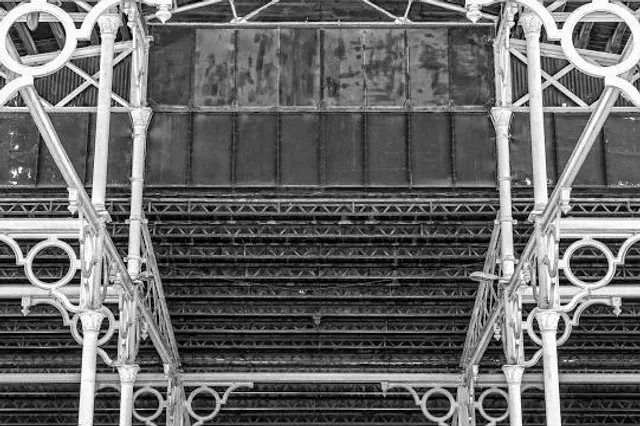
Is-Suq Tal-Belt - Valletta Food Market
4.3
(3.7K)
Click for details
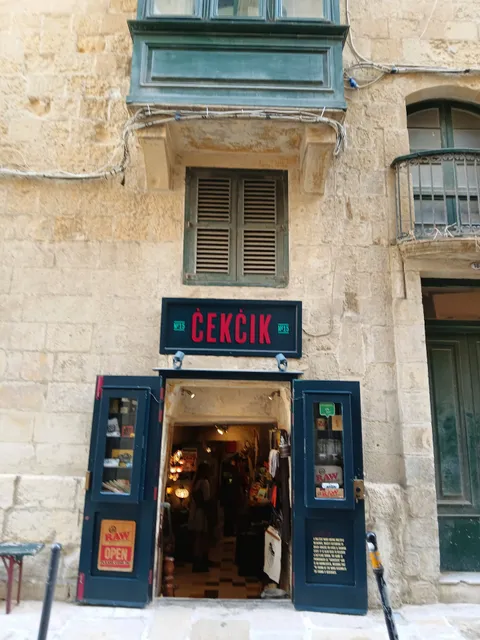
Ċekċik
4.7
(63)
Click for details