Triton Fountain things to do, attractions, restaurants, events info and trip planning
Basic Info
Triton Fountain
VGW5+783, Vjal Nelson, Il-Furjana, Malta
4.7(10.4K)
Open until 12:00 AM
Save
spot
spot
Ratings & Description
Info
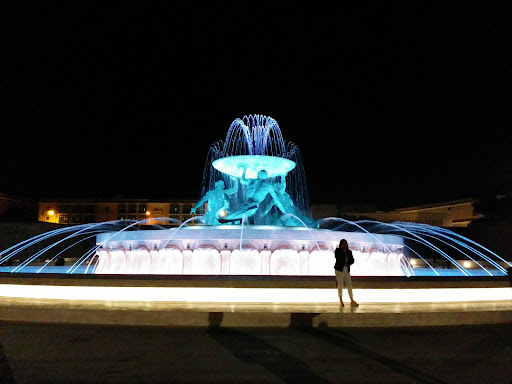
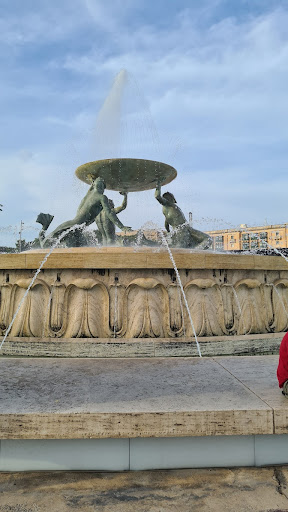
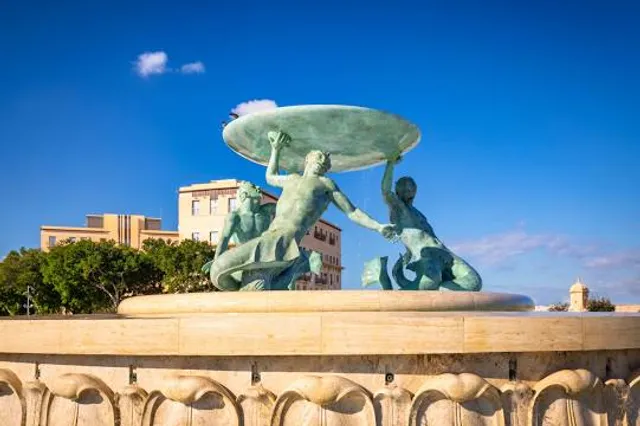
The Tritons’ Fountain is a fountain located just outside the City Gate of Valletta, Malta. It consists of three bronze Tritons holding up a large basin, balanced on a concentric base built out of concrete and clad in travertine slabs. The fountain is one of Malta's most important Modernist landmarks.
Cultural
Outdoor
Accessibility
attractions: City Gate, Upper Barrakka, Spazju Kreattiv, Hastings Garden Malta, Malta 5D, St. John's Co-Cathedral, National Museum of Archaeology, Pjazza Teatru Rjal, MUŻA - The National Community Art Museum, Pjazza San Publiju, restaurants: Rampila Restaurant, Mina's, Il Ristorantino Italiano, Sotto Pinsa Romana Valletta, Pamen, TRiBE Valletta, Contessa, Pizza Hut Valletta, Beefbar in the City, The Ordnance Pub & Restaurant, local businesses: Valletta City Gate, Upper Barrakka Gardens, Parliament Building, Sciacca Grill, The Capital Souvenir Shop, Trabuxu Wine Bar, St. John's Bastion, Evergreen Gelateria, Valletta Open Market, Embassy Cinemas Valletta
 Learn more insights from Wanderboat AI.
Open hoursSee all hours
SunOpen 24 hoursOpen
Plan your stay

Pet-friendly Hotels in Valletta
Find a cozy hotel nearby and make it a full experience.

Affordable Hotels in Valletta
Find a cozy hotel nearby and make it a full experience.

The Coolest Hotels You Haven't Heard Of (Yet)
Find a cozy hotel nearby and make it a full experience.

Trending Stays Worth the Hype in Valletta
Find a cozy hotel nearby and make it a full experience.
Reviews
Live events

Candlelight: Coldplay vs. Imagine Dragons
Sat, Feb 28 • 7:00 PM
The Mall FRN1478, Floriana, FRN1478
View details
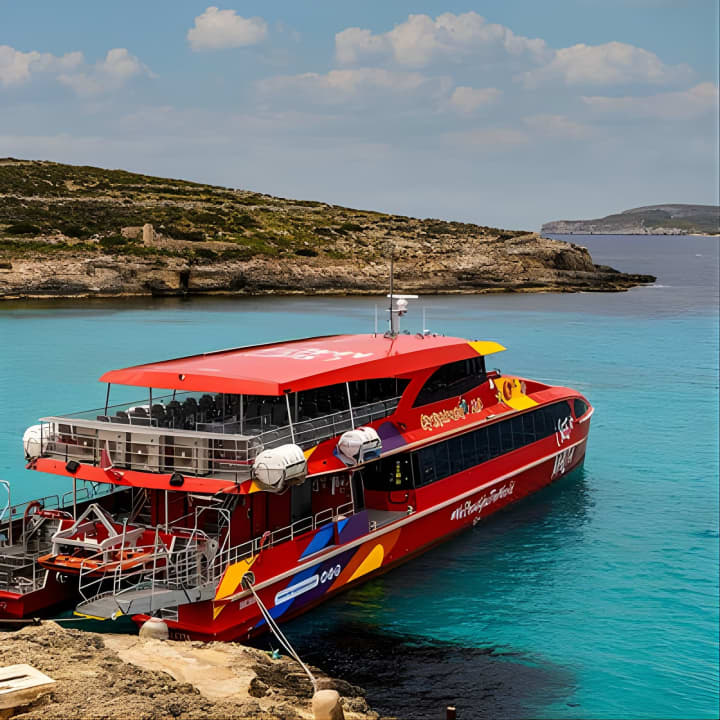
Gozo & Comino Blue Lagoon
Sun, Feb 22 • 10:00 AM
WG53+GQ4, Sliema
View details
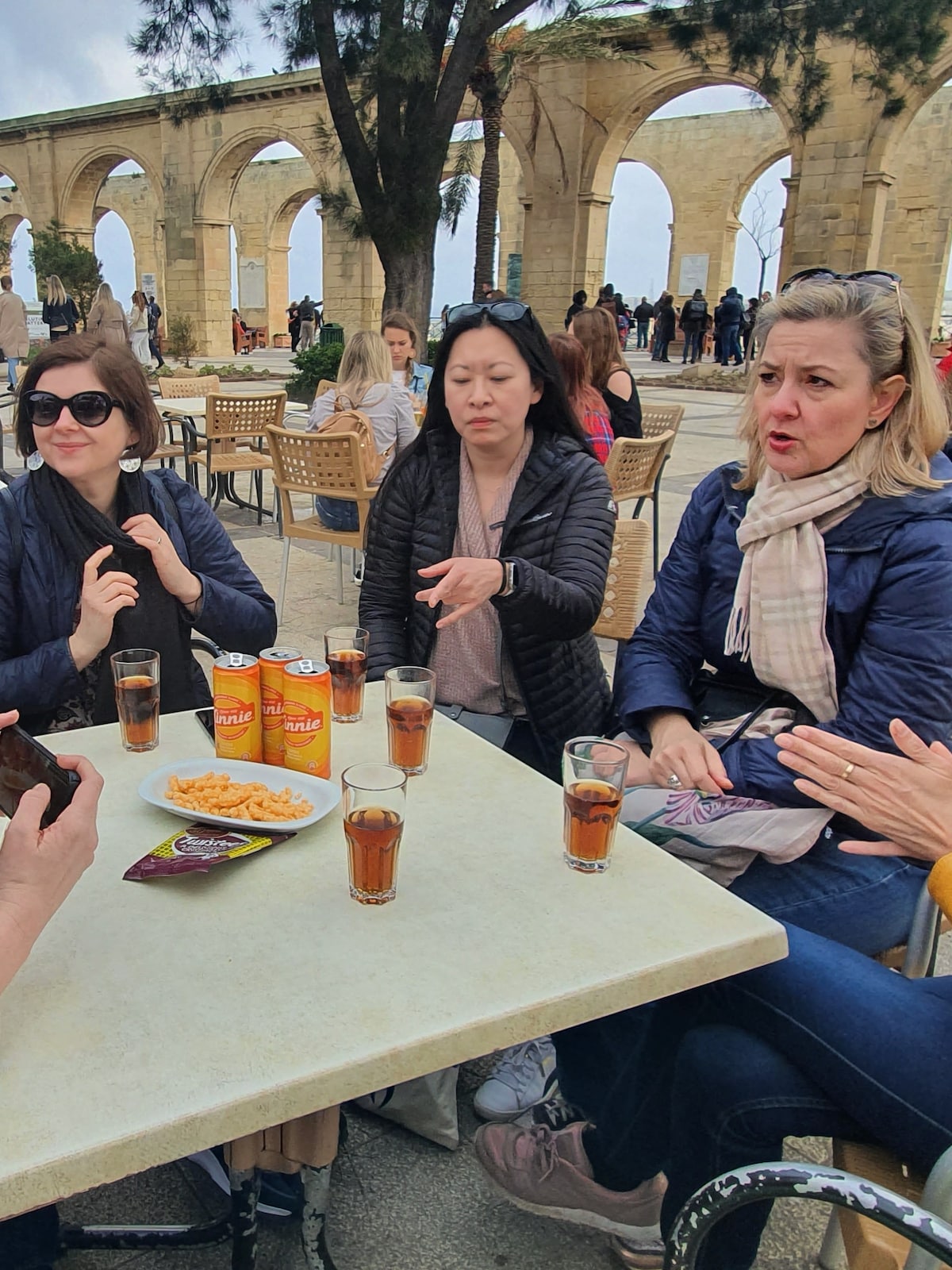
Valletta Walking Tour
Mon, Feb 23 • 10:00 AM
Valletta, RBT1970, Malta
View details
Nearby attractions of Triton Fountain
City Gate
Upper Barrakka
Spazju Kreattiv
Hastings Garden Malta
Malta 5D
St. John's Co-Cathedral
National Museum of Archaeology
Pjazza Teatru Rjal
MUŻA - The National Community Art Museum
Pjazza San Publiju
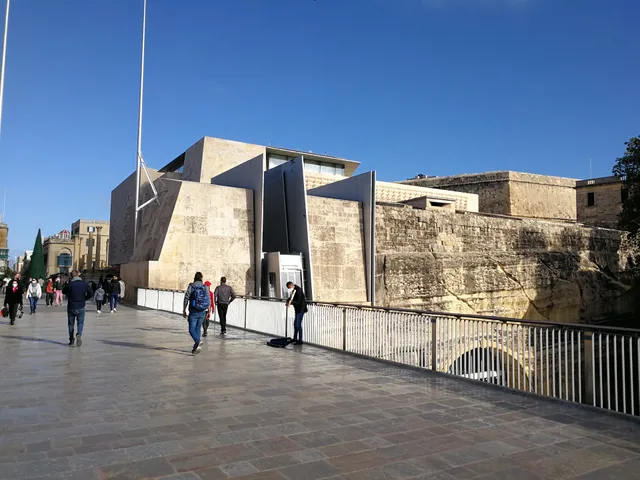
City Gate
4.7
(6.5K)
Open until 12:00 AM
Click for details
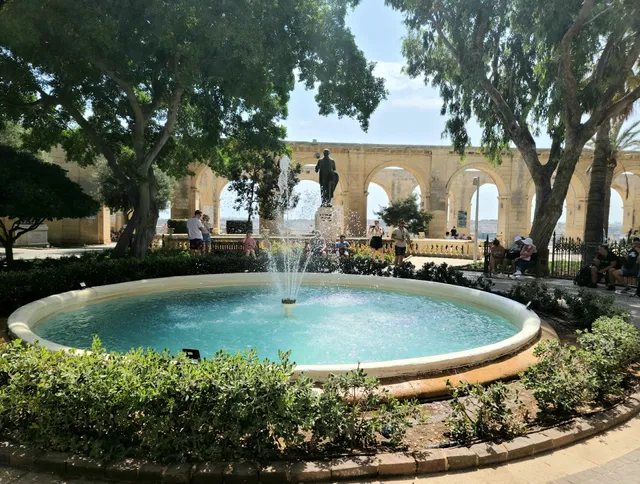
Upper Barrakka
4.7
(14.4K)
Open 24 hours
Click for details
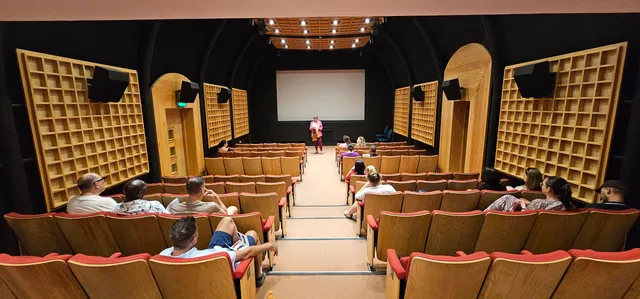
Spazju Kreattiv
4.6
(514)
Open until 9:00 PM
Click for details
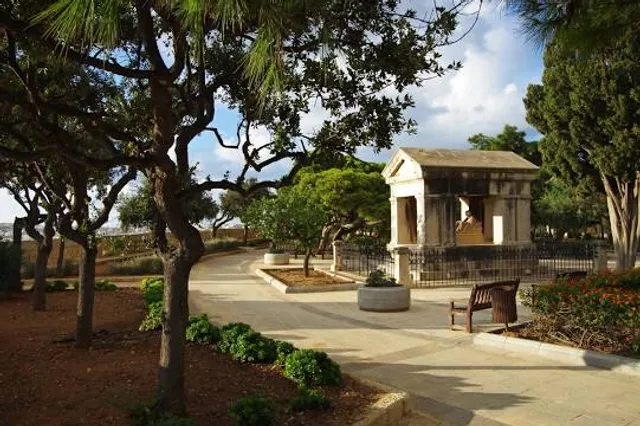
Hastings Garden Malta
4.6
(734)
Open 24 hours
Click for details
Nearby restaurants of Triton Fountain
Rampila Restaurant
Mina's
Il Ristorantino Italiano
Sotto Pinsa Romana Valletta
Pamen
TRiBE Valletta
Contessa
Pizza Hut Valletta
Beefbar in the City
The Ordnance Pub & Restaurant
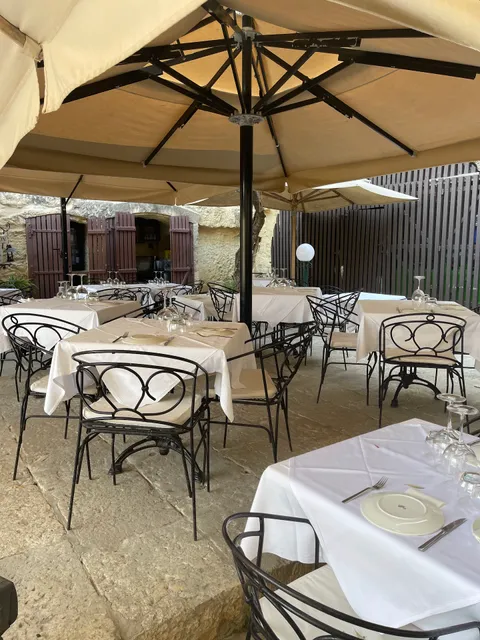
Rampila Restaurant
4.4
(1.1K)
$$$
Open until 10:30 PM
Click for details
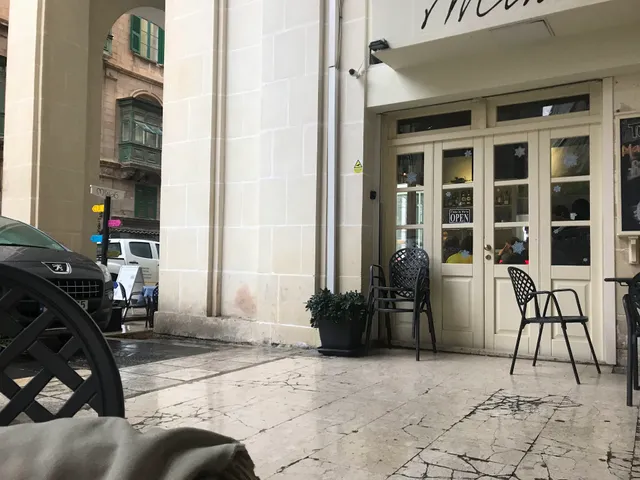
Mina's
4.6
(522)
Open until 12:00 AM
Click for details
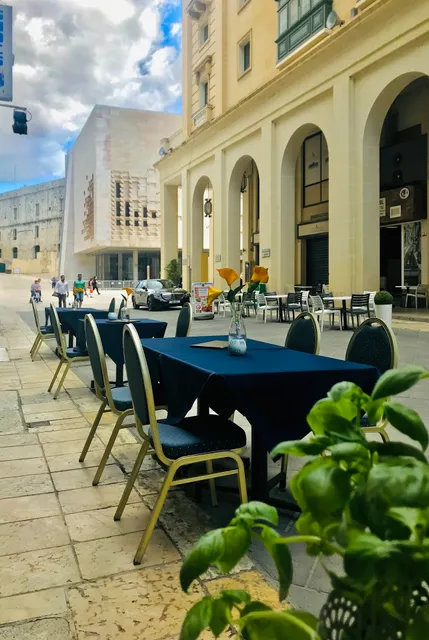
Il Ristorantino Italiano
4.7
(499)
$$
Closed
Click for details

Sotto Pinsa Romana Valletta
4.7
(2.2K)
Open until 11:00 PM
Click for details
Nearby local services of Triton Fountain
Valletta City Gate
Upper Barrakka Gardens
Parliament Building
Sciacca Grill
The Capital Souvenir Shop
Trabuxu Wine Bar
St. John's Bastion
Evergreen Gelateria
Valletta Open Market
Embassy Cinemas Valletta
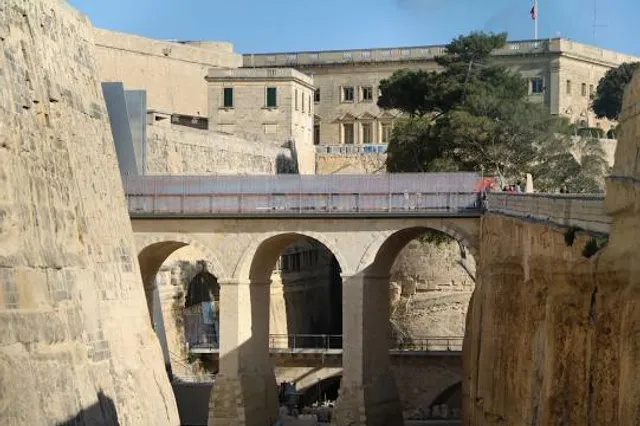
Valletta City Gate
4.6
(5.4K)
Click for details
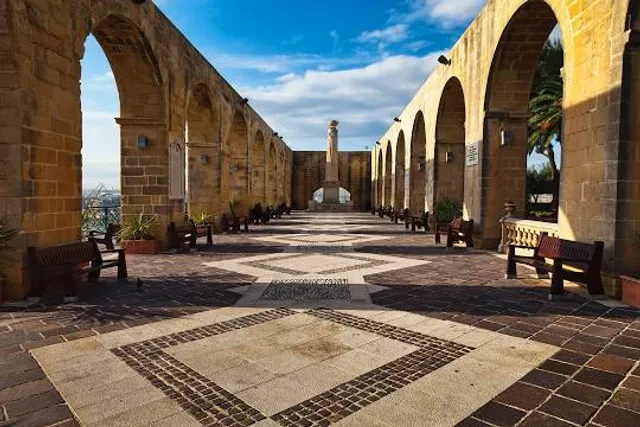
Upper Barrakka Gardens
4.7
(10.5K)
Click for details
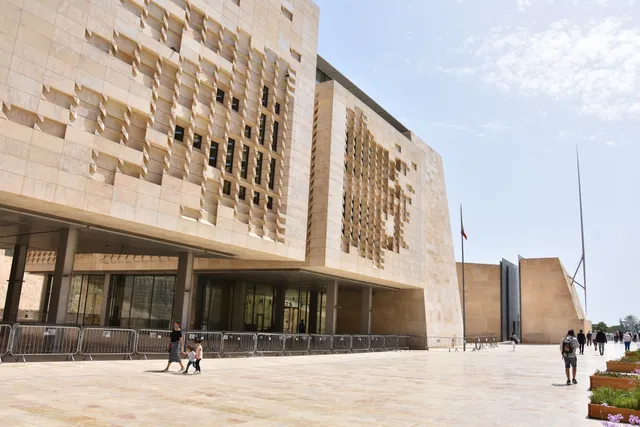
Parliament Building
4.6
(143)
Click for details
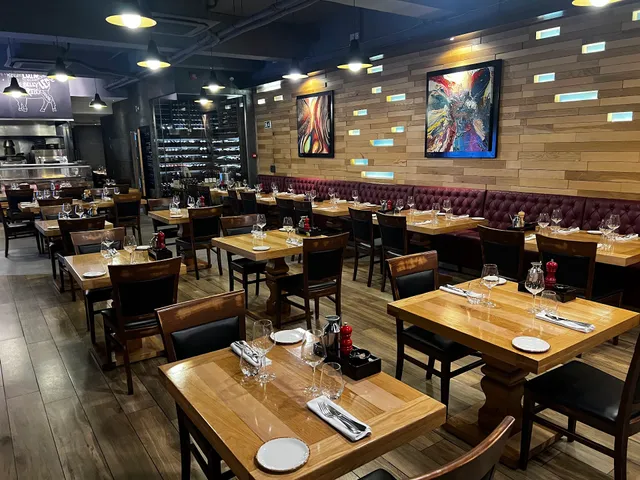
Sciacca Grill
4.6
(906)
Click for details