Hippodrome of Constantinople things to do, attractions, restaurants, events info and trip planning
Basic Info
Hippodrome of Constantinople
Binbirdirek, At Meydanı Cd No:53 D:68, 34122 Fatih/İstanbul, Türkiye
4.5(160)
Open 24 hours
Save
spot
spot
Ratings & Description
Info
Cultural
Outdoor
Scenic
Family friendly
Accessibility
attractions: The Blue Mosque, Sultanahmet Square, Turkish and Islamic Arts Museum, Obelisk of Theodosius, Örme Dikilitaş, Serpent Column, Basilica Cistern, Hagia Sophia History and Experience Museum, Cistern of Theodosius, Ibrahim Pasha Palace, restaurants: GRACE Rooftop Restaurant, My Terrace Cafe & Restaurant, Garden 1897 Restaurant, Hidden Garden Restaurant Sultanahmet, Ozi Pizza and Pasta, Buhara 93 Restaurant, Erhan Restaurant, Food Palace 1981 Anatolian Restaurant, Changcheng Restaurant, Mom's Garden Cafe& Restaurant, local businesses: Obelisco de Constantino, Hippodrome of Constantinople, Sarnıç Spa & Turkish Bath, Arasta Bazaar, Sifa Hamami, Buta Tour İstanbul, Opos Tours & Travel, Sultanahmet Old City Travel Agency, Ottomania Rug Gallery, Rumeli Tatlı Ve Börek Evi
 Learn more insights from Wanderboat AI.
Website
thebyzantinelegacy.com
Plan your stay

Pet-friendly Hotels in Fatih
Find a cozy hotel nearby and make it a full experience.

Affordable Hotels in Fatih
Find a cozy hotel nearby and make it a full experience.

The Coolest Hotels You Haven't Heard Of (Yet)
Find a cozy hotel nearby and make it a full experience.

Trending Stays Worth the Hype in Fatih
Find a cozy hotel nearby and make it a full experience.
Reviews
Live events

Perfume Making Workshop with Bosphorus View
Sun, Feb 8 • 10:00 AM
34425, Beyoğlu, İstanbul, Turkey
View details
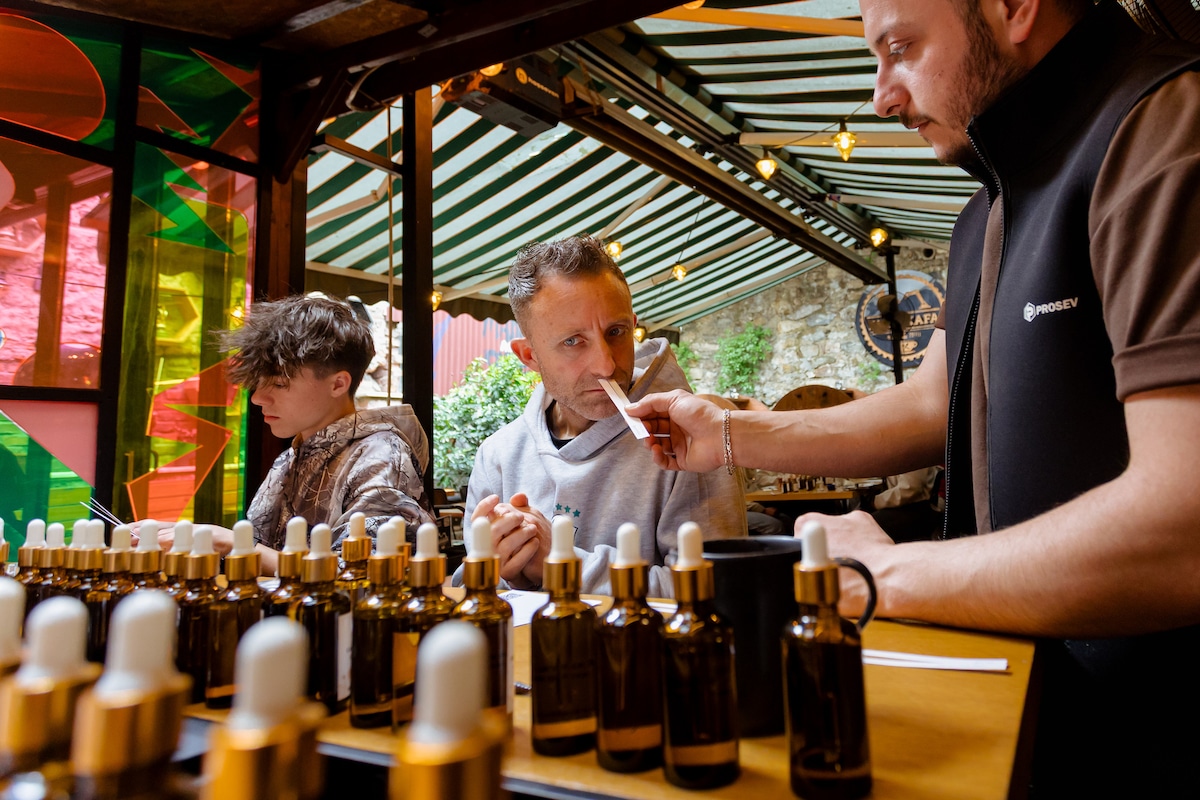
Create a signature scent in Istanbul
Sun, Feb 8 • 10:00 AM
34110, Fatih, İstanbul, Turkey
View details

Small Group Yacht Tour, Unlimited Wine & Fruits
Sun, Feb 8 • 5:00 PM
34421, Beyoğlu, İstanbul, Turkey
View details
Nearby attractions of Hippodrome of Constantinople
The Blue Mosque
Sultanahmet Square
Turkish and Islamic Arts Museum
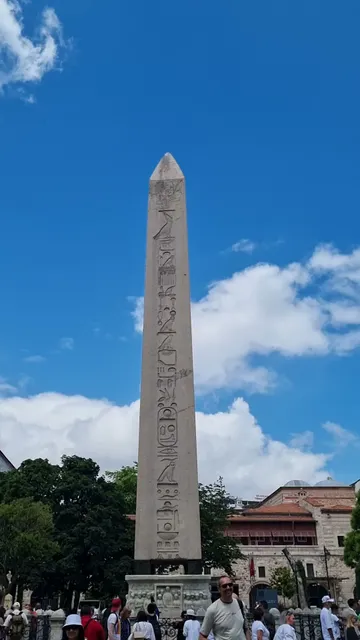
Obelisk of Theodosius
Örme Dikilitaş
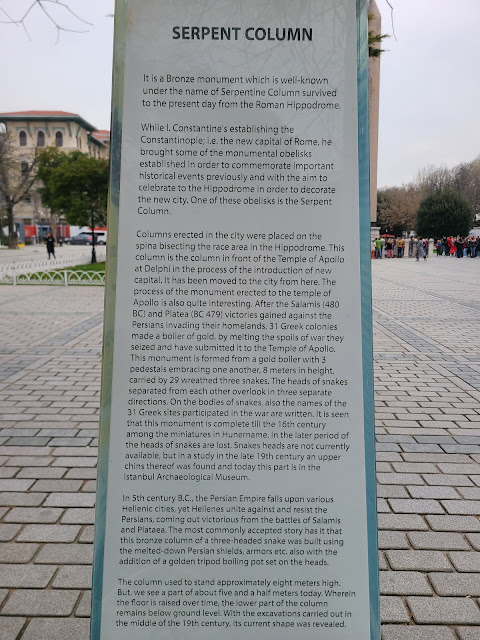
Serpent Column
Basilica Cistern
Hagia Sophia History and Experience Museum
Cistern of Theodosius
Ibrahim Pasha Palace
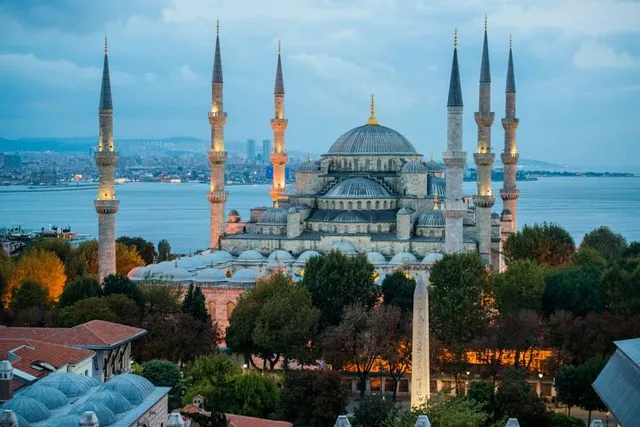
The Blue Mosque
4.7
(39.2K)
Open 24 hours
Click for details
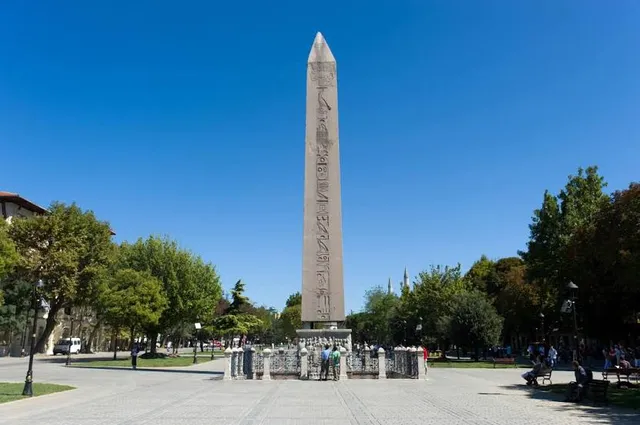
Sultanahmet Square
4.7
(13K)
Open 24 hours
Click for details
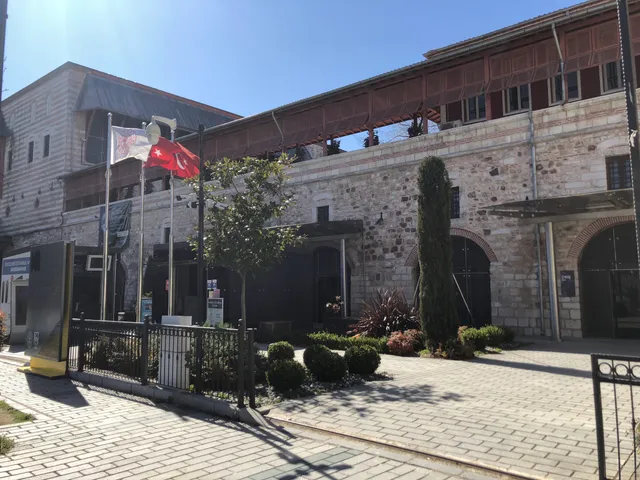
Turkish and Islamic Arts Museum
4.6
(2.3K)
Closed
Click for details
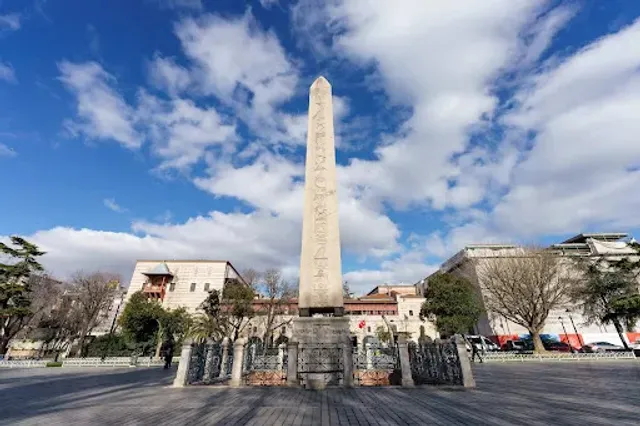
Obelisk of Theodosius
4.7
(1.3K)
Open until 12:00 AM
Click for details
Nearby restaurants of Hippodrome of Constantinople
GRACE Rooftop Restaurant
My Terrace Cafe & Restaurant
Garden 1897 Restaurant
Hidden Garden Restaurant Sultanahmet
Ozi Pizza and Pasta
Buhara 93 Restaurant
Erhan Restaurant
Food Palace 1981 Anatolian Restaurant
Changcheng Restaurant
Mom's Garden Cafe& Restaurant
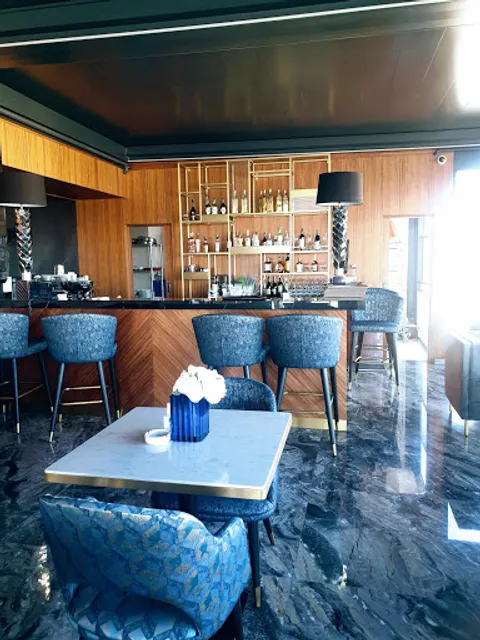
GRACE Rooftop Restaurant
4.7
(2.2K)
Closed
Click for details
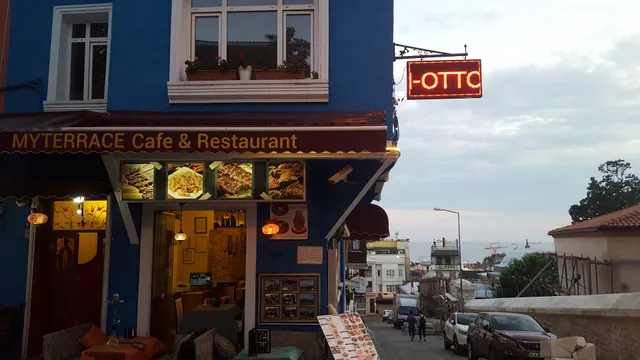
My Terrace Cafe & Restaurant
4.7
(2.2K)
Closed
Click for details
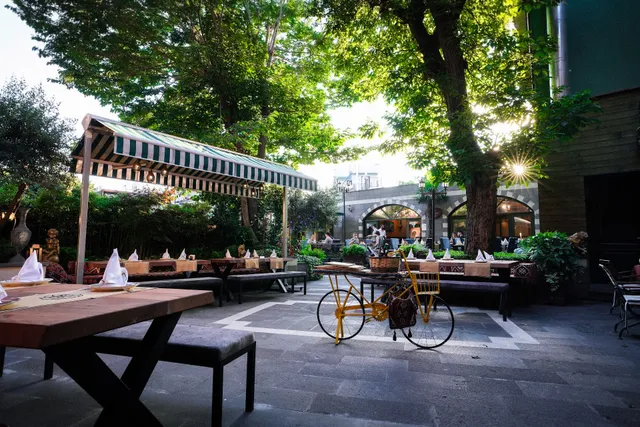
Garden 1897 Restaurant
4.9
(6.6K)
$$
Closed
Click for details
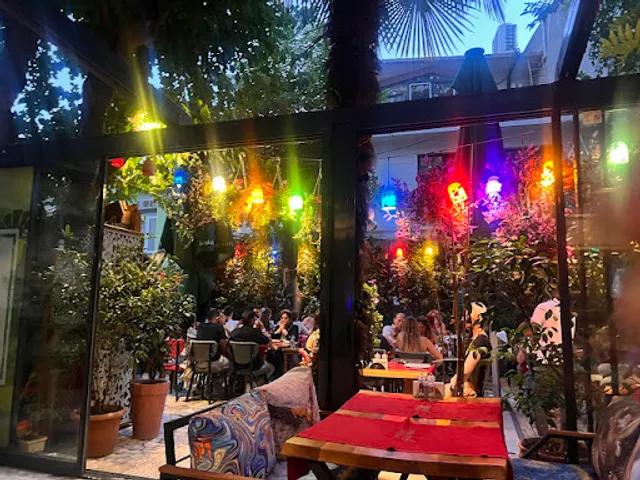
Hidden Garden Restaurant Sultanahmet
4.9
(7K)
$$
Closed
Click for details
Nearby local services of Hippodrome of Constantinople
Obelisco de Constantino
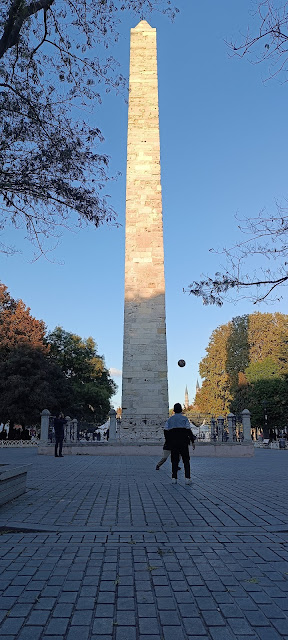
Hippodrome of Constantinople
Sarnıç Spa & Turkish Bath
Arasta Bazaar
Sifa Hamami
Buta Tour İstanbul
Opos Tours & Travel
Sultanahmet Old City Travel Agency
Ottomania Rug Gallery
Rumeli Tatlı Ve Börek Evi
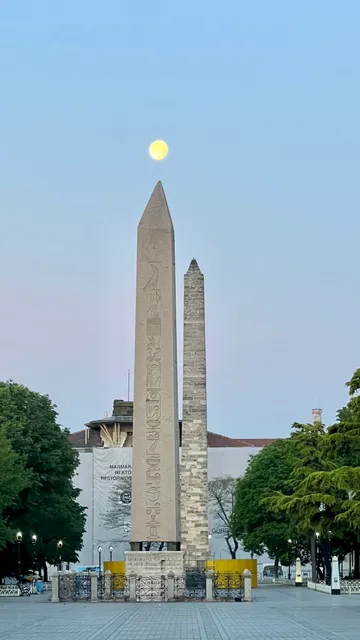
Obelisco de Constantino
4.5
(405)
Click for details
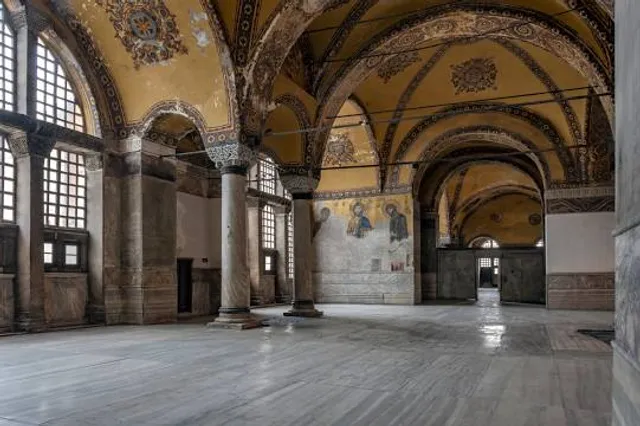
Hippodrome of Constantinople
4.5
(107)
Click for details
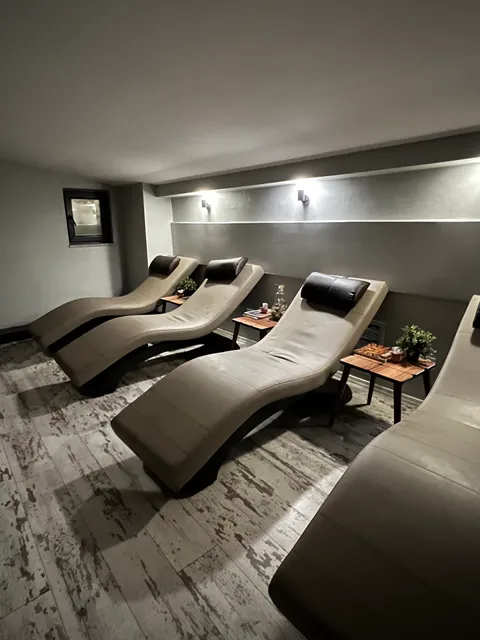
Sarnıç Spa & Turkish Bath
4.8
(484)
Click for details
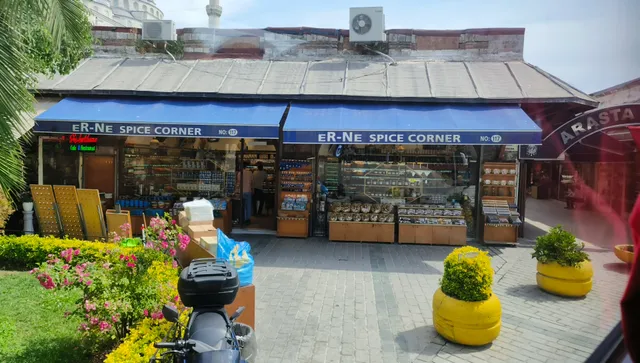
Arasta Bazaar
4.4
(1.7K)
Click for details