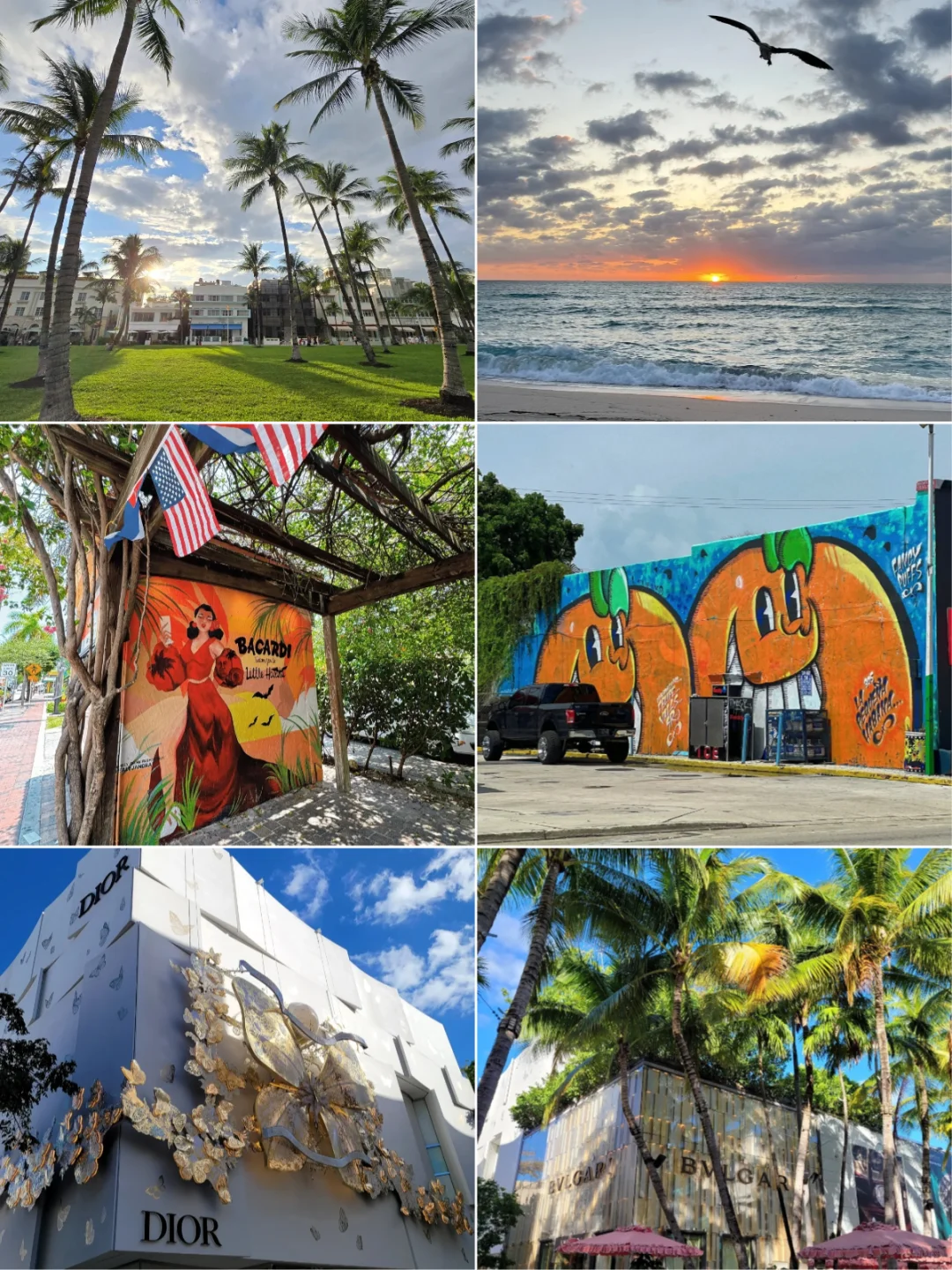
The Wolfsonian-Florida International University things to do, attractions, restaurants, events info and trip planning
Basic Info
The Wolfsonian-Florida International University
1001 Washington Ave, Miami Beach, FL 33139
4.5(32)
Closed

tickets
Save
spot
spot
Ratings & Description
Info
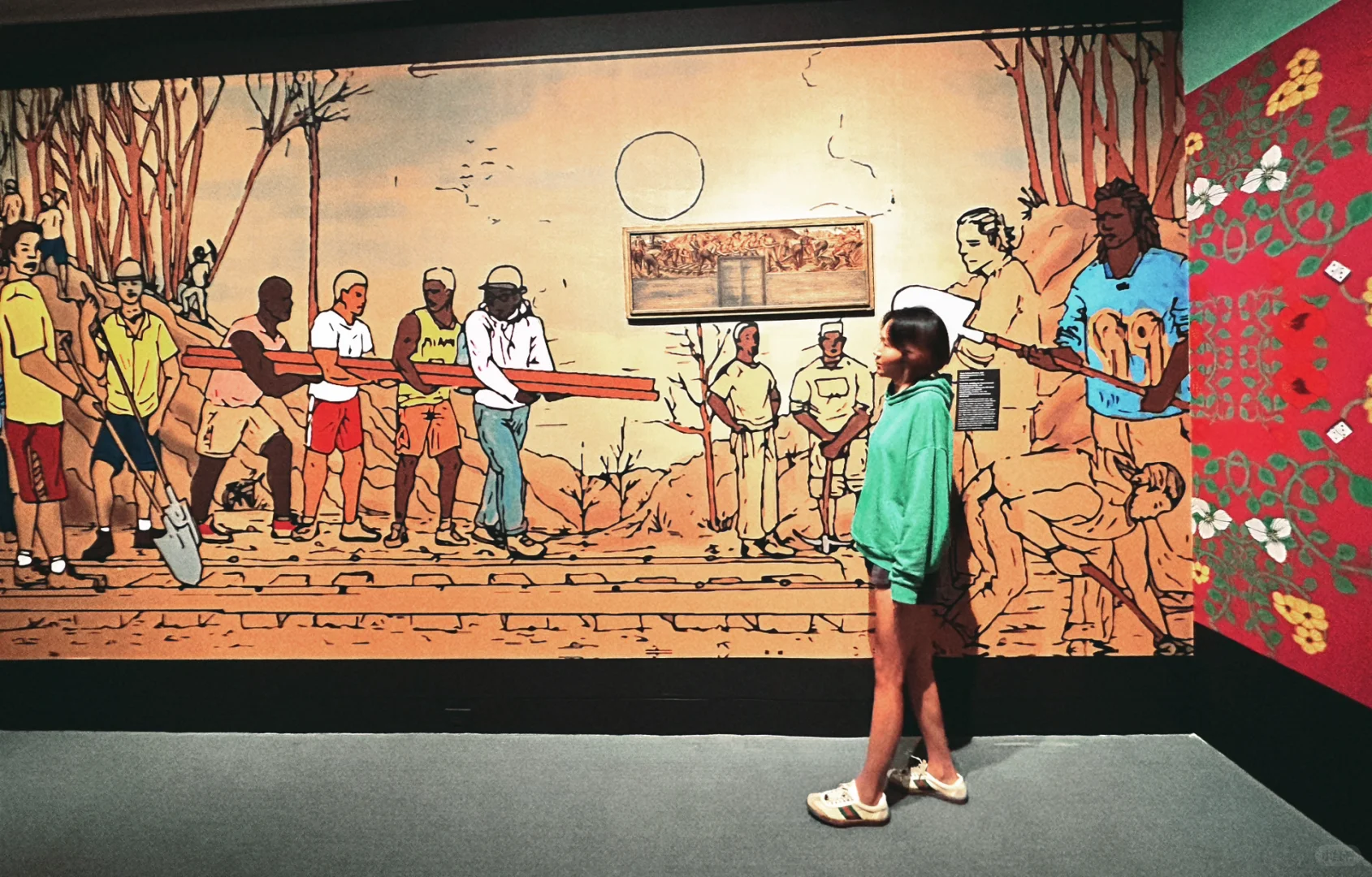
The Wolfsonian–Florida International University or The Wolfsonian-FIU, located in the heart of the Art Deco District of Miami Beach, Florida, is a museum, library and research center that uses its collection to illustrate the persuasive power of art and design.
Cultural
Entertainment
"family friendly"
"accessibility"
attractions: Lummus Park, Art Deco Welcome Center, PanIQ Escape Room Miami Beach, World Erotic Art Museum, South Beach Clock Tower, Art Deco District y Ocean Drive, Salsa Mia, Art Deco Museum, Art Deco Museum, Miami Design Preservation League, restaurants: Havana Vieja | Latin Restaurant Miami Beach, Sola Miami Beach, 11th Street Diner, Safron Grill, ll Pastaiolo - Best Italian Restaurant South Beach, Miami Florida, Tokyo Sushi Speakeasy, Azteca South Beach, Bacon Bitch, Mango's - Miami, Shepherd Artisan Coffee, local businesses: Bike & Roll Miami - Bicycle Rentals and Segway Tours, ICONS MIAMI EYEWEAR, YankeeKicks, XI BARBERSHOP, South Beach Open Bar (The South Beach Social), Pelican Garage Parking - ParkChirp, Miami Beach Parking Lot, South Gifts’n Luggage — LAB Miami Beach, Miami Beach - South Beach, Flamingo Supermarket
 Learn more insights from Wanderboat AI.
Phone
(305) 531-1001
Website
wolfsonian.org
Open hoursSee all hours
TueClosed
Plan your stay

Pet-friendly Hotels in Miami Beach
Find a cozy hotel nearby and make it a full experience.

Affordable Hotels in Miami Beach
Find a cozy hotel nearby and make it a full experience.

The Coolest Hotels You Haven't Heard Of (Yet)
Find a cozy hotel nearby and make it a full experience.

Trending Stays Worth the Hype in Miami Beach
Find a cozy hotel nearby and make it a full experience.
Reviews
Live events
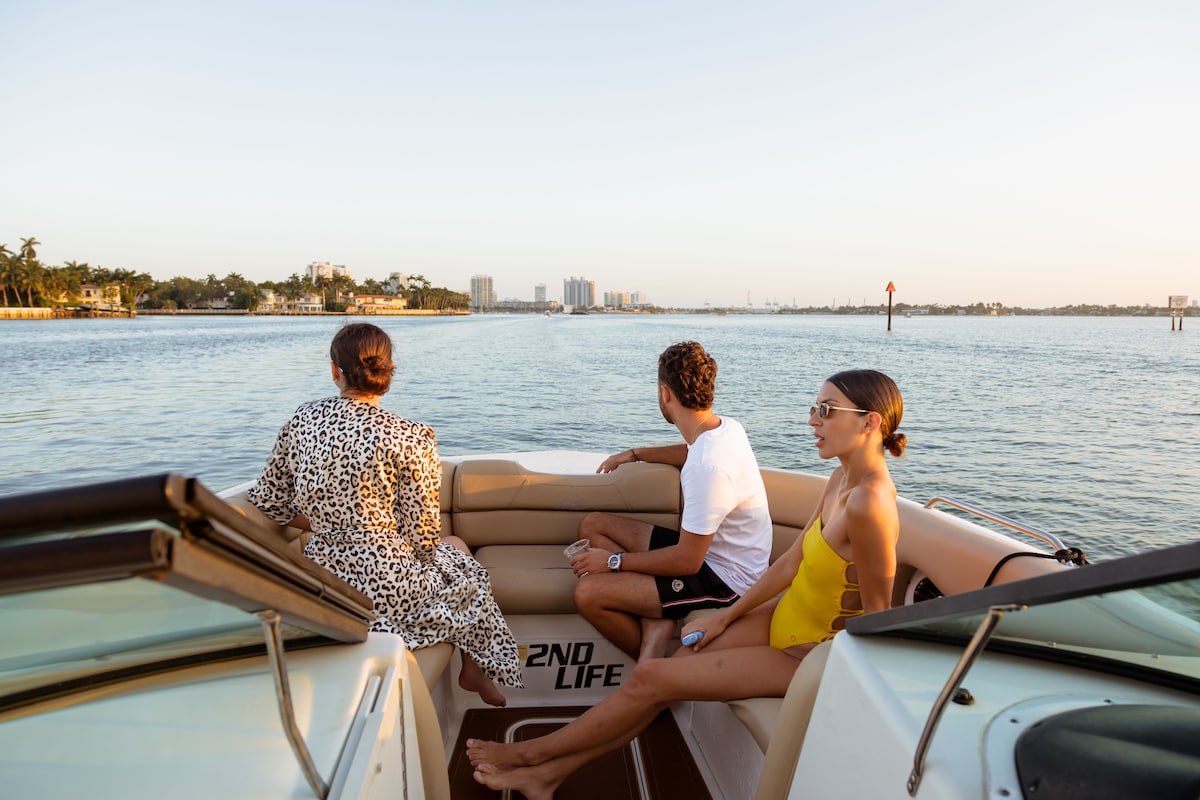
Glimpse the homes of the rich and famous by boat
Tue, Feb 24 • 10:00 AM
Miami Beach, Florida, 33139
View details
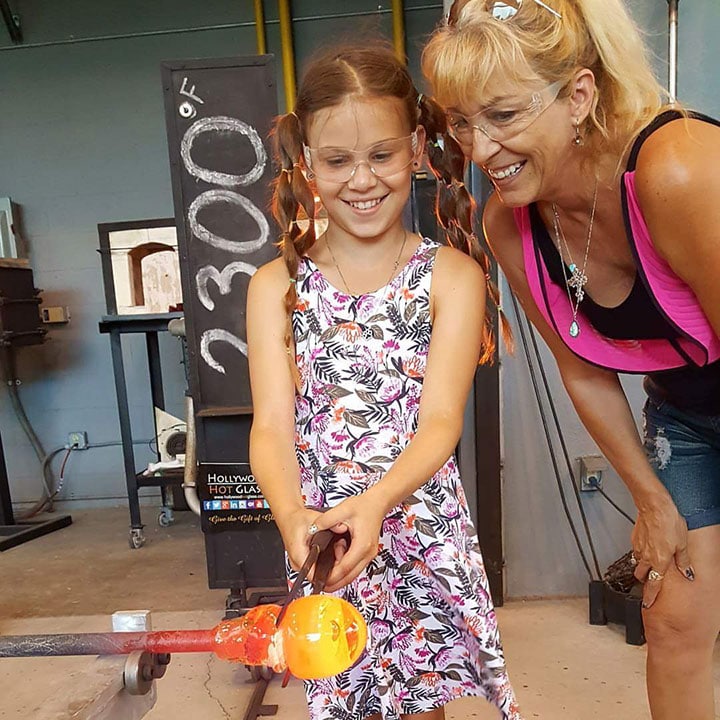
Hands-On Glass Art Experience for Beginners
Wed, Feb 25 • 4:00 PM
Hollywood, Florida, 33020
View details

AHED/NAHE Black History Celebration, 2.26.2026
Thu, Feb 26 • 6:00 PM
12500 Northeast 4th Avenue North Miami, FL 33161
View details
Nearby attractions of The Wolfsonian-Florida International University
Lummus Park
Art Deco Welcome Center
PanIQ Escape Room Miami Beach
World Erotic Art Museum
South Beach Clock Tower
Art Deco District y Ocean Drive
Salsa Mia
Art Deco Museum
Art Deco Museum
Miami Design Preservation League
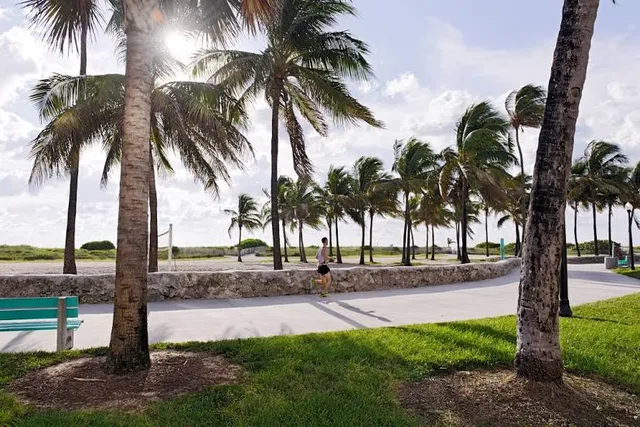
Lummus Park
4.7
(8.9K)
Open until 12:00 AM
Click for details
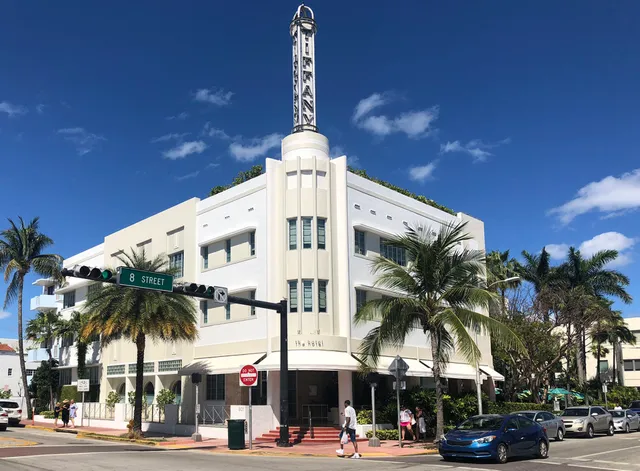
Art Deco Welcome Center
4.6
(2K)
Open until 5:00 PM
Click for details
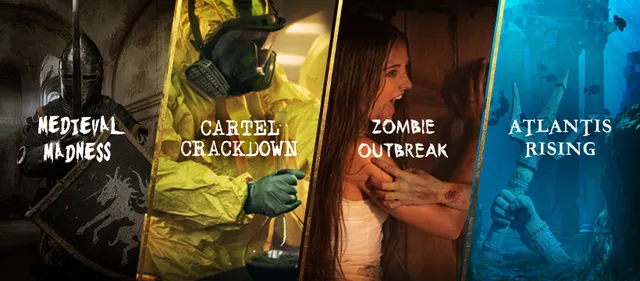
PanIQ Escape Room Miami Beach
5.0
(459)
Open until 10:30 PM
Click for details
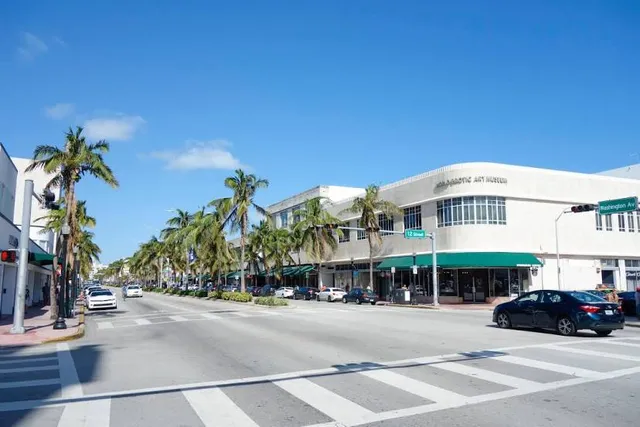
World Erotic Art Museum
4.3
(603)
Closed
Click for details
Nearby restaurants of The Wolfsonian-Florida International University
Havana Vieja | Latin Restaurant Miami Beach
Sola Miami Beach
11th Street Diner
Safron Grill
ll Pastaiolo - Best Italian Restaurant South Beach, Miami Florida
Tokyo Sushi Speakeasy
Azteca South Beach
Bacon Bitch
Mango's - Miami
Shepherd Artisan Coffee
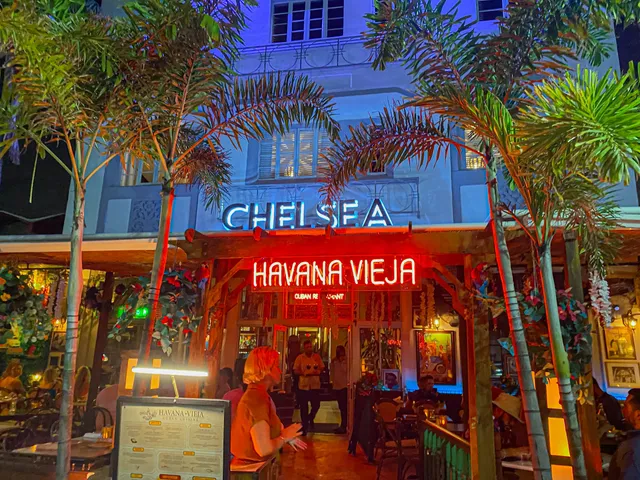
Havana Vieja | Latin Restaurant Miami Beach
4.9
(5.9K)
$$
Open until 11:00 PM
Click for details
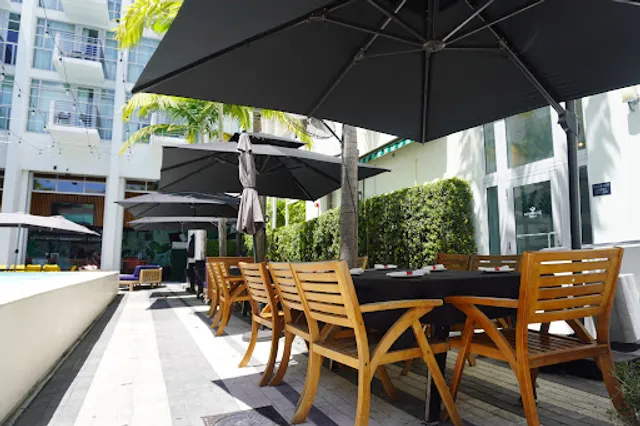
Sola Miami Beach
4.8
(3.4K)
$$
Open until 12:00 AM
Click for details
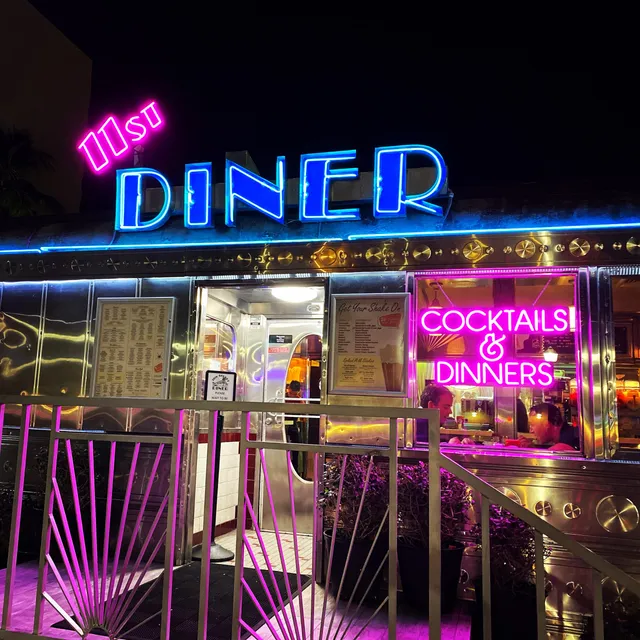
11th Street Diner
4.5
(3.4K)
$$
Open until 11:55 PM
Click for details
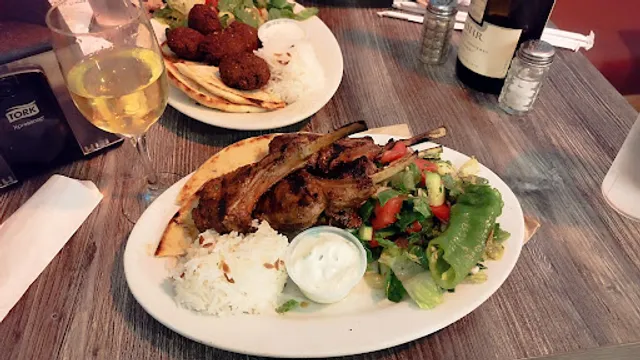
Safron Grill
4.5
(1.3K)
$
Closed
Click for details
Nearby local services of The Wolfsonian-Florida International University
Bike & Roll Miami - Bicycle Rentals and Segway Tours
ICONS MIAMI EYEWEAR
YankeeKicks
XI BARBERSHOP
South Beach Open Bar (The South Beach Social)
Pelican Garage Parking - ParkChirp
Miami Beach Parking Lot
South Gifts’n Luggage — LAB Miami Beach
Miami Beach - South Beach
Flamingo Supermarket
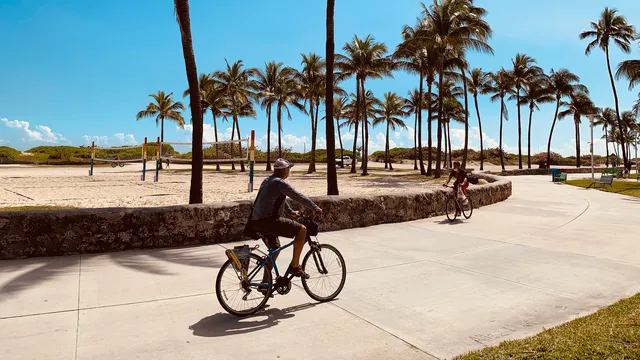
Bike & Roll Miami - Bicycle Rentals and Segway Tours
4.4
(212)
Click for details
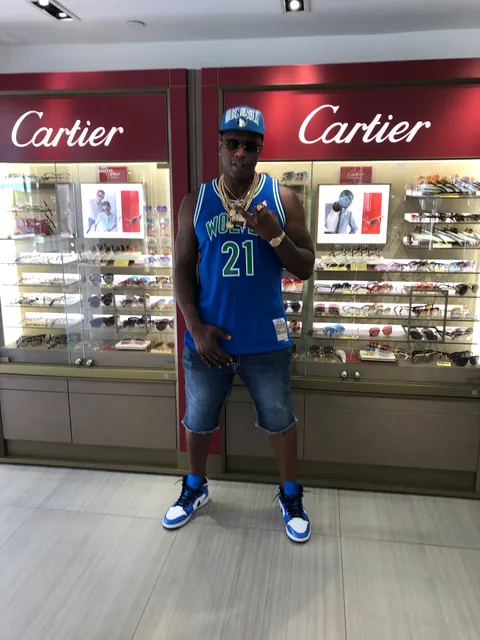
ICONS MIAMI EYEWEAR
5.0
(717)
Click for details
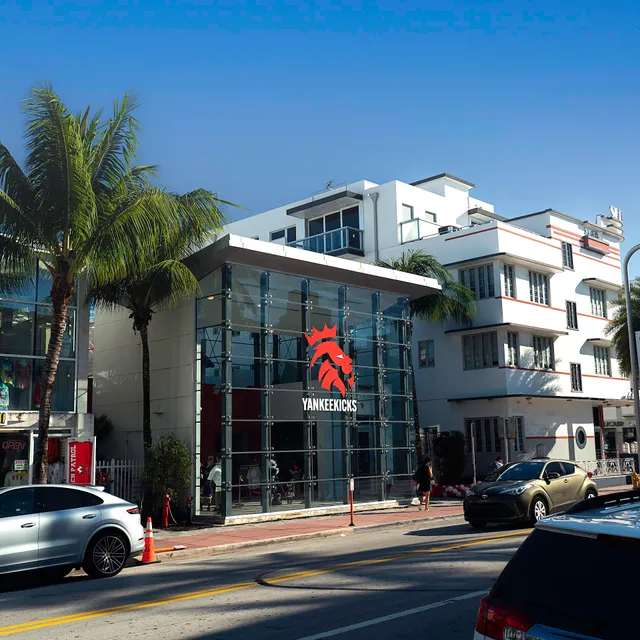
YankeeKicks
4.7
(406)
Click for details
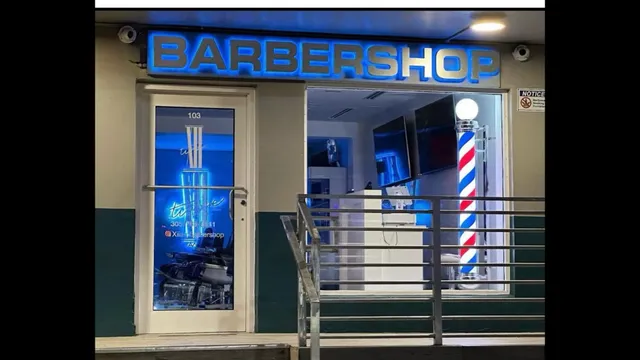
XI BARBERSHOP
4.6
(319)
Click for details