Church of Our Lady before Týn things to do, attractions, restaurants, events info and trip planning
Basic Info
Church of Our Lady before Týn
Staroměstské nám., 110 00 Staré Město, Czechia
4.7(3.3K)
Open until 12:00 AM
Save
spot
spot
Ratings & Description
Info
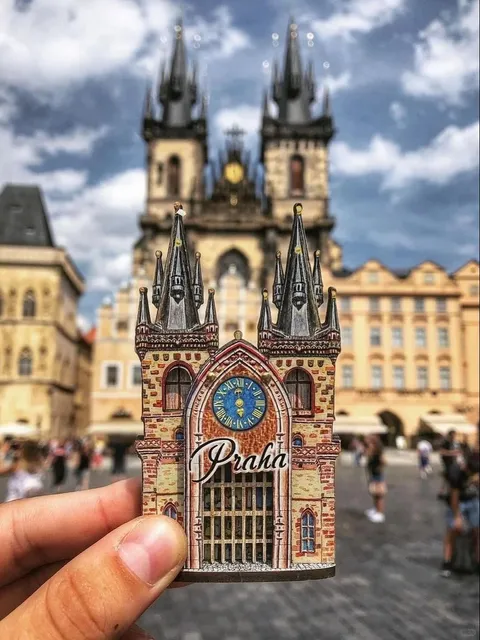
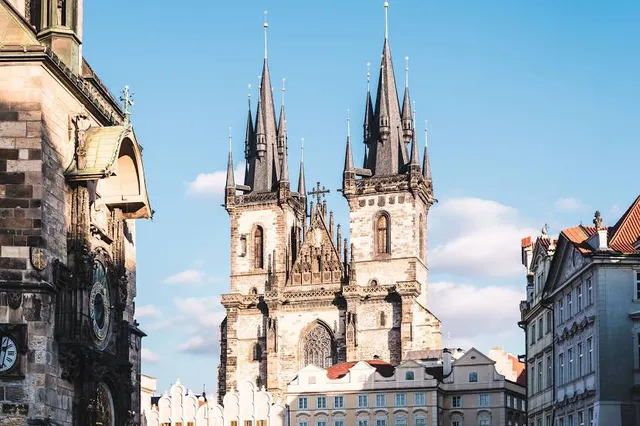
The Church of Mother of God before Týn, often translated as Church of Our Lady before Týn, is a Gothic church and a dominant feature of the Old Town of Prague, Czech Republic. It has been the main church of this part of the city since the 14th century.
Cultural
Accessibility
attractions: Old Town Square, Prague Astronomical Clock, Steel Art Museum, Choco-Story: Prague Chocolate Museum, Central Gallery, Sex Machines Museum, Jan Hus monument, Museum of Torture and torture instruments, Stone Bell House, Prague Museum – House at the Golden Ring, restaurants: Maitrea restaurace, Restaurace Mincovna, Střídačka (The Hockey Bench), Bar Restaurant Orloj, Restaurace Staromáček, Pasta Fresca, Beer Restaurant U Černého Medvěda (At the Black Bear), Staroměstský pivovar U Supa, Waxy Malone's, Ristorante Pizzeria Giovanni, local businesses: Botanicus Ungelt, National Gallery Prague – Kinsky Palace, Good Food Coffee & Bakery, Bernard Beer Spa in Prague, V! VA Praha, Louis Vuitton, Illusion Art Museum Prague, MANUFAKTURA, Cartier, Palladium Prague
 Learn more insights from Wanderboat AI.
Phone
+420 222 318 186
Website
tyn.cz
Open hoursSee all hours
TueClosedOpen
Plan your stay

Pet-friendly Hotels in Prague
Find a cozy hotel nearby and make it a full experience.

Affordable Hotels in Prague
Find a cozy hotel nearby and make it a full experience.

The Coolest Hotels You Haven't Heard Of (Yet)
Find a cozy hotel nearby and make it a full experience.

Trending Stays Worth the Hype in Prague
Find a cozy hotel nearby and make it a full experience.
Reviews
Live events
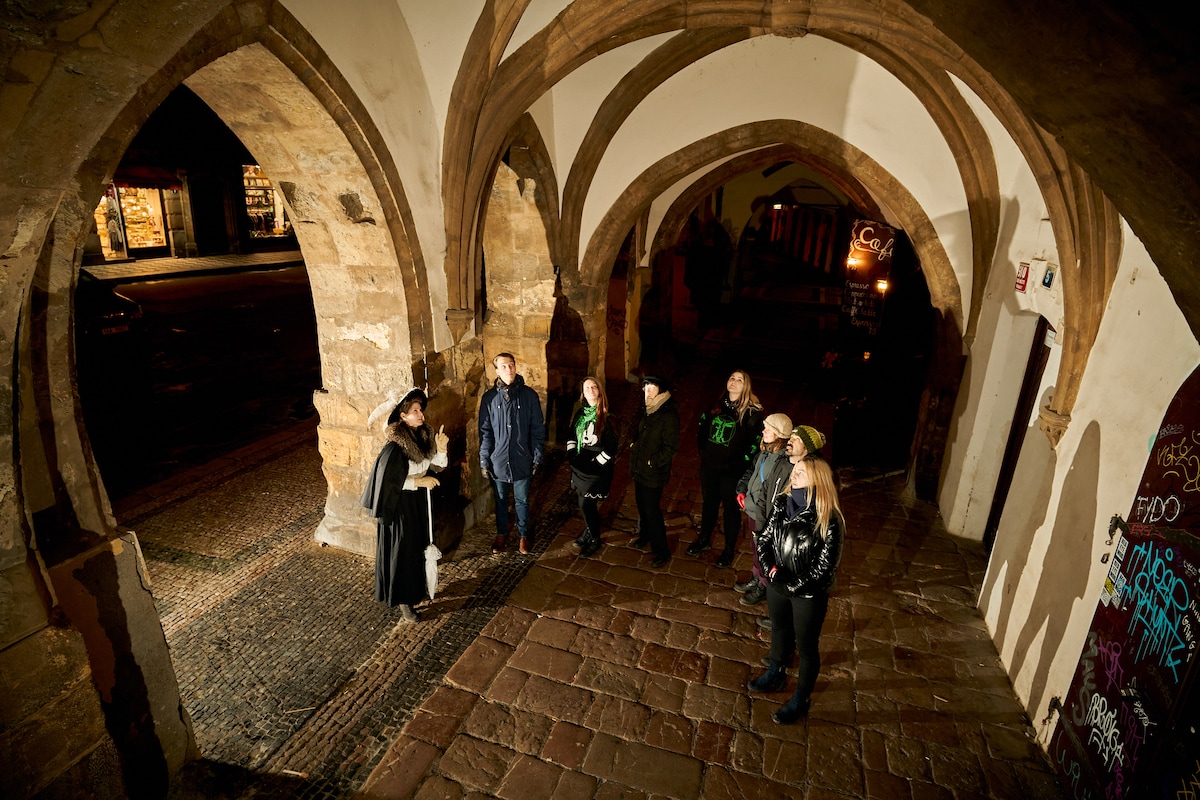
Telltale Ghost Tour
Wed, Jan 28 • 7:00 PM
110 00, Prague 1, Czechia
View details

Grand City Tour on a scooter
Wed, Jan 28 • 10:00 AM
118 00, Prague 1, Czechia
View details
Nearby attractions of Church of Our Lady before Týn
Old Town Square
Prague Astronomical Clock
Steel Art Museum
Choco-Story: Prague Chocolate Museum
Central Gallery
Sex Machines Museum
Jan Hus monument
Museum of Torture and torture instruments
Stone Bell House
Prague Museum – House at the Golden Ring
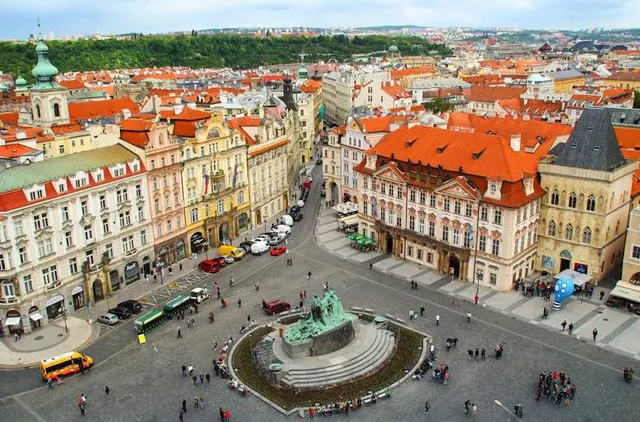
Old Town Square
4.8
(40.1K)
Open 24 hours
Click for details
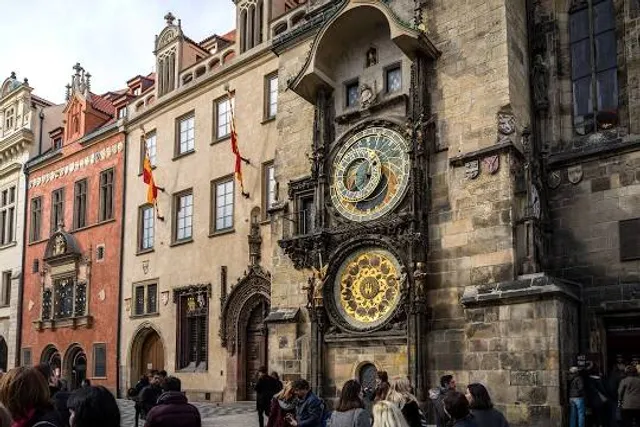
Prague Astronomical Clock
4.7
(29.4K)
Closed
Click for details

Steel Art Museum
4.8
(2.8K)
Closed
Click for details
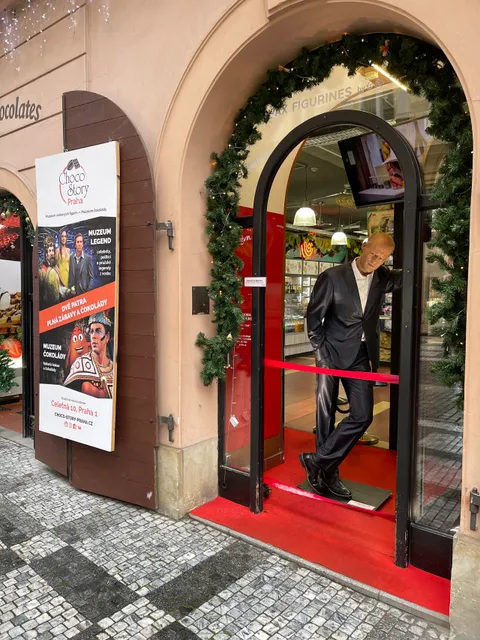
Choco-Story: Prague Chocolate Museum
4.6
(965)
Closed
Click for details
Nearby restaurants of Church of Our Lady before Týn
Maitrea restaurace
Restaurace Mincovna
Střídačka (The Hockey Bench)
Bar Restaurant Orloj
Restaurace Staromáček
Pasta Fresca
Beer Restaurant U Černého Medvěda (At the Black Bear)
Staroměstský pivovar U Supa
Waxy Malone's
Ristorante Pizzeria Giovanni
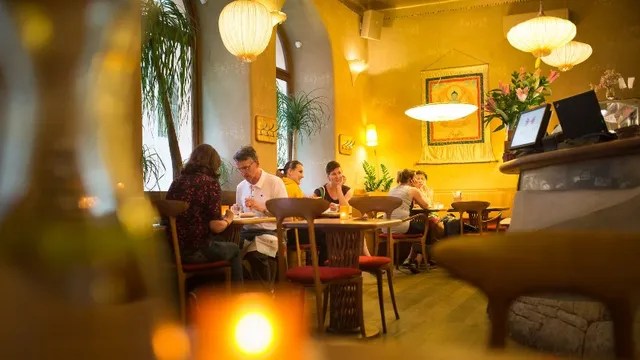
Maitrea restaurace
4.6
(2.4K)
$$
Closed
Click for details
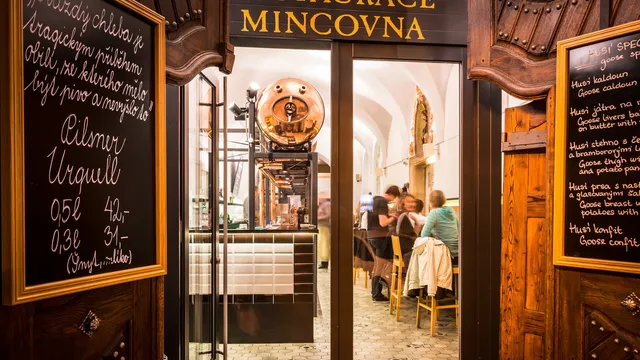
Restaurace Mincovna
4.5
(3K)
$$
Open until 11:00 PM
Click for details
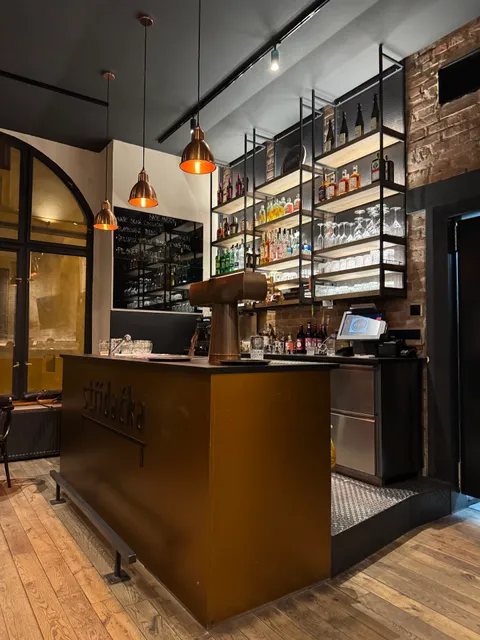
Střídačka (The Hockey Bench)
4.5
(675)
$$
Open until 12:00 AM
Click for details
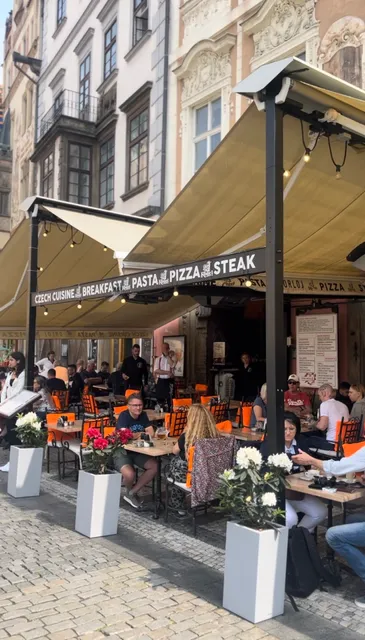
Bar Restaurant Orloj
4.1
(1.3K)
Open until 12:00 AM
Click for details
Nearby local services of Church of Our Lady before Týn
Botanicus Ungelt
National Gallery Prague – Kinsky Palace
Good Food Coffee & Bakery
Bernard Beer Spa in Prague
V! VA Praha
Louis Vuitton
Illusion Art Museum Prague
MANUFAKTURA
Cartier
Palladium Prague
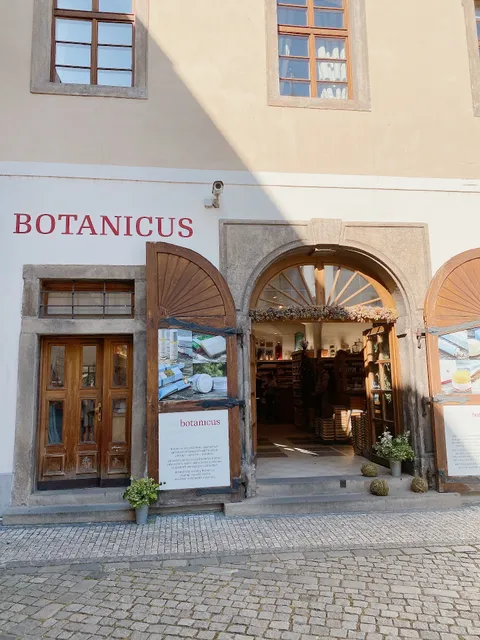
Botanicus Ungelt
4.2
(875)
Click for details

National Gallery Prague – Kinsky Palace
4.3
(686)
Click for details

Good Food Coffee & Bakery
4.3
(1.8K)
Click for details

Bernard Beer Spa in Prague
4.8
(169)
Click for details