Jan Hus monument things to do, attractions, restaurants, events info and trip planning
Basic Info
Jan Hus monument
Staroměstské nám., 110 00 Staré Město, Czechia
4.6(813)
Open until 12:00 AM
Save
spot
spot
Ratings & Description
Info
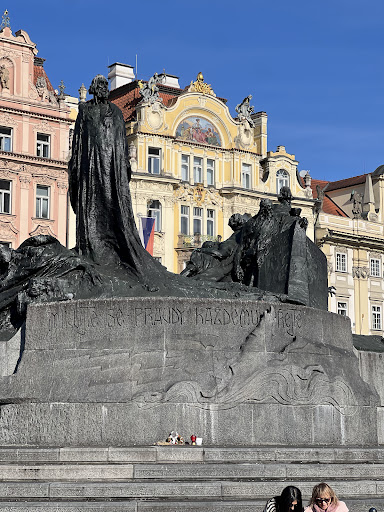
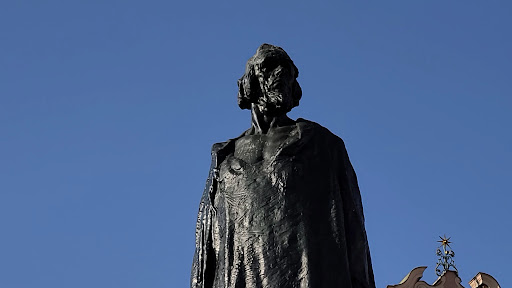
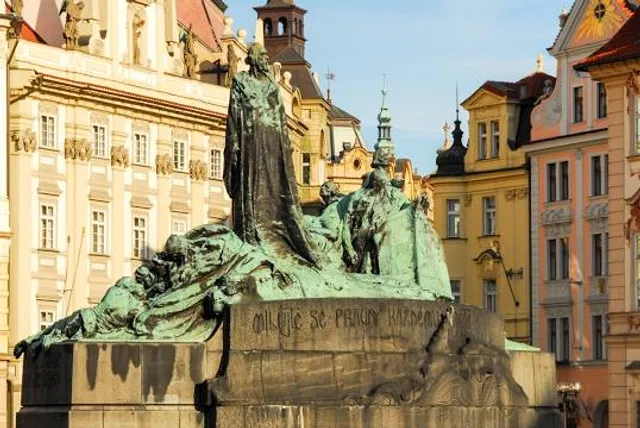
The Jan Hus Memorial stands at one end of Old Town Square, Prague in the Czech Republic. The huge monument depicts victorious Hussite warriors and Protestants who were forced into exile 200 years after ...
Cultural
Scenic
attractions: Old Town Square, Prague Astronomical Clock, Church of Our Lady before Týn, St. Nicholas Church, Sex Machines Museum, Staroměstská radnice, Central Gallery, Prague Meridian, Choco-Story: Prague Chocolate Museum, Spanish Synagogue, restaurants: Restaurace Mincovna, Brasileiro U Zelené žáby, Bar Restaurant Orloj, Terasa U Prince, Ristorante Pizzeria Giovanni, Waxy Malone's, Restaurace Staromáček, Restaurace Mlejnice, Krčma, James Dean Prague, local businesses: Good Food Coffee & Bakery, National Gallery Prague – Kinsky Palace, Louis Vuitton, Cartier, Botanicus Ungelt, Maisel Synagogue, DIOR Praha, Illusion Art Museum Prague, Gucci - Prague Parizska, The Old Town Square & Parizska Apartments
 Learn more insights from Wanderboat AI.
Website
prague.eu
Open hoursSee all hours
ThuOpen 24 hoursOpen
Plan your stay

Pet-friendly Hotels in Prague
Find a cozy hotel nearby and make it a full experience.

Affordable Hotels in Prague
Find a cozy hotel nearby and make it a full experience.

The Coolest Hotels You Haven't Heard Of (Yet)
Find a cozy hotel nearby and make it a full experience.

Trending Stays Worth the Hype in Prague
Find a cozy hotel nearby and make it a full experience.
Reviews
Live events
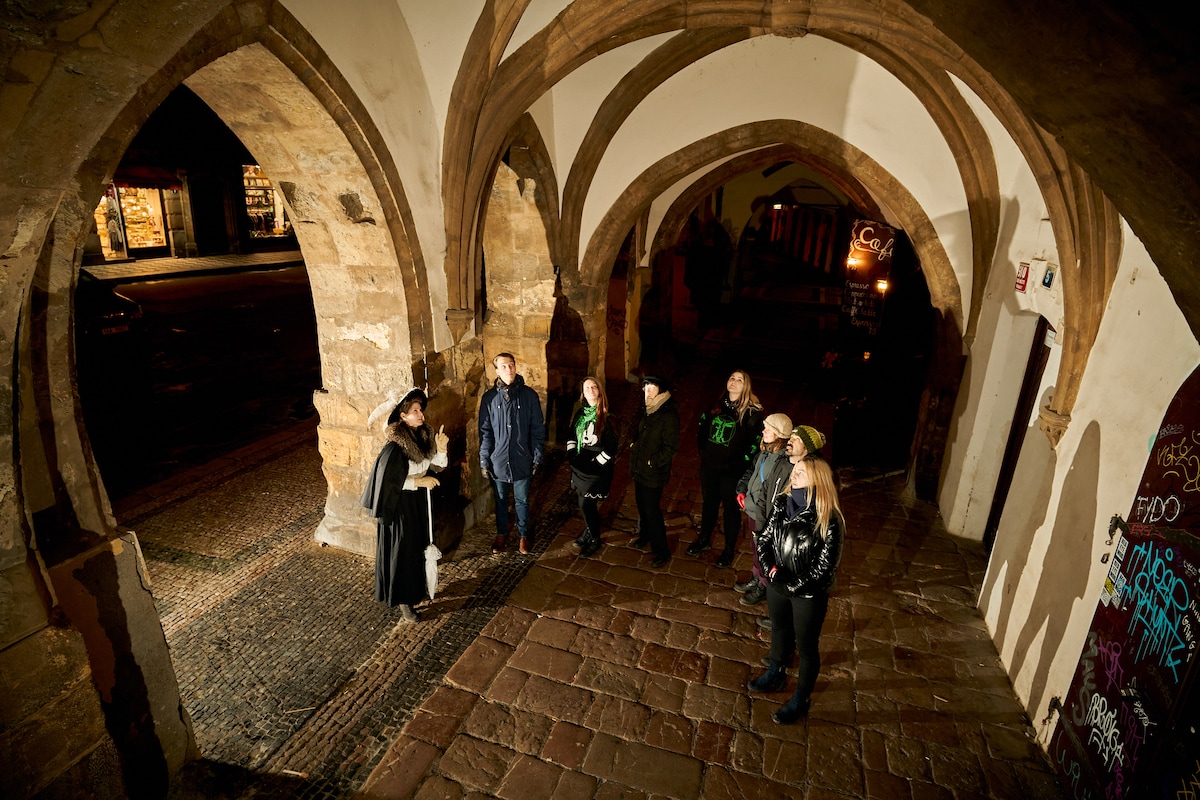
Telltale Ghost Tour
Thu, Feb 26 • 7:00 PM
110 00, Prague 1, Czechia
View details

Paint Your Own Enamel Mug in Prague
Thu, Feb 26 • 12:45 PM
118 00, Prague 1, Czechia
View details
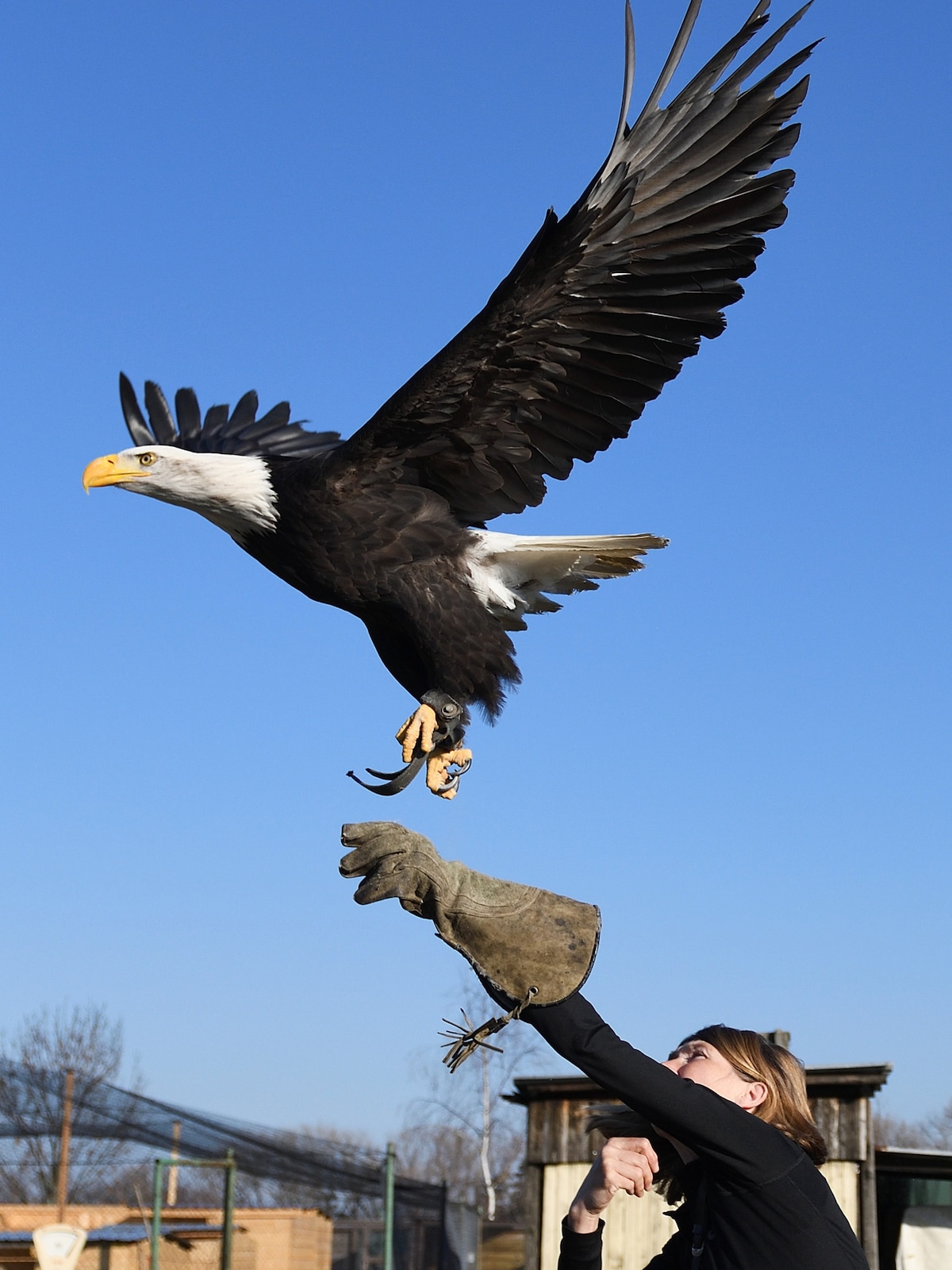
Learn All About Falconry and Birds of Prey
Fri, Feb 27 • 2:00 PM
150 00, Prague 5, Czechia
View details
Nearby attractions of Jan Hus monument
Old Town Square
Prague Astronomical Clock
Church of Our Lady before Týn
St. Nicholas Church
Sex Machines Museum
Staroměstská radnice
Central Gallery
Prague Meridian
Choco-Story: Prague Chocolate Museum
Spanish Synagogue
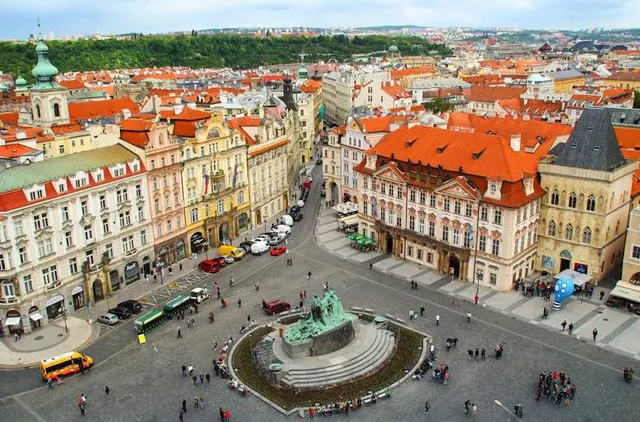
Old Town Square
4.8
(38.2K)
Open 24 hours
Click for details
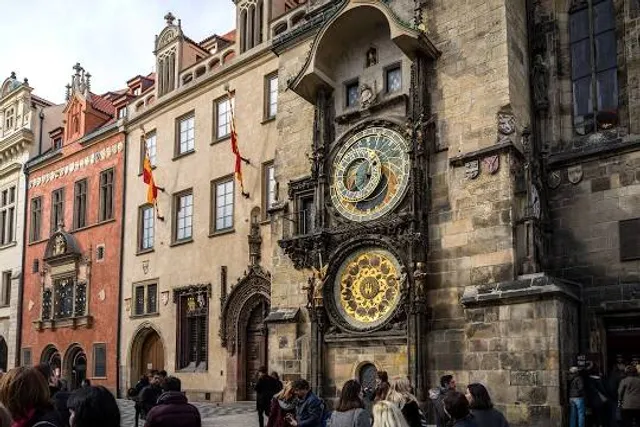
Prague Astronomical Clock
4.7
(31.5K)
Closed
Click for details
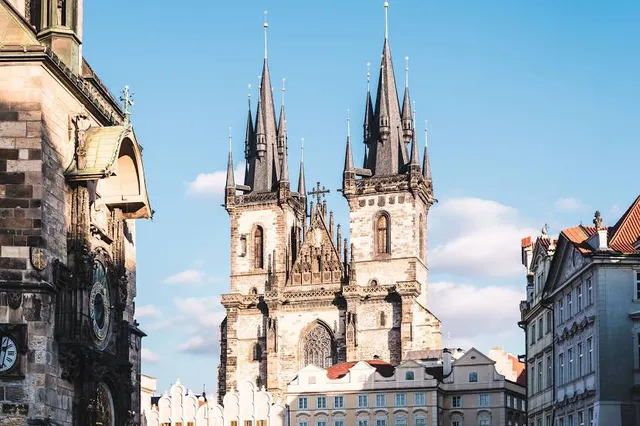
Church of Our Lady before Týn
4.7
(3.3K)
Closed
Click for details
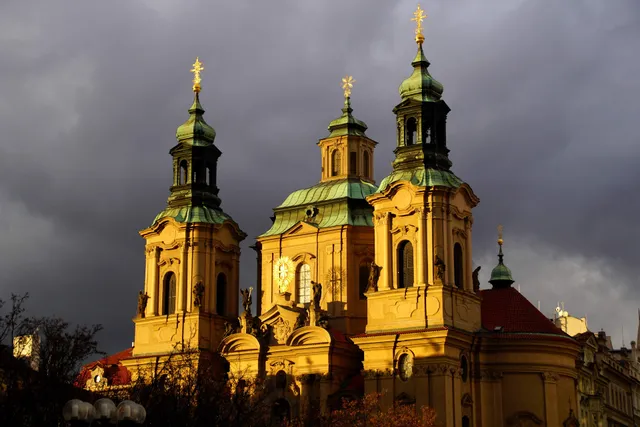
St. Nicholas Church
4.6
(2K)
Closed
Click for details
Nearby restaurants of Jan Hus monument
Restaurace Mincovna
Brasileiro U Zelené žáby
Bar Restaurant Orloj
Terasa U Prince
Ristorante Pizzeria Giovanni
Waxy Malone's
Restaurace Staromáček
Restaurace Mlejnice
Krčma
James Dean Prague
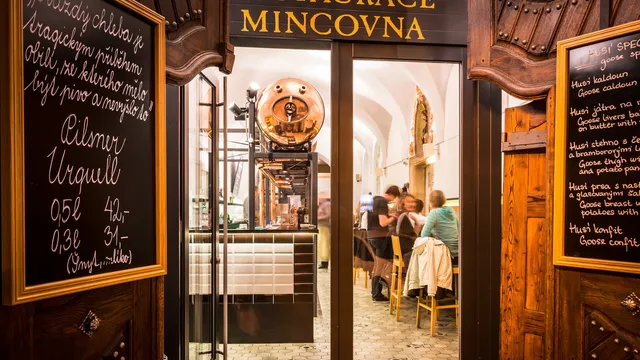
Restaurace Mincovna
4.5
(2.9K)
$$
Closed
Click for details
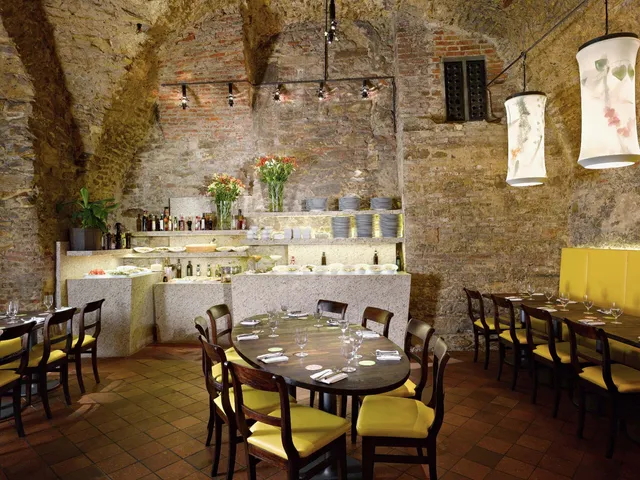
Brasileiro U Zelené žáby
4.7
(3K)
Closed
Click for details
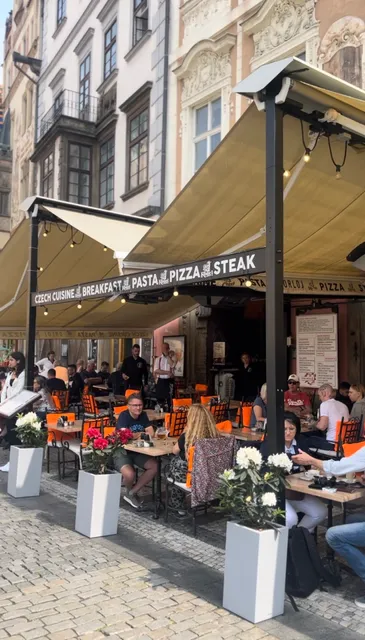
Bar Restaurant Orloj
4.1
(1.3K)
Closed
Click for details
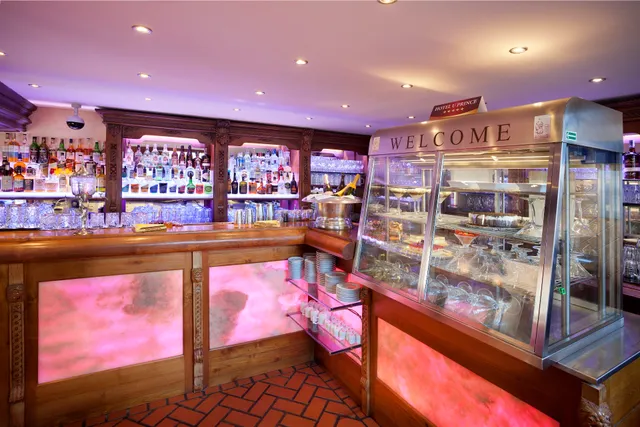
Terasa U Prince
4.0
(3.8K)
$$$
Closed
Click for details
Nearby local services of Jan Hus monument
Good Food Coffee & Bakery
National Gallery Prague – Kinsky Palace
Louis Vuitton
Cartier
Botanicus Ungelt
Maisel Synagogue
DIOR Praha
Illusion Art Museum Prague
Gucci - Prague Parizska
The Old Town Square & Parizska Apartments
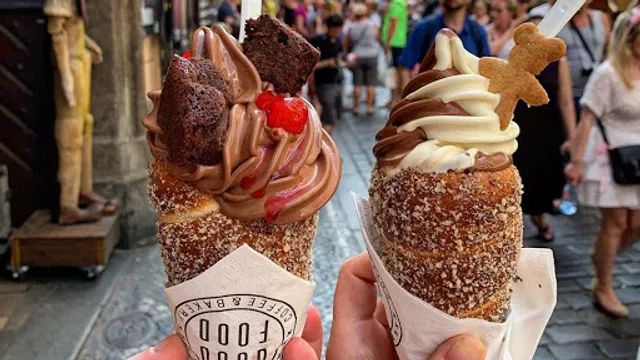
Good Food Coffee & Bakery
4.3
(1.8K)
Click for details

National Gallery Prague – Kinsky Palace
4.3
(703)
Click for details
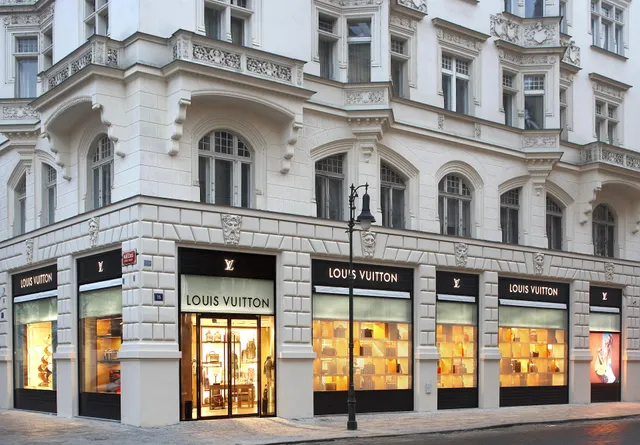
Louis Vuitton
4.0
(651)
Click for details
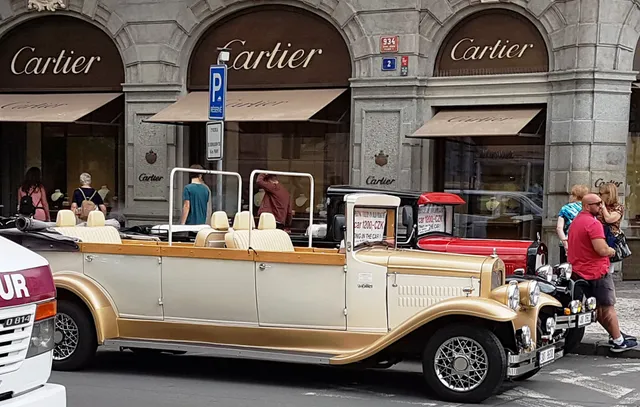
Cartier
3.8
(215)
Click for details