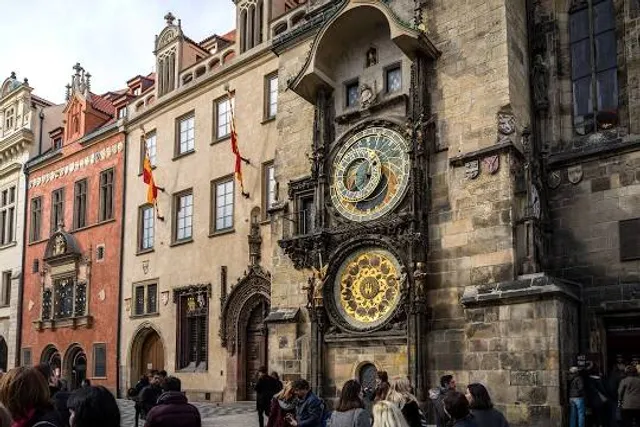
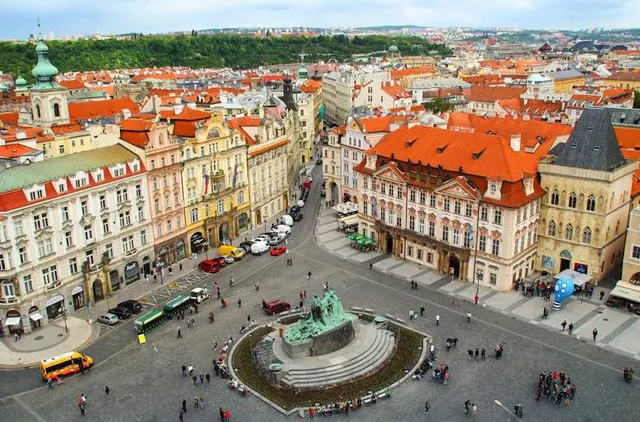
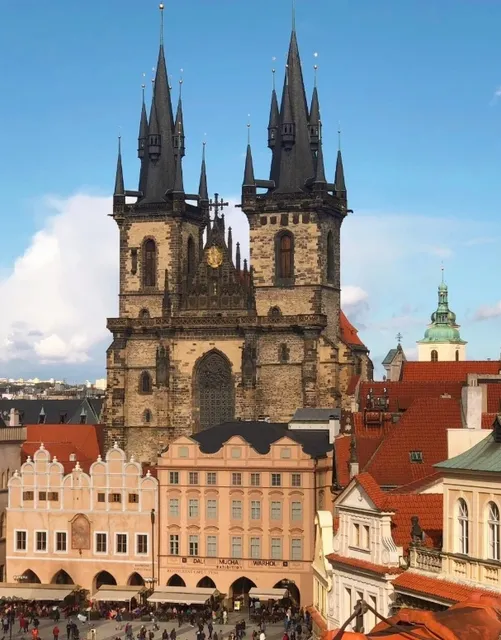
The Prague Astronomical Clock, also known as the Prague Orloj, is one of the oldest and most famous astronomical clocks in the world. It is located on the southern wall of the Old Town Hall in the heart of Prague’s Old Town Square. Built in 1410, it is an extraordinary piece of medieval engineering, combining art, astronomy, and mechanics.
Key Features of the Prague Astronomical Clock:
Historical Significance: The clock was first installed in 1410 by clockmaker Mikuláš of Kadaň and mathematician Jan Šindel. Over the centuries, it has undergone several restorations but remains one of the few medieval astronomical clocks still in operation. Astronomical Dial: The clock’s primary function is to show the position of the sun, moon, and other astronomical details. The astronomical dial features a representation of the Earth at the center, with concentric rings that display: • The positions of the sun and moon relative to the zodiac. • Day and night cycles. • Central European, Babylonian, and Old Bohemian time. This dial offers a visual representation of the medieval understanding of the universe. The “Walk of the Apostles”: Every hour, on the hour, the clock puts on a famous show where the figures of the Twelve Apostles appear in the two windows above the astronomical dial. Other moving figures include: • The Skeleton (Death): Holding an hourglass, it rings a bell to remind onlookers of the passage of time and the inevitability of death. • Vanity: A figure holding a mirror, symbolizing the human preoccupation with appearance. • Greed: A miser holding a bag of gold, representing materialism. • Lust: A figure representing indulgence. Calendar Dial: Below the astronomical dial is a large calendar wheel, added in 1490, which displays the months of the year with zodiac signs and medallions representing the different activities of each month. It also shows the feast days of saints. Gothic Architecture: The clock is an architectural masterpiece, with intricate Gothic detailing and vibrant decorations, including golden accents and colorful paintings. Legend and Superstition: There are many legends surrounding the clock. One famous story claims that the original clockmaker was blinded after completing the clock to prevent him from replicating his work elsewhere. Another legend suggests that the city will face disaster if the clock ever stops working.
Restoration and Preservation:
The Prague Astronomical Clock has undergone various repairs and restorations over the centuries, including significant damage during World War II. It was fully restored to its former glory in 2018, ensuring its continued operation for future generations.
Visitor Experience:
Thousands of tourists gather at Old Town Square every day to witness the hourly procession of the Apostles, making it one of Prague’s most visited attractions. The clock is a symbol of the city’s rich history, blending art, science, and medieval craftsmanship.
The Prague Astronomical Clock remains a testament to the ingenuity and creativity of its makers, and it continues to inspire awe with its intricate design and...
Read moreInstalled in 1410, the Prague Astronomical Clock is the third-oldest such clock in the world and the oldest still operating. It was created by Mikuláš of Kadaň, a clockmaker, and Jan Šindel, a professor of astronomy and mathematics at Charles University .
In the late 15th century, the ornate calendar dial and Gothic sculptures were added. The famed wooden Apostles figures and clock façade details emerged during later major renovations .
🎭 Hourly Spectacle: The Apostle Parade
Every hour from around 9 AM to 11 PM, the clock comes alive:
Two upstairs windows slide open, and the 12 Apostles emerge in procession.
Simultaneously, four allegorical figures—Death (a skeleton), Vanity, Greed, and a Turk symbolizing lust—animate alongside a crowing rooster to cap the show .
🌌 How to Read the Orloj
The upper dial is an astrolabe-style clock, showing the Sun and Moon’s positions, zodiac signs, and different historical time systems: Babylonian, Old Bohemian, Central European ("German"), and sidereal time .
The lower calendar dial, painted by Josef Mánes in 1865, displays the months through illustrations and zodiac symbols. It’s framed by four static allegorical figures: Philosopher, Astronomer, Chronicler, and Archangel Michael .
🔧 Restoration & Legend
The clock was heavily damaged during May 1945 in the Prague Uprising. Restoration efforts culminated in 1948, including the replacement of many wooden figures and the calendar dial.
A major renovation in 2018 replaced later mechanisms with original parts, but the restoration sparked debate over inaccuracies in artistic details .
Local legend tells that Master Hanuš (Jan Růže) was blinded by city councilors to prevent him from building another clock. In revenge, he supposedly cursed the clock and disabled it—leading to stories that the city suffers should the clock ever stop .
🧳 Visitor Info
Location: Southern side of Old Town Hall Tower, Old Town Square, Prague .
Viewing the show: Hourly from 9 AM to 11 PM. Arrive 10 minutes early for the best vantage point.
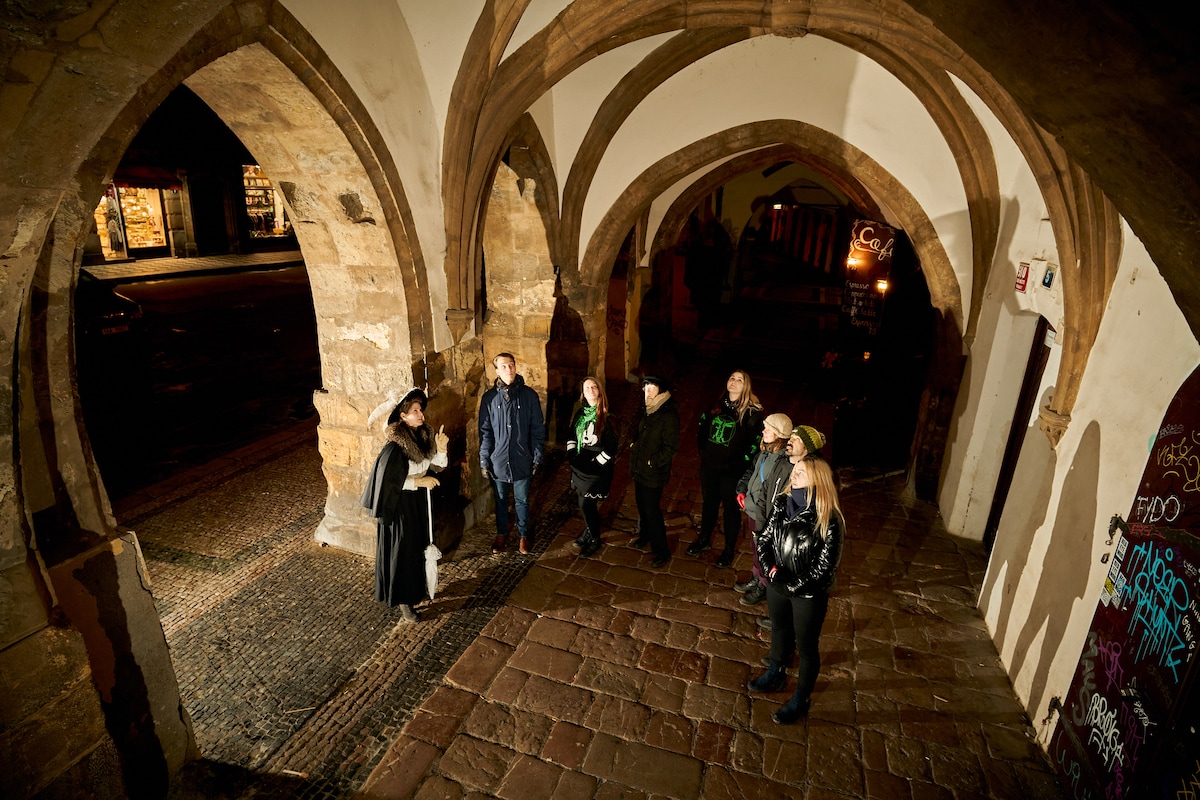
Tower & Interiors: You can climb (or take an elevator) to the top of the Old Town Hall Tower for panoramic views and a tour of historic chambers and the underground with ticket access (approx. 350 CZK for adults, with reduced-price options available) .
🎖️ Why It’s a Must-See
Reason Detail
Engineering marvel It’s a working medieval device that does more than tell time Art and symbolism Combines Gothic artistry with allegorical meanings Hourly living history The moving statues and clockwork drama delight any viewer Panoramic views The top of the tower offers sweeping city vistas
✅ Practical Tips
Visit early morning (around 8 AM) to avoid crowds and get a clear view of the mechanism in quieter conditions .
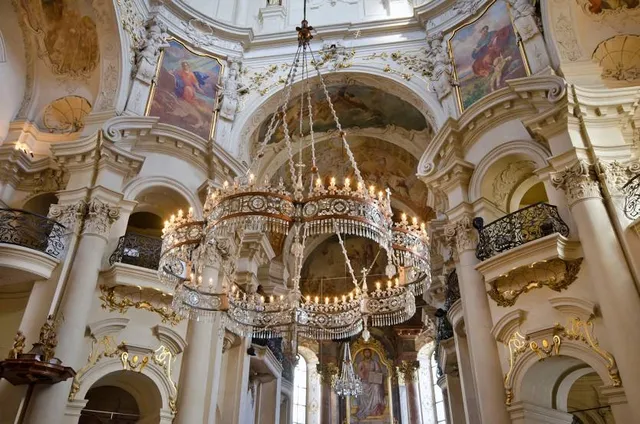
Combine your visit with nearby historic sites like Týn Church, St. Nicholas Church, and the Jewish Quarter.
If you’re curious, guided tours of the interiors also include demonstrations and...
Read moreVery beautiful tower watch. A must see in Prague.
The Prague Astronomical Clock, also known as the Prague Orloj, is a remarkable medieval astronomical clock located in the heart of Prague, Czech Republic. This intricate timepiece is situated on the southern wall of the Old Town City Hall in the Old Town Square. Here's a detailed description of the Prague Astronomical Clock:
Main Structure: The clock consists of several components, including the astronomical dial, the zodiacal ring, the mechanical clockwork, and the "Walk of the Apostles" figurines.
Astronomical Dial: The clock's face is a stunning representation of the universe. It features a large outer ring with Roman numerals representing Old Czech Time (also known as Italian hours) and an inner ring with Arabic numerals indicating Central European Time. The dial is adorned with intricate details, including golden stars and symbols.
Zodiacal Ring: Encircling the astronomical dial is the zodiacal ring, showcasing the twelve zodiac signs. The position of the Sun in the zodiac is depicted, allowing observers to determine the current astrological sign.
Mechanical Clockwork: The clock's movement is driven by an elaborate mechanical system. The clockwork includes gears, shafts, and other mechanisms that enable the clock to display the time, date, astronomical information, and perform hourly displays.
"Walk of the Apostles": At the top of the hour, a captivating show takes place as the "Walk of the Apostles" begins. Twelve wooden figurines representing the Apostles appear from small windows above the clock dial. The figurines move in procession, while Death, depicted as a skeleton, rings a bell. The Twelve Apostles' Parade is one of the most iconic features of the clock.
Calendar Dial: Below the main dial, a calendar is displayed. It features medallions representing the months, with each medallion depicting various activities associated with that month.
Inscription and Decorations: The clock's frame and surrounding area are beautifully adorned with decorative elements, including statues and motifs that reflect the medieval beliefs and culture.
Historical Significance: The Prague Astronomical Clock dates back to the 15th century and is one of the oldest astronomical clocks still in operation. It holds immense cultural and historical significance for Prague and is a symbol of the city's rich heritage.
Tourist Attraction: The clock is a major tourist attraction, drawing visitors from around the world who gather in front of the Old Town City Hall to witness the hourly show and admire the clock's intricate design.
It's important to note that the information provided is based on my knowledge up until September 2021. For the most accurate and up-to-date details about the Prague Astronomical Clock, I recommend consulting current sources or visiting the...
Read more