National Gallery Prague - Convent of St. Agnes things to do, attractions, restaurants, events info and trip planning
Basic Info
National Gallery Prague - Convent of St. Agnes
U Milosrdných 17, 110 00 Staré Město, Czechia
4.6(493)
Closed


tickets
Save
spot
spot
Ratings & Description
Info
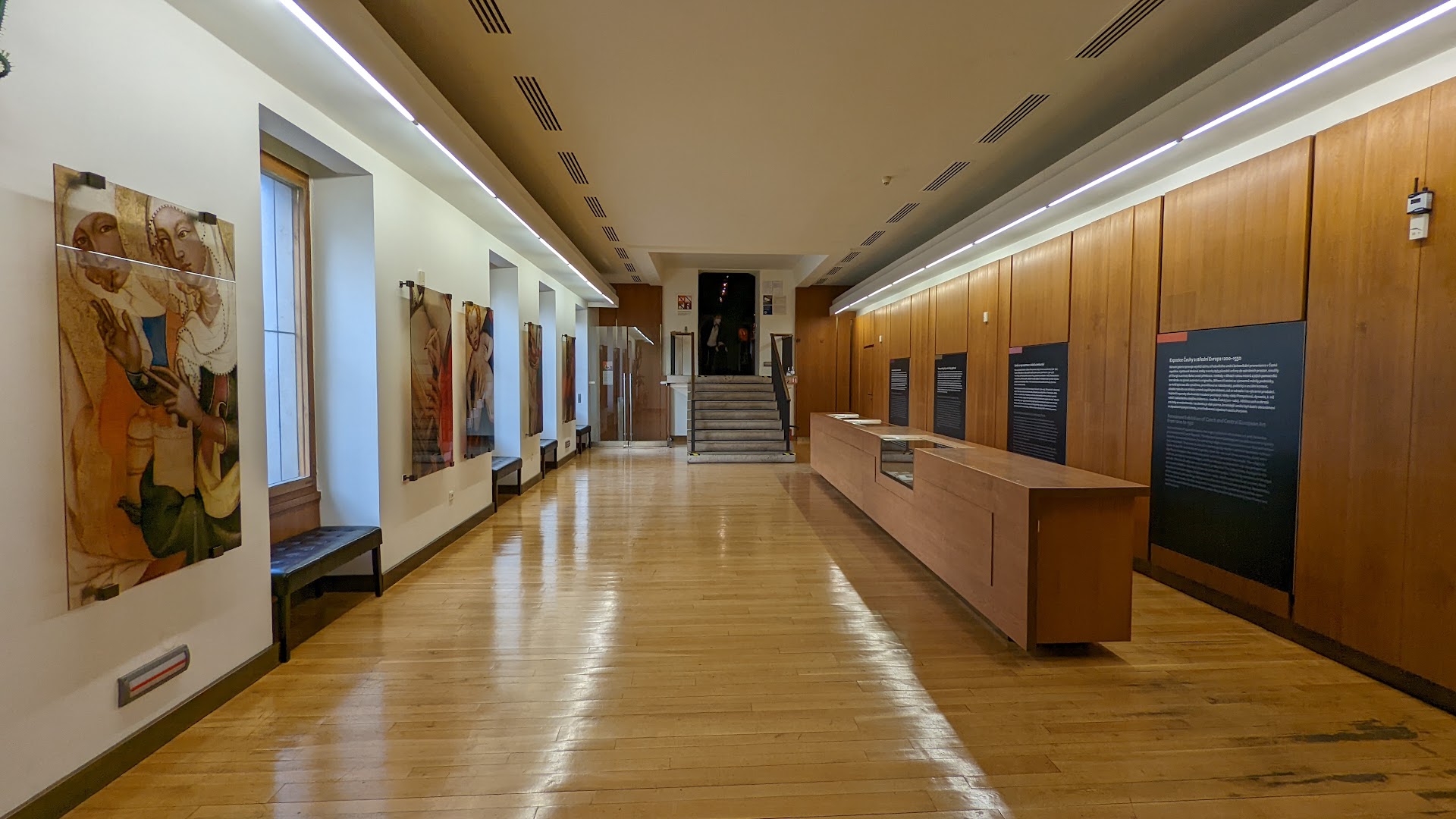
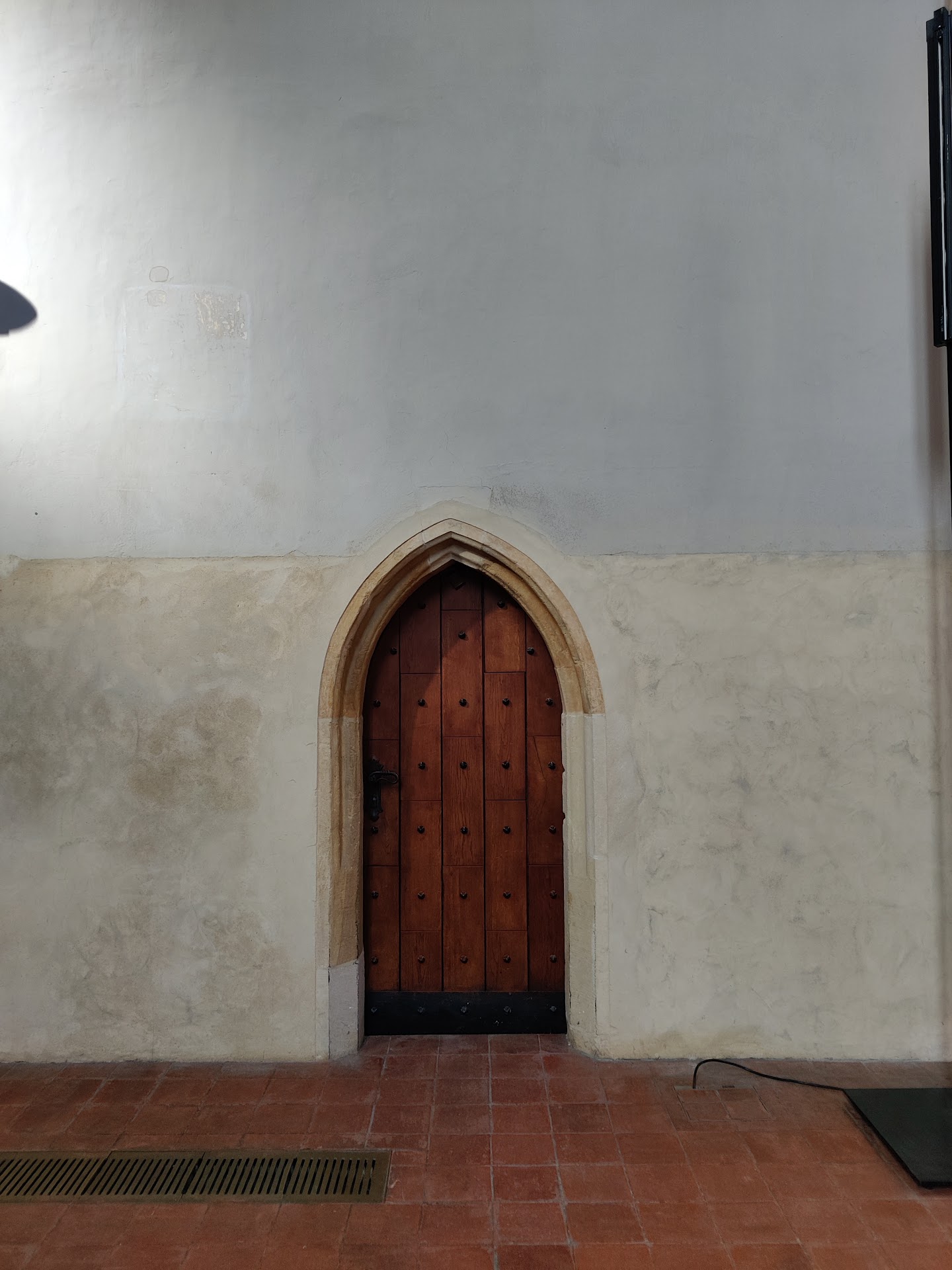
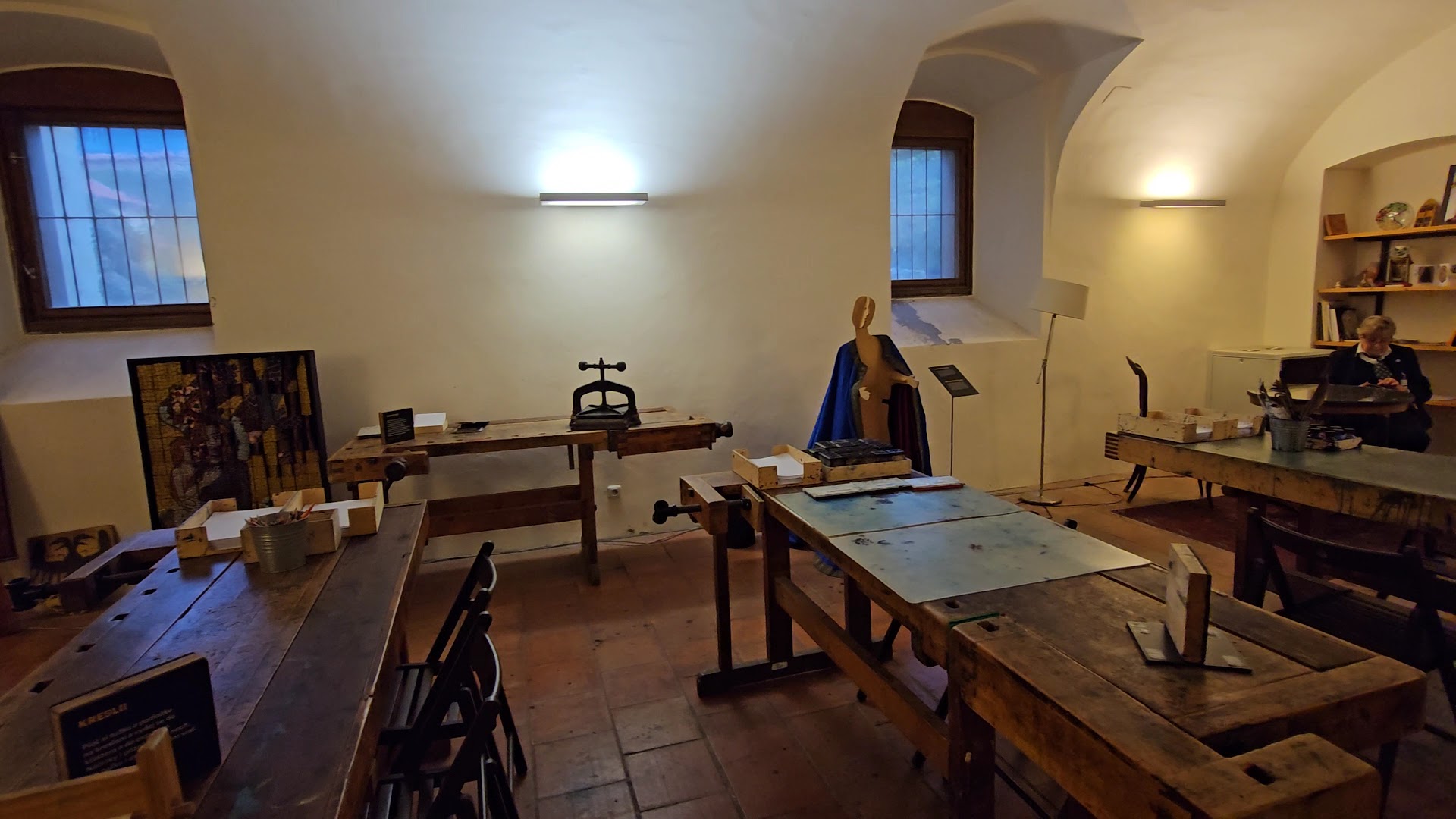
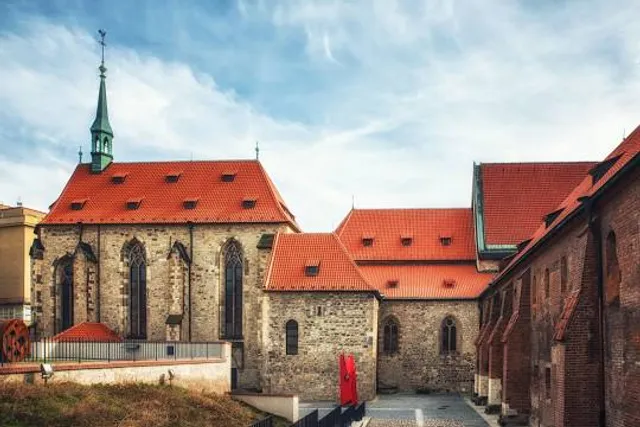
The convent of Saint Agnes is situated on the right bank of Vltava, in Prague Old Town area called „Na Františku“. The monastery of Poor Clares of the Order of Saint Clare and Franciscans was founded in 1231 by Agnes of Bohemia, who also became the abbess of the convent.
Cultural
Family friendly
Accessibility
attractions: Speculum Alchemiae, Spanish Synagogue, Old Town Square, Chabad of Prague - מרכז חב״ד פראג, Statue of Franz Kafka, Prague Jewish Quarter, Prague Astronomical Clock, Prašná brána, The Old-New Synagogue, Church of Our Lady before Týn, restaurants: Lokál Dlouhááá, The James Joyce, Field Restaurant, Vinárna U sv. Anežky, La Degustation, FOOD LAB, La Casa Blů, Orange Bar Prague, MOON Chinese Restaurant, Moon Club, local businesses: River Boats Prague, SPA BEERLAND - The First Tank Beer Spa Prague, Classic River, Palladium Prague, Prague Food Tour, La Casa del Habano, Dlouhá 729/37, Masna Kozí, Ingredients, Old Town Square Apartments
 Learn more insights from Wanderboat AI.
Phone
+420 778 725 086
Website
ngprague.cz
Open hoursSee all hours
ThuClosed
Plan your stay

Pet-friendly Hotels in Prague
Find a cozy hotel nearby and make it a full experience.

Affordable Hotels in Prague
Find a cozy hotel nearby and make it a full experience.

The Coolest Hotels You Haven't Heard Of (Yet)
Find a cozy hotel nearby and make it a full experience.

Trending Stays Worth the Hype in Prague
Find a cozy hotel nearby and make it a full experience.
Reviews
Live events
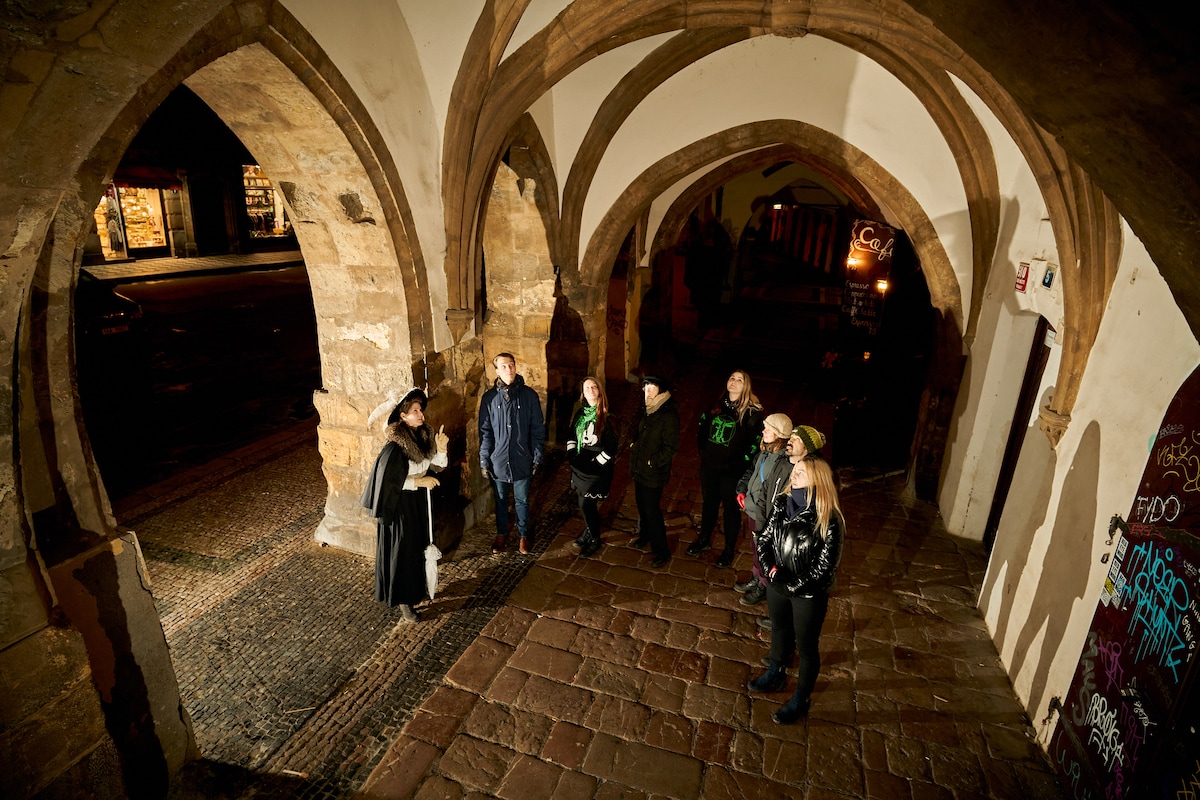
Telltale Ghost Tour
Fri, Feb 13 • 7:00 PM
110 00, Prague 1, Czechia
View details

Paint Your Own Enamel Mug in Prague
Fri, Feb 13 • 12:45 PM
118 00, Prague 1, Czechia
View details
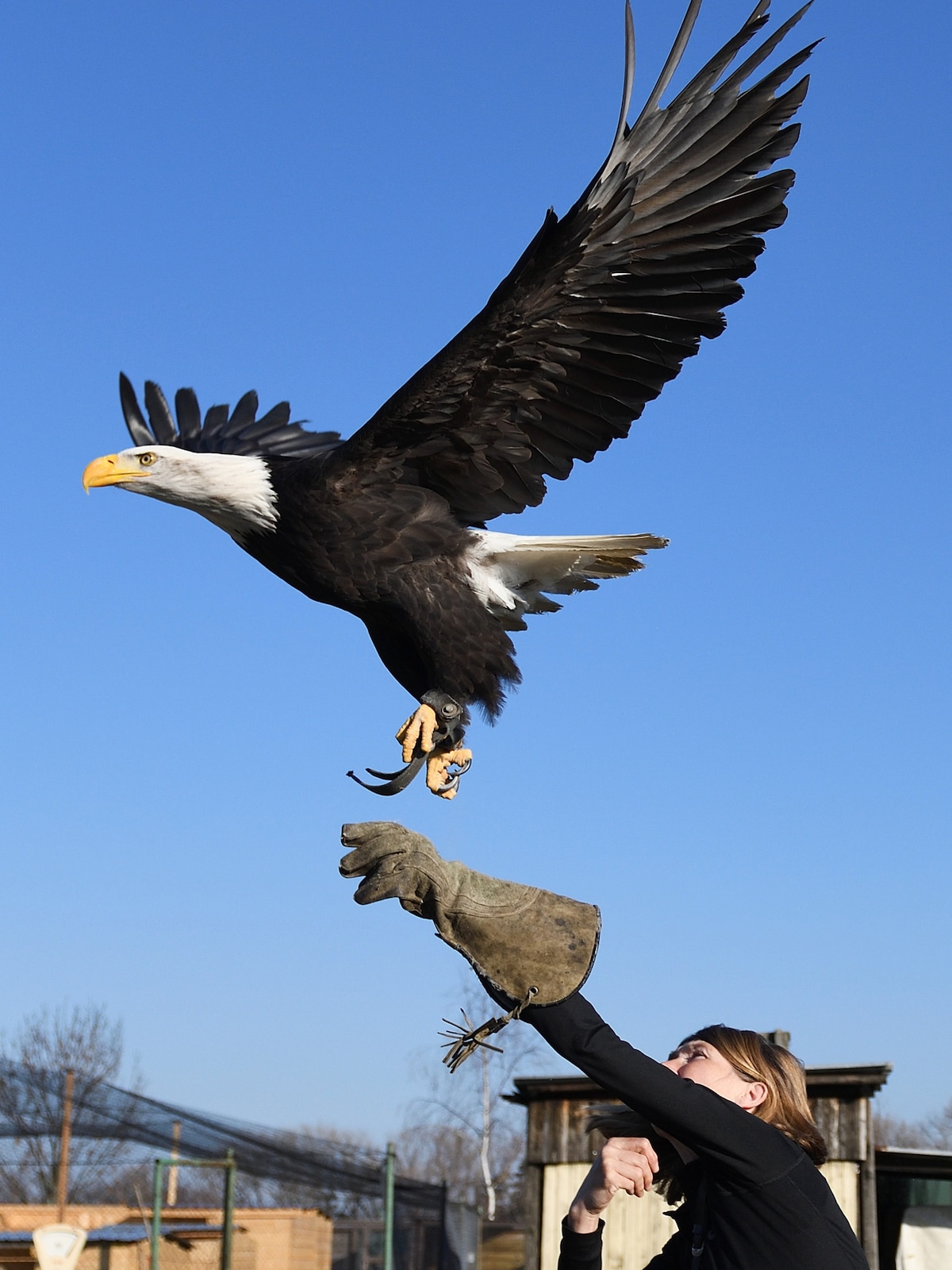
Learn All About Falconry and Birds of Prey
Fri, Feb 13 • 2:00 PM
150 00, Prague 5, Czechia
View details
Nearby attractions of National Gallery Prague - Convent of St. Agnes
Speculum Alchemiae
Spanish Synagogue
Old Town Square
Chabad of Prague - מרכז חב״ד פראג
Statue of Franz Kafka
Prague Jewish Quarter
Prague Astronomical Clock
Prašná brána
The Old-New Synagogue
Church of Our Lady before Týn
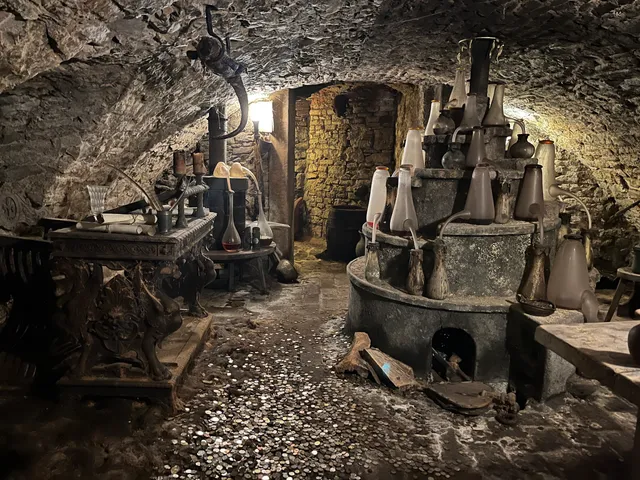
Speculum Alchemiae
4.5
(1.3K)
Closed
Click for details
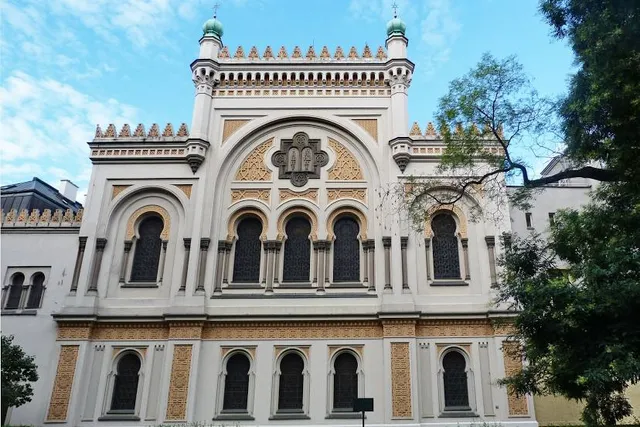
Spanish Synagogue
4.5
(3.7K)
Closed
Click for details
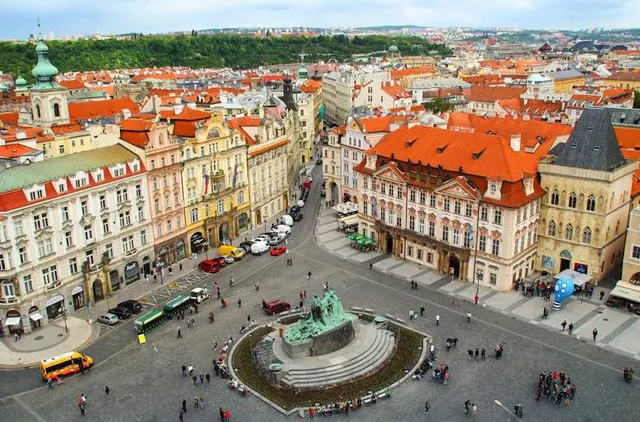
Old Town Square
4.8
(40.1K)
Open 24 hours
Click for details
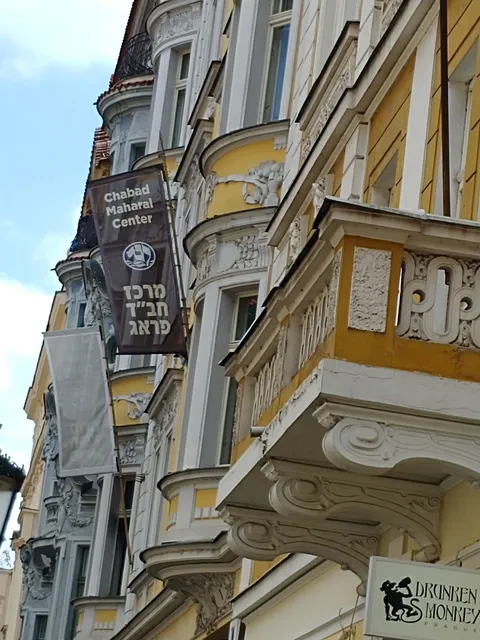
Chabad of Prague - מרכז חב״ד פראג
4.6
(258)
Closed
Click for details
Nearby restaurants of National Gallery Prague - Convent of St. Agnes
Lokál Dlouhááá
The James Joyce
Field Restaurant
Vinárna U sv. Anežky
La Degustation
FOOD LAB
La Casa Blů
Orange Bar Prague
MOON Chinese Restaurant
Moon Club
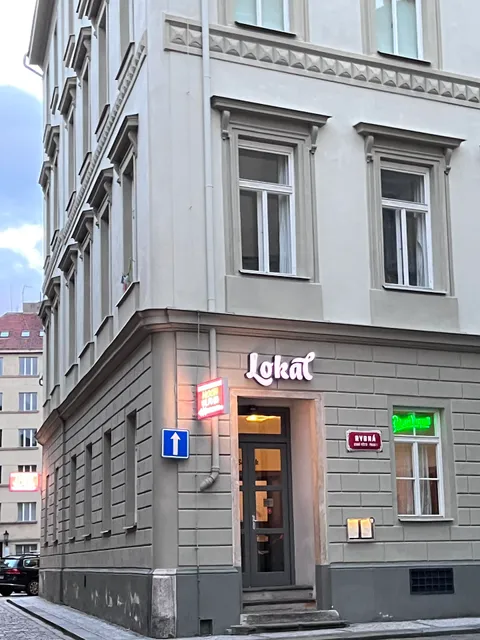
Lokál Dlouhááá
4.4
(8.8K)
Open until 12:00 AM
Click for details
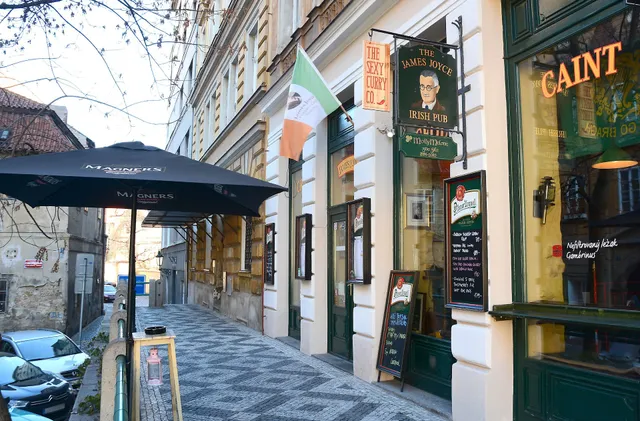
The James Joyce
4.6
(870)
$$
Open until 12:30 AM
Click for details
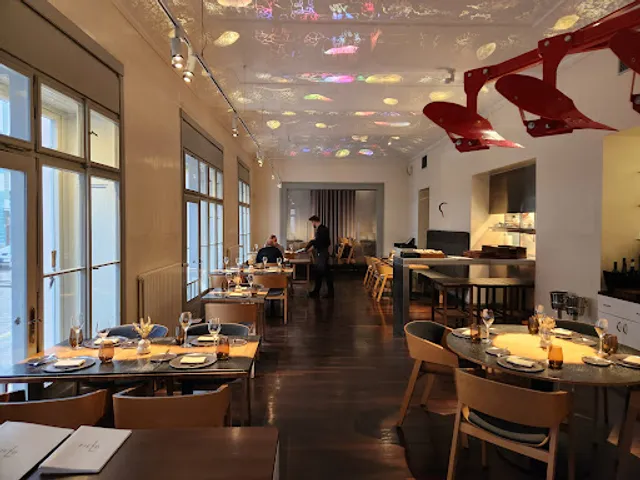
Field Restaurant
4.6
(1.0K)
Closed
Click for details
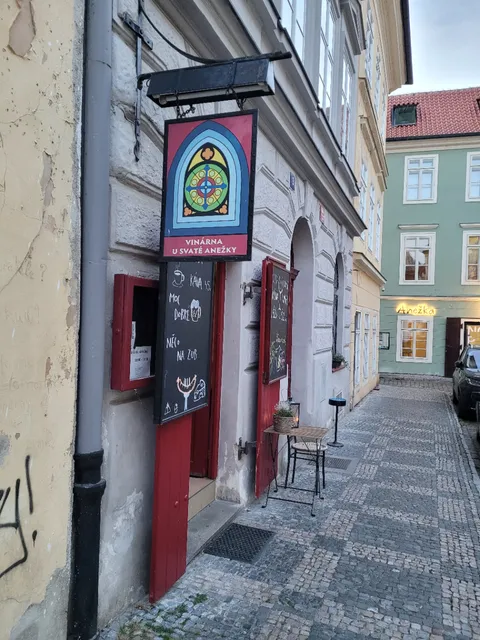
Vinárna U sv. Anežky
4.8
(163)
Closed
Click for details
Nearby local services of National Gallery Prague - Convent of St. Agnes
River Boats Prague
SPA BEERLAND - The First Tank Beer Spa Prague
Classic River
Palladium Prague
Prague Food Tour
La Casa del Habano
Dlouhá 729/37
Masna Kozí
Ingredients
Old Town Square Apartments
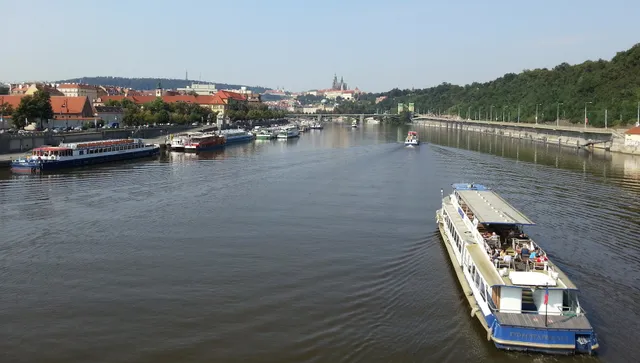
River Boats Prague
4.1
(953)
Click for details
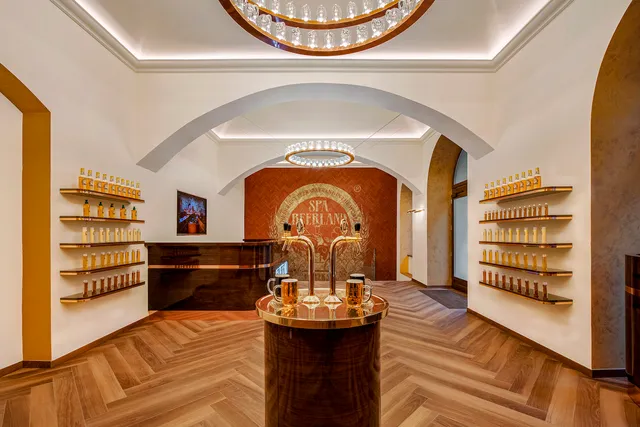
SPA BEERLAND - The First Tank Beer Spa Prague
4.9
(3.8K)
Click for details
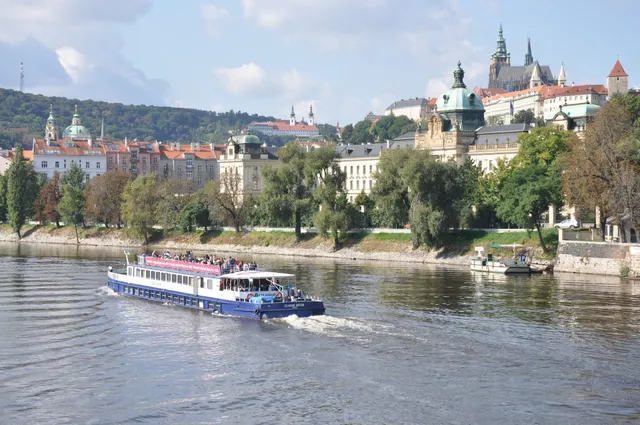
Classic River
4.1
(322)
Click for details
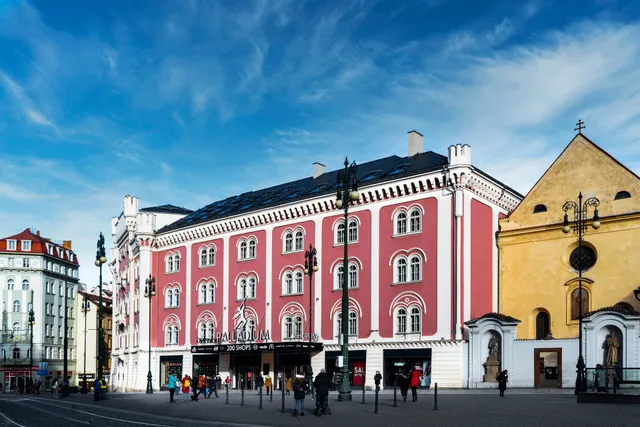
Palladium Prague
4.3
(22.6K)
Click for details