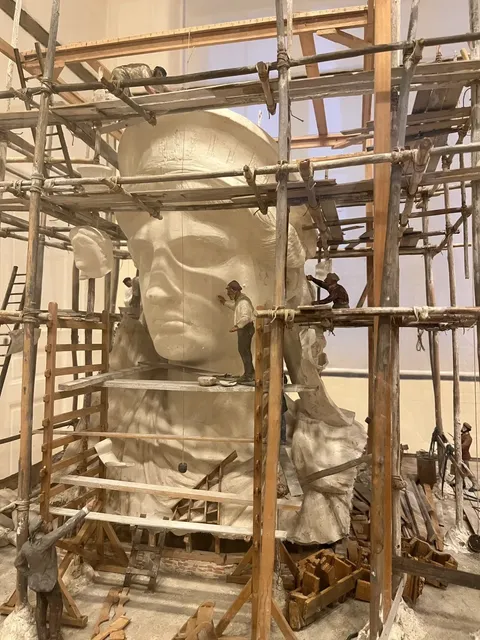
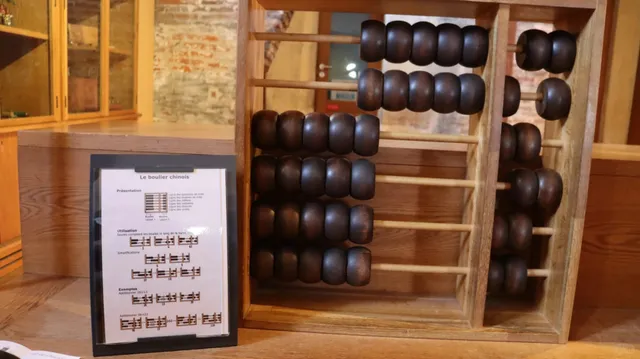
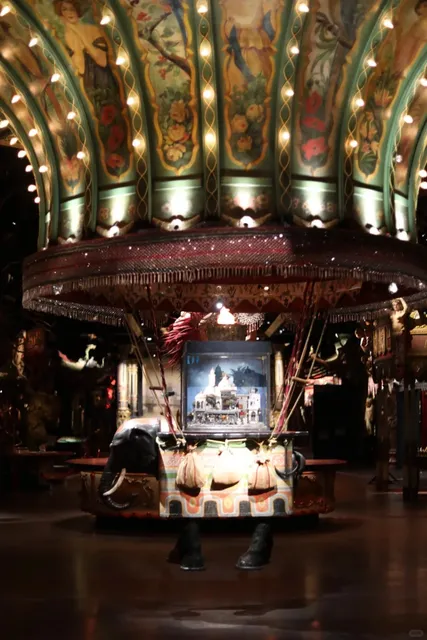
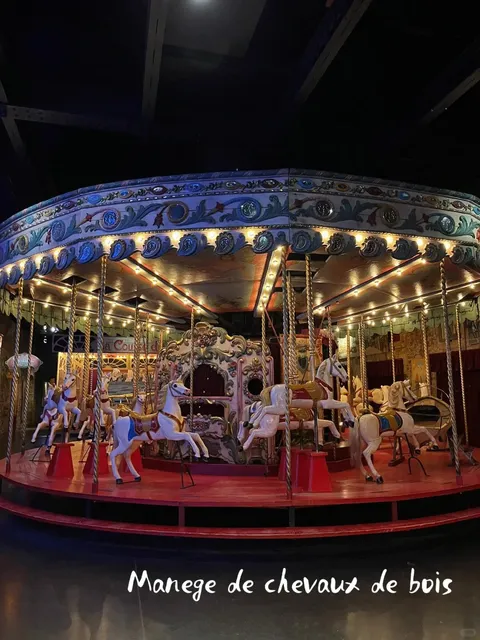
Musée des Arts et Métiers things to do, attractions, restaurants, events info and trip planning
Basic Info
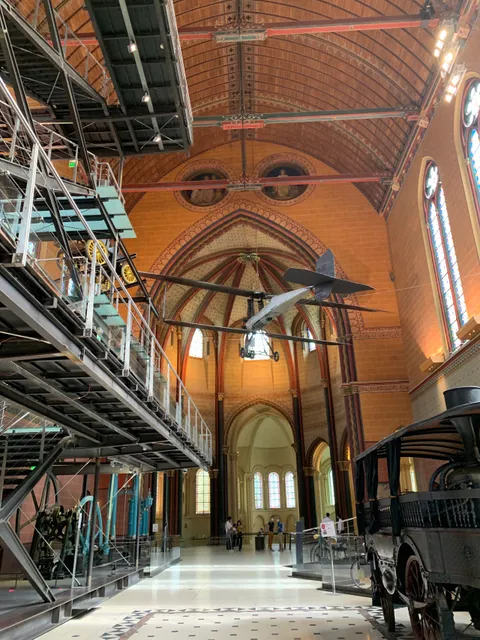
Musée des Arts et Métiers
60 Rue Réaumur, 75003 Paris, France
4.6(4K)
Closed


tickets
Save
spot
spot
Ratings & Description
Info
The Musée des Arts et Métiers is an industrial design museum in Paris that houses the collection of the Conservatoire national des arts et métiers, which was founded in 1794 as a repository for the preservation of scientific instruments and inventions.
Cultural
Accessibility
attractions: Bomb Squad Paris, Church of Saint-Nicolas-des-Champs, Théâtre du Marais, The EDGE - Beyond Virtual Experience, Square Émile-Chautemps, Saint-Martin-des-Champs Priory, HintHunt, MindOut Paris - Réalité Virtuelle : Escape Game + Laser Game, Victory Escape Game Marais, Musée de l'Illusion Paris, restaurants: Santa Lyna, Café des Arts et Métiers, Shodai Matcha, 46 & 3RD - Forty Six and Third, Mala Town, MEILLEUR LIBANAIS À PARIS 3E Rannouch City, 2D atelier, Tanori, Sweetea's, Café Léonard, local businesses: 47 R. de Turbigo, Chine Store Snack, Salmon - Jeweler Marais, BLUE CORNER institut™ PARIS, THE ONE Escape - Escape Game Paris, LA REINE | MASSAGE EPILATION PARIS 75003 | ONGLERIE PARIS 03, Les Patios du Marais, Roche Bobois, Skin Chic, Elliade Paris - Bijoux Vintage - Vintage Jewelry
 Learn more insights from Wanderboat AI.
Phone
+33 1 53 01 82 63
Website
arts-et-metiers.net
Open hoursSee all hours
Fri10 AM - 9 PMClosed
Plan your stay

Pet-friendly Hotels in Paris
Find a cozy hotel nearby and make it a full experience.

Affordable Hotels in Paris
Find a cozy hotel nearby and make it a full experience.

The Coolest Hotels You Haven't Heard Of (Yet)
Find a cozy hotel nearby and make it a full experience.

Trending Stays Worth the Hype in Paris
Find a cozy hotel nearby and make it a full experience.
Reviews
Live events
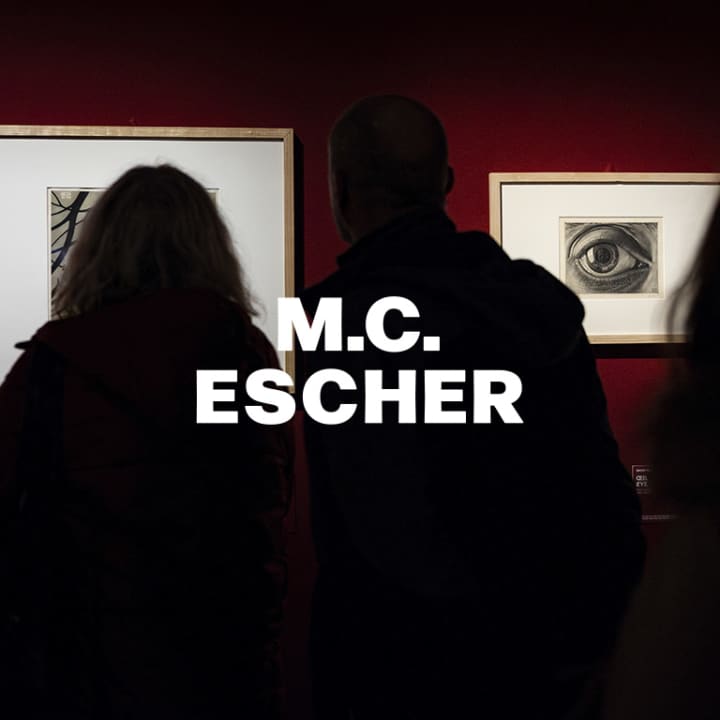
M.C. Escher - Exposition
Sat, Feb 21 • 9:00 AM
11 quai de Conti, 75006
View details

Planète Préhistorique : Dinosaures, L’expérience immersive à l’Atelier des Lumières
Sat, Feb 21 • 10:00 AM
38 Rue Saint-Maur, 75011
View details
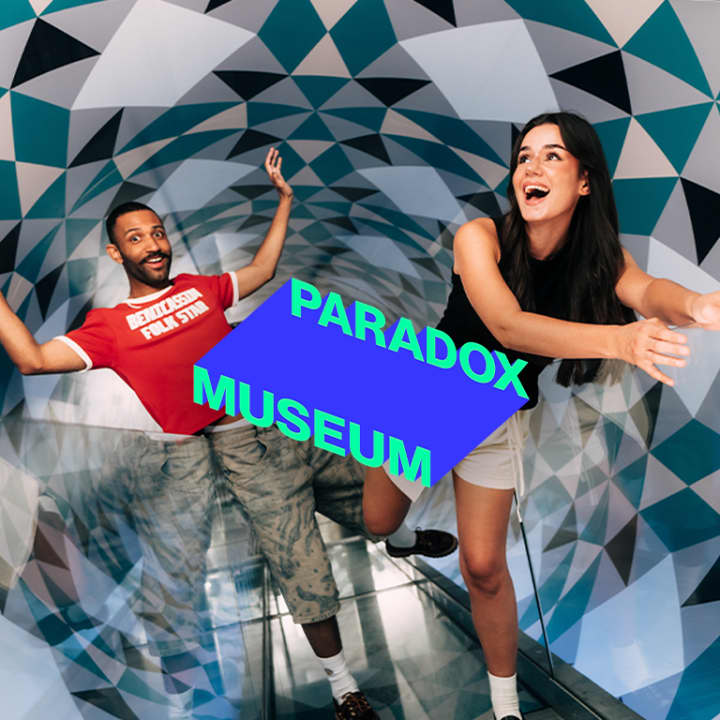
Paradox Museum Paris
Sat, Feb 21 • 9:30 AM
38 Boulevard des Italiens, Paris, 75009
View details
Nearby attractions of Musée des Arts et Métiers
Bomb Squad Paris
Church of Saint-Nicolas-des-Champs
Théâtre du Marais
The EDGE - Beyond Virtual Experience
Square Émile-Chautemps
Saint-Martin-des-Champs Priory
HintHunt
MindOut Paris - Réalité Virtuelle : Escape Game + Laser Game
Victory Escape Game Marais
Musée de l'Illusion Paris

Bomb Squad Paris
4.9
(1.8K)
Closed
Click for details
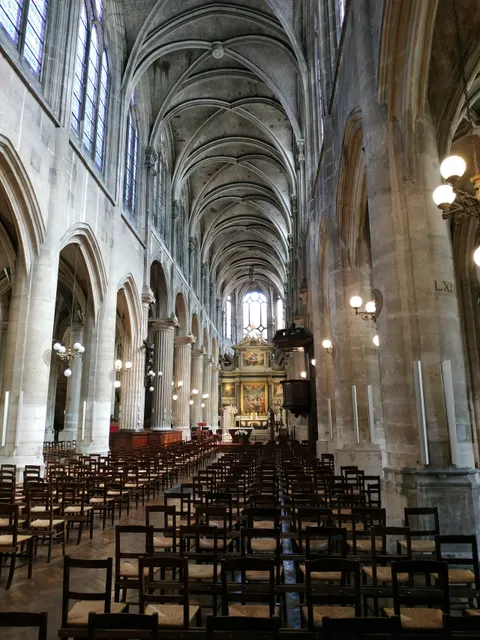
Church of Saint-Nicolas-des-Champs
4.7
(453)
Closed
Click for details
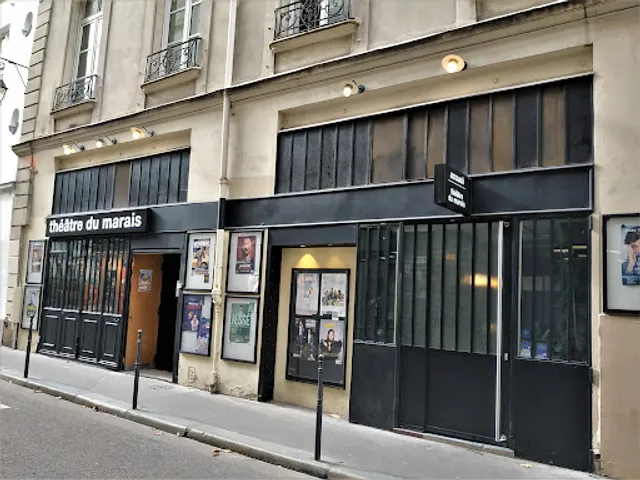
Théâtre du Marais
4.4
(553)
Open 24 hours
Click for details

The EDGE - Beyond Virtual Experience
5.0
(624)
Closed
Click for details
Nearby restaurants of Musée des Arts et Métiers
Santa Lyna
Café des Arts et Métiers
Shodai Matcha
46 & 3RD - Forty Six and Third
Mala Town
MEILLEUR LIBANAIS À PARIS 3E Rannouch City
2D atelier
Tanori
Sweetea's
Café Léonard
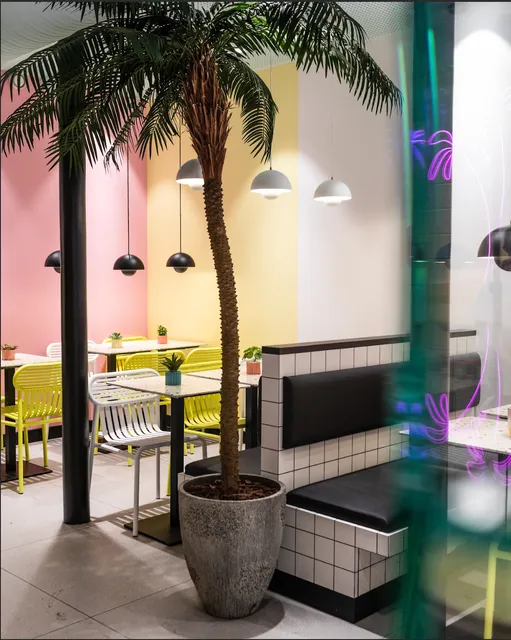
Santa Lyna
4.8
(6.2K)
$$
Closed
Click for details
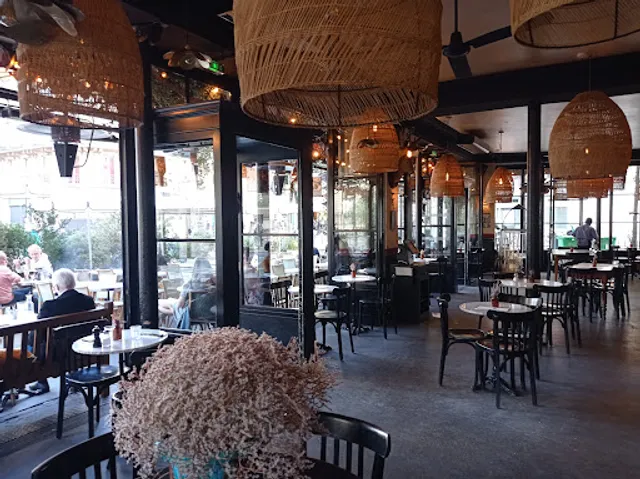
Café des Arts et Métiers
3.6
(989)
$$
Open until 2:00 AM
Click for details
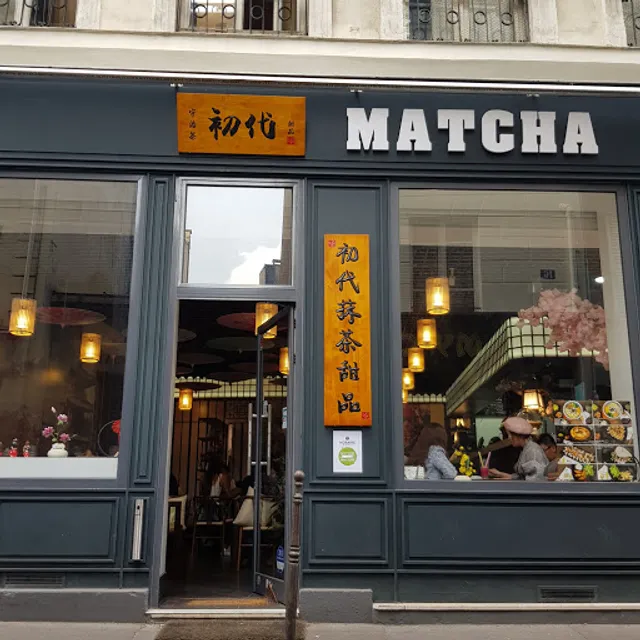
Shodai Matcha
4.7
(3K)
$$
Open until 10:30 PM
Click for details
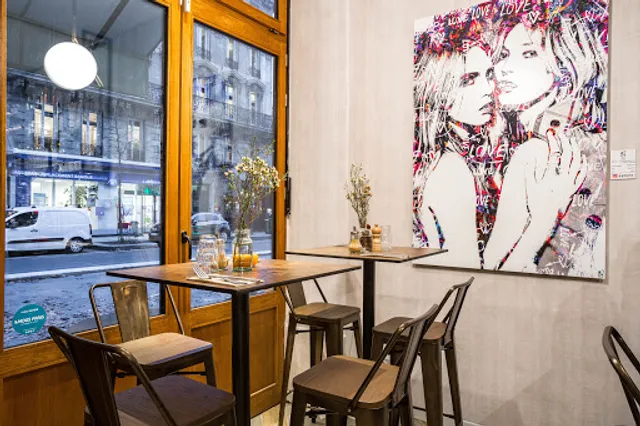
46 & 3RD - Forty Six and Third
4.7
(1.6K)
$$
Closed
Click for details
Nearby local services of Musée des Arts et Métiers
47 R. de Turbigo
Chine Store Snack
Salmon - Jeweler Marais
BLUE CORNER institut™ PARIS
THE ONE Escape - Escape Game Paris
LA REINE | MASSAGE EPILATION PARIS 75003 | ONGLERIE PARIS 03
Les Patios du Marais
Roche Bobois
Skin Chic
Elliade Paris - Bijoux Vintage - Vintage Jewelry
47 R. de Turbigo
4.5
(951)
Click for details

Chine Store Snack
3.8
(373)
Click for details
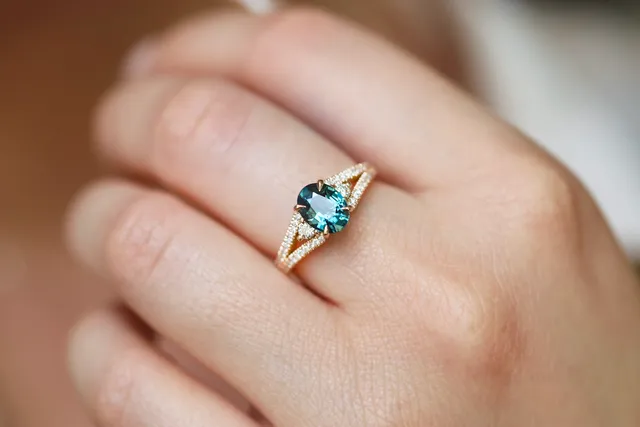
Salmon - Jeweler Marais
4.7
(324)
Click for details
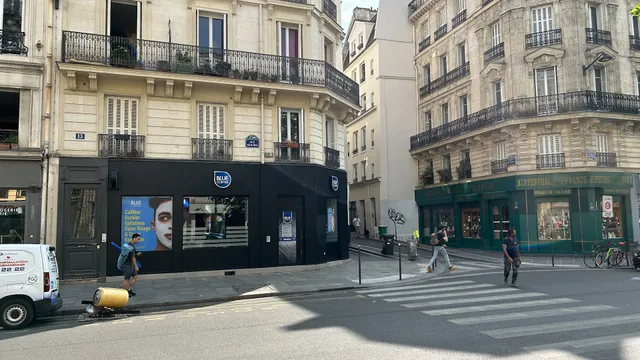
BLUE CORNER institut™ PARIS
4.5
(511)
Click for details